Source Firefighting USB Flash Drive for Emergency Data Storage
Find 30 Firefighting USB Flash Drive options from China suppliers. Compare metal and plastic models with USB 2.0 interfaces, capacities up to 256 GB, and custom logo services for emergency data storage needs; compare the available evidence and request quotations based on your requirements.
Updated
Key considerations
Products List
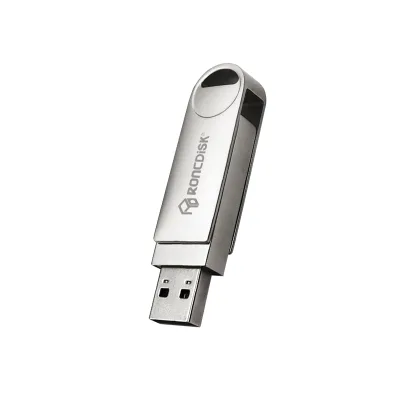
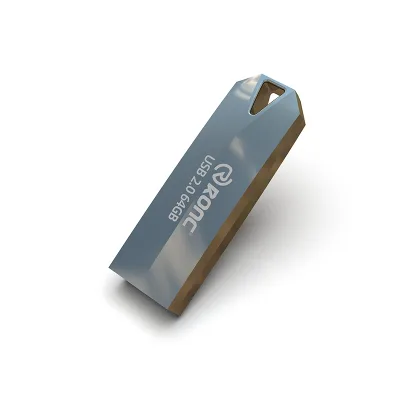
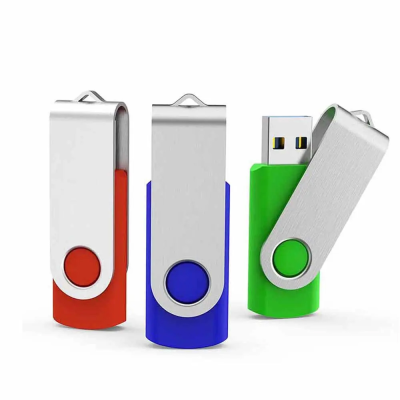


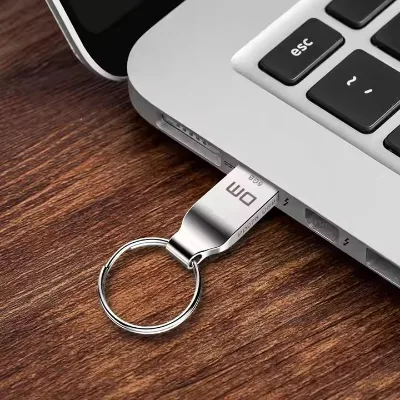


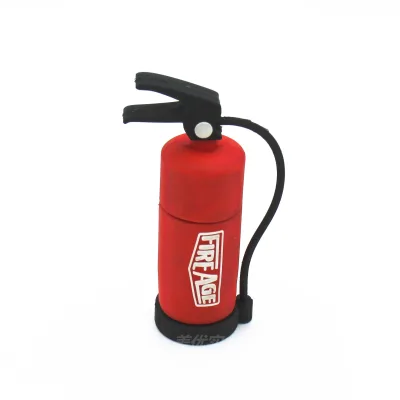

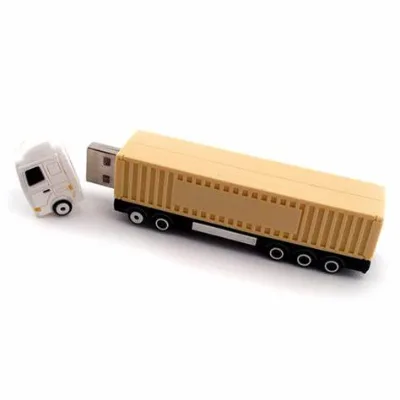
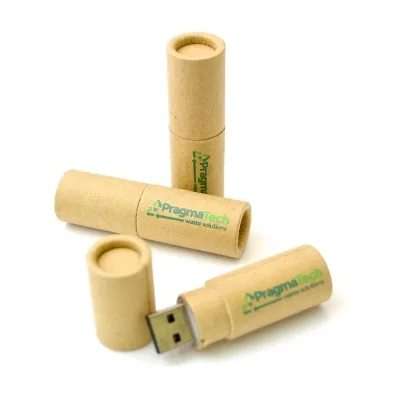
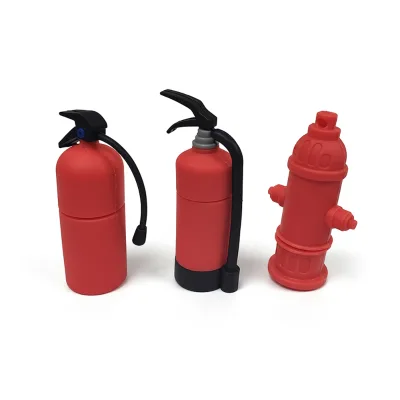
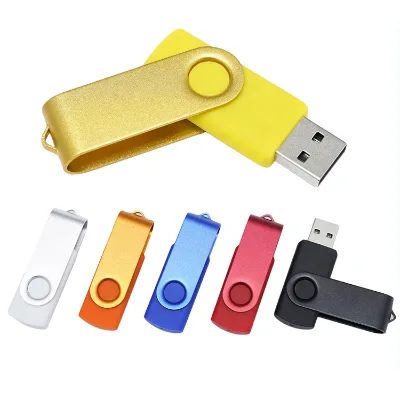

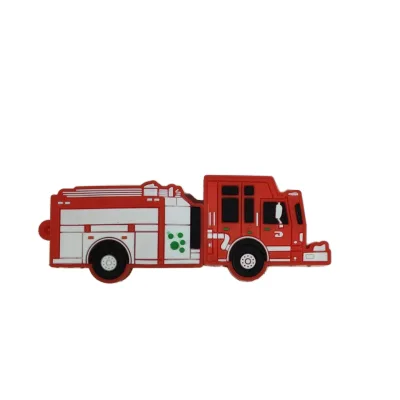
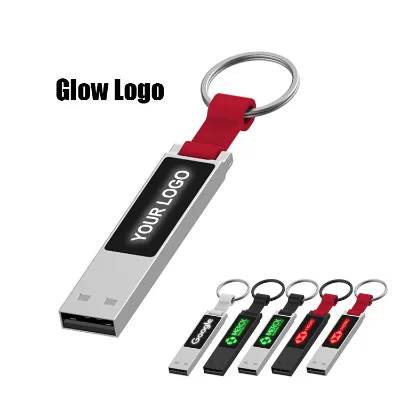


Comprehensive Sourcing Guide
Firefighting USB Flash Drive Sourcing Guide
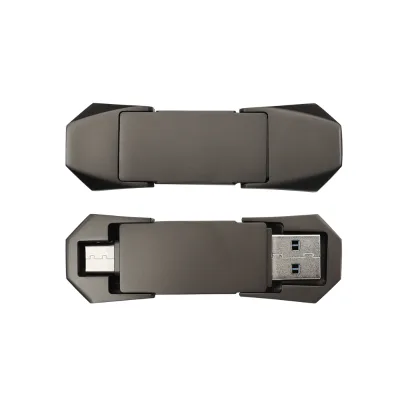
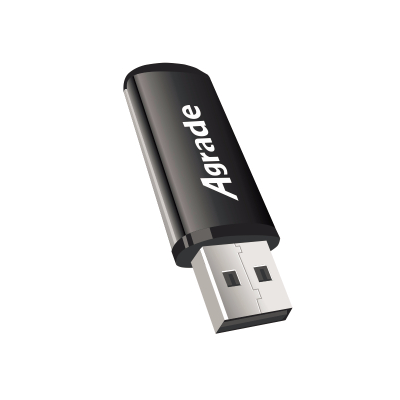
The term "Firefighting USB Flash Drive" in current B2B marketplaces primarily refers to standard digital storage devices rather than specialized emergency equipment. Procurement teams must clarify whether the intent is to source ruggedized drives for harsh environments or standard drives for general office use. The supplied product data indicates a focus on standard USB sticks with metal or plastic casings, originating from Guangdong, China. Buyers should verify if the specific "firefighting" label implies enhanced durability or if it is a marketing term for generic consumer electronics.
Sourcing these devices requires distinguishing between promotional giveaways and functional IT infrastructure components. The observed listings highlight features like custom logos and various capacities, suggesting a strong use case for corporate branding or event distribution. However, for actual firefighting or emergency response teams, standard USB drives may lack the necessary environmental sealing or shock resistance. Procurement specialists must assess whether the listed specifications meet the rigorous demands of emergency services or if they are suitable only for administrative data logging within fire departments.
Product Scope and Observed Listing Signals
The observed product range includes USB flash drives with capacities spanning from 2 GB to 256 GB, catering to diverse data storage needs. Key attributes identified include USB 2.0 and USB 3.0 interface types, with some models featuring metal construction for added durability. The listings also note options for custom packaging, such as PP bags or white boxes, which are critical for branded procurement projects. Buyers should note that while some products claim high-speed performance, the interface type significantly dictates actual transfer rates and compatibility with older systems.
Brand presence is evident with names like RONC appearing in the data, alongside OEM logo printing capabilities. This indicates a mature supply chain ready for private labeling, which is common in bulk corporate orders. The physical dimensions vary, with some models measuring 39125 mm, while others have different single package sizes. Procurement teams must carefully review the "Product Name" and "Keywords" fields to ensure the item matches the required form factor, as terms like "Usb Stick" and "Flash Drive" are used interchangeably across different supplier listings.
Technical Specifications to Verify
Interface compatibility is a primary technical consideration, as the data shows both USB 2.0 and USB 3.0 options. Buyers must confirm the physical connector type and the supported operating systems, which typically include Windows, Linux, and macOS versions. The listed support for Windows 98se through XP suggests some older models may lack native plug-and-play support for modern operating systems without additional drivers. Verification of the actual data transfer speeds is essential, as claimed speeds can vary significantly based on the host computer's USB port capabilities and the drive's internal controller quality.
Storage capacity options range widely, from 1 GB to 256 GB, allowing for flexible budget allocation. However, buyers should verify the actual usable capacity, as marketing often lists nominal rather than exact storage space. The material composition, whether metal or plastic, impacts thermal management and physical resilience. For environments where heat dissipation is a concern, metal casings may offer better performance. Additionally, the absence of hardware encryption in some models means data security relies entirely on software solutions, which is a critical risk factor for sensitive information storage.
Compliance and Safety Documentation
Safety certifications are not explicitly detailed in the provided product attributes, requiring buyers to request specific documentation from suppliers. For devices potentially used in emergency or industrial settings, verifying compliance with international safety standards is crucial. Buyers should ask for test reports related to electrical safety, such as CE or FCC certification, to ensure the devices do not pose electrical hazards. The lack of explicit safety check support in some listings indicates that these are standard consumer-grade products, not specialized industrial equipment.
Environmental compliance is another key area for verification, especially for global procurement. Buyers must ensure that the materials used, particularly in metal or plastic casings, comply with RoHS and REACH regulations. The standard package is listed as a PP bag, which is recyclable, but custom packaging options may introduce non-compliant materials. Procurement teams should specify packaging requirements in the purchase order to avoid receiving products with excessive or non-recyclable materials that could violate corporate sustainability policies or local waste disposal laws.
Cost Drivers and Commercial Terms
Pricing for USB flash drives is heavily influenced by storage capacity and interface speed, with observed ranges from $0.1 to $82.3 USD. Higher capacities and USB 3.0 models command premium prices due to increased component costs. The minimum order quantity (MOQ) varies, with some listings accepting orders as low as one unit, while others require 100 pieces or more. Bulk purchasing typically yields significant discounts, making it essential for large organizations to consolidate orders to achieve optimal pricing tiers and reduce per-unit logistics costs.
Commercial terms also include warranty and after-sales service provisions, with a standard one-year warranty and return/replacement policies observed. Buyers should clarify the warranty process, including who bears the shipping costs for defective units. The availability of samples in stock allows for quality testing before committing to large orders, which is a valuable risk mitigation strategy. Additionally, customization costs for logos and packaging should be factored into the total cost of ownership, as these services often incur setup fees and higher per-unit prices.
Supplier Qualification and Quality Control
Supplier qualification begins with verifying the place of origin, with Guangdong, China, being a common manufacturing hub for these devices. Buyers should assess the supplier's production capacity and quality control processes to ensure consistent product quality. The mention of "Grade A" products suggests a tiered quality system, but buyers must define what constitutes Grade A in their specific requirements. Requesting factory audit reports or third-party quality certifications can provide additional assurance of the supplier's reliability and manufacturing standards.
Quality control checks should include functional testing of a random sample from each batch to verify data integrity and transfer speeds. Buyers should also inspect the physical build quality, checking for loose connectors or uneven casing seams. The availability of customized packaging requires clear specifications to avoid miscommunication during production. Establishing a clear acceptance criteria document before production begins helps prevent disputes over product quality and ensures that the delivered goods meet the procurement team's expectations for performance and appearance.
Long-Term Procurement Checks
Long-term procurement success depends on monitoring supplier performance and product lifecycle management. Buyers should track defect rates and warranty claim frequencies to identify potential quality issues early. Regularly reviewing the supplier's ability to meet delivery lead times is crucial for maintaining inventory levels, especially for critical IT assets. The dynamic nature of USB technology means that older models may become obsolete quickly, so buyers should plan for periodic upgrades to ensure compatibility with evolving hardware and software environments.
Sustainability and end-of-life disposal are increasingly important factors in long-term procurement strategies. Buyers should evaluate the supplier's commitment to recycling programs and the use of eco-friendly materials. Establishing a clear disposal protocol for obsolete USB drives helps manage electronic waste responsibly. Additionally, maintaining a diversified supplier base reduces dependency on single sources and mitigates supply chain risks. Regularly updating the procurement specifications to reflect new technological advancements ensures that the organization continues to benefit from improved performance and cost efficiency.
FAQs
What is the warranty period for RONC USB flash drives?
The warranty period is 1-Year for these USB flash drives. Buyers can also rely on the Return and Replacement after-sales service provided by the supplier. This ensures that any manufacturing defects or performance issues are addressed promptly. The product is listed as New status, indicating it is fresh inventory ready for immediate deployment in various storage applications.
What interface types are supported by these USB drives?
These USB drives support USB 2.0 and USB 2.0/3.0 interface types depending on the specific model. The RC-U130 and RC-U112 models are available with these connection standards. This flexibility allows compatibility with a wide range of computers and devices. Users can select the appropriate interface based on their system requirements for optimal data transfer speeds and connectivity.
What storage capacities are available for the metal USB flash drive?
Storage capacities range from 2 GB up to 256 GB for the metal USB flash drive. Options include 1, 2, 4, 8, 16, 32, 64, 128, and 256 GB. This wide range allows users to choose the exact storage needed for their files. The product supports high-speed data transfer, making it suitable for large files and frequent use in professional environments.
Can I customize the logo and packaging for bulk orders?
Yes, customized logos and packaging are available for bulk orders. The supplier offers OEM package options including OPP bags, white PP boxes, or custom packaging. The standard package is a PP bag, but custom requirements are accepted. This service allows businesses to brand their USB drives for marketing purposes or specific corporate identity needs effectively.
What is the minimum order quantity for these USB drives?
The minimum order quantity varies, with observed values ranging from 1 to 500 units. Some listings specify an MOQ of 100 PCS for certain models. Samples are available in stock for quality verification before placing larger orders. This flexibility supports both small trial purchases and large-scale industrial procurement needs for reliable data storage solutions.
Where are these USB flash drives manufactured?
These USB flash drives are manufactured in Guangdong, China, with specific origins in Guangzhou. The place of origin is consistently listed as China across product specifications. This location is a major hub for electronics manufacturing, ensuring access to robust supply chains and competitive production capabilities for high-quality USB storage devices.