Source Flexible Endoscope for gastric exams, imaging, and diagnostics
Compare 30 Flexible Endoscope options from verified Chinese manufacturers. Buyers can evaluate specifications like working length, resolution, and insertion tube diameter for gastric examination and imaging diagnostic equipment needs; compare the available evidence and request quotations based on your requirements.
Updated
Key considerations
Products List

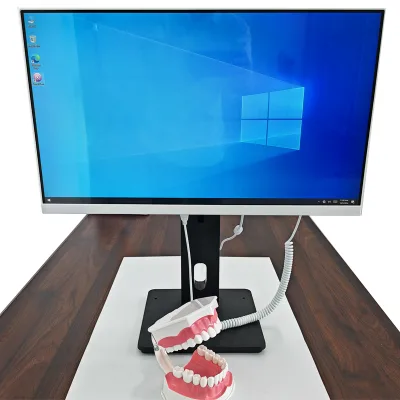


Handheld Electric Hospital Equipment Portable Flexible Video Endoscope
$1210.00 - $2385.00
MOQ: 1 Pieces

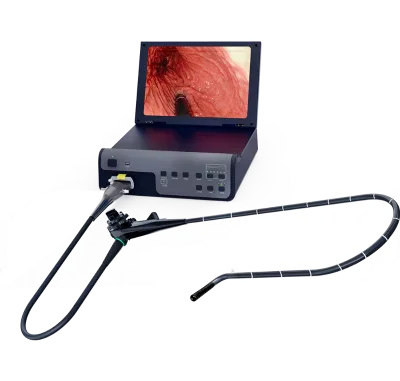
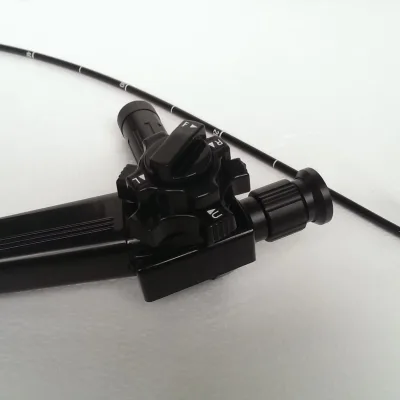
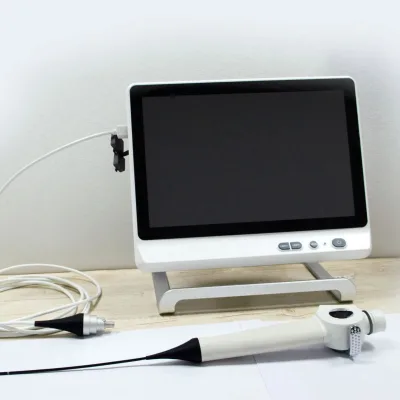
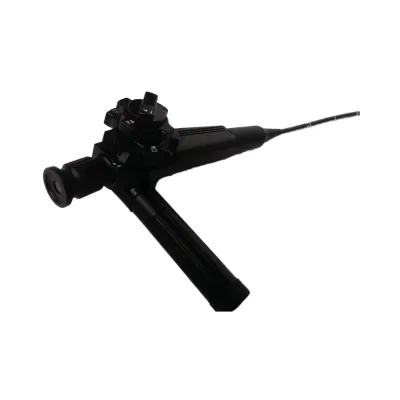
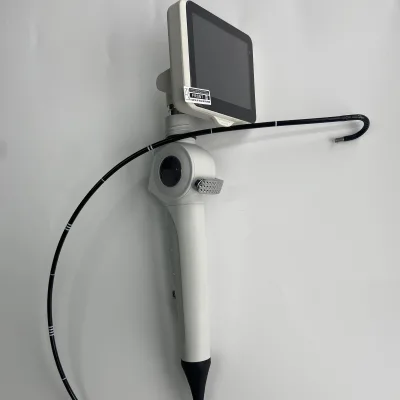
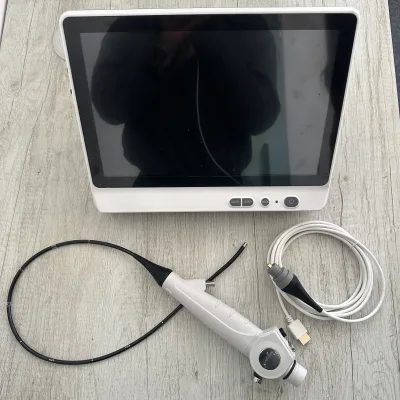


Reusable USB Flexible Endoscopes Flexible Medical Colonoscopes for Clinics
$1950.00 - $4700.00
MOQ: 1 Pieces


Reusable USB Optional Flexible Endoscopes - Flexible Medical Colonoscopes
$1950.00 - $4700.00
MOQ: 1 Pieces

Multifunctional 2-in-1 Device Supporting Both Rigid and Flexible Endoscopes
$900.00 - $3000.00
MOQ: 1 Pieces
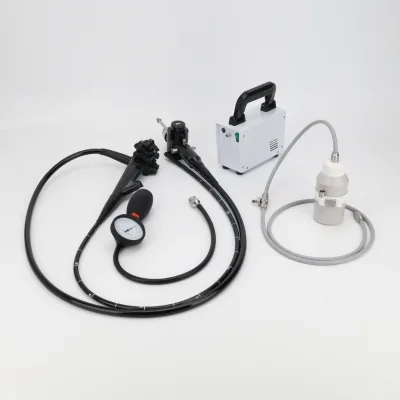
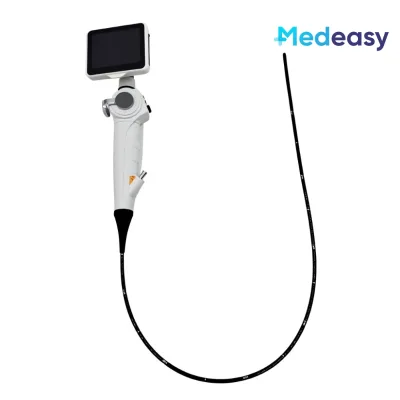
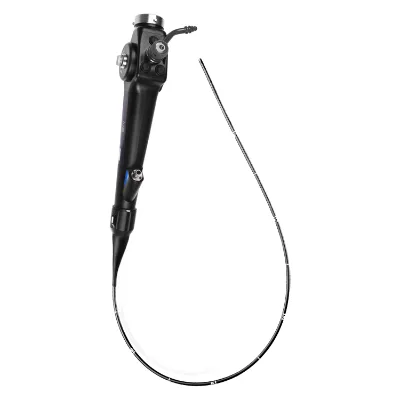

USB Gastroscope Endoscope Camera Endoscope System Gastrointestinal Endoscopy Flexible Endoscope
$100.00 - $600.00
MOQ: 1 Pieces

High Quality Medical Endoscopes for Clinic Hospital Flexible Video Endoscope
$500.00 - $2000.00
MOQ: 1 Pieces

Ureteroscope and Flexible Medical Ureteroscope Endoscopy System Endoscope Ureteroscope Endoscope
$500.00 - $2000.00
MOQ: 1 Pieces

Medical Hospital Video Colonoscope Gastroscope Flexible Endoscope for Human
$500.00 - $2000.00
MOQ: 1 Pieces

Medical Endoscope Flexible Video Gastroscope and Colonoscope for Adult
$500.00 - $2000.00
MOQ: 1 Pieces
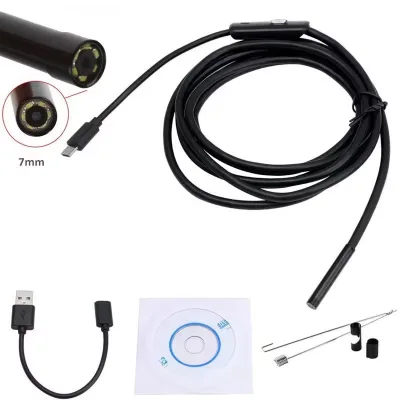
Industrial Flexible Endoscope Single Use Flexible Video Inspection Endoscope Camera
$1.5379 - $30.7398
MOQ: 1 Minimum
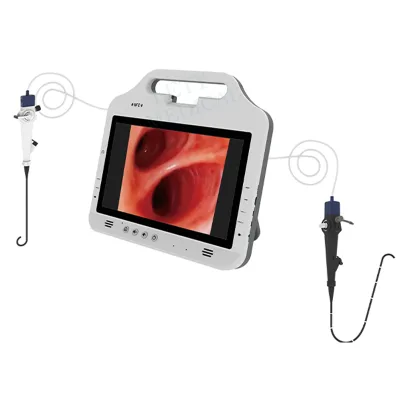
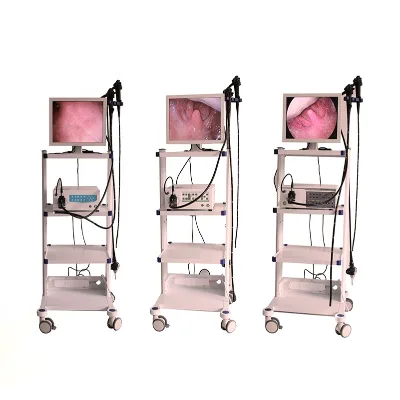
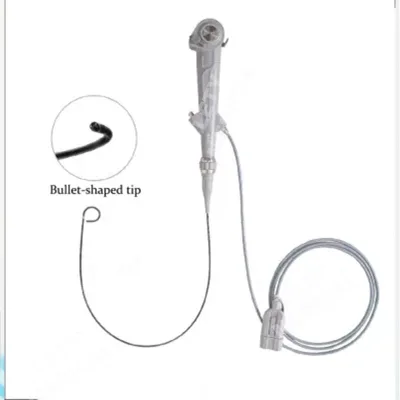
$1020.4665 - $1530.6997
MOQ: 1 Minimum
Comprehensive Sourcing Guide
Flexible Endoscope Sourcing Guide
Procuring flexible endoscopes requires a disciplined approach to balancing optical precision with mechanical durability. Buyers must recognize that these devices are critical for internal examinations, where image clarity and maneuverability directly impact diagnostic accuracy. The market offers various configurations, from standard forward-viewing models to specialized instruments with specific insertion lengths. Understanding the core technical parameters is essential before engaging with suppliers, as minor deviations in specifications can lead to significant operational inefficiencies or patient safety concerns.
This guide focuses on evidence-based sourcing strategies for flexible gastrosopes and similar imaging diagnostic equipment. It emphasizes the verification of key attributes such as resolution, working channel dimensions, and field of view. By adhering to structured procurement protocols, buyers can mitigate risks associated with inconsistent product quality. The following sections provide a comprehensive framework for evaluating suppliers, verifying technical claims, and ensuring long-term reliability in medical device supply chains.
Product Scope and Observed Listing Signals
The current market landscape for flexible endoscopes includes a diverse range of products, with observed price points varying significantly from low-cost options to high-end specialized units. Listings often highlight features such as high-definition imaging capabilities, with specific resolutions like 1280x720 being a notable benchmark for clarity. Buyers should note that product models vary widely, with identifiers like Sy-P029-1 appearing in commercial listings, indicating a need for precise model matching during procurement. The presence of customization options suggests that manufacturers are increasingly catering to specific institutional requirements rather than offering one-size-fits-all solutions.
Packaging and origin details provide additional context for sourcing decisions. Products are typically shipped in robust carton or wooden box packaging to protect delicate optical components during transit. Many suppliers indicate origins in regions like Guangdong, China, which is a major hub for medical device manufacturing. However, buyers must verify that the listed origin aligns with their quality expectations and regulatory requirements. The availability of OEM support further indicates that many manufacturers are prepared to brand devices for specific healthcare networks, adding a layer of complexity to supplier evaluation.
Technical Specifications to Verify
Technical verification is paramount when sourcing flexible endoscopes, particularly regarding the insertion tube and working channel dimensions. The outer diameter of the insertion tube, often observed around 9.5mm, directly influences patient comfort and procedural ease. Similarly, the working channel inner diameter, such as 3.0mm, determines the compatibility with various surgical instruments and suction devices. Buyers must confirm these measurements against their existing equipment inventory to ensure seamless integration. Deviations in these critical dimensions can render the endoscope incompatible with standard accessories, leading to costly delays and operational disruptions.
Optical performance metrics also require rigorous scrutiny. The field of view, which may be specified as 140°, and the depth of field, ranging from 3 to 100mm, are crucial for comprehensive diagnostic coverage. The direction of view, typically forward-facing for gastrosopes, must align with the intended clinical application. Additionally, the working length, available in options like 1050mm or 1500mm, affects the reach and maneuverability of the device. Buyers should request detailed technical datasheets that confirm these specifications, ensuring that the procured units meet the precise anatomical and procedural demands of their medical staff.
Compliance and Safety Documentation
Compliance with safety standards is a non-negotiable aspect of endoscope procurement. Documentation must verify adherence to recognized safety benchmarks, such as GB15979-2002, which governs hygiene and safety requirements for medical devices. Buyers should insist on certificates that confirm the device meets these specific standards, as non-compliance can result in regulatory penalties and compromised patient safety. The presence of IP67 protection class ratings indicates a level of resistance to dust and water ingress, which is vital for devices that undergo frequent sterilization processes. Verifying these certifications ensures that the endoscope can withstand the rigorous cleaning protocols required in clinical settings.
Electrical safety and voltage compatibility are also critical documentation points. Devices operating at 220V must be matched with the local power infrastructure to prevent electrical hazards. Buyers should review all electrical safety certificates to ensure that the power supply units and internal components meet international safety norms. Additionally, any claims regarding material safety, such as the use of biocompatible plastics or metals, should be supported by relevant material safety data sheets. This comprehensive documentation review helps mitigate legal and operational risks, ensuring that the procured endoscopes are safe for both patients and medical personnel.
Cost Drivers and Commercial Terms
Cost structures for flexible endoscopes are influenced by a variety of factors, including material quality, manufacturing complexity, and customization levels. The observed price range, spanning from $0.18 to $7500, reflects the diversity of products available, from simple components to complete diagnostic systems. Buyers must carefully analyze what is included in the quoted price, such as accessories, software, and warranty coverage. High-cost items often feature advanced imaging technologies and durable materials, while lower-cost options may lack certain premium features. Understanding these cost drivers helps buyers align their budget with their clinical needs, avoiding unnecessary expenditures on unrequired specifications.
Minimum order quantities (MOQ) and lead times are significant commercial terms that impact procurement planning. MOQs typically range from 1 to 20 units, allowing for flexible purchasing based on institutional demand. However, larger orders may offer economies of scale, reducing the per-unit cost. Lead times can vary depending on the customization requirements and production capacity of the supplier. Buyers should negotiate clear delivery schedules and penalty clauses for delays to ensure timely availability. Additionally, payment terms and after-sales support agreements should be clearly defined to protect the buyer’s investment and ensure long-term operational continuity.
Supplier Qualification and Quality Control
Supplier qualification involves a thorough assessment of manufacturing capabilities and quality management systems. Buyers should verify certifications such as ISO standards, which indicate a commitment to consistent quality and process control. The presence of CE certification further suggests compliance with European health, safety, and environmental protection standards. It is essential to conduct on-site audits or request detailed quality control reports to ensure that the supplier adheres to rigorous manufacturing protocols. Suppliers who specialize in customized auto parts or hardware machining may also possess the precision engineering skills necessary for high-quality endoscope production, but this requires careful validation.
Quality control processes should include rigorous testing of optical components, mechanical flexibility, and electrical safety. Buyers should inquire about the supplier’s defect rate and return policies to gauge their confidence in product reliability. The use of advanced manufacturing techniques, such as CNC machining, can enhance the precision of critical components. Additionally, suppliers should provide traceability for materials and components, ensuring that every part meets specified standards. Establishing a strong quality control framework with the supplier helps minimize the risk of receiving defective units and ensures that the endoscopes perform reliably in clinical environments.
Long-Term Procurement Checks
Long-term procurement success depends on establishing robust relationships with suppliers who can provide consistent quality and support. Buyers should implement regular performance reviews to assess the reliability of delivered units and the responsiveness of after-sales service. Monitoring key performance indicators, such as defect rates and repair turnaround times, helps identify potential issues early. Suppliers who offer comprehensive training and technical support are valuable partners in maintaining the longevity of the endoscope fleet. Regular communication with suppliers ensures that any emerging issues are addressed promptly, minimizing downtime and maintaining high standards of patient care.
Continuous evaluation of market trends and technological advancements is also crucial for long-term procurement strategies. Buyers should stay informed about new features and improvements in endoscope technology, such as enhanced imaging resolution or improved durability. This knowledge enables proactive upgrades and replacements, ensuring that the institution remains at the forefront of diagnostic capabilities. Additionally, reviewing contract terms periodically allows for adjustments based on changing clinical needs or market conditions. By maintaining a strategic approach to procurement, buyers can secure a reliable supply of high-quality flexible endoscopes that support their medical objectives.
FAQs
What are the key specifications of the flexible gastroscope?
The flexible gastroscope features a working length of 1050mm or 1500mm with an insertion tube outer diameter of 9.5mm. It offers a 140-degree field of view and a depth of field ranging from 3 to 100mm. The working channel inner diameter is 3.0mm, and it operates at 220V with a 1280x720 resolution for clear imaging during gastric examinations.
Can this endoscope be customized for specific medical needs?
Yes, customized support is available for this Flexible Endoscope. The product allows for OEM customization to meet specific medical requirements. Buyers can request tailored solutions for specialized applications, ensuring the device aligns with particular clinical protocols or institutional standards while maintaining high-quality performance and reliability.
What certifications does the Flexible Endoscope hold?
The Flexible Endoscope holds ISOCE and CE certifications, ensuring compliance with international quality and safety standards. It also adheres to the GB15979-2002 safety standard. These certifications verify that the device meets rigorous manufacturing and safety requirements, providing confidence in its reliability and suitability for professional medical diagnostic procedures.
Where is this Flexible Endoscope manufactured?
This Flexible Endoscope is manufactured in Guangdong, China. The production facility specializes in customized auto parts machining and hardware fabrication, leveraging advanced technology to produce high-quality medical devices. The origin ensures access to robust manufacturing capabilities and efficient supply chain logistics for global distribution and procurement needs.
How is the Flexible Endoscope packaged for shipping?
The Flexible Endoscope is packaged in cartons, wooden boxes, or combined box and carton formats. Packaging dimensions vary based on product size requirements, such as 50x45x35 cm or 58x45x20 cm. This flexible packaging approach ensures safe transit and protection of the delicate medical equipment during international shipping and handling.
What is the minimum order quantity for this endoscope?
The minimum order quantity ranges from 1 to 20 units, depending on the specific configuration and customization requirements. This flexible MOQ allows buyers to place smaller initial orders for testing or specific project needs. Bulk orders may offer different pricing structures, making it suitable for both small clinics and large hospitals.