Source Food Grade Commercial Juice Dispenser for Kitchen, Restaurant, and Buffet
Find 30 Food Grade Commercial Juice Dispenser units suitable for kitchen, restaurant, and buffet equipment. Compare models like JD-8L and ET-LSJ-18LX1 with varying capacities and power sources to find the right solution for your cafeteria or hotel kitchen supplies needs.
Updated
Key considerations
Products List


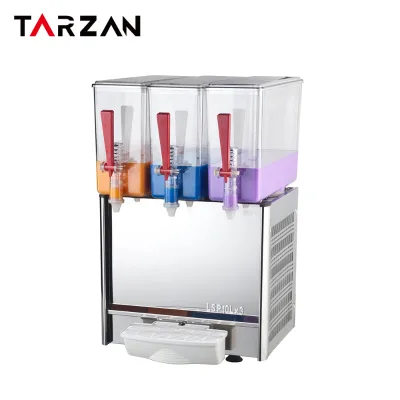
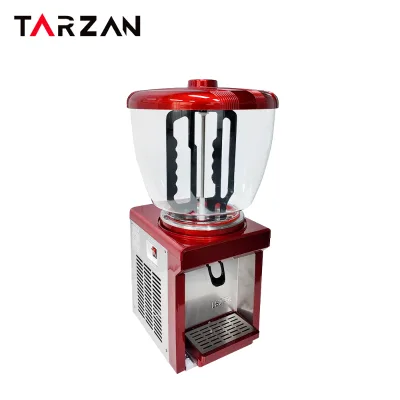
Commercial Cold Spray Beverage& Juice Dispenser
$550.00 - $750.00
MOQ: 1 Pieces
Guangzhou Junjian Kitchen Appliances & Refrigeration Equipment Co., Ltd.


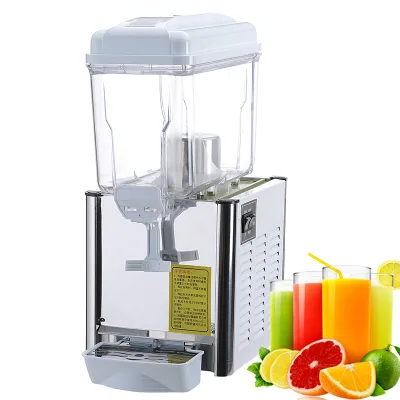

Commercial Beverage Juice Dispenser for Catering Faucet Juice Dispenser
$197.00 - $210.00
MOQ: 1 Pieces


Hot Sale Juice Dispenser /Juice Dispenser Prices/Cold Beverage Dispenser
$225.00 - $236.00
MOQ: 1 Pieces


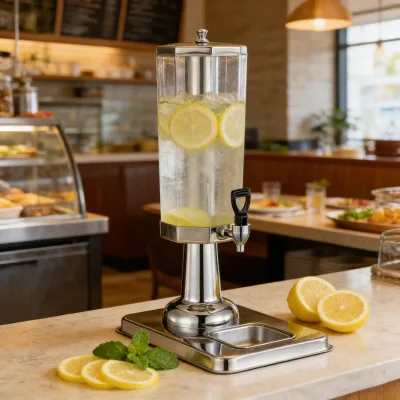
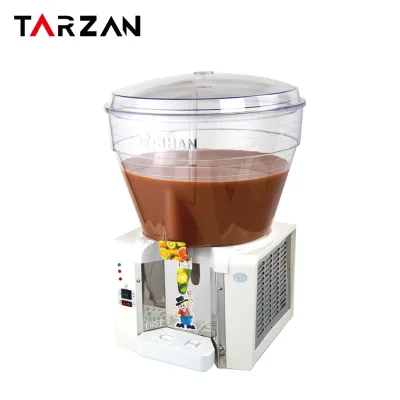
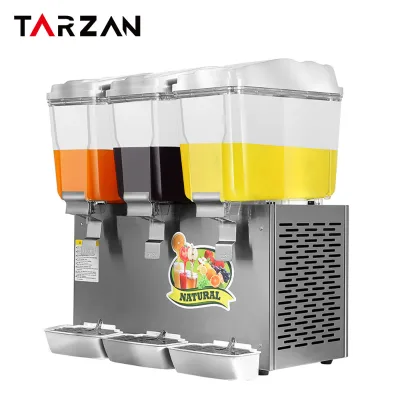
Comprehensive Sourcing Guide
Food Grade Commercial Juice Dispenser Sourcing Guide
Procurement professionals must first distinguish between fixed-capacity units and modular systems when evaluating the market for food-grade commercial juice dispensers. The available data indicates a range of models, such as the JD-8L and ET-LSJ series, which are specifically designed for high-volume environments like cafeterias, restaurants, and buffet setups. Buyers should verify that the selected unit aligns with the specific throughput requirements of their facility, as some models offer dual-tank configurations while others focus on single-stream dispensing.
The physical footprint and power requirements of these units vary significantly, necessitating a careful review of dimensional specifications before finalizing a purchase. Observed listings show dimensions ranging from compact 230mm widths to larger 590mm units, with power sources consistently identified as electric and operating at standard voltages like 220V. It is critical to confirm that the electrical infrastructure at the intended site can support the specific wattage requirements, such as the 180W cold power or 600W heat power observed in certain models, to prevent operational failures.
Product Scope and Observed Listing Signals
Buyers should analyze the observed product attributes to ensure the equipment matches the intended service environment, particularly regarding material composition and finish. The market data highlights units constructed from stainless steel and plastic, often finished in silver or yellow, which are standard for commercial hygiene and durability. Procurement teams must verify that the specific model selected offers the necessary non-disposable, reusable construction required for long-term commercial use rather than single-service applications.
The packaging and shipping specifications provide early indicators of the supplier's logistical capabilities and the unit's readiness for international transport. Listings frequently mention export cartons, plywood cases, or combinations thereof, with specific unit packing dimensions provided to assist in freight planning. Sourcing agents should cross-reference these packing details with the actual product dimensions to ensure the equipment fits within standard container loads and to anticipate any additional handling costs associated with heavy-duty wooden cases.
Technical Specifications to Verify
Technical due diligence requires a precise match between the listed capacity and the actual operational needs of the kitchen or buffet line. The observed data includes capacities ranging from 8 liters to 20 liters, with specific model numbers like ET-LSJ(P)-18LX1 indicating distinct volume capabilities. Buyers must confirm that the internal tank size supports the expected service volume without requiring constant refilling, which can disrupt service flow during peak hours in a restaurant or hotel setting.
Temperature control and timing mechanisms are critical technical parameters that define the quality of the dispensed product and the efficiency of the workflow. Some models are equipped with temperature ranges of 7-12 degrees Celsius, while others may lack timing devices entirely, requiring manual operation. Procurement specialists should verify the presence of touchpad controls and the specific temperature stability of the unit to ensure that juice remains fresh and safe for consumption throughout the service period.
Compliance and Safety Documentation
Safety compliance is a non-negotiable aspect of sourcing commercial food equipment, requiring verification of relevant electrical and material safety standards. The provided context references CE certification for certain units, which is a mandatory requirement for many markets to ensure electrical safety and electromagnetic compatibility. Buyers must request current certification documents from the supplier to confirm that the specific batch of equipment meets the regulatory standards of the destination country before shipment.
Material safety is equally important, as the equipment must be constructed from food-grade materials that do not leach harmful substances into the juice. While some listings mention natural ingredients in the context of processing, the machine itself must be verified as compatible with food contact surfaces, typically indicated by stainless steel construction. Procurement teams should demand material safety data sheets or declarations of conformity to ensure the equipment complies with local food safety regulations regarding direct food contact.
Cost Drivers and Commercial Terms
The total cost of ownership is influenced by the complexity of the unit, including features like heating elements, cooling systems, and advanced control interfaces. Prices observed in the market range widely, reflecting differences in capacity, material quality, and the inclusion of specialized features such as timing devices or specific voltage configurations. Buyers should evaluate the price against the functional requirements, avoiding over-specification for smaller operations while ensuring sufficient capacity for high-volume venues.
Commercial terms regarding minimum order quantities and packaging standards significantly impact the initial procurement budget and logistics planning. The data indicates a minimum order quantity range of 1 to 30 units, offering flexibility for small businesses or large chains. However, the packaging method, whether standard export cartons or heavy-duty wood cases, can alter shipping costs and insurance requirements, so these terms must be negotiated clearly to avoid unexpected expenses upon delivery.
Supplier Qualification and Quality Control
Supplier qualification begins with verifying the origin and manufacturing location to ensure consistency in production quality and supply chain reliability. The available information points to manufacturers based in Guangzhou, China, a major hub for commercial kitchen equipment, but buyers should confirm the specific factory location and production capacity. Establishing a direct relationship with the manufacturer or an authorized distributor helps in maintaining quality control and ensures that the equipment meets the specified standards.
Quality control protocols must be established to verify that the delivered units match the ordered specifications regarding dimensions, power ratings, and material composition. Buyers should implement a pre-shipment inspection process to check for defects in the stainless steel finish, the integrity of the electrical components, and the accuracy of the temperature controls. This proactive approach minimizes the risk of receiving non-compliant units and ensures that the equipment is ready for immediate installation and use.
Long-Term Procurement Checks
Sustainable procurement requires a focus on the durability and maintenance requirements of the juice dispensers over their operational lifespan. The non-disposable nature of the units suggests they are built for repeated use, but buyers must assess the availability of spare parts and the ease of cleaning to maintain hygiene standards. Regular maintenance schedules should be developed to ensure that components like pumps and heating elements remain functional and that the equipment continues to operate efficiently.
Future-proofing the procurement strategy involves monitoring the evolution of food safety standards and energy efficiency requirements in the commercial kitchen sector. As regulations tighten, the ability to upgrade or replace specific components of the dispenser becomes crucial for continued compliance. Buyers should prioritize suppliers who offer long-term support and technical assistance, ensuring that the investment remains viable as operational needs and regulatory landscapes change over time.
FAQs
What are the standard dimensions for the 18L juice dispenser?
The standard dimensions for the 18L juice dispenser are 430 by 350 by 750 millimeters. This compact footprint allows for efficient placement in kitchen counters or buffet stations. The unit is designed to fit standard equipment spaces while providing ample capacity for serving beverages in commercial settings.
Can the juice dispenser be customized for specific branding needs?
Yes, customization is available for this juice dispenser model. Buyers can request specific modifications to meet unique operational requirements. This flexibility ensures the equipment integrates seamlessly into existing kitchen workflows and branding strategies without compromising performance or durability in high-volume service environments.
What is the power consumption for cooling and heating functions?
The unit consumes 180 watts for cooling and 600 watts for heating. These power ratings ensure efficient temperature control for juice storage. The electric power source operates on 220V, making it suitable for standard commercial electrical installations in restaurants, hotels, and buffet facilities worldwide.
How is the product packed for international shipping?
The product is packed in export cartons or wood cases depending on the specific model. Some variants use carton plus plywood packaging for added protection. This robust packing method ensures the equipment arrives safely, minimizing damage risks during transit and handling by logistics providers across different global routes.
What is the temperature range for keeping juice fresh?
The temperature range is maintained between 7 and 12 degrees Celsius. This range preserves juice freshness and quality for extended periods. The controlled environment prevents spoilage, ensuring that beverages served in restaurants and cafeterias remain at optimal taste and safety standards for customers throughout service hours.
Is the juice dispenser made from stainless steel materials?
Yes, the dispenser is constructed from stainless steel and plastic materials. This combination provides durability and hygiene for food-grade applications. The stainless steel components resist corrosion and are easy to clean, ensuring long-term reliability and compliance with health standards in busy commercial kitchen and buffet environments.