Disposable Soft Hotel Slippers Suppliers and Manufacturers
Compare 26 verified suppliers offering Disposable Soft Hotel Slippers with details on MOQ, lead times, and response rates. Review product specs like material and origin before contacting factories for samples; review the available evidence before requesting comparable quotations from suitable candidates.
Updated
Suppliers List
Yangzhou Ecoway Hotel Supply Co., Ltd.
- Manufacturer, Trading Company
- Lead time旺季: , 淡季:
- Avg. response≤ 3h
Main productsAmenity Kits; Slipper, Toothbrush, Shampoo, Cosmetic Tube, Shower Gel

Yangzhou Haisheng Slipper Co., Ltd.
- Combined
- China Jiangsu
- Lead time23 days
- Avg. response≤ 10h
Main productsHotel Slipper, Disposable Slipper, Hotel Amenities, Slipper, Hotel Supply
Main marketsSoutheast Asia/ Mideast,East Asia(Japan/ South Korea),Domestic,Europe,North America

Yangzhou Top Daily Chemical Co., Ltd.
- Verified by SGS
- Trading Company
- China Jiangsu
- Lead time30 days
- Avg. response≤ 3h
Main marketsSoutheast Asia/ Mideast,East Asia(Japan/ South Korea),Domestic,Europe,Australia

Customized Hotel Indoor Bathroom Slippers Unisex Disposable Hotel Soft Slippers
$0.29 - $0.30
MOQ: 5000 Pairs

Disposable Hotel Amenities Warm Comfortable Disposable Flip Flops Slippers
$0.84 - $0.85
MOQ: 5000 Pairs


Wholesale Low Price Soft Comfortable Breathable Hotel Slippers Disposable Slippers
$0.26 - $0.28
MOQ: 5000 Pairs

Yangzhou Eco Nature Hotel Supply Co., Ltd.
- Verified by TUVRHEINLAND
- Combined
- China Jiangsu
- Lead time23 days
- Avg. response≤ 16h
Main productsSlipper, Shampoo, Toothbrush, Soap, Razor, Comb, Sewing Kit, Vanity Kit, Shower Cap, Loofah
Main marketsSouth America,Southeast Asia/ Mideast,Europe,Australia,North America


Good Selling Factory Wholesale Customized Hotel SPA Washable Waffle Disposable Hotel Slippers
$0.033 - $0.044
MOQ: 5000 Pieces

Jiangsu Leju Cosmetics Co., Ltd.
- Verified by CTI
- Combined
- China Jiangsu
- Lead time23 days
- Avg. response≤ 8h
Main marketsDomestic


Soft and Comfortable Eco-Friendly Disposable Hotel Slippers for Guest Rooms
$0.69 - $0.79
MOQ: 5000 Pairs


Yangzhou Huaxing Cosmetic & Hotel Supply
- Verified by SGS
- Combined
- China Jiangsu
- Lead time15 days
- Avg. response≤ 10h
Main productsHotel Amenity, Hotel Slipper, Hotel Shampoo, Hotel Toothbrush, Hotel Soap, Cosmetic Tube, Hotel Supply, Adult Toothbrush, Kid's Toothbrush, Toothpaste
Main marketsDomestic


Exquisite Workmanship Disposable Non Slip Disposable Eco Friendly Hotel Slippers for Travel Agency
$0.38 - $0.40
MOQ: 5000 Pairs


Hotel Slippers Professional Hotel Amenities Guest Amenities Disposable Slippers Factory
$0.30 - $0.32
MOQ: 5000 Pairs

Jiangsu Xinyimei Biotechnology Co., Ltd.
- Manufacturer, Trading Company
- Jiangsu, China
- Lead time45 days
- Avg. response≤ 5h
Main productsHotel Slipper,Hotel Amenities Set,Hotel Cosmetics,Hotel Accessory,Hotel Soap
Main marketsDomestic Market(70.00%), Southeast Asia(10.00%), Northern Europe(10.00%), Mid East(10.00%)
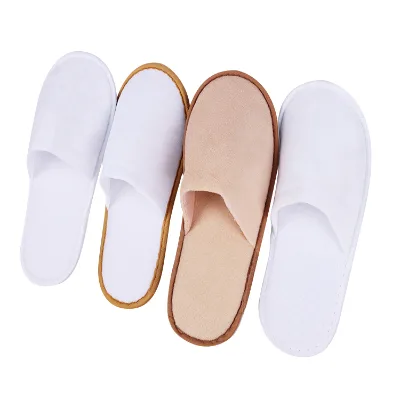
China good quality white terry hotel slippers disposable super soft hotel slippers
$0.37 - $0.4209
MOQ: 5000 pairs
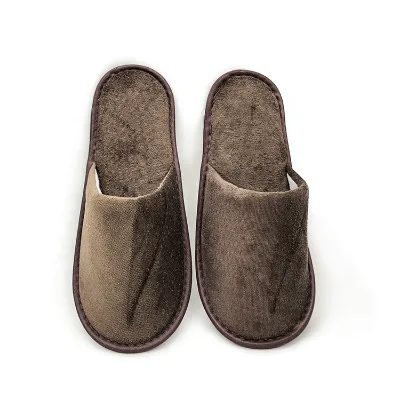
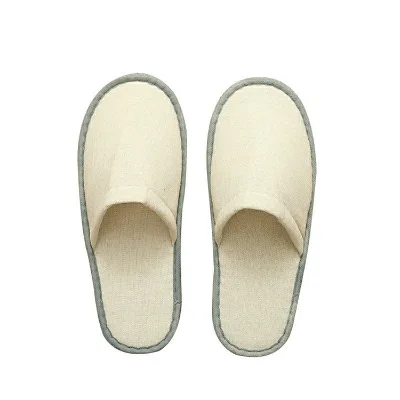
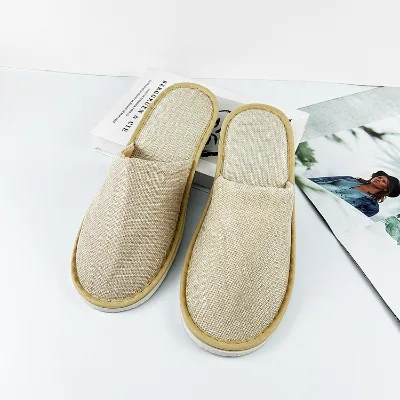
Factory wholesale top quality black velour hotel slippers disposable hotel slippers
$0.36 - $0.41
MOQ: 5000

Yangzhou Shitong Hotel Supply Co., Ltd.
- Combined
- China Jiangsu
- Lead time15 days
- Avg. response≤ 1h
Main productsHotel Amenity, Hotel Slipper, Hotel Shampoo
Main marketsSoutheast Asia/ Mideast,Domestic
Hebei Chenxiao Imp & Exp Trading Co., Ltd.
- Trading Company
- Hebei, China
- Lead time20 days
- Avg. response≤ 6h
Main productsHotel bathrobe,Hotel Slippers,Hotel Cotton Towels,Hotel disposable equipment,disposable slippers
Main marketsSoutheast Asia(15.60%), Eastern Asia(15.60%), North America(15.41%), South America(14.10%), Eastern Europe(12.40%), Northern Europe(9.60%), Mid East(8.30%), South Asia(4.70%), Africa(4.29%)
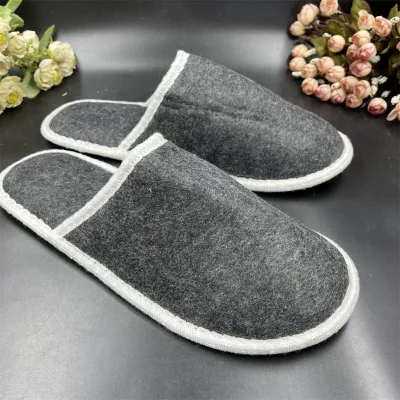
Five-star Hotel Special slippers Disposable slippers Hotel Special Thick slippers Hotel slippers
$0.4209 - $0.4419
MOQ: 2 pairs
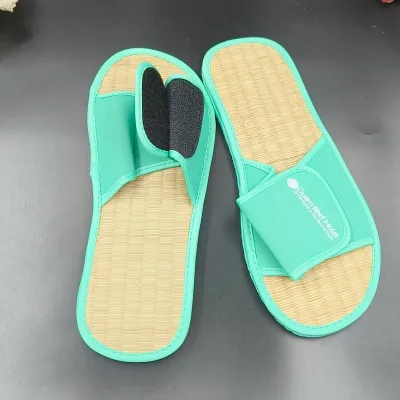
Hotel Special slippers Comfortable Men and Women SPA Beach Cool Woven Hotel Disposable slippers
$1.0261 - $1.2314
MOQ: 3 pairs
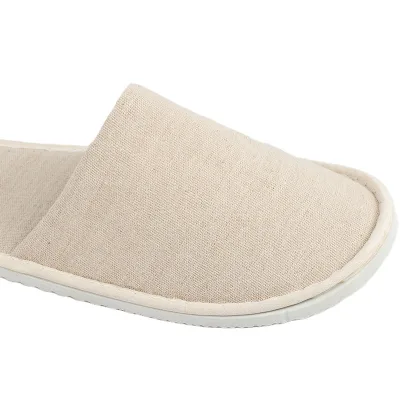
ECO zero Waste Hotel Biodegradable Hotel slippers Organic Cotton slippers
$0.6082 - $0.8179
MOQ: 500 pieces
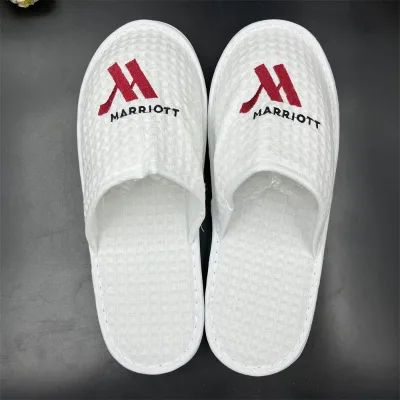
$0.43 - $0.59
MOQ: 3000 pairs
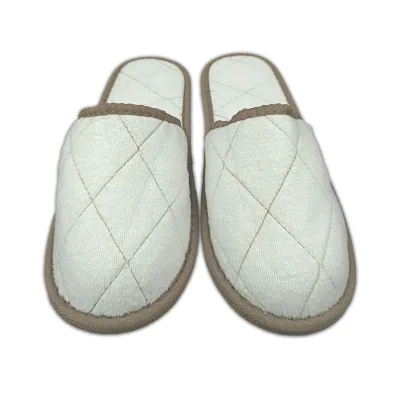
Wholesale Hotel Disposable Cut Velvet slippers White Unisex Disposable Hotel slippers
$0.713 - $0.8389
MOQ: 3000 pairs
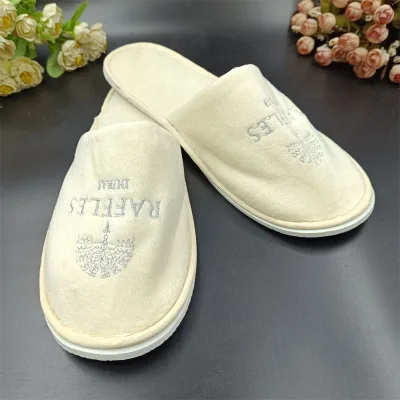
YANGZHOU ECO NATURE HOTEL SUPPLY CO., LTD.
- Verified by TüVRheinland
- Manufacturer, Trading Company
- Lead time25 days
- Avg. response≤ 8h
Main productsHotel Shampoo, Hotel Soap, Hotel Slipper, Hotel Dental Kit, Hotel Body Lotion
Main marketsMid East(40%), South America(30%), Oceania(30%)
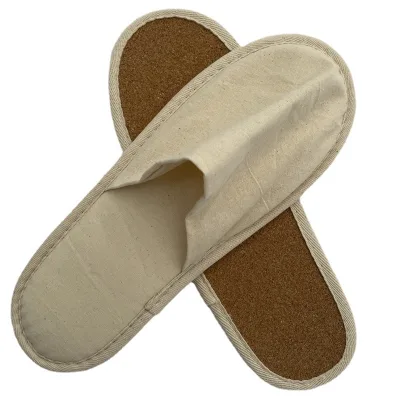
$0.3925 - $0.7116
MOQ: 2000 Minimum
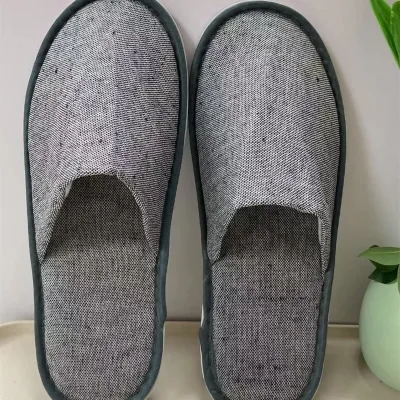
Jiangsu Sain Hotel Amenities Co., Ltd.
- Manufacturer, Trading Company
- Lead time旺季: "1 - 5000":25,"> 5000":"To be negotiated", 淡季: "1 - 5000":25,"> 5000":"To be negotiated"
- Avg. response≤ 2h
Main productsHotel Slippers, Hotel Amenities
Guangzhou CFL Hotel Supplies Co., Limited
- Manufacturer, Trading Company
- Lead time旺季: "1 - 50000":25,"> 50000":"To be negotiated", 淡季: "1 - 50000":25,"> 50000":"To be negotiated"
- Avg. response≤ 2h
Main productsHotel Linens, Hotel Bedding Sets, Hotel Towels, Hotel Amenities, Hotel Bathrobes
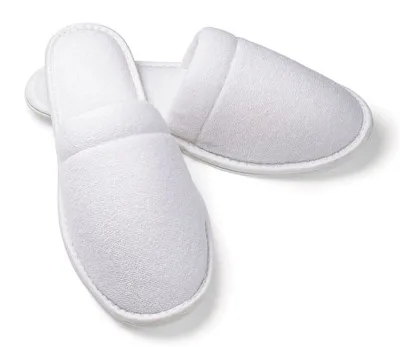
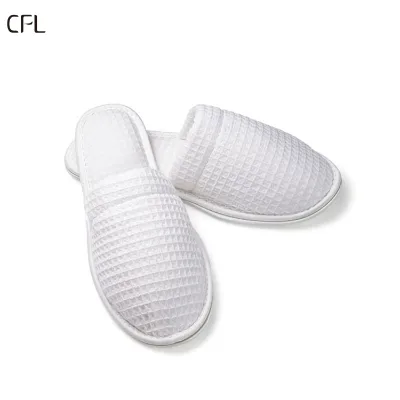
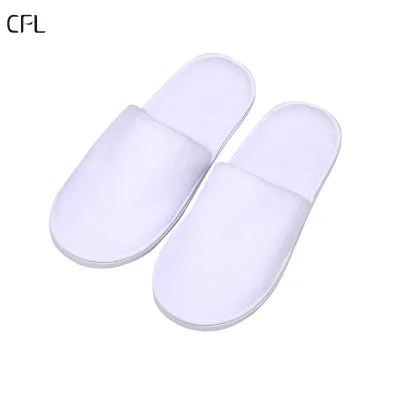
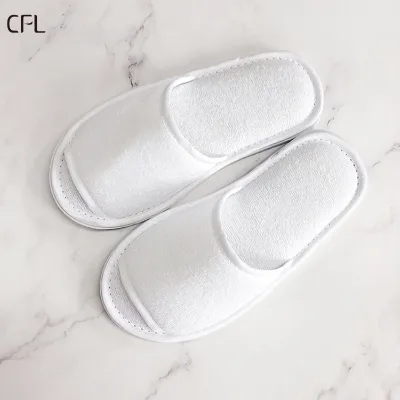
Slipper Bathroom Eva Plush Latest Indoor Disposable Hotel slippers Waffle Hotel slippers
$0.21 - $1.09
MOQ: 5000

Shanghai Easun Group Imp & Exp Co., Ltd.
- Verified by TUVRHEINLAND
- Trading Company
- China Shanghai
- Lead time15 days
- Avg. response≤ 19h
Main productsBlankets, Home Slippers, Bedding Sets, Towel, Amenity Kits, Airline Supply, Hospital Supply, Hotel Supply, Railway Supply, Pillow&Case
Main marketsAfrica,Southeast Asia/ Mideast,Europe

Disposable Slippers for Guests Hotel Disposable Slippers Custom Hotel Slippers
$0.20 - $0.66
MOQ: 5000 piece

Disposable Guest Slippers Disposable Hotel Slipper Disposable Slippers for Hotels
$0.30 - $0.80
MOQ: 5000 Sets

Henan Jinliang Health Consulting Co., Ltd.
- Trading Company
- Henan, China
- Lead time3 days
- Avg. response≤ 2h
Main productsHuman wigs,Hair extension,Hair follicle,Lace front closure,perfume
Main marketsNorthern Europe(15.00%), North America(15.00%), Eastern Europe(13.00%), Eastern Asia(12.00%), Western Europe(10.00%), Domestic Market(10.00%), Oceania(10.00%), Central America(8.00%), Southern Europe(5.00%), Southeast Asia(1.00%), South America(1.00%)
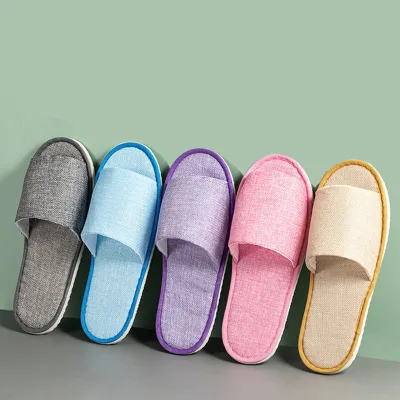
Hotel and Guesthouse Disposable Cotton slippers with Anti-slip Design, Hotel-provided slippers
$2.25 - $3.90
MOQ: 1 Minimum
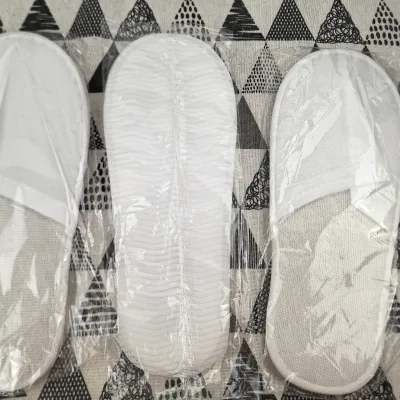
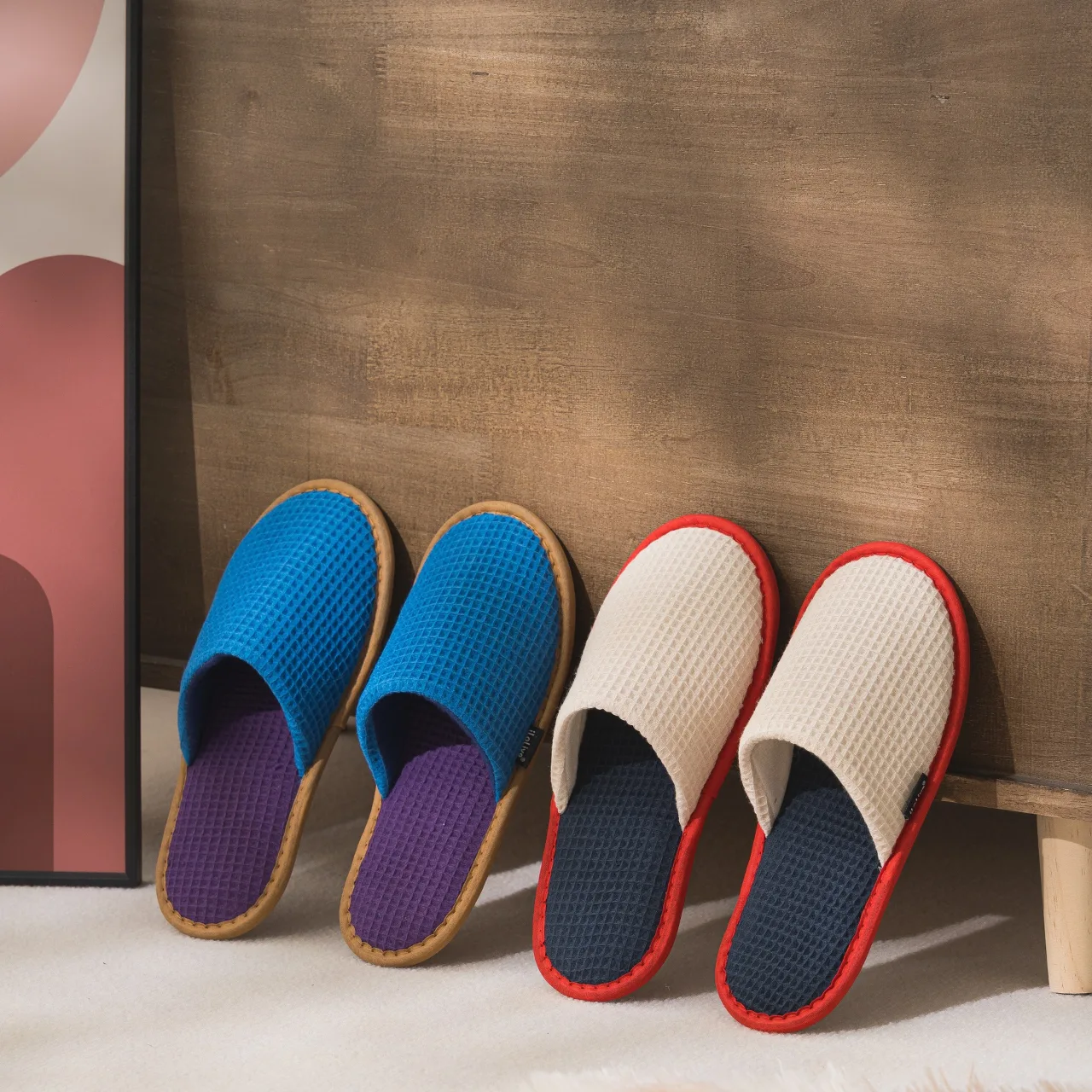
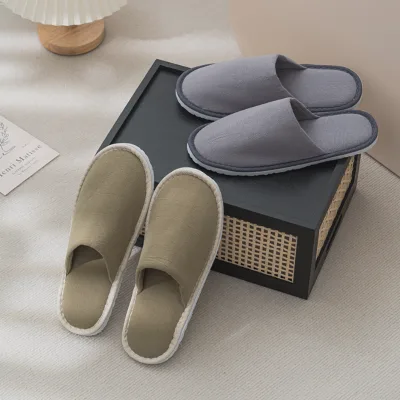
$0.8748 - $0.8958
MOQ: 100 pieces
Yangzhou Gdf Packaging & Daily Chemical Co., Ltd.
- Manufacturer, Trading Company
- Jiangsu, China
- Lead time20 days
- Avg. response≤ 7h
Main productsPlastic Tube Packaging,Cosmetic Tube Packaging,Hotel Supply,Daily Chemical,Packaging Labels
Main marketsDomestic Market(45.63%), Southeast Asia(23.12%), South America(6.20%), North America(5.00%), Southern Europe(3.00%), Northern Europe(3.00%), Oceania(2.00%), Eastern Europe(2.00%), Central America(2.00%), South Asia(2.00%), Eastern Asia(2.00%), Mid East(2.00%), Western Europe(1.05%), Africa(1.00%)
Yangzhou Jiefeiao Tourism-Plastic Products Chemical Plant
- Manufacturer, Trading Company
- Jiangsu, China
- Lead time20 days
- Avg. response≤ 11h
Main productsHotel Amenity Set (Hotel Soap,Hotel Slipper,Hotel Shampoo),Hand sanitizer,Toothbrush
Main marketsWestern Europe(20.00%), Southern Europe(18.00%), North America(15.00%), Africa(9.00%), Eastern Europe(8.00%), Mid East(8.00%), Northern Europe(6.00%), South America(4.00%), Southeast Asia(4.00%), Oceania(3.00%), South Asia(3.00%), Eastern Asia(2.00%)
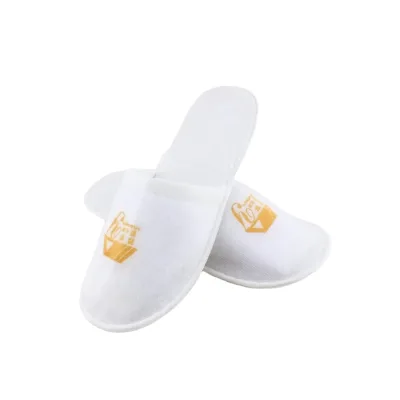
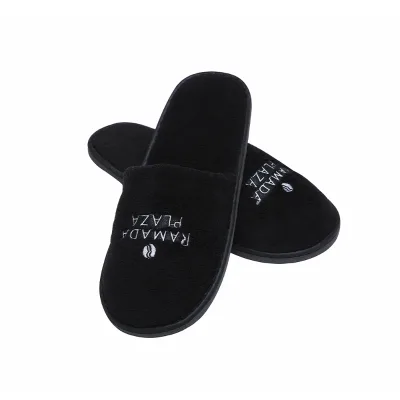
Wholesale 5 Star Hotel Amenities Spa slippers Disposable Coral Velvet Hotel slippers
$0.50 - $0.52
MOQ: 1000
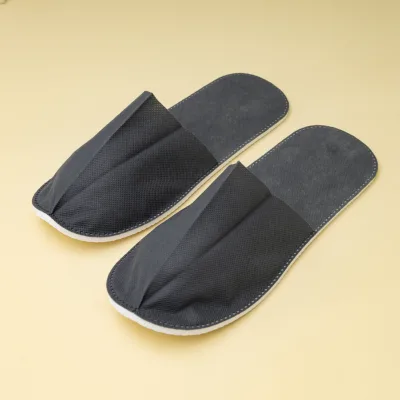
$0.38 - $0.42
MOQ: 5000 pairs

Yangzhou Ranbay Hotel Supplies Co., Ltd.
- Verified by SGS
- Combined
- China Jiangsu
- Lead time23 days
- Avg. response≤ 14h
Main productsShampoo, Shower Gel, Body Lotion, Hotel Slippers, Dental Kit, Hotel Amenities, Hotel Cosmetics, Hotel Toiletries, Disposable Supplies, Hospitality Supplies
Main marketsDomestic,Europe


Disposable Hotel Slipper Cheap Comfortable Eco-Friendly Biodegradable for Guest Room Hotel
$0.30 - $0.60
MOQ: 5000 Pieces

Disposable Slipper Cheap Comfortable Eco-Friendly for Guest Room Hotel Slipper Supplier
$0.25 - $0.43
MOQ: 5000 Pieces

Yangzhou Ecoway Hotel Supply Co., Ltd.
- Verified by SGS Group
- Manufacturer, Trading Company
- Lead time25 days
- Avg. response≤ 3h
Main productsAmenity Kits; Slipper, Toothbrush, Shampoo, Cosmetic Tube, Shower Gel
Main marketsSouth Asia(12%), Southeast Asia(10%), Oceania(10%)
Wenzhou Hongao Trade Co., Ltd.
- Verified by SGS Group
- Manufacturer, Trading Company
- Lead time30 days
- Avg. response≤ 6h
Main productsAutomatic Lids Forming Machine / Automatic PP Forming Machine, Automatic Warm Pad Forming Machine, Steam Eye Mask Packing Machine, Horizontal Four Edge Sealing Machine, Slipper Making Machine
Main marketsSoutheast Asia(22%), Mid East(20%), Eastern Asia(15%)

Xiantao Topmed Nonwoven Protective Products Co., Ltd.
- Verified by BV
- Combined
- China Hubei
- Lead time23 days
- Avg. response≤ 5h
Main productsSurgical Gown, Surgical Pack, Surgical Drape, Lsolation Gown, Lab Coat, Disposable Coverall, Bed Sheet, Disposable Cap, Face Mask, Dental Bib
Main marketsSouth America,Europe,North America
Guangzhou Utop Daily & Chemical Products Co., Ltd.
- Manufacturer, Trading Company, Distributor/Wholesaler
- Guangdong, China
- Lead time15 days
- Avg. response≤ 3h
Main productshotel amenities,oil press machine,home appliances,personal care,daily necessities
Main marketsSouthern Europe(10.00%), Central America(10.00%), Southeast Asia(10.00%), Eastern Europe(10.00%), South America(10.00%), Mid East(10.00%), Domestic Market(5.00%), South Asia(5.00%), Oceania(5.00%), Northern Europe(5.00%), Africa(5.00%), Western Europe(5.00%), Eastern Asia(5.00%), North America(5.00%)
Yancheng Happyness Imp.&Exp. Co., Ltd.
- Verified by Intertek
- Trading Company
- Lead time30 days
- Avg. response≤ 3h
Main productsShoes
Main marketsNorth America(20%), Western Europe(18%), South America(10%)
Guangzhou Easton Hotel Supplies Co., Ltd.
- Manufacturer, Trading Company
- Lead time旺季: "1 - 5000":90,"> 5000":"To be negotiated", 淡季: "1 - 5000":90,"> 5000":"To be negotiated"
- Avg. response≤ 4h
Main productsHair Dryer, Kettle Tray, Steam Iron, Electric Kettle, Ironing Board
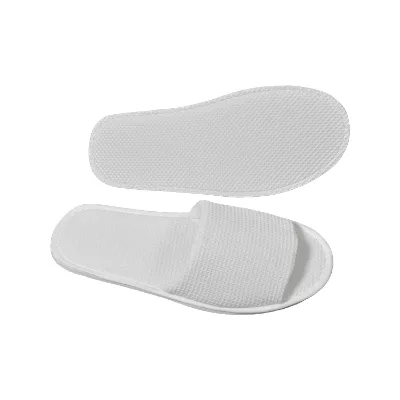
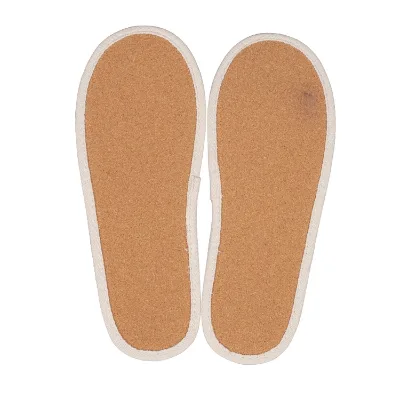
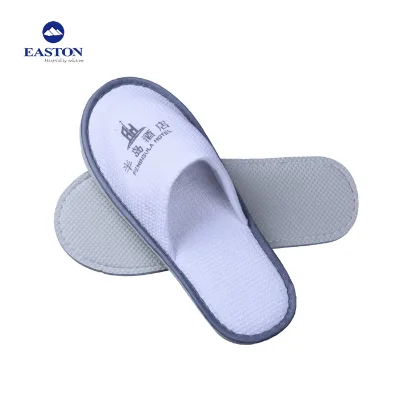
New Design Hotel Amenities Opened Style Disposable slippers EVA Outsole Material slippers
$0.55 - $0.65
MOQ: 5000 sets
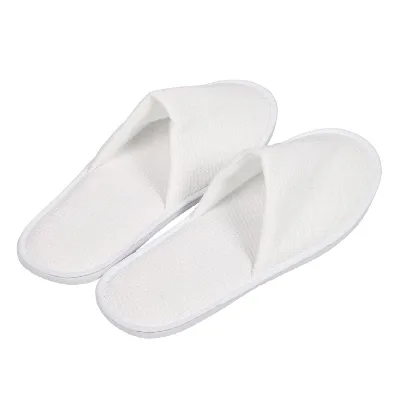
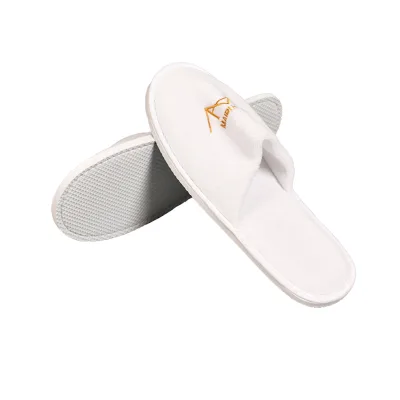
New Arrival Hotel Closed Style Custom logo Disposable Cheap slippers for Guests
$0.70 - $0.90
MOQ: 5000 sets
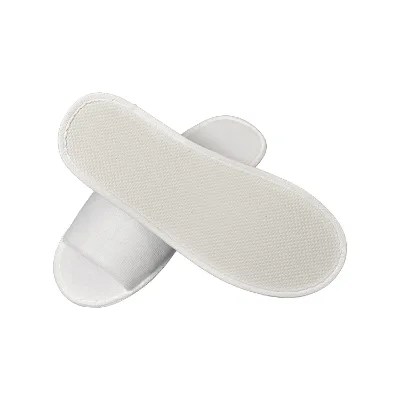
Hot Selling Hotel Supplies Linen Disposable Slippers Coral Fleece Plush Slipper
$0.50 - $0.65
MOQ: 3000
Guangzhou Chefs Catering Equipment Co., Ltd.
- Manufacturer, Trading Company
- Guangdong, China
- Lead time20 days
- Avg. response≤ 8h
Main productsrestaurant equipment,Kitchen equipment,Hotel Products,Kitchenware,Restaurant Furniture
Main marketsMid East(20.00%), Africa(20.00%), South Asia(20.00%), Southeast Asia(10.00%), Northern Europe(10.00%), Western Europe(10.00%), Eastern Asia(10.00%)
ELIYA (Guang Dong) Hotel Linen Co., Ltd.
- Verified by SGS Group
- Manufacturer, Trading Company
- Guangdong, China
- Lead time旺季: "1 - 3000":7,"3001 - 10000":31,"> 10000":"To be negotiated", 淡季: "1 - 3000":7,"3001 - 10000":31,"> 10000":"To be negotiated"
- Avg. response≤ 4h
Main productsHotel Bedding Set, Hotel Towel Set, Hotel Toiletries, Electric Appliance, Banquet Linen
Main marketsDomestic Market(20%), Africa(15%), Eastern Asia(15%)
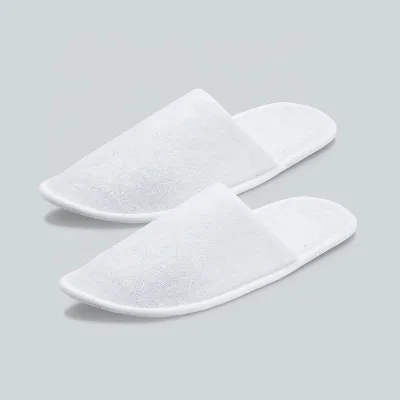
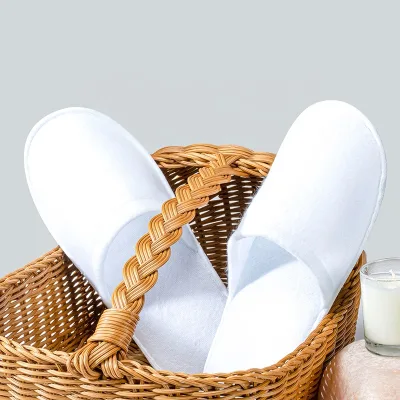
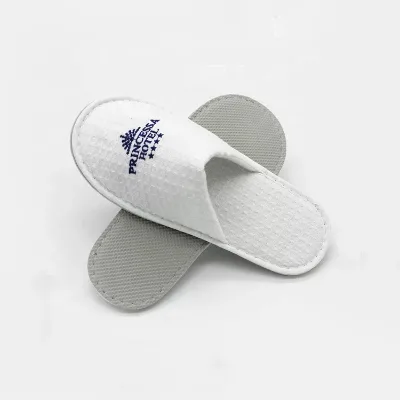
High Quality Home Custom slippers Hotel Slippers Disposable slippers Ladies Bedroom
$0.5048 - $0.6906
MOQ: 500 pieces
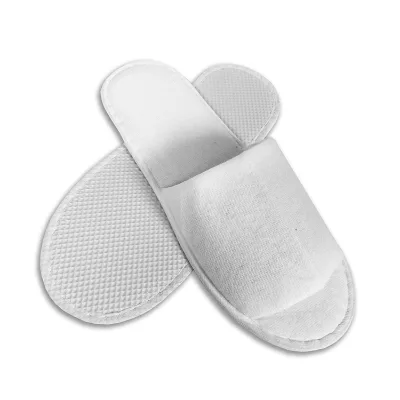
$0.50 - $0.76
MOQ: 500 pieces

- Manufacturer/Factory
- China Shanghai
- Lead time23 days
- Avg. response≤ 4h
Main productsJade Roller, Yoga Mat, WPC Decking, Artificial Grass, Safety Shoes, Vinyl PVC Spc Lvt Flooring, Fireproof MGO Board Wall Panel, Guasha Scrapper, Yoga Ball, WPC Tile WPC Cladding
Main marketsSouth America,Eastern Europe,Mid East,North America,Southeast Asia,Eastern Asia,Oceania,Western Europe,Africa
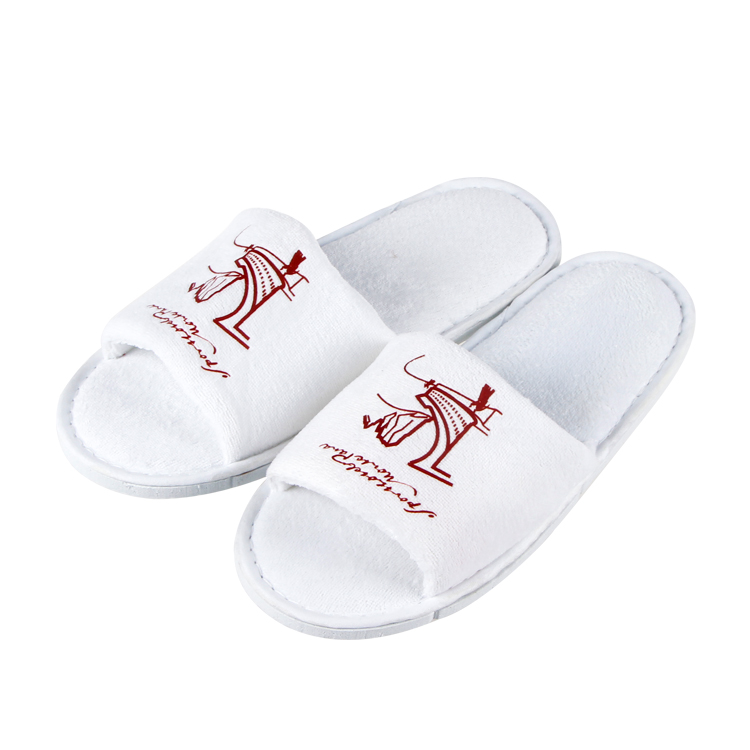




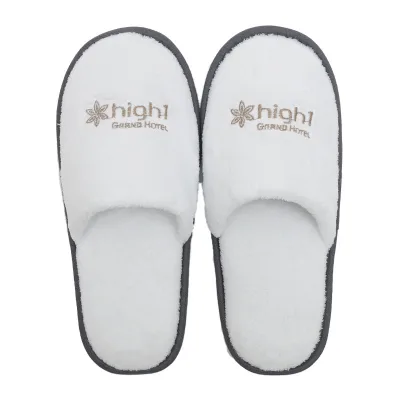
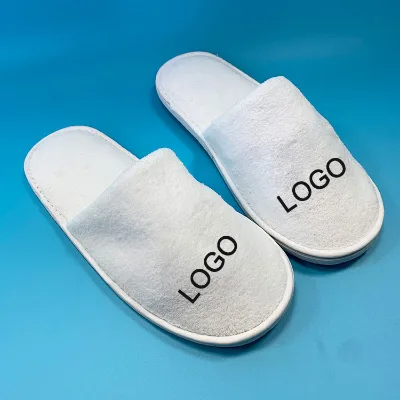
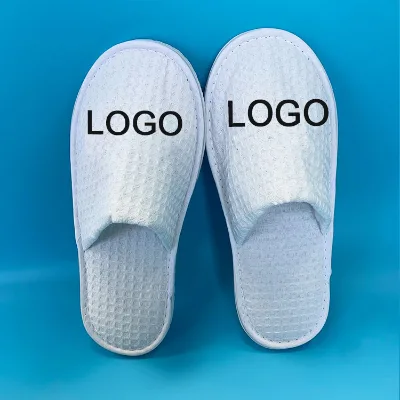
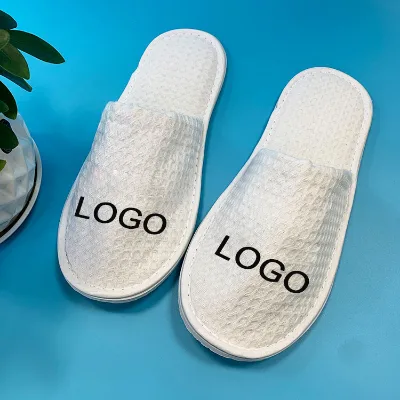


Comprehensive Sourcing Guide
Disposable Soft Hotel Slippers Supplier Concentration and Factory Types
The landscape for sourcing Disposable Soft Hotel Slippers is defined by a mix of manufacturing capabilities and trading structures, requiring buyers to distinguish between direct production sources and intermediary facilitators. Current market data indicates that suppliers operating in this category are primarily classified as manufacturers, trading companies, or combined entities that offer both production and sourcing services. This diversity in company type means that a buyer’s experience will vary significantly depending on whether they engage with a factory that controls the entire production line or a trading company that aggregates products from multiple sources. Manufacturers typically provide greater control over customization, material selection, and quality assurance processes, which is critical for brands seeking specific softness levels or eco-friendly material compositions. In contrast, trading companies may offer a broader range of existing stock items and faster turnaround for smaller orders, though they might have less direct oversight over the final product’s consistency. Understanding this distinction is the first step in aligning your sourcing strategy with your operational needs, as it directly impacts communication efficiency, pricing transparency, and the ability to resolve production issues.
Location plays a pivotal role in the concentration of these suppliers, with Jiangsu, China, emerging as a significant hub for this specific product category. Factories and trading companies located in this region often benefit from established supply chains for raw materials such as cotton, EVA, and non-woven fabrics, which are essential for producing soft, comfortable slippers. The presence of a dense cluster of suppliers in Jiangsu facilitates easier logistics and potentially lower shipping costs, particularly for buyers importing from nearby regions or utilizing Shanghai as a primary port of dispatch. However, buyers should not assume that all suppliers in this region are identical; variations in factory size, technology, and specialization exist even within the same geographic area. Some facilities may focus on high-volume, low-cost production using standard materials, while others may invest in specialized machinery for eco-friendly alternatives or premium softness features. By recognizing the concentration of suppliers in Jiangsu, buyers can streamline their supplier identification process, but they must still conduct thorough due diligence to ensure that the specific factory or trading company meets their quality and compliance standards. This regional insight helps narrow the search field, allowing for more targeted evaluations of supplier capabilities and reliability.
How to Verify Disposable Soft Hotel Slippers Suppliers
Verifying the legitimacy and capability of disposable soft hotel slipper suppliers requires a multi-layered approach that goes beyond surface-level profile reviews. Buyers should prioritize suppliers who provide clear evidence of their manufacturing processes, especially if they claim to be manufacturers rather than trading companies. One effective method is to request detailed product specifications that include material composition, such as the use of cotton, EVA, or eco-friendly straw soles, and to verify these claims through sample orders. Samples allow buyers to assess the actual softness, durability, and construction quality of the slippers, which are critical factors for guest satisfaction in the hospitality industry. Additionally, buyers should inquire about the supplier’s ability to provide customization options, including logo printing, packaging design, and size variations, as these services are often indicators of a supplier’s flexibility and commitment to client needs. It is also advisable to check for any available certifications or compliance documents, although specific standards may vary by region and product type. If a supplier cannot provide clear documentation or refuses to share detailed product information, it may be a red flag indicating a lack of transparency or quality control.
Response time and communication efficiency are also key indicators of a supplier’s reliability and professionalism. Suppliers who respond promptly to inquiries and provide comprehensive answers demonstrate a higher level of engagement and customer service orientation. In the current market, response times can vary, with some suppliers offering quick replies within hours, while others may take longer due to volume or operational constraints. Buyers should evaluate not just the speed of the response, but also the quality and relevance of the information provided. A supplier that takes the time to understand the buyer’s specific requirements and offers tailored solutions is likely to be more reliable in the long run. Furthermore, buyers should verify the supplier’s business registration and legal status to ensure they are a legitimate entity. This can be done through third-party verification services or by requesting official business licenses. By combining these verification methods, buyers can build a more accurate picture of a supplier’s capabilities and reliability, reducing the risk of partnering with unverified or unreliable entities. This thorough verification process is essential for establishing a secure and productive sourcing relationship.
What to Compare Across Disposable Soft Hotel Slippers Suppliers
When evaluating multiple suppliers for Disposable Soft Hotel Slippers, buyers must systematically compare key operational and commercial metrics to identify the most suitable partner. One critical dimension is the minimum order quantity (MOQ), which can vary significantly across suppliers. Some suppliers may require MOQs as low as 5,000 pairs, making them suitable for smaller hotels or trial orders, while others may have higher thresholds that cater to large-scale distributors. Understanding these MOQ requirements is essential for aligning supplier capabilities with your inventory management strategy and budget constraints. Another important factor is the supply ability, which indicates the supplier’s capacity to meet demand during peak seasons or for large orders. Suppliers with higher supply abilities, such as those capable of producing 10,000 pairs per day, offer greater flexibility and reliability for bulk purchases. Buyers should also compare the lead times for production and delivery, as these directly impact your ability to fulfill guest needs and manage inventory levels. Shorter lead times can be advantageous for just-in-time inventory strategies, while longer lead times may require earlier planning and larger safety stocks.
Price is another crucial factor, but it should be evaluated in conjunction with other metrics to ensure a holistic comparison. The price range for Disposable Soft Hotel Slippers can vary based on material quality, customization options, and order volume. Buyers should request detailed quotations that break down costs for materials, labor, and shipping to understand the true cost structure. Additionally, buyers should compare the customization options offered by each supplier, including logo printing, packaging design, and material choices. Suppliers that offer flexible customization options can help brands maintain consistency with their aesthetic and quality standards. It is also important to compare the supplier’s main products and expertise; some suppliers may specialize in specific types of slippers, such as eco-friendly or premium soft options, while others may offer a broader range of hotel amenities. By systematically comparing these dimensions, buyers can make informed decisions that balance cost, quality, and operational efficiency. This comparative analysis helps identify suppliers that not only meet your immediate needs but also align with your long-term sourcing strategy and brand values.
Common Disposable Soft Hotel Slippers Sourcing Risks
Sourcing Disposable Soft Hotel Slippers involves several inherent risks that buyers must proactively manage to ensure a smooth procurement process. One significant risk is the variability in product quality, which can arise from differences in raw material sourcing, manufacturing processes, and quality control measures. Even within the same region, factories may produce slippers with varying levels of softness, durability, and comfort, which can impact guest satisfaction and brand reputation. Buyers should mitigate this risk by conducting thorough sample evaluations and establishing clear quality standards in their contracts. Another risk is the potential for delays in production and delivery, which can disrupt inventory levels and guest services. Factors such as raw material shortages, labor issues, or logistical bottlenecks can contribute to these delays. To address this, buyers should work with suppliers who have proven track records of on-time delivery and maintain open communication channels to monitor production progress. Additionally, buyers should consider diversifying their supplier base to reduce dependency on a single source, thereby minimizing the impact of potential disruptions.
Intellectual property and branding risks are also prevalent in the disposable slipper market, particularly when customizing products with logos or unique designs. Suppliers may inadvertently or intentionally share proprietary designs or branding elements with competitors, leading to unauthorized use or counterfeiting. Buyers should protect their intellectual property by signing non-disclosure agreements (NDAs) and clearly defining ownership rights in their contracts. Furthermore, buyers should verify that suppliers have the necessary capabilities and experience to handle custom orders without compromising quality or confidentiality. Another risk is the misalignment between supplier claims and actual capabilities, such as exaggerated supply abilities or unrealistic lead times. Buyers should validate these claims through independent verification and reference checks before committing to large orders. By identifying and addressing these common risks, buyers can establish more resilient sourcing relationships and protect their brand integrity. Proactive risk management is essential for maintaining consistent product quality and operational reliability in the competitive hotel amenities market.
Disposable Soft Hotel Slippers Regional Sourcing and Logistics
Regional sourcing strategies play a crucial role in optimizing the logistics and cost structure for Disposable Soft Hotel Slippers. As noted, Jiangsu, China, is a prominent manufacturing hub for this product category, offering advantages in terms of supply chain efficiency and material availability. Sourcing from this region can reduce lead times and shipping costs, particularly for buyers importing from Asia or utilizing Shanghai as a primary port of dispatch. However, buyers must also consider the logistical implications of sourcing from distant regions, such as increased transit times and higher freight costs. To mitigate these challenges, buyers should work with suppliers who have experience in international shipping and can provide comprehensive logistics support. This includes assistance with customs clearance, documentation, and freight forwarding. Additionally, buyers should evaluate the supplier’s packaging and labeling practices to ensure compliance with international shipping regulations and destination country requirements. Proper packaging is essential to prevent damage during transit and to maintain the product’s quality upon arrival.
Logistics planning should also account for the variability in shipping modes and routes, which can impact delivery times and costs. Buyers should compare different shipping options, such as sea freight, air freight, and express courier services, to determine the most cost-effective and timely solution for their needs. Sea freight is generally more economical for large volumes, while air freight is suitable for urgent or smaller orders. Buyers should also consider the supplier’s ability to consolidate shipments or offer combined shipping options to reduce costs. Furthermore, buyers should establish clear communication protocols with their suppliers and logistics partners to track shipments and address any issues that may arise during transit. This includes monitoring shipment status, verifying delivery dates, and resolving any discrepancies promptly. By integrating regional sourcing insights with robust logistics planning, buyers can optimize their supply chain efficiency and ensure timely delivery of Disposable Soft Hotel Slippers. This holistic approach to logistics management is essential for maintaining operational continuity and customer satisfaction in the hospitality industry.
Disposable Soft Hotel Slippers Commercial Terms and Order Planning
Effective commercial terms and order planning are fundamental to successful sourcing of Disposable Soft Hotel Slippers. Buyers should negotiate clear payment terms that align with their cash flow management and risk tolerance. Common payment methods include advance payments, letters of credit, and escrow services, each offering different levels of security and flexibility. Buyers should also establish clear delivery terms, such as Incoterms, to define responsibilities for shipping, insurance, and customs clearance. These terms help prevent disputes and ensure that both parties understand their obligations. Additionally, buyers should plan their orders based on forecasted demand, seasonal fluctuations, and inventory turnover rates. Accurate demand forecasting helps avoid overstocking or stockouts, which can impact guest satisfaction and operational efficiency. Buyers should also consider the supplier’s production capacity and lead times when planning orders, ensuring that they align with their operational needs.
Order planning should also include strategies for managing customization and branding requirements. Buyers should provide detailed specifications for logos, packaging, and material choices well in advance to allow suppliers adequate time for production setup. This proactive approach helps minimize delays and ensures that the final product meets brand standards. Furthermore, buyers should establish quality assurance protocols, including pre-shipment inspections and post-delivery evaluations, to verify that the products meet agreed-upon specifications. These protocols help identify and address any quality issues before they impact guests or brand reputation. Buyers should also maintain open communication with their suppliers to monitor production progress
FAQs
What is the typical MOQ for Disposable Soft Hotel Slippers?
Many manufacturers list MOQs around 5,000 pairs for Disposable Soft Hotel Slippers, though exact requirements vary by supplier and customization level. Smaller hotels can sometimes negotiate lower quantities for stock designs, while custom logos, colors, or packaging usually require full minimum quantities. Always confirm the MOQ in writing before requesting samples or quotations.
How long does production usually take after order confirmation?
Lead times of roughly 15 to 20 days are commonly quoted for disposable hotel slippers, and some suppliers state around 23 days overall. Actual timing depends on order size, logo customization, and current production schedules. Confirm the lead time in writing, account for shipping time, and build in buffer before peak hotel occupancy seasons.
Can these slippers be customized with a hotel logo?
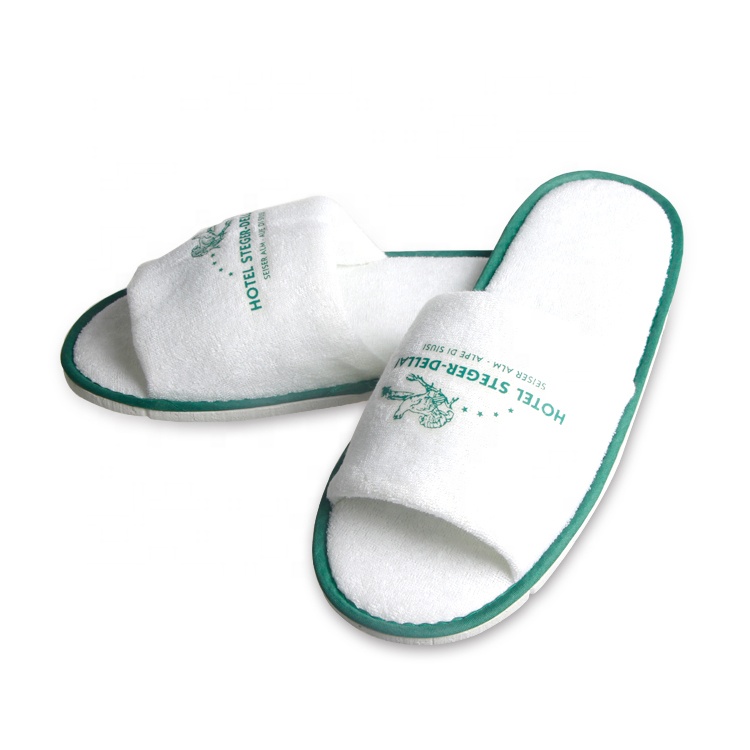
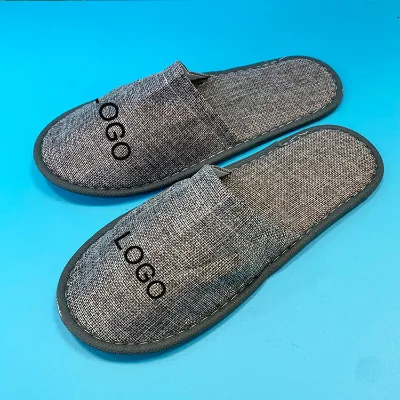
Yes, logo customization is commonly offered, and several listed products explicitly support customized logos or OEM branding. Customization typically applies to the slipper surface, packaging bag, or both, and may raise unit cost or MOQ. Provide your artwork early, request a pre-production sample, and verify the printed logo quality before mass production begins.
What materials are used in disposable hotel slippers?
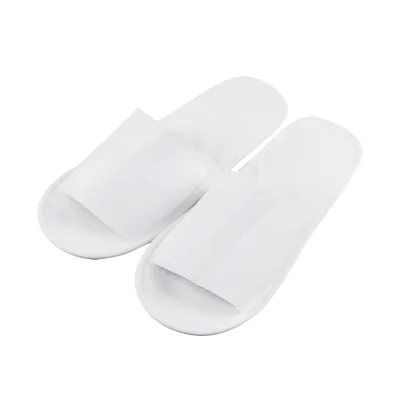
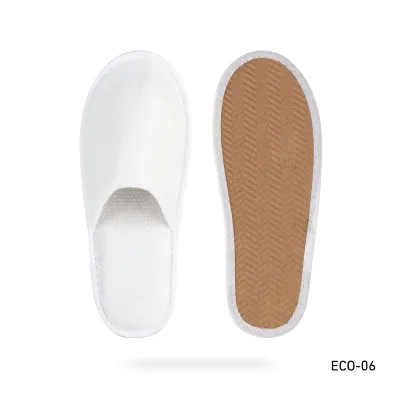
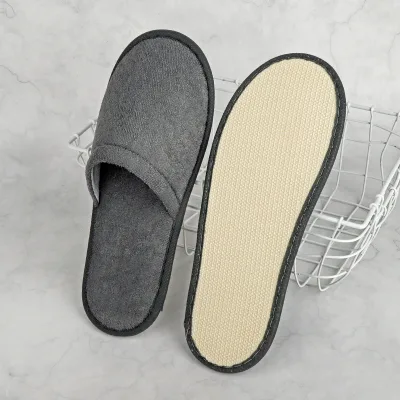
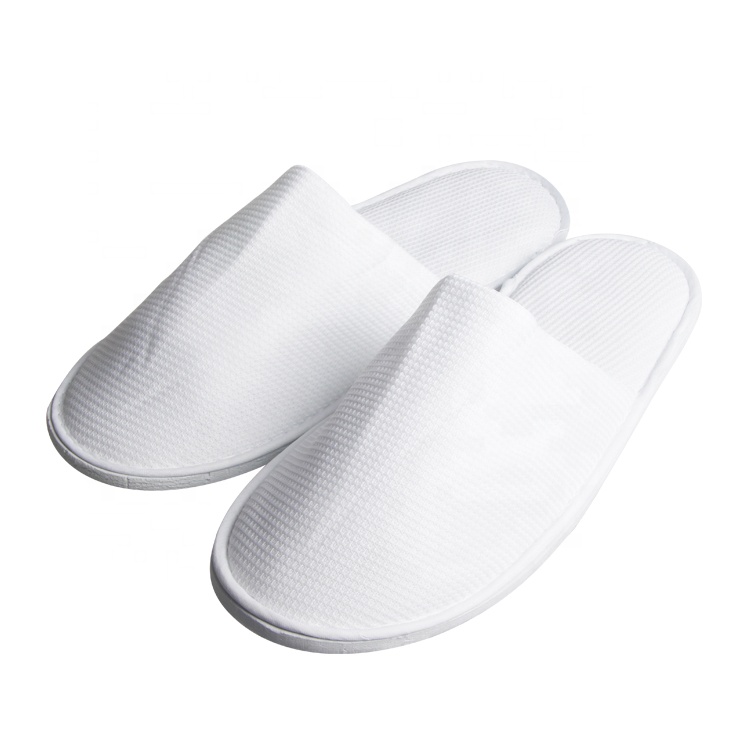
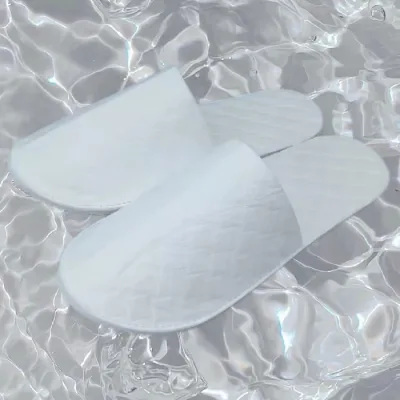
Common materials include cotton or non-woven fabric uppers, pearl cotton insoles, sponge heels, and EVA or straw soles. Listed products cite examples such as 5.5 mm EVA soles, 3 mm sponge, 80 gsm non-woven piping, and 4 mm straw soles. Thicker soles and denser uppers improve guest comfort but increase unit price, so match the specification to your hotel's star rating.
What sizes are available for guest room slippers?
Standard sizes around 29 cm are widely offered, and some suppliers produce slippers in custom sizes on request. Closed-toe styles are often made in distinct left and right shapes, while open-toe styles are more forgiving of size variation. Ask whether a single universal size or multiple sizes are supplied, and request samples to test fit before ordering.
What is the typical price range per pair?
Listed prices range from roughly a few cents to about 0.60 US dollars per pair, depending on materials, sole thickness, and customization. Basic open-toe cotton styles sit at the low end, while eco-friendly closed-toe designs with pearl cotton and straw soles cost more. Request quotations against your exact specification to compare suppliers on equal terms.
Are eco-friendly slipper options available for hotels?
Yes, some listed products are marketed as eco-friendly, using materials such as straw soles, pearl cotton insoles, and plain cloth uppers. Definitions of eco-friendly vary, so ask suppliers which components are recyclable or biodegradable and request supporting material documentation. Eco-friendly styles generally cost more per pair, so balance sustainability goals against budget and guest expectations.
Where are these hotel slippers mainly produced and shipped from?
The products listed here are produced in Jiangsu, China, a major manufacturing region for hotel amenities, with one product indicating dispatch through the port of Shanghai. Sourcing from this cluster gives access to many nearby suppliers and export experience. Verify the exact dispatch port and freight terms with each supplier, as these affect delivery time and total landed cost.