CE Stainless Steel Pizza Oven Suppliers and Manufacturers
Compare 30 verified suppliers offering ce stainless steel pizza ovens with details on lead times, response speeds, and product specifications like power source and dimensions. Review the available options and contact suppliers directly to request quotes; review the available evidence before requesting comparable quotations from suitable candidates.
Updated
Suppliers List
Guangdong Hyxion Smart Kitchen Co., Ltd.
- Manufacturer, Trading Company
- Lead time旺季: "1 - 5":15,"6 - 10":30,"11 - 52":45,"> 52":"To be negotiated", 淡季: "1 - 5":15,"6 - 10":30,"11 - 52":45,"> 52":"To be negotiated"
- Avg. response≤ 2h
Main productsOutdoor Kitchen, Garage Cabinet, Kitchen Cabinet, Tool Cabinet, Tool Chest
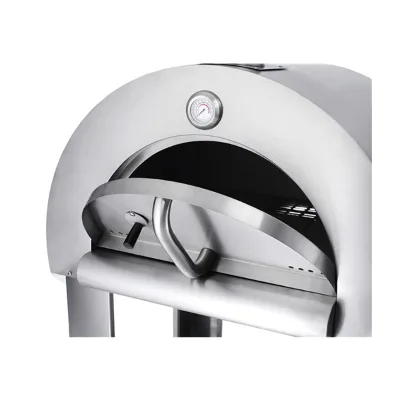
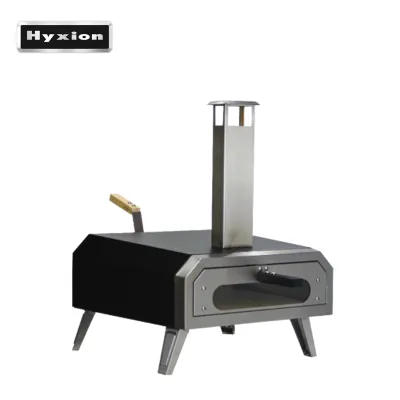
Stainless Steel Wood and Charcoal Pizza Oven
$260.00 - $460.00
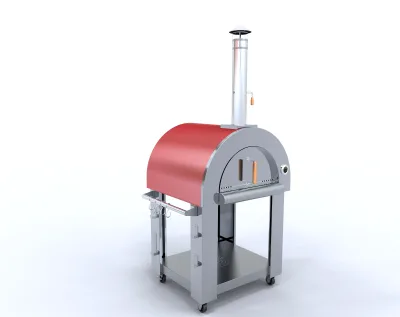
Outdoor + Pizza Oven + Wood Fire + New Style Grill
$260.00 - $460.00

Foshan Nanhai Flamemax Catering Equipment Co., Ltd.
- Verified by SGS
- Combined
- China Guangdong
- Lead time30 days
- Avg. response≤ 1h
Main productsConvection Oven, Pizza Oven, Rotisserie, Gas Stove, Shawarma Machine, Fryer, Hot Air Oven, Bakery Oven, Bakery Equipment, Kitchen Equipment
Main marketsSouth America,Africa,Southeast Asia/ Mideast

Jiangmen SHT Metal Products Co., Ltd.
- Manufacturer
- China Guangdong
- Lead time30 days
- Avg. response≤ 3h
Main productsPizza Oven, BBQ Grill, Outdoor Kitchen, Gas Grill, Kitchen Cabinet, Barbecue Grill, Charcoal Grill, BBQ Gas Grill, Outdoor Grill, Gas Pizza Oven
Main marketsEurope,Australia,North America
Guangdong Hyxion Smart Kitchen Co., Ltd.
- Manufacturer, Trading Company
- Lead time旺季: "1 - 2":15,"> 2":"To be negotiated", 淡季: "1 - 2":15,"> 2":"To be negotiated"
- Avg. response≤ 2h
Main productsOven, Range, Cooktop, Outdoor Kitchen, BBQ Grill

Junnuo Electromechanical Technology (Kunshan) Co., Ltd.
- Manufacturer/Factory
- China Jiangsu
- Lead time15 days
- Avg. response≤ 4h
Main productsOpen Fryer, Pressure Fryer, Dough Mixer, Baking Equipment, Proofer, Chip Warmer
Main marketsSouth America,Eastern Europe,Mid East,North America,Southeast Asia,Eastern Asia,Oceania,Western Europe,Africa


Bakery Equipment Stainless Steel High Efficiency Commercial Gas Pizza Oven
$2821.00 - $3471.00
MOQ: 1 Pieces
Guangdong Hyxion Smart Kitchen Co., Ltd.
- Manufacturer, Trading Company
- Lead time旺季: "1 - 2":15,"3 - 5":30,"6 - 54":45,"> 54":"To be negotiated", 淡季: "1 - 2":15,"3 - 5":30,"6 - 54":45,"> 54":"To be negotiated"
- Avg. response≤ 6h
Main productsBBQ Grill, Outdoor Kitchen, Pizza Oven, Tool Cabinet, Range
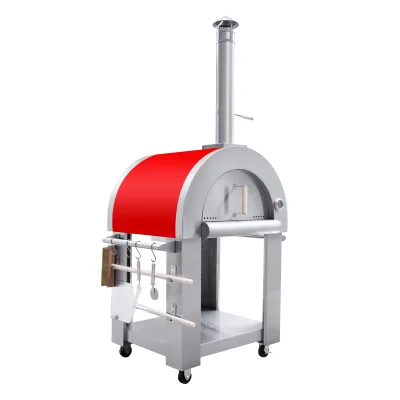
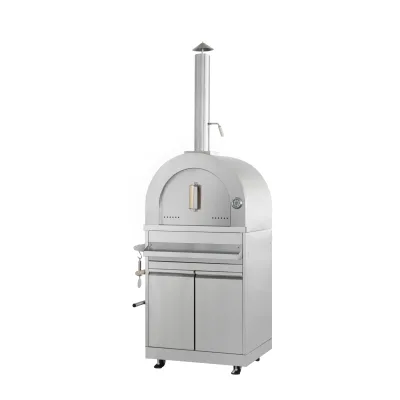
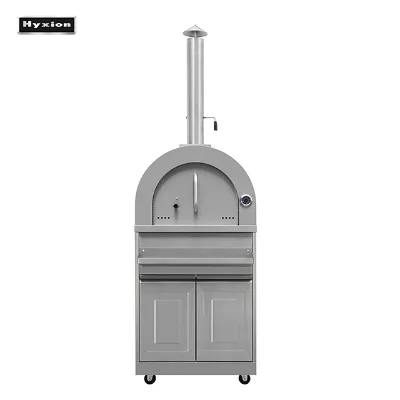
Outdoor Full Stainless Steel Mobile Wood Burning Pizza Oven
$260.00 - $460.00
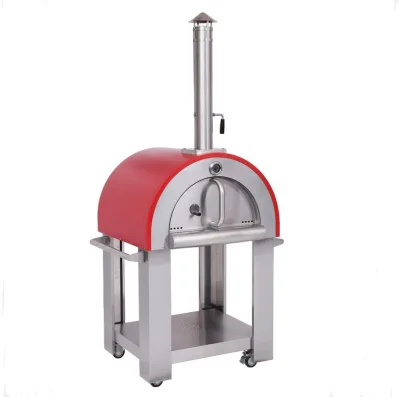
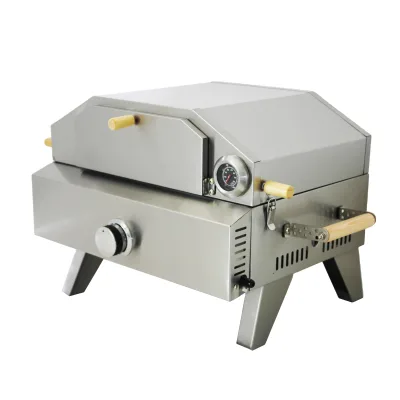
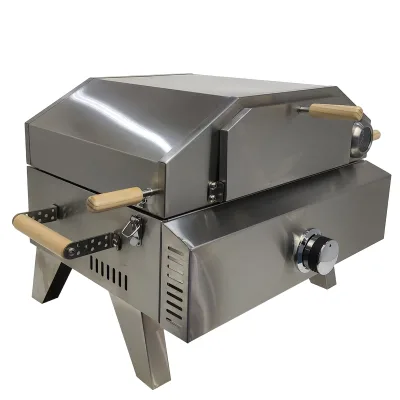
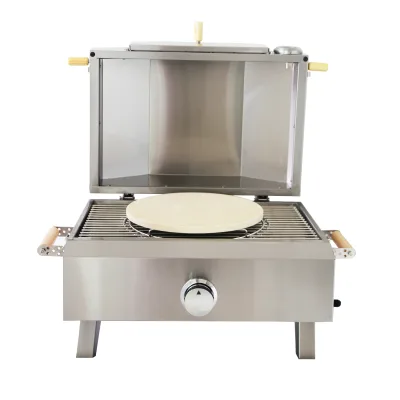
Single Pizza Oven with Cabinet in Outdoor Kitchen Stainless Steel
$400.00 - $675.00
Guangzhou New Power Catering Equipment Manufacturing Co., Ltd.
- Verified by SGS Group
- Manufacturer, Trading Company
- Lead time7 days
- Avg. response≤ 3h
Main productsCatering Equipment
Main marketsNorth America(25%), South America(14%), Northern Europe(12%)
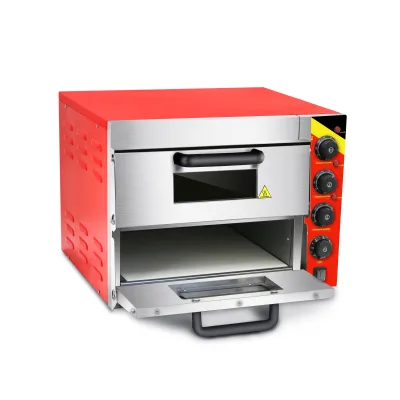
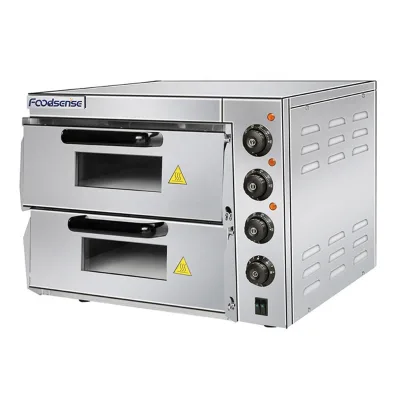
Hot Sale Stone Baking Oven Stainless Steel Double Pizza Oven
$155.00 - $175.00
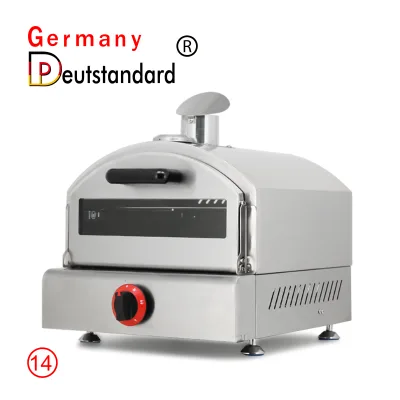
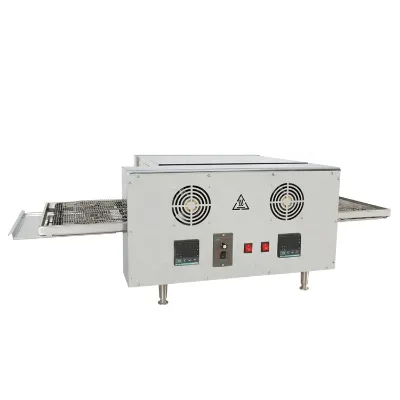

Guangzhou Foodsense Catering Equipment Co., Ltd.
- Trading Company,Manufacturer/Factory
- China Guangdong
- Lead time23 days
- Avg. response≤ 6h
Main productsWestern Kitchen Equipment, Food Processing Machine, Bakery Equipment, Refrigeration Equipment, Bar Beverage Equipment, Stainless Steel Series
Main marketsSouth America,Eastern Europe,Mid East,North America,Southeast Asia,Eastern Asia,Oceania,Western Europe,Africa
Zhongshan Luoqi Appliance Co., Ltd.
- Verified by TüVRheinland
- Manufacturer, Trading Company
- Lead time35 days
- Avg. response≤ 3h
Main productsGas Heater, Gas Water Heater, BBQ Oven, Gas Stove, Gas Stove With Oven
Main marketsAfrica(20%), Western Europe(20%), North America(10%)
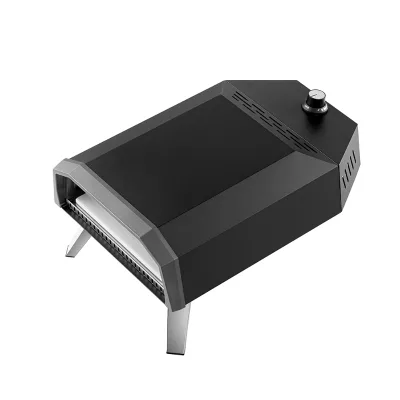
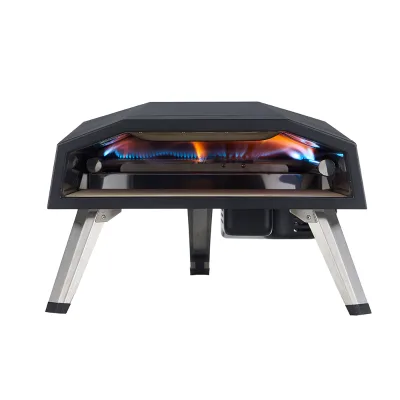
12" Gas Pizza Oven CE Approved
$59.3478 - $90.0448

Guangzhou Sunrry Kitchen Equipment Co., Ltd.
- Verified by CTI
- Trading Company,Manufacturer/Factory
- China Guangdong
- Lead time30 days
- Avg. response≤ 3h
Main productsCommercial Kitchen Solutions, Turnkey Kitchen Solutions, Catering Equipment, Restaurant Equipment, Commercial Refrigeration Equipment, Commercial Bakery Equipment, Commercial Cooking Equipment, Stainless Steel Equipment, Commercial Food Prep Equipment, Commercial Kitchen Equipment
Main marketsSouth America,Eastern Europe,Mid East,North America,Southeast Asia,Eastern Asia,Oceania,Western Europe,Africa


Professional Stainless Steel Restaurant Electric Pizza Oven for Baking
$146.00 - $182.00
MOQ: 1 Pieces

Guangdong Grace Kitchen Equipment Co., Ltd.
- Manufacturer, Trading Company
- Lead time旺季: "1 - 10":15,"11 - 50":25,"> 50":"To be negotiated", 淡季: "1 - 10":15,"11 - 50":25,"> 50":"To be negotiated"
- Avg. response≤ 2h
Main productsKitchen Equipment, Bakery Equipment, Buffet Equipment, Snack Equipment, Stainless Steel Customized Products
Guangzhou Glead Kitchen Equipment Co., Ltd.
- Manufacturer, Trading Company
- Lead time旺季: "1 - 5":30,"6 - 60":60,"> 60":"To be negotiated", 淡季: "1 - 5":30,"6 - 60":60,"> 60":"To be negotiated"
- Avg. response≤ 9h
Main productsOne Stop Kitchen Solution,Cooking Equipment,Bakery Equipment,Fast Food Equipment,Refrigeration Equipment
Guangzhou Hanze Hotel Producsts Co., Ltd.
- Trading Company, Buying Office
- Guangdong, China
- Lead time0 days
- Avg. response≤ 2h
Main productsrice steamer,steamer,deck oven,ice cream machine,induction cooker
Main marketsSouth Asia(30.00%), Eastern Asia(30.00%), Mid East(20.00%), Southeast Asia(20.00%)

BestBake Machinery Technology (Zhaoqing) Co.,Ltd
- Verified by BV
- Combined
- China Guangdong
- Lead time30 days
- Avg. response≤ 5h
Main productsBakery Equipment, Dough Mixer, Baking Oven, Pizza Oven, Bread Oven, Baking Machine, Bakery Machine, Donuts Machine, Bread Machine, Rotary Oven
Main marketsSouth America,Africa,Southeast Asia/ Mideast,East Asia(Japan/ South Korea),Europe,North America
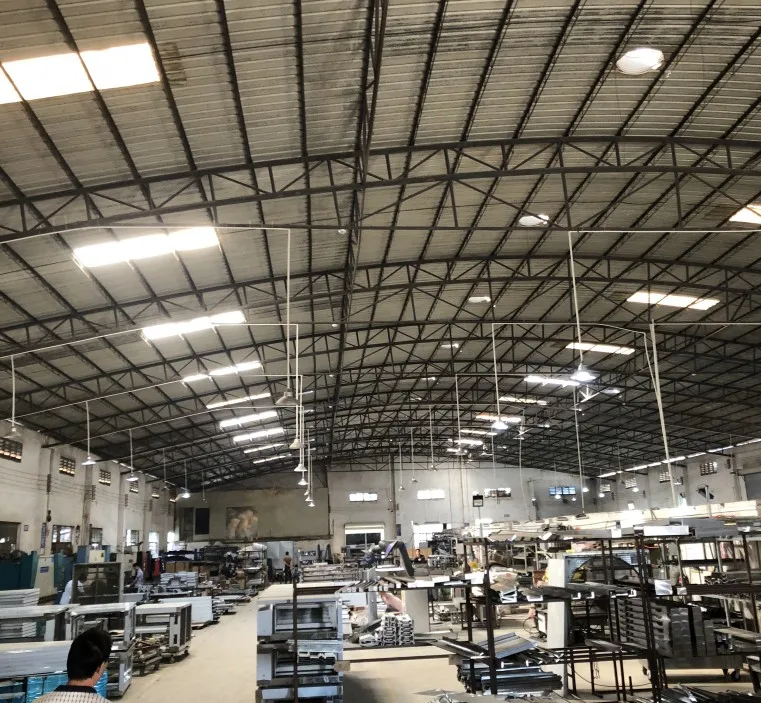
Shijiazhuang Bake Machine Tech Co., Ltd.
- Trading Company
- Hebei, China
- Lead time5 days
- Avg. response≤ 6h
Main productsBakery Machine,Bakery Production Line,Bread Making Machine,Bakery Equipment,Deck Oven
Main marketsNorth America(30.00%), Africa(15.00%), Western Europe(12.00%), Mid East(10.00%), Eastern Europe(5.00%), Northern Europe(5.00%), Central America(5.00%), Southern Europe(5.00%), South America(5.00%), Southeast Asia(3.00%), South Asia(2.00%), Domestic Market(1.00%), Eastern Asia(1.00%), Oceania(1.00%)
Shanghai Honglian Machine Electric Appliance Co., Ltd.
- Manufacturer
- Shanghai, China
- Lead time20 days
- Avg. response≤ 4h
Main productsOven,Fryer,Rotisserie,Fast Food Equipment,Bakery Equipment
Main marketsDomestic Market(40.00%), South Asia(10.00%), Southeast Asia(10.00%), Western Europe(8.00%), Southern Europe(7.00%), Mid East(5.00%), Eastern Asia(5.00%), Africa(3.00%), North America(2.00%), Eastern Europe(2.00%), Oceania(2.00%), Northern Europe(2.00%), Central America(2.00%), South America(2.00%)
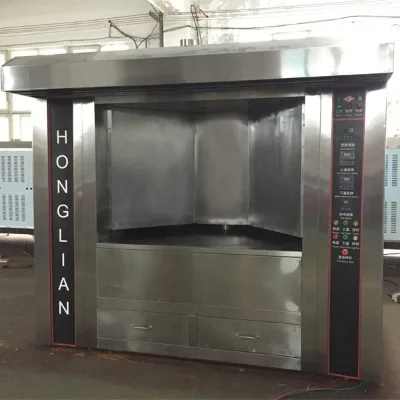
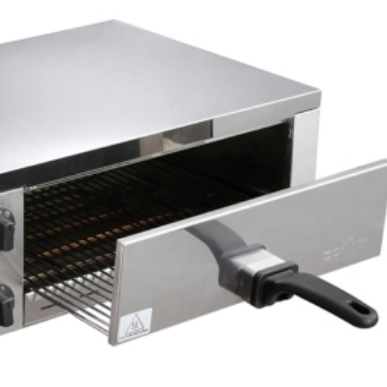
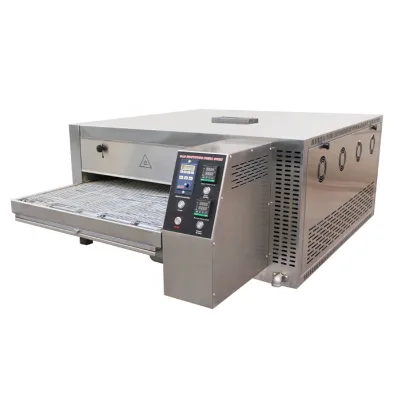
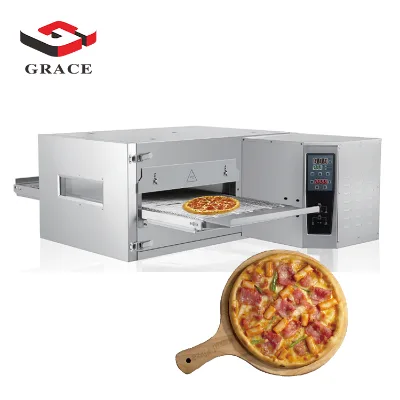
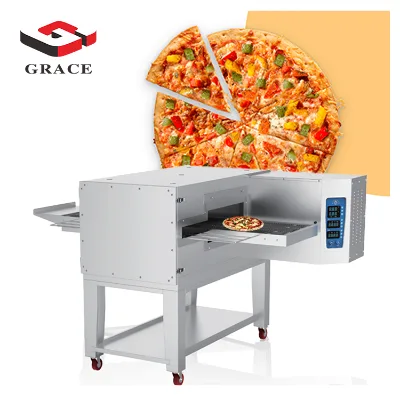
Commercial Restaurant Pizza Equipment Electric Conveyor Pizza Baker Oven
$1079.00 - $2059.00
MOQ: 1 sets
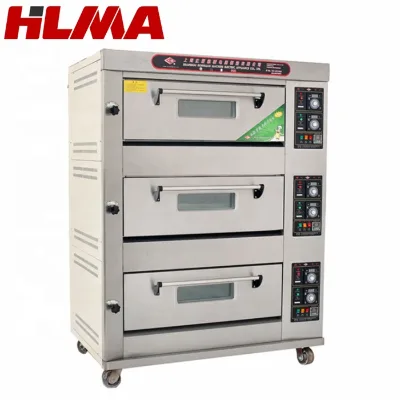
Hot Selling Commercial Pizza Gas Baking Oven with CE for a Fast Food Shop
$1077.00 - $1377.00
MOQ: 1 sets
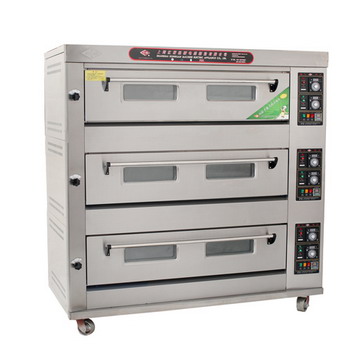
High Quality Bakery Machines Gas Pizza Oven Factory
$1190.00 - $1290.00

GONGYI HONGDA FURNACE CHARGE CO., LTD.
- Combined
- China Henan
- Lead time23 days
- Avg. response≤ 7h
Main productsRefractory, Ramming Mass, Refractory Castable, Thermal Insulation Material, Refractory Brick, Plastic Refractory
Main marketsSoutheast Asia/ Mideast,Domestic,North America

- Verified by BV
- Combined
- China Guangdong
- Lead time15 days
- Avg. response≤ 4h
Main productsHood Type Dishwasher, Conveyor Type Dishwasher, Ultrasonic Dishwasher, Undercounter Dishwasher, Bakery Equipment, Food Processor
Main marketsSouth America,Africa,Others(foreignTradeCapacity.exportBusinessCapacityMarketOther),North America

Professional Pizza Oven for Restaurants - Built-in Stainless Steel Design
$69.99 - $74.99
MOQ: 1 Pieces

Commercial Stainless Steel One Deck Electric Pizza Oven with Stone Plate
$88.00 - $98.00
MOQ: 1 Pieces
Gongyi Hongda Furnace Charge Co., Ltd.
- Verified by Intertek
- Manufacturer, Trading Company
- Lead time60 days
- Avg. response≤ 3h
Main productsRefractory, Pizza Oven, Dough Mixer
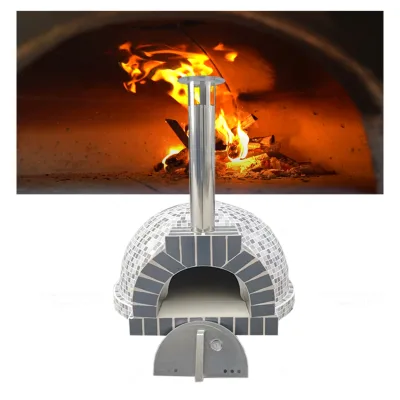
Commercial Stainless Steel Pizza Oven with Conveyor Belt & Auto Rotation for Fast Food Business
$780.00 - $1250.00
MOQ: 2 pieces
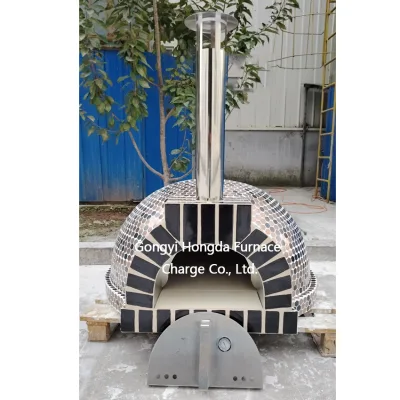
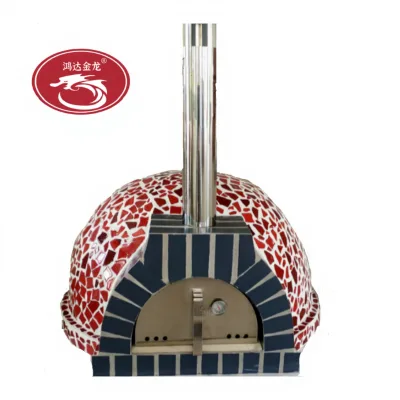
Commercial Wood Fired Pizza Oven with High Temperature Automatic Rotating Pizza Oven Function
$799.8226 - $1333.7218
MOQ: 2 pieces

Guangzhou Junjian Kitchen Appliances & Refrigeration Equipment Co., Ltd.
- Verified by BV
- Combined
- China Guangdong
- Lead time15 days
- Avg. response≤ 5h
Main productsKitchen Refrigerator, Commercial Freezer, Cake Showcase, Ice Maker, Ice Cream Machine, Salad Bar, Beverage Cooler, Working Table, Juice Dispenser, Stainless Steel Kitchen Equipment
Main marketsOthers(foreignTradeCapacity.exportBusinessCapacityMarketOther)

Guangzhou Astar Kitchen Equipment Co., Ltd.
- Verified by BV
- Combined
- China Guangdong
- Lead time15 days
- Avg. response≤ 15h
Main productsBakery Equipment, Oven, Kitchen Equipment, Mixer, Baking Oven, Convection Oven, Rotary Oven, Pizza Oven, Refrigerator, Cake Showcase
Main marketsAfrica,Domestic,Europe

Bakery Equipment Baking Oven Stainless Steel 2 Deck 4 Trays Gas Pizza Bakery Oven
$820.00 - $850.00
MOQ: 1 Pieces

Hot Sale Bakery Equipment Gas Pizza Bread Oven Baking Oven with Good Quality
$400.00 - $880.00
MOQ: 1 Pieces


Foshan Shunde Deyao Outdoor Metal Products Co., Ltd.
- Verified by CTI
- Combined
- China Guangdong
- Lead time15 days
- Avg. response≤ 8h
Main marketsSouth America,Domestic,Europe,Australia,North America
Jiangmen Eureka Decoration Material Company Ltd.
- Manufacturer, Trading Company
- Lead time旺季: "1 - 300":30,"> 300":"To be negotiated", 淡季: "1 - 300":30,"> 300":"To be negotiated"
- Avg. response≤ 3h
Main productsStainless Steel Kitchen, BBQ Grill, Pizza Oven, Kitchen Cabinet & Accessories, Garden Supplies
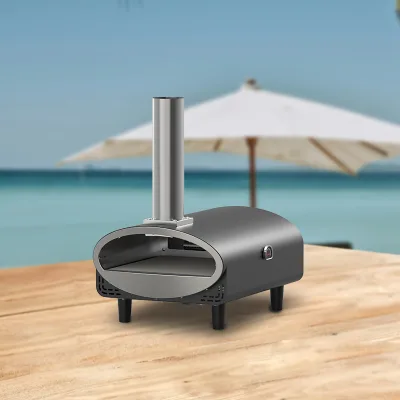
$75.00 - $82.00
MOQ: 300 sets
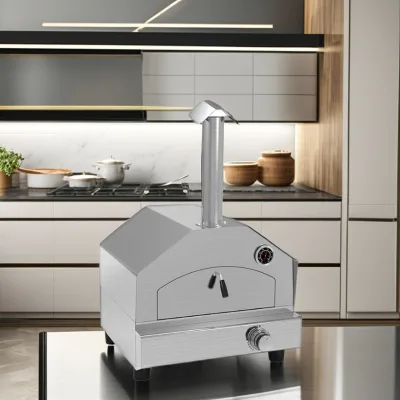
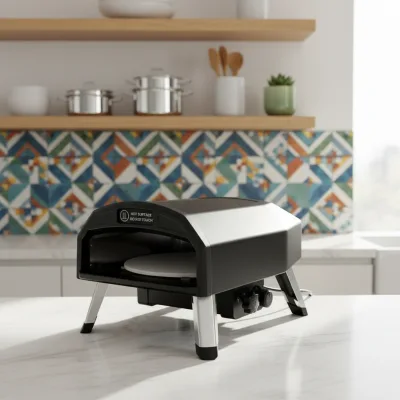
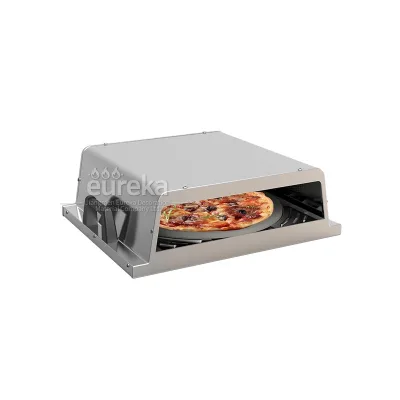
Portable 12" Outdoor Grill Top Pizza Oven with Ceramic Stone for Outdoor Baking
$150.00 - $199.00
MOQ: 500
Guangzhou Hongling Electric Heating Equipment Co., Ltd.
- Verified by SGS Group
- Manufacturer, Trading Company
- Lead time15 days
- Avg. response≤ 9h
Main productsBaking Oven, Dough Mixer, Proofer, Planetary Mixer, Other Bakery Equipment
Main marketsSouth Asia(50%), Southeast Asia(25%), Domestic Market(12%)
Guangzhou Shengxiang West Kitchen Equipment Co., Ltd.
- Verified by SGS Group
- Manufacturer, Trading Company
- Lead time7 days
- Avg. response≤ 1h
Main productsCommercial Cooking Equipment, Commercial Freezing Equipment, Commercial Baking Equipment, Commercial Dishwasher, Customized Commercial Kitchen Equipment Set
Main marketsNorth America(31%), Eastern Europe(13%), Eastern Asia(13%)
Guangzhou Foodsense Catering Equipment Co., Ltd.
- Verified by SGS Group
- Trading Company
- Lead time20 days
- Avg. response≤ 2h
Main productsFood Processing Machine, Bakery Equipment, Western Kitchen Equipment, Refrigeration Equipment, Bar Beverage Equipment
Main marketsAfrica(15%), South America(10%), Southeast Asia(10%)
Jiangmen City Xinhui District Mayhope Machinery Co., Ltd.
- Manufacturer
- Guangdong, China
- Lead time5 days
- Avg. response≤ 5h
Main productsIce Cream Machine,Ice Slush Machine,Popsicle Machine
Main marketsSouth America(30.00%), North America(30.00%), Southern Europe(10.00%), Northern Europe(10.00%), Western Europe(10.00%), Eastern Europe(10.00%)
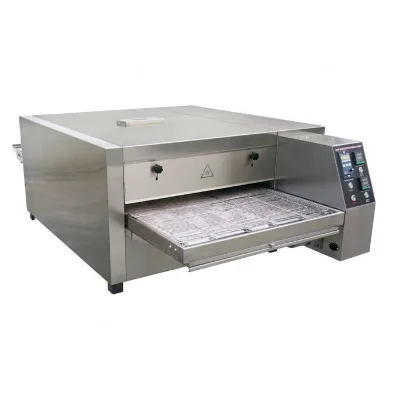
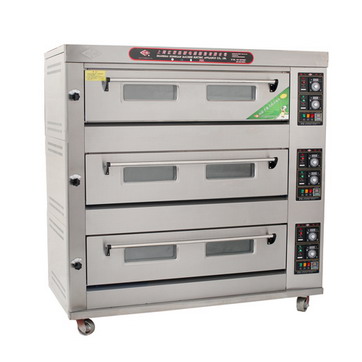
Professional Commerical Pizza Maker Hot Sale Pizza Machine Electric Conveyor Pizza Oven
$1540.00 - $1845.00
MOQ: 1 sets
Guangzhou Pullte Catering Equipment Co., Ltd.
- Verified by Intertek
- Manufacturer, Trading Company
- Lead time15 days
- Avg. response≤ 2h
Main productsDeep fryer, Oven, Griddle, Grill, Range
Main marketsSouth America(17%), Africa(17%), Mid East(17%)
Luohe Langrui Electromechanical Equipment Co., Ltd.
- Verified by TüVRheinland
- Trading Company
- Lead time15 days
- Avg. response≤ 2h
Main productsFruit And Vegetable Processing Equipment, Meat Processing Machinery, Nut Processing Machinery, Snack Processing Machinery, Packaging Machinery
Main marketsAfrica(25%), North America(20%), Southeast Asia(18%)

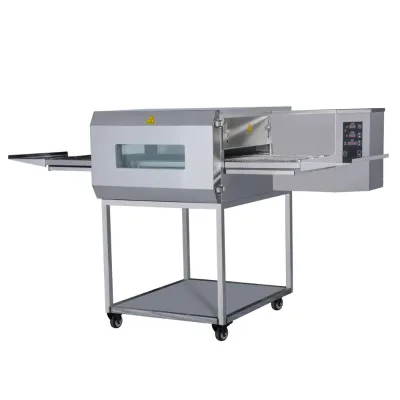
Conveyor Belt Oven 450 Degree Pita Pizza Cooking Fast Neapolitan Pizza Use Cooking Tunnel Oven
$1200.00 - $1500.00
MOQ: 1
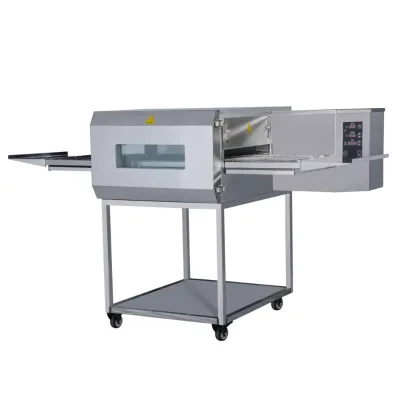
Hot Sale Commercial Gas-type18 Inch Pizza Continuously Baking Conveyor Pizza Oven
$1451.3163 - $1711.7017
MOQ: 1 pieces

Golden Chef Machinery Co., Ltd.
- Verified by TUVRHEINLAND
- Trading Company
- China Guangdong
- Lead time30 days
- Avg. response≤ 10h
Main productsBakery Equipment, Oven, Baking Oven, Meat Mincer, Refrigerator, Dough Sheeter, Dough Moulder, Proofer
Main marketsNorth America








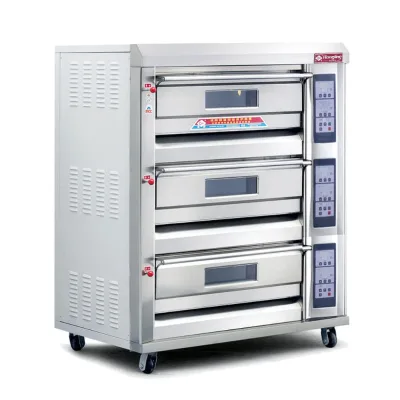
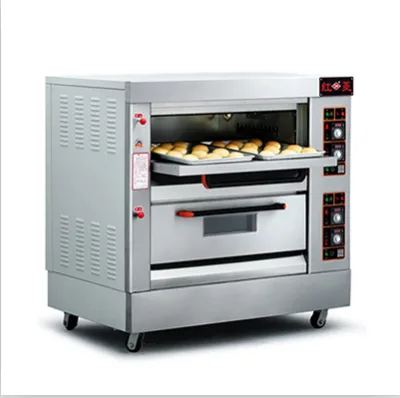
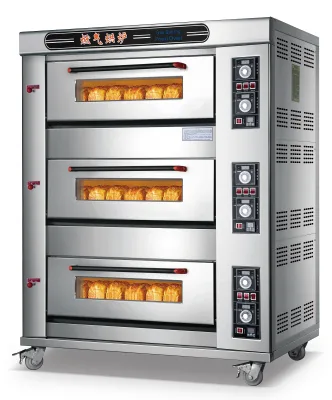
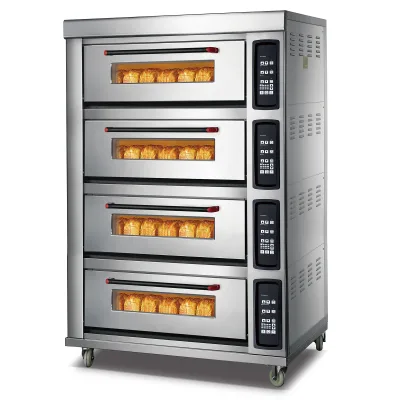
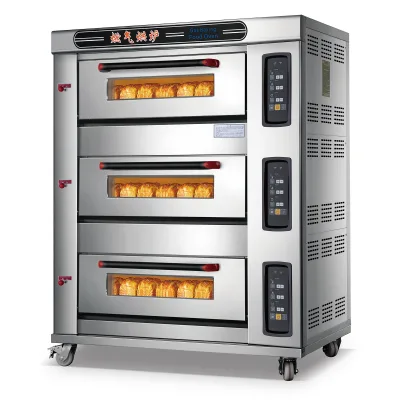
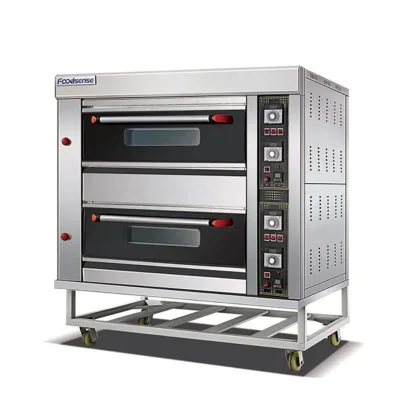
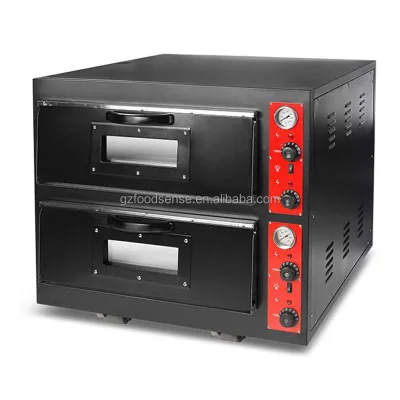
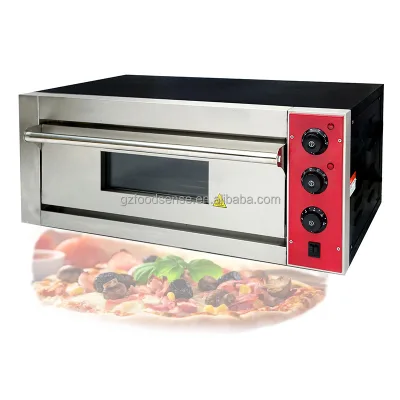


Comprehensive Sourcing Guide
CE Stainless Steel Pizza Oven Supplier Concentration and Factory Types
The landscape for sourcing stainless steel pizza ovens is defined by a mix of manufacturing capabilities and trading structures, requiring buyers to distinguish between direct production sources and intermediary facilitators. Current data indicates that suppliers in this category operate as either Manufacturers or Trading Companies, with some entities presenting as Combined entities that blend both roles. This structural diversity directly impacts how buyers should approach initial outreach and negotiation strategies. When evaluating potential partners, it is crucial to understand that a Trading Company may offer a broader catalog of related kitchen equipment, such as convection ovens, rotisseries, or shawarma machines, whereas a dedicated Manufacturer might focus more intensely on specific oven technologies like wood-fired or electric deck models. The presence of Combined entities suggests a hybrid model where the supplier may have in-house assembly or customization capabilities while also managing a wider inventory for immediate shipment. Buyers must verify the actual nature of the business relationship to ensure they are getting accurate technical support and competitive pricing. Understanding whether the supplier is primarily a factory or a trader helps in predicting their flexibility regarding custom orders, private labeling, and technical troubleshooting. This distinction is vital for long-term supply chain stability, as manufacturers often have more control over production schedules and quality control processes, while trading companies might offer faster access to diverse stock items.
Location plays a significant role in the concentration of these suppliers, with Guangdong, China, emerging as a key industrial hub for this type of equipment. Factories and trading companies located in this region benefit from established supply chains for stainless steel materials, electrical components, and gas fittings, which are essential for both electric and gas-powered pizza ovens. The clustering of suppliers in Guangdong allows for efficient logistics and potentially lower shipping costs for international buyers, although this must be weighed against lead times and customs procedures. Buyers should look for suppliers who explicitly state their place of origin, as this can indicate the maturity of their local industrial ecosystem. Suppliers from this region often have experience exporting to global markets, which can be inferred from their product descriptions and marketing materials. However, buyers should not assume that all suppliers in this region have identical capabilities; some may specialize in high-end commercial equipment, while others focus on residential or outdoor units. The concentration of suppliers in specific geographic areas also facilitates easier verification of factory audits and quality inspections, as third-party agencies often have established presence in these industrial zones. This geographic clustering provides a foundation for buyers to conduct more efficient due diligence and build stronger relationships with reliable partners.
How to Verify CE Stainless Steel Pizza Oven Suppliers
Verification is a critical step in ensuring that the suppliers you engage with are legitimate and capable of delivering high-quality stainless steel pizza ovens. One of the primary methods for verification is checking for third-party certifications and audit reports. In the current market, some suppliers display verification badges such as SGS, which indicates that an independent inspection company has assessed the supplier’s business operations and product quality. Buyers should prioritize suppliers who have undergone such rigorous verification processes, as this reduces the risk of dealing with fraudulent entities or low-quality manufacturers. Additionally, it is important to look for specific product certifications, such as CE marking, which is essential for selling in European markets. While some suppliers may claim to have CE certification, buyers should request valid certificates and verify their authenticity with the issuing body. The absence of visible certifications does not necessarily mean a supplier is unreliable, but it does require additional diligence. Buyers should ask for detailed documentation, including test reports from accredited laboratories, to confirm that the ovens meet safety and performance standards. This is particularly important for gas-powered ovens, which involve complex combustion systems and pressure regulations.
Beyond certifications, buyers should assess the supplier’s response time and communication efficiency as indicators of their professionalism and reliability. Data shows that response times can vary significantly, with some suppliers responding within minutes while others may take longer. A quick response time, such as under one hour, often indicates a well-staffed sales team and a responsive customer service infrastructure. Buyers should test the supplier’s responsiveness by sending detailed inquiries about product specifications, customization options, and shipping terms. The quality of the response, including the accuracy of the information provided and the willingness to answer technical questions, can reveal a lot about the supplier’s expertise. Furthermore, buyers should inquire about the supplier’s after-sales service provisions. Some suppliers offer overseas call centers or warranty services, which are crucial for maintaining equipment in international markets. Understanding the scope of after-sales support helps buyers anticipate potential challenges and plan for maintenance and repairs. It is also advisable to check the supplier’s track record by looking for reviews or testimonials from previous clients, although buyers should be cautious of fabricated feedback. Combining these verification methods provides a comprehensive view of the supplier’s credibility and operational capacity.
What to Compare Across CE Stainless Steel Pizza Oven Suppliers
When evaluating multiple suppliers, buyers must compare key operational metrics to determine the best fit for their specific needs. One of the most critical factors is the lead time, which can vary based on order volume and seasonality. For instance, some suppliers indicate lead times of 15 to 45 days depending on the quantity ordered, with larger orders potentially requiring more time for production and quality control. Buyers should clarify whether these lead times are for standard models or customized units, as customizations often extend production schedules. Additionally, it is important to compare the Minimum Order Quantity (MOQ) requirements, as some suppliers may have low MOQs of just one unit, while others may require larger bulk orders. This is particularly relevant for buyers who are testing the market or need small batches for specific projects. Another key metric is the response time, which affects the speed of communication and decision-making. Suppliers with faster response times can facilitate quicker negotiations and problem resolution, which is essential for maintaining project timelines. Buyers should also compare the range of main products offered by each supplier, as some may specialize in pizza ovens while others offer a broader range of kitchen equipment. This can impact the supplier’s ability to provide comprehensive solutions and support for related accessories or spare parts.
Price and payment terms are also crucial comparison points, although buyers should be cautious of prices that seem unusually low, as they may indicate compromised quality. Current data suggests that prices for stainless steel pizza ovens can range significantly, with some models starting at lower price points and others commanding higher premiums due to advanced features or materials. Buyers should request detailed quotations that include all costs, such as shipping, insurance, and taxes, to avoid hidden fees. It is also important to compare the warranty terms offered by different suppliers, as some may provide one-year warranties while others offer none. The scope of the warranty, including coverage for parts and labor, should be clearly understood. Additionally, buyers should compare the customization options available, such as private labeling, custom colors, or specific technical modifications. Suppliers that offer flexible customization can better meet the unique requirements of different markets and end-users. Finally, buyers should compare the supplier’s capacity for research and development, as some may offer ODM services, allowing for innovative product designs and improvements. This can be a significant advantage for buyers looking to differentiate their offerings in a competitive market. By systematically comparing these factors, buyers can make informed decisions that balance cost, quality, and service.
Common CE Stainless Steel Pizza Oven Sourcing Risks
Sourcing stainless steel pizza ovens from international suppliers involves several risks that buyers must proactively manage to ensure a successful procurement process. One significant risk is the variability in product quality, which can arise from differences in manufacturing standards and material grades. Stainless steel used in pizza ovens must be of high quality to withstand high temperatures and resist corrosion, but not all suppliers may adhere to strict material specifications. Buyers should request detailed material certificates and conduct sample testing to verify the quality of the stainless steel and other components. Another risk is the potential for delays in production and shipping, which can disrupt supply chains and lead to missed market opportunities. Lead times can be affected by various factors, including raw material shortages, production bottlenecks, and logistical challenges. Buyers should establish clear communication channels with suppliers to monitor production progress and address any issues promptly. Additionally, buyers should consider the risk of non-compliance with international safety and environmental standards, such as CE marking for European markets. Failure to comply with these standards can result in product recalls, legal penalties, and damage to brand reputation. Buyers must ensure that suppliers provide valid certification documents and that the products meet the specific regulatory requirements of their target markets.
Another common risk is the lack of adequate after-sales support, which can be particularly problematic for complex equipment like pizza ovens. If a supplier does not provide sufficient technical support or spare parts, buyers may face difficulties in maintaining and repairing the equipment, leading to customer dissatisfaction and lost sales. Buyers should inquire about the supplier’s after-sales service infrastructure, including the availability of overseas call centers, technical training, and spare parts inventory. It is also important to assess the risk of intellectual property infringement, especially when dealing with custom designs or private labeling. Buyers should ensure that their designs are protected and that the supplier does not share them with competitors. Furthermore, buyers should be aware of the risk of currency fluctuations and payment fraud, which can impact the final cost of the order. Using secure payment methods and escrow services can help mitigate these financial risks. Buyers should also consider the risk of environmental and social compliance, as some suppliers may not adhere to ethical labor practices or environmental regulations. Conducting supplier audits and requesting compliance documentation can help ensure that the supply chain is responsible and sustainable. By identifying and addressing these risks early in the sourcing process, buyers can build a more resilient and reliable supply chain.
CE Stainless Steel Pizza Oven Regional Sourcing and Logistics
Regional sourcing strategies can significantly impact the efficiency and cost-effectiveness of procuring stainless steel pizza ovens. Suppliers located in industrial hubs like Guangdong, China, benefit from established logistics networks and proximity to major ports, which can reduce shipping times and costs. Buyers should consider the geographic location of suppliers when evaluating shipping options, as proximity to ports can facilitate faster and more reliable transportation. Additionally, buyers should be aware of the logistical challenges associated with shipping large and heavy items like pizza ovens. These items often require special packaging and handling to prevent damage during transit, which can increase shipping costs. Buyers should work with suppliers who have experience in exporting similar products and can provide guidance on optimal packaging solutions. It is also important to consider the impact of regional trade policies and tariffs on the final cost of the product. Buyers should research the import regulations and duty rates in their target markets to accurately calculate the total landed cost. Understanding these regional factors allows buyers to make informed decisions about supplier selection and logistics planning.
Logistics planning should also include considerations for inventory management and warehousing. Buyers may choose to maintain safety stock of popular models to ensure timely delivery to customers, which requires coordination with suppliers to manage production schedules and inventory levels. Some suppliers may offer drop-shipping services, allowing buyers to fulfill orders directly from the supplier’s warehouse, which can reduce inventory holding costs. However, this requires a high level of trust and coordination with the supplier to ensure accurate and timely order fulfillment. Buyers should also consider the environmental impact of their logistics choices, such as selecting carriers with lower carbon emissions or optimizing shipping routes to reduce fuel consumption. This can be an important factor for buyers who are committed to sustainability and want to minimize their environmental footprint. Additionally, buyers should be prepared for potential disruptions in the global supply chain, such as port congestion or carrier capacity issues, by diversifying their logistics providers and maintaining flexibility in their shipping plans. By carefully managing regional sourcing and logistics, buyers can optimize their supply chain performance and enhance customer satisfaction.
CE Stainless Steel Pizza Oven Commercial Terms and Order Planning
Effective order planning and clear commercial terms are essential for successful procurement of stainless steel pizza ovens. Buyers should
FAQs
What is the price range for stainless steel pizza ovens?
Prices for stainless steel pizza ovens typically range from $126 to $460 per unit. The cost varies based on the power source, with electric models starting lower and wood-fired options reaching higher price points. Buyers should check specific product listings for exact pricing tiers and bulk discounts.
How long does it take to manufacture these ovens?
Lead times generally span 15 to 45 days depending on order volume. Small orders of up to five units may take 15 days, while larger batches over 52 units can require 45 days. Quantities exceeding 52 units are subject to negotiation with the supplier for customized scheduling.
What power sources are available for these ovens?
Manufacturers offer ovens powered by electricity, gas, wood, or charcoal. Electric models often operate at 220V with specific wattage requirements, while wood-fired and gas options provide alternative heating methods. Buyers should select the power source that best fits their installation site and operational energy preferences.
Are these ovens suitable for outdoor use?
Yes, many stainless steel pizza ovens are explicitly designed for outdoor applications. Features include weather-resistant materials and freestanding installations suitable for patios or commercial outdoor kitchens. Some models also support household indoor use, providing versatility for different cooking environments and customer needs.
What is the minimum order quantity for these products?
The minimum order quantity is typically one unit, allowing for single-item purchases. This low MOQ facilitates testing and small-scale procurement. Buyers can order individual pieces without needing to meet large volume thresholds, making it accessible for startups or small business owners seeking initial inventory.
Do suppliers offer after-sales service for these ovens?
After-sales support varies by supplier, with some providing overseas call centers and others offering no specific service. Warranty periods may include one-year coverage for certain models. Buyers should verify the specific service terms and warranty details directly with the manufacturer before finalizing their purchase agreement.