Source Food Grade Conductive Silicone Keypad for Medical, Industrial, and Household
Compare 30 listings for Food Grade Conductive Silicone Keypad options from verified Chinese manufacturers. Buyers can evaluate customization, certifications, lead times, and material properties for medical, industrial, and household applications. Explore OEM services and various hardness levels available from Guangdong and Shandong suppliers.
Updated
Key considerations
Products List
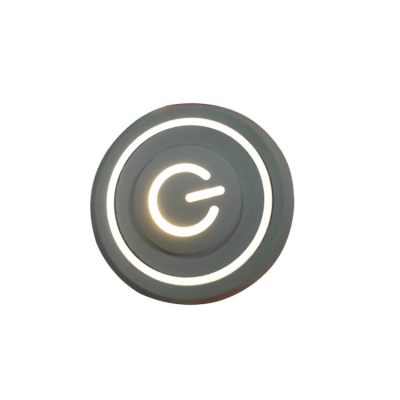
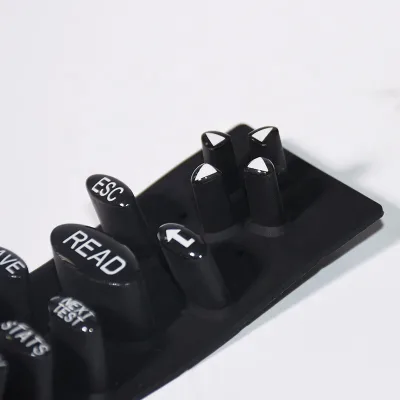
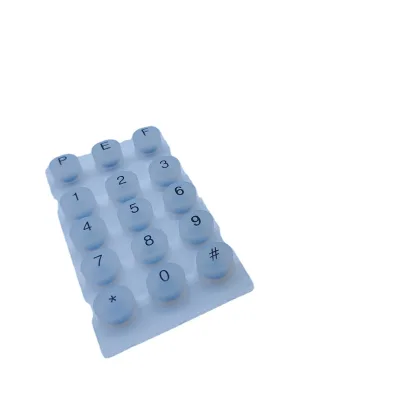


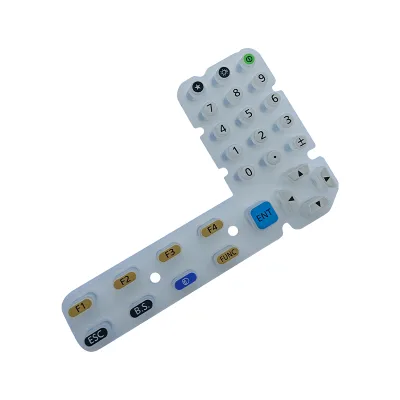
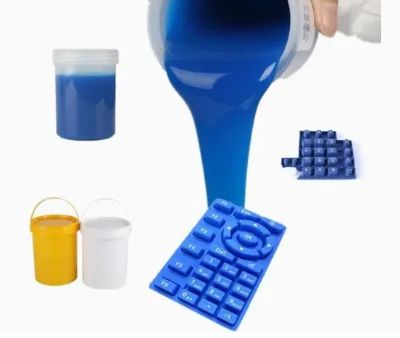
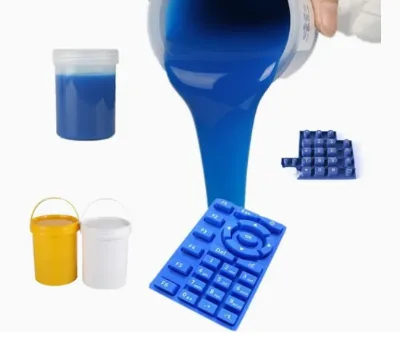
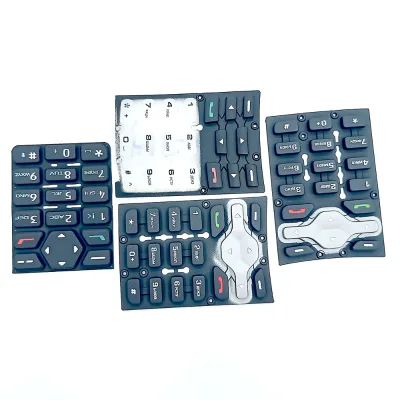
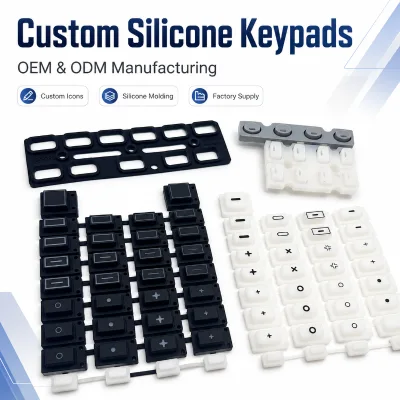
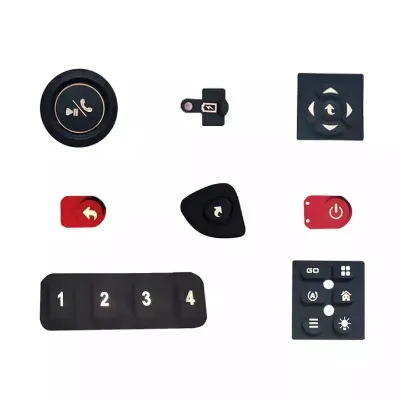
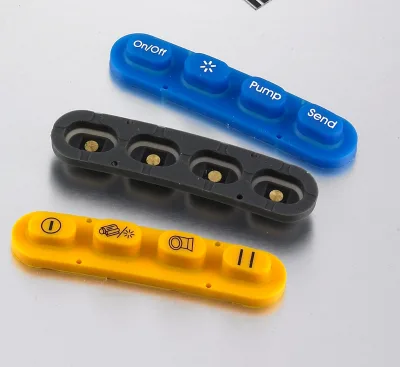
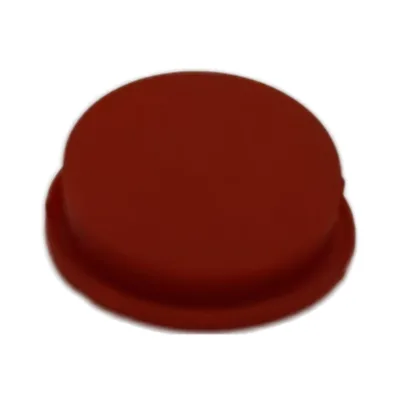
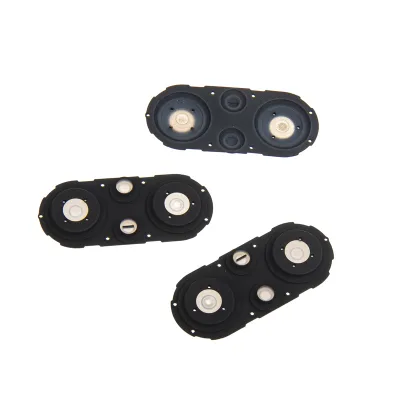
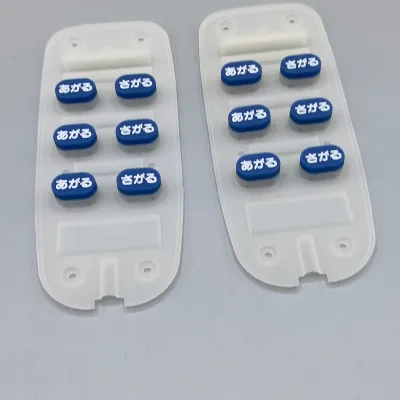
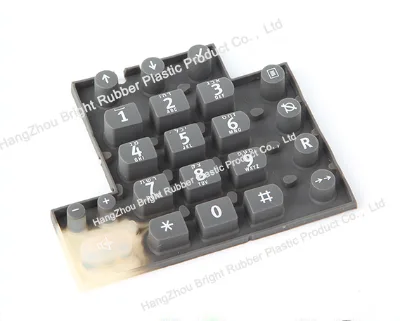
Food Grade Liquid Silicone Rubber Molding for Electronic Keypad Buttons
$3.3158 - $4.6109
MOQ: 2 Minimum







Comprehensive Sourcing Guide
Food Grade Conductive Silicone Keypad Sourcing Guide
Sourcing food grade conductive silicone keypads requires a careful balance between material safety, electrical functionality, and manufacturing precision. Buyers must recognize that these components serve dual purposes: they provide a hygienic, durable interface for food processing or medical equipment while maintaining reliable electrical conductivity for user input. The market offers a wide range of options, from simple household keypad overlays to complex industrial control panels. Understanding the specific requirements for conductivity, hardness, and chemical resistance is essential before engaging with suppliers. This guide outlines the critical verification steps needed to ensure that the selected keypads meet both operational and regulatory standards.
The procurement process begins with defining the exact application environment, whether it involves direct food contact, exposure to cleaning agents, or integration into electronic devices. Suppliers often list products under generic terms like "silicone rubber keypads" or "custom silicone key pads," which may or may not include conductive properties. It is crucial to distinguish between standard insulating silicone and specialized conductive variants. Buyers should verify that the supplier explicitly confirms the conductive nature of the material, as this is not always inherent in all silicone keypad listings. Clear communication of technical needs prevents mismatches between expected performance and delivered product quality.
Product Scope and Observed Listing Signals
The observed market signals indicate a diverse range of silicone keypad products, with prices ranging from $0.02 to $50 per unit and minimum order quantities (MOQs) varying from 1 to 5,000 pieces. These listings frequently highlight customization options, including any Pantone color, silk screen printing, embossing, or debossing for logos. The materials cited often include organic silicone or general silicone, with hardness levels typically spanning 30-90 Shore A. Buyers should note that while many listings mention food-grade certifications, the specific conductive property is not universally confirmed in the provided data. Therefore, each listing must be scrutinized to ensure it meets the specific electrical requirements of the application.
Shipping methods such as DHL, FedEx, UPS, TNT, and EMS are commonly available, indicating a global supply chain reach. Lead times for samples are generally reported as 3-5 days, while production lead times depend on order quantity. The place of origin is predominantly China, with specific mentions of Guangdong, Chongqing, and Shandong provinces. Some listings specify a proportion of 1.08±0.02g/cm³ and a working temperature range of -40 to 230 Celsius. These technical details provide a baseline for evaluating product suitability, but buyers must confirm that the conductive silicone variant aligns with these physical and thermal specifications.
Technical Specifications to Verify
Conductivity is the defining characteristic of this product category, yet it is often under-specified in general listings. Buyers must verify the surface resistivity or volume resistivity values to ensure the keypad responds correctly to touch or pressure. The hardness range of 30-90 Shore A offers flexibility for different tactile feedback requirements, but the specific durometer must match the design intent. Additionally, the elongation at break should be at least 300%, ensuring durability during repeated use. The working temperature range of -40 to 230 Celsius suggests robust thermal stability, which is critical for applications involving sterilization or extreme environments.
Material composition is another critical area for verification. While organic silicone is mentioned, the specific formulation for conductivity must be confirmed. Some listings reference platinum vulcanizing agents, which are preferred for high-purity applications due to their low residue and excellent curing properties. The proportion of 1.08±0.02g/cm³ provides a density benchmark, but buyers should request material data sheets to confirm consistency. Furthermore, the shape and size must be customized according to the customer's request, requiring precise mold creation. Ensuring that the conductive traces are properly aligned and protected from wear is essential for long-term reliability.
Compliance and Safety Documentation
Food grade certification is a primary requirement for keypads used in food processing or medical settings. Listings frequently mention certifications such as FDA, LFGB, RoHS, and REACH, which indicate compliance with various international safety standards. However, buyers must verify that these certifications apply specifically to the conductive silicone material and not just the base polymer. The presence of food-grade certification ensures that the material will not leach harmful substances into food products. It is also important to confirm that the inks and adhesives used in the keypad assembly are equally compliant, as they can be sources of contamination.
ISO certification is often cited, with ISO 9001 mentioned as a background standard for quality management. Buyers should request valid certificates from accredited bodies to ensure authenticity. The warranty period of 12 months is a common commercial term, but it does not replace the need for rigorous incoming quality inspection. The 100% inspection claim suggests a high level of quality control, but buyers should define their own acceptance criteria for defects. Documentation should also include test reports for chemical resistance, especially if the keypad will be exposed to harsh cleaning agents or sanitizers.
Cost Drivers and Commercial Terms
The price range of $0.02 to $50 reflects the variability in complexity, material quality, and order volume. Simple, non-conductive keypads may fall at the lower end, while custom conductive designs with specific certifications will command higher prices. The MOQ of 2KG for some raw material listings suggests that bulk orders can reduce unit costs significantly. Buyers should consider the cost of tooling and mold creation, which are often one-time expenses but can be substantial for complex shapes. The customization options, such as specific colors and logo printing, may also add to the overall cost.
Lead times are a critical commercial factor, with sample times of 3-5 days and production times dependent on order quantity. Buyers should plan for potential delays in mold fabrication and material sourcing. The shipping methods available, including DHL and FedEx, offer speed but at a higher cost. Packaging is typically an inner bag with a carton, but custom packaging requests may incur additional fees. Understanding the total landed cost, including tariffs and logistics, is essential for accurate budgeting. Negotiating favorable terms for repeat orders can help mitigate initial setup costs.
Supplier Qualification and Quality Control
Supplier qualification begins with verifying their manufacturing capabilities and experience in producing conductive silicone products. The mention of OEM/ODM services indicates that many suppliers are equipped for custom projects. Buyers should assess the supplier's ability to handle the specific hardness and conductivity requirements. The place of origin in China offers a mature supply chain, but buyers must conduct due diligence to ensure quality consistency. Requesting references or case studies from similar industries, such as medical or food processing, can provide insight into the supplier's reliability.
Quality control processes should be clearly defined, with the 100% inspection claim serving as a baseline. Buyers should implement their own incoming quality control procedures, including visual inspection and functional testing of conductivity. The accuracy specification of "other" in some listings highlights the need for precise measurement standards. Establishing a clear quality agreement that defines acceptable defect rates and testing methods is crucial. Regular audits of the supplier's production line can help maintain high standards and identify potential issues early in the manufacturing process.
Long-Term Procurement Checks
Long-term success depends on continuous monitoring of product performance and supplier reliability. Buyers should track field failures and feedback from end-users to identify any issues with conductivity or durability. The 12-month warranty provides a safety net, but proactive quality management is essential to prevent disruptions. Regular re-verification of certifications is necessary, as regulatory requirements can change over time. Maintaining a relationship with the supplier for continuous improvement and potential design updates can enhance the product's lifecycle.
Supply chain resilience is another key consideration. Diversifying suppliers for critical components can mitigate risks associated with single-source dependencies. Monitoring market trends for new materials or technologies can provide opportunities for cost savings or performance improvements. Buyers should also stay informed about changes in shipping costs and lead times, which can impact overall procurement strategy. Establishing a robust feedback loop between procurement, engineering, and quality teams ensures that any issues are addressed promptly and effectively.
FAQs
What certifications are available for food grade conductive silicone keypads?
These keypads typically hold FDA, LFGB, RoHS, and REACH certifications to ensure safety for food contact and electronic use. The material is often organic silicone, meeting strict international standards for hygiene and environmental compliance. Buyers should verify specific documentation with the supplier to confirm the exact grade required for their application.
Can I customize the color and logo on these silicone keypads?
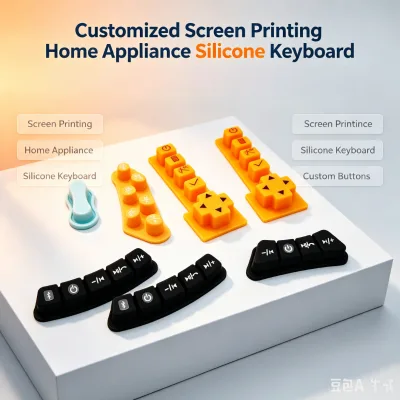
Yes, customization is available for both color and branding. You can select any Pantone color, including black, white, blue, red, or yellow. Logos can be applied via silk screen printing, embossing, or debossing. This OEM/ODM service allows you to tailor the product to your specific brand identity and functional requirements.
What is the lead time for samples and bulk orders?
Sample lead time is generally 3 to 5 days, allowing for quick evaluation of quality and fit. Bulk order lead time depends on your specific order quantity and production schedule. Suppliers typically offer flexible timelines to accommodate urgent needs, ensuring that your project stays on track from prototyping to full-scale manufacturing.
What is the minimum order quantity for these silicone keypads?
The minimum order quantity varies by supplier, with observed ranges starting from 1 unit up to 5000 units. Some suppliers may set a minimum based on weight, such as 2KG. Buyers should confirm the specific MOQ with the manufacturer to ensure it aligns with their budget and inventory requirements for the project.
What are the working temperature and hardness specifications for these keypads?
The working temperature range is typically -40 to 230 degrees Celsius, providing durability in extreme conditions. The hardness can be customized, often ranging from 30 to 90 Shore A, with 50A being a common option. This flexibility ensures the keypad meets the tactile and environmental demands of medical, industrial, or household applications.
Where are these food grade silicone keypads manufactured?
These keypads are primarily manufactured in China, with specific origins including Guangdong and Chongqing provinces. Suppliers in these regions offer advanced molding processes and competitive pricing. Buyers can expect efficient logistics through carriers like DHL, FedEx, and UPS, ensuring timely delivery to global markets for various industrial and consumer applications.