Round Food Warmer Buffet Container Suppliers and Manufacturers
Explore 28 verified options for Round Food Warmer Buffet Container from Guangdong, China. Compare response times, lead times, MOQs, and product specifications like material and capacity. Contact suppliers directly to request samples or custom branding; review the available evidence before requesting comparable quotations from suitable candidates.
Updated
Suppliers List
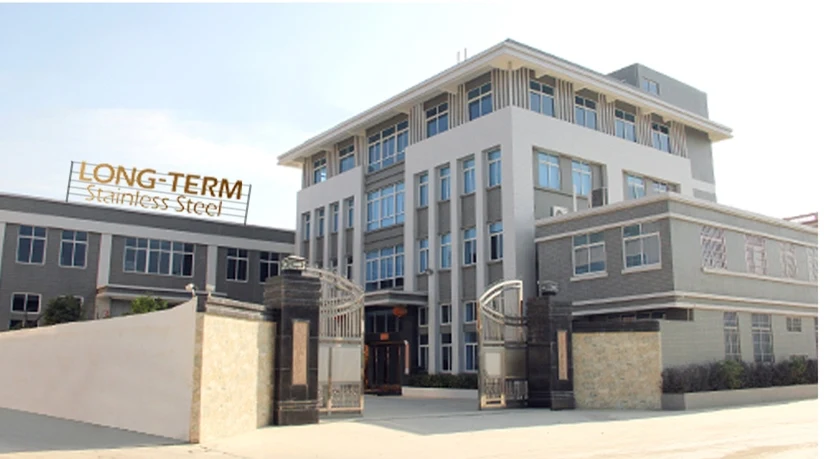
Chaozhou Chaoan Long-Term Stainless Steel Products Co., Ltd.
- Manufacturer, Trading Company
- Guangdong, China
- Lead time30 days
- Avg. response≤ 21h
Main productsStainless Steel Water Kettles, Coffee Pots, Milk Pots, Cookware
Main marketsMid East(60.00%), Mid East(60.00%), North America(20.00%), North America(20.00%), Eastern Europe(15.00%), Eastern Europe(15.00%), Oceania(3.00%), Oceania(3.00%), Southeast Asia(2.00%), Southeast Asia(2.00%), South Asia(0.00%), Eastern Asia(0.00%), South America(0.00%), Western Europe(0.00%), Southern Europe(0.00%), Central America(0.00%), Northern Europe(0.00%), Africa(0.00%), Domestic Market(0.00%), South Asia(0.00%), Eastern Asia(0.00%), South America(0.00%), Western Europe(0.00%), Southern Europe(0.00%), Central America(0.00%), Northern Europe(0.00%), Africa(0.00%), Domestic Market(0.00%)
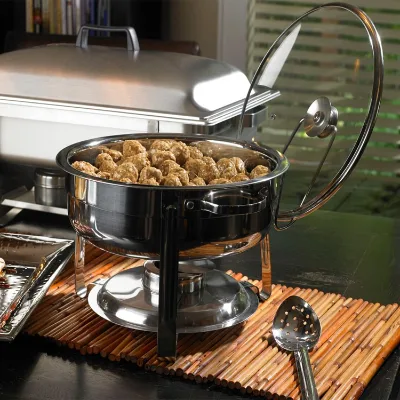
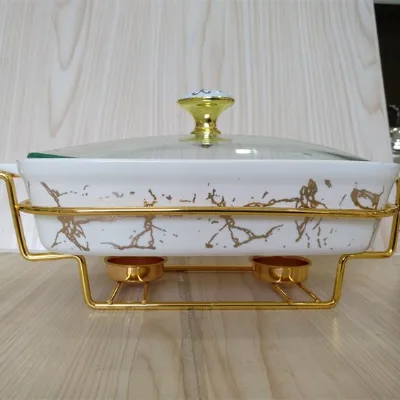
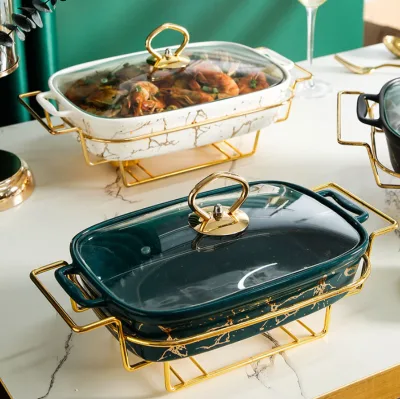
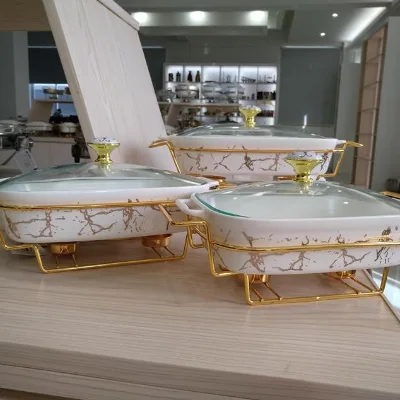
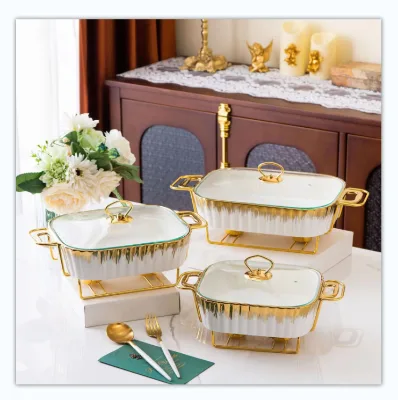
Special Promotion Tableware for Catering for Sale of Restaurant Food Display Ceramic Food Warmer
$9.00 - $15.67
MOQ: 1 pieces

Chaozhou Lianying Trading Co., Ltd
- Manufacturer, Trading Company
- Guangdong, China
- Lead time15 days
- Avg. response≤ 3h
Main productsWater Boiler,Vacuum Bottle,Food Warmer,GN Pan,Juice Dispenser
Main marketsMid East(25.00%), Domestic Market(25.00%), South Asia(20.00%), Eastern Europe(20.00%), Eastern Asia(10.00%)

- Verified by TUVRHEINLAND
- Trading Company,Manufacturer/Factory
- China Guangdong
- Lead time45 days
- Avg. response≤ 4h
Main productsStainless Steel Cookware, Stainless Steel Untensil, Stainless Steel Kitchenware, Stainless Steel Colander Bowl, Stainless Steel G. N Pan, Stainless Steel Pressure Cooker, Stainless Steel Buckets, Stainless Steel Dishes Rack, Stainless Steel Chafing Dishes, Stainless Steel Fittings
Main marketsSouth America,Eastern Europe,Mid East,North America,Southeast Asia,Eastern Asia,Oceania,Western Europe,Africa

Buffet Food Warmer Rectangle Stainless Steel Chafing Dish Food Container
$16.00 - $20.00
MOQ: 200 Pieces

$8.74 - $9.08
MOQ: 50 Pieces

Restaurant Hotel Utensil Round Roll Top Chafing Dish Food Warmer Buffet
$25.28 - $26.58
MOQ: 100 Pieces


Guangzhou Yinhao Hotel Equipment Co., Ltd.
- Verified by SGS
- Trading Company
- China Guangdong
- Lead time15 days
- Avg. response≤ 9h
Main productsChafing Dish
Main marketsDomestic

Luxurious Hotel Serving Buffet Food Warmer Round Chafing Dishes for Catering
$62.00 - $72.00
MOQ: 1 Pieces

Luxurious Hotel Serving Buffet Food Warmer Round Chafing Dishes for Catering
$65.00 - $75.00
MOQ: 1 Pieces

$48.00 - $52.00
MOQ: 1 Pieces


Guangzhou Zhuolin Restaurant Supplies Limited
- Verified by Intertek
- Trading Company
- Lead time15 days
- Avg. response≤ 6h
Main productsChafing Dish
Main marketsMid East(42%), Southeast Asia(16%), Eastern Asia(10%)

Zensun Stainless Steel Products Co. , Ltd.
- Verified by SGS
- Trading Company
- China Guangdong
- Lead time30 days
- Avg. response≤ 10h
Main productsGn Pan, Chafing Dish, Food Tray, Stock Pot, Kettle, Cutlery, Kitchenware, Cookware, Restraurant and Hotel Supplies, Milk Pot
Main marketsDomestic

Kitchen Utensils Versatile Buffet Food Warmer Container for Hotels and Restaurants
$31.95 - $41.95
MOQ: 20 Pieces

Hotel Catering Utensils Stainless Steel Food Warmer Buffet Container for Catering Events
$31.95 - $41.95
MOQ: 20 Pieces

Durable Good Quality Hotel Kitchen Utensils Food Warmer Buffet Container for Everday Use
$31.95 - $41.95
MOQ: 20 Pieces

Outdoor Catering Utensils Versatile Food Warmer Buffet Container for Parties and Gatherings
$31.95 - $41.95
MOQ: 20 Pieces

Hotel Chef Storage Durable Buffet Warmer Container for Large Scale Food Service
$31.95 - $41.95
MOQ: 20 Pieces
Shanghai Luyu Imp. And Exp. Corp., Ltd.
- Trading Company
- Shanghai, China
- Lead time35 days
- Avg. response≤ 9h
Main productsEnamel,Stainless Steel Ware,Aluminum Ware,Umbrella,Artificial Flower
Main marketsSoutheast Asia(33.85%), Africa(33.29%), Mid East(7.51%), Eastern Europe(6.04%), South Asia(5.27%), South America(4.89%), Oceania(4.06%), Central America(2.68%), Western Europe(2.41%)

Foshan Ron Hospitality Supplies Co., Ltd.
- Verified by BV
- Manufacturer/Factory,Group Corporation
- China Guangdong
- Lead time45 days
- Avg. response≤ 2h
Main productsRestaurant Furniture, Restaurant Booth, Restaurant Chair, Restaurant Table, Bar Stools, Wedding Chairs, Flatware Sets, Dinnerware Sets, Garden Chairs, Disposable Dinnerware & Tableware
Main marketsSouth America,Eastern Europe,Mid East,North America,Southeast Asia,Eastern Asia,Oceania,Western Europe,Africa

$279.00 - $343.00
MOQ: 1 pieces

$322.00 - $397.00
MOQ: 1 pieces


Eagle Catering Equipment Co., Ltd.
- Manufacturer/Factory
- China Guangdong
- Lead time30 days
- Avg. response≤ 12h
Main productsTrolleys, Gastronorm Containers, Table, Shelves, Sink, Barrier Post, Cookware, Buffetware, Barware, Kitchen Utensils
Main marketsSouth America,Eastern Europe,Mid East,North America,Southeast Asia,Eastern Asia,Oceania,Western Europe,Africa
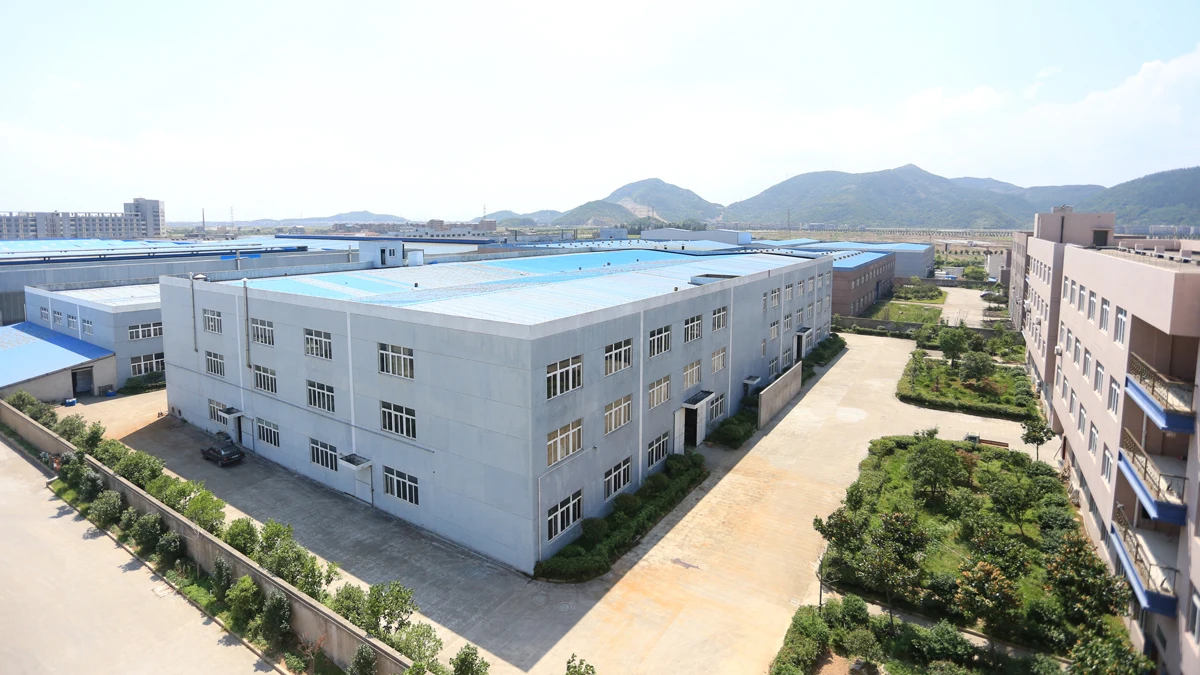
Hangzhou Lanbl Industrial Co., Ltd.
- Manufacturer, Trading Company
- Zhejiang, China
- Lead time25 days
- Avg. response≤ 7h
Main productsKitchenware Items,Household Items,insulated casseroles,cookware set,vacuum flask
Main marketsMid East(20.00%), North America(20.00%), Western Europe(10.00%), South America(10.00%), Africa(10.00%), Eastern Europe(10.00%), South Asia(8.00%), Eastern Asia(5.00%), Northern Europe(3.00%), Oceania(2.00%), Central America(2.00%)
Chaozhou City Chaoan Area Caitang Town Lechen Plastic Craft Product Factory
- Manufacturer, Trading Company
- Guangdong, China
- Lead time30 days
- Avg. response≤ 2h
Main productsfood warmer,hot pot,kitchenware,lunch box,Insulated pot
Main marketsCentral America(30.00%), Domestic Market(20.00%), Eastern Asia(20.00%), Western Europe(10.00%), Southern Europe(10.00%), South America(10.00%)
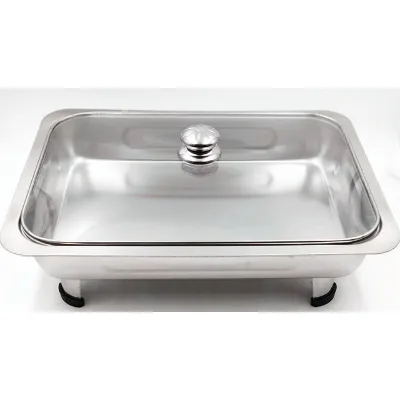
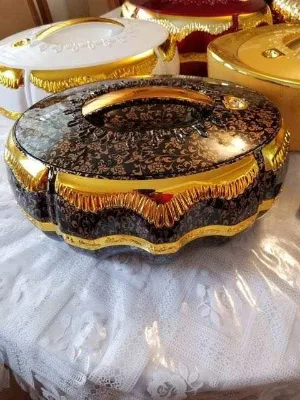
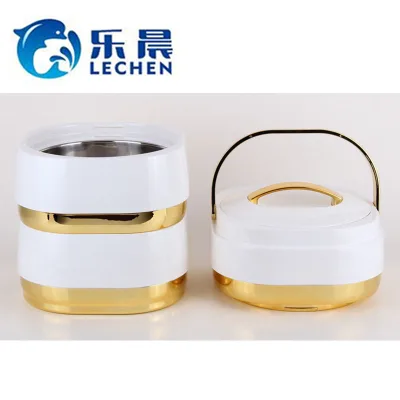
Stainless Steel Food Warmer Heat Food Pot Food Warmer Container With Handle 1.5L*3 Layers
$21.5922 - $25.7042
MOQ: 6 Minimum

Qingyuan Xingxiang Hardware Products Co., Ltd
- Verified by SGS
- Combined
- China Guangdong
- Lead time30 days
- Avg. response≤ 5h
Main productsShower Caddy Shelves, Hanging Hook, Coffee Pod Holder, Tissue Paper Towel Holder, Wire Storage Basket, Mutifunction Storage Rack, Cup Holder, Dish Drying Rack, Office Accessories, Watering Can
Main marketsEurope,North America

Chafing Dishes Food Warmer Party Ceramic Buffet Soup Pot Wedding Heating Buffet Pot
$7.10 - $8.10
MOQ: 200 Pieces


- Verified by BV
- Trading Company
- China Guangdong
- Lead time15 days
- Avg. response≤ 21h
Main productsChafing Dish, Dessert Food Display Stand, Juice Coffee Milk Dispenser, Catering Buffet Tables, Cutlery, Food Heat Lamp, Food Service Trolley, Ice Bucket, Table Number Stand, Food Bowl Plate Tray
Main marketsAfrica,Southeast Asia/ Mideast,East Asia(Japan/ South Korea),Domestic,Europe,Australia,North America

Guangzhou Nantian Sources Co., Ltd.
- Manufacturer/Factory
- China Guangdong
- Lead time15 days
- Avg. response≤ 6h
Main productsKitchen Equipment, Kitchenware, Food Machine, Kitchen Appliance, Glassware, Food Machinery, Bakery Equipment, Dinnerware, Kitchen Utensils, Food Processor
Main marketsSouth America,Mid East,Southeast Asia,Eastern Asia,Oceania,Africa


Stainless Steel Rectangular Chafing Dish/Food Warmer/Buffet Chafer with Glass Window
$150.00
MOQ: 10 Pieces

Foshan Xinsheng Furniture Co., Ltd.
- Verified by BV
- Trading Company
- China Guangdong
- Lead time30 days
- Avg. response≤ 7h
Main productsWedding Table, Wedding Chair, Wedding Sofa, Acrylic Furniture, Backdrop, Table Centerpieces
Main marketsAfrica,Southeast Asia/ Mideast,East Asia(Japan/ South Korea),Europe,Australia,North America

Jiangmen Xinxin Houseware Co., Ltd.
- Verified by BV
- Trading Company,Manufacturer/Factory
- China Guangdong
- Lead time30 days
- Avg. response≤ 5h
Main productsLunch Box, Coffeeware, Kitchenware, Chafing Dishes, Gn Pan, Juice Dispenser, Trolley, Stock Pot, Bar Sets, Storages Box
Main marketsEastern Europe,Mid East,North America,Southeast Asia,Eastern Asia,Oceania,Western Europe
Yiwu City Dahao Houseware Co., Ltd.
- Trading Company
- Zhejiang, China
- Lead time30 days
- Avg. response≤ 2h
Main productsKitchenware,Houseware,Household Cleaning Tools & Accessories,Fashion Jewelry,Fashion Accessories
Main marketsAfrica(25.00%), South America(15.00%), North America(15.00%), Mid East(10.00%), Central America(7.00%), Southeast Asia(5.00%), Eastern Asia(5.00%), Domestic Market(3.00%), South Asia(3.00%), Western Europe(3.00%), Eastern Europe(3.00%), Oceania(2.00%), Southern Europe(2.00%), Northern Europe(2.00%)
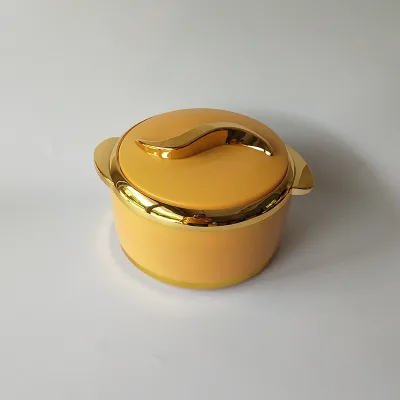
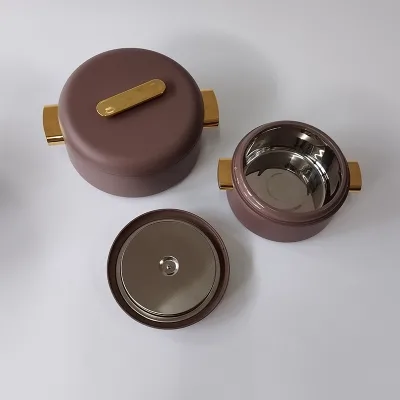
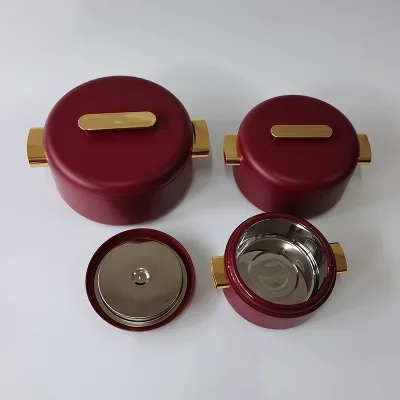
Stainless Steel Thermal Insulated Lunch Box Food Flask Food Warmer Container
$14.99 - $17.99
MOQ: 12 sets

Zhejiang Haoda Electrical Appliance Co., Ltd.
- Combined
- China Zhejiang
- Lead time30 days
- Avg. response≤ 3h
Main productsFloor Cleaner, Deep Fryer, Infrared Ceramic Cooker, Electric Hotplate, Electric Buffet Warmer, Electric BBQ, Electric Chopper, Vacuum Cleaner, Air Fryer
Main marketsSoutheast Asia/ Mideast,Europe,North America

Customized 2*1.5L Electric Buffet Hotel Stainless Food Display Warmer Container
$15.00 - $17.00
MOQ: 1000 Pieces


Stainless Steel Food Warmers Contain Dish Metal Stainless Steel Buffet
$14.50 - $18.00
MOQ: 500 Pieces
Guangzhou Berman Restaurant Supply Limited
- Manufacturer
- Guangdong, China
- Lead time10 days
- Avg. response≤ 5h
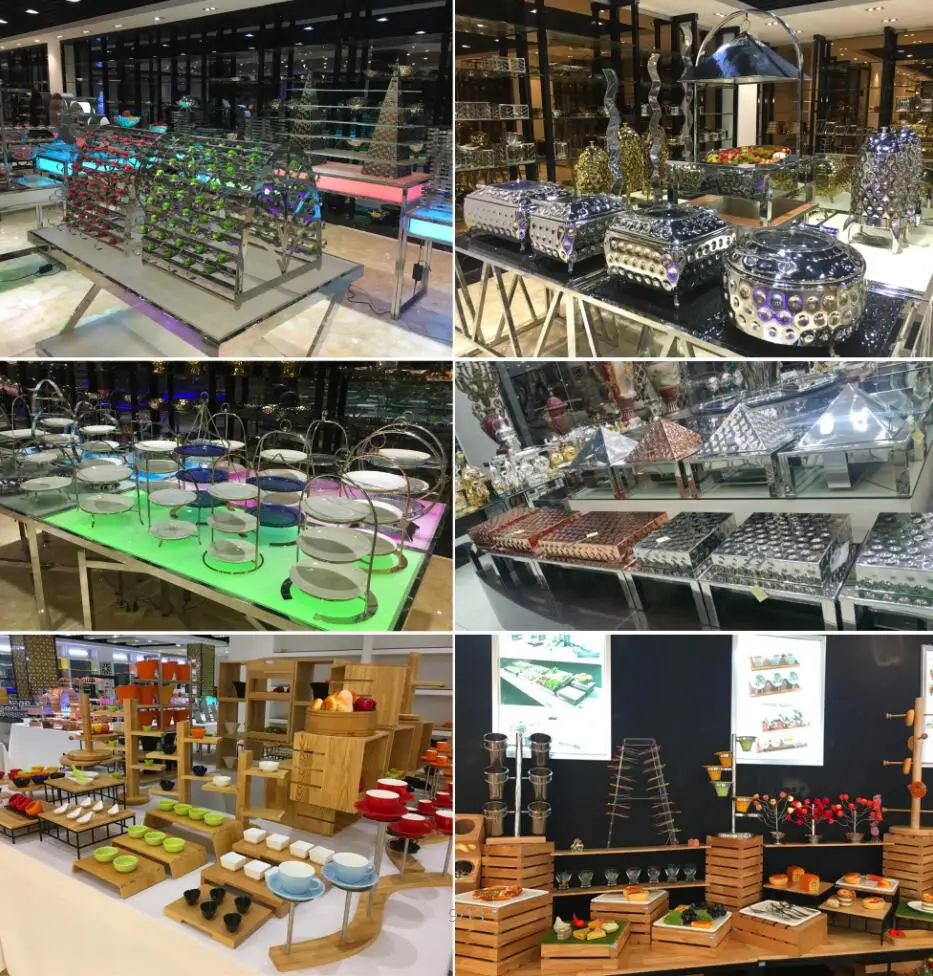
Main productsRestaurant Equipment Supply,Catering Equipment Supply,Buffet Equipment Supply,Hotel Equipment Supply,Wedding Equipment
Main marketsMid East(49.00%), Eastern Asia(29.00%), Southeast Asia(6.00%), South America(5.00%), Western Europe(3.80%), Eastern Europe(2.90%), Northern Europe(1.70%), Southern Europe(1.40%), Africa(1.20%)
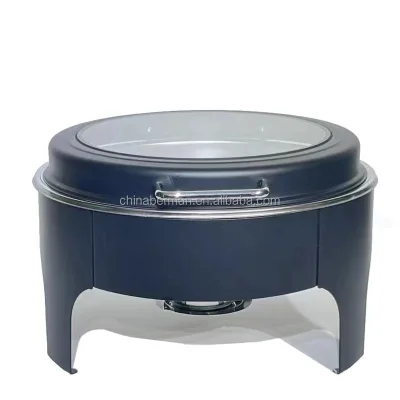
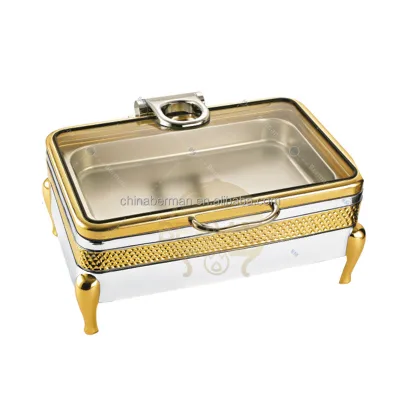
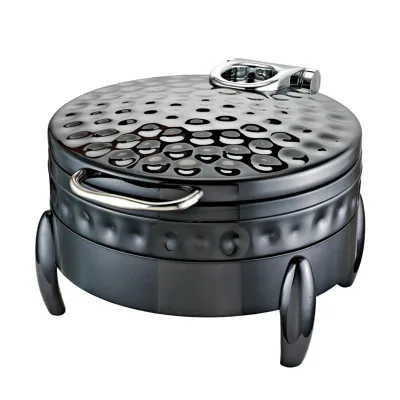
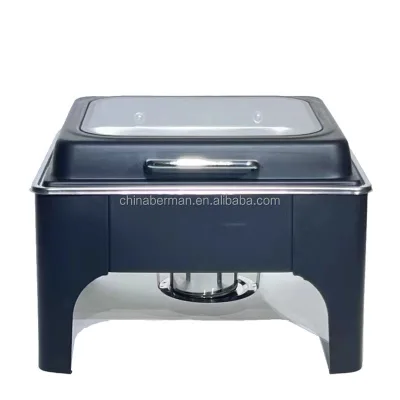
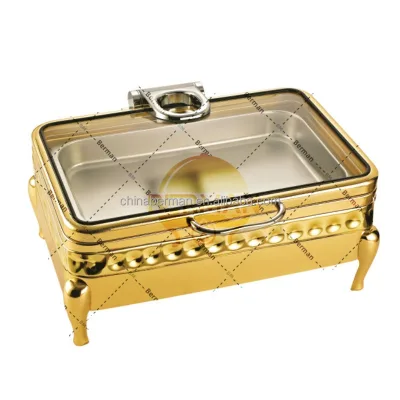
Other Hotel China factory popular wholesales black color 6L stainless steel food container
$41.52 - $43.70
MOQ: 4 pieces
Chaozhou Huicheng Hardware Industry Co., Ltd.
- Manufacturer, Trading Company
- Guangdong, China
- Lead time30 days
- Avg. response≤ 11h
Main productsstainless steel chafing dish,stainless steel mixing bowl,stainless steel roasting pan,stainless steel cookware set,stainless steel charcoal bbq grill
Main marketsNorth America(51.00%), Western Europe(18.00%), South America(10.00%), Central America(5.00%), Mid East(5.00%), Domestic Market(2.00%), Africa(2.00%), South Asia(2.00%), Southeast Asia(2.00%), Eastern Europe(1.00%), Northern Europe(1.00%), Eastern Asia(1.00%)

Heavybao Commercial Kitchenware Co., Ltd.
- Verified by SGS
- Combined
- China Guangdong
- Lead time30 days
- Avg. response≤ 3h
Main productsRestaurant Equipment / Catering Equipment, Kitchen Equipment / Fast Food Equipment, Cooking Equipment / Bakery Equipment, Coffee Urn / Coffee Maker / Coffee Percolator, Electric Grill / Deep Fryer / Electric Fryer, Gn Pan/Toaster / Salamander / Waffle Maker, Dog Wash / Dog Cage / Pet Bathtub / Pet Dryer, Workbench / Working Table / Folding Table, Trolley Cart / Trolley / Service Trolley / Cart, Buffet Chafing Dish / Food Warmer / Chafing Dish
Main marketsSouth America,Europe,North America


Heavybao Buffet Set Food Warmer Pot Stainless Steel Chafer Dishes with Fuel Holder
$16.60 - $369.23
MOQ: 100 Pieces


Heavybao Hot Sale Restaurant Kitchen 1/3 Size Vegetable Food Ice Cream Gastronorm Container
$3.73 - $4.07
MOQ: 100 Pieces

Jiangmen Goodman Cleaning Supplies Co., Ltd.
- Verified by TUVRHEINLAND
- Combined
- China Guangdong
- Lead time15 days
- Avg. response≤ 9h
Main productsFood Pan, Food Basket Tray, Storage Box, Cleaning Bucket, Trash Can
Main marketsEurope,North America

Catering Equipment Buffet Food Warmer Container Plastic Insulated Food Pan Carrier
$100.00 - $120.08
MOQ: 100 pieces

Catering Equipment Buffet Food Warmer Container Custom Logo Insulated Food Pan Carrier
$98.48 - $115.32
MOQ: 100 pieces

$80.00 - $100.00
MOQ: 100 Pieces

Catering Equipment Gn Food Warmer Container Insulated Food Pan Carrier PP Food Pan Carrier
$70.00 - $90.00
MOQ: 100 Pieces

$42.00 - $60.00
MOQ: 200 pieces

Lihao Houseware (Guangzhou) Co., Ltd
- Verified by SGS
- Manufacturer/Factory,Other
- China Guangdong
- Lead time23 days
- Avg. response≤ 2h
Main productsHotel Restaurant Supplies, Hotel & Restaurant Essentials, Catering Equipment, Commercial Catering Equipment, Chafing Dishes & Food Warmers, Hotelware, Buffet Serving Ware, Tableware (Dinnerware / Cutlery), Glassware, Food Display Stand
Main marketsSouth America,Eastern Europe,Mid East,North America,Southeast Asia,Eastern Asia,Oceania,Western Europe,Africa

Stainless Steel Chafing Dish Buffet Hanging Cover Restaurant Hotel Catering Food Warmer
$29.90 - $45.90
MOQ: 10 Sets

Jiangmen YD Hardware Co., Ltd.
- Verified by TüVRheinland
- Manufacturer, Trading Company
- Lead time30 days
- Avg. response≤ 3h
Main productsRestaurant Equipment, Snack Food Equipment
Main marketsSouth America(25%), North America(20%), Eastern Europe(10%)
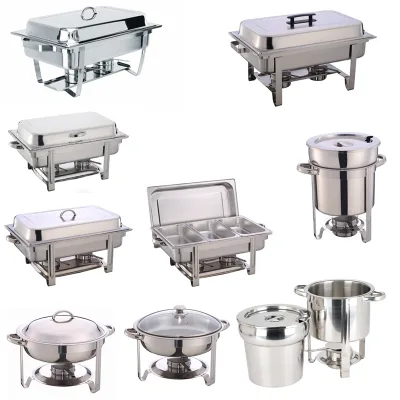
Economy Rectangular Chafing Dish Most Popular 9L Food Warmer and Container for Sale
$155.5014
MOQ: 50 Minimum
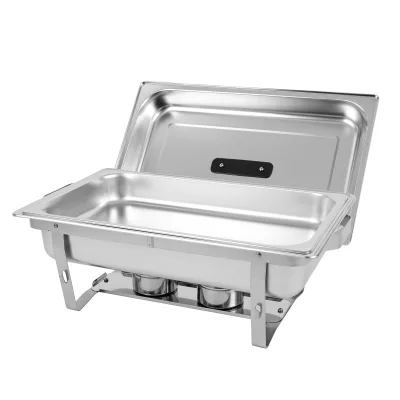
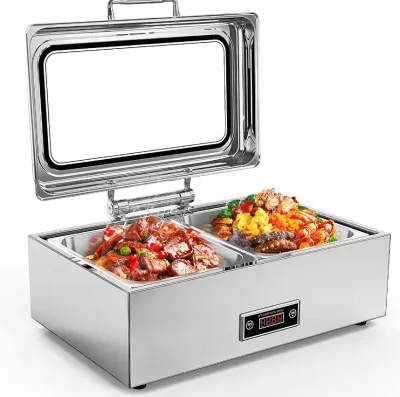
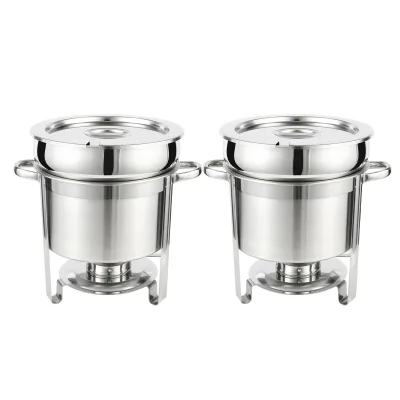
Amason Hot Sales Stainless Steel Commercial Buffet Warmer Chafing Dish for Restaurant
$16.9064 - $26.3378
MOQ: 30 pieces
Guangdong AIRUISIMetal Products Co., Ltd.
- Manufacturer, Trading Company
- Gunagdong, China
- Lead time20 days
- Avg. response≤ 2h
Main productsHotel supplies, Kitchenware, Tableware, Buffet equipment, Buffet stove
Main marketsNorth America(40.00%), Domestic Market(30.00%), Southeast Asia(20.00%), Western Europe(5.00%), Mid East(5.00%)
Jiangmen Lui Chuen Kee Hardware Factory
- Verified by Intertek
- Manufacturer, Trading Company
- Lead time0 days
- Avg. response≤ 12h
Main productsStainless Steel Oil Tank, Stove Parts, Stainless Steel Food Pan, Stainless Steel Deep Drawing Sink, Stainless Cup Dispenser
Main marketsDomestic Market(80%), North America(7%), Western Europe(7%)

Jiangmen Xinhaohui Kitchenware Manufacturing Co., Ltd
- Verified by BV
- Combined
- China Guangdong
- Lead time15 days
- Avg. response≤ 3h
Main productsPot
Main marketsSoutheast Asia/ Mideast,Europe

30L Restaurant Buffet Food Transport Stainless Steel Insulated Food Container
$20.00 - $24.00
MOQ: 100 Pieces

20L Restaurant Food Transport Stainless Steel Insulated Food Buffet Container with Silicone
$42.00 - $46.00
MOQ: 100 Pieces

CHAOZHOU DIWELL STAINLESS STEEL KITCHENWARE CO., LTD.
- Verified by TUVRHEINLAND
- Trading Company,Manufacturer/Factory
- China Guangdong
- Lead time23 days
- Avg. response≤ 5h
Main productsChafing Dish, Gn Pan, Food Warmer, Tray, Mixing Bowl, Coffee Warmer, Juice Dispenser
Main marketsSouth America,Eastern Europe,Mid East,North America,Southeast Asia,Eastern Asia,Western Europe,Africa
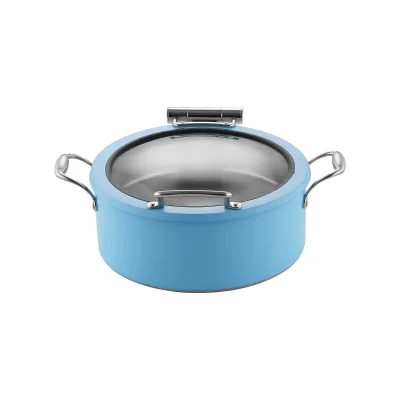
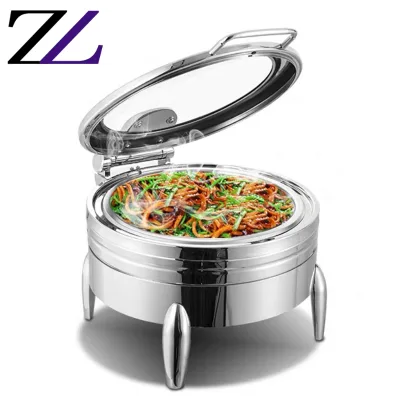
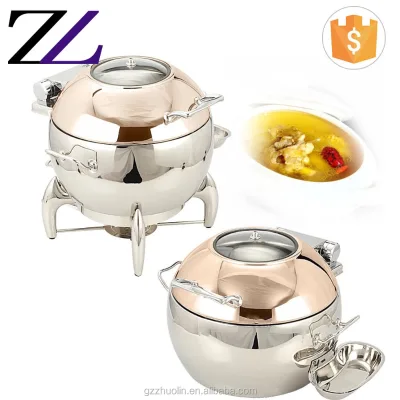
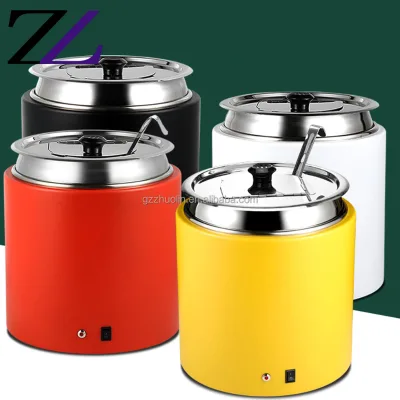
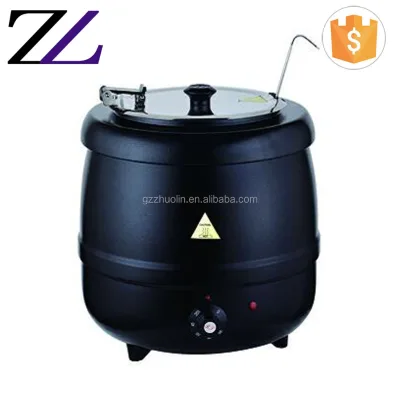
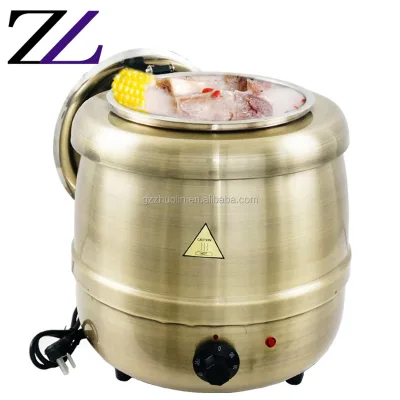
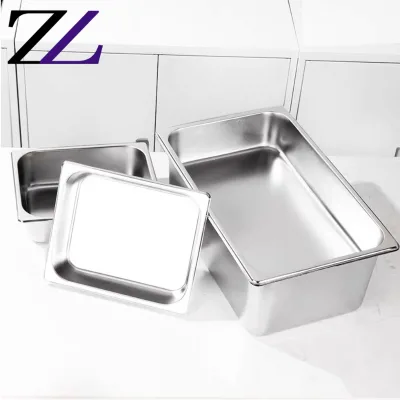
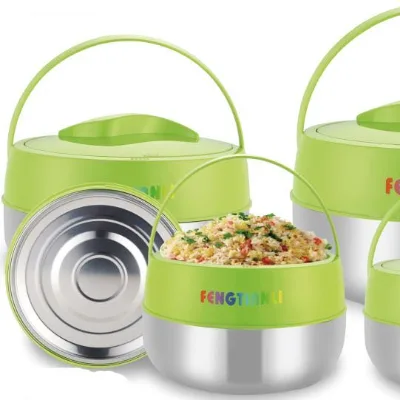
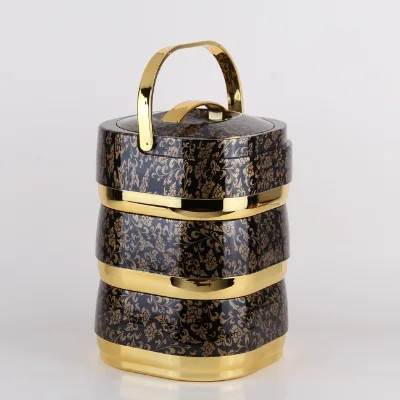


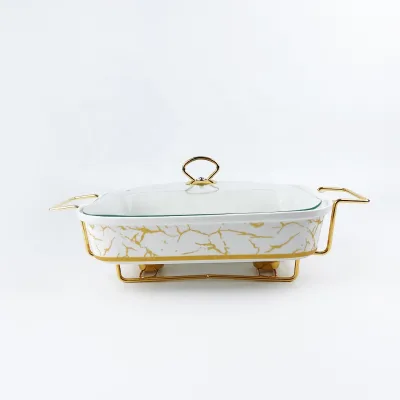
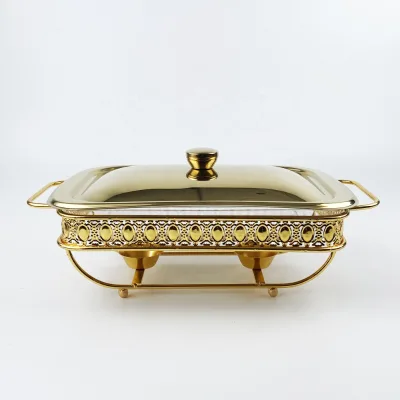
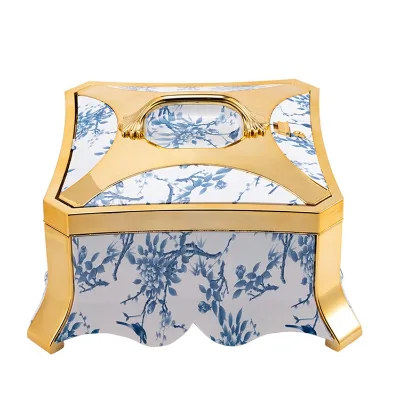
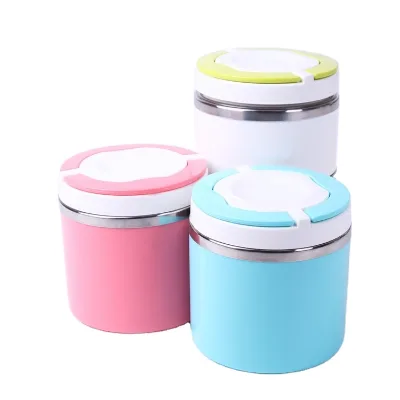
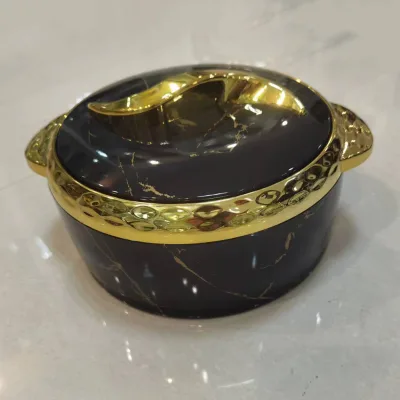
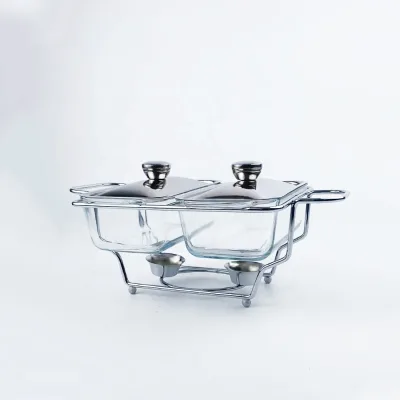


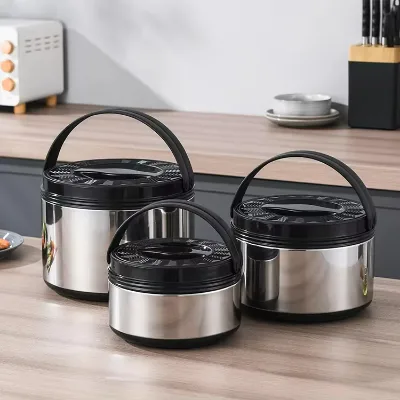
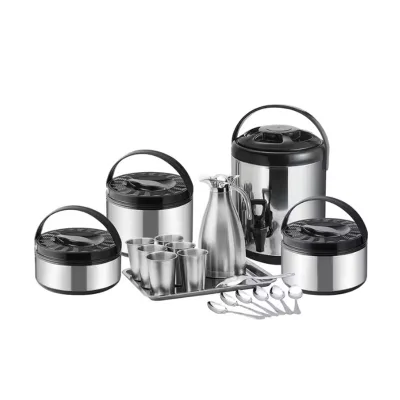
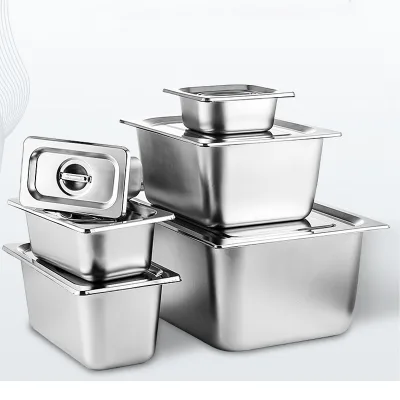
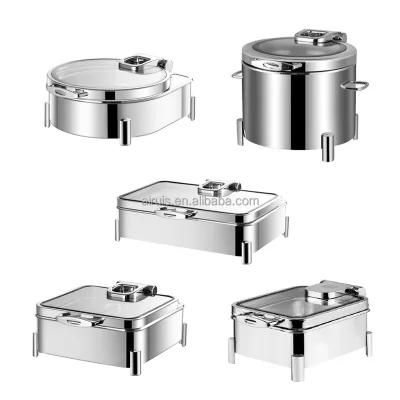
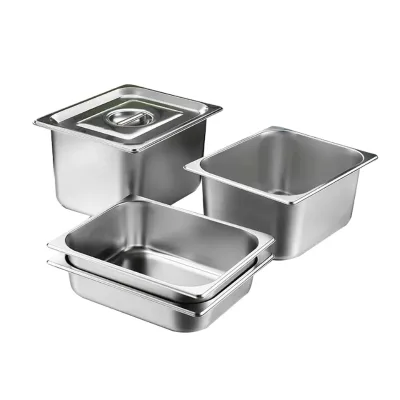


Comprehensive Sourcing Guide
Round Food Warmer Buffet Container Supplier Concentration and Factory Types
The sourcing landscape for round food warmer buffet containers is heavily concentrated in specific manufacturing hubs, with Guangdong, China, emerging as a primary location for these specialized catering equipment suppliers. This regional concentration allows buyers to access a dense network of factories that specialize in stainless steel fabrication and ceramic assembly, which are the two dominant material types for this product category. When evaluating potential partners, it is crucial to distinguish between pure manufacturers and trading companies, as both entity types appear in search results but offer different value propositions. Manufacturers typically provide greater control over production timelines and customization options, such as modifying the shape of the chafing dish or altering the material of the stand from standard steel to higher-grade alloys. Trading companies, on the other hand, may offer a broader portfolio of complementary items, such as juice dispensers or GN pans, which can simplify logistics for buyers seeking a complete buffet solution. Understanding this distinction helps in determining whether the supplier’s primary strength lies in deep technical expertise or in broad supply chain management capabilities.
Supplier types also vary based on their main product focus, which can indicate their level of specialization in the round food warmer niche. Some suppliers list stainless steel water kettles and coffee pots as their main products, suggesting a strong background in metalworking and thermal retention technologies that directly translate to high-quality food warmers. Others may focus on water boilers and vacuum bottles, indicating expertise in insulation and temperature control, which are critical for maintaining food safety standards in buffet settings. By analyzing the main products listed by a supplier, buyers can infer the technological capabilities and quality control standards that likely apply to their round food warmer buffet containers. This inference is not a guarantee but serves as a strong indicator of the supplier’s operational focus. Buyers should prioritize suppliers whose core competencies align with the specific requirements of their order, whether that involves heavy-duty commercial use in hotels or lighter-duty applications in restaurants. This alignment ensures that the supplier has the necessary machinery, skilled labor, and quality assurance processes to deliver consistent results.
How to Verify Round Food Warmer Buffet Container Suppliers
Verifying the legitimacy and capability of a supplier requires a multi-layered approach that goes beyond surface-level product listings. One of the most effective methods is to request detailed product specifications and compare them against industry standards for commercial kitchen equipment. For instance, buyers should ask for the specific material grade of the stainless steel used in the round chafing dish, such as S/S 201 or higher grades, and verify the thickness of the material to ensure durability under high heat. Additionally, examining the single gross weight and package dimensions can provide insights into the build quality and packaging standards. A supplier that provides precise data on these attributes is likely more transparent and reliable than one that offers vague descriptions. Buyers should also inquire about the fuel source for the warmer, whether it is solid alcohol or electric, and verify the safety certifications associated with the heating element. This verification process helps mitigate the risk of receiving products that do not meet local safety regulations or operational requirements.
Another critical step in verification is assessing the supplier’s responsiveness and sample policies. A quick response time, such as within 21 hours or even faster, often indicates a well-organized sales team that is ready to support international buyers. Buyers should request samples to physically inspect the finish, the stability of the stand, and the ease of cleaning. Some suppliers offer free samples or have a short sample time, which can be a significant advantage for buyers who need to validate quality before committing to a large order. It is also important to verify the brand name associated with the product, as some suppliers may use their own brand while others may offer OEM services. By checking the brand’s reputation and history, buyers can gain confidence in the supplier’s long-term viability. Furthermore, buyers should ask for references or case studies from previous clients in the hotel or restaurant industry to understand the real-world performance of the products. This due diligence ensures that the supplier can meet the specific demands of the buyer’s market.
What to Compare Across Round Food Warmer Buffet Container Suppliers
When comparing suppliers, buyers should focus on key operational metrics such as lead time, minimum order quantity (MOQ), and pricing structure to determine the best fit for their business model. Lead times can vary significantly, with some suppliers offering a 15-day turnaround while others may require 30 days or more. This difference can impact inventory management and the ability to respond to sudden demand spikes in the hospitality sector. Buyers should also compare the MOQs, which can range from as low as two sets for trial orders to ten sets or more for bulk purchases. A lower MOQ allows for greater flexibility and reduced risk for new buyers, while a higher MOQ may offer better unit economics for established businesses. Pricing should be evaluated in the context of these terms, as a lower price per unit might be offset by higher shipping costs or stricter payment terms. By creating a comparison matrix of these factors, buyers can objectively assess which supplier offers the best overall value proposition.
In addition to operational metrics, buyers should compare the customization options and branding capabilities offered by different suppliers. Some suppliers accept customized logos, such as laser engraving, which can enhance brand visibility for buyers who want to market their own branded buffet equipment. Others may offer variations in color, such as silver or golden finishes, or different shapes, including round, square, or rectangular designs. The capacity of the round food warmer, ranging from 1.5 liters to 4 liters, is another critical comparison point that affects the suitability of the product for different buffet scenarios. Buyers should also consider the packing method, such as color boxes in cartons, which can influence the presentation of the product at the point of sale. By thoroughly comparing these attributes, buyers can select a supplier that not only meets their functional requirements but also aligns with their brand identity and market positioning. This comprehensive comparison ensures that the final selection is based on a holistic view of the supplier’s capabilities.
Common Round Food Warmer Buffet Container Sourcing Risks
One of the primary risks in sourcing round food warmer buffet containers is the potential discrepancy between the advertised material quality and the actual product received. Suppliers may claim to use high-grade stainless steel, but the actual material could be a lower grade that is prone to rust or corrosion, especially in humid buffet environments. This risk is exacerbated by the lack of standardized testing requirements in some regions, making it difficult for buyers to verify material composition without independent lab testing. Another significant risk is the inconsistency in product dimensions and weights, which can affect packaging efficiency and shipping costs. If the single package size or gross weight varies from the listed specifications, buyers may face unexpected logistics challenges or storage issues. To mitigate these risks, buyers should insist on detailed technical drawings and material certificates before placing an order. Additionally, conducting pre-shipment inspections can help identify any deviations from the agreed-upon specifications, ensuring that the final product meets the required quality standards.
Another common risk is the reliability of the supplier’s after-sales support and warranty policies. Food warmers are complex products that involve heating elements and fuel systems, which may require maintenance or replacement over time. If a supplier does not provide clear warranty terms or responsive customer service, buyers may struggle to resolve issues that arise after the initial purchase. This risk is particularly acute for buyers who operate in remote locations or have limited access to technical support. Furthermore, the risk of intellectual property infringement exists if a supplier uses unauthorized brand names or designs, which can lead to legal complications for the buyer. To address these risks, buyers should carefully review the supplier’s terms and conditions, including payment terms and return policies. It is also advisable to establish a clear communication channel for post-sale support and to document all agreements in writing. By proactively identifying and addressing these risks, buyers can protect their investment and ensure a smooth sourcing experience.
Round Food Warmer Buffet Container Regional Sourcing and Logistics
Sourcing round food warmer buffet containers from Guangdong, China, offers logistical advantages due to the region’s well-developed infrastructure and proximity to major shipping ports. This location facilitates efficient export processes, reducing transit times and costs for international buyers. However, buyers must also consider the environmental and regulatory differences between the manufacturing region and their home market. For instance, electrical components in electric food warmers must comply with local safety standards, which may differ from Chinese regulations. Buyers should verify that the supplier’s products meet the specific certification requirements of their target market, such as CE or UL marks, to avoid customs delays or legal issues. Additionally, the choice of shipping method, whether by sea or air, will impact the overall cost and delivery timeline. Sea freight is generally more cost-effective for large orders, while air freight may be necessary for urgent or smaller shipments. Understanding these logistical nuances helps buyers plan their supply chain more effectively.
Packaging is another critical aspect of regional sourcing and logistics that can affect the condition of the round food warmer buffet containers during transit. Suppliers typically use carton packaging, sometimes with additional protective materials, to prevent damage during shipping. Buyers should inquire about the packaging standards and request photos of the packed goods to ensure they are adequate for long-distance transport. The single package size and gross weight provided by the supplier are essential for calculating shipping costs and determining the number of units that can be loaded into a container. Buyers should also consider the impact of packaging on sustainability, as some markets have strict regulations on packaging materials. By working with suppliers who offer eco-friendly packaging options, buyers can align their sourcing practices with their corporate social responsibility goals. Furthermore, coordinating with freight forwarders early in the process can help optimize logistics and reduce the risk of delays or damages.
Round Food Warmer Buffet Container Commercial Terms and Order Planning
Commercial terms play a pivotal role in the financial planning of sourcing round food warmer buffet containers, with payment terms such as FOB being common in international transactions. Buyers should clearly understand the responsibilities associated with FOB terms, including who bears the cost and risk of transportation to the port of destination. This understanding is crucial for accurate cost estimation and risk management. Additionally, buyers should negotiate payment terms that align with their cash flow needs, such as partial payments upfront and the balance upon shipment. It is also important to consider the impact of currency fluctuations on the final cost, especially if the supplier prices their products in a different currency. By locking in exchange rates or using hedging strategies, buyers can mitigate financial risks. Furthermore, buyers should explore the availability of trade assurance or escrow services, which can provide an additional layer of security for their payments. These services ensure that funds are only released to the supplier upon satisfactory delivery of the goods.
Order planning for round food warmer buffet containers requires careful consideration of lead times and inventory management strategies. Given that lead times can range from 15 to 30 days, buyers should plan their orders well in advance to avoid stockouts during peak seasons. It is also advisable to maintain a buffer stock to account for potential delays or quality issues. Buyers should establish a regular ordering schedule with their supplier to ensure a steady supply of products. This schedule should be flexible enough to accommodate changes in demand or product specifications. Additionally, buyers should consider the lifecycle of the product and plan for future orders based on sales trends and market forecasts. By integrating order planning with sales data, buyers can optimize their inventory levels and reduce holding costs. Furthermore, maintaining a strong relationship with the supplier can lead to better terms and priority treatment during high-demand periods. This strategic approach ensures that the buyer can meet customer demands efficiently and profitably.
FAQs
What is the typical lead time for round food warmers?
Manufacturers in Guangdong, China, typically require 15 to 30 days for production and shipping. This timeframe depends on order volume and customization needs. Buyers should confirm specific delivery schedules with suppliers before placing orders to ensure timely arrival for events or inventory replenishment.
What is the minimum order quantity for these containers?
Minimum order quantities vary by product type, ranging from 1 piece for ceramic warmers to 10 sets for stainless steel models. Some suppliers offer low MOQs of 2 sets for specific food warmer designs. Buyers should check individual product listings to determine the exact requirement for their desired item.
How quickly do suppliers respond to inquiries?
Response times for these suppliers range from 3 to 21 hours. Faster response rates indicate higher availability and potentially quicker communication during the sourcing process. Buyers can expect prompt replies when contacting manufacturers directly through the platform to discuss specifications and pricing details.
What materials are used for the stands and covers?
Stands are commonly made from steel, while covers use stainless steel or ceramic materials. Stainless steel options offer durability and rust resistance, whereas ceramic covers provide aesthetic appeal. These material choices ensure the warmers are suitable for commercial kitchen environments and buffet service applications.
What is the price range for round food warmers?
Prices for round food warmers range from $9.00 to $19.90 per unit. The cost depends on the material, capacity, and design features. Ceramic models may start at lower price points, while stainless steel buffet containers often cost slightly more. Buyers should compare specific product listings for accurate pricing.
Can suppliers provide custom logos on the products?
Yes, many suppliers accept customized logos on their food warmers. Options include laser logos or other branding methods depending on the material. This service allows businesses to maintain brand consistency across their catering equipment. Buyers should inquire about logo customization fees and design requirements with the supplier.