2 Tanks Ice Slushie Machine Suppliers and Manufacturers
Source 30 verified suppliers for 2 Tanks Ice Slushie Machine units from China. Compare key dimensions including CE certification, stainless steel construction, and pricing between $500 and $1,000. Request quotes to evaluate lead times and customization options; review the available evidence before requesting comparable quotations from suitable candidates.
Updated
Suppliers List

WELLCOOLING INTELLIGENT TECHNOLOGY (JM) CO., LTD.
- Manufacturer
- China Guangdong
- Lead time23 days
- Avg. response≤ 13h
Main productsIce Cream Machine, Slush Machine, Popsicle Machine, Juice Dispenser, Ice Cream Cone Machine, Ice Making Machine, Water Vending Machine, Frozen Yogurt Machine, Food Mixer, Ice Cream Display Freezer
Main marketsSoutheast Asia/ Mideast,Europe,North America
Guangzhou Dongpei Kitchen Equipment Co., Ltd.
- Verified by SGS Group
- Trading Company
- Lead time2 days
- Avg. response≤ 2h
Main productsCooking Equipment, Refrigeration Equipment, Bakery Equipment, Fast Food Equipment, Buffer Equipment
Main marketsMid East(40%), North America(30%), Southeast Asia(20%)
Guangzhou Foodsense Catering Equipment Co., Ltd.
- Verified by SGS Group
- Trading Company
- Lead time20 days
- Avg. response≤ 2h
Main productsFood Processing Machine, Bakery Equipment, Western Kitchen Equipment, Refrigeration Equipment, Bar Beverage Equipment
Main marketsAfrica(15%), South America(10%), Southeast Asia(10%)
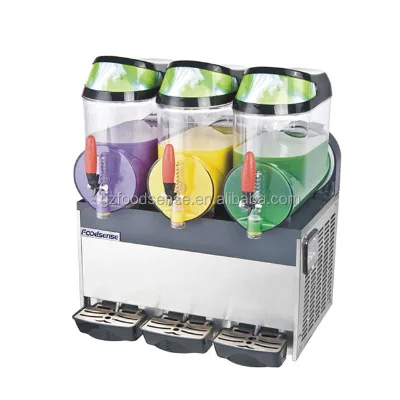
Stainless Steel Durable Ice Maker Slush Slushie Instant Ice Slushy Machine
$720.00 - $800.00
MOQ: 1 pieces
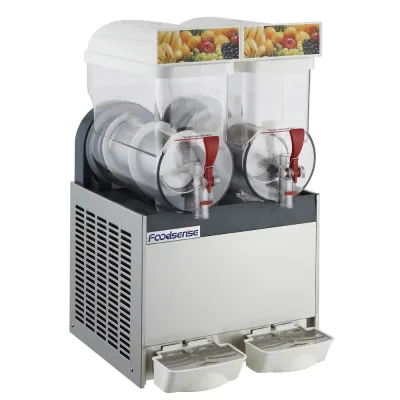
1 / 2 /3 Tanks Icee Slush Machine in Pakistan Slushee Machine 15lx2 Frozen Drink Slush Machine
$501.7431 - $648.3434
MOQ: 1 pieces
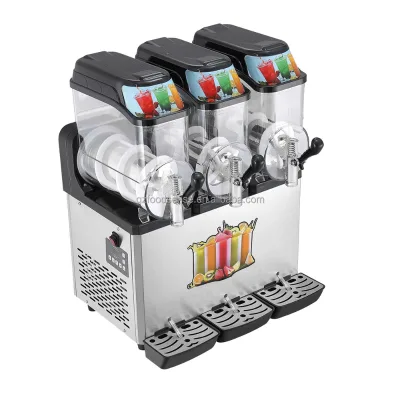
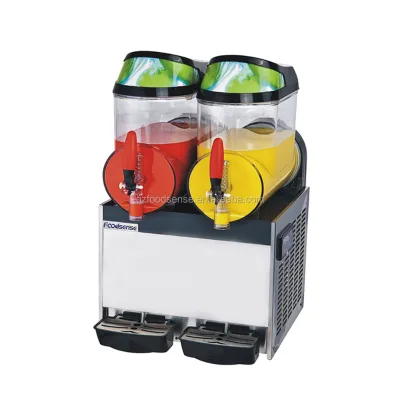
$599.2045 - $650.86
MOQ: 1 pieces
Shanghai Keshi Refrigeration Equipment Co., Ltd.
- Verified by TüVRheinland
- Manufacturer, Trading Company
- Lead time7 days
- Avg. response≤ 3h
Main productsIce Cream Machine, Orange Juicer, Slush Machine, Ice Machine, Juice Dispenser
Main marketsWestern Europe(30%), Domestic Market(30%), North America(20%)

Zhengzhou Shuogui Machinery Co., Ltd
- Verified by SGS
- Trading Company
- China Henan
- Lead time15 days
- Avg. response≤ 4h
Main productsFresh Noodle Machine, Ice Cream Machine, Ice Maker, Food Dryer, Fryer, Tortilla Maker, Pizza Oven, Meat Processing Machine
Main marketsSouth America,Southeast Asia/ Mideast,North America

Multi-Flavor Frozen Ice Slush Machine Commercial 2-Tank Smoothie Ice Slush Machine
$689.00 - $719.00
MOQ: 1 Pieces

Commercial Frozen Ice Drink Machine Slush/Smoothie Machine with 2 Tanks
$689.00 - $719.00
MOQ: 1 Pieces

Portable Ice Slush Machine 2-Tank Frozen Slushy Margarita Machine for Sale
$689.00 - $719.00
MOQ: 1 Pieces

Portable Slush Machine 2-Tank Ice Slash Frozen Margarita Smoothie Machine for Sale
$689.00 - $719.00
MOQ: 1 Pieces

Commercial Frozen Drink Slushy Smoothie Machine 1-Tank Ice Slush Machine for Sale
$529.00 - $559.00
MOQ: 1 Pieces

Commercial 2-Tank Slushy Machine Granita Ice Frozen Drink Juice Slush Machine
$689.00 - $719.00
MOQ: 1 Pieces

Foshan Yueyueyue Intelligent Technology Co., Ltd.
- Verified by SGS
- Combined
- China Guangdong
- Lead time30 days
- Avg. response≤ 1h
Main productsCommercial Refrigerator, Commercial Freezer, Display Freezer, Display Cooler, Ice Maker, Icecream Maker, Mini Fridge, Beef Cabinet, Air Dryer, Blast Freezer
Main marketsDomestic

Taizhou Holsin Machine Co., Ltd
- Verified by CTI
- Trading Company
- China Zhejiang
- Lead time30 days
- Avg. response≤ 11h
Main marketsAfrica

2 Tanks Commercial Slushy Slush Slushie Ice Cube Snow Machine for Bar Drink
$650.00 - $900.00
MOQ: 1 Pieces

Shijiazhuang Daina Machinery Commerce Co., Ltd.
- Verified by SGS Group
- Trading Company
- Lead time15 days
- Avg. response≤ 1h
Main productsIce Cream Machine, Ice Cream Cups, Deck Oven, Snack Machines, Baking Oven
Main marketsNorth America(20%), Africa(20%), Mid East(20%)
Guangzhou Longterm Kitchen Equipment Co., Ltd.
- Verified by SGS Group
- Trading Company
- Lead time15 days
- Avg. response≤ 2h
Main productsFood Processing Machine, Bakery Equipment, Western Kitchen Equipment, Refrigeration Equipment, Bar Beverage Equipment
Main marketsSouthern Europe(15%), South America(10%), Africa(10%)
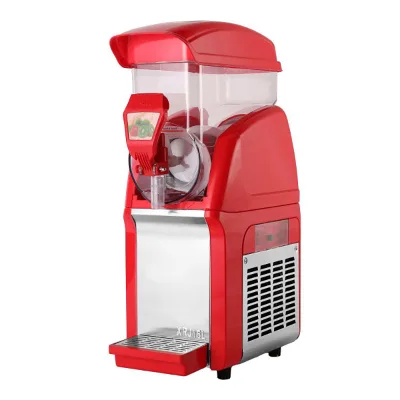
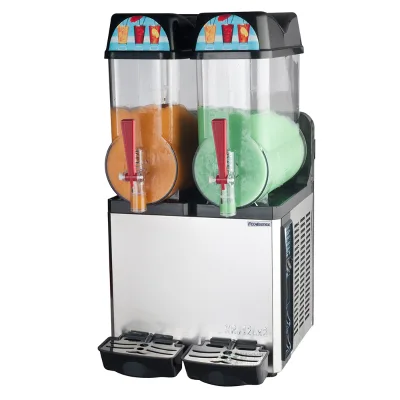
Two Tank Commercial Slush Machine Industrial Slush Machine Used Commercial Slush Ice Machine
$428.00 - $620.00
MOQ: 1

Guangzhou ETON Import & Export Co., Ltd.
- Verified by SGS
- Combined
- China Guangdong
- Lead time30 days
- Avg. response≤ 14h
Main productsCandy Floss Machine, Popcorn Machine, Cup Sealing Machine, BBQ Roaster, Electric Fryer, Hot-Dog Roller, Ice Blender, Ice Crusher, Juice Extrctor, Slush Machine
Main marketsSouth America,Europe

Stainless Steel Durable Ice Maker Slush Slushie Instant Slushy Machine
$390.00 - $400.00
MOQ: 10 Pieces

Guangzhou ITO Catering Equipment Co., Ltd.
- Verified by TüVRheinland
- Manufacturer, Trading Company
- Lead time15 days
- Avg. response≤ 2h
Main productsFryer, Oven, Ice Cream Machine, Beverage Dispenser, Popcorn Machine
Main marketsSoutheast Asia(19%), Mid East(16%), Africa(15%)
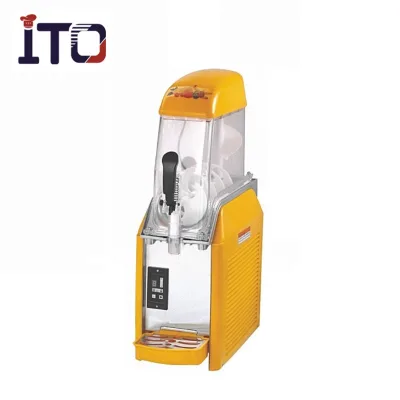
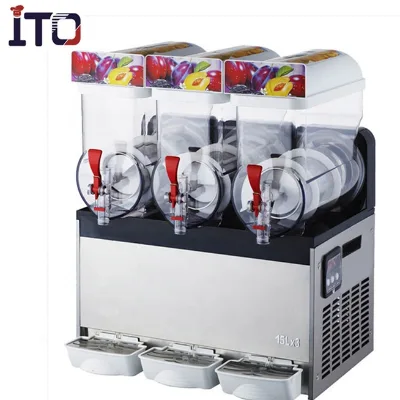
CE Approved Three Tanks Slush Ice Machine Commercial
$700.00 - $841.00
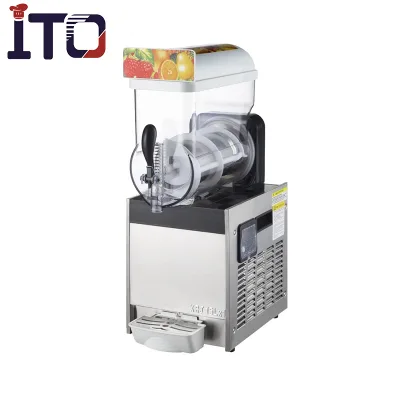
Factory Cheap Ice Slush Machine for Sale
$489.00 - $520.00

Shandong Shenglang Kitchen Co., Ltd.
- Verified by TUVRHEINLAND
- Combined
- China Shandong
- Lead time15 days
- Avg. response≤ 3h
Main marketsSoutheast Asia/ Mideast


5L+5L+5L Frozen 3 Tanks Commercial Slushy/Slush/Slushie Ice Cube/Snow Machine
$100.00 - $500.00
MOQ: 3 Pieces


Guangzhou Junjian Kitchen Appliances & Refrigeration Equipment Co., Ltd.
- Verified by BV
- Combined
- China Guangdong
- Lead time15 days
- Avg. response≤ 5h
Main productsKitchen Refrigerator, Commercial Freezer, Cake Showcase, Ice Maker, Ice Cream Machine, Salad Bar, Beverage Cooler, Working Table, Juice Dispenser, Stainless Steel Kitchen Equipment
Main marketsOthers(foreignTradeCapacity.exportBusinessCapacityMarketOther)
- Trading Company
- Henan, China
- Lead time10 days
- Avg. response≤ 2h
Main productsGrain Product Making Machines,Industrial Sewing Machine,Bakery Dough Mixer,Snack Machines,Dumpling Making Machine
Main marketsEastern Europe(14.00%), Eastern Asia(12.00%), Southeast Asia(10.00%), North America(10.00%), Oceania(8.00%), Western Europe(7.00%), Southern Europe(7.00%), Africa(7.00%), Mid East(6.00%), Northern Europe(6.00%), South America(6.00%), Central America(3.00%), Domestic Market(2.00%), South Asia(2.00%)

Zhengzhou Hento Machinery Co., Ltd.
- Verified by SGS
- Trading Company,Manufacturer/Factory,Group Corporation
- China Henan
- Lead time15 days
- Avg. response≤ 7h
Main productsMeat Processing Machinery, Egg Processing Machinery, Dairy Processing Machinery, Fruit & Vegetable Processing Machinery, Grain Product Making Machines, Snack Machines, Nuts Processing Machinery, Packing Machines, Drying Machines, Commodity Making Machines
Main marketsSouth America,Eastern Europe,Mid East,North America,Southeast Asia,Eastern Asia,Oceania,Western Europe,Africa
Jiangmen Jin Li Sheng Machinery Co., Ltd.
- Manufacturer
- Guangdong, China
- Lead time15 days
- Avg. response≤ 4h
Main productsSoft Ice Cream Machine, Hard Ice Cream Machine, Fried Ice Cream Machine, Popsicle Machine, Gelato Ice Cream Display Showcase
Main marketsSouth America(15.00%), Western Europe(13.00%), Eastern Europe(13.00%), Northern Europe(12.00%), North America(10.00%), Domestic Market(10.00%), Southeast Asia(7.00%), South Asia(5.00%), Oceania(5.00%), Southern Europe(5.00%), Eastern Asia(5.00%)
Guangzhou Zhong Bei Mechanical Equipment Co., Ltd.
- Verified by Intertek
- Manufacturer, Trading Company
- Lead time7 days
- Avg. response≤ 3h
Main productsSnow Ice Machine, Ice Cream Machine, Slush Machine, Ice Popsicle, Ice Frying Machine
Main marketsWestern Europe(20%), Mid East(20%), Africa(15%)
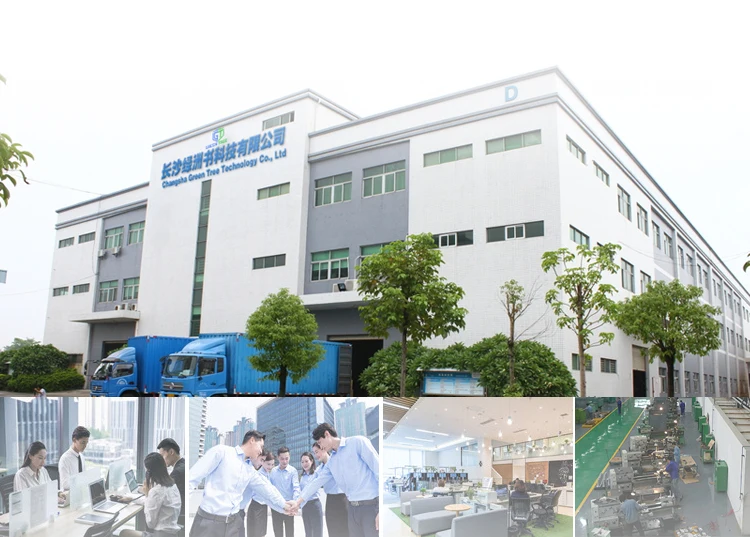
Changsha Lvzhoushu Technology Co., Ltd.
- Trading Company
- Hunan, China
- Lead time0 days
- Avg. response≤ 3h
Main productsindustrial machinery,Commercial service equipment
Main marketsNorthern Europe(100.00%), Eastern Europe(100.00%), North America(100.00%)

Henan Smile Technology Industrial Co., Ltd.
- Verified by SGS
- Trading Company,Manufacturer/Factory
- China Henan
- Lead time0 days
- Avg. response≤ 8h
Main productsBaking Oven, Industrial Mixer, Laboratory Equipment, Bakery Equipment, Bakery Processor, Kitchen Equipment, Refrigeration Series, Fast Food Equipment, Juicer Extractor Machine

Henan Topp Machinery Co., Ltd.
- Verified by BV
- Trading Company,Manufacturer/Factory
- China Henan
- Lead time23 days
- Avg. response≤ 2h
Main productsFruit Juicing Machine, Fruit Stone Extractor, Fruit and Vegetable Peeling Machine, Fruit Sorting Machine, Snack Machinery, Soft Ice Cream Machine, Peanut Brittle Machine, Donut Making Machine, Candy Cane Production Line, Cookies Making Machine
Main marketsSouth America,Eastern Europe,Mid East,North America,Southeast Asia,Eastern Asia,Oceania,Western Europe,Africa
ZHE CHENG HONGXIN MACHINRERY FACTORY
- Verified by TüVRheinland
- Manufacturer, Trading Company
- Henan, China
- Lead time15 days
- Avg. response≤ 3h
Main productsIntestine Case Cleaning Machine, Sesame Peeling Machine, Cardboard Expanding Shredder Machine, Flax Brake, Grain Thresher Machine
Main marketsDomestic Market(40%), Southeast Asia(20%), Africa(20%)

Guangzhou Tailang Industrial Co., Ltd.
- Verified by TUVRHEINLAND
- Combined
- China Guangdong
- Lead time15 days
- Avg. response≤ 2h
Main productsDeep Fryer, Popcorn Machine, Crepe Maker, Cotton Candy Machine, Panini Grill, Griddle, Waffle Maker, Fishball Grill, Bain Marie
Main marketsSouth America

Commercial Stainless Steel Frozen Beverage Machine 12L Capacity 1 2 3 Tank Ice Slush Machine
$407.00 - $414.00
MOQ: 5 Pieces


Commercial Slush Machine Industrial Slush Machine Frozen Drink Machine
$787.00 - $794.00
MOQ: 5 Pieces

Automatic Commercial Ice Slush Machine with Refrigeration for Commercial Use
$407.00 - $414.00
MOQ: 5 Pieces
LUOHE NINE LEMON IMPORT & EXPORT CO., LTD.
- Verified by SGS Group
- Trading Company
- Lead time15 days
- Avg. response≤ 8h
Main productsBread Production Line, Vegetable and Fruit Processing Equipment, Meat Processing Equipment, Bakery Equipment, Packing Solution
Main marketsMid East(30%), North America(20%), South America(10%)
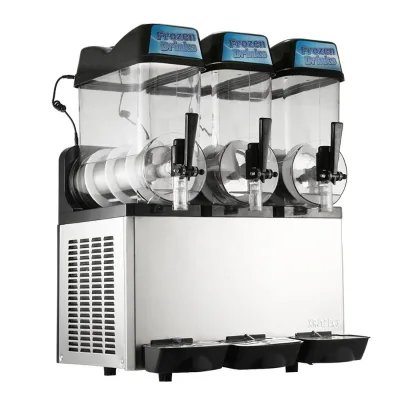
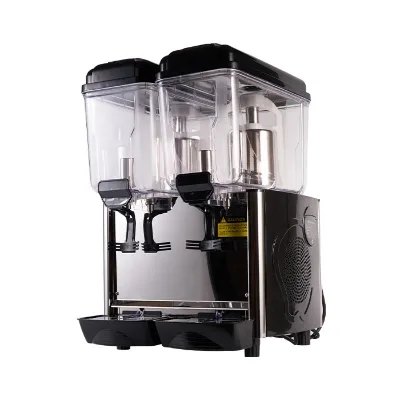
Slush Machine 3 Bowl Slush Machine Price 2 tank Slush Machine
$1499.00 - $1599.00
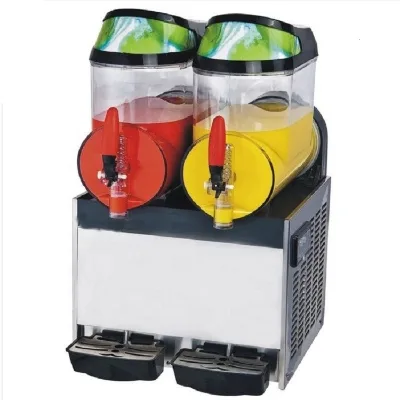
Food Beverage Factory Home Frozen Drink Ice Slush Machine
$1499.00 - $1599.00
Jiangmen Xinhui Mayjessie Industrial Co., Ltd.
- Trading Company
- Guangdong, China
- Lead time5 days
- Avg. response≤ 7h
Main productsice cream machine,kitchen equipment,food equipment,beverage machinery
Main marketsNorth America(40.00%), Southern Europe(20.00%), Western Europe(20.00%), Eastern Europe(10.00%), South America(10.00%)
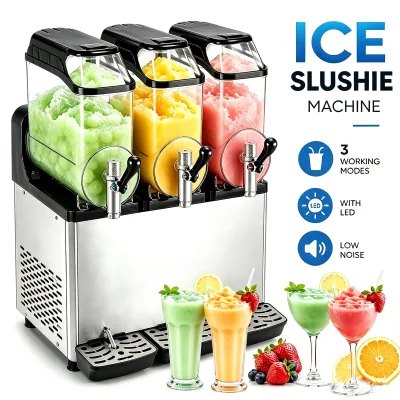
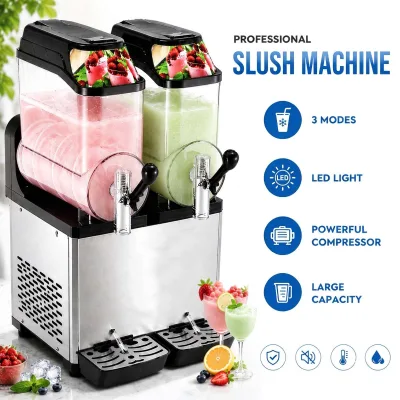
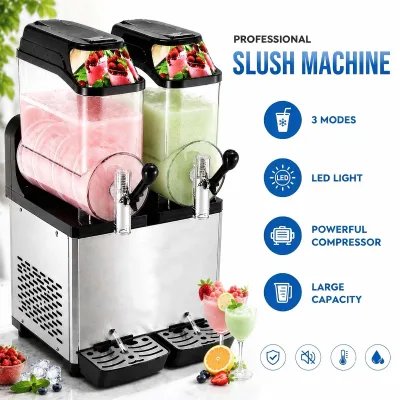
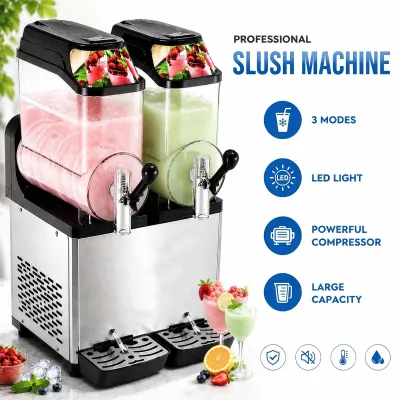
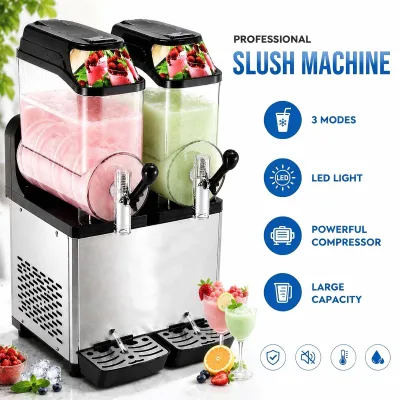
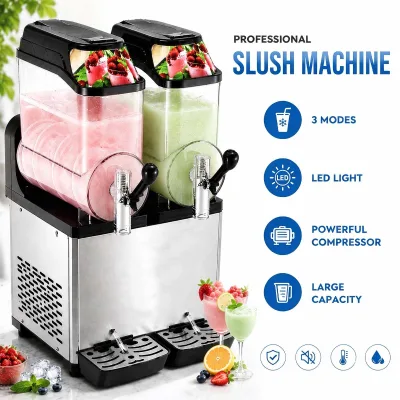
$520.00 - $580.00
Foshan Keku Electrical Appliance Co., Ltd.
- Verified by Intertek
- Manufacturer, Trading Company
- Lead time30 days
- Avg. response≤ 4h
Main productsIce Cream Machine, Ice Machine, Juice Dispenser, Ice Slush Machine
Main marketsDomestic Market(50%), North America(20%), South America(10%)
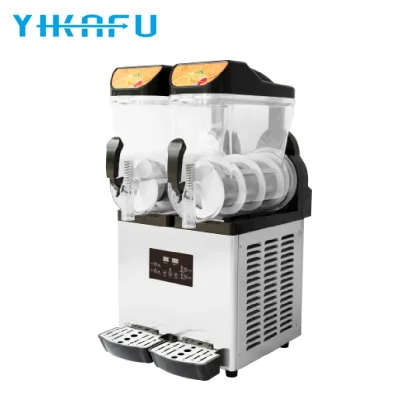
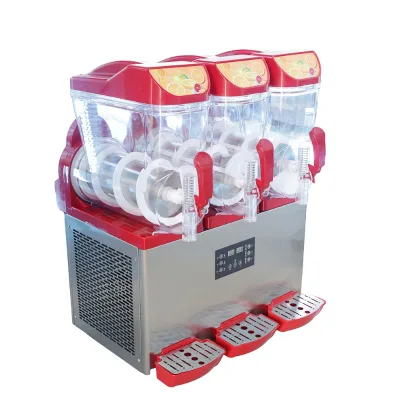
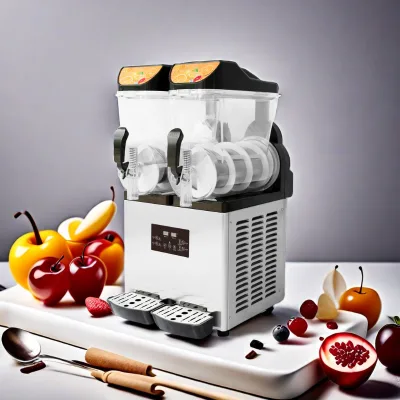
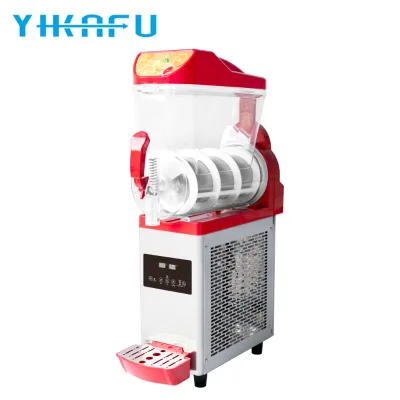
Wholesale 2 tank Single Mini Slush Machine Slushy Machine Juice Smoothie Machine Frozen Drink
$470.00 - $489.00
MOQ: 1 pieces

GGMGASTRO (QINGDAO) INTERNATIONAL CO., LTD.
- Verified by BV
- Trading Company,Manufacturer/Factory
- China Shandong
- Lead time23 days
- Avg. response≤ 1h
Main productsCommercial Refrigerator, Kitchen Equipment, Catering Equipment, Bakery Eqipment, Ice Maker, Stainless Steel Sink, Meat Slicer, Fryer, Induction Cooker, Contact Grill
Main marketsSouth America,Eastern Europe,Mid East,Southeast Asia,Western Europe
Guangzhou Tailang Industrial Co., Ltd.
- Verified by TüVRheinland
- Trading Company
- Lead time20 days
- Avg. response≤ 2h
Main productsKitchen Equipments, Snack Machines, Stainless Steel Equipments, Bakery Equipments, Refrigerating Machines
Main marketsSouth America(30%), Mid East(20%), North America(10%)
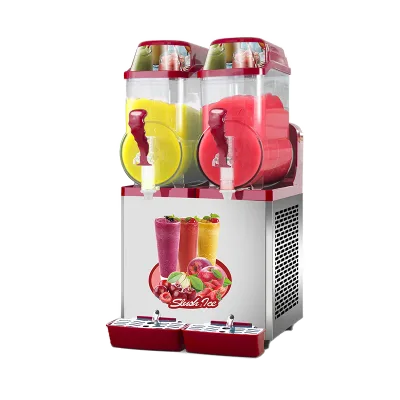
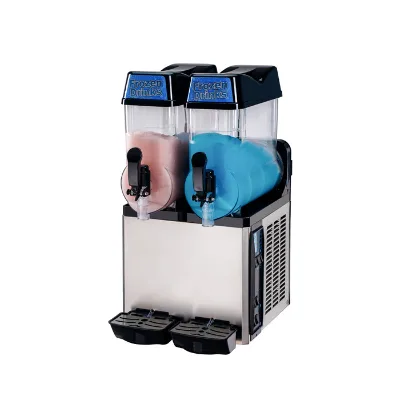
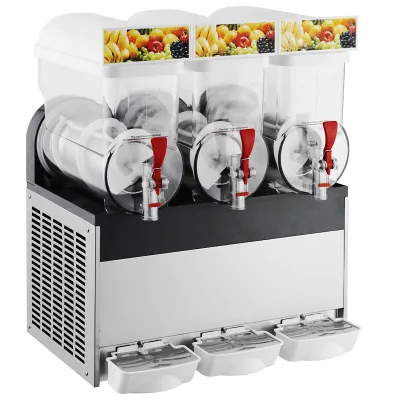
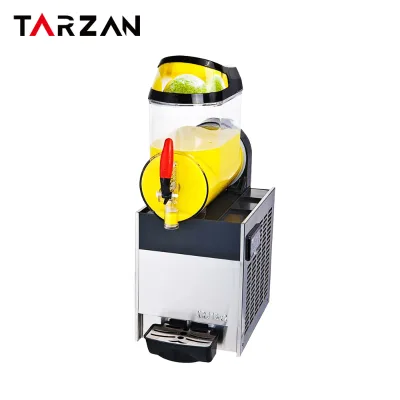
1tank 2 tank 3 tank Slushy Machine Frozen Drink Margarita Machine Maquina De Aguanieve
$652.00 - $729.00
MOQ: 5
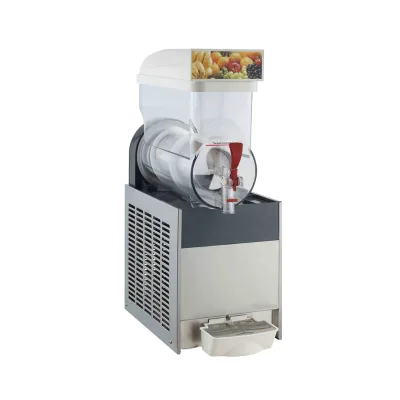
$599.00 - $999.00
MOQ: 10 Minimum
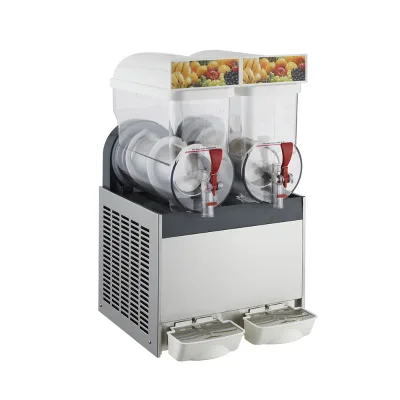
$441.6823 - $513.7511
MOQ: 5 pieces

Guangzhou Astar Kitchen Equipment Co., Ltd.
- Verified by BV
- Combined
- China Guangdong
- Lead time15 days
- Avg. response≤ 15h
Main productsBakery Equipment, Oven, Kitchen Equipment, Mixer, Baking Oven, Convection Oven, Rotary Oven, Pizza Oven, Refrigerator, Cake Showcase
Main marketsAfrica,Domestic,Europe
Zhengzhou Jieyuan Machinery Manufacturing Co., Ltd.
- Trading Company
- Henan, China
- Lead time7 days
- Avg. response≤ 2h
Main productsCurtain machine,quilt machine,cotton fiber machine,Aluminum cutting machine,Pipe bending machine
Main marketsSouthern Europe(20.00%), Western Europe(20.00%), South Asia(10.00%), Africa(10.00%), Central America(10.00%), Mid East(5.00%), South America(5.00%), Northern Europe(5.00%), Southeast Asia(5.00%), North America(5.00%), Eastern Asia(5.00%)
Henan Xifa Network Technology Co., Ltd.
- Verified by Intertek
- Manufacturer, Trading Company
- Lead time7 days
- Avg. response≤ 1h
Main productsAnimal Cages, Tractors, Feed Processing Machinery, Excavators
Main marketsNorth America(20%), Domestic Market(20%), Africa(15%)
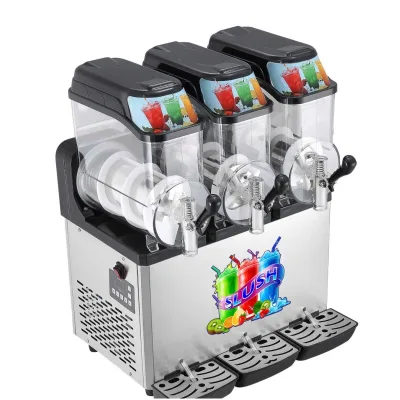
Two Tank Slush Machine For Alcoholic Frozen Cocktails Enhanced Cooling Mixing Technology
$881.7857 - $933.6555
MOQ: 1 pieces
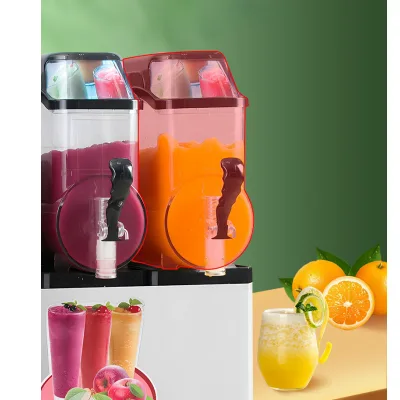
Commercial Slush Machine Industrial Frozen Drink Equipment Double Barrel Cooling System
$550.00 - $658.00
MOQ: 1 pieces








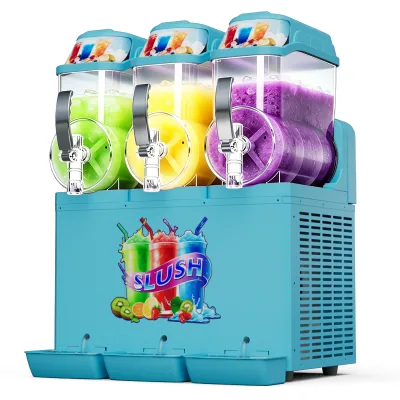
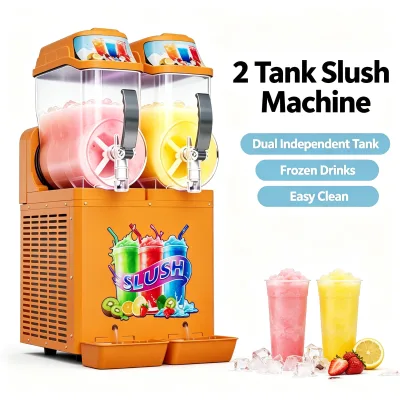
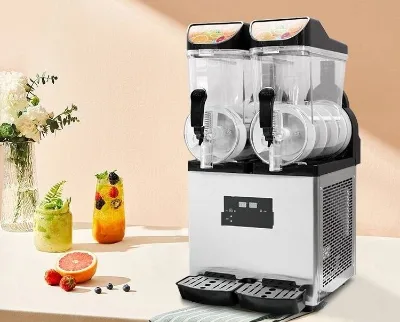


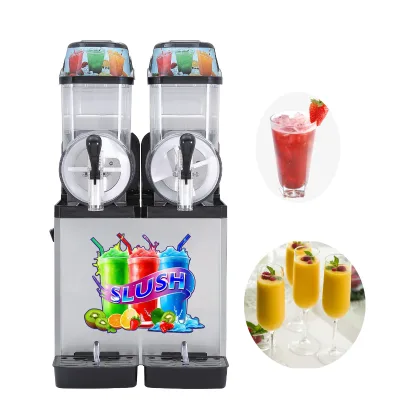
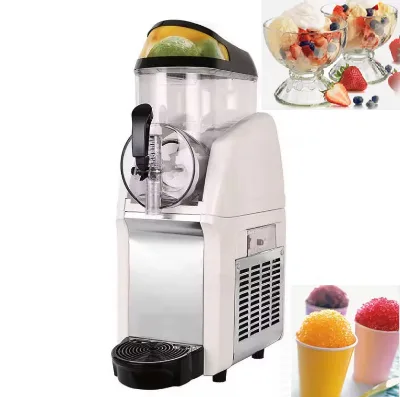


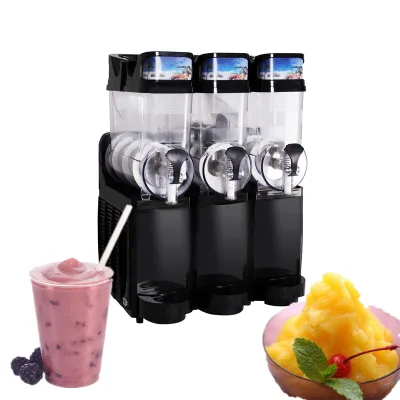
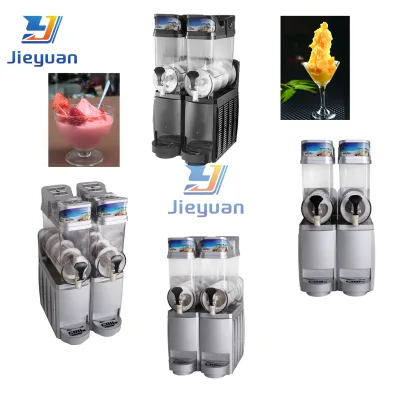
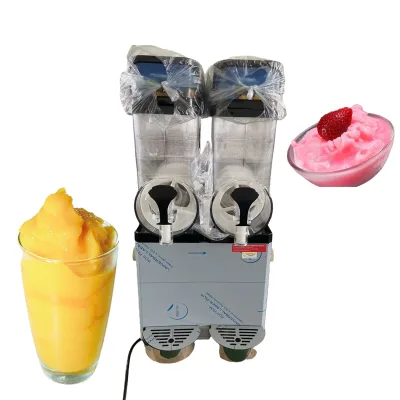
Comprehensive Sourcing Guide
2 Tanks Ice Slushie Machine Supplier Concentration and Factory Types
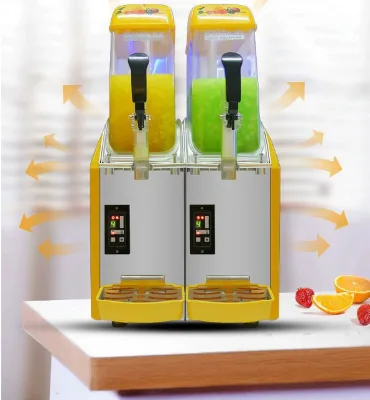
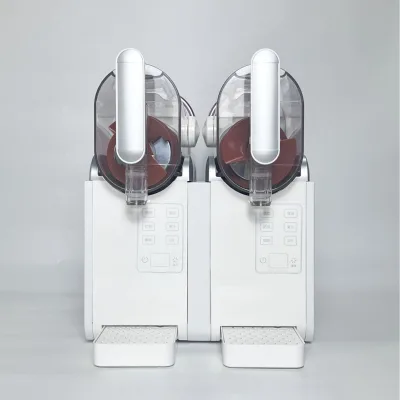
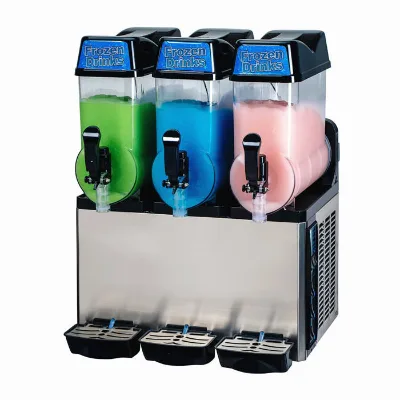
The current supplier landscape for 2 tanks ice slushie machines reveals a distinct split between manufacturing entities and trading companies, each offering different value propositions for buyers seeking commercial beverage equipment. Evidence indicates that a significant portion of the available suppliers are manufacturers located in China, specifically within the Guangdong region. These factories typically possess the capability to handle Own Brand, ODM, and OEM requests, allowing buyers to customize specifications such as bowl capacity, refrigerant type, and exterior color. The presence of manufacturers suggests that buyers can access direct production lines for machines featuring specific technical attributes, such as the use of Embraco compressors or R404A refrigerants, which are critical for maintaining the required -2 to -7 degree Celsius operating temperatures. These suppliers often list main products that include a broader range of food and beverage machinery, such as ice cream cones, juice dispensers, and frozen yogurt machines, indicating a specialized focus on cold-chain processing equipment. This concentration in Guangdong implies a mature industrial cluster where supply chains for stainless steel materials, electric motors, and cooling components are well-established, potentially facilitating faster production cycles for complex units like double-tank slush machines.
In contrast, other suppliers in the results are identified as trading companies, which may offer a different set of advantages regarding product variety and customer service responsiveness. These entities often list main products that extend beyond slush machines to include cooking equipment, bakery equipment, and fast food equipment, suggesting a broader catalog that might appeal to buyers looking to consolidate orders for multiple types of commercial kitchen appliances. While manufacturers focus on production capabilities, trading companies may provide services such as light customization, sample processing, and graphic processing, catering to buyers who need minor adjustments or branding on existing models. The verification status of some trading companies, such as those verified by SGS Group, adds a layer of trust regarding their operational legitimacy, even if they do not own the factories. Buyers must carefully distinguish between these two types to understand whether they are dealing with the source of production or an intermediary. This distinction is crucial for negotiating prices, understanding lead times, and determining the level of technical support available during the product lifecycle. The coexistence of both types in the search results provides buyers with options to choose based on their specific needs for customization, volume, and direct factory interaction.
How to Verify 2 Tanks Ice Slushie Machine Suppliers
Verifying the legitimacy and capability of suppliers requires a multi-layered approach that goes beyond simple profile reviews, focusing on tangible evidence of manufacturing capacity and quality assurance. Buyers should prioritize suppliers who display specific system certifications, such as CE, which is frequently listed in the product attributes for slush machines, indicating compliance with European safety and environmental standards. However, certification alone is not sufficient; buyers must also examine the verification badges associated with the supplier account. For instance, some trading companies display verification from SGS Group, which provides an independent assessment of the company’s business scope and operational integrity. For manufacturers, buyers should look for evidence of their production capabilities, such as the ability to handle OEM or ODM projects, which suggests they have the necessary tooling and engineering resources. It is also important to check the response time metrics, as suppliers with faster response times, such as those under 13 hours, may indicate more active sales teams capable of addressing technical queries promptly. Buyers should request detailed product specifications that include core components, such as the brand of the compressor or the type of refrigerant, to ensure the supplier has direct access to accurate technical data rather than generic descriptions.
Furthermore, buyers should scrutinize the product evidence provided, including detailed attributes like bowl quantity, capacity, and material composition. A reliable supplier will provide consistent and specific data, such as specifying 12L or 15L bowl capacities and using materials like stainless steel or wellcooling finishes. Buyers should also verify the origin of the products, ensuring that the stated place of origin matches the supplier’s location, such as Guangdong, China. It is advisable to ask for machinery test reports or factory audit videos, especially if the supplier claims high productivity or large capacity features. For trading companies, buyers should inquire about their relationship with the actual manufacturers to ensure they can provide consistent quality and after-sales support. Checking the warranty terms, such as a 1-year warranty on core components, can also serve as an indicator of the supplier’s confidence in their products. Buyers should avoid suppliers who cannot provide clear information about their production process or who have vague or missing certification details. By combining verification of business credentials with technical due diligence, buyers can mitigate the risk of engaging with unreliable partners and ensure they are sourcing from entities that can deliver high-quality 2 tanks ice slushie machines.
What to Compare Across 2 Tanks Ice Slushie Machine Suppliers
When evaluating multiple suppliers for 2 tanks ice slushie machines, buyers must systematically compare key operational and commercial metrics to identify the most suitable partner for their specific business needs. One of the primary dimensions for comparison is the lead time, which can vary significantly between manufacturers and trading companies. Some suppliers may offer lead times as short as two days, which is advantageous for urgent orders or restocking needs, while others may have longer production cycles typical of custom manufacturing. Buyers should also compare the Minimum Order Quantity (MOQ) requirements, as some suppliers may accept orders for as few as one unit, making them suitable for small businesses or testing markets, while others may require larger volumes for cost efficiency. Pricing is another critical factor, with price ranges varying based on specifications such as bowl capacity, refrigerant type, and material quality. For example, prices may range from $500 to $1000 depending on whether the machine is single or double tank, and whether it features advanced components like Embraco compressors. Buyers should request detailed quotes that break down costs to understand the value proposition of each supplier.
Additionally, buyers should compare the customization options and technical specifications offered by each supplier. Some suppliers may offer extensive customization, including changes to color, branding, and internal components, while others may only provide non-customized standard models. The response time of the supplier’s sales team is also a crucial metric, as faster responses can indicate better communication and support throughout the procurement process. Buyers should also consider the main products listed by each supplier to assess their expertise and breadth of offerings. Suppliers specializing in food and beverage machinery may provide more relevant advice and support than those with a broader, less focused catalog. It is also important to compare the warranty terms and after-sales service policies, as these can significantly impact the total cost of ownership. By systematically comparing these dimensions, buyers can make informed decisions that balance cost, quality, and service, ensuring they select a supplier that aligns with their operational requirements and long-term business goals.
Common 2 Tanks Ice Slushie Machine Sourcing Risks
Sourcing 2 tanks ice slushie machines from international suppliers involves several inherent risks that buyers must proactively manage to ensure a successful procurement outcome. One significant risk is the potential discrepancy between the advertised specifications and the actual product received, particularly regarding core components such as compressors and refrigerants. Buyers may encounter suppliers who list high-end brands like Embraco but deliver units with generic or lower-quality alternatives, which can affect performance and longevity. Another risk is the variability in build quality, especially when dealing with trading companies that may source from multiple factories with inconsistent standards. Buyers should be cautious of suppliers who do not provide detailed technical documentation or who are unwilling to share factory audit reports. Additionally, there is a risk of delays in production or shipping, which can disrupt business operations, particularly for suppliers with longer lead times or those facing supply chain constraints. Buyers should establish clear communication channels and regular update schedules to monitor production progress and mitigate potential delays.
Furthermore, buyers face risks related to after-sales support and warranty claims, especially when dealing with suppliers located in different countries. If a machine fails or requires maintenance, the cost and complexity of obtaining replacement parts or technical assistance can be substantial. Buyers should verify the supplier’s ability to provide timely support and ensure that warranty terms are clearly defined and enforceable. There is also a risk of intellectual property infringement if buyers request custom designs or branding, as suppliers may not have robust protections in place. Buyers should ensure that all agreements include clear clauses regarding IP rights and confidentiality. Additionally, buyers should be aware of potential compliance issues, such as incorrect voltage specifications or lack of necessary certifications for their target market. By identifying and addressing these risks through thorough due diligence and clear contractual agreements, buyers can protect their interests and ensure a smoother sourcing experience.
2 Tanks Ice Slushie Machine Regional Sourcing and Logistics
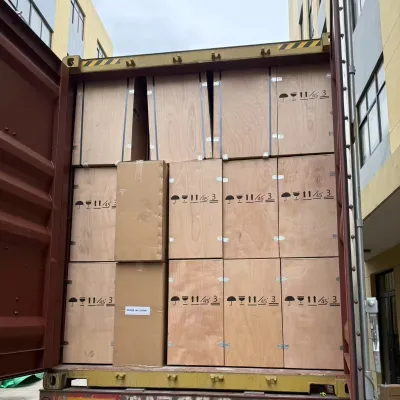
The regional concentration of suppliers in China, particularly in Guangdong, offers both advantages and challenges for buyers sourcing 2 tanks ice slushie machines. Guangdong is a major manufacturing hub for food and beverage machinery, providing access to a robust supply chain for components such as stainless steel, electric motors, and cooling systems. This proximity to raw materials and specialized suppliers can lead to competitive pricing and faster production times. However, buyers must also consider the logistical implications of sourcing from this region, including shipping costs, transit times, and import regulations. The standard packing for these machines, often in fiber wooden boxes, is designed to protect the units during transit, but buyers should verify that the packaging meets international shipping standards to prevent damage. Additionally, buyers should be aware of the voltage and frequency differences between regions, as machines produced in China typically operate on 220V/50Hz, which may require adjustments for use in countries with different electrical standards.
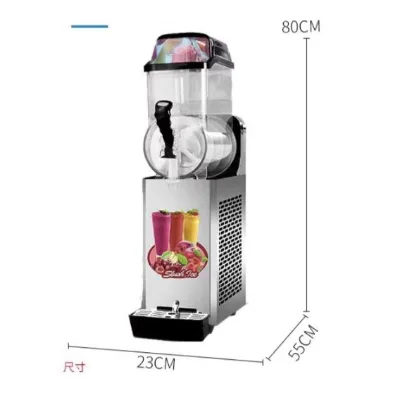
Logistics planning should also account for the size and weight of the machines, which can impact shipping costs and handling requirements. For example, double-tank machines with 12L or 15L capacities may have dimensions around 430550800mm and weigh approximately 50kg, requiring careful planning for freight forwarding and customs clearance. Buyers should work with experienced freight forwarders who can navigate the complexities of international shipping and ensure that all necessary documentation, such as certificates of origin and compliance certificates, is prepared correctly. It is also important to consider the environmental impact of shipping and explore options for more sustainable logistics solutions where possible. By understanding the regional advantages and logistical challenges, buyers can optimize their sourcing strategy and ensure that their 2 tanks ice slushie machines are delivered efficiently and cost-effectively.
2 Tanks Ice Slushie Machine Commercial Terms and Order Planning
Effective order planning for 2 tanks ice slushie machines requires careful attention to commercial terms, payment structures, and long-term relationship building with suppliers. Buyers should negotiate clear payment terms that balance risk and cash flow, such as using secure payment methods like escrow services to protect their funds until the goods are received and verified. It is also important to establish clear delivery schedules and penalties for delays, ensuring that the supplier is accountable for meeting agreed-upon timelines. Buyers should also consider the total cost of ownership, including shipping, insurance, and potential customs duties, when evaluating quotes from different suppliers. For repeat orders, buyers may be able to negotiate better pricing or improved terms based on their purchasing history and volume. Building a strong relationship with the supplier can also lead to better support, priority production, and access to new product developments.
Additionally, buyers should plan for after-sales service and maintenance by ensuring that spare parts are available and that the supplier provides comprehensive training and documentation. It is advisable to include clauses in the contract regarding warranty claims, return policies, and technical support to protect against future issues. Buyers should also consider the scalability of their orders, ensuring that the supplier can handle increased volumes as their business grows. By carefully planning the commercial aspects of their sourcing strategy, buyers
FAQs
What bowl capacity options are common for a 2 Tanks Ice Slushie Machine?
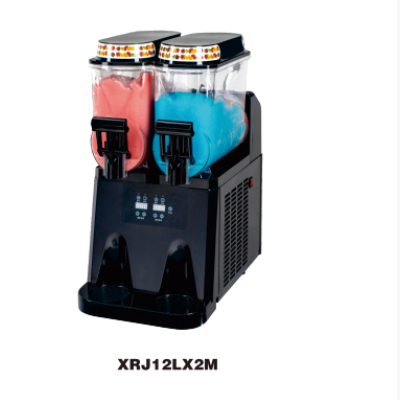
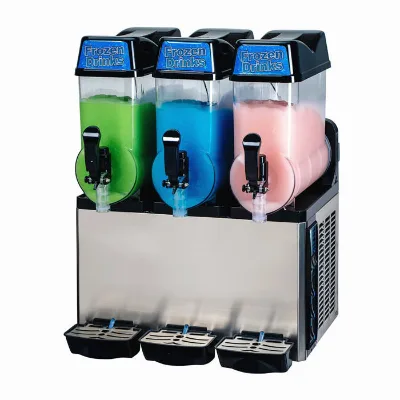
Listed models commonly offer 12L or 15L per bowl, giving 24L to 30L total with two tanks. The 12L dual-tank units typically measure around 430*550*800mm, while 15L models run larger at about 480*630*840mm. Choose capacity based on peak drink volume and available counter space.
How much does a commercial 2-tank slush machine cost?
Prices in the current results range from roughly $500 to $1,000 per unit depending on tank size and configuration. A single 12L tank starts near $500-$700, dual 12L units around $700-$900, and 15L dual-tank models about $600-$800. Larger capacity and additional features push prices toward the higher end.
What is the typical minimum order quantity for these machines?
At least one listed manufacturer accepts a minimum order of just 1 unit, which suits trial purchases and small café setups. Some suppliers, particularly trading companies, may set different terms for wholesale pricing. Always confirm the MOQ and any volume price breaks directly before placing an order.
What refrigerants and temperature ranges do these slush machines use?
The listed machines use either R404A or R134A refrigerant, with operating temperatures between -2 and -7 degrees Celsius for R404A models and -2 to -4 degrees for R134A. Both ranges are suitable for frozen granita drinks. Verify the refrigerant type matches your market's environmental regulations before importing.
How long is the typical lead time and response time from suppliers?
Observed suppliers vary considerably: one trading company reports about a 2-day response time and roughly a 2-week lead time, while a manufacturer reports around 12 hours average response and approximately a 23-day lead time. Manufacturers usually need longer for production. Confirm current production schedules in writing before ordering.
Do these machines support customization or OEM production?
Yes, at least one Guangdong manufacturer states ODM and OEM capability alongside its own brand, and listed products show customization as available. One trading company also lists light customization, sample processing, and on-demand customization services. Clarify logo printing, bowl counts, and voltage requirements early since customized units may extend the lead time.
What certifications and warranty should I check before buying?
Listed slush machines carry CE certification, and one trading company holds CE system certification with SGS verification. A 1-year warranty is stated on at least one commercial model. Request the certificate number, machinery test reports, and warranty coverage details in writing, since one listing notes its test report is not available.
What specifications affect power and installation requirements?
A typical dual-tank commercial model runs on 220V/50Hz electric power at around 950W and weighs roughly 46 to 50 kg net. Stainless steel bowls with PC covers are standard, and packing uses fiber wooden boxes for shipping. Confirm your local voltage compatibility and plan for a sturdy counter or stand.