High Efficiency Electric Commercial Blender Suppliers and Manufacturers
Explore 20 verified options for High Efficiency Electric Commercial Blender from Guangdong, China. Compare lead times, MOQs, prices, and customization capabilities to find the right fit. Contact suppliers directly to request quotes and verify product specifications; review the available evidence before requesting comparable quotations from suitable candidates.
Updated
Suppliers List

Foshan Shanice Electrical Appliance Co., Ltd.
- Combined
- China Guangdong
- Lead time30 days
- Avg. response≤ 23h
Main productsVacuum Food Grinder Blender, Electric Silent Smoothieblender, Commercial Quiet Blender, Home Kitchen Professional Food Mixer, Food Processorblender with Sound Proof Enclosure, Powerful Bar Ice Crusher Blender, High Performance Smoothie Blender, Quiet Vacuum Juicer Blender, Baby Food Blender Maker, Silent Fruit Blender
Main marketsDomestic

2.5L Commercial Multifunctional High Speed Power Mixer electric Juicer Blender
$53.00 - $76.00
MOQ: 100 set

Electronic BPA Free Mixer Hot Sales Kitchen Appliance High Power Commercial Blender
$55.00 - $78.00
MOQ: 200 set

Low Noise High Performance Powerful Heavy Grinder Mixer Commercial Blender
$80.00 - $92.00
MOQ: 50 set

High Power Multifunction Food Blender Smoothie Mixer Industrial Juicer Commercial Blender
$47.00 - $70.00
MOQ: 200 set

Strong Power Multifunctional High Speed Commercial Mixer Industrial Juicer Commercial Blender
$95.00 - $133.00
MOQ: 20 set

Multifunctional Commercial Smoothie Blender High Power Low Noise Bar Blender
$95.00 - $133.00
MOQ: 20 set
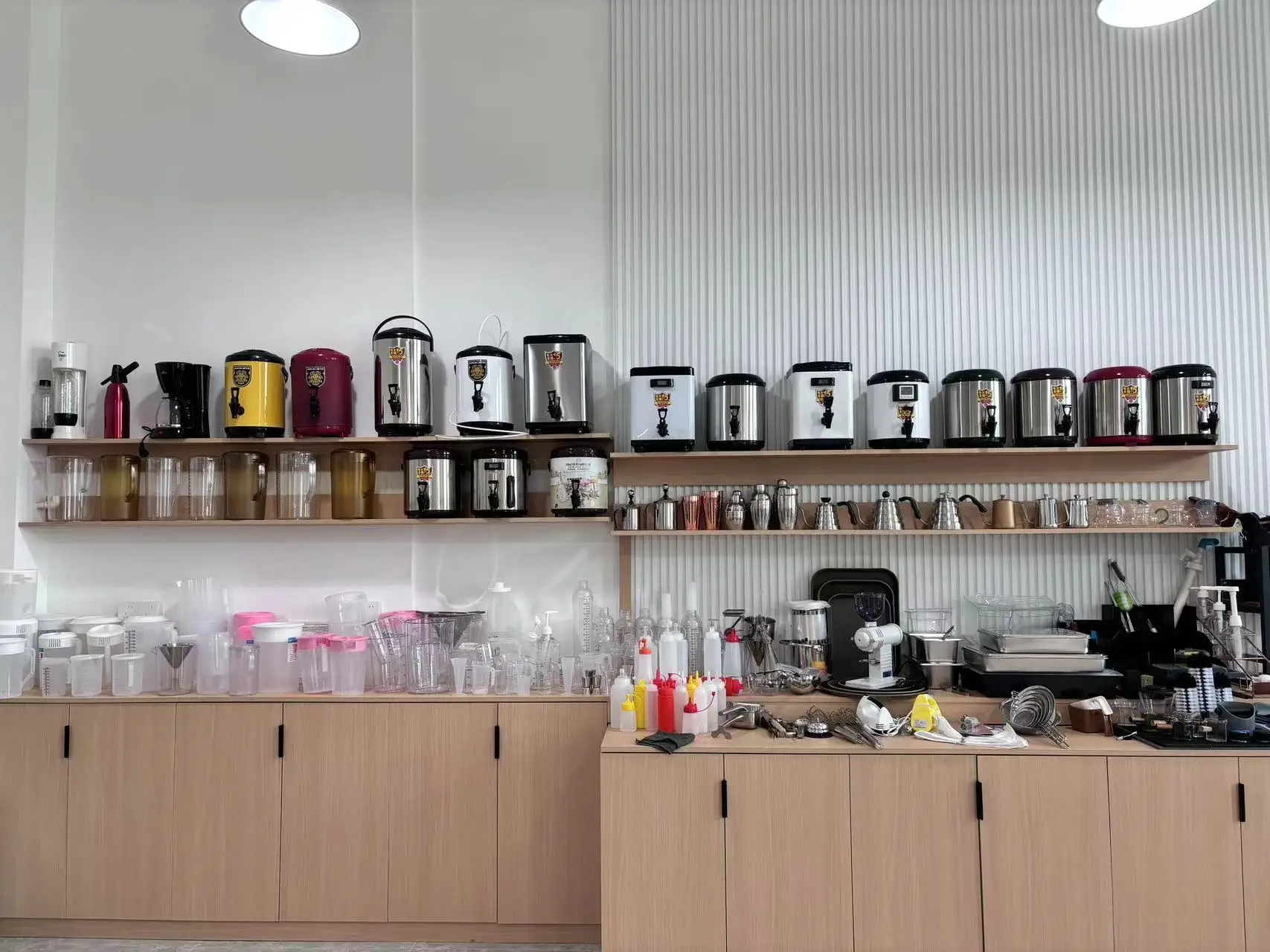
Guangzhou Jili Hotel Supplies Co., Ltd.
- Trading Company
- Guangdong, China
- Lead time30 days
- Avg. response≤ 1h
Main productsbar counter,Fully automatic milk tea machine,Automatic tea brewing machine,coffee set
Main marketsNorth America(5.00%), South America(5.00%), Eastern Europe(5.00%), Southeast Asia(5.00%), Africa(5.00%), Oceania(5.00%), Mid East(5.00%), Eastern Asia(5.00%), Western Europe(5.00%), Central America(5.00%), Northern Europe(5.00%), Southern Europe(5.00%), South Asia(5.00%), Domestic Market(5.00%)
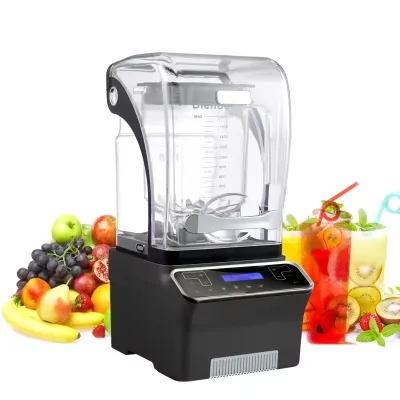
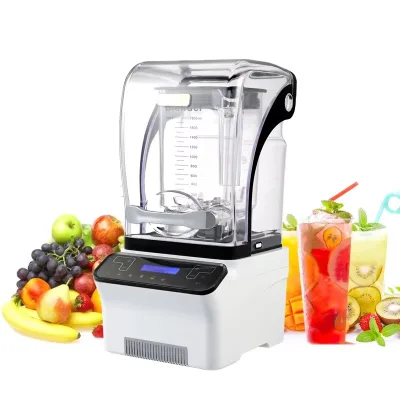
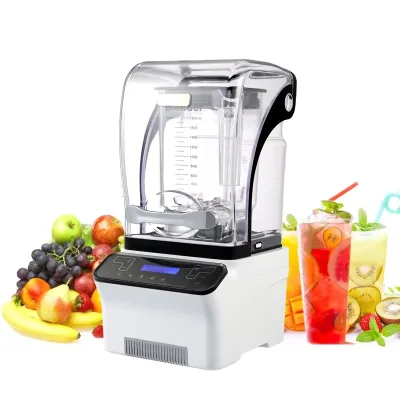
$155.00 - $175.00
MOQ: 1 pieces
Guangzhou Glead Kitchen Equipment Co., Ltd.
- Manufacturer, Trading Company
- Lead time旺季: "1 - 5":30,"6 - 50":60,"> 50":"To be negotiated", 淡季: "1 - 5":30,"6 - 50":60,"> 50":"To be negotiated"
- Avg. response≤ 9h
Main productsOne Stop Kitchen Solution,Cooking Equipment,Bakery Equipment,Fast Food Equipment,Refrigeration Equipment

Guangzhou City Haizhu District Zhengqi Hotel Supplies Business Department
- Trading Company
- Guangdong, China
- Lead time25 days
- Avg. response≤ 6h
Main productsIce Cream Machine,food machinery,Bakery equipment,west kitchen,Catering equipment
Main marketsAfrica(20.00%), Mid East(20.00%), South Asia(10.00%), Eastern Asia(10.00%), Southeast Asia(10.00%), Oceania(5.00%), Southern Europe(5.00%), Northern Europe(5.00%), Central America(5.00%), Eastern Europe(5.00%), South America(5.00%)
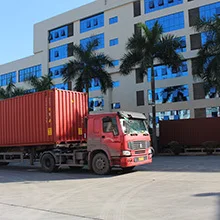
Guangzhou Loda Electric Appliance Co., Ltd.
- Manufacturer, Trading Company
- Guangdong, China
- Lead time30 days
- Avg. response≤ 4h
Main productsblender,juicer,blender parts(motors),all blender parts,electeic kettle
Main marketsAfrica(40.00%), Mid East(40.00%), Southeast Asia(15.00%), South America(5.00%)
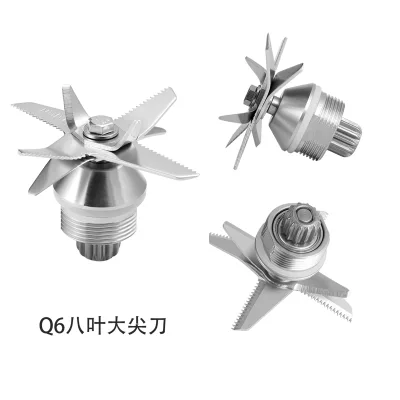
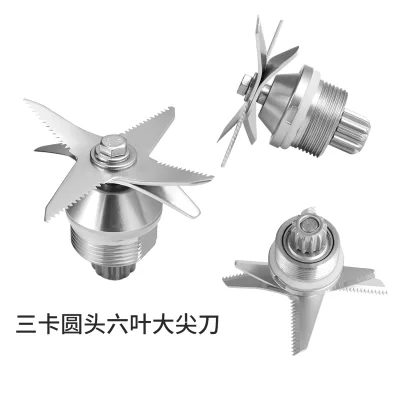
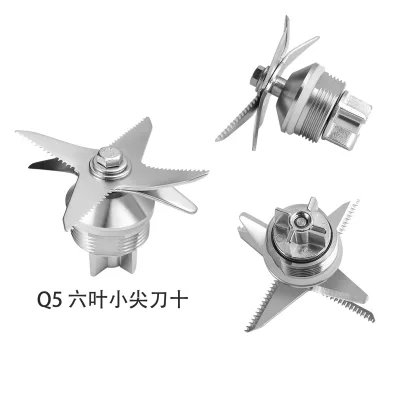
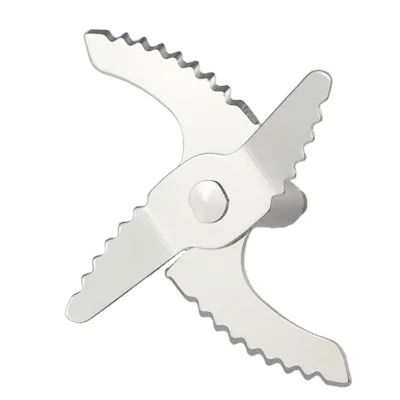
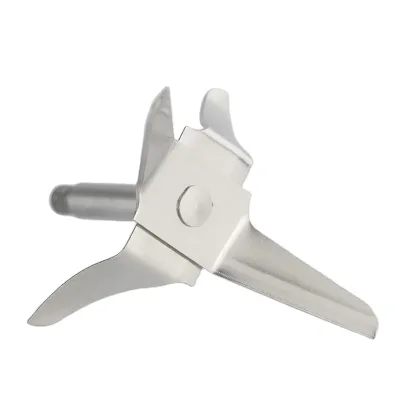
Electric blender 300w / 600ml capacity 4 stainless steel meat mincer blades
$0.1342 - $0.1873
MOQ: 2000 Minimum
Guangzhou Baokang Western Kitchen Equipment Factory
- Verified by Intertek
- Manufacturer, Trading Company
- Lead time30 days
- Avg. response≤ 4h
Main productsFryer, Food Warmer, Griddle, Waffle Maker, Popcorn Machine
Main marketsEastern Europe(45%), Southeast Asia(20%), Africa(20%)
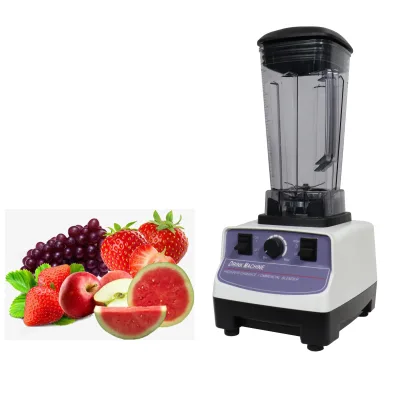
$24.9327 - $28.0486
MOQ: 1 cases
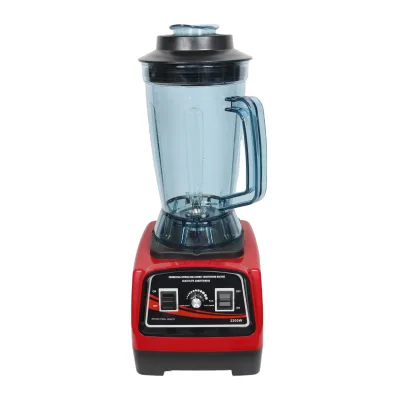
Multifunctional Commercial Industrial Food Processor Blender
$52.00 - $57.00
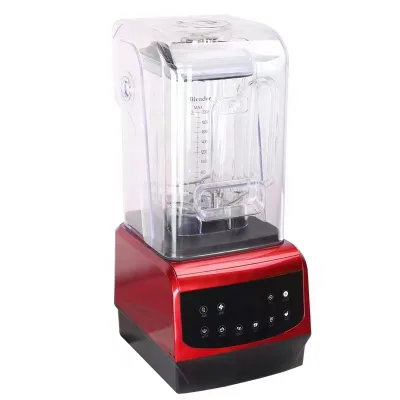
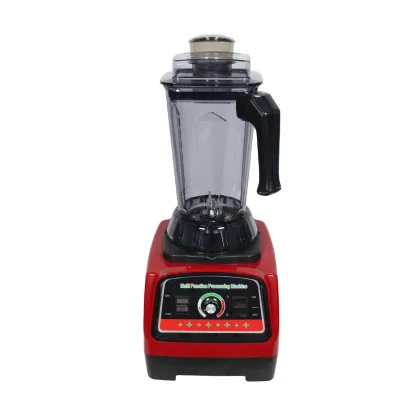
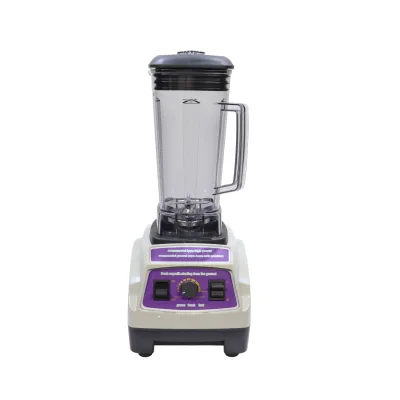
2025 Best-seller Electric Commerical Blender Fashion Design for Food Blend
$41.00 - $45.00
MOQ: 1 cases

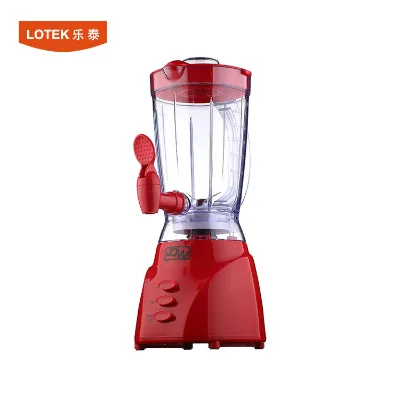
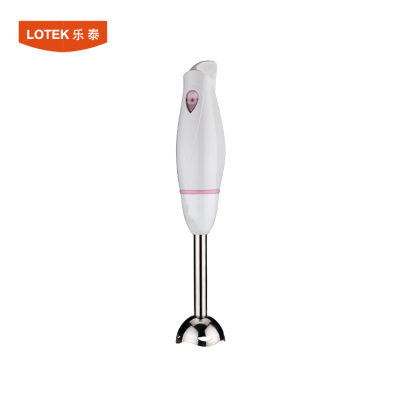
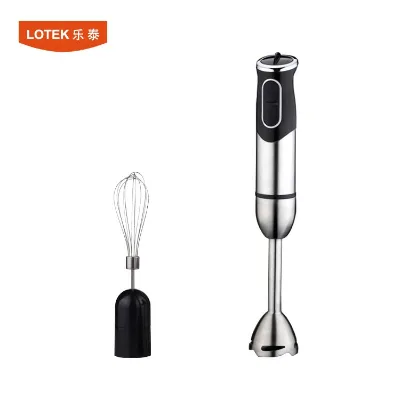
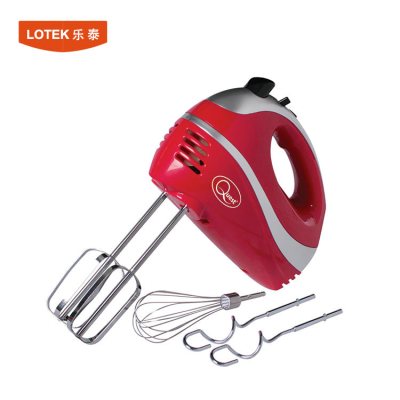
Cixi Lotek Electrical Appliance Co., Ltd.
- Verified by SGS
- Manufacturer/Factory
- China Zhejiang
- Lead time30 days
- Avg. response≤ 9h
Main productsBlender, Hand Blender, Smoothie Blender, Hand Mixer, Food Processor, Portable Blender, Mini Chopper, Immersion Blender, Food Chopper, Coffee Grinder
Main marketsSouth America,Eastern Europe,Mid East,North America,Southeast Asia,Oceania,Western Europe,Africa
Guangdong Sutai Electrical Appliance Co., Ltd.
- Verified by SGS Group
- Manufacturer, Trading Company
- Lead time15 days
- Avg. response≤ 3h
Main productsElectric Kettle, Air-fryer, Blender, Infrared cooker, Coffee kettle
Main marketsSouth America(10%), Eastern Europe(10%), Mid East(10%)
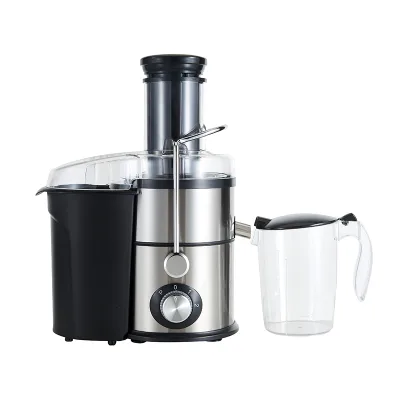
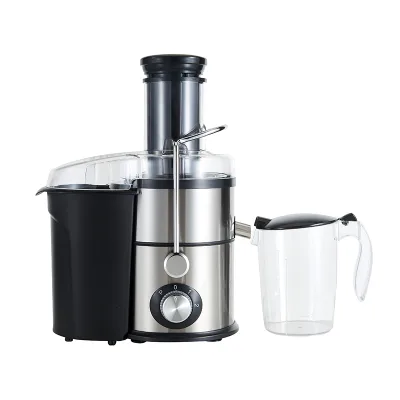
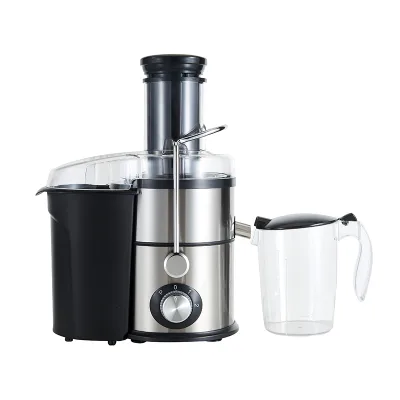
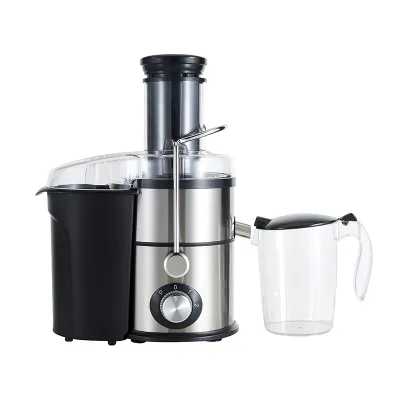
Best Profession 3600w Mixer Blender Commercial Big Capacity 1LMulti-function Blenders
$13.90 - $14.50
MOQ: 6 pieces
Zhongshan Home Smart Electrical Appliances Co., Ltd.
- Verified by Intertek
- Manufacturer, Trading Company
- Lead time45 days
- Avg. response≤ 3h
Main productsCoffee Grinder-A, Coffee Grinder-B, Table Blender-A, Table Blender-B, Coffee Machine
Main marketsSouth America(40%), North America(10%), Eastern Europe(10%)
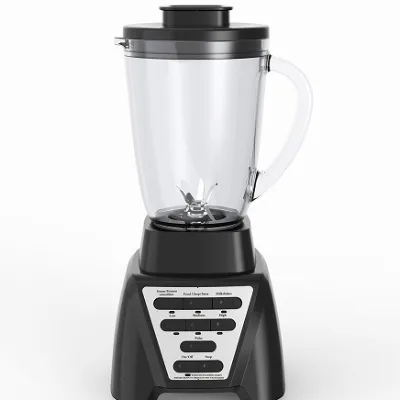
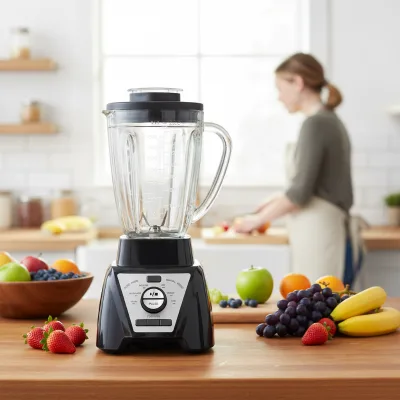
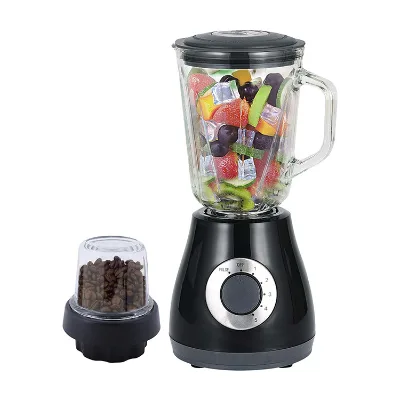
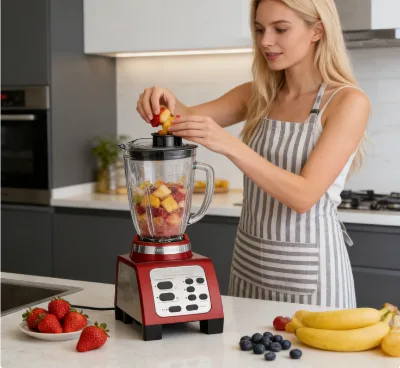
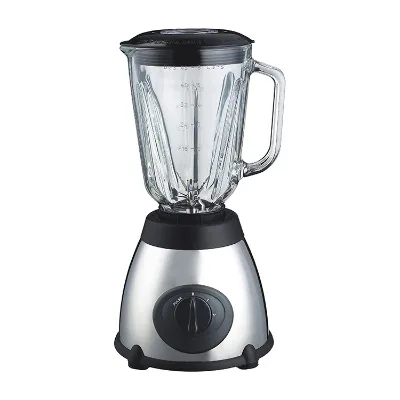
Supply Reasonable Price Stainless Steel Blender Signature Blender Commercial for Sales
$18.4434 - $19.468
MOQ: 1 pieces
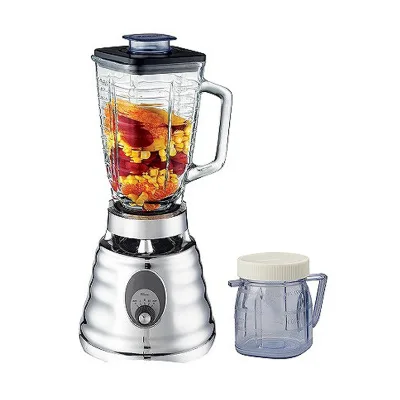
Guangzhou Icbake Bakery Equipment Co., Ltd
- Verified by BV
- Trading Company
- China Guangdong
- Lead time15 days
- Avg. response≤ 6h
Main productsBakery Equipment, Kitchen Equipment, Refrigeration Equipment
Main marketsSoutheast Asia/ Mideast
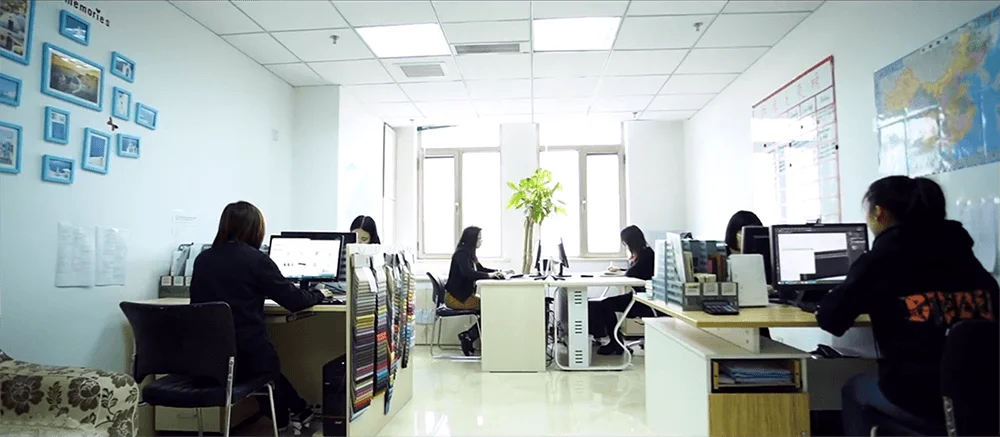
Langfang Moore Technology Co., Ltd.
- Trading Company
- Hebei, China
- Lead time15 days
- Avg. response≤ 5h
Main productsMeat Grinder,Blender,Coffee Grinder,Mini Washing Machine,Meat Chopper
Main marketsMid East(40.00%), Africa(35.00%), Domestic Market(15.00%), North America(10.00%)
Cixi Lotek Electrical Appliance Co., Ltd.
- Manufacturer, Trading Company
- Lead time旺季: , 淡季:
- Avg. response≤ 2h
Main productsHand Blender, Meat Grinder, Food Processor, Table Blender, Juicers
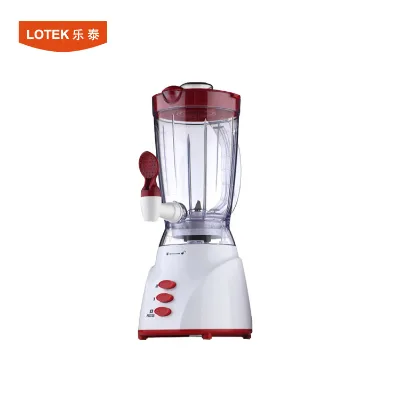
Table Blender 450W, 1.5L, High Performance Commercial Smoothie Maker / Smoothie Blender
$11.20 - $11.40
MOQ: 1000 pieces
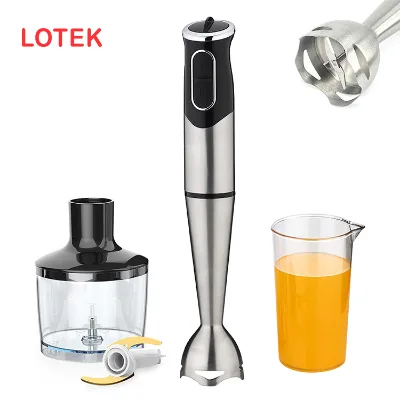
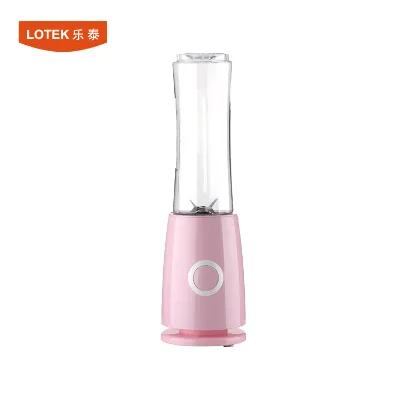
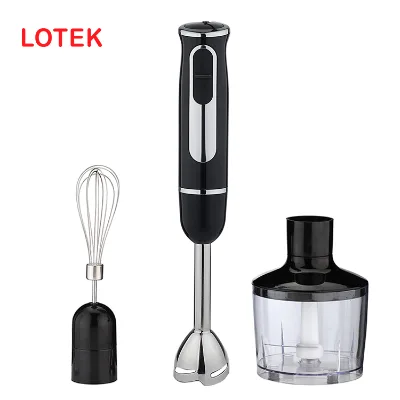
Cixi Lotek Electrical Appliance Co., Ltd.
- Verified by Intertek
- Manufacturer, Trading Company
- Lead time25 days
- Avg. response≤ 3h
Main productsHand Blender, Meat Grinder, Food Processor, Table Blender, Juicers
Main marketsNorth America(40%), Domestic Market(19%), North America(8%)
Bazhou Junjing Electric Co., Ltd.
- Verified by SGS Group
- Manufacturer, Trading Company
- Lead time30 days
- Avg. response≤ 4h
Main productsGrinder, Meat grinder, Blender, Food processor, Juice blender
Main marketsDomestic Market(70%), South America(8%), Mid East(8%)
Dongguan Strong Machinery Engineering Co., Ltd.
- Verified by Intertek
- Trading Company
- Lead time0 days
- Avg. response≤ 5h
Main productsPacking Machine

Shanghai Papa Industrial Co., Ltd.
- Verified by BV
- Combined
- China Shanghai
- Lead time30 days
- Avg. response≤ 5h
Main productsProtein Bar Extruder Machine, Protein Ball Rolling Machine, Automatic Encrusting Machine, Energy Bar Production Line, Mooncake Making Machine, Chocolate Enrober Machine, Cereal Bar Forming Machine, Energy Date Bar Making Machine, Energy Ball Extruder Machine, Flow Wrapping Machine
Main marketsSoutheast Asia/ Mideast,Domestic,Europe,North America

Guangzhou ETON Import & Export Co., Ltd.
- Verified by SGS
- Combined
- China Guangdong
- Lead time30 days
- Avg. response≤ 14h
Main productsCandy Floss Machine, Popcorn Machine, Cup Sealing Machine, BBQ Roaster, Electric Fryer, Hot-Dog Roller, Ice Blender, Ice Crusher, Juice Extrctor, Slush Machine
Main marketsSouth America,Europe

Ningbo Sinolink Appliance Co., Ltd.
- Trading Company
- China Zhejiang
- Lead time0 days
- Avg. response≤ 22h
Main productsBlender, Juicer, Food Processor, Chopper

$11.50 - $13.00
MOQ: 1000 Pieces

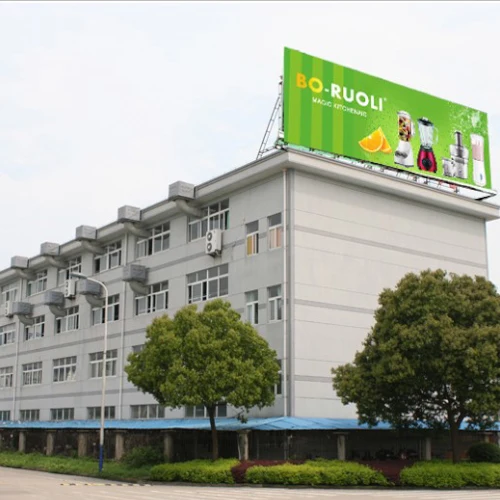
Ningbo Boruoli Electric Appliance Co., Ltd.
- Trading Company
- Zhejiang, China
- Lead time25 days
- Avg. response≤ 6h
Main productsCoffee Grinder,Mini Chopper,Personal Blender
Main marketsNorth America(60.00%), Western Europe(10.00%), Southeast Asia(10.00%), Northern Europe(10.00%), Southern Europe(5.00%), Eastern Europe(5.00%)
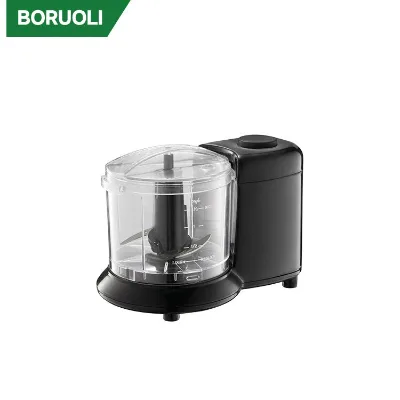
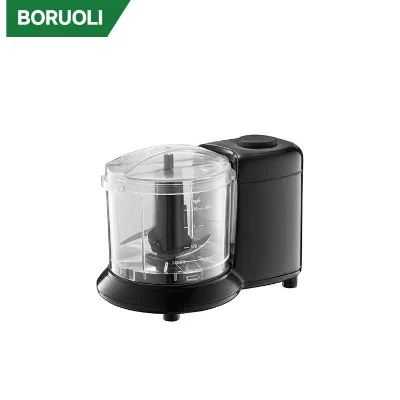
Juicer Blender Kitchen Mixer Food Processor
$4.60 - $14.00
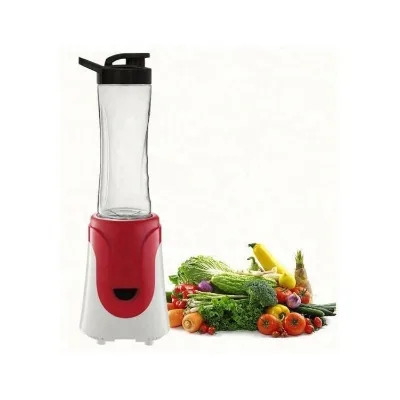
New Arrival OEM Available Juicer Blender Food Processor
$4.60 - $14.00

Guangdong Lejie Electrical Appliance Co., Ltd.
- Verified by SGS
- Combined
- China Guangdong
- Lead time15 days
- Avg. response≤ 6h
Main productsSnowflake Ice Machine, Milk Tea Shaking Machine, Smoothie Machine, Intelligent Can Sealing Machine, Ice Brick Machine, Fruit and Vegetable Slicer, Fried Ice Cream Machine, Tapioca Inteligent Pearls Pot, Snow-Making Machine, Shaved Ice Machine
Main marketsOthers(foreignTradeCapacity.exportBusinessCapacityMarketOther),Southeast Asia/ Mideast





Comprehensive Sourcing Guide
High Efficiency Electric Commercial Blender Supplier Concentration and Factory Types
The current supplier landscape for high efficiency electric commercial blenders reveals a distinct concentration in Guangdong, China, specifically within the Shunde and Foshan regions. This geographic clustering is significant because Shunde is widely recognized as a major hub for small kitchen appliances and home electronics manufacturing in China. Buyers evaluating potential partners should recognize that suppliers located in this area often benefit from established supply chains for motors, plastics, and electronic components. The presence of multiple suppliers in this specific region suggests a mature ecosystem where specialized factories can source raw materials efficiently, potentially reducing production lead times and improving quality control consistency. When assessing suppliers, verifying their physical address against this known industrial cluster can serve as a preliminary indicator of their manufacturing capability. Suppliers claiming to be factories but located outside this primary hub may be trading companies or have outsourced production, which introduces additional layers of complexity in communication and quality assurance.
Supplier types in this category vary between combined manufacturers, pure factories, and trading companies. The data indicates that many entities operate as combined entities, offering both OEM and ODM services, which allows for greater flexibility in product customization. For buyers seeking specific design modifications or private labeling, identifying suppliers with explicit ODM capabilities is crucial. These suppliers typically have in-house engineering teams capable of adapting existing models, such as the CB-608 or E5 series, to meet unique brand requirements. In contrast, trading companies may offer a broader range of finished goods but might lack the direct control over production processes that factories provide. Understanding the company type is essential for determining the level of direct interaction with the manufacturing floor. Buyers should prioritize suppliers who explicitly state their manufacturing capacity and customization options, as this directly impacts the ability to tailor the High Efficiency Electric Commercial Blender to specific commercial kitchen needs, such as varying noise levels or motor power specifications.
How to Verify High Efficiency Electric Commercial Blender Suppliers
Verifying the authenticity and capability of suppliers requires a multi-layered approach that goes beyond surface-level profile reviews. One critical step is to cross-reference the supplier’s stated location with their product origin details. For instance, many listed products specify an origin of Shunde, Foshan, Guangdong, China. Buyers should request video calls or virtual factory tours to confirm that the production facility matches the claimed location and type. This visual verification helps distinguish between actual manufacturers and trading companies that may misrepresent their role in the supply chain. Additionally, checking the response time can provide insights into the supplier’s operational efficiency. A response time of around 22 hours or less, as seen in some results, indicates a responsive sales team, which is vital for resolving technical queries regarding motor materials or voltage specifications quickly. Slow response times may signal potential communication bottlenecks during the production and shipping phases.
Another vital verification method involves examining the product attributes and certifications closely. While some suppliers list system certifications as NIL, buyers should not assume this means a lack of quality; rather, it may indicate that specific certifications are not displayed on the public profile. Buyers must actively request copies of relevant electrical safety certifications, such as CE, RoHS, or UL, depending on their target market. Furthermore, inspecting the detailed product specifications, such as motor material (e.g., all copper) and housing material (plastic or stainless steel), helps assess build quality. Suppliers who provide comprehensive technical data, including net weight, dimensions, and power ratings, are generally more transparent and reliable. Buyers should also verify the warranty terms, such as the six-month warranty offered on certain models, to understand the post-sale support structure. Confirming these details through direct communication ensures that the supplier can meet the rigorous demands of commercial environments where durability and performance are paramount.
What to Compare Across High Efficiency Electric Commercial Blender Suppliers
When evaluating multiple suppliers, comparing key operational metrics is essential to finding the best fit for your business needs. One of the most significant differentiators is the Minimum Order Quantity (MOQ). The data shows a wide range, from as low as 1 unit for sample orders to 200 units for bulk production. Buyers with limited initial capital or those testing new markets should prioritize suppliers with lower MOQs, such as those offering 10 or 20 units. Conversely, established businesses looking to maximize economies of scale might prefer suppliers with higher MOQs that offer better per-unit pricing. It is also crucial to compare the price ranges, which vary from approximately $47 to $175 per unit depending on the model and features. Higher-priced models often feature advanced controls like touchpads or higher power outputs, such as 2000W+ motors, which are suitable for heavy-duty commercial use. Buyers should align their budget with the required performance specifications to avoid overpaying for unnecessary features or underinvesting in inadequate equipment.
Lead time and customization options are another critical area for comparison. The standard lead time observed is around 30 days, but this can vary based on order volume and customization complexity. Suppliers offering OEM and ODM services provide greater flexibility for branding and design changes, which is valuable for businesses seeking unique market positioning. Buyers should also compare the control types available, such as button versus touchpad interfaces, as this affects user experience in busy commercial settings. Additionally, examining the packing specifications, such as the use of protection foam and gift boxes, can indicate the supplier’s attention to detail in preventing damage during transit. Comparing these factors side-by-side allows buyers to create a weighted scoring system that balances cost, flexibility, and operational efficiency. This structured comparison ensures that the selected supplier not only meets the technical requirements of the High Efficiency Electric Commercial Blender but also aligns with the buyer’s logistical and financial constraints.
Common High Efficiency Electric Commercial Blender Sourcing Risks
One of the primary risks in sourcing high efficiency electric commercial blenders is the discrepancy between advertised specifications and actual product performance. Buyers may encounter suppliers who claim high power outputs, such as 2000W+, but deliver units with inferior motor materials or lower actual wattage. This risk is particularly prevalent when dealing with trading companies that may not have direct oversight of manufacturing processes. To mitigate this, buyers should request detailed technical datasheets and, if possible, third-party test reports for motor efficiency and durability. Another significant risk is the variability in build quality, particularly regarding the housing material and blade construction. While many products list plastic housings, the quality of the plastic can vary significantly, affecting the blender’s longevity and safety. Buyers should specify requirements for high-grade, heat-resistant plastics or stainless steel components to ensure the equipment can withstand the rigors of commercial use.
Shipping and logistics risks also pose a substantial challenge, given the weight and dimensions of commercial blenders. Products with net weights around 9kg and large outer box sizes require careful handling to prevent damage. Buyers must verify that suppliers use robust packing methods, such as double-wall cartons and ample foam protection, to minimize transit damage. Additionally, the risk of customs delays or incorrect voltage configurations cannot be overlooked. Suppliers must clearly specify the voltage requirements, such as 220V 50HZ, to ensure compatibility with the buyer’s local electrical infrastructure. Failure to verify these details can result in non-functional equipment and costly returns. Furthermore, buyers should be cautious of suppliers who do not offer clear warranty terms or after-sales support. A lack of defined warranty periods, such as the six-month warranty seen in some listings, can leave buyers vulnerable to unexpected repair costs. Establishing clear contractual terms regarding quality standards and support is essential to managing these risks effectively.
High Efficiency Electric Commercial Blender Regional Sourcing and Logistics
Sourcing from the Guangdong region, particularly Shunde and Foshan, offers logistical advantages due to the area’s well-developed infrastructure for exporting small kitchen appliances. The concentration of suppliers in this region facilitates efficient consolidation of goods, allowing buyers to combine multiple orders from different factories into a single shipment, thereby reducing overall freight costs. However, buyers must be aware of the specific logistics requirements for heavy and bulky items. Commercial blenders often have substantial dimensions and weights, such as a net weight of 9kg and outer box sizes exceeding 70cm in length. This necessitates careful planning of container loading to maximize space utilization and minimize shipping expenses. Buyers should work with suppliers who have experience in exporting to their target market, as these suppliers are likely familiar with the necessary documentation and packaging standards required by local customs authorities.
International shipping times and costs can vary significantly depending on the destination and the chosen shipping method. Air freight is faster but more expensive, making it suitable for sample orders or urgent replacements, while sea freight is more cost-effective for bulk shipments but involves longer transit times. Buyers should factor in these variables when planning their inventory and order cycles. Additionally, the risk of port congestion or seasonal shipping delays should be considered, especially during peak holiday periods. To mitigate these risks, buyers should establish clear communication channels with their suppliers regarding production schedules and shipping updates. It is also advisable to use freight forwarders who specialize in handling kitchen appliances, as they can provide valuable insights into optimal packing configurations and insurance options. By understanding the logistical landscape of the Guangdong region, buyers can streamline their supply chain and ensure timely delivery of high efficiency electric commercial blenders to their customers.
High Efficiency Electric Commercial Blender Commercial Terms and Order Planning
Effective order planning for high efficiency electric commercial blenders requires a clear understanding of commercial terms, including payment structures and warranty policies. Buyers should negotiate payment terms that balance risk and cash flow, such as using secure payment methods like escrow for the first few orders to ensure supplier reliability. Once trust is established, buyers may negotiate more favorable terms, such as partial upfront payments with the balance due upon shipment. It is also crucial to clarify the warranty terms in writing, ensuring that they cover both parts and labor for a specified period, such as the six-month warranty observed in some listings. Buyers should also inquire about the availability of spare parts, such as blades and motors, to facilitate quick repairs and minimize downtime in commercial kitchens. Understanding these commercial terms helps protect the buyer’s investment and ensures long-term operational continuity.
Customization and branding options are another key aspect of order planning, particularly for businesses seeking to differentiate their offerings. Suppliers offering OEM and ODM services can help buyers create unique products with custom logos, colors, and packaging. Buyers should provide detailed specifications and design files early in the process to avoid delays and ensure accurate production. Additionally, buyers should consider the impact of customization on lead times and MOQs, as custom orders often require longer production cycles and higher minimum quantities. It is also important to plan for quality control inspections before shipment to ensure that the final products meet the agreed-upon standards. By carefully planning these commercial terms and customization details, buyers can optimize their supply chain, reduce risks, and enhance their market competitiveness with high efficiency electric commercial blenders that meet their specific business needs.
FAQs
What is the price range for commercial blenders?
Prices typically range from $47 to $175 per unit depending on specifications. Basic models start around $47, while heavy-duty units with advanced features can reach $175. Buyers should verify exact costs based on volume and customization needs.
What are the minimum order quantities?
MOQs vary significantly by model, ranging from 1 to 200 units. Some suppliers accept single-unit orders for testing, while others require bulk purchases of 100 or 200 pieces. Check specific product listings to confirm the applicable threshold for your order size.
Where are these blenders manufactured?
Manufacturing primarily occurs in Guangdong, China, specifically in Shunde, Foshan. This region is known for producing high-quality kitchen appliances. Buyers should verify the exact origin details on product pages to ensure alignment with their sourcing preferences and logistics requirements.
How long does production take?
Standard lead times are approximately 30 days for production. This duration allows for quality control and assembly processes. Buyers should confirm specific timelines with suppliers, as rush orders or custom modifications may alter the standard delivery schedule significantly.
What power ratings are available?
Available power ratings include 2000W and 2200W for high-performance models. These motors ensure efficient blending for commercial environments. Buyers should select ratings based on their specific volume and ingredient hardness requirements to optimize operational efficiency and longevity.
What warranty periods are offered?
Warranty periods typically cover 6 months for key components. This coverage protects against manufacturing defects. Buyers should review specific warranty terms for each model, as coverage details may vary between suppliers and product lines.