Source Front and Rear Bumper Set for Repair, Custom, and Universal Fit
Explore 30 listings for a Front and Rear Bumper Set designed for vehicle repair and replacement. Compare options made from plastic or ABS, featuring CE and ISO 9001 certifications, with customization available for universal car applications; compare the available evidence and request quotations based on your requirements.
Key considerations
Products List


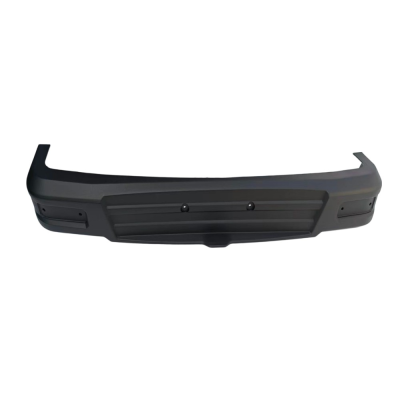
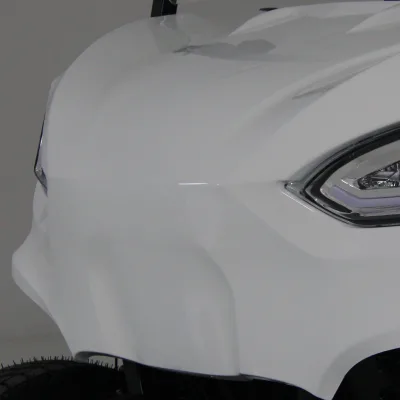


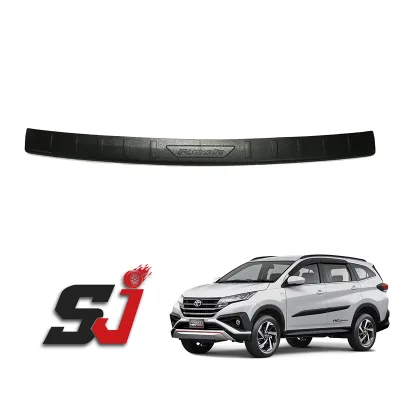

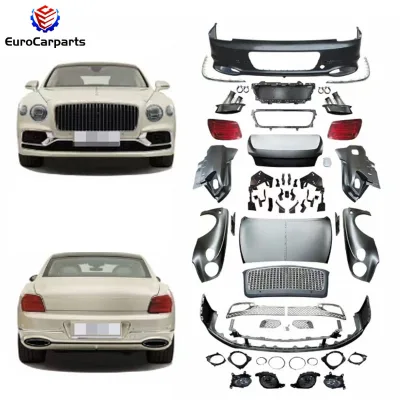






Comprehensive Sourcing Guide
Front and Rear Bumper Set Sourcing Guide
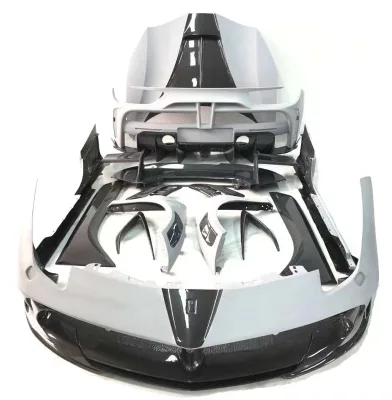
Procuring a Front and Rear Bumper Set requires careful evaluation of the specific vehicle fitment and material composition to ensure structural integrity and aesthetic alignment. The market offers universal options alongside model-specific units, with materials ranging from standard plastics to high-grade ABS plastic for enhanced durability. Buyers must distinguish between luxury-grade finishes and standard replacement parts, as the intended application significantly influences the selection criteria and expected performance characteristics.
Verification of the product condition is equally critical, as the majority of listings specify new items designed for direct replacement or repair purposes. Sourcing teams should confirm whether the set includes pre-attached components like self-adhesive strips to streamline installation and reduce labor costs. Additionally, understanding the packaging style, whether it involves corrugated boxes, cartons, or blister packs, helps in planning logistics and ensuring the components arrive without damage during transit.
Product Scope and Observed Listing Signals
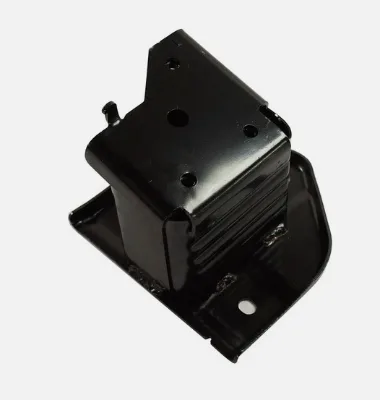
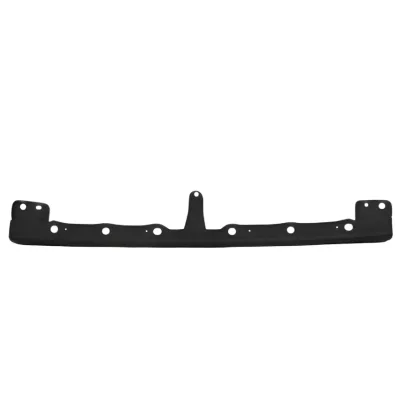
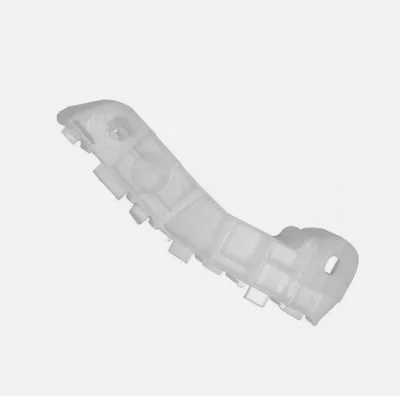
The observed product listings reveal a diverse range of dimensions, from compact units measuring 25 by 10 by 12 millimeters to large assemblies reaching 1090 by 250 by 155 millimeters. This variance indicates that the market supplies both individual bumper components and complete body kit full sets tailored for different vehicle classes. Buyers should analyze the specific model numbers and size specifications provided in the listing to match the exact requirements of their target fleet or repair inventory.
Commercial signals such as the minimum order quantity (MOQ) vary significantly, with some suppliers requiring as few as 30 sets while others mandate orders of 500 units or more. The selling units are typically listed as single items, yet the packaging often involves cartons on pallets for bulk efficiency. Understanding these commercial thresholds is essential for budgeting and inventory planning, as the MOQ directly impacts the total cost of ownership and the feasibility of small-batch procurement strategies.
Technical Specifications to Verify
Technical due diligence must focus on the precise dimensional standards and material properties to guarantee a proper fit and long-term performance. Listings specify exact lengths, widths, and heights, such as 1025 by 800 by 395 millimeters or 560 by 270 by 160 millimeters, which must be cross-referenced against the vehicle's original equipment manufacturer (OEM) data. Buyers should verify that the listed model numbers correspond to the correct vehicle fitment, ensuring that universal claims do not compromise the structural alignment of the bumper assembly.
Material composition is another vital specification, with ABS plastic and general plastic being the primary materials observed in the current market. The color options, including black, white, and red, must align with the vehicle's existing paint scheme or the desired aftermarket aesthetic. Furthermore, the presence of features like pre-attached 3m self-adhesive strips can simplify the installation process, but buyers must confirm that these accessories are included in the final package to avoid additional sourcing delays.
Compliance and Safety Documentation
Ensuring that the bumper sets meet relevant safety and quality standards is a prerequisite for any B2B procurement transaction. The available data indicates that products may carry CE certification and ISO 9001 compliance, which serve as indicators of adherence to international quality management systems and safety regulations. Buyers should request valid certification documents from the supplier to verify that the manufacturing processes and final products have undergone the necessary third-party assessments.
Beyond certifications, the origin of the products plays a significant role in compliance, with most observed listings indicating a place of origin in China, specifically Guangdong. This geographic information is crucial for understanding the regulatory environment under which the goods were produced and for assessing any potential import restrictions or tariffs. Procurement teams must ensure that the supplier can provide all necessary documentation to clear customs and meet local safety requirements for automotive replacement parts.
Cost Drivers and Commercial Terms
The price range for bumper sets is extensive, spanning from 2 to 4950 USD, driven by factors such as material quality, complexity of the design, and the level of customization offered. Luxury-grade sets and complete body kits naturally command higher prices compared to standard replacement parts, and buyers must align their budget with the specific performance and aesthetic requirements of the project. Understanding these cost drivers helps in negotiating effectively and avoiding unexpected expenses related to premium features or specialized materials.
Commercial terms, including the accepted OEM status and customization availability, further influence the final cost structure. Suppliers that accept OEM orders and offer customization services may charge a premium but provide greater flexibility for branding and specific fitment needs. Additionally, the packaging style, ranging from simple OPP bags to complex carton and pallet configurations, affects shipping costs and handling requirements, which should be factored into the total landed cost calculation.
Supplier Qualification and Quality Control
Supplier qualification should prioritize manufacturers with a proven track record in producing automotive body components, particularly those with established origins in major manufacturing hubs like Guangdong. The presence of specific brand names and model numbers in the listings suggests a level of standardization, but buyers must still verify the supplier's capacity to maintain consistent quality across large production runs. Requesting samples and reviewing past performance data can provide insight into the reliability of the supplier's quality control processes.
Quality control measures must extend to the physical inspection of the products upon receipt, checking for defects in the plastic material, color consistency, and the integrity of any pre-attached features. The condition of the items, typically listed as new, should be confirmed through visual inspection and functional testing to ensure they meet the expected standards for replacement or repair. Establishing clear acceptance criteria and communication channels with the supplier is essential for resolving any quality issues that may arise during the procurement cycle.
Long-Term Procurement Checks
Sustaining a successful procurement relationship requires regular audits of the supplier's ability to meet evolving market demands and technical specifications. Buyers should monitor changes in product standards, such as updates to dimensions or material compositions, to ensure continued compatibility with their vehicle fleets. Proactive communication regarding future needs and potential design modifications will help maintain a steady supply chain and prevent disruptions caused by sudden changes in product availability.
Long-term checks also involve evaluating the supplier's responsiveness to issues such as packaging damage or incorrect model shipments. The ability of the supplier to handle returns, replacements, and custom orders efficiently is a key indicator of their reliability as a long-term partner. By maintaining a detailed record of performance metrics and supplier interactions, procurement teams can make informed decisions about contract renewals and the strategic sourcing of front and rear bumper sets for future projects.
FAQs
What materials are commonly used for front and rear bumper sets?
Front and rear bumper sets in this category are typically made from plastic, with ABS plastic being a common choice for body kit components. ABS offers good impact resistance and can be painted or finished in colors like black, white, or red. When comparing options, confirm the exact material grade with the supplier, as plastic formulations vary between standard replacement parts and luxury styling kits.
Can I order a Front and Rear Bumper Set with customization?
Yes, customization is available for these products. Suppliers list customization options alongside attributes such as OEM acceptance and universal car fitment, so you can request specific dimensions, colors, or packaging. Provide your vehicle model or size requirements, such as length, width, and height specifications, when requesting a quote. Minimum order quantities and tooling costs may differ between standard items and customized versions.
What is the minimum order quantity for a Front and Rear Bumper Set?
Minimum order quantities vary by product listing. Observed values include 30 sets for self-adhesive trim items, 150 units for some bumper products, and 500 units for others. MOQ depends on the product type, customization level, and packaging style such as blister packs or cartons. Always confirm the MOQ directly with the supplier before placing an order, since requirements differ per listing.
How are front and rear bumper sets packed for shipping?
Packing styles include corrugated boxes, carton boxes, cartons with pallets, blister packs, and OPP bags, depending on the product. Larger bumpers are usually packed in cartons and palletized for protection during transport, while smaller trim accessories use blister or OPP packaging. Confirm the packing method with your supplier, as it affects freight costs, container loading, and the level of protection your shipment receives.
Which certifications should I check when sourcing bumper sets?
Listed certifications include CE and ISO 9001. CE marking relates to compliance for relevant markets, while ISO 9001 indicates the manufacturer follows a quality management system. Ask each supplier for current certificate copies and verify they apply to the specific bumper set you intend to order. Certification requirements can vary by destination market, so confirm which standards your import country requires before finalizing a purchase.
How do I choose the right bumper set size for my vehicle?
Check the listed dimensions against your vehicle's mounting points. Observed models include 1090x250x155mm, 1025x800x395mm, and 560x270x160mm, plus trim sizes like 25x10x12mm and widths of 75 to 200mm. Many items are listed as universal fitment for cars, but verify compatibility by comparing length, width, and height measurements with your existing bumper before ordering, especially for replace or repair purposes.