Source Front Car Bumper for SUV, Pickup, and Truck Applications
Explore 30 listings for the Front Car Bumper suitable for SUV, pickup, and truck applications. Buyers can compare specifications, materials, and prices from verified suppliers offering new condition parts with warranty options; compare the available evidence and request quotations based on your requirements.
Key considerations
Products List
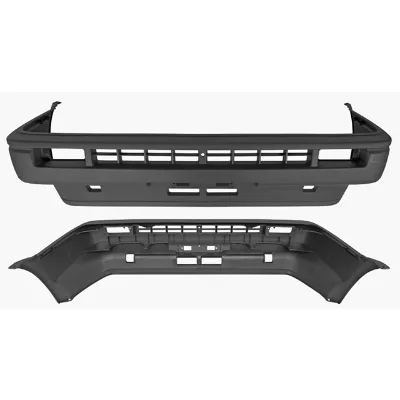


Ultra Durable Scratch Resistant Front Replacement off Road Bumpers
$170000.00 - $200000.00
MOQ: 1 Sets



Comprehensive Sourcing Guide
Front Car Bumper Sourcing Guide
Sourcing front car bumpers requires a strategic balance between aesthetic integration and structural protection, particularly for commercial fleets and aftermarket repair networks. Buyers must navigate a diverse market where materials range from durable steel to lightweight plastic, each offering distinct advantages in cost, weight, and corrosion resistance. The decision often hinges on the specific vehicle class, whether it is a universal pickup, an SUV, or a specialized truck, as these categories demand different mounting geometries and impact absorption profiles. Understanding these material distinctions is the first step in defining a procurement specification that aligns with both budget constraints and performance expectations.
Furthermore, the global supply chain for these components is characterized by significant geographic dispersion, with major manufacturing hubs located in regions such as Taiwan and mainland China, including Guangdong province. This dispersion offers buyers access to varied production capabilities, from high-volume stamping to precision molding, but it also introduces complexities in logistics and quality assurance. Procurement teams must evaluate not just the unit price, but the total landed cost, which includes shipping, tariffs, and potential delays. Establishing clear communication channels with suppliers across these regions is essential for managing expectations regarding lead times, customization options, and after-sales support, ensuring a smooth transition from order placement to final installation.
Product Scope and Observed Listing Signals
The current market landscape for front car bumpers reveals a wide spectrum of product types, ranging from universal fitment solutions to highly specific OEM replacements. Listings frequently highlight materials such as stainless steel and plastic, indicating a bifurcation in the market between heavy-duty applications requiring robust protection and standard passenger vehicles prioritizing weight reduction and design flexibility. Buyers will encounter products labeled for various vehicle makes, including SUVs and pickups, which suggests that many suppliers offer versatile solutions designed to accommodate multiple chassis types. This variety allows for flexible sourcing strategies, though it necessitates careful verification of fitment data to prevent compatibility issues during installation.
Observations of listing details also point to significant variations in packaging and presentation, which serve as indirect indicators of supplier maturity and logistics capability. Some suppliers utilize simple carton packaging, while others employ more protective measures like bubble bags and EPE foam, reflecting a concern for product integrity during transit. Additionally, the presence of specific model numbers and OEM codes, such as X03-28030046, suggests that many suppliers are equipped to handle direct replacement orders for established vehicle models. These signals help buyers identify suppliers who are likely to have the technical documentation and inventory depth required for reliable, repeatable procurement cycles, reducing the risk of receiving mismatched or poorly protected components.
Technical Specifications to Verify
Verifying technical specifications is critical to ensuring that the purchased Front Car Bumper meets the functional and aesthetic requirements of the target vehicle. Buyers should prioritize the verification of material composition, as the choice between steel and plastic directly impacts durability, weight, and repairability. For instance, stainless steel options may offer superior resistance to corrosion and impact, making them suitable for rugged environments, while plastic bumpers often provide better integration with modern vehicle designs and easier repairability. Additionally, the surface finish, such as polishing or priming, should be confirmed to ensure that the component is ready for painting or immediate installation, minimizing additional preparation work at the assembly stage.
Beyond material, precise dimensional accuracy and mounting orientation are paramount for successful integration. Buyers must confirm the exact model number and any associated OEM references to guarantee compatibility with the vehicle’s frame and ancillary components. The orientation of the bumper, whether left-hand or right-hand specific, must be clearly defined to avoid installation errors. Furthermore, the inclusion of customization options should be explored, as many suppliers offer tailored solutions for unique fleet requirements or aftermarket modifications. Ensuring that all these technical parameters are explicitly documented in the purchase order is essential for maintaining quality standards and avoiding costly returns or delays.
Compliance and Safety Documentation
Compliance with international safety and quality standards is a non-negotiable aspect of sourcing front car bumpers, particularly for vehicles intended for regulated markets. Buyers should request documentation that verifies adherence to relevant certifications, such as CE or ISO standards, which indicate that the manufacturing processes and final products meet established safety and quality benchmarks. These certifications provide assurance that the components have undergone rigorous testing and quality control measures, reducing the risk of structural failure or safety hazards during use. It is crucial to verify the validity and scope of these certifications, ensuring they apply specifically to the bumper models being procured.
In addition to formal certifications, buyers should inquire about the quality assurance protocols employed by the supplier, such as 100% testing procedures before dispatch. These protocols serve as an additional layer of protection against defects, ensuring that every unit shipped meets the specified quality criteria. Documentation regarding material safety, such as compliance with environmental regulations for plastics or coatings, may also be required depending on the destination market. By maintaining a comprehensive file of all compliance-related documents, procurement teams can streamline customs clearance, satisfy internal audit requirements, and demonstrate due diligence in their supply chain management practices.
Cost Drivers and Commercial Terms
Understanding the cost drivers associated with front car bumpers is essential for effective budget management and negotiation. The primary factors influencing price include the material type, manufacturing complexity, and order volume. Steel bumpers, for example, may incur higher material costs but offer greater durability, while plastic options might be more cost-effective for high-volume orders. Additionally, customization requests, such as specific colors or mounting configurations, can significantly impact the final price. Buyers should also consider the impact of packaging requirements on cost, as more protective packaging solutions may increase the unit price but reduce the risk of damage-related losses.
Commercial terms, including payment methods and delivery schedules, play a crucial role in the overall procurement strategy. Common payment terms, such as T/T, offer flexibility but require careful management of cash flow and risk. Lead times can vary widely, from immediate dispatch for stock items to extended periods for customized orders, so buyers must align their procurement timelines with operational needs. It is also important to clarify the port of dispatch and any associated logistics costs, as these can affect the total landed cost. Establishing clear commercial terms upfront helps prevent misunderstandings and ensures a smooth transaction process, allowing for better planning and resource allocation.
Supplier Qualification and Quality Control
Supplier qualification is a critical step in mitigating risks associated with sourcing front car bumpers, particularly when dealing with international manufacturers. Buyers should conduct thorough due diligence to assess the supplier’s production capabilities, quality management systems, and financial stability. This may involve reviewing their supply ability, such as monthly production volumes, to ensure they can meet demand without compromising quality. Additionally, verifying the supplier’s track record and customer feedback can provide insights into their reliability and responsiveness. Engaging with suppliers who have established quality control processes, such as 100% testing, further enhances confidence in the consistency of the products received.
Quality control measures should be integrated into the procurement process to ensure that the delivered bumpers meet the specified standards. Buyers may consider implementing pre-shipment inspections or requesting sample approvals before placing large orders. These steps allow for the early detection of potential issues, such as dimensional inaccuracies or surface defects, enabling corrective actions before full-scale production. Furthermore, establishing a clear warranty policy, such as a 12-month warranty, provides an additional layer of protection against defects. By prioritizing supplier qualification and robust quality control, buyers can build a resilient supply chain that supports long-term operational success and customer satisfaction.
Long-Term Procurement Checks
Long-term procurement checks are essential for maintaining the integrity and efficiency of the supply chain for front car bumpers. Regular audits of supplier performance, including metrics such as on-time delivery rates, defect rates, and responsiveness to issues, help identify areas for improvement and ensure continued compliance with quality standards. These checks should also include periodic reviews of market trends and technological advancements, allowing buyers to adapt their sourcing strategies to emerging opportunities and challenges. By staying informed about industry developments, procurement teams can make proactive decisions that enhance value and reduce risks over time.
Additionally, fostering strong relationships with suppliers through open communication and collaborative problem-solving can lead to mutual benefits, such as improved product designs and more favorable commercial terms. Buyers should encourage feedback from end-users and internal stakeholders to identify any recurring issues or areas for enhancement in the bumpers’ performance and fitment. This continuous improvement loop ensures that the procurement process remains aligned with evolving business needs and customer expectations. By implementing systematic long-term checks and maintaining a focus on continuous improvement, organizations can build a sustainable and competitive supply chain that delivers consistent value.
FAQs
What materials are used for front car bumpers?
Front car bumpers are available in steel and plastic materials. Some products use 201 stainless steel for durability, while others utilize plastic for lighter weight. Buyers can select based on specific vehicle requirements and performance needs.
Which certifications do front car bumpers have?
Certified front car bumpers often hold CE and ISO certifications. These standards ensure the products meet international safety and quality requirements. Buyers should verify specific certification documents when sourcing from manufacturers to guarantee compliance.
Can I customize the Front Car Bumper design?
Customization is available for Front Car Bumper orders. Buyers can request specific modifications to fit unique vehicle models or branding needs. This service allows for tailored solutions while maintaining high-quality manufacturing standards.
How long is the delivery time for orders?
Delivery times typically range from one to fifteen days for Front Car Bumper orders. This lead time depends on order volume and specific customization requirements. Buyers should confirm exact schedules with suppliers before finalizing purchases.
What is the warranty period for these parts?
Most front car bumpers come with a twelve-month warranty period. This coverage ensures protection against manufacturing defects and quality issues. Buyers should review specific warranty terms provided by the supplier for complete understanding.
Which packaging methods are used for shipping?
Products are shipped using bubble bags and EPE foam for protection. Some items are packed in cartons to prevent damage during transit. This packaging ensures the front car bumpers arrive in perfect condition for installation.
What is the minimum order quantity required?
Minimum order quantities vary but can start as low as one piece. Some suppliers require up to fifty pieces depending on the product type. Buyers should check specific MOQ requirements with the manufacturer before placing an order.