Source Galaxy Light Bubble Machine for Events, Clubs, and Stages
Explore 30 verified listings for the Galaxy Light Bubble Machine, comparing features like DMX512 control, LED light sources, and power ratings from Chinese manufacturers. Buyers can evaluate specifications including voltage, material, and warranty terms to find the right equipment for their needs.
Updated
Key considerations
Products List
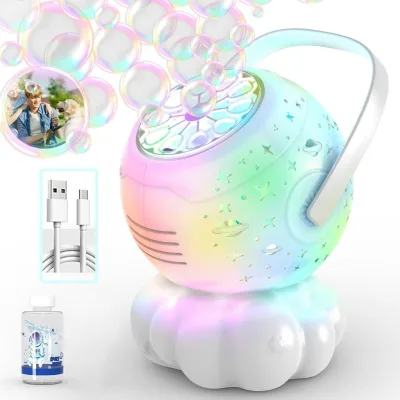
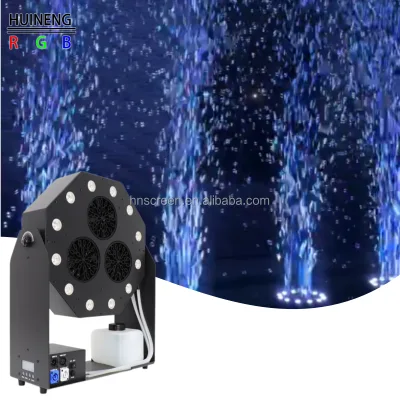
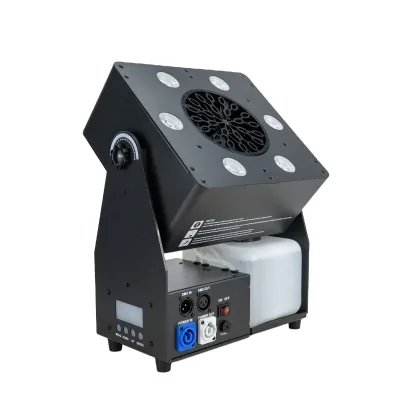
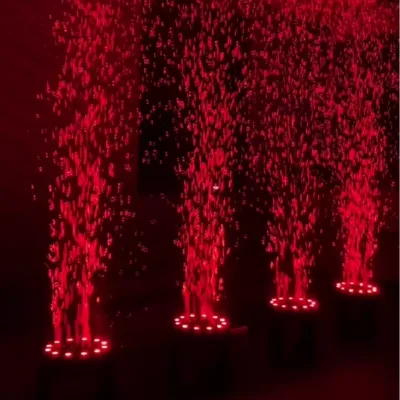
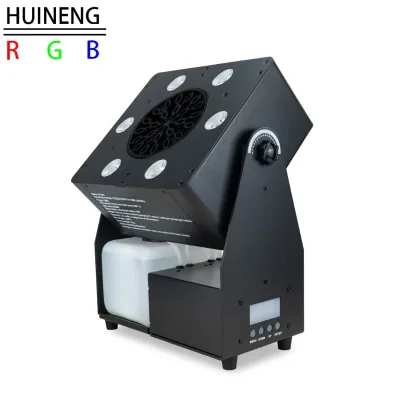

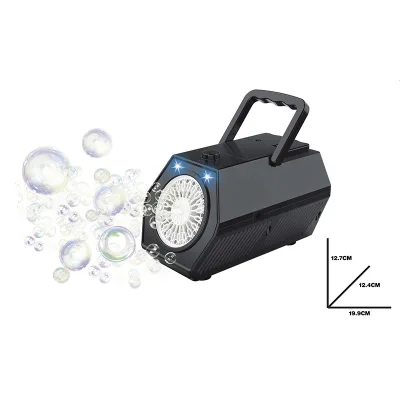


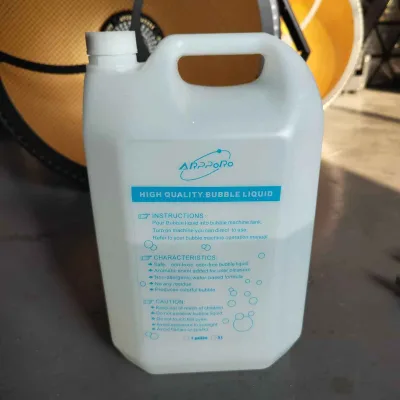

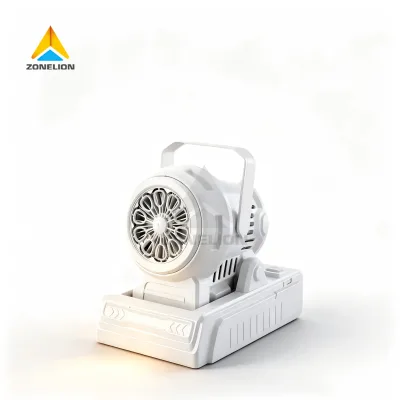
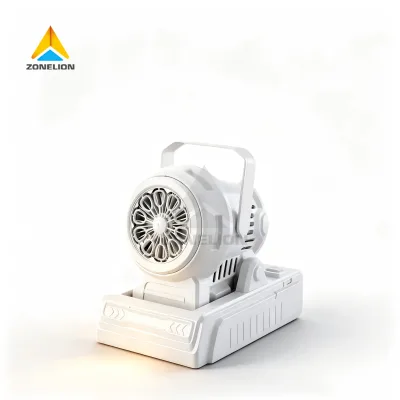
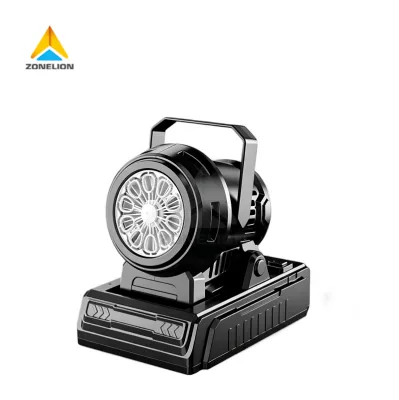
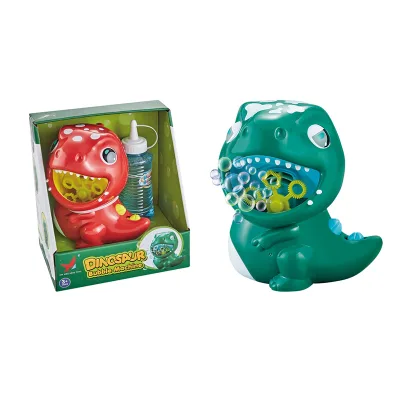


Comprehensive Sourcing Guide
Galaxy Light Bubble Machine Sourcing Guide
Procuring galaxy light bubble machines requires a clear understanding of the dual nature of these devices, which combine atmospheric visual effects with mechanical bubble generation. Buyers must distinguish between units that serve primarily as decorative lighting and those engineered for high-volume event entertainment. The core keyword suggests a focus on aesthetic appeal, often utilizing LED displays to project galaxy-themed visuals while simultaneously producing bubbles. This hybrid functionality demands careful evaluation of both the optical components and the fluid delivery systems to ensure the product meets the specific ambiance requirements of weddings, concerts, or commercial installations.
Sourcing decisions should be guided by the observed market signals, which indicate a wide variance in product capabilities and pricing structures. The available data shows a price range from approximately $1.43 to $1200, reflecting differences in build quality, power output, and control sophistication. Minimum order quantities (MOQs) vary significantly, ranging from single items to bulk orders of thousands, which impacts inventory planning for distributors. Buyers must align their procurement volume with the supplier’s production capacity and the intended end-use, whether for small-scale retail or large-scale event rental fleets.
Product Scope and Observed Listing Signals
The product landscape for galaxy light bubble machines includes diverse configurations, from simple remote-controlled units to complex DMX512-integrated systems. Observed listings highlight specific model numbers such as BB517B8011 and HC001, indicating that manufacturers offer distinct variants tailored to different control needs. Some units are marketed with specific color themes, such as "Galaxy Bubble Machine," while others emphasize technical specifications like power consumption and light source types. This variety allows buyers to select devices that match their technical infrastructure, whether they require plug-and-play simplicity or professional stage integration.
Packaging and logistical attributes are critical for cost estimation and storage planning. Typical batch packaging dimensions are observed at 58x45x47 cm, with gross weights around 14.4 kg for certain models, though other listings may report different metrics based on the specific unit configuration. Selling units are often structured in multiples, such as sets of 24, which is common for wholesale distribution. Buyers should verify the exact packaging details for each SKU to calculate freight costs accurately and ensure that the physical dimensions fit within their warehouse or retail display constraints without incurring unexpected surcharges.
Technical Specifications to Verify
Technical verification must focus on power requirements and control mechanisms to ensure compatibility with existing event infrastructure. Listings indicate voltage ranges of 110V-240V, which is crucial for international procurement to avoid the need for additional transformers. Control methods vary, with some units supporting DMX512 for professional synchronization and others relying on remote controls for standalone operation. Buyers should confirm the power rating, which can range from 90W to 120W, to assess energy efficiency and electrical load management, especially when deploying multiple units in a single venue.
Lighting performance metrics are equally important for achieving the desired visual effect. Specifications may include LED light sources with varying color temperatures, such as 6000K for daylight alert or 4100K for neutral white, alongside color rendering indices (CRI) that impact color accuracy. Some advanced models offer RGBW emitting colors and support for dimming, allowing for dynamic scene adjustments. Buyers must verify the working lifetime, which can extend to 50,000 hours for certain LED components, to ensure long-term reliability and reduce replacement costs over the product’s operational life.
Compliance and Safety Documentation
Compliance verification is essential to mitigate legal and safety risks, particularly for products involving electrical components and moving parts. Suppliers may provide certifications such as RoHS, EMC, and LVD, which indicate adherence to European standards for hazardous substances and electromagnetic compatibility. Other listings might reference FCC or CE marks, signaling compliance with specific regional regulatory frameworks. Buyers must request valid certification documents for each model to ensure that the products meet the safety and environmental standards of their target markets, avoiding potential customs delays or product recalls.
Safety features and material composition also play a role in compliance and user safety. Materials used in construction, such as die-cast aluminum or plastic, should be evaluated for durability and heat resistance, especially given the proximity of light sources to bubble fluid. IP ratings, such as IP20, indicate the level of protection against solid objects and water, which is vital for determining suitable installation environments. Buyers should verify that the product’s working temperature range, often cited between -25°C and 45°C, aligns with the intended operational conditions to prevent performance degradation or safety hazards.
Cost Drivers and Commercial Terms
Cost drivers for galaxy light bubble machines include the complexity of the control system, the quality of the LED components, and the durability of the mechanical parts. Units with DMX512 capabilities and advanced lighting features typically command higher prices due to the additional engineering and component costs. Conversely, simpler remote-controlled models may offer lower entry points but lack the synchronization capabilities required for large-scale professional events. Buyers should analyze the total cost of ownership, including potential maintenance and replacement costs, rather than focusing solely on the initial purchase price.
Commercial terms such as MOQ and lead times significantly impact procurement strategy. Observed MOQs range from 1 to 7600 units, allowing flexibility for both small retailers and large distributors. Buyers must negotiate terms that align with their sales velocity and storage capacity, considering that higher MOQs may offer better unit pricing but increase inventory risk. Warranty periods, often cited as 2 years for certain models, provide a layer of protection against manufacturing defects. Buyers should clarify warranty coverage details, including what components are included and the process for claims, to ensure adequate support for their investment.
Supplier Qualification and Quality Control
Supplier qualification involves assessing the manufacturer’s ability to consistently produce high-quality units that meet specified technical and compliance standards. Buyers should verify the supplier’s production capabilities, including their facility location, which is often in regions like Guangdong, China, known for electronics manufacturing. Quality control processes should be transparent, with suppliers willing to provide pre-shipment inspection reports or allow third-party audits. Buyers must ensure that the supplier has a robust system for managing variations in product attributes, such as weight and dimensions, to maintain consistency across batches.
Quality control extends to the verification of product attributes against the initial specifications. Buyers should request samples to test the actual performance of the bubble generation mechanism and the LED display quality. It is crucial to confirm that the observed specifications, such as power consumption and light output, match the actual product performance. Suppliers with a history of providing accurate product descriptions and responsive customer support are preferable, as they are more likely to address any discrepancies or issues that arise during the procurement process, ensuring a smoother transaction and better long-term partnership.
Long-Term Procurement Checks
Long-term procurement success depends on establishing a reliable supply chain that can adapt to changing market demands and technological advancements. Buyers should monitor supplier performance metrics, such as on-time delivery rates and defect rates, to identify potential issues early. Regular communication with suppliers is essential to stay informed about new product developments, such as updated LED technologies or more efficient bubble mechanisms. Buyers should also consider the availability of spare parts and technical support, which are critical for maintaining the operational readiness of their inventory over time.
Market trends and customer feedback should inform future procurement decisions, ensuring that the product portfolio remains relevant and competitive. Buyers should analyze sales data to identify which features, such as specific control methods or lighting effects, are most valued by end-users. This insight can guide negotiations with suppliers for customized solutions or bulk discounts on high-demand models. By maintaining a strategic approach to supplier relationships and product selection, buyers can optimize their inventory turnover and maximize profitability in the evolving market for galaxy light bubble machines.
FAQs
What is the model number for the HUINENG Galaxy Light Bubble Machine?
The model number is BB517B8011. This unit features a plastic construction with a die-cast aluminum component and an LED display screen. It operates on AC 110-240V voltage and includes DMX512 and remote control capabilities. The package size per batch measures 58x45x47 cm with a gross weight of 14.4 kg.
Can the Galaxy Light Bubble Machine be controlled via DMX512?
Yes, the device supports DMX512 control alongside remote operation. It is designed for stage lighting applications and integrates with lighting solutions services. The unit features an LED light source and operates within a working temperature range of -25 to 45 degrees Celsius, ensuring reliable performance in various environments.
What certifications does the HUINENG bubble machine hold?
The product holds RoHS, EMC, and LVD certifications. Additional compliance includes FCC and CE RoHs standards. These certifications ensure the device meets international safety and environmental regulations. The unit is manufactured in Guangdong, China, and comes with a two-year warranty for buyer assurance and long-term operational support.
What is the power consumption of the Galaxy Light Bubble Machine?
The machine consumes 120W of power. It operates on an input voltage of AC 110-240V at 50/60Hz. The unit features an LED light source and is suitable for warehouse or stage applications. Its compact design allows for easy installation, and it includes a two-year warranty for reliability.
What is the minimum order quantity for this bubble machine?
The minimum order quantity ranges from 1 to 7600 units depending on the supplier. The selling unit is often a multiple of 24 items. Prices vary between 1.43 and 1200 USD. Buyers should verify specific MOQ requirements with manufacturers in Guangdong, China, to ensure alignment with their procurement volume needs.
Where is the Galaxy Light Bubble Machine manufactured?
The product originates from Guangdong, China. It is manufactured by HUINENG, a brand specializing in stage lighting and bubble machines. The facility produces units with plastic and die-cast aluminum materials. Buyers can expect consistent quality standards supported by RoHS, EMC, and LVD certifications for international compliance and safety.