Source Automatic 8 Hole Bubble Gun for Kids Parties, Outdoor Play, and Gifts
Compare 30 listings for the Automatic 8 Hole Bubble Gun from verified suppliers in Guangdong. Buyers can evaluate models like DGA769158 and HYUE based on age range, material, and packaging options for children's toys; compare the available evidence and request quotations based on your requirements.
Updated
Key considerations
Products List
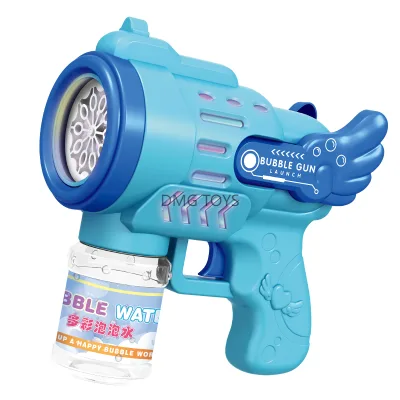
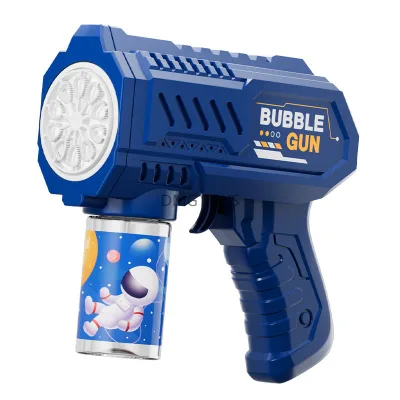
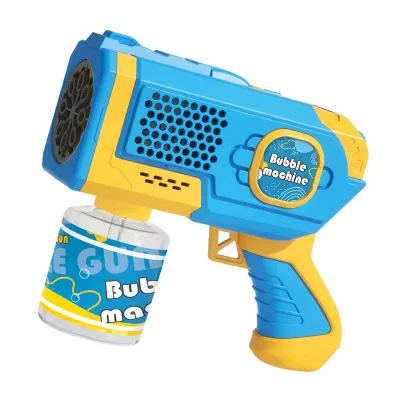
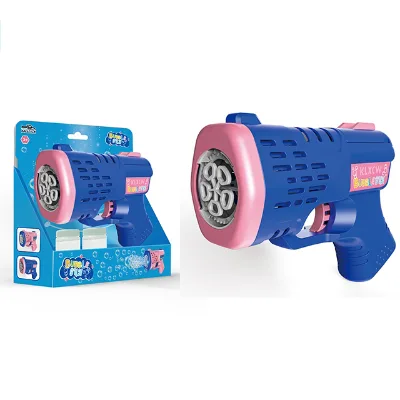
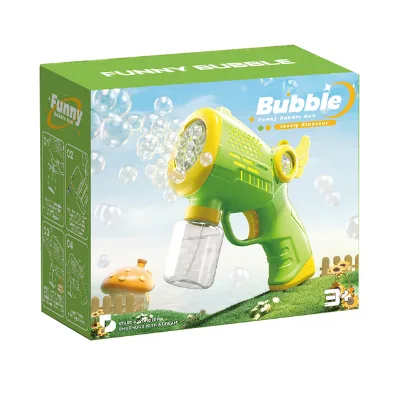
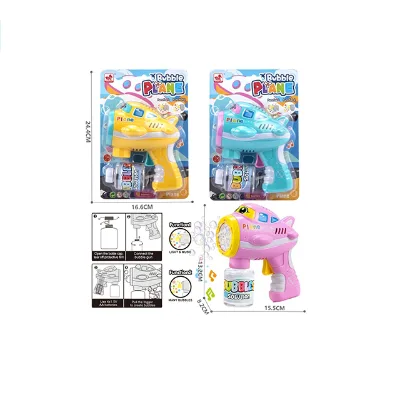


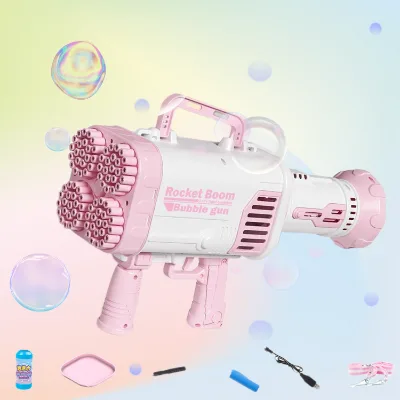
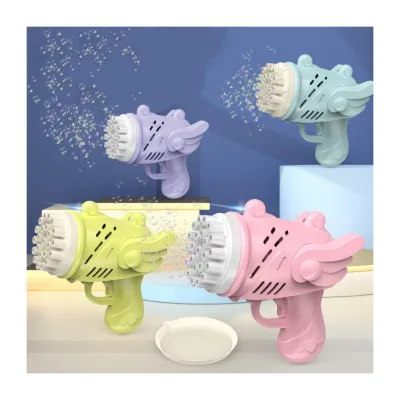
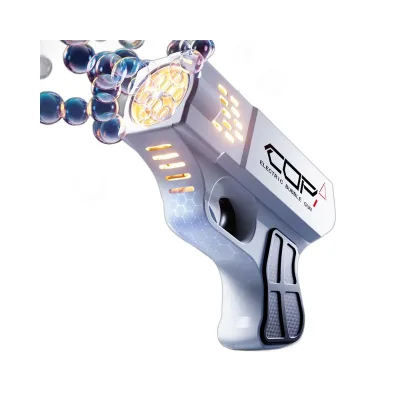
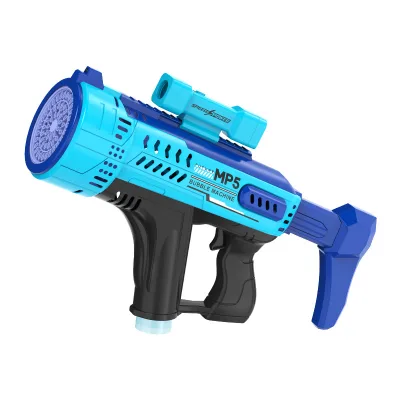
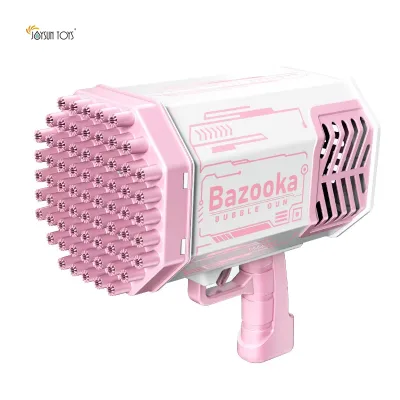


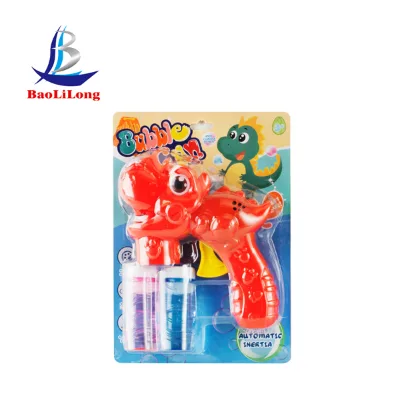
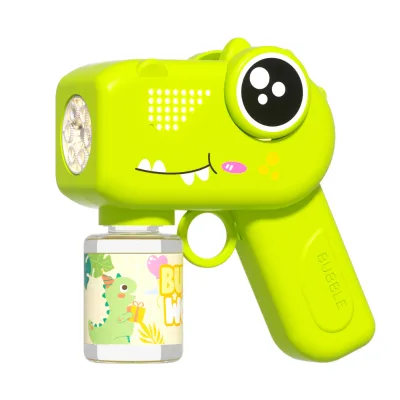
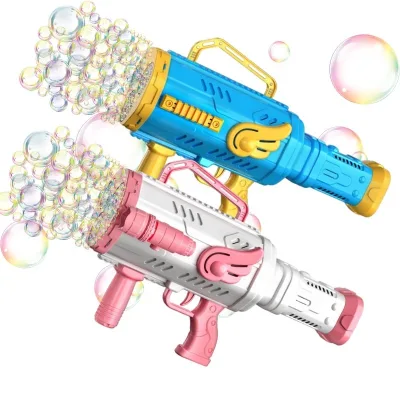
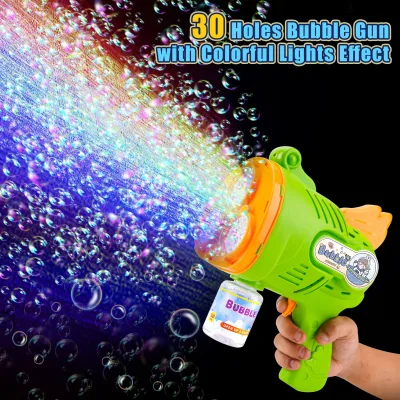


Comprehensive Sourcing Guide
Automatic 8 Hole Bubble Gun Sourcing Guide
Sourcing automatic bubble guns requires careful attention to mechanical reliability and safety compliance, particularly for children’s toys. The market offers various models, including specific configurations like the 8-hole electronic gun, which provides a distinct visual appeal through multiple simultaneous streams. Buyers must distinguish between simple manual triggers and fully automatic electric versions, as the latter involve battery compartments and motorized mechanisms that introduce additional safety considerations. Understanding these functional differences is the first step in defining accurate technical requirements for your procurement team.
The supply chain for these items is heavily concentrated in manufacturing hubs such as Guangdong, China, where a wide variety of designs and price points are available. Listings indicate a broad range of product attributes, from basic plastic construction to more complex electronic features with multiple color options. Procurement specialists should focus on verifying the specific model numbers and packaging details to ensure consistency across orders. This guide outlines the critical verification steps needed to secure reliable supply chains for automatic bubble guns, ensuring that quality and compliance standards are met before finalizing any purchase agreements.
Product Scope and Observed Listing Signals
The observed product landscape includes a diverse array of bubble guns, ranging from simple outdoor play items to more sophisticated electronic models. Specific listings highlight features such as automatic functionality, with model numbers like DGA769158-DGA769161 and DGA769196-DGA769200 indicating distinct variations in size and packaging. These products are primarily made of plastic and are marketed for age groups spanning from toddlers to teenagers, with specific models targeting children aged 2 to 13 years. The variety in single package sizes, such as 17.5x8.5x18 cm or 16x5.8x15 cm, suggests that buyers must carefully evaluate logistics costs based on the specific model selected.
Commercial signals reveal significant flexibility in order quantities, with minimum order quantities (MOQs) ranging from as low as 3 cartons to as high as 20,000 units. This wide range accommodates both small boutique retailers and large-scale distributors. Pricing observations indicate a broad spectrum, with listed prices varying between $0.65 and $8.77 USD, reflecting differences in material quality, electronic complexity, and certification levels. Buyers should note that some suppliers offer OEM/ODM services, allowing for custom branding, while others provide standardized products with fixed specifications. Understanding these commercial variables is essential for accurate budgeting and inventory planning.
Technical Specifications to Verify
When evaluating technical specifications, the physical dimensions and weight of the product are critical for logistics and shelf placement. For instance, certain models have a single gross weight of 0.25 kg or 0.23 kg, while others, like the HYUE brand, weigh 0.400 kg. These variations impact shipping costs and handling requirements. Additionally, the cubic meter (CBM) values, such as 0.331 or 0.198, directly influence container loading efficiency. Buyers must verify these metrics for each specific model to optimize freight costs and ensure that the packaging, whether color boxes or display boxes, meets retail display standards.
Electronic and functional specifications vary significantly across different product lines. Some models are described as "Bubble Machine Automatic" or "Outdoor Play," while others are explicitly labeled as "Electric" with features like "8 Holes Gun." The age range specifications also differ, with some products suitable for ages 5 to 7 years, while others cater to 14 years and up. It is crucial to confirm the power source, battery type, and operational mode for each model. Misalignment between the stated age range and the product’s actual complexity or safety features can lead to compliance issues and customer dissatisfaction, so precise verification of these technical details is mandatory.
Compliance and Safety Documentation
Safety compliance is non-negotiable for children’s toys, and buyers must ensure that all products meet the relevant regional standards. Some observed listings explicitly mention certifications such as EN71, which is a critical safety standard for toys in the European market. Other products may claim ASTM certification, which is relevant for the United States market. Buyers must request valid test reports from accredited laboratories to verify these claims. Relying solely on supplier assertions without documented proof can expose the business to significant legal and reputational risks, especially if products are sold in regulated markets.
Beyond formal certifications, buyers should verify that the materials used are safe and non-toxic. Some listings highlight "Eco-friendly Material" as a feature, which can be a selling point for environmentally conscious consumers. However, this claim should be backed by material safety data sheets or third-party testing results. Additionally, the presence of small parts or electronic components requires careful assessment of choking hazards and electrical safety. Ensuring that the product design aligns with the specified age ranges is also vital; for example, products intended for younger children should not have small detachable parts that pose a choking risk.
Cost Drivers and Commercial Terms
The cost of automatic bubble guns is influenced by several factors, including material quality, electronic complexity, and certification requirements. Basic plastic models without electronic components tend to be at the lower end of the price spectrum, while electric models with multiple holes and advanced features command higher prices. The minimum order quantity (MOQ) also plays a significant role in pricing; larger orders often benefit from economies of scale, resulting in lower per-unit costs. Buyers should negotiate based on volume commitments and consider the total landed cost, including shipping, duties, and insurance, rather than just the unit price.
Commercial terms such as payment methods, lead times, and return policies are critical components of the procurement agreement. While specific lead times are not detailed in the observed data, buyers should establish clear expectations with suppliers regarding production schedules and delivery dates. Customization options, such as OEM/ODM services, may incur additional costs or require higher MOQs. It is essential to clarify who bears the responsibility for packaging design and material sourcing when customization is involved. Transparent communication about these commercial terms helps prevent misunderstandings and ensures a smooth transaction process.
Supplier Qualification and Quality Control
Supplier qualification is a crucial step in mitigating supply chain risks. Buyers should conduct thorough due diligence on potential suppliers, verifying their business licenses, manufacturing capabilities, and past performance. Suppliers located in Guangdong, China, often have established infrastructure for toy manufacturing, but this does not guarantee consistent quality. It is advisable to request samples of the specific models you intend to purchase to evaluate build quality, functionality, and packaging integrity. Assessing the supplier’s responsiveness and professionalism during the sampling phase can provide valuable insights into their reliability as a long-term partner.
Quality control measures should be implemented throughout the production process to ensure that the final products meet your specifications. This includes pre-production inspections to verify materials and components, during-production checks to monitor assembly processes, and pre-shipment inspections to confirm that the goods match the approved samples. Buyers should define clear acceptance criteria for defects, such as cosmetic imperfections or functional failures, and communicate these standards to the supplier. Implementing a robust quality control plan helps minimize the risk of receiving substandard products and protects your brand reputation in the market.
Long-Term Procurement Checks
Long-term procurement success depends on continuous monitoring and relationship management with suppliers. Regular performance reviews should assess factors such as on-time delivery rates, product quality consistency, and responsiveness to issues. Maintaining open communication channels allows for timely resolution of any problems that arise during production or delivery. Additionally, staying informed about changes in regulatory requirements and market trends ensures that your product offerings remain compliant and competitive. Building a strong partnership with reliable suppliers can lead to better pricing, priority production slots, and collaborative innovation opportunities.
As the market evolves, buyers should periodically reassess their supplier base to identify potential risks or opportunities for improvement. Diversifying suppliers across different regions or manufacturers can reduce dependency on a single source and mitigate supply chain disruptions. It is also important to stay updated on new product developments and technological advancements in the toy industry. By proactively managing these aspects, buyers can ensure a stable and efficient supply chain for automatic bubble guns, supporting sustained business growth and customer satisfaction.
FAQs
What are the available model numbers for automatic 8 hole bubble guns?
The available model numbers include DGA769158 through DGA769161, DGA769196 through DGA769200, HYUE, and DK01451826. These models vary in package dimensions and weight, allowing buyers to select options that best fit their shipping and storage requirements for bulk orders.
Can buyers request custom branding for these bubble guns?
Yes, OEM and ODM customization is available for these products. Buyers can work with manufacturers to create unique designs or branding, ensuring the final product aligns with their specific market needs and brand identity while maintaining the core functionality of the automatic bubble gun.
What certifications do these bubble guns meet for safety?
Selected models hold EN71 and ASTM certifications, ensuring compliance with international safety standards for children's toys. These certifications verify that the materials and construction meet rigorous safety requirements, providing assurance for buyers importing products intended for young children in regulated markets.
What is the typical minimum order quantity for these items?
The minimum order quantity ranges from 3 cartons to 20,000 units depending on the specific model and supplier. This flexibility allows both small retailers and large distributors to place orders that suit their inventory levels and budget constraints without excessive upfront capital investment.
Where are these automatic bubble guns manufactured?
These products originate from Guangdong, China, a major hub for toy manufacturing. This location offers established supply chains and production capabilities, enabling efficient manufacturing and export processes for international buyers seeking reliable sources for plastic electronic toys and novelty items.
What age groups are these bubble guns designed for?
The age ranges span from 2 to 4 years up to 14 years and older. This broad targeting ensures the toys are suitable for various developmental stages, making them versatile gifts for children and even older users who enjoy outdoor play and novelty items.