Source Go Kart Dry Clutch for Racing, Off-road, and Utility
Compare 22 Go Kart Dry Clutch options from verified Chinese manufacturers. Buyers can evaluate specifications like model numbers, materials, and supply capabilities to find the right component for racing, off-road, or utility applications; compare the available evidence and request quotations based on your requirements.
Updated
Key considerations
Products List
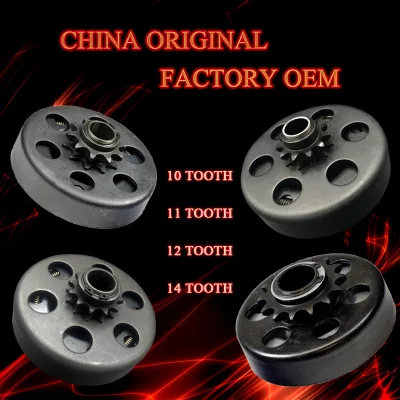
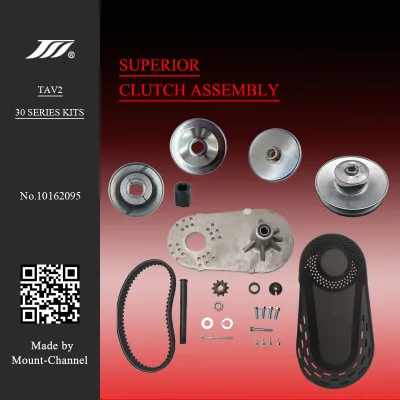
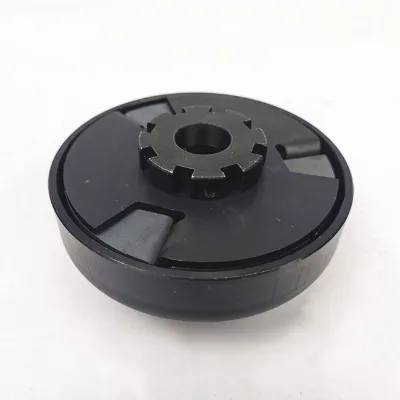
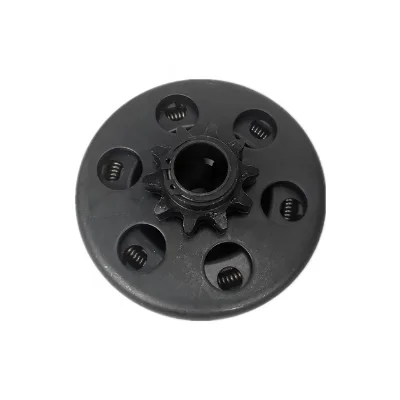
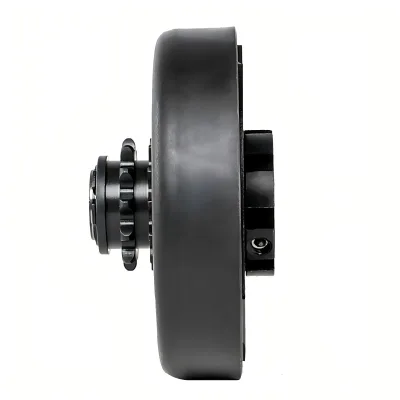
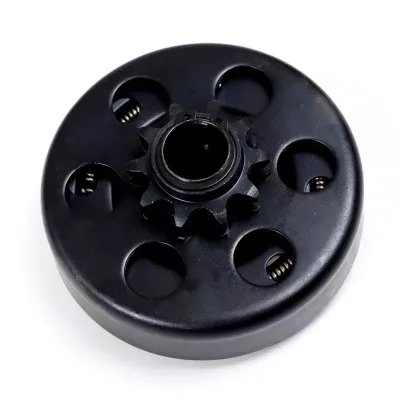
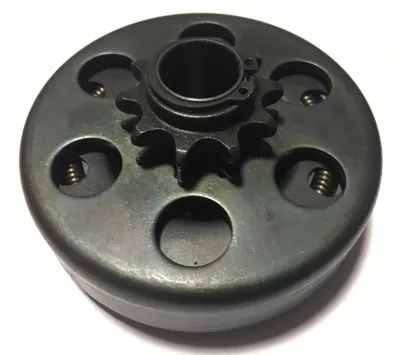
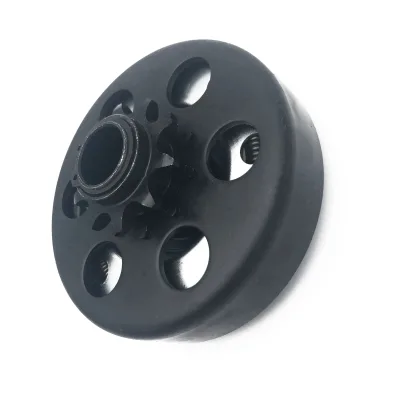
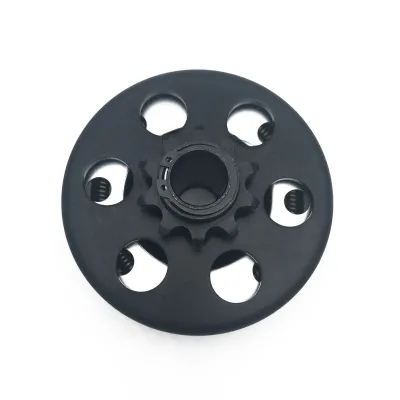
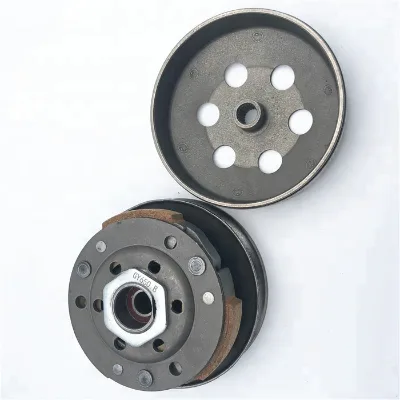
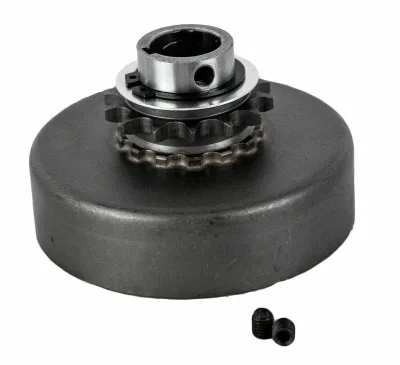
Go Kart Clutch 3/4 Bore 12T 19mm 20mm 35 Chain Centrifugal Clutch for Go Kart Minibike Engines
$13.3756 - $14.4893
MOQ: 10 pieces
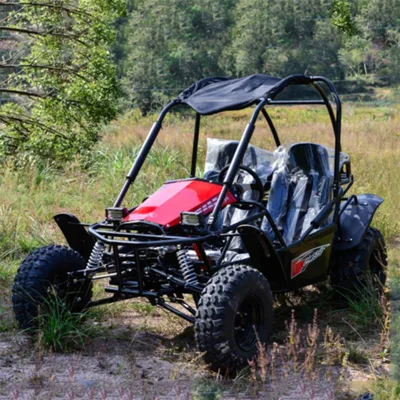
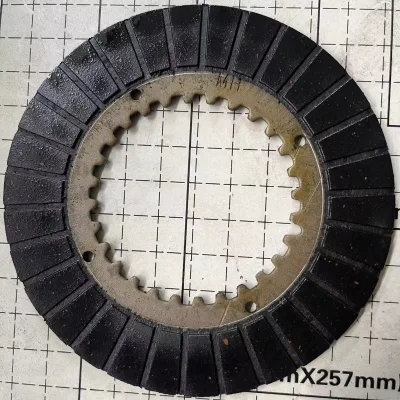
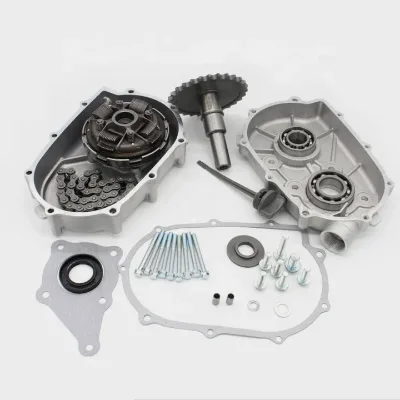
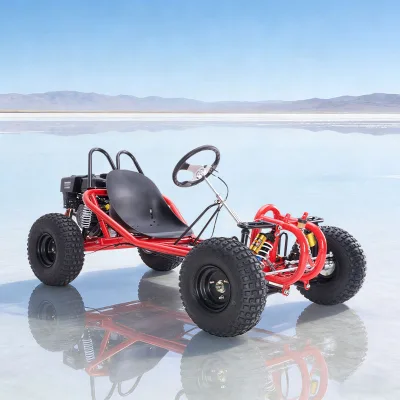
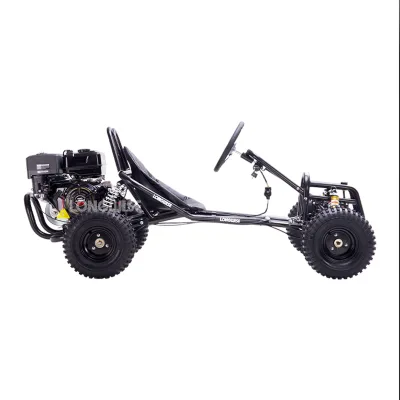
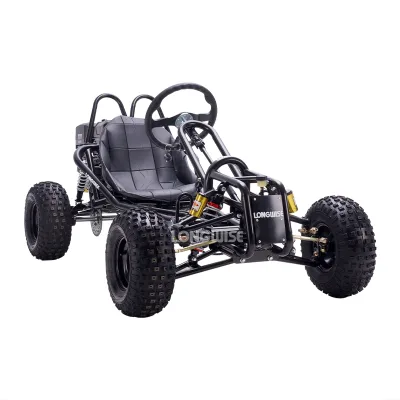
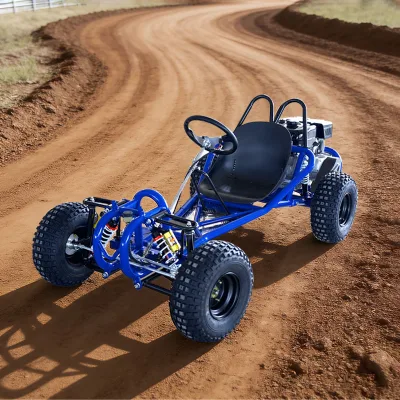


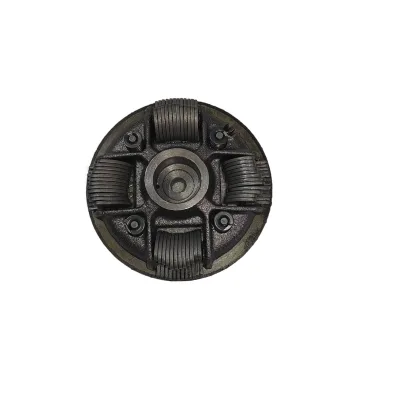
Wet Clutch Go Kart Powered by Honda 160cc Engine Arrowy Racing Rocket Badger
$2800.00 - $3100.00
MOQ: 1 Pieces
Comprehensive Sourcing Guide
Go Kart Dry Clutch Sourcing Guide
Sourcing a Go Kart Dry Clutch requires careful attention to mechanical compatibility and supplier reliability. Buyers must align clutch specifications with their chassis design, ensuring the model number matches the engine’s torque curve and sprocket configuration. The observed market includes various models, such as the 10T KDC and COMET 30 SERIES, each tailored to specific performance needs. Understanding these distinctions prevents costly mismatches between the clutch and the kart’s drivetrain.
Procurement decisions should also consider the supplier’s location and production capacity. Many manufacturers are based in Zhejiang or Fujian, China, offering significant supply abilities ranging from thousands to tens of thousands of sets per week. Evaluating these logistical factors helps buyers secure consistent inventory and faster delivery times. Additionally, verifying the material composition, such as aluminum or metal constructions, ensures the clutch can withstand the high stresses of competitive racing or frequent use.
Product Scope and Observed Listing Signals
The current market for go kart dry clutches presents a diverse range of products with varying price points and minimum order quantities. Prices observed range from $1.88 to $3100, reflecting differences in brand, material quality, and included components like assemblies or single units. Minimum order quantities typically start at one piece but often require 100 sets for bulk pricing, influencing the total cost of ownership for small teams versus large distributors. Buyers should analyze these signals to determine the most cost-effective purchasing strategy for their specific volume requirements.
Product names and descriptions vary significantly, with listings using terms like "10T Go Kart Clutch," "COMET 30 SERIES CLUTCH," and "go Kart clutch assy." These variations indicate different levels of completeness, with some listings offering just the clutch mechanism and others providing full assemblies. The color options, primarily black or as pictured, suggest aesthetic customization is available. Buyers must carefully review product names to ensure they are purchasing the exact component needed, avoiding confusion between standalone clutches and complete assembly kits.
Technical Specifications to Verify
Verifying technical specifications is critical to ensure the clutch fits the go kart’s engine and drivetrain. Key parameters include the model number, such as 10T KDC or AJKDC, and the chain type, which may be #35 or #420. The tooth count, often 12T, must match the rear sprocket to maintain proper gear ratio and performance. Additionally, the size designation, such as STD, and the single package dimensions, like 8X8X5 cm, help in planning storage and shipping logistics. Buyers should cross-reference these details with their kart’s manual to avoid mechanical incompatibilities.
Material composition and weight are also essential technical factors. Listings indicate materials ranging from aluminum to general metal, affecting durability and heat dissipation. The single gross weight varies, with some units weighing up to 1.500 kg, which impacts the overall kart weight and handling. Height specifications, such as 1.14kg, may refer to the clutch’s physical dimensions or weight, requiring clarification from the supplier. Ensuring these technical details align with performance expectations helps buyers select a clutch that enhances speed and reliability without adding unnecessary mass.
Compliance and Safety Documentation
Compliance and safety documentation are vital for ensuring the clutch meets industry standards and regulatory requirements. Many suppliers provide ISO9001 certification, indicating adherence to quality management systems. This certification suggests a consistent manufacturing process, which is crucial for safety-critical components like clutches. Buyers should request copies of these certificates to verify the supplier’s commitment to quality and safety protocols. Additionally, some products are marked as "100% Tested," providing assurance that each unit has undergone rigorous inspection before shipment.
Beyond certifications, buyers should inquire about specific safety tests and performance validations. While not all listings detail test results, the "High Quality" and "High Performance" labels imply certain standards are met. It is advisable to ask for test reports or data sheets that outline the clutch’s torque capacity and heat resistance. Understanding these compliance aspects helps buyers mitigate risks associated with component failure. Ensuring that the clutch meets relevant safety standards protects both the driver and the equipment, fostering a safer racing environment.
Cost Drivers and Commercial Terms
Cost drivers for go kart dry clutches include material costs, manufacturing complexity, and supplier location. Aluminum components may command higher prices due to their lightweight and durability benefits. Supply ability, ranging from 5000 sets per month to 100000 sets per week, also influences pricing, with larger volumes often securing better rates. Buyers should consider these factors when negotiating contracts, as higher supply capacities can lead to more competitive pricing and better availability during peak seasons.
Commercial terms such as payment methods, packaging, and lead times significantly impact the total cost. Suppliers accept various payment options, including T/T, LC, Western Union, and PayPal, offering flexibility for different financial arrangements. Packaging details, such as carton or customized packages, affect shipping costs and product protection. Lead times, typically 30 days after advance payment, must be factored into production schedules. Understanding these commercial terms helps buyers plan their procurement process efficiently and avoid unexpected expenses.
Supplier Qualification and Quality Control
Supplier qualification involves assessing the manufacturer’s reputation, production capabilities, and quality control measures. Many suppliers are located in Wenling, Zhejiang, or Fujian, China, regions known for automotive component manufacturing. Buyers should verify the supplier’s OEM acceptance, as this indicates flexibility in customizing products to specific requirements. Additionally, checking the supplier’s supply ability ensures they can meet large orders without compromising quality or delivery times.
Quality control processes, such as "100% Tested" claims, are essential for ensuring product reliability. Buyers should request information on the testing procedures and quality assurance protocols used by the supplier. Inquiring about defect rates and warranty policies can provide further insight into the supplier’s confidence in their products. Establishing a strong relationship with a qualified supplier helps maintain consistent quality and reduces the risk of receiving defective components. Regular audits and feedback loops can further enhance the quality control process.
Long-Term Procurement Checks
Long-term procurement checks involve monitoring supplier performance and market trends to ensure continued value. Buyers should track delivery times, product consistency, and customer service responsiveness over multiple orders. Establishing key performance indicators (KPIs) for these metrics helps identify potential issues early and allows for corrective actions. Regularly reviewing supplier certifications and quality control updates ensures they remain compliant with evolving industry standards.
Market analysis is also crucial for long-term success. Keeping an eye on price fluctuations, new product introductions, and technological advancements in clutch design helps buyers stay competitive. Engaging with multiple suppliers can provide leverage in negotiations and ensure supply chain resilience. By maintaining a proactive approach to procurement, buyers can secure reliable, high-quality go kart dry clutches that support their racing or operational goals effectively.
FAQs
What materials are used for go kart dry clutches?
Go kart dry clutches are typically constructed from aluminum or metal to ensure durability and heat resistance during high-performance racing. These materials provide a lightweight yet robust structure capable of withstanding the mechanical stress of sudden engagement. Manufacturers often select specific alloys to balance weight and strength, ensuring consistent performance across various track conditions and driving styles.
What is the typical MOQ for bulk orders?
The typical minimum order quantity for bulk purchases is 100 sets or pieces, depending on the specific supplier and model. This threshold allows manufacturers to optimize production runs while offering buyers a manageable entry point for inventory. Buyers should verify the exact MOQ with their chosen vendor, as some may offer flexible terms for custom or OEM orders.
Which certifications do reputable manufacturers hold?
Reputable manufacturers often hold ISO9001 certification, demonstrating adherence to international quality management standards. This certification ensures consistent production processes and reliable product quality. Buyers should request valid certification documents to verify compliance, as this indicates a commitment to standardized manufacturing practices and continuous improvement in product reliability and safety.
How long is the delivery lead time?
The standard delivery lead time is approximately 30 days after receipt of the advance payment. This timeframe allows for production, quality control, and logistics preparation. Buyers should plan their inventory accordingly and confirm the exact schedule with the supplier, as lead times may vary based on order volume, customization requirements, and current production capacity.
Can I request custom packaging for my brand?
Yes, many manufacturers welcome OEM requests and offer customized packaging options. Buyers can choose from carton, color carton, or fully customized packages to match their branding needs. This flexibility allows businesses to maintain brand consistency and enhance product presentation. Buyers should discuss specific design requirements and minimum quantities for custom packaging with their supplier.
What payment methods are accepted for orders?
Common payment methods include T/T, LC, Western Union, and PayPal, providing flexibility for international transactions. These options cater to different buyer preferences and risk management strategies. Buyers should confirm the accepted payment terms with their supplier before placing an order, ensuring smooth financial processing and adherence to the agreed-upon contract conditions for the transaction.