Source Green Outdoor Indoor Pickleball for Training, Racing, Entertainment
Compare 30 listings of Green Outdoor Indoor Pickleball balls suitable for training, racing, and entertainment. Buyers can review specifications like hole count, material, and customization options from verified suppliers in China.
Key considerations
Products List


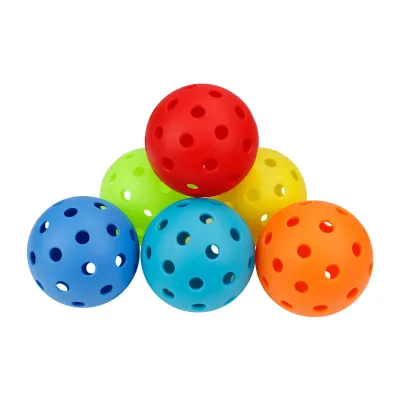

Wholesale High Quality Outdoor Pickleball Balls Indoor Plastic Pickleball Ball
$0.12 - $0.13
MOQ: 300 Pieces


Outdoor Indoor Pickleball Balls Specifically Designed and Optimized for Pickleball Balls
$0.12 - $0.13
MOQ: 300 Pieces
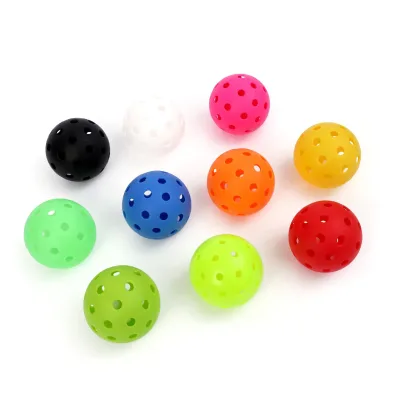
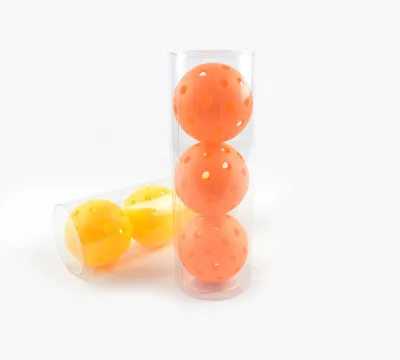
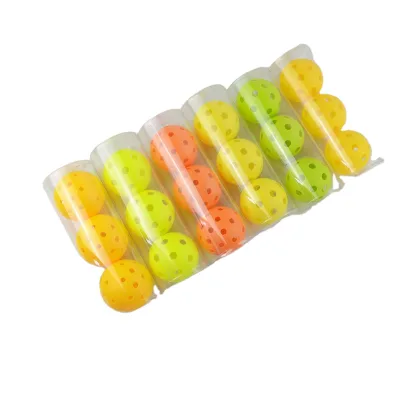
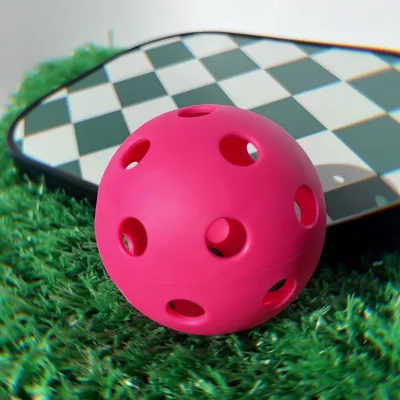
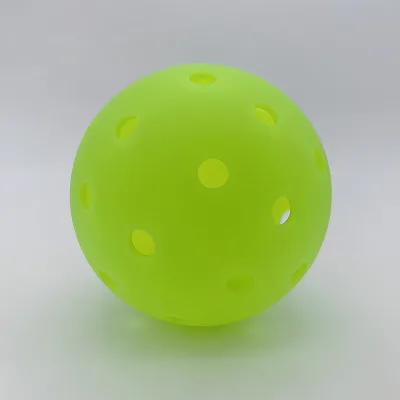

High Quality and Durable Indoor Outdoor Pickleball 40-Hole Practice Pickleballs
$0.25 - $0.45
MOQ: 500 Pieces

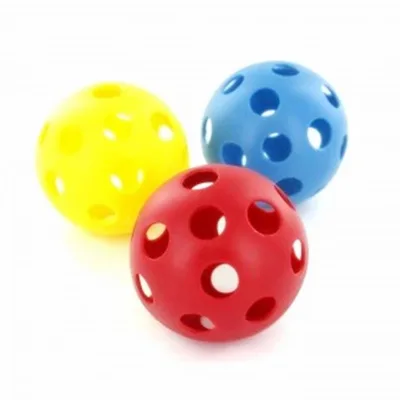
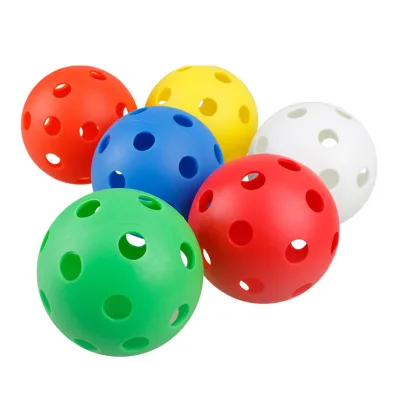


Comprehensive Sourcing Guide
Strategic Sourcing Guide for Green Outdoor and Indoor Pickleball Equipment
Understanding Product Specifications and Material Composition
When sourcing green outdoor and indoor pickleball equipment, buyers must first establish a clear understanding of the technical specifications that define product performance. The core product under consideration is the pickleball ball, which serves as the primary interface between the player and the court surface. Based on observed market data, the standard diameter for these balls typically falls within the range of 73mm to 74mm, with specific model instances recorded at 74mm (2.9 inches). This dimensional consistency is critical for ensuring that the equipment meets the regulatory requirements for official play, whether in a professional tournament or a recreational community center.
The material composition of the ball is another fundamental specification that dictates its suitability for different playing environments. The supply chain for these items reveals the use of high-density polyethylene (PE) and polypropylene (PP) as primary plastic types. Some variations incorporate Ethylene-Vinyl Acetate (EVA) blends, which are often utilized to enhance durability and shock absorption. The weight of the balls is generally observed between 22g and 25g, a range that ensures the ball maintains the necessary aerodynamic properties for stable flight. Buyers should verify that the specific models they procure align with these weight and diameter parameters to avoid discrepancies in gameplay.
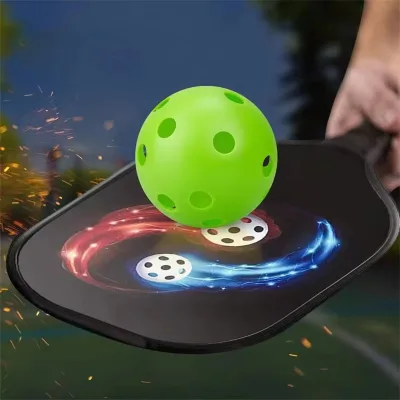
Color is a distinct visual characteristic that plays a significant role in product selection. The market data highlights a strong preference for green balls, noted for their brightness and high visibility. This "Bright in Color" attribute is not merely aesthetic; it serves a functional purpose by allowing players to track the ball's trajectory against various court backgrounds, particularly in outdoor settings where lighting conditions can vary. The availability of customization options allows buyers to request specific branding or color variations, though the standard green hue remains a dominant feature in the inventory.
Compliance, Standards, and Certification Verification
In the realm of B2B procurement for sports equipment, verifying compliance with industry standards is essential for risk mitigation. While specific certification bodies are not explicitly detailed in the available product data, buyers must rigorously check that the products adhere to recognized international standards for sports equipment. The physical standard of 73mm to 74mm is a key metric that must be validated against the supplier's documentation. Any deviation from this range could render the balls non-compliant for official use.
Buyers should also scrutinize the origin of the products to ensure they meet the quality expectations associated with the manufacturing region. The data indicates that production originates from key manufacturing hubs in China, specifically Ningbo City in Zhejiang Province and Anhui Province. These regions are known for their established plastic molding industries, but the presence of a specific location does not automatically guarantee quality. Procurement teams must request evidence of quality management systems, such as ISO certifications, to ensure that the manufacturing processes in these locations consistently produce balls that meet the required durability and safety standards.
Furthermore, the distinction between outdoor and indoor specifications is a critical area for compliance. The product listings differentiate between "Pickleball Outdoor Ball" and general "Outdoor Indoor Pickleball Balls." Outdoor balls typically require a more robust construction to withstand wind resistance and UV exposure, whereas indoor balls prioritize surface friction and flight stability on smooth courts. Buyers must ensure that the supplier clearly labels the intended usage environment for each SKU to prevent the procurement of the wrong type of ball for a specific facility.
Cost Drivers and Pricing Dynamics
The pricing structure for green pickleball balls is influenced by several dynamic factors, including material costs, order volume, and customization requirements. The observed price range in the market spans from $0.12 to $8.90 per unit. This wide variance suggests that the final cost is heavily dependent on the specific model, the quantity ordered, and the level of customization applied. Lower prices in the $0.12 range likely correspond to bulk orders of standard, non-branded units with minimal packaging. Conversely, prices approaching $8.90 may reflect smaller order quantities, premium materials, or extensive custom branding efforts.
Minimum Order Quantity (MOQ) is a significant driver of unit cost. The data shows an MOQ range from 1 unit to 20,000 units. Suppliers offering an MOQ of 100 or 300 units allow for smaller-scale testing and entry into the market, while those requiring 20,000 units are geared toward large-scale distributors. Buyers should note that the MOQ is often tied to the customization level; standard products may have lower thresholds, whereas custom logo printing and specific packaging requirements typically necessitate higher volume commitments to amortize the setup costs.
Packaging also impacts the overall cost structure. The standard packing method identified is carton packaging, with specific single package dimensions noted as 42x24x5 cm. The choice of packaging material and the complexity of the carton design can influence the final landed cost. Additionally, the availability of samples is a crucial factor for buyers. Suppliers that provide samples allow for quality verification before committing to large orders, though this may involve additional logistics costs that should be factored into the total procurement budget.
Typical Applications and Target Audience Segmentation
The versatility of green pickleball balls makes them suitable for a wide array of applications, catering to diverse target audiences. The product data identifies the target audience as including youth, children, adults, and professional players. This broad demographic reach implies that the equipment must be durable enough for high-intensity training sessions while remaining safe and accessible for recreational use. The usage categories listed include entertainment, racing, and training, indicating that these balls are designed for both casual play and competitive environments.
For professional players and training facilities, the performance characteristics of the ball are paramount. Attributes such as "Good Flight Stability" and "Good Surface Friction Performance" are essential for maintaining consistent gameplay. These features ensure that the ball responds predictably to serves and volleys, which is critical for skill development and competitive integrity. The "Long Service Life" characteristic is particularly valuable for training centers that experience high usage rates, as it reduces the frequency of replacement and lowers the total cost of ownership.
In recreational and youth settings, the bright green color and durability of the balls are key selling points. The "Bright in Color" attribute aids in visibility for younger players who may still be developing their hand-eye coordination. Furthermore, the availability of the balls for "Double" and "Group" play supports the social nature of the sport, making them ideal for community leagues and family events. The fact that "Small Orders" are accepted by some suppliers allows local clubs and schools to procure equipment without the burden of large inventory commitments.
Supplier Evaluation and Sourcing Strategy
Evaluating suppliers for green pickleball balls requires a multi-faceted approach that goes beyond price comparison. Buyers should prioritize suppliers who demonstrate transparency in their product specifications and manufacturing processes. The presence of specific model numbers, such as X40, TLPB01, and WR-0313-16, indicates a level of product standardization that can be leveraged for quality assurance. However, buyers must be cautious of variations in brand names, such as "Teloon" and "Max Song," as these may represent different tiers of quality or different manufacturing lines.
When assessing potential suppliers, buyers should verify the consistency of the product attributes across different batches. The data indicates that some products use PE+EVA blends while others rely on pure PE or PP. This variation suggests that not all suppliers offer the same material composition, and buyers must specify their requirements clearly to ensure they receive the desired product. Additionally, the availability of "Customized Logo Printing" is a common feature, but the quality of the printing and the durability of the logo under play conditions should be verified through sample testing.
The geographic origin of the products, specifically Ningbo and Anhui in China, provides insight into the supply chain logistics. Buyers should consider the lead times associated with shipping from these regions and the reliability of the logistics partners. While the data does not provide specific lead times, the existence of "Small Orders" and "Sample" provisions suggests that some suppliers are flexible and responsive to buyer needs. Establishing a relationship with a supplier that offers sample availability can significantly reduce the risk of large-scale procurement errors.
Quality Control and Long-Term Procurement Considerations
Implementing a robust quality control (QC) protocol is essential for maintaining the integrity of the procurement process. Given the wide range of observed prices and MOQs, buyers must establish clear acceptance criteria for the products they purchase. Key quality metrics should include the verification of ball diameter (73mm-74mm), weight (22g-25g), and material composition. Visual inspections should focus on the uniformity of the green color and the absence of surface defects that could affect flight stability.
For long-term procurement, buyers should consider the "Long Service Life" attribute as a critical factor in their decision-making. Products that offer extended durability reduce the frequency of reordering and minimize downtime for facilities. The "Durable" feature listed in the product attributes should be validated through real-world testing, particularly for outdoor applications where exposure to the elements can accelerate wear and tear. Buyers should also evaluate the supplier's ability to provide consistent quality over time, as fluctuations in material quality can lead to performance issues.
Sustainability and environmental considerations are increasingly important in B2B procurement. While the specific environmental certifications are not detailed in the data, buyers should inquire about the recyclability of the PE and PP materials used in the balls. The use of carton packaging is standard, but the sustainability of the packaging materials and the efficiency of the packing process (e.g., the 42x24x5 cm dimensions) can impact the carbon footprint of the shipment. By prioritizing suppliers who demonstrate a commitment to quality and sustainability, buyers can ensure a stable and responsible supply chain for their green outdoor and indoor pickleball equipment needs.
FAQs
What are the standard dimensions for green pickleball balls?
The standard diameter for these balls is 73mm to 74mm, with specific models recorded at 74mm or 2.9 inches. This dimensional consistency ensures compliance with official play requirements for both outdoor and indoor courts.
Which materials are used to manufacture these green balls?
Manufacturers primarily use high-density polyethylene (PE) and polypropylene (PP), with some variations incorporating Ethylene-Vinyl Acetate (EVA) blends. These materials are selected to enhance durability, shock absorption, and overall flight stability.
How much do green pickleball balls typically weigh?
The observed weight range for these balls is between 22g and 25g. This specific weight ensures the ball maintains necessary aerodynamic properties for stable flight during gameplay.
Can buyers request custom logos on these pickleball balls?
Yes, customization is available for branding, including customized logo printing. Buyers should note that custom branding often requires higher minimum order quantities to amortize the setup costs involved in the production process.
Where are these green pickleball balls manufactured?
Production originates from key manufacturing hubs in China, specifically Ningbo City in Zhejiang Province and Anhui Province. These regions are known for their established plastic molding industries and supply chain capabilities.
What is the minimum order quantity for these balls?
The minimum order quantity ranges from 1 unit to 20,000 units depending on the supplier and customization level. Some suppliers offer low MOQs like 100 or 300 units for testing, while bulk orders may require higher commitments.