Source heat protection leave-in spray for styling, repair, and care
Find 30 heat protection leave-in spray options from verified Chinese manufacturers. Compare features like nourishing formulas, volume sizes, and OEM services to select the right thermal protection for home or professional use; compare the available evidence and request quotations based on your requirements.
Updated
Key considerations
Products List
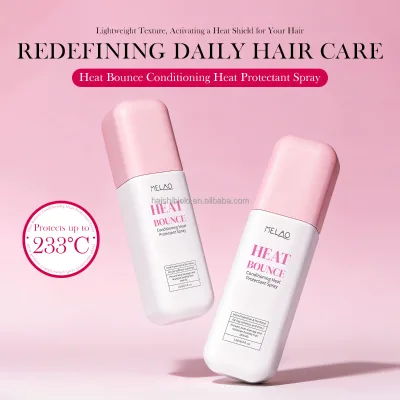
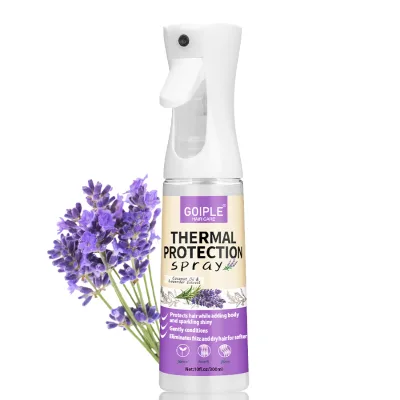
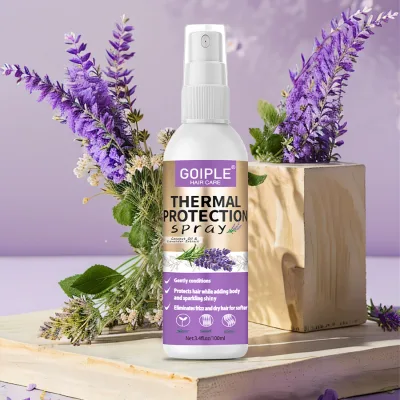
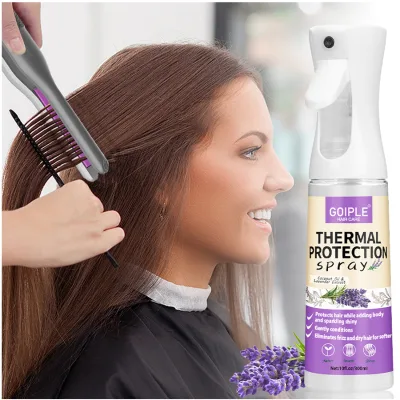
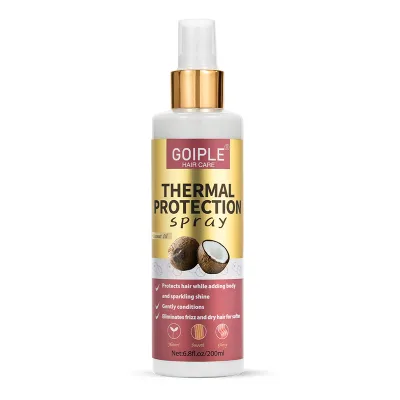
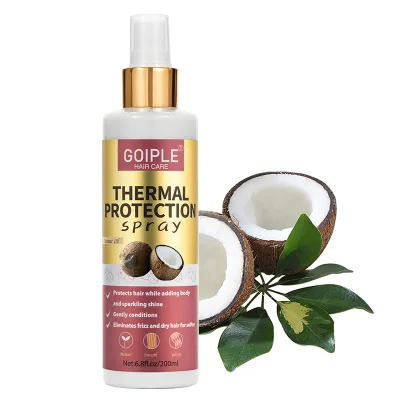
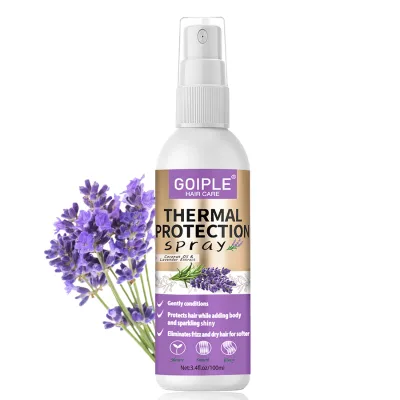
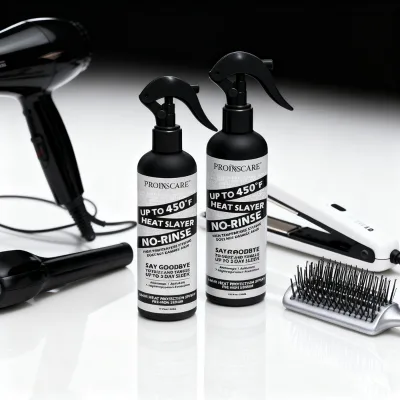
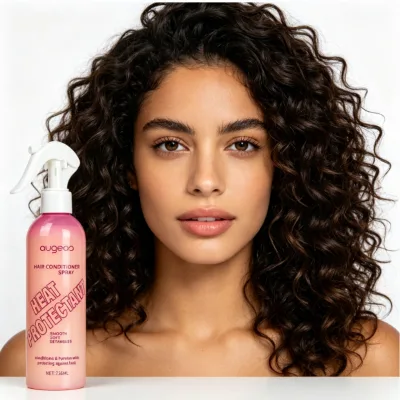
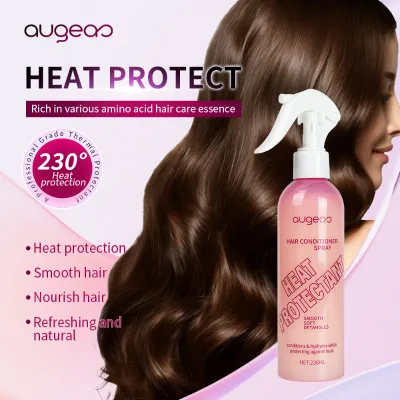

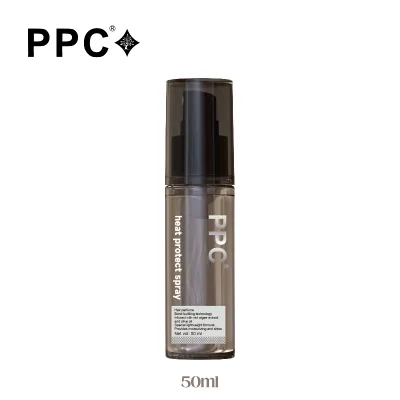
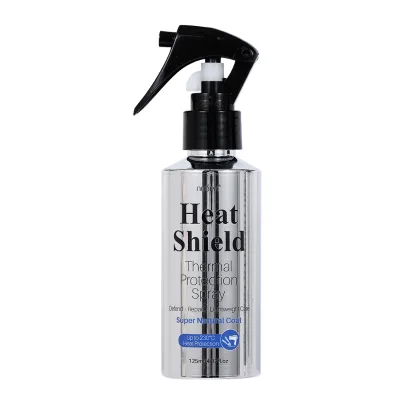
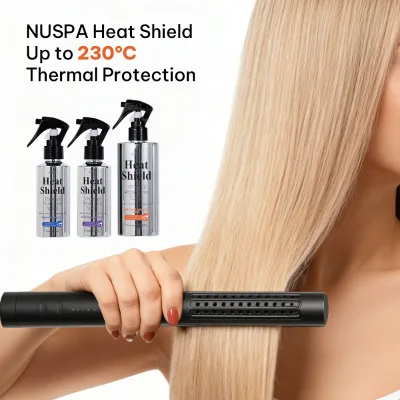
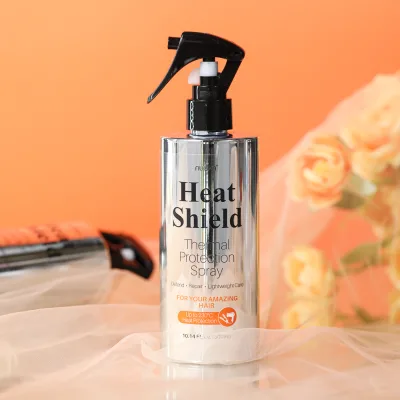
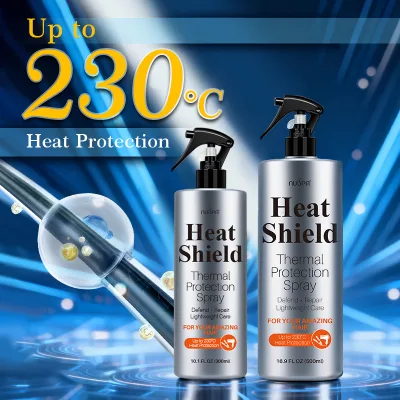
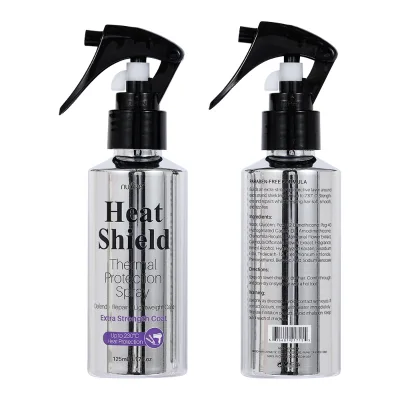
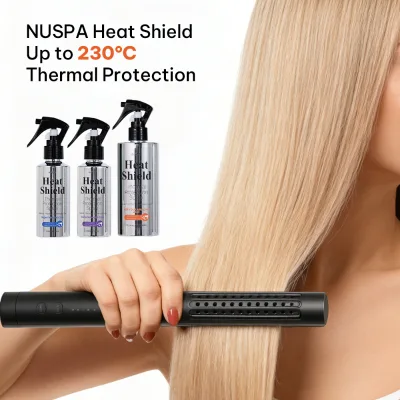
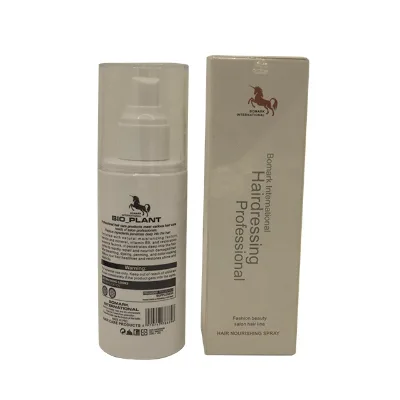
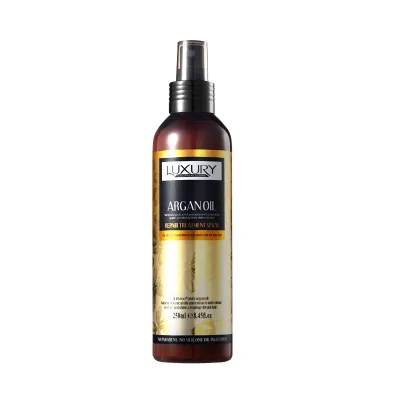
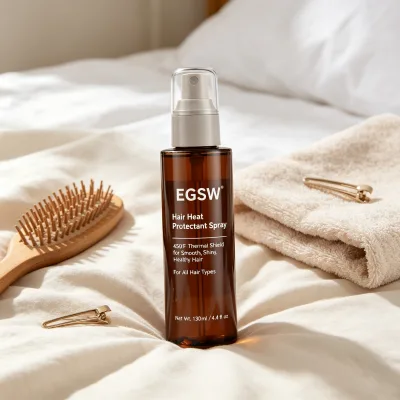


Private Label Organic Heat Protection Hair Mist Smooth Thermal Protector Spray
$2.12 - $2.38
MOQ: 5000 Pieces

Vsiu Custom Private Label Lightweight Silky Heat Protectant Spray for Hair
$2.12 - $2.38
MOQ: 5000 Pieces


Comprehensive Sourcing Guide
Heat Protection Leave-In Spray Sourcing Guide
Procuring heat protection leave-in sprays requires a strategic approach to balancing thermal defense efficacy with ingredient safety and regulatory compliance. Buyers must navigate a market where products range from basic silicone-based shields to complex, protein-enriched formulations designed for hair repair and nourishment. The core value proposition lies in the product’s ability to protect hair from high-heat styling tools while delivering secondary benefits such as smoothing, color protection, and moisturizing. Sourcing decisions should prioritize suppliers who can demonstrate consistent performance in these areas, ensuring that the final product meets the specific needs of end-users who demand both immediate styling results and long-term hair health.
This guide outlines the critical verification steps for sourcing these products, focusing on technical specifications, compliance documentation, and commercial terms. By understanding the observed listing signals, such as volume variations and ingredient profiles, buyers can better evaluate supplier capabilities. The emphasis is on due diligence regarding certifications like ISO22716 and GMP, which are essential for ensuring product safety and quality. Additionally, buyers must assess the supplier’s ability to provide OEM/ODM services and private labeling options, which are crucial for brand differentiation in the competitive hair care market.
Product Scope and Observed Listing Signals
The observed product landscape for heat protection leave-in sprays reveals a diverse range of formulations and packaging options. Listings indicate volumes varying from 100ml to 300ml, with some customizable options available, suggesting flexibility in meeting different market demands. Key ingredients frequently cited include Panthenol, Hydrolyzed Wheat Protein, Hydrolyzed Keratin, and Hydrolyzed Silk, which contribute to the product’s nourishing and repairing properties. Other formulations highlight natural ingredients like Coconut Oil and Castor Oil, appealing to consumers seeking gentle, safe, and easy-to-use leave-in treatments. These ingredient profiles directly influence the product’s functionality, offering benefits such as scalp care, shine enhancement, and damage repair.
Brand presence in this category is often tied to private label opportunities, with suppliers offering services like OEM and ODM to support custom branding. The observed data shows that products are marketed for home use, emphasizing convenience and professional-grade results for everyday consumers. Keywords such as "hot protectant spray" and "thermal protection spray" are commonly used to describe these items, highlighting their primary function of shielding hair from heat damage. Buyers should note that while some listings specify a single gross weight or package size, these metrics can vary significantly based on the chosen volume and packaging design, requiring careful verification during the sourcing process.
Technical Specifications to Verify
Verifying technical specifications is crucial to ensuring that the heat protection spray meets performance expectations and regulatory requirements. Buyers should confirm the product’s model number and specific formulation details, such as the concentration of active ingredients like Panthenol and Hydrolyzed Keratin. The type of spray mechanism and nozzle design also play a significant role in user experience, affecting the evenness of application and the overall feel of the product. Additionally, the shelf life of the product, typically observed as three years, should be clearly stated to ensure inventory management aligns with product stability. Buyers must also verify the place of origin, with many suppliers based in Guangdong, China, which may impact logistics and supply chain reliability.
Furthermore, the physical attributes of the packaging, including single package size and gross weight, are essential for calculating shipping costs and storage requirements. For instance, observed package dimensions vary, with some listings indicating sizes like 35x15x10 cm for larger volumes, while others show more compact dimensions for smaller bottles. Buyers should request detailed specifications for each SKU to ensure accurate forecasting and logistics planning. It is also important to verify the product’s application method, ensuring it is suitable for leave-in use and provides the promised benefits of smoothing and color protection. Clear technical documentation helps prevent discrepancies between ordered and delivered goods.
Compliance and Safety Documentation
Compliance with international safety standards is non-negotiable when sourcing hair care products, particularly those intended for leave-in use. Buyers must verify that suppliers possess relevant certifications, such as CPNP, SCNP, GMP, COA, MSDS, CPSR, and ISO22716. These certifications indicate that the product has undergone rigorous testing for safety, quality, and manufacturing practices. The presence of a Certificate of Analysis (COA) is particularly important, as it provides detailed information about the product’s composition and ensures it meets specified quality parameters. Buyers should request these documents before placing orders to mitigate the risk of regulatory issues in their target markets.
In addition to certifications, buyers should ensure that the product’s ingredient list is fully disclosed and compliant with local regulations. Ingredients like Coconut Oil and Castor Oil are generally recognized as safe, but the concentration and source of these natural components should be verified. Suppliers should provide Material Safety Data Sheets (MSDS) to outline handling, storage, and emergency procedures, which are essential for safe transportation and storage. By prioritizing suppliers with robust compliance documentation, buyers can protect their brand reputation and avoid potential legal liabilities associated with non-compliant products.
Cost Drivers and Commercial Terms
Understanding the cost drivers and commercial terms is essential for effective budgeting and negotiation. The observed price range for heat protection leave-in sprays varies significantly, influenced by factors such as volume, ingredient quality, and packaging complexity. Buyers should note that minimum order quantities (MOQs) can range from 2 to 5000 units, depending on the supplier’s policies and the customization level required. Higher MOQs may offer better unit prices, but buyers must balance this with their inventory capacity and sales forecasts. Additionally, the availability of samples should be confirmed, as this allows buyers to evaluate product quality before committing to large orders.
Delivery times and lead times are also critical commercial considerations. Observed delivery times typically range from 15 to 20 days, but this can vary based on production schedules and shipping methods. Buyers should negotiate clear terms regarding payment, shipping, and returns to protect their interests. It is also important to consider the cost of private labeling and custom packaging, which may incur additional fees. By understanding these commercial dynamics, buyers can make informed decisions that align with their financial goals and operational capabilities.
Supplier Qualification and Quality Control
Supplier qualification is a vital step in ensuring the reliability and consistency of heat protection leave-in spray supplies. Buyers should assess the supplier’s manufacturing capabilities, including their adherence to Good Manufacturing Practices (GMP) and ISO22716 standards. This assessment should include a review of their quality control processes, such as in-process testing and final product inspection. Suppliers with a proven track record of producing professional hair care products are more likely to deliver consistent quality. Buyers should also evaluate the supplier’s ability to provide OEM/ODM services, which can be crucial for customizing products to meet specific market demands.
Quality control should extend to the raw materials used in production. Buyers should verify the source and quality of key ingredients like Panthenol, Hydrolyzed Keratin, and natural oils. Suppliers should provide documentation confirming the purity and safety of these ingredients. Additionally, buyers should request batch-to-batch consistency data to ensure that the product performs reliably over time. By conducting thorough supplier qualifications and implementing robust quality control measures, buyers can minimize the risk of receiving substandard products and maintain customer satisfaction.
Long-Term Procurement Checks
Long-term procurement checks are essential for maintaining a stable and reliable supply chain for heat protection leave-in sprays. Buyers should establish regular performance reviews with their suppliers, assessing factors such as delivery punctuality, product quality, and responsiveness to issues. These reviews should include feedback from end-users to identify any emerging trends or concerns. Buyers should also monitor market developments, such as new ingredient technologies or regulatory changes, to ensure their products remain competitive and compliant. By staying proactive, buyers can adapt to changes and maintain a strong market position.
Additionally, buyers should diversify their supplier base to mitigate risks associated with single-source dependencies. This strategy can help ensure continuity of supply in case of disruptions. Buyers should also invest in building strong relationships with their suppliers, fostering collaboration and mutual growth. Regular communication and transparency are key to successful long-term partnerships. By implementing these long-term procurement checks, buyers can secure a reliable supply of high-quality heat protection leave-in sprays and drive sustained business success.
FAQs
What volume options are available for this heat protection leave-in spray?
Listed volumes for these heat protection leave-in sprays include 100ml, 118ml, 200ml, and 300ml, and the 118ml model can be customized. Smaller bottles suit retail travel sizes while 300ml formats fit salon use. When requesting quotes, confirm which volumes each supplier produces and whether custom fill sizes and packaging are supported for your order.
Which ingredients provide the heat protection and repair benefits in these sprays?
Ingredient lists across these products include panthenol, hydrolyzed keratin, hydrolyzed silk, hydrolyzed wheat protein PG-propyl silanetriol, coconut oil, and castor oil. These support nourishing, moisturizing, smoothing, and hair-repairing functions while protecting hair during high-heat styling. Always request the full ingredient deck and safety documentation for the specific formula you intend to purchase.
Can these sprays be supplied under private label or OEM arrangements?
Yes, the listings indicate OEM, ODM, and private label service is available, and one product is offered under a private label brand arrangement. This typically covers your own branding on the bottle and carton. Confirm minimum order quantities, artwork requirements, and sample availability with each supplier before committing to a customized production run.
How long does delivery usually take after an order is confirmed?
The listed delivery time is 15 to 20 days, and the stated shelf life is 3 years. Lead time may extend if you require custom labeling, unique packaging, or new artwork approval. Ask suppliers to confirm the timeline in writing based on your exact specifications, order quantity, and shipping destination before placing the order.
What certifications do these heat protection spray products carry?
The listed certificates include CPNP, SCNP, GMP, COA, MSDS, CPSR, and ISO22716. These relate to cosmetic compliance, good manufacturing practice, and safety documentation. Verify which certificates apply to the exact formula and batch you are buying, since certifications can vary by product, and request copies of current documents directly from the supplier.
Which countries are these sprays produced in?
The listed places of origin are China, with one product specifically located in Guangdong, China. Most suppliers in this category manufacture in Guangdong's cosmetics cluster, which supports private label and OEM orders. Confirm the origin of the specific item you select, since production location affects shipping cost, lead time, and import documentation requirements.
What is the typical price and MOQ range for these products?
Observed listed prices range from 0.77 to 7.56 US dollars, and MOQs range from 2 to 5000 units depending on the listing. Low MOQs usually apply to stock items, while customized private label runs require higher volumes. Compare several suppliers on price, MOQ, and customization scope together to judge the real landed cost per unit.
How should a leave-in heat protectant spray be used on hair?
These sprays are leave-in products applied to hair before heat styling to protect it from high temperatures. They are intended for home use and also function as nourishing, moisturizing, smoothing treatments. Application details vary by formula, so follow the directions on the specific product you purchase and confirm usage guidance with the supplier.