Source Heat Resistant Vulcanized Rubber Stickers for Tyres, Chemical, and Industrial
Compare 30 Heat Resistant Vulcanized Rubber Stickers from verified suppliers. These durable labels feature waterproof and oil-proof properties for tyres, chemical, and industrial applications with customizable sizes and printing options; compare the available evidence and request quotations based on your requirements.
Updated
Key considerations
Products List

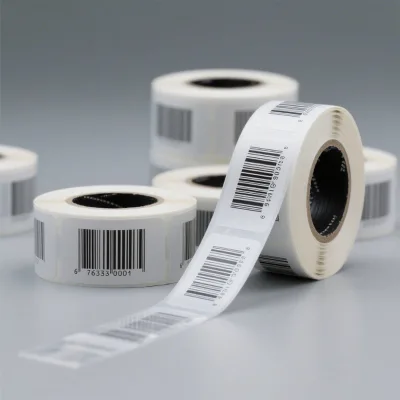
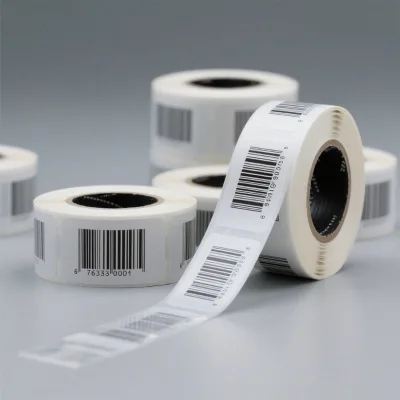
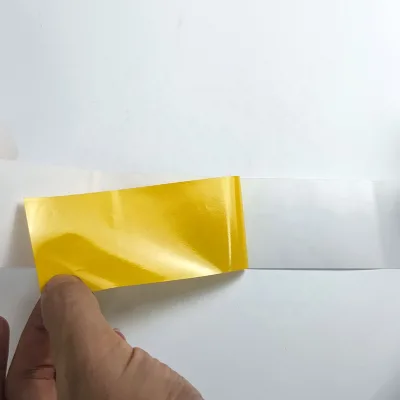
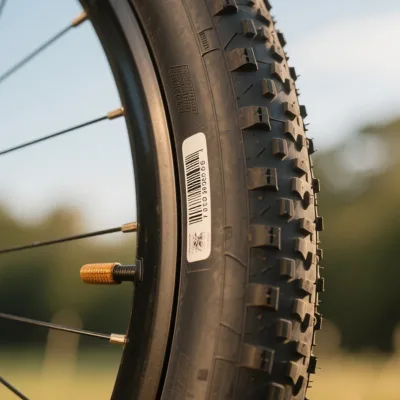
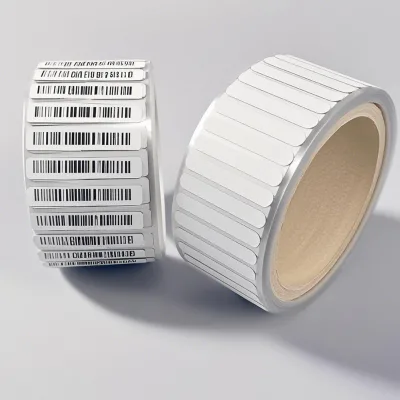

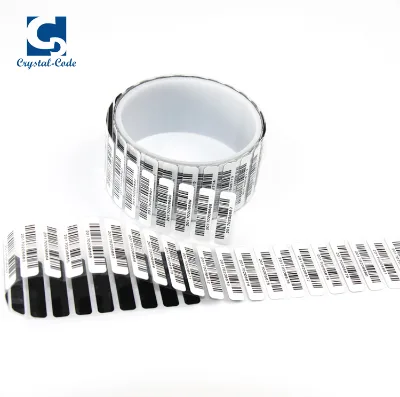
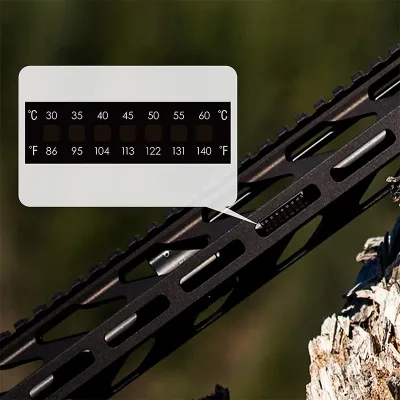
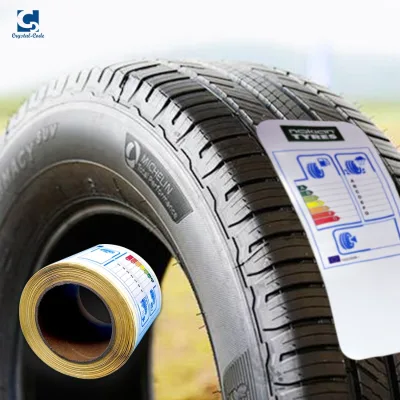
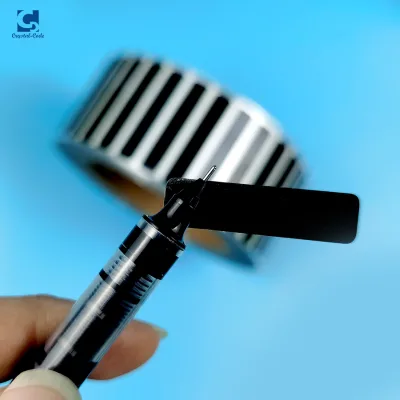
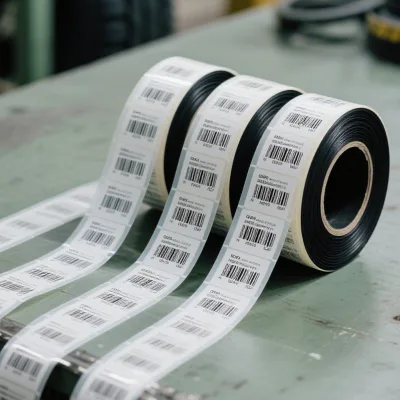
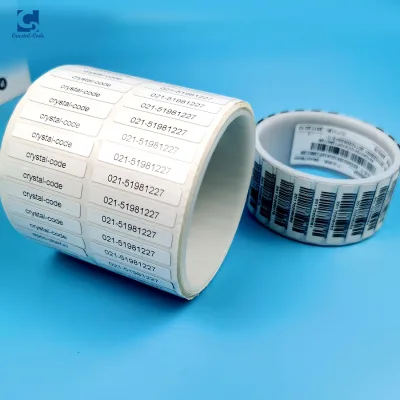
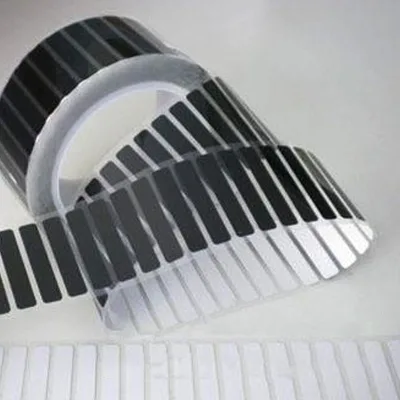
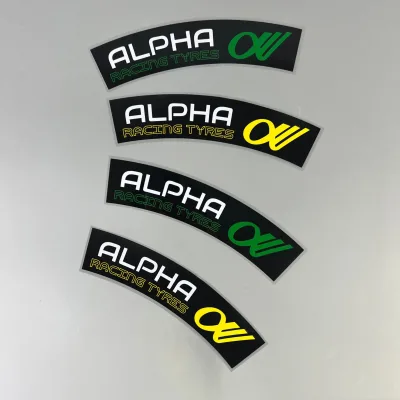


$0.002 - $0.005
MOQ: 100 Pieces


Car Rubber Tires Glossy Waterproof Self Adhesive Vulcanization Label Stickers
$0.80 - $0.95
MOQ: 3000 Square Meters


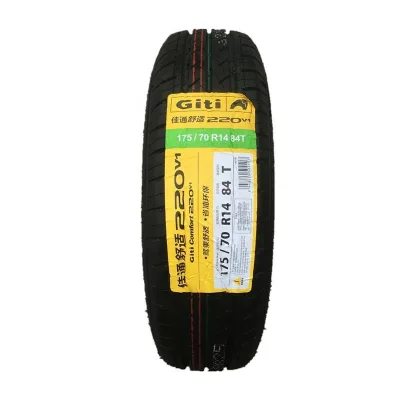
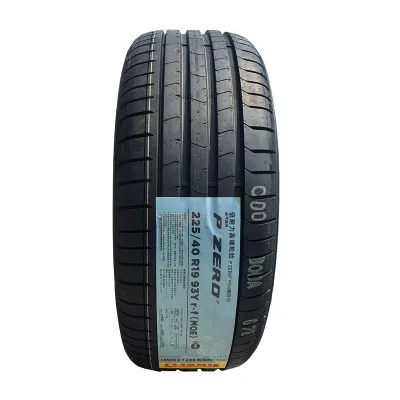
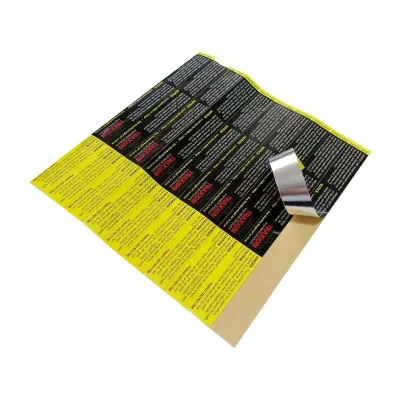
Waterproof Tyre Sticker Self Adhesive Label for Tire, Customized Tyre Sticker
$0.80 - $0.95
MOQ: 3000 Square Meters


Comprehensive Sourcing Guide
Heat Resistant Vulcanized Rubber Stickers Sourcing Guide
Procuring Heat Resistant Vulcanized Rubber Stickers requires a precise understanding of material science and industrial application requirements. These labels are engineered to withstand high-temperature environments, such as those found in tire manufacturing and chemical processing, without degrading or losing adhesion. Buyers must distinguish between standard adhesive stickers and vulcanized options, which are often integrated directly into the rubber curing process. The core keyword highlights a niche segment where durability and thermal stability are non-negotiable. Sourcing decisions should prioritize suppliers who demonstrate expertise in rubber compounding and label fabrication, ensuring that the final product meets rigorous performance standards.
The market offers a variety of shapes and sizes, ranging from small circular tags to complex irregular forms. Observed listings indicate a wide range of dimensions, including 44mm x 8mm and 37mm x 9mm, catering to specific tire and industrial needs. Buyers should verify that the selected sticker geometry aligns with their application’s spatial constraints. Furthermore, the choice between rubber and vinyl materials significantly impacts performance. While vinyl offers versatility, vulcanized rubber provides superior resistance to heat, oil, and environmental wear. Understanding these material distinctions is critical for selecting the right product for long-term industrial use.
Product Scope and Observed Listing Signals
The product scope encompasses a diverse array of vulcanized labels designed for specific industrial applications, primarily in the tire and chemical sectors. Listings reveal that these stickers are available in multiple configurations, including round, oval, rectangular, and heart shapes. The material composition varies, with some products utilizing rubber and others employing vinyl or PVC. This variation suggests that buyers must carefully evaluate the material properties against their specific operational demands. For instance, rubber-based labels are often preferred for their inherent heat resistance and durability, while vinyl options may offer greater flexibility in printing and customization.
Observed listing signals indicate a strong emphasis on customization and printing capabilities. Suppliers offer various printing methods, such as laser, color, die-cutting, and offset printing, allowing for detailed branding and information display. The availability of custom orders and tailored sizes, ranging from 5mm to 1000mm, highlights the flexibility of modern manufacturing processes. Buyers should note that features like waterproofing, oil proofing, and anti-counterfeit properties are commonly advertised. These attributes are essential for maintaining label integrity in harsh industrial environments, ensuring that critical information remains legible and secure throughout the product’s lifecycle.
Technical Specifications to Verify
Verifying technical specifications is paramount to ensuring that the selected vulcanized rubber stickers meet operational requirements. Buyers must confirm the material composition, as some listings specify rubber while others indicate vinyl or PVC. The thickness of the label is another critical parameter, with some suppliers offering custom thickness options. It is essential to verify that the chosen thickness provides adequate durability and adhesion for the intended application. Additionally, the core diameter of the rolls, available in sizes such as 1 inch, 3/4 inch, and 3 inches, must align with the buyer’s dispensing equipment and handling processes.
Printing quality and content customization are also key technical considerations. Suppliers offer a range of printing techniques, including UV digital, thermal transfer, and gold stamping, each with distinct advantages in terms of durability and aesthetic appeal. Buyers should verify the compatibility of the printing method with the label material to prevent issues such as ink peeling or fading. Furthermore, the label’s resistance to heat, water, and oil should be confirmed through supplier documentation or test reports. Ensuring that these technical specifications are met will help prevent failures in the field and maintain the integrity of the labeling system.
Compliance and Safety Documentation
Compliance and safety documentation are essential for ensuring that vulcanized rubber stickers meet regulatory requirements and industry standards. Buyers should request certificates of conformity and material safety data sheets (MSDS) from suppliers to verify that the products are free from harmful substances. This is particularly important for applications in the chemical and tire industries, where exposure to hazardous materials is common. Documentation should also confirm that the labels comply with relevant environmental regulations, such as restrictions on volatile organic compounds (VOCs) and other pollutants.
In addition to regulatory compliance, buyers should verify that the suppliers adhere to quality management standards. Certifications such as ISO 9001 indicate a commitment to consistent quality and continuous improvement. Buyers should also inquire about the supplier’s testing protocols for heat resistance, adhesion, and durability. These tests provide valuable insights into the product’s performance under real-world conditions. By ensuring that all necessary documentation is in place, buyers can mitigate risks associated with non-compliance and ensure that the selected labels meet the highest safety and quality standards.
Cost Drivers and Commercial Terms
Cost drivers for vulcanized rubber stickers include material selection, customization complexity, and order volume. Rubber-based labels typically command a higher price than vinyl options due to their superior performance characteristics. Customization, such as unique shapes, sizes, and printing requirements, can also increase costs. Buyers should negotiate volume discounts, as larger orders often result in lower per-unit prices. Additionally, the choice of printing method and the complexity of the design can impact the final cost. Understanding these factors allows buyers to make informed decisions that balance performance and budget.
Commercial terms, including minimum order quantities (MOQs) and lead times, are critical for effective procurement planning. Observed listings indicate MOQs ranging from 100 to 20,000 units, depending on the product and customization level. Buyers should align their order quantities with their inventory management strategies to avoid excess stock or production delays. Lead times can vary based on the complexity of the order and the supplier’s production capacity. Establishing clear communication regarding delivery schedules and payment terms is essential for maintaining a smooth supply chain and avoiding disruptions in production.
Supplier Qualification and Quality Control
Supplier qualification is a critical step in ensuring the reliability and consistency of vulcanized rubber stickers. Buyers should conduct thorough due diligence, including site visits and audits, to assess the supplier’s manufacturing capabilities and quality control processes. Suppliers with a proven track record in the tire and chemical industries are often preferred, as they possess the necessary expertise and experience. Buyers should also verify the supplier’s ability to handle custom orders and meet specific technical requirements. This ensures that the selected supplier can deliver products that meet the buyer’s exact specifications.
Quality control measures, such as in-process inspections and final product testing, are essential for maintaining product integrity. Buyers should inquire about the supplier’s quality assurance protocols, including testing for heat resistance, adhesion, and durability. Suppliers that implement rigorous quality control processes are more likely to deliver consistent, high-quality products. Additionally, buyers should establish clear communication channels for addressing any quality issues that may arise. By prioritizing supplier qualification and quality control, buyers can minimize risks and ensure that the selected vulcanized rubber stickers meet their performance expectations.
Long-Term Procurement Checks
Long-term procurement checks are necessary to ensure that the selected vulcanized rubber stickers continue to meet performance and quality standards over time. Buyers should establish regular review cycles to assess supplier performance, including delivery reliability, product quality, and responsiveness to issues. This helps identify any potential problems early and allows for timely corrective actions. Additionally, buyers should monitor changes in industry regulations and standards to ensure continued compliance. Staying informed about regulatory updates is crucial for avoiding disruptions and maintaining the integrity of the labeling system.
Continuous improvement initiatives, such as feedback loops and performance metrics, are essential for optimizing the procurement process. Buyers should collaborate with suppliers to identify areas for improvement, such as reducing lead times or enhancing product durability. Regular communication and collaboration foster a strong partnership that benefits both parties. By implementing long-term procurement checks, buyers can ensure that their sourcing strategy remains effective and aligned with their business objectives. This proactive approach helps mitigate risks and supports sustainable growth in the long run.
FAQs
What materials are used for Heat Resistant Vulcanized Rubber Stickers?
These labels are primarily manufactured from rubber and vinyl PVC materials. The rubber variants offer durability and oil resistance, while vinyl options provide flexibility. Both material types ensure the stickers withstand high temperatures and harsh industrial environments effectively.
Can these vulcanized labels be customized for specific tire types?
Yes, customization is available for various applications including car and truck tires. Buyers can select specific sizes, shapes, and printing methods. The product supports custom thicknesses and branding, ensuring the labels meet precise industrial requirements and identification standards.
What printing options are available for these rubber stickers?
A wide range of printing techniques is supported, including laser, color, offset, and UV digital printing. Additional options like gold stamping and thermal transfer are also available. These methods allow for detailed barcodes, anti-counterfeit features, and clear branding on the labels.
What are the standard sizes for these vulcanized tire labels?
Standard sizes include dimensions such as 44mm by 8mm, 37mm by 9mm, and 41mm by 10mm. Other common sizes are 40mm by 6mm and 35mm by 10mm. Custom sizes ranging from 5mm to 1000mm are also offered to fit specific needs.
Where are these Heat Resistant Vulcanized Rubber Stickers manufactured?
These products are manufactured in Shanghai, China. The origin is clearly documented for sourcing transparency. Buyers can rely on established production facilities in this region to ensure consistent quality and timely delivery for their industrial labeling requirements.
What features do these vulcanized labels offer for tire identification?
The labels feature heat resistance, waterproofing, and oil proofing. They are durable, reusable, and eco-friendly. Additional features include anti-counterfeit properties, barcode capabilities, and heat sensitivity, ensuring reliable identification and tracking in demanding automotive and industrial applications.