Source Waterproof Custom Wine Glass Labels for Beverage Packaging
Find 30 Waterproof Custom Wine Glass Labels from Chinese manufacturers. Compare options made from paper, vinyl, or PET with features like anti-counterfeit and heat-sensitive properties. Ideal for bottled beverage, food, and shipping applications; compare the available evidence and request quotations based on your requirements.
Updated
Key considerations
Products List
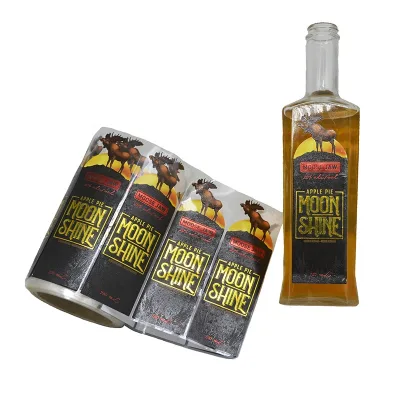
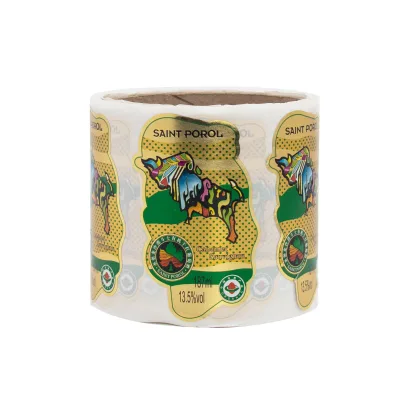


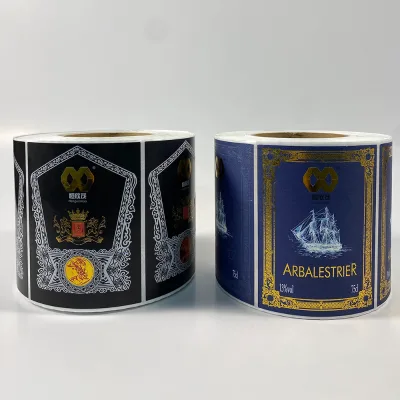
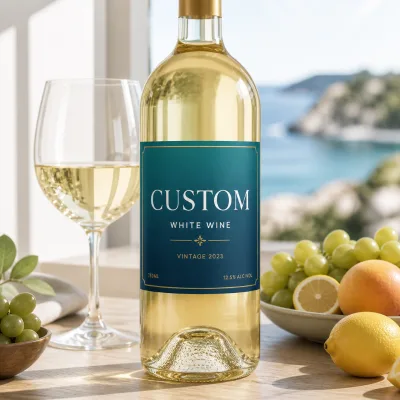
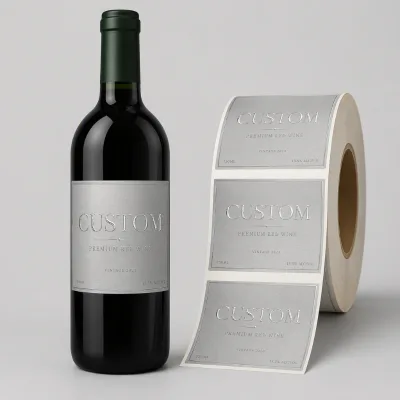
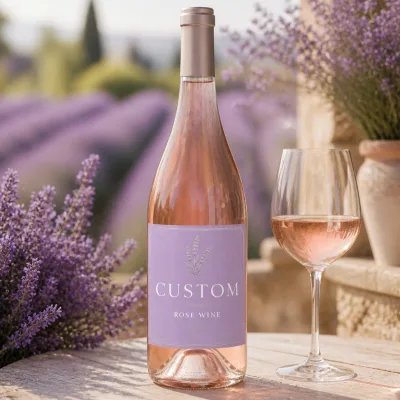
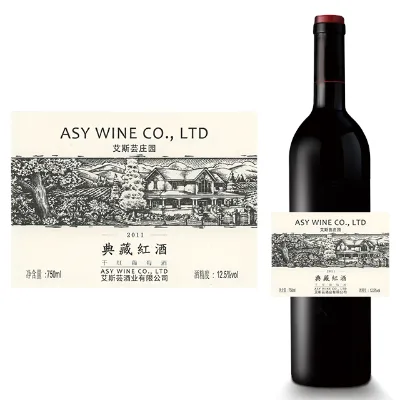
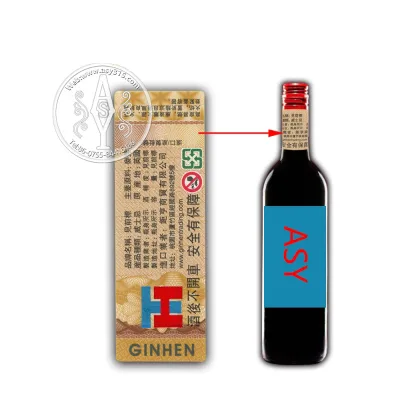
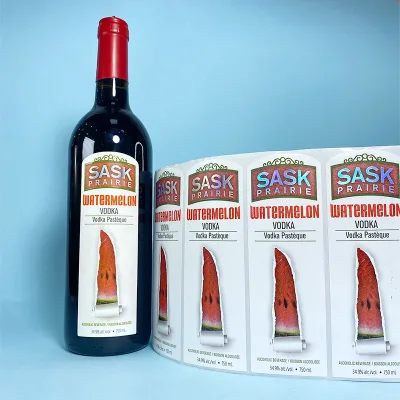
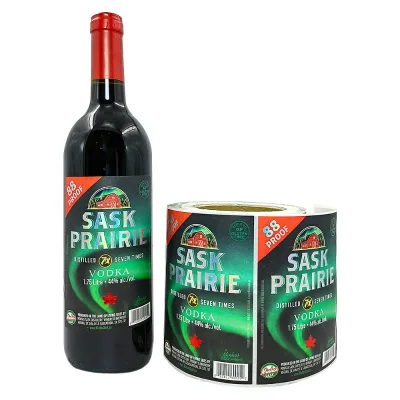
Waterproof Custom Red Wine Bottle Roll Label with Private Logo Printing
$0.001 - $0.10
MOQ: 1000 Pieces

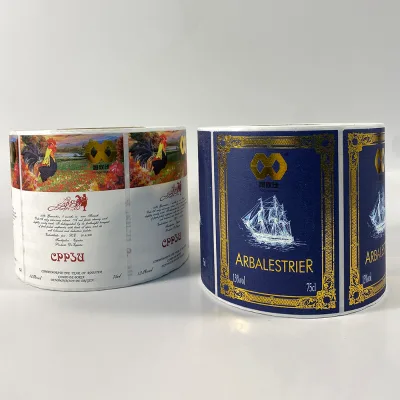
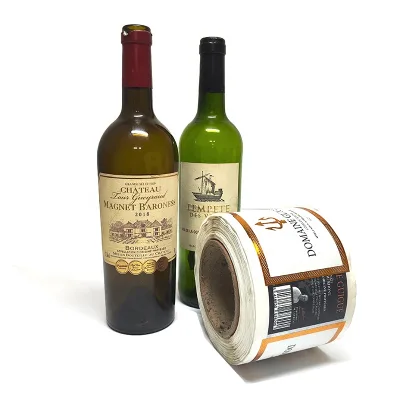




Comprehensive Sourcing Guide
Waterproof Custom Wine Glass Labels Sourcing Guide
Procuring Waterproof Custom Wine Glass Labels requires identifying suppliers who explicitly list water-proof and anti-frozen capabilities alongside adhesive performance. The observed market data indicates that materials such as paper, vinyl, and PET are commonly utilized to ensure durability against condensation and ice, which are critical for beverage applications. Buyers must verify that the specific product listing confirms these environmental resistances rather than assuming standard paper labels will suffice for chilled glassware.
Commercial listings often highlight features like waterproofing and eco-friendly properties as primary selling points for custom sticker applications. When evaluating potential vendors, it is essential to confirm that the "water-proof" attribute is a verified product characteristic rather than a generic marketing term. Sourcing teams should prioritize suppliers who demonstrate a clear understanding of the physical stresses placed on labels during beverage service, ensuring the adhesive bond remains intact despite temperature fluctuations and moisture exposure.
Product Scope and Observed Listing Signals
The available product scope encompasses a variety of custom label types, including adhesive stickers and self-adhesive labels designed for bottled beverages and food packaging. Observed listings reveal that materials range from standard paper to more durable vinyl and PET options, with some products specifically engineered for high-grade applications. Buyers should look for model numbers and specific product types that align with the need for custom sizing and shapes, as many suppliers offer fully customizable dimensions to fit unique wine glass contours.
Listing signals often include specific printing technologies such as transfer, offset, and letterpress printing, which influence the final visual quality and durability of the label. The presence of features like anti-counterfeit capabilities and barcode functionality suggests that these labels can serve dual purposes for branding and inventory management. Procurement specialists must cross-reference these signals with the actual material composition to ensure the selected label can withstand the specific handling and environmental conditions of wine service without peeling or fading.
Technical Specifications to Verify
Technical verification must begin with the raw material composition, as the choice between paper, vinyl, and PET directly impacts water resistance and adhesion strength. Buyers should confirm that the supplier explicitly states the material is suitable for wet environments, as standard paper labels may disintegrate when exposed to condensation on chilled glassware. It is critical to validate that the adhesive formulation is compatible with the specific surface finish of the wine glass, whether it is smooth glass or textured, to prevent premature detachment.
Surface finishing options, such as glossy or matte coatings, play a significant role in both aesthetic appeal and functional protection against moisture. Procurement teams should request samples to test the label's resistance to freezing temperatures and water immersion, as some listings mention anti-frozen properties that require empirical validation. Additionally, verifying the printing type and the quality of the adhesive binding ensures that the label will not smear or degrade during the application process or subsequent handling by staff and customers.
Compliance and Safety Documentation
While specific certification documents are not universally listed in the provided data, buyers must ensure that any adhesive or ink used on labels intended for food and beverage contact meets relevant safety standards. The application of these labels on bottled beverages and food items necessitates compliance with local regulations regarding food safety and material toxicity. Sourcing teams should request documentation confirming that the raw materials and printing inks are non-toxic and safe for indirect food contact, particularly when the label is applied to containers holding consumable liquids.
Documentation regarding the production process and origin is equally vital for maintaining supply chain transparency and quality assurance. Suppliers originating from regions like Guangdong or Jiangsu in China should provide clear evidence of their manufacturing standards and quality control protocols. Buyers should verify that the production facility adheres to recognized quality management systems, ensuring that the final product meets the high-grade standards expected for premium wine packaging and promotional materials.
Cost Drivers and Commercial Terms
Cost structures for waterproof custom labels are heavily influenced by the choice of material, with vinyl and PET generally commanding higher prices than standard paper due to their enhanced durability and water resistance. The complexity of the printing process, such as offset or letterpress printing, and the inclusion of specialized features like anti-counterfeit elements or barcodes, will also drive up unit costs. Procurement planners must balance the need for high-performance materials with budget constraints, understanding that premium features often require a higher minimum order quantity to achieve cost-effective pricing.
Commercial terms, including minimum order quantities and lead times, vary significantly across different suppliers and product models. Some listings indicate MOQs ranging from single units to thousands, requiring buyers to align their order volume with supplier capabilities to avoid excessive per-unit costs. It is essential to negotiate clear terms regarding packaging, such as carton boxes or rolls, and to confirm the delivery schedule to ensure that the labels arrive in time for the intended promotional or production cycle without incurring rush fees.
Supplier Qualification and Quality Control
Supplier qualification should focus on verifying their capacity to handle custom orders and their track record in producing high-grade adhesive labels for the beverage industry. Buyers must assess whether the supplier accepts custom designs and offers the flexibility to adjust model numbers and specifications to meet unique branding requirements. A qualified supplier will demonstrate a robust quality control process that includes testing for adhesion strength, water resistance, and print clarity before shipping large batches of custom labels.
Quality control measures should extend to the inspection of raw materials and the final finished product to ensure consistency across the entire order. Procurement teams should request samples that have undergone stress testing for waterproofing and anti-frozen performance to validate the supplier's claims. Establishing a clear communication channel for feedback and issue resolution is also crucial, ensuring that any deviations from the agreed-upon specifications can be addressed promptly before full-scale production begins.
Long-Term Procurement Checks
Establishing a long-term partnership requires regular audits of the supplier's ability to maintain consistent quality and material specifications over time. Buyers should implement a schedule for periodic re-testing of samples to ensure that the waterproof and anti-frozen properties remain stable as production processes evolve. This proactive approach helps mitigate the risk of supply chain disruptions and ensures that the labels continue to meet the rigorous demands of the wine and beverage market.
Continuous monitoring of market trends and technological advancements in label materials is essential for maintaining a competitive edge in procurement. Sourcing teams should stay informed about new developments in eco-friendly materials and printing technologies that could offer improved performance or cost savings. By maintaining a dynamic relationship with suppliers and regularly reviewing product performance, buyers can ensure that their custom wine glass labels remain effective, durable, and aligned with evolving industry standards.
FAQs
Can Waterproof Custom Wine Glass Labels be used for beverage packaging?
Yes, these labels are suitable for beverage packaging. They feature waterproof and anti-frozen properties to withstand cold environments. The material options include paper and vinyl, ensuring durability. Custom orders are accepted for specific branding needs. This makes them ideal for bottled beverages and food items requiring secure adhesion.
What materials are used for Waterproof Custom Wine Glass Labels?
Manufacturers typically use paper, vinyl, or PET materials. These substrates provide the necessary durability for waterproof applications. Some options include self-adhesive labels for easy application. The choice depends on the desired finish and environmental resistance. Customization is available to match specific design requirements for wine glass labeling.
How are Waterproof Custom Wine Glass Labels printed?
Printing methods include offset, letterpress, and transfer printing. These techniques ensure high-quality graphics and text reproduction. The labels often feature glossy or matte finishing for aesthetic appeal. Anti-counterfeit and barcode features can be integrated during production. This allows for secure tracking and professional presentation on various surfaces.
What is the minimum order quantity for custom labels?
The minimum order quantity ranges from 1 to 3000 units. This flexibility supports both small-scale testing and large production runs. Buyers can select quantities based on their specific project needs. The supplier accepts custom orders to accommodate varying volume requirements. This ensures accessibility for diverse business sizes and inventory strategies.
Where are these custom labels manufactured?
These labels are manufactured in Guangdong and Jiangsu, China. The production facilities offer customized solutions for global buyers. Origin details are provided for transparency in sourcing decisions. Buyers can verify the location to assess logistics and shipping options. This geographic concentration supports efficient supply chain management for label procurement.
Are Waterproof Custom Wine Glass Labels eco-friendly?
Yes, many options are designed to be eco-friendly. The materials and processes aim to reduce environmental impact. Buyers can select sustainable options that meet specific green standards. This aligns with modern packaging trends focusing on responsibility. Eco-friendly labels maintain durability while supporting corporate sustainability goals effectively.