Find Heated Oxygen Sensor for Buick, Chevrolet, and Toyota engines
Source 30 verified Heated Oxygen Sensor for Buick and compatible vehicles from Zhejiang, China. Compare models like OXS-002 and COS-41001 with ISO certifications, stainless steel or steel bodies, and 1-year warranties to find the right replacement part.
Key considerations
Products List


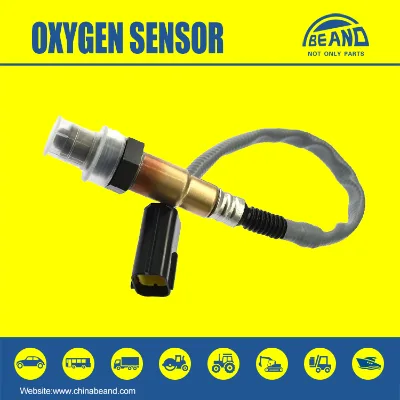

Automotive Parts New Oxygen Sensor 12663317 O2 Sensor for Chevy for Buick
$8.00 - $15.00
MOQ: 1 Pieces

Oxygen Sensor Lambda O2 Sensor 12596688 0258006938 Auto Sensors for Buick
$5.00 - $20.00
MOQ: 1 Pieces


Car Accessory Oxygen Sensor 24102432 Lambda O2 Oxygen Sensor for Chevrolet
$8.00 - $15.00
MOQ: 1 Pieces


Best Selling Oxygen Sensor OE 12646200 12640115 12639693 24104886 for Buick
$8.00 - $15.00
MOQ: 10 Pieces

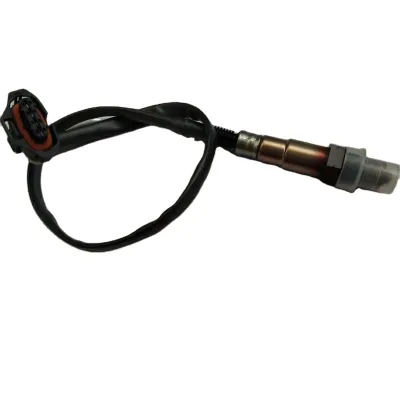
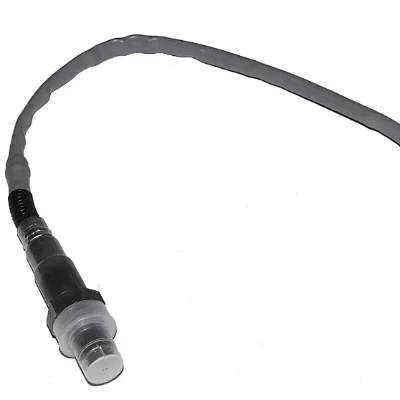
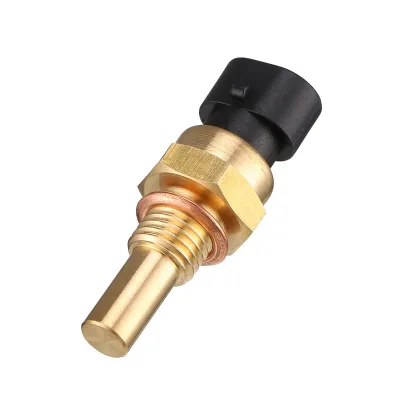


Good Quality Wholesale Auto Heated Oxgyen Sensor 22690-2A010 for Nissan
$13.00 - $15.00
MOQ: 10 Pieces


Comprehensive Sourcing Guide
Strategic Sourcing Guide for Heated Oxygen Sensors for Buick
Understanding Technical Specifications and Sensor Architecture
When sourcing heated oxygen sensors specifically for Buick vehicles, buyers must first establish a clear understanding of the underlying technical architecture. The market offers a variety of sensor types, but the core requirement for modern Buick models involves electrochemical or infrared gas sensing technologies capable of precise exhaust gas analysis. The supplied product data indicates that available units operate as electrochemical gas sensors, utilizing an electric operation mode to function effectively within the engine's exhaust stream. This distinction is critical because the heating element within the sensor allows for rapid warm-up, ensuring the sensor reaches its optimal operating temperature quickly after engine start, which is essential for meeting emissions standards.
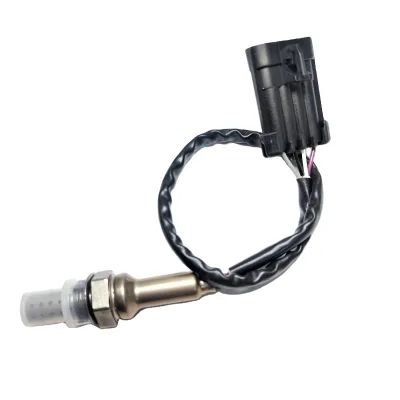
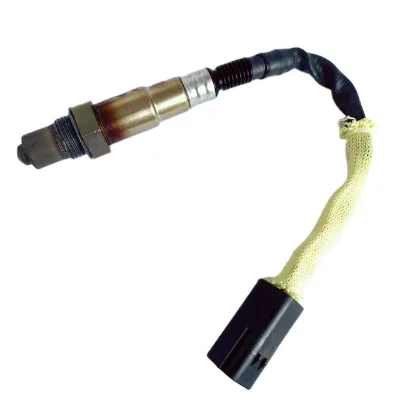
The physical construction of these components is equally vital. The supplied facts highlight that the body material for these sensors is often stainless steel or steel, providing the necessary durability to withstand high temperatures and corrosive exhaust gases. The gross weight of individual units is recorded at approximately 0.135 kilograms, a figure that buyers should use as a baseline for logistics planning and packaging verification. Furthermore, the inclusion of cables and connectors is a standard feature, ensuring that the sensor can be directly integrated into the vehicle's existing wiring harness without requiring additional modification. The sensor models observed in the market, such as OXS-002, COS-41001, and COS-44668, represent specific part numbers that correspond to different vehicle configurations. Buyers must cross-reference these model numbers with their specific Buick engine requirements to ensure compatibility.
Compliance, Certification, and Quality Standards
In the automotive aftermarket, compliance with international quality management standards is not merely a formality but a prerequisite for reliability. The product data explicitly references ISO certifications, including ISO9001:2000 and ISO/TS16949. These standards indicate that the manufacturing processes adhere to rigorous quality control measures designed for the automotive industry. ISO9001:2000 focuses on general quality management systems, while ISO/TS16949 is specifically tailored for automotive production and relevant service parts, ensuring that the supplier maintains consistent quality in design, production, and installation.
Buyers should verify that the specific batch of sensors they intend to purchase carries these certifications. The presence of an "ISO" certification mark on the product listing is a strong indicator, but the specific standard number should be confirmed. Additionally, the product standard is listed as "Original" or "Same as the original part," suggesting that the components are manufactured to meet the same specifications as the original equipment manufacturer (OEM) parts. This is particularly important for Buick vehicles, where the engine control unit (ECU) relies on precise oxygen sensor data to manage fuel injection and ignition timing. A deviation from the original specifications could lead to poor fuel economy, increased emissions, or the illumination of the check engine light.
The table below outlines the key certification and standard attributes observed in the current market data:
| Attribute Category | Observed Value | Relevance to Procurement |
|---|---|---|
| Quality Standard | ISO9001:2000 / ISO/TS16949 | Ensures automotive-grade manufacturing consistency. |
| Product Standard | Original / Same as original part | Guarantees compatibility with OEM specifications. |
| Certification Mark | ISO, ISOCE | Indicates adherence to international safety and quality norms. |
| Condition | Brand New / New | Confirms the item is not refurbished or used. |
Cost Drivers and Pricing Dynamics
The pricing for heated oxygen sensors for Buick vehicles is influenced by several factors, including the complexity of the sensor technology, the materials used, and the certification level of the supplier. The observed price range in the market is between 1 and 20 USD. While this range appears narrow, it likely reflects the variance between basic sensor models and those with advanced features or specific OEM packaging. Buyers should be cautious of prices at the very low end of this spectrum, as they may indicate lower-grade materials or a lack of proper certification.
The minimum order quantity (MOQ) is another significant cost driver, with observed ranges between 1 and 100 units. For small fleet operators or individual repair shops, an MOQ of 1 allows for immediate procurement without significant capital outlay. However, for larger distributors or manufacturers, negotiating an MOQ closer to 100 units could result in better unit economics. The packaging type also impacts cost; options include bulk packing, carton packing, and OEM packaging. OEM packaging typically commands a higher price but provides better protection and brand recognition, which can be crucial for resale value.
Furthermore, the inclusion of accessories such as cables and connectors is a standard feature that adds value. Buyers should verify that the quoted price includes these components, as purchasing them separately can increase the total cost of ownership. The warranty period, observed as 1 year or 1 year, is another factor that influences the perceived value. A longer warranty period often correlates with higher manufacturing quality and provides the buyer with greater peace of mind regarding the product's longevity.
Typical Applications and Vehicle Compatibility
The primary application for these heated oxygen sensors is within the auto engine systems of Buick and Chevrolet vehicles. The product data explicitly lists "Buick" and "Chevrolet" as the compatible car makes, reflecting the shared platform and engine technologies often used by these General Motors brands. The sensors are designed for gasoline engines, which is the standard fuel type for most Buick passenger vehicles. The stroke type is noted as 4 stroke, which is consistent with the vast majority of modern automotive engines.
The specific models mentioned, such as COS-44018 for Toyota and 12663317 for other applications, highlight the diversity of the market. However, for Buick-specific sourcing, buyers must focus on models that align with the vehicle's engine code and year of manufacture. The OEM number 24104839 is cited as a reference, which serves as a critical identifier for compatibility. Buyers should use this number to cross-reference with their vehicle's service manual or parts catalog to ensure the sensor fits the specific exhaust port and wiring configuration.
The location of the sensor within the vehicle is typically within the auto engine bay, connected to the exhaust manifold or catalytic converter. The sensor's purpose is defined as "for replace/repair," indicating that it is a direct replacement part rather than an upgrade or modification. The condition of the product is consistently listed as "Brand New," ensuring that the buyer receives a component that has not been previously installed or subjected to wear and tear.
Supplier Evaluation and Origin Verification
When evaluating potential suppliers for heated oxygen sensors, the place of origin is a key indicator of manufacturing capability and logistical efficiency. The supplied data identifies the place of origin as Zhejiang, China (Mainland), and specifically Zhejiang, China. This region is known for its robust manufacturing ecosystem, particularly in the automotive parts sector. However, buyers should not rely solely on the geographic location; they must verify the supplier's ability to meet the specific quality standards required for Buick vehicles.
The brand name "BEAND" is mentioned in the product data, which can serve as a reference point for brand recognition. However, buyers should not limit their search to a single brand. Instead, they should evaluate suppliers based on their adherence to the observed standards, such as ISO9001:2000 and ISO/TS16949. The production process is described as "SemiConductor Integrated," which suggests a high level of technological sophistication in the sensor's manufacturing. This level of integration is essential for the sensor's sensitivity and accuracy, particularly for infrared gas sensors which are also noted in the data.
Buyers should also assess the supplier's packaging capabilities. The observed packaging options include OEM Package, Neutral Package, and Cowtotal Package. The choice of packaging can affect the product's condition upon arrival and its suitability for retail or wholesale distribution. A supplier that offers OEM packaging demonstrates a commitment to maintaining the product's integrity and brand identity, which is often preferred by professional distributors.
Quality Control and Performance Verification
Quality control is paramount when sourcing electronic components like oxygen sensors. The product data highlights several attributes that serve as indicators of quality, including the IP rating, conductivity type, and sensitivity. The IP rating is listed as "IPMaterial:Metal," which suggests a focus on material durability, though buyers should seek specific IP rating numbers (e.g., IP67) to confirm protection against dust and water ingress. The conductivity type is noted as "Surface Type," and the sensitivity is described as "High," both of which are desirable traits for accurate gas detection.
The production process, identified as "SemiConductor Integrated," implies that the sensor utilizes advanced semiconductor technology to ensure high sensitivity and reliable performance. This is particularly important for heated oxygen sensors, which must provide accurate readings across a wide range of temperatures and exhaust gas compositions. Buyers should request test results or performance data from suppliers to verify that the sensors meet the required specifications for Buick vehicles.
The warranty period of 1 year is a standard offering, but buyers should clarify the terms of the warranty. Does it cover manufacturing defects only, or does it include performance guarantees? A clear warranty policy can provide valuable recourse if the sensor fails prematurely. Additionally, the "Same as the original part" quality claim should be substantiated by the supplier through documentation or third-party testing.
Long-Term Procurement Considerations
Sourcing heated oxygen sensors for Buick vehicles is not a one-time transaction but a long-term relationship that requires careful planning. Buyers should consider the availability of replacement parts and the consistency of the supply chain. The observed MOQ range of 1 to 100 units suggests flexibility, but buyers should negotiate terms that allow for scalable ordering as their business grows. The lead time, while not explicitly stated in the data, is a critical factor that buyers must inquire about to ensure timely delivery.
The customization options available, such as the "Customized" attribute and "Customization: Available," offer opportunities for buyers to tailor products to their specific needs. This could include custom packaging, branding, or even specific sensor configurations. However, buyers should be aware that customization may impact the lead time and cost.
Finally, buyers should monitor the market for changes in standards and certifications. As automotive regulations evolve, the requirements for oxygen sensors may change. Staying informed about these developments and ensuring that suppliers remain compliant with the latest standards will help buyers maintain a competitive edge and ensure the reliability of their products. By focusing on technical specifications, compliance, cost drivers, and supplier evaluation, buyers can make informed decisions that support the long-term success of their procurement strategies.
FAQs
What certifications do heated oxygen sensors for Buick have?
These sensors typically carry ISO certifications, including ISO9001:2000 and ISO/TS16949. These standards ensure the manufacturing processes meet rigorous automotive quality control measures for consistent reliability.
How long is the warranty period for these sensors?
The standard warranty period for these units is one year. This coverage applies to the brand new condition items to protect buyers against manufacturing defects during the initial usage phase.
Which materials are used to construct these oxygen sensors?
The body material is commonly stainless steel or steel to withstand high temperatures. This durable construction ensures the sensor can operate effectively within the corrosive environment of an auto engine exhaust stream.
Can these sensors be customized for specific vehicle needs?
Yes, customization is available for these products to meet specific requirements. Buyers can request tailored specifications while ensuring the core functionality remains compatible with the designated vehicle engine systems.
What is the typical minimum order quantity for these parts?
The minimum order quantity ranges from one to one hundred units. This flexibility allows small repair shops to order single items while larger distributors can negotiate bulk purchases for better economics.
Where are these sensors manufactured and what is the origin?
The place of origin is Zhejiang, China, which is a major manufacturing hub. This location supports a robust ecosystem for producing automotive parts that adhere to international quality standards and shipping logistics.
How are these sensors packaged for shipping and delivery?
Packaging options include bulk packing, carton packing, and OEM packages. These methods ensure the sensors arrive in brand new condition, protected by appropriate materials like cables and connectors included in the unit.