Find Heated Pad for Neck, Shoulder, and Waist Relief
Source 30 Heated Pad options for neck, shoulder, and waist relief. Compare specifications including material, temperature range, and certification to find the right rehabilitation therapy supply for your needs.
Key considerations
Products List


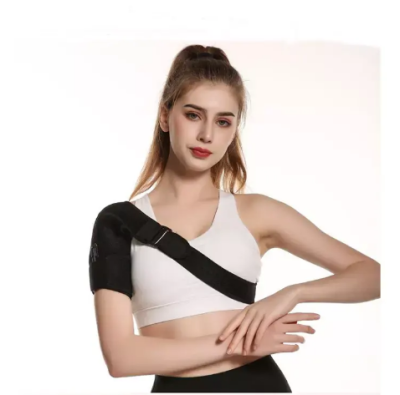


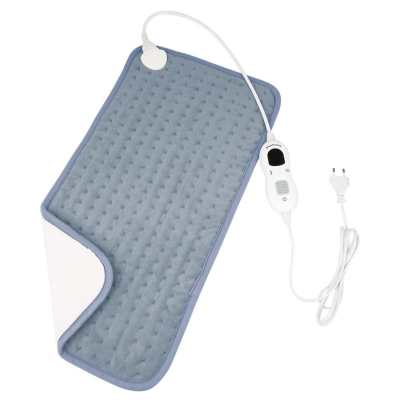


Washable Infrared Heating Pad with Overheat Protection for Safe and Comfortable Use
$135.00 - $199.00
MOQ: 50 Pieces


Comprehensive Sourcing Guide
Strategic Sourcing Guide for Heated Pads in B2B Procurement
The global demand for therapeutic heating solutions has expanded significantly, driven by an aging population and a growing emphasis on home-based rehabilitation and pain management. For B2B buyers, the category of "heated pads" encompasses a diverse array of products ranging from traditional hot water bottles to advanced chemical heating packs and reusable thermal therapy devices. Sourcing these items requires a nuanced understanding of material science, regulatory compliance, and supply chain logistics. This guide provides a disciplined framework for evaluating suppliers and products, ensuring that procurement decisions are grounded in verifiable facts and industry standards rather than marketing assertions.
Technical Specifications and Material Composition
When evaluating heated pads, the primary technical differentiator lies in the heating mechanism and the materials used to generate and retain heat. The supply market presents distinct product categories based on these attributes. One prevalent category utilizes chemical reactions, specifically involving iron powder, activated carbon, vermiculite, and salt. These components react with oxygen to generate heat without an external power source. In this context, the thermal output is often standardized, with observed temperature ranges falling between 39-43℃, 43-48℃, and 50-60℃. The duration of heat generation is another critical specification, with typical operational windows ranging from 8 to 12 hours, offering sustained relief for chronic conditions.
Conversely, other segments of the market focus on reusable devices, such as hot water bottles or gel-based packs. These products often feature rubber as the primary material, designed for durability and flexibility. The shape of these units varies significantly to target specific anatomical areas. While square shapes are common for general application, irregular shapes are engineered to contour to the neck, shoulder, waist, stomach, abdomen, back, and knee. The hardness of these materials is typically categorized as soft to ensure comfort against the skin.
Packaging specifications also play a vital role in the technical evaluation of the product. Buyers must verify whether the product is supplied in polybags, color boxes, or PVC boxes, as this impacts retail presentation and shipping efficiency. For bulk industrial orders, the packaging may be customized to client requirements, ranging from paper cartons to final price structures dependent on specific client needs. The shelf life of chemical-based heating pads is a crucial technical metric, with observed data indicating a shelf life of up to 3 years for certain formulations, while other variations may list a shelf life of 1 year. Weight is another standardized attribute, with specific units observed at approximately 90±10g, ensuring consistency in logistics planning.
Compliance and Certification Verification
Navigating the regulatory landscape is paramount for B2B buyers, as heated pads often fall under medical device or general consumer safety regulations depending on their intended use and claims. The market data indicates a variety of certifications that suppliers may claim, including CE, BS, Mhra, CB, and ISO9001. The presence of the CE mark is a frequent observation, suggesting compliance with European health, safety, and environmental protection standards. However, buyers must treat these certifications as observations rather than universal guarantees for every listed product.
The distinction between "Certification" and "Quality Certification" is important. Some listings specify "CE, BS," while others list "CE, Mhra" or "CB." The Mhra (Medicines and Healthcare products Regulatory Agency) certification is particularly relevant for products marketed as medical devices in the UK. Similarly, ISO9001 indicates adherence to quality management systems, which is a strong indicator of a supplier's commitment to consistent manufacturing processes. Buyers should request valid, up-to-date certificates for each specific product model rather than accepting a generic claim.
Furthermore, the "prod_standard" field often contains dimensional data, such as 37x20cm or 1050*155mm, which serves as a technical specification rather than a regulatory standard. Buyers must verify if the product meets specific national or international safety standards beyond the general certification marks. For instance, products intended for industrial use, such as those in greenhouse or livestock applications, may have different safety requirements compared to those for personal rehabilitation. The "prod_packing" and "prod_model" fields, such as "Yb0201" or "7090 Model," should be cross-referenced with the certification documents to ensure the specific model number matches the approved testing data.
Cost Drivers and Pricing Dynamics
The pricing structure for heated pads is influenced by a complex interplay of factors, including material costs, customization levels, and order volume. The observed price range in the market spans from $0.05 to $875 USD, a vast disparity that reflects the difference between single-use chemical packets and high-end, custom-engineered therapeutic devices. The Minimum Order Quantity (MOQ) is another significant cost driver, with observed ranges from 1 to 10,000 units. Buyers purchasing small quantities may face higher per-unit costs, while bulk orders can leverage economies of scale to reduce the price significantly.
Material composition is a primary determinant of cost. Products containing specialized chemical blends like iron powder and activated carbon may have different cost structures compared to rubber-based reusable bottles. The inclusion of "Customization" is a major cost variable. Suppliers offering customized shapes, colors, or packaging solutions typically charge a premium over standard SKUs. The "Style" of the product, which may include Japanese, Chinese, or Western designs, can also influence pricing based on the complexity of the mold or design work required.
Additionally, the "prod_packing" method affects the final landed cost. Products requiring complex packaging, such as color boxes or PVC boxes, will incur higher packaging and labor costs compared to simple polybag shipments. The "Final Price According to Client's Package Require" indicates that packaging choices are often negotiated separately, directly impacting the total procurement budget. Buyers should request detailed breakdowns of unit costs, including material, labor, packaging, and logistics, to understand the true cost drivers behind the quoted price.
Typical Applications and Market Segmentation
Heated pads serve a wide spectrum of applications, ranging from personal healthcare to industrial and agricultural uses. In the personal healthcare sector, the primary use cases include rehabilitation therapy supplies for the neck, shoulder, waist, stomach, abdomen, back, and knee. These products are designed to alleviate pain, improve circulation, and provide comfort for individuals suffering from muscle strain or joint issues. The "Non-Disposable" nature of some rubber-based products suggests they are intended for repeated use in a home or clinical setting.
Beyond personal care, the market data reveals applications in the greenhouse, horticulture, animal husbandry, and livestock breeding industries. These industrial applications likely involve large-scale heating solutions, such as the products with dimensions like 1500600150mm or 2000600100mm. These items may be used for temperature control in agricultural settings, ensuring optimal growing conditions or animal comfort. The "Usage: for Cooling" attribute suggests that some products in the category may have dual functionality or be part of a broader thermal management system.
The "Main Ingredient" of iron powder points to a specific subset of products designed for single-use, portable heat generation, ideal for travelers or emergency kits. In contrast, the "Properties: Rehabilitation Therapy Supplies" designation highlights the medical-grade nature of certain products. Buyers must clearly define their target market segment, as the specifications, certifications, and durability requirements will differ significantly between a consumer-grade heating pad and an industrial agricultural heating mat.
Supplier Evaluation and Origin Analysis
Evaluating suppliers requires a careful examination of their origin and operational capabilities. The supply chain for heated pads is heavily concentrated in China, with specific origins noted as Jiangsu and ShengZheng. These regions are known for their manufacturing expertise in rubber products and chemical-based thermal solutions. However, buyers should not assume that all products from these locations meet the same quality standards. The "prod_origin" field provides a starting point for due diligence, but it must be supplemented with on-site audits or third-party verification reports.
The "Customization" attribute indicates that many suppliers are capable of adapting products to specific client needs. This flexibility is a valuable asset for B2B buyers looking to brand products or meet unique market requirements. However, the ability to customize also introduces complexity in quality control. Buyers should assess the supplier's capacity to maintain consistency across customized batches. The "Selling Units: Single item" observation suggests that some suppliers are willing to accommodate small test orders, which is beneficial for new buyers validating product quality before committing to large volumes.
When evaluating suppliers, buyers should verify the "Brand Name" associated with the product. While some listings may feature specific brands like "Meilan," others may be unbranded or white-label. The presence of a brand name can indicate a supplier's confidence in their product quality and their commitment to long-term market presence. However, the absence of a brand does not necessarily imply lower quality, as many manufacturers produce high-quality goods for private label clients.
Quality Control and Long-Term Procurement Considerations
Ensuring consistent quality in Heated Pad procurement requires a robust quality control (QC) strategy. The "Durability: 10H" attribute suggests that some products are tested for a specific duration of heat retention, but buyers should verify if this is a standard test or a specific product claim. For chemical-based pads, the "Shelf Time" and "Shelf Life" are critical metrics. A shelf life of 3 years is a significant advantage, reducing the risk of product expiration during storage and distribution. However, buyers must confirm the storage conditions required to maintain this shelf life.
Long-term procurement considerations include the stability of the supply chain and the ability to scale production. The "MOQ" range of 1 to 10,000 units indicates that suppliers can accommodate both small and large orders, but buyers should negotiate lead times and capacity guarantees for larger volumes. The "Standard" dimensions, such as 1050155mm or 1500300*300mm, should be verified against the client's specific requirements to avoid compatibility issues.
Buyers should also consider the environmental impact and disposal requirements of the products. Chemical-based pads with iron powder may have specific disposal regulations, while rubber-based reusable bottles may offer a more sustainable option. The "Color" options, ranging from red to brown and yellow, should be evaluated for their impact on product appeal and brand alignment. Finally, maintaining a clear communication channel with the supplier regarding any changes in "prod_standard" or "prod_model" is essential to ensure that the products delivered continue to meet the buyer's expectations and regulatory requirements.
Comparative Analysis of Product Attributes
To facilitate informed decision-making, buyers can compare key attributes across different product types. The following table summarizes the observed variations in specifications, certifications, and applications.
| Attribute Category | Product Type A (Chemical Pack) | Product Type B (Rubber Bottle) | Product Type C (Industrial Mat) |
|---|---|---|---|
| Main Material | Iron Powder, Activated Carbon, Vermiculite | Rubber | Rubber, Industrial Composites |
| Heat Duration | 8-12 Hours | N/A (Reusable) | Variable (Industrial) |
| Temperature Range | 39-60℃ | N/A | N/A |
| Certifications | CE, Mhra, CB | CE, BS | CE, ISO9001 |
| Primary Use | Rehabilitation, Pain Relief | Neck, Shoulder, Back | Greenhouse, Livestock |
| Shelf Life | 1-3 Years | N/A | N/A |
| Packaging | Polybag, Color Box | Polybag, PVC Box | Paper Carton, Custom |
| Origin | China (Jiangsu/ShengZheng) | China | China |
This comparison highlights the diversity within the Heated Pad category. Buyers must align their procurement strategy with the specific needs of their market, ensuring that the selected product type matches the intended application, regulatory environment, and quality expectations. By focusing on verifiable data and avoiding unverified claims, B2B buyers can build a resilient and efficient supply chain for heated pads.
FAQs
What materials are used in heated pads?
Heated pads typically use rubber for reusable bottles or iron powder blends for chemical packs. Some chemical formulations also include activated carbon, vermiculite, and salt to generate heat through oxidation reactions without external power sources.
Which certifications are available for heated pads?
Common certifications include CE, BS, Mhra, CB, and ISO9001. Buyers should verify specific certificates for each model, as CE marks indicate European safety compliance while Mhra is relevant for UK medical device regulations.
How long do chemical heated pads last?
Chemical heated pads typically generate heat for 8 to 12 hours. The shelf life varies by formulation, with some products lasting up to 3 years while others may have a shelf life of 1 year if stored correctly.
Can heated pads be customized for specific needs?
Yes, customization is available for shapes, colors, and packaging. Suppliers can adapt products to client requirements, offering options like polybags, color boxes, or PVC boxes, though this may affect the final unit price.
What is the price range for heated pads?
The observed price range spans from 0.05 to 875 USD depending on the product type and order volume. Single-use chemical packets are at the lower end, while custom-engineered therapeutic devices command higher prices.
Where are Heated Pad manufacturers located?
Manufacturers are primarily located in China, with specific origins noted in Jiangsu and ShengZheng. These regions specialize in rubber products and chemical thermal solutions, though buyers should verify quality standards for each specific facility.