Source Herbal Organic Breast Enhancement Cream for Lifting, Enlargement, and Tightening
Compare 30 listings of Herbal Organic Breast Enhancement Cream from verified Chinese suppliers offering OEM and ODM services. Buyers can evaluate specifications like 100g or 120g packaging, CE certifications, and natural ingredient claims to find suitable options for external use.
Key considerations
Products List


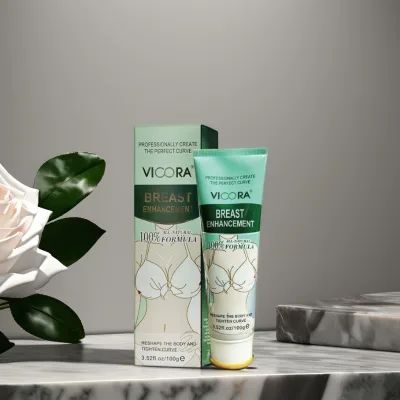
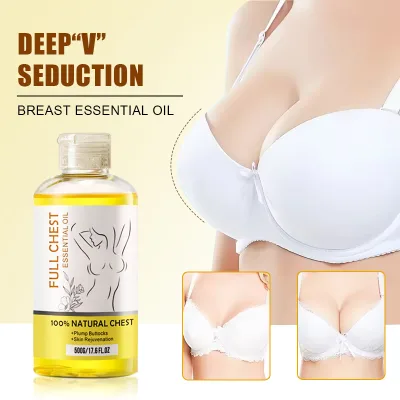
Breast Enhancement Cream Chest Care Beauty Breast Enlargement Massage Cream
$2.01 - $2.58
MOQ: 3000 Pieces


OEM ODM Organic Plant Extract Firming Big Boobs Breast Enhancement Cream
$2.59 - $2.95
MOQ: 3000 Pieces





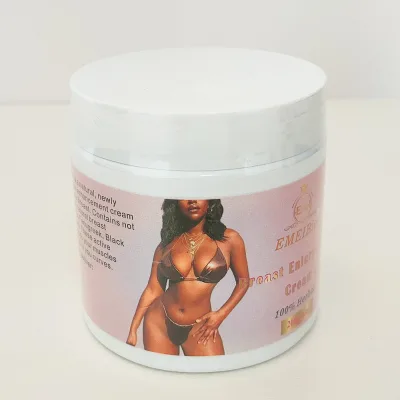
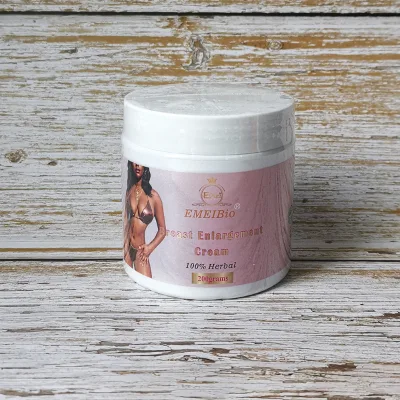
Daqan Wholesale Breast Cream Chest Care Organic Breast Enhancement Cream
$0.65 - $0.80
MOQ: 192 Pieces


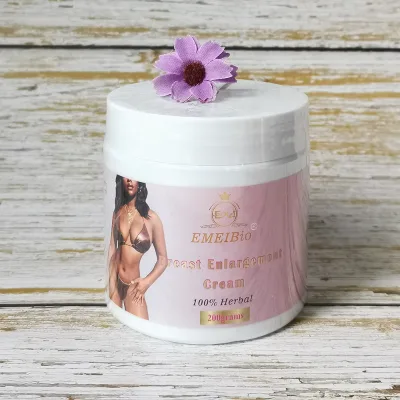

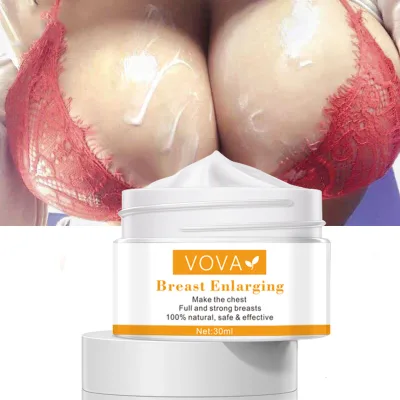


Comprehensive Sourcing Guide
Strategic Sourcing Guide for Herbal Organic Breast Enhancement Creams
Navigating the B2B market for herbal organic breast enhancement creams requires a disciplined approach that balances marketing claims with verifiable product attributes. Buyers entering this sector must distinguish between generic cosmetic formulations and products specifically engineered for breast enlargement and lifting. The supply chain is characterized by a wide variance in specifications, ranging from small-batch customizations to large-scale OEM production. This guide outlines the critical factors for sourcing, focusing on technical specifications, compliance verification, cost structures, and quality assurance protocols derived from current market observations.
Technical Specifications and Product Attributes
The first step in sourcing is defining the precise technical parameters of the product. Market data indicates that "Breast Enhancement Cream" is the primary classification, though specific product models vary significantly. Buyers should expect to encounter models such as BC, BEC, MBM709, and DZ0001, each potentially carrying distinct formulation profiles. A critical attribute to verify is the physical form; while most products in this category are creams, the specific texture and viscosity can impact application efficacy.
Packaging and volume are equally vital for logistics and retail positioning. Observed product standards include capacities of 30g, 100g, and 100ml, with some listings noting "as picture" or "be customize by customers" for packaging requirements. The single package size for standard units often measures approximately 5x3.5x16.5 cm, with a single gross weight around 0.15 kg. However, these figures are not universal; some suppliers may offer different dimensions based on the customization request.
The ingredient profile is a defining characteristic for the "herbal organic" segment. While some listings explicitly state "HERBAL INGREDIENTS/ 100% NATURAL," others simply list "Chemical" as the ingredient category. This discrepancy highlights the necessity for buyers to demand full ingredient disclosure. The intended function is consistently described as "Breast Enlargement and Lifting" or "Make Women Breast Bigger," with effects ranging from enhancement to tightening. The usage mode is strictly for external use, often involving a massage application until absorption. Buyers must ensure the product is non-disposable and portable, suitable for home use, as these are standard operational requirements for this category.
Compliance and Certification Verification
In the personal care and cosmetic sector, regulatory compliance is non-negotiable. The supply chain data confirms that CE certification is a frequently observed attribute, often paired with ISO standards. Specifically, ISO certification is noted in the high-confidence facts, suggesting that reputable manufacturers adhere to international quality management systems. However, buyers must exercise caution regarding specific standard numbers. While ISO22716 is a recognized standard for cosmetic Good Manufacturing Practices (GMP), it appears in low-confidence background data. Therefore, buyers should not assume a product meets ISO22716 without direct verification from the supplier's quality documentation.
The certification status should be treated as an observation of specific listings rather than a blanket guarantee for all products in the category. When evaluating a potential supplier, request copies of valid CE certificates and ISO audit reports. Verify that the certification covers the specific manufacturing facility and the specific product model being sourced. The "Nature" attribute, marked as "Yes" in some listings, implies a natural origin, but this must be substantiated by third-party testing rather than supplier assertions.
Furthermore, the "Supply Type" is predominantly OEM/ODM/OBM, indicating that many manufacturers offer private labeling and custom formulation services. This flexibility allows buyers to tailor the product to their brand's compliance needs, but it also shifts the responsibility of regulatory adherence to the buyer. Ensure that the custom formulation complies with the regulations of the target export market, not just the country of origin, which is identified as China, specifically Guangdong.
Cost Drivers and Pricing Structures
Understanding the cost drivers is essential for budgeting and margin analysis. The observed price range in the market spans from $0.48 to $15.38 USD per unit. This wide disparity is driven by several factors, including the complexity of the formulation, the quality of ingredients, packaging customization, and order volume. Products listed with "100% Natural" or "Herbal Ingredients" typically command a higher price point compared to those with generic chemical listings, reflecting the cost of sourcing organic botanicals.
The Minimum Order Quantity (MOQ) is another significant cost determinant. The market exhibits an MOQ range from 50 pieces to 5,000 pieces. A supplier with an MOQ of 50 pieces may offer a higher unit price due to the setup costs associated with small batches. Conversely, an MOQ of 5,000 pieces often correlates with a lower unit price, suitable for large-scale distributors. Buyers must align their inventory strategy with these thresholds. For instance, a new market entrant might start with a 50-piece MOQ to test the market, while an established brand would likely negotiate for the 5,000-piece tier to maximize economies of scale.
Additional cost factors include the "Shelf Life," which is observed as 3 years in some listings. A longer shelf life can reduce waste and storage costs but may require more expensive preservative systems or packaging to maintain stability. The "Service" attribute, which includes OEM, ODM, and private labeling, also adds to the cost structure. Custom mold development for packaging and the creation of unique formulas will incur additional setup fees that should be factored into the total landed cost.
Typical Applications and Usage Scenarios
The primary application for these creams is breast enhancement, specifically targeting enlargement, lifting, and tightening. The product is designed for external use, requiring a massage application technique to ensure proper absorption and circulation. The "Usage Mode" is explicitly defined for home use, making it a consumer-facing product rather than a clinical or professional treatment. This distinction is crucial for marketing and labeling; claims must align with the intended home-use scenario to avoid regulatory violations regarding medical device claims.
The product is non-disposable and portable, facilitating daily use and travel. The "Feature" is often highlighted as "Safe," a claim that requires rigorous substantiation. Buyers should verify that the safety claims are backed by dermatological testing or clinical trials, especially given the sensitive nature of the body area being treated. The "Advantage" of 20 years of experience noted in some listings suggests that established manufacturers may have more refined formulations and better safety profiles, though this should be verified against the specific product batch.
Applications extend beyond simple enhancement; the "Effect" includes tightening and enlargement, suggesting a multifunctional approach. This aligns with the "Main Ingredient" of herbal components, which are often marketed for their natural soothing and firming properties. However, the "Ingredient" listing of "Chemical" in other products indicates that not all "herbal" claims are accurate, and some products may rely on synthetic actives. Buyers must clearly define the application scope for their target audience to ensure the product meets consumer expectations.
Supplier Evaluation and Selection Criteria
Selecting the right supplier is the most critical step in the procurement process. The market is dominated by suppliers from Guangdong, China, offering a wide range of capabilities from OEM to ODM. When evaluating potential partners, buyers should look for a "Supply Type" that matches their business model. If the goal is to build a private label brand, an ODM supplier with strong R&D capabilities is essential. If the goal is to resell an existing product, an OEM supplier with a proven track record of the specific model (e.g., yzholly-711 or 057) is preferable.
The "Customization" attribute is available across the board, but the depth of customization varies. Some suppliers offer "Be Customize by Customers" for packaging, while others provide full formula customization. Buyers should assess the supplier's ability to meet specific ingredient requirements, such as ensuring the "Main Ingredient" is truly herbal and organic. The "Brand Name" attribute, such as VICORA, indicates that some suppliers operate their own brands, which may limit customization options unless a white-label agreement is established.
Experience is a key differentiator. Listings mentioning "20 Years Experience" suggest a mature operation with established quality control systems. However, buyers should not rely solely on this claim. Instead, request references, visit the facility if possible, and review their history of producing similar products. The "Single package size" and "Single gross weight" should be verified against the supplier's actual capabilities to ensure they match the logistics requirements of the buyer's distribution network.
Quality Control and Long-Term Procurement
Quality control (QC) is paramount in the cosmetic industry, particularly for products applied to sensitive areas. The "Shelf Life" of 3 years requires robust stability testing to ensure the product remains effective and safe throughout its lifecycle. Buyers should mandate a comprehensive QC protocol that includes microbial testing, heavy metal screening, and allergen verification. The "Certification" of CE and ISO should be validated through third-party audits to ensure the manufacturing process consistently meets these standards.
Long-term procurement considerations involve building a sustainable supply chain. The "MOQ" flexibility is a key factor; suppliers offering a range from 50 to 5,000 pieces allow for scalable growth. However, buyers must be prepared for potential lead time variations, especially when customizing packaging or formulas. The "Place of Origin" being Guangdong is a common hub for cosmetics, but buyers should verify the specific factory's capacity and reliability.
To mitigate risks, buyers should establish clear quality agreements that define acceptable defect rates, packaging standards, and ingredient specifications. Regular audits and sample testing should be part of the ongoing relationship. The "Feature" of being "Safe" must be continuously monitored through post-market surveillance and consumer feedback. By maintaining strict quality control and fostering transparent communication with suppliers, buyers can ensure a steady supply of high-quality herbal organic breast enhancement creams that meet both regulatory requirements and consumer expectations.
Comparative Analysis of Product Models
To assist in decision-making, the following table summarizes key attributes observed across different product models in the market. This comparison highlights the variability in specifications and helps buyers identify the most suitable option for their specific needs.
| Attribute | Model BC | Model BEC | Model MBM709 | Model DZ0001 | Model 057 |
|---|---|---|---|---|---|
| Type | Breast Enhancement Cream | Breast Enhancement Cream | Breast Enhancement Cream | Breast Enhancement Cream | Breast Form |
| Standard | 100g | 100ml | 120g | 100g | Normal |
| MOQ | 5000 PCS | Variable | Variable | Variable | 50 PCS |
| Packaging | Customize | Customize | As Picture | As Picture | Normal |
| Ingredient | Chemical | Herbal/Natural | Herbal/Natural | Herbal/Natural | Chemical |
| Origin | China | China | China | China | China |
| Shelf Life | 3 Years | 3 Years | 3 Years | 3 Years | 3 Years |
This table illustrates that while the core function remains consistent, the specific attributes like ingredient source, packaging, and MOQ vary significantly. Buyers should use this data to align their procurement strategy with their brand positioning and operational constraints.
FAQs
What certifications do herbal organic breast enhancement creams typically have?
Products typically hold CE and ISO certifications. Buyers should verify specific audit reports for the manufacturing facility and model, as ISO22716 is not universally confirmed without direct documentation from the supplier.
How can I customize the packaging for my brand?
Customization is available for packaging, often described as 'be customize by customers' or 'as picture'. Suppliers offer OEM and ODM services to tailor the product name, volume, and single package size to your specific requirements.
What is the minimum order quantity for these creams?
The minimum order quantity ranges from 50 pieces to 5,000 pieces depending on the supplier. Smaller batches may cost more per unit, while larger orders often secure better pricing and economies of scale.
Where are these products manufactured?
Most products originate from Guangdong, China. Buyers should verify the specific factory location and capacity, as the region is a known hub for cosmetic manufacturing with varying levels of experience and quality control.
Can I find products with a 3-year shelf life?
Yes, some listings specify a shelf life of 3 years. This duration requires robust stability testing and appropriate preservative systems to ensure the product remains safe and effective for external use throughout its lifecycle.
What volume options are available for breast enhancement cream?
Available volumes include 30g, 100g, and 100ml, with some options listed as 'as picture'. The single package size often measures approximately 5x3.5x16.5 cm, though dimensions may vary based on customization requests.
Are these creams suitable for home use?
Yes, the usage mode is explicitly defined for home use with external application. The product is designed for portable, non-disposable use, typically requiring massage until absorption to achieve the intended enhancement and lifting effects.