Source Herbal Detox Foot Pads for Sleep, Fatigue, and Wellness
Explore 30 listings of Herbal Detox Foot Pads designed to promote sleep, relieve fatigue, and support wellness. Buyers can compare certifications like FDA and GMP, ingredient profiles, and customization options from verified manufacturers in Anhui, China.
Key considerations
Products List




Comprehensive Sourcing Guide
Strategic Sourcing Guide for Herbal Detox Foot Pads
The global market for wellness and personal care products has seen a significant surge in demand for non-invasive therapeutic solutions, with Herbal Detox Foot Pads emerging as a prominent category. For B2B procurement professionals, navigating this sector requires a disciplined approach that separates marketing narratives from verifiable product specifications. This guide provides a comprehensive framework for sourcing Herbal Detox Foot Pads, focusing on technical attributes, regulatory compliance, cost structures, and supplier evaluation criteria based on current market realities.
Technical Specifications and Product Composition
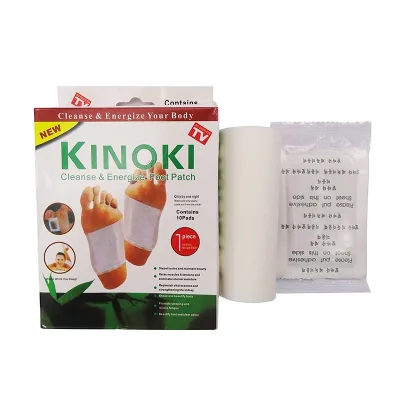
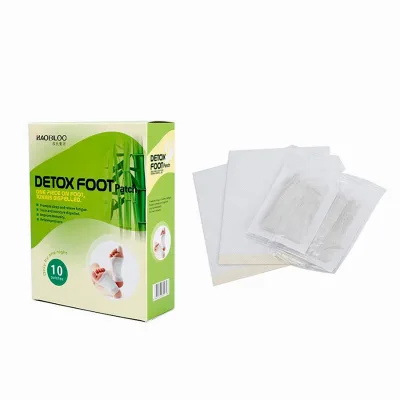
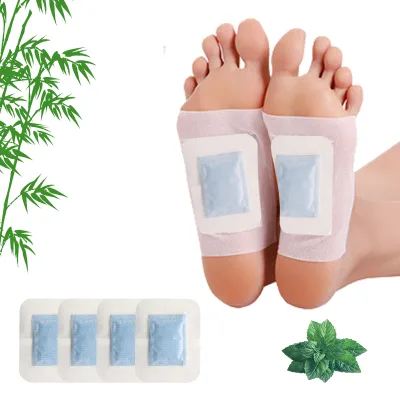
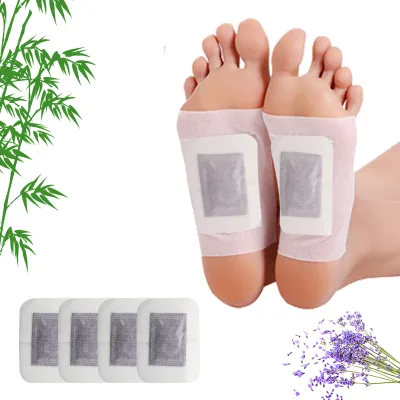
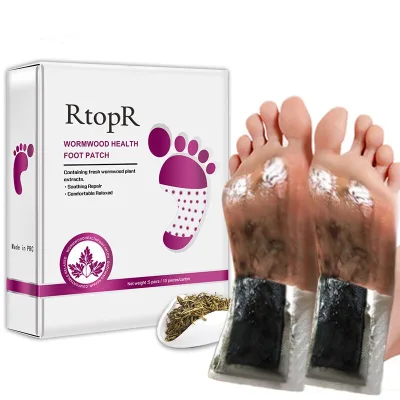
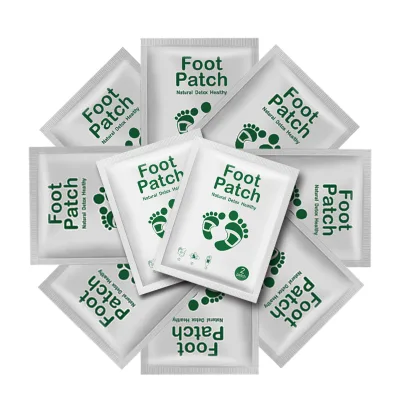
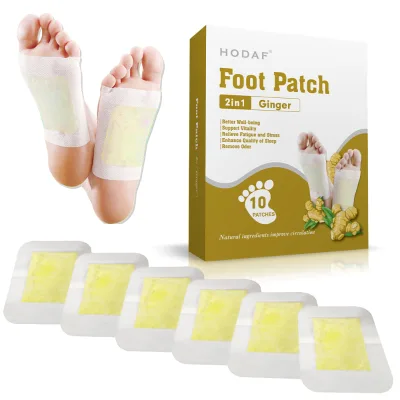
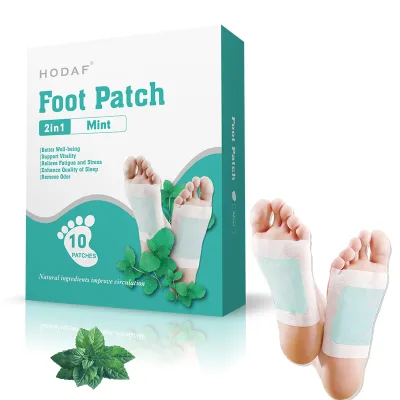
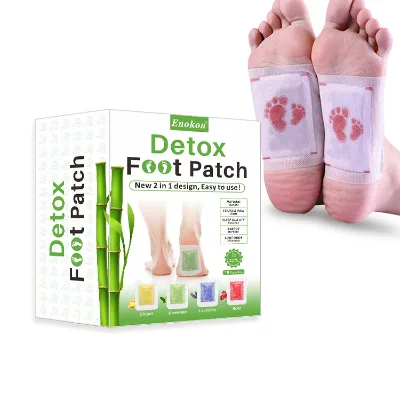
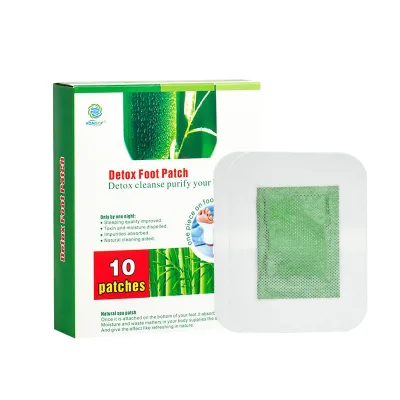
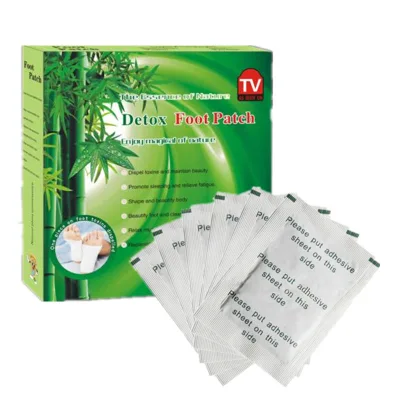
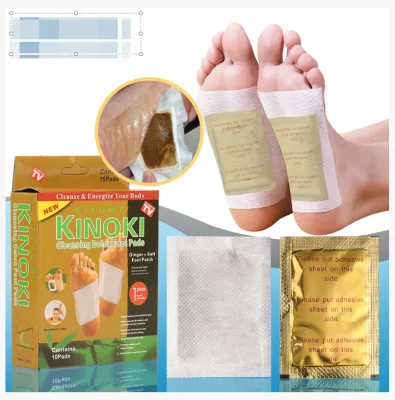
Understanding the physical and chemical composition of the product is the first step in defining procurement requirements. The core construction of these patches typically involves a multi-layered design. The primary material is often a white non-woven fabric, which serves as the adhesive backing and the outer shell. Inside this fabric casing lies a herbal powder packet, which is the active component. The standard patch size observed in the market ranges from 6cm by 8cm for the adhesive patch itself, while the internal powder packet dimensions are frequently cited around 6cm by 8cm as well.
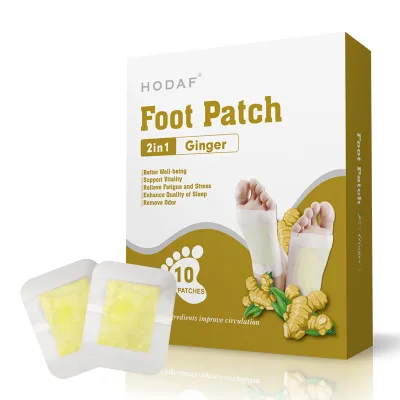
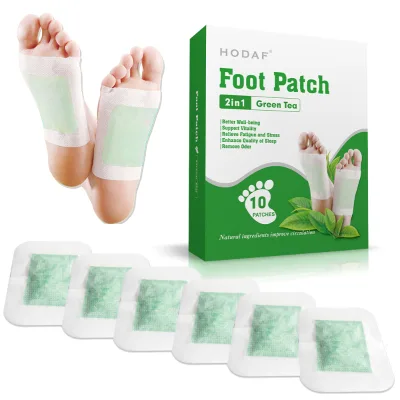
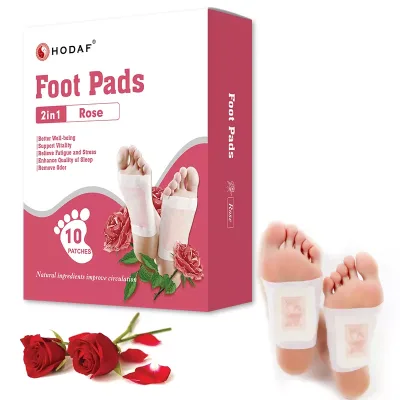
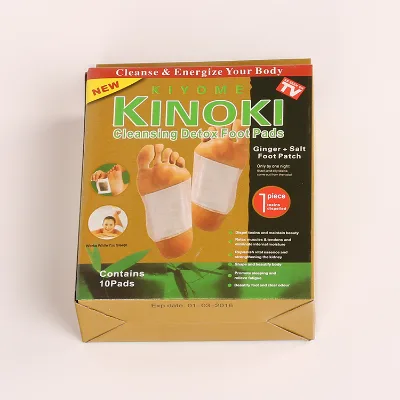
The formulation of the herbal powder is a critical differentiator among suppliers. Common ingredients identified in current product listings include wormwood, green tea, bamboo vinegar, rose extract, tourmaline, vitamin C, and vitamin D. Some variations also incorporate dextrin as a binding agent. The color of the final product can vary based on the specific herbal blend; standard offerings include white patches, while specialized versions may feature green hues for green tea variants or pink tones for rose-infused products. The packaging specifications are equally important for logistics planning. Products are commonly sold in pairs, with 2 pieces per pair. Bulk packaging often utilizes zipper bags containing 5 pairs, or cardboard boxes, with carton dimensions frequently standardized around 15cm by 22cm by 3cm. The shelf life for these herbal formulations is typically established at 3 years, provided they are stored in appropriate conditions.
Regulatory Compliance and Certification Verification
In the health and wellness sector, regulatory compliance is not merely a formality but a prerequisite for market access. When sourcing Herbal Detox Foot Pads, buyers must verify that suppliers possess valid certifications that align with the target market's regulations. The most frequently cited certifications in the industry include FDA registration, GMP (Good Manufacturing Practice), CE marking, ISO13485 for medical device quality management, and MSDS (Material Safety Data Sheet) for chemical safety. Additionally, COA (Certificate of Analysis) and FSC (Forest Stewardship Council) certifications may be present, indicating adherence to specific quality and sustainability standards.
It is crucial to note that certification status is not uniform across all products. While some listings explicitly mention a suite of certifications including FDA, GMP, MSDS, CE, ISO13485, and COA, others may only list a subset. Procurement teams must treat these claims as observations requiring independent verification rather than guaranteed attributes of every listed item. The product standard often referenced is 15cm x 22cm x 3cm per box, which relates to the shipping carton dimensions rather than the patch itself. Buyers should request current, valid copies of these certificates directly from the supplier and cross-reference them with the issuing authority's database to ensure authenticity before placing large orders.
Cost Drivers and Pricing Dynamics
The pricing structure for Herbal Detox Foot Pads is influenced by several variables, including customization levels, order volume, and packaging complexity. The observed market price range for these products is approximately $0.05 to $2.49 per unit. This wide disparity is primarily driven by the complexity of the formulation, the quality of the herbal ingredients, and the level of OEM/ODM services required.
Minimum Order Quantity (MOQ) is another significant cost driver. Suppliers typically offer flexible MOQs ranging from 1 pack to 5,000 units. Lower MOQs, such as 1 pack, are often available for sample testing or small retail runs but may come with a higher unit cost. Conversely, bulk orders of 5,000 units or more usually qualify for the lower end of the price spectrum. Customization services, such as adding a specific logo or altering the packaging design, will inevitably increase the unit price and may require a higher MOQ to be economically viable. The inclusion of free samples, often ranging from 1 to 4 patches or 1 to 2 pairs, is a common practice to facilitate buyer evaluation, but these should be factored into the overall logistics and sampling budget.
Typical Applications and Market Positioning
Herbal Detox Foot Pads are primarily marketed for external use, targeting specific consumer needs related to relaxation and physical well-being. The primary indications for these products include promoting sleep quality and relieving fatigue. The proposed mechanism of action is transdermal absorption, where herbal extracts are claimed to help remove toxins through the skin. This positioning appeals to a broad demographic, including adults, middle-aged individuals, and the elderly.
Beyond the core "detox" claim, some product variations are positioned for specific applications such as beauty treatments or weight loss support. For instance, certain formulations with green tea or rose extracts are highlighted for their potential beauty benefits, while others are explicitly labeled as weight loss patches. The usage mode is strictly for external application, and the product is generally categorized under rehabilitation therapy supplies. Buyers should be aware that while the product is designed for convenience and health, the specific therapeutic claims should be validated against the regulatory framework of the destination country to ensure marketing compliance.
Supplier Evaluation and Service Capabilities
Selecting the right supplier involves more than just comparing unit prices; it requires a thorough assessment of their service capabilities and operational flexibility. A key differentiator in this market is the availability of OEM (Original Equipment Manufacturer) and ODM (Original Design Manufacturer) services. Most suppliers in this category offer these services, allowing buyers to customize the product formula, packaging, and branding. The ability to customize the product is a standard feature, with options to tailor the herbal blend and the adhesive patch design.
Logistics and after-sales support are also critical evaluation points. Suppliers often provide onsite training as part of their after-sales service, which can be valuable for distributors looking to educate their retail partners. The product origin is frequently cited as Anhui, China, a region known for its manufacturing capabilities in this sector. When evaluating suppliers, buyers should verify the lead times and the reliability of their production capacity to meet demand fluctuations. The availability of free samples, typically 2-4 patches or 1-2 pairs, is a strong indicator of a supplier's confidence in their product quality and their willingness to engage in a trial phase.
Quality Control and Long-Term Procurement Strategy
Implementing a robust quality control (QC) strategy is essential for maintaining brand integrity in the herbal foot pad market. Given the nature of the product, which involves herbal ingredients and adhesive components, QC checks should focus on the integrity of the powder packet, the adhesive strength of the non-woven fabric, and the consistency of the herbal blend. Buyers should verify that the supplier adheres to the stated shelf life of 3 years and that the packaging specifications, such as the 2 PCS/Pair or 5 Pairs/Zipper Bag configurations, are strictly maintained to prevent contamination or degradation.
For long-term procurement, establishing a clear communication channel regarding product standards is vital. The standard box dimensions of 10x13cm or 15x22x3cm should be agreed upon in the contract to ensure efficient shipping and storage. Buyers should also consider the environmental impact of the packaging, as some suppliers offer FSC-certified materials. A successful long-term partnership relies on the supplier's ability to maintain consistent quality across batches, adhere to agreed-upon certifications, and provide responsive support for any issues that arise. By focusing on these technical and operational details, buyers can mitigate risks and ensure a steady supply of high-quality Herbal Detox Foot Pads for their distribution channels.
Comparative Analysis of Product Variants
To assist in decision-making, the following table summarizes the key differences between common product variants found in the market. This comparison highlights variations in ingredients, packaging, and specific features that may influence procurement choices.
| Feature | Variant A: Standard Detox | Variant B: Green Tea | Variant C: Rose Blend |
|---|---|---|---|
| Primary Ingredients | Wormwood, Tourmaline, Vit C, D | Green Tea, Bamboo Vinegar, Tourmaline | Rose, Bamboo Vinegar, Tourmaline |
| Color | White | White + Green | White + Pink |
| Patch Size | 6cm x 8cm | 6cm x 8cm | 6cm x 8cm |
| Packaging | 2 PCS/Pair, 5 Pairs/Zipper Bag | 2 Pieces/Pair, 1 Pair/Bag | 2 Pieces/Pair |
| Model Reference | XWY-2024 | XWY-2035 | XWY-2036 |
| Key Indication | Sleep & Fatigue Relief | Beauty & Detox | Beauty & Weight Loss |
| Certifications | FDA, GMP, MSDS, CE | ISO13485, FDA, CE, COA | CE, FDA, MSDS, GMP |
This comparative overview underscores the importance of aligning product selection with specific market demands. Whether the target audience seeks general fatigue relief, beauty benefits, or weight loss support, the choice of variant must be driven by clear customer requirements and verified product specifications. By adhering to these structured sourcing principles, buyers can navigate the complexities of the herbal detox foot pad market with confidence and precision.
FAQs
What certifications do Herbal Detox Foot Pads typically have?
Products often hold FDA, GMP, CE, and ISO13485 certifications. Buyers must verify these documents directly as not every listing includes the full suite of regulatory approvals.
Can I get free samples before placing a bulk order?
Suppliers frequently offer 1 to 4 free patches or 1 to 2 pairs for evaluation. These samples help assess quality but should be factored into your logistics budget.
Which ingredients are commonly found in these herbal patches?
Common ingredients include wormwood, green tea, bamboo vinegar, tourmaline, and vitamins C and D. Formulations vary by variant, so specific blends must be confirmed with the supplier.
How does the customization service work for these patches?
OEM and ODM services are available for branding and packaging customization. Customization may require a higher minimum order quantity and can affect the unit price significantly.
What is the standard shelf life for Herbal Detox Foot Pads?
The typical shelf life is 3 years when stored properly. This duration applies to the herbal powder packet and adhesive components within the non-woven fabric casing.
Can I find suppliers with a low minimum order quantity?
MOQs range from 1 pack to 5000 units depending on the supplier. Lower quantities like 1 pack are suitable for testing but often carry a higher per-unit cost.
Where are these herbal patches typically manufactured?
Many products originate from Anhui, China, a known manufacturing hub for this category. Buyers should verify the specific factory location to ensure compliance with their import regulations.