Source Herbal Whitening Soap for Face, body, and hands
Source Herbal Whitening Soap for Face and body care from 30 verified manufacturers. Compare OEM/ODM options, private labeling, and bulk pricing for solid, customized skincare solutions.
Key considerations
Products List

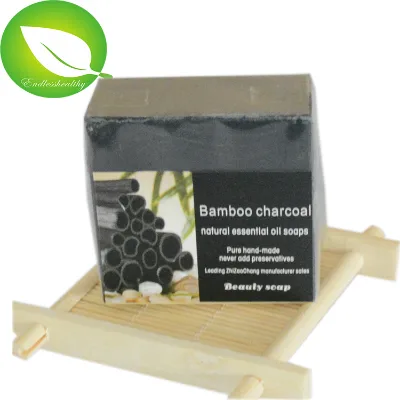
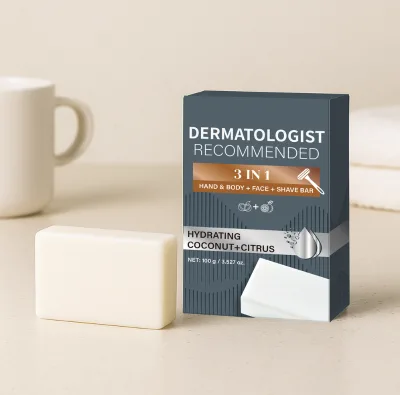
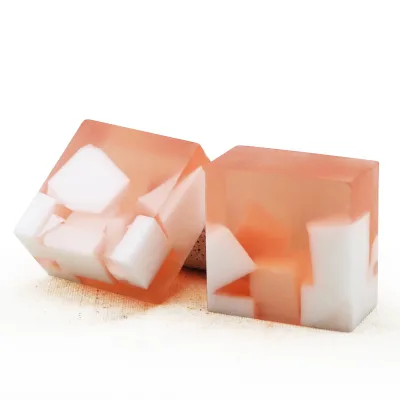
Natural Organic Whitening Soap Honey Oatmeal Soap Cleansing Soaps for Face
$1.18 - $1.52
MOQ: 3000 Pieces


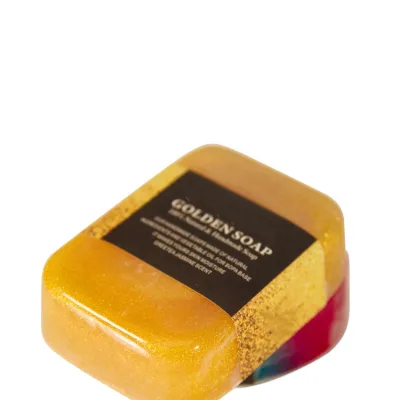
Skin Care 100% Brightening Moisturizing Handmade Whitening Soap for Bath
$1.30 - $1.38
MOQ: 1000 Pieces

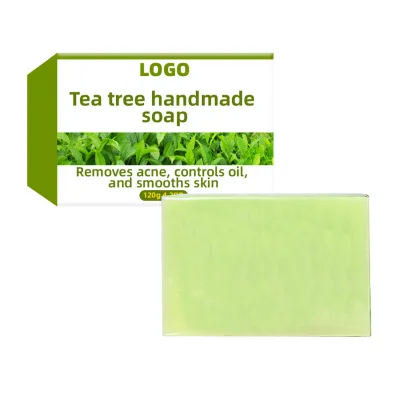
Private Label 100% Natural Moisturizing Handmade Whitening Soap for Bath
$1.30 - $1.38
MOQ: 1000 Pieces


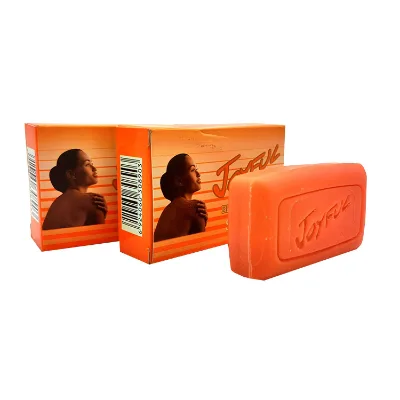
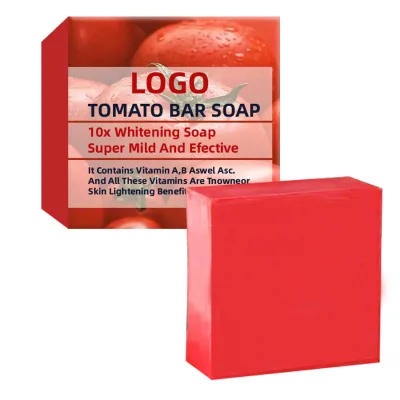
Natural Beauty Whitening Soap for Black and Dark Skin Body and Face Bath Soap
$0.14 - $0.20
MOQ: 30000 Pieces

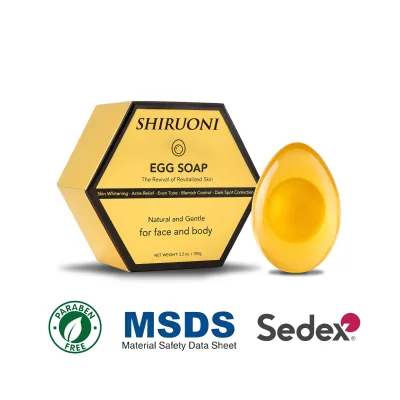
Face Beauty Cream Skin Whitening Soap Honey Soap Natural Organic Skin Toilet Soap
$0.18 - $0.30
MOQ: 30000 Pieces









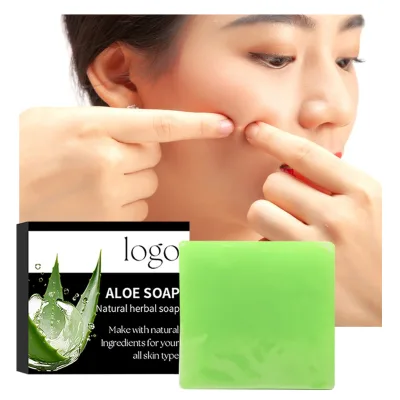
Comprehensive Sourcing Guide
Herbal Whitening Soap for Face Sourcing Guide
Sourcing Herbal Whitening Soap for Face requires a nuanced understanding of the intersection between traditional botanical ingredients and modern cosmetic efficacy claims. Buyers must navigate a market where "herbal" denotes the primary ingredient profile, while "whitening" refers to specific brightening or skin-evening functions often driven by active compounds like Vitamin C or hyaluronic acid. The procurement strategy must balance the aesthetic and olfactory expectations of the end consumer with the rigorous technical and regulatory demands of international trade. This guide provides a structured approach to evaluating suppliers, verifying product specifications, and mitigating risks associated with private label and OEM manufacturing in this category.
The following sections detail the critical verification steps, compliance requirements, and commercial considerations necessary for successful procurement. By focusing on evidence-based decision-making, buyers can ensure that the final product aligns with brand positioning, regulatory standards, and quality expectations. The guidance herein is derived from observed market signals and standard industry practices for cosmetic manufacturing, ensuring that all recommendations are grounded in verifiable data rather than speculative claims.
Product Scope and Observed Listing Signals
The current market landscape for herbal whitening soap reveals a diverse range of product formulations, primarily categorized by their physical form, scent profile, and functional attributes. Observed listings indicate a strong prevalence of solid, non-transparent soaps available in rectangular or square shapes, with weights typically standardized at 100g or 120g, though customized sizes are frequently offered. The ingredient base is predominantly herbal, often supplemented with specific active components such as Vitamin C and hyaluronic acid to support whitening and moisturizing claims. Additionally, some products incorporate fruit-based ingredients or olive oil, suggesting a hybrid approach that combines natural extracts with nourishing fats to enhance skin care benefits.
Scent and aesthetic customization are significant drivers in this segment, with suppliers offering a wide array of options including floral, fruit, lemon, lavender, and jasmine fragrances. Color variations such as green, pink, blue, and purple are commonly available, allowing brands to differentiate their products visually. The market also shows a clear distinction between medicated and non-medicated options, with most observed products falling into the non-medicated, beauty soap category. Buyers should note that while "herbal" is a common descriptor, the actual ingredient list may include chemical components, necessitating careful review of the formulation to ensure alignment with brand values and consumer expectations regarding natural versus synthetic content.
Technical Specifications to Verify
Verifying technical specifications is paramount to ensuring product consistency and performance. Buyers must confirm the exact weight and dimensions of each soap unit, as variations between 100g and 120g can impact packaging logistics and consumer perception of value. The physical form should be verified as solid and non-transparent, with shape options limited to rectangle or square based on current market offerings. It is crucial to distinguish between the base ingredient profile, which is typically herbal, and the specific active ingredients added for efficacy, such as Vitamin C or hyaluronic acid, which directly influence the whitening and moisturizing claims.
Foam quality and usage instructions are also critical technical parameters. Suppliers should provide clear data on foam density, with high foam being a desirable attribute for user satisfaction. The intended usage should be confirmed as suitable for face, hands, and body, ensuring versatility. Additionally, buyers must verify the pH balance of the product, as some listings indicate weak-acid or alkalescent properties, which significantly affect skin compatibility. The packaging format, whether private customized, boxed, or carton-packed, must be aligned with the brand’s retail strategy, and the model numbers (such as BB, S01, or Coffee Face Soap) should be used to track specific formulations across production batches.
Compliance and Safety Documentation
Compliance with safety standards is non-negotiable in the cosmetic industry, particularly for products claiming whitening or skin-care benefits. Buyers must request and verify all relevant certifications, with MSDS (Material Safety Data Sheet) being a fundamental document that outlines the chemical composition and safety handling requirements. While specific regulatory approvals vary by destination market, the presence of a valid MSDS is a baseline indicator of supplier professionalism and transparency regarding ingredient safety. Buyers should also inquire about other potential certifications, such as GMP (Good Manufacturing Practice) or ISO standards, which are not explicitly listed but are industry norms for quality assurance.
The distinction between medicated and non-medicated status must be clearly documented to avoid regulatory misclassification. Since most observed products are non-medicated, they fall under general cosmetic regulations, but the inclusion of active ingredients like Vitamin C may trigger additional scrutiny in certain jurisdictions. Buyers should ensure that the supplier provides a complete ingredient list, including any chemical additives, to facilitate accurate labeling and compliance with local cosmetic regulations. Furthermore, the origin of the product, typically China, should be verified against any trade restrictions or import requirements applicable to the buyer’s region.
Cost Drivers and Commercial Terms
Cost structures in the herbal whitening soap market are influenced by several key factors, including ingredient quality, customization level, and order volume. The observed price range of $0.12 to $21 USD reflects significant variation based on formulation complexity, packaging sophistication, and brand positioning. Buyers should understand that higher prices may correlate with premium herbal extracts, specialized active ingredients, or intricate private label packaging designs. Conversely, lower prices may indicate standard formulations with minimal customization, which could be suitable for high-volume, low-margin strategies.
Minimum Order Quantities (MOQs) vary widely, ranging from 1 to 30,000 pieces, with some suppliers specifying an MOQ of 1,000 pieces for certain models. Buyers must align their order volume with their sales forecast to avoid excess inventory or production delays. Delivery times are typically around 15 days, but this can be extended for customized packaging or large orders. It is essential to clarify all commercial terms, including payment methods, shipping responsibilities, and penalties for delays, to ensure a smooth transaction. The availability of OEM and ODM services allows for greater flexibility but may incur additional setup costs or longer lead times.
Supplier Qualification and Quality Control
Supplier qualification requires a thorough assessment of manufacturing capabilities and quality control processes. Buyers should prioritize suppliers who offer OEM, ODM, and private label services, as these indicate a mature production infrastructure capable of meeting diverse brand requirements. The origin of the product, often Guangzhou, China, is a major hub for cosmetic manufacturing, but buyers must verify the specific factory’s reputation and capacity. Requesting samples is a critical step to evaluate the physical attributes of the soap, including its scent, texture, foam quality, and packaging integrity.
Quality control measures should be explicitly defined in the purchase agreement. Buyers must ensure that the supplier conducts routine checks on ingredient consistency, weight accuracy, and packaging seal integrity. The ability to customize packaging, from private labeling to box design, should be tested during the sampling phase to ensure it meets brand standards. Additionally, buyers should inquire about the supplier’s process for handling batch variations and their policy for rejecting non-conforming products. Establishing a clear communication channel for quality issues is essential for maintaining product consistency across multiple orders.
Long-Term Procurement Checks
Long-term procurement success depends on continuous monitoring of supplier performance and market trends. Buyers should establish key performance indicators (KPIs) for delivery accuracy, product quality, and responsiveness to issues. Regular audits, whether virtual or on-site, can help verify that the supplier maintains consistent quality standards and adheres to agreed-upon specifications. It is also important to stay informed about changes in regulatory requirements for cosmetic ingredients, particularly those related to whitening agents and herbal extracts, to ensure ongoing compliance.
Building a resilient supply chain involves diversifying suppliers and maintaining open lines of communication. Buyers should periodically review the cost structure and market pricing to ensure competitive advantage. Additionally, feedback from end consumers should be collected and shared with the supplier to drive product improvements and innovation. By maintaining a proactive approach to supplier management and quality assurance, buyers can mitigate risks and ensure the long-term success of their herbal whitening soap products in the global market.
FAQs
What ingredients are used in Herbal Whitening Soap for Face?
The soap contains herbal ingredients and fruit-based components like olive oil. Some formulations include active ingredients such as Vitamin C and Hyaluronic Acid to support skin whitening and cleansing functions effectively.
Can I customize the packaging for Herbal Whitening Soap for Face?
Yes, private label packaging is available for clients. Manufacturers offer OEM and ODM services allowing you to customize the box or carton packaging to match your brand requirements and specific product needs.
What is the minimum order quantity for Herbal Whitening Soap for Face?
The minimum order quantity can range from 1 to 30,000 pieces depending on the supplier. Specific listings indicate an MOQ of 1000 pieces for certain models, while others may accept smaller trial orders.
How long does it take to deliver Herbal Whitening Soap for Face?
The typical delivery time is around 15 days for standard orders. Lead times may vary based on the specific manufacturer location in China and the volume of the order placed with the vendor.
Which certifications are available for Herbal Whitening Soap for Face?
Some products come with MSDS certification to ensure safety and quality standards. This documentation helps verify that the soap meets regulatory requirements for cosmetic and skincare products intended for face and body use.
What scents are available for Herbal Whitening Soap for Face?
Available scents include floral options like lavender and jasmine, as well as fruit scents. The product line offers fragrances such as lemon and flower to cater to diverse consumer preferences for aromatic skincare.
Is Herbal Whitening Soap for Face suitable for adults?
Yes, the product is designed specifically for the adult age group. It functions as a cleansing and whitening soap suitable for washing the face, hands, and body with high-quality professional standards.