Source Herbal Energy Capsules for Men, Athletes, and Adults
Compare 30 verified listings for Herbal Energy Capsules from global suppliers. Buyers can review specifications like dosage, certifications, and packaging options to find suitable herbal dietary supplement capsules for adult men and sports applications; compare the available evidence and request quotations based on your requirements.
Key considerations
Products List




Comprehensive Sourcing Guide
Herbal Energy Capsules Sourcing Guide
Procurement of Herbal Energy Capsules requires careful alignment between the buyer's specific health objectives and the supplier's formulation capabilities. The observed market data indicates that these products are primarily designed for adult males seeking performance enhancement, with formulations often centered on specific herbal blends rather than synthetic stimulants. Buyers must verify that the supplier's "Main Ingredient" section explicitly details the herbal components, as the product type is broadly categorized as food or dietary supplement depending on the regulatory jurisdiction.
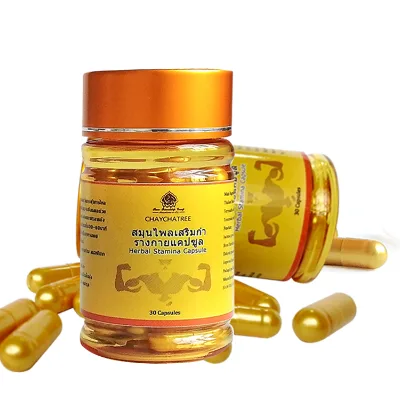
The physical form of these supplements is consistently observed as hard gelatin capsules, typically oval-shaped, which facilitates swallowing and ensures accurate dosing. Sourcing decisions should prioritize suppliers who offer flexible packaging options, ranging from bulk containers to blister packs and custom boxes, to match the buyer's distribution strategy. It is critical to confirm that the supplier can accommodate the specific dosage form requirements, such as the standard 500 mg per capsule, while maintaining the integrity of the herbal extract within the gelatin shell.
Product Scope and Observed Listing Signals
The product scope for Herbal Energy Capsules in the current market is defined by a clear distinction between general dietary supplements and targeted sports or male health products. Listings frequently specify the target demographic as adult males, with explicit warnings that the product is not applicable for pregnant women. This segmentation is vital for compliance, as marketing materials must strictly adhere to these demographic boundaries to avoid regulatory penalties in various international markets.
Observations of listing signals reveal a wide variance in minimum order quantities, ranging from single units for sampling to massive bulk orders of 100,000 units. Buyers should note that while some suppliers offer a single item for sample evaluation, commercial production often requires a minimum of 100 bottles. The availability of customization, including logo printing and private labeling, is a key signal of a supplier's readiness to support brand-specific strategies, though some listings indicate that logo printing may be absent in standard configurations.
Technical Specifications to Verify
Technical verification must begin with the capsule composition and physical dimensions, as the material is consistently identified as gelatin with a hard flexibility profile. Buyers should request detailed specifications regarding the capsule size and the number of units per blister or bottle, as observed standards vary from one to ten capsules per blister. Confirming the single package size and gross weight is essential for accurate logistics planning, particularly when calculating shipping costs for bulk orders of 30 capsules per bottle.
The dosage regimen and shelf-life are critical technical parameters that directly impact product efficacy and inventory management. The standard dosage observed is one capsule taken once daily, with a shelf-life typically spanning 24 months when stored correctly. Buyers must verify that the supplier's storage instructions, such as keeping the product in a dry or cool place, are clearly documented on the packaging to ensure the herbal ingredients remain stable and potent throughout the product's lifecycle.
Compliance and Safety Documentation
Compliance documentation for Herbal Energy Capsules must include a comprehensive set of certifications that validate the manufacturing environment and quality control processes. The observed market data confirms that reputable suppliers typically hold GMP, HACCP, QS, and ISO certifications, which are essential for establishing trust and meeting regulatory requirements in both domestic and export markets. Buyers should request current copies of these certificates to ensure they are valid and cover the specific production facilities used for their order.
Safety documentation must also address the specific contraindications and allergen information associated with the product. Given that the product is not applicable for pregnant women, the safety data sheet and labeling must clearly articulate this restriction to prevent misuse. Additionally, the supplier should provide evidence of testing for heavy metals, pesticides, and microbial contamination, ensuring that the herbal ingredients meet the stringent safety standards required for food and dietary supplements.
Cost Drivers and Commercial Terms
The cost structure for Herbal Energy Capsules is heavily influenced by the complexity of the formula and the level of customization required. Suppliers offering OEM and ODM services, where the buyer provides the formula or requests a specific blend, often command higher prices due to the R&D and formulation adjustments involved. Conversely, standard formulas with minimal customization may offer more competitive pricing, but the buyer must weigh this against the potential lack of product differentiation in the market.
Commercial terms regarding packaging and shipping are significant cost drivers that can vary widely between suppliers. The observed packaging options include bulk, bottles, blisters, and cartons, each with different unit costs and handling requirements. Buyers should negotiate clear terms for the minimum order quantity, which can range from 100 bottles to much larger volumes, and clarify whether the quoted price includes the cost of custom packaging materials and branding elements.
Supplier Qualification and Quality Control
Supplier qualification should focus on the geographic origin and the specific manufacturing capabilities of the facility. The market data indicates production origins in both Thailand and China, each offering distinct advantages in terms of raw material sourcing and labor costs. Buyers must verify that the supplier has a proven track record in producing hard gelatin capsules and can consistently meet the required production standards, such as the 25x25x25 cm carton specifications observed in some listings.
Quality control protocols must be rigorous, extending from raw material intake to the final packaged product. Buyers should inquire about the supplier's in-house testing capabilities and their adherence to the observed standards, such as the 500 mg per capsule specification. It is also essential to confirm that the supplier offers sample availability, allowing the buyer to physically inspect the product quality, packaging integrity, and labeling accuracy before committing to a large-scale order.
Long-Term Procurement Checks
Long-term procurement success depends on establishing a robust relationship with the supplier that ensures consistent supply and quality over time. Buyers should implement a schedule for regular quality audits and performance reviews to monitor the supplier's ability to maintain the 24-month shelf-life and adhere to the specified storage methods. This proactive approach helps mitigate risks associated with supply chain disruptions and ensures that the product remains compliant with evolving regulatory standards.
Continuous improvement in product formulation and packaging is another critical aspect of long-term procurement. As market trends shift, buyers should work with suppliers to update the herbal blends or packaging designs to maintain competitiveness. Regular communication regarding the "Detailed questions" that may arise from customer feedback is essential, ensuring that the supplier remains responsive to the evolving needs of the end-user and the broader market dynamics.
FAQs
What certifications do Herbal Energy Capsules have?
These Herbal Energy Capsules typically hold QS, HACCP, GMP, and ISO certifications. These credentials ensure that the manufacturing process meets strict quality and safety standards. Buyers can verify these documents to confirm regulatory compliance for their target markets. The production facilities often adhere to Good Manufacturing Practices to maintain product integrity throughout the supply chain.
Can I customize the packaging for these supplements?
Yes, customization is available for these Herbal Energy Capsules. Suppliers offer options such as bulk packing, bottles, blisters, or custom boxes. You can also request specific logo printing services to align with your brand identity. This flexibility allows businesses to tailor the final product presentation to meet specific retail or distribution requirements effectively.
What is the minimum order quantity for these capsules?
The minimum order quantity varies, often starting at 100 bottles for standard orders. However, some suppliers may accept lower quantities for samples or specific custom projects. Buyers should confirm the exact MOQ with the manufacturer, as it depends on the packaging type and customization level requested. Bulk orders usually benefit from more competitive pricing structures.
Where are these herbal supplements manufactured?
These herbal supplements are manufactured in locations including Thailand and Guangdong, China. The origin affects shipping logistics and regulatory requirements for import. Buyers should specify their preferred origin when requesting quotes to ensure compliance with local health regulations. The production sites are equipped to handle large-scale manufacturing for global distribution networks.
What is the shelf life of these capsules?
The shelf life for these Herbal Energy Capsules is typically 24 months. Proper storage in a dry, cool place at normal temperature is required to maintain potency. The packaging is designed to be moisture-proof to protect the gelatin capsules from degradation. Buyers should check the expiration date upon receipt to ensure product freshness and efficacy.
Are samples available for quality testing?
Samples are available for buyers to evaluate product quality before placing large orders. This allows businesses to verify the capsule appearance, dosage form, and ingredient composition. Sample requests help ensure the product meets your specific health and safety standards. Contact customer service to arrange sample shipments and discuss any specific testing requirements you may have.