Source High Chrome Crusher Hammers for Mining, Cement, and Construction
Compare 30 High Chrome Crusher Hammers from verified Chinese manufacturers. Buyers can evaluate material grades, hardness ratings, and casting processes to find wear-resistant solutions for mining, cement, and construction applications; compare the available evidence and request quotations based on your requirements.
Updated
Key considerations
Products List


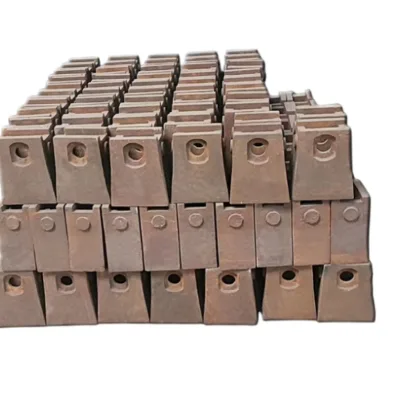
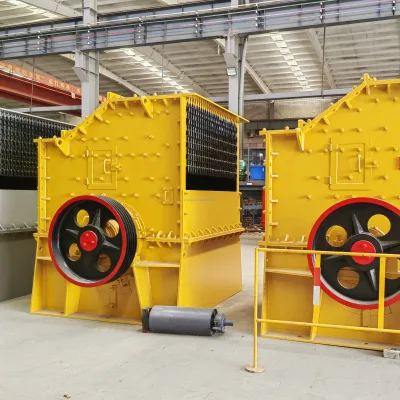
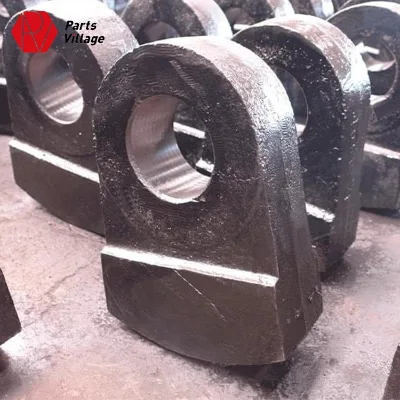
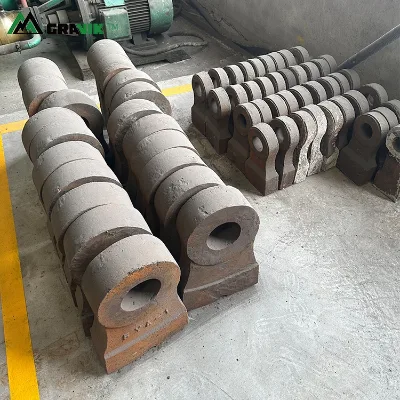
PC Series Hammer Crusher High Chrome Steel Hammers High Efficiency Mining Use
$879.00 - $1000.00
MOQ: 1 pieces
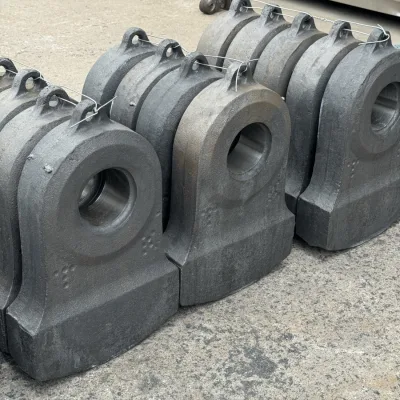
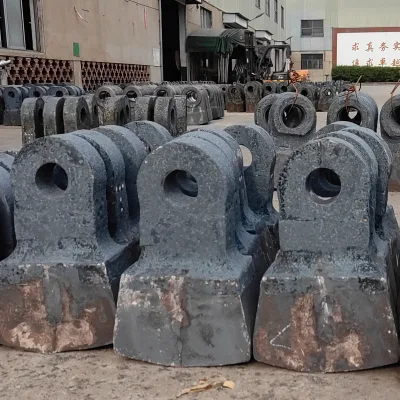
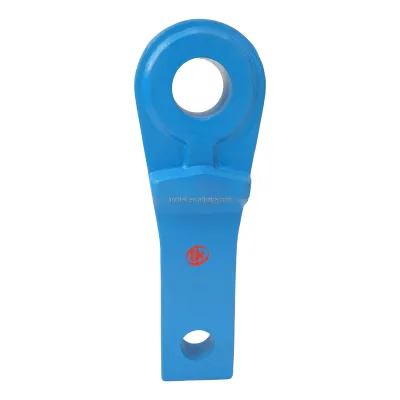
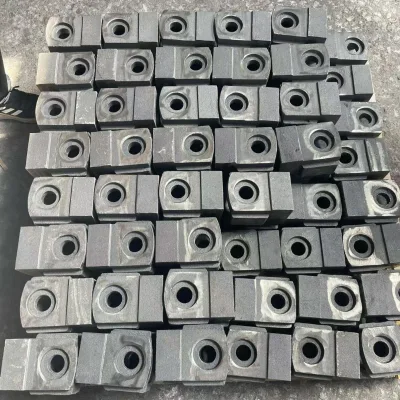


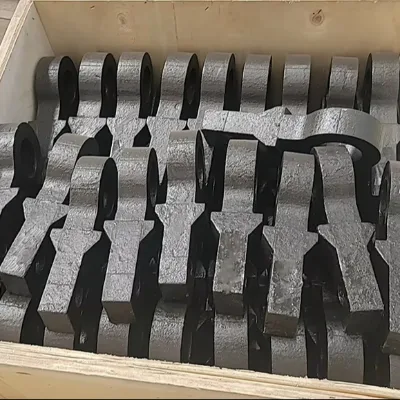
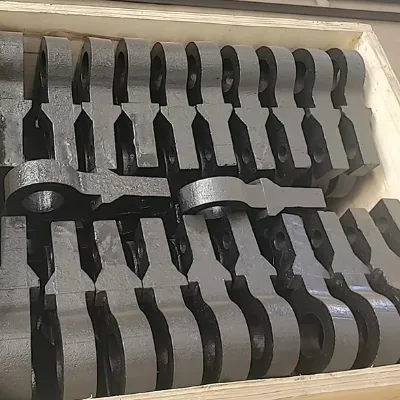



Comprehensive Sourcing Guide
High Chrome Crusher Hammers Sourcing Guide
Procuring High Chrome Crusher Hammers requires a disciplined approach to material verification and process control, as these components are critical for maintaining throughput in heavy-duty crushing operations. Buyers must prioritize suppliers who demonstrate transparent manufacturing capabilities, particularly those utilizing medium frequency electric furnaces for melting, which ensures consistent alloy distribution. The core value proposition lies in the wear resistance provided by the high chrome content, but this benefit is only realized if the heat treatment process—specifically annealing, quenching, and tempering—is executed with precision. Without proper thermal management, the material may suffer from internal stresses or inadequate hardness, leading to premature failure in high-impact environments.
Sourcing decisions should also account for the specific casting methods employed, such as water-glass sand casting or lost form casting, as these influence the surface finish and dimensional accuracy of the final product. Buyers need to verify that the supplier conducts rigorous chemical analysis using spectrometers to confirm the alloy composition meets the specified Cr26 or similar high-chrome standards. This level of scrutiny is essential because minor deviations in carbon or chromium levels can significantly alter the microstructure and, consequently, the lifespan of the hammer. Establishing a clear technical baseline before engaging with suppliers helps mitigate the risk of receiving substandard components that fail to meet the operational demands of mining or aggregate processing facilities.
Product Scope and Observed Listing Signals
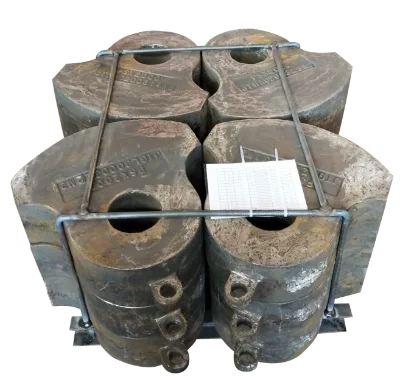
The market for crusher hammers presents a diverse range of product listings, with observed price points spanning from one to twenty thousand US dollars, reflecting variations in size, material grade, and customization complexity. Minimum order quantities typically range from one to one thousand units, allowing for both pilot testing and bulk procurement strategies. Buyers should note that while some listings offer simple packing, others specify more robust packaging solutions like iron frames or plywood boxes, which are crucial for protecting the heavy, brittle components during international shipping. Understanding these logistical variables is vital for calculating the total landed cost and ensuring that the products arrive at the site without damage.
Listing signals also reveal a variety of product models, including high manganese steel stone crusher hammers and clinker crusher hammers, indicating that the term "high chrome" may be used broadly across different material specifications. Some suppliers offer OEM services with custom logos and painting options, suggesting a flexibility in branding and aesthetic requirements for end-users. However, buyers must carefully distinguish between the core material claims and additional features, as not all listed products may satisfy every attribute mentioned in a general catalog. It is advisable to cross-reference the specific model numbers and material descriptions with the actual technical data sheets provided by the supplier to ensure alignment with the intended application.
Technical Specifications to Verify
Hardness is a primary technical specification that buyers must verify, with observed ranges indicating values between 59 and 63 HRC for certain high-chrome variants. This level of hardness is critical for resisting abrasion and impact in crushing applications, but it must be balanced with toughness to prevent brittle fracture. Buyers should request detailed hardness test reports and ensure that the testing methodology, such as the use of flaw detectors, is clearly documented. Additionally, the surface treatment process, whether polishing or sand blasting, plays a significant role in the component's performance and appearance, so verifying the specific treatment applied is necessary to meet operational and maintenance expectations.
Dimensional accuracy and material composition are equally important, with inspections often involving calipers to verify critical dimensions against custom or standard drawings. The manufacturing process, typically sand casting, must be accompanied by evidence of quality control measures, such as ISO 9001 certification, to ensure consistency across production batches. Buyers should also inquire about the specific standards followed, such as ASTM, GOST, GB, JIS, ANSI, BS, ASME, or AISI, as these dictate the testing and acceptance criteria for the material. Confirming that the supplier adheres to a recognized standard helps in predicting the component's behavior under stress and ensures compatibility with existing crusher equipment.
Compliance and Safety Documentation
Compliance with international quality management systems is a key indicator of a supplier's reliability, with many manufacturers holding ISO 9001 certification, including versions like ISO 9001:2008 or ISO 9001:2015. Buyers should verify the scope of this certification to ensure it covers the manufacturing process of casting, which is central to the production of crusher hammers. Additionally, some suppliers may provide Bureau Veritas certificates or other third-party validations, which add an extra layer of assurance regarding the product's quality and consistency. These certifications are not just formalities but serve as evidence of a structured approach to quality control and continuous improvement in the manufacturing process.
Safety and environmental compliance may also be relevant, with some listings mentioning RoHS and CE certifications, although these are more commonly associated with electrical or electronic components. For mechanical wear parts, the focus should be on the provision of machinery test reports and material certifications that confirm the absence of harmful substances and adherence to safety standards. Buyers should request these documents during the quotation phase to ensure that the supplier can provide the necessary proof of compliance. This proactive approach helps in avoiding potential regulatory issues and ensures that the purchased components meet the safety requirements of the operating environment.
Cost Drivers and Commercial Terms
The cost of High Chrome Crusher Hammers is influenced by several factors, including the raw material prices, the complexity of the casting process, and the level of customization required. Lead times are a significant commercial term, with observed durations of around forty-five days, which buyers must factor into their production planning and inventory management strategies. Understanding the lead time helps in scheduling maintenance downtimes effectively and avoiding production delays due to late deliveries. Buyers should also clarify the payment terms and any additional costs associated with packaging, shipping, and insurance to get a complete picture of the total investment.
Customization options, such as specific models, standards, or surface treatments, can impact the final price, as they may require additional tooling or processing steps. Suppliers offering OEM services may charge extra for logo printing or custom painting, so these costs should be explicitly stated in the quotation. Buyers should compare the total cost of ownership, including the expected lifespan and replacement frequency of the hammers, rather than just the initial purchase price. A higher upfront cost may be justified if the component offers superior wear resistance and longer service life, ultimately reducing the overall maintenance costs for the crushing operation.
Supplier Qualification and Quality Control
Supplier qualification involves a thorough assessment of their manufacturing capabilities, including the availability of medium frequency electric furnaces and advanced heat treatment facilities. Buyers should verify that the supplier conducts rigorous testing, such as hardness tests and flaw detector inspections, to ensure the integrity of each component. The quality guarantee, often stated as one year against manufacturing defects, is a critical factor in the purchasing decision, as it provides a safety net against premature failures. Buyers should also inquire about the supplier's experience in the mining equipment sector and their track record of delivering consistent quality to similar clients.
Quality control processes should be transparent and well-documented, with suppliers providing detailed inspection reports and material certifications. Buyers should consider visiting the manufacturing facility or requesting virtual tours to assess the production environment and quality control measures firsthand. Additionally, establishing a clear communication channel with the supplier's technical team can help in resolving any issues that may arise during the production or delivery process. A supplier with a strong focus on quality control is more likely to deliver products that meet the specified requirements and perform reliably in demanding crushing applications.
Long-Term Procurement Checks
Long-term procurement success depends on establishing a partnership with a supplier who can consistently meet quality and delivery requirements over time. Buyers should monitor the performance of the purchased hammers in actual operating conditions and provide feedback to the supplier to facilitate continuous improvement. Regular audits of the supplier's quality management system and production processes can help ensure that the standards are maintained and any deviations are addressed promptly. Building a strong relationship with the supplier can also lead to better pricing, priority production scheduling, and access to new product developments.
It is also important to stay updated on industry standards and technological advancements in crusher hammer design and materials. Buyers should periodically review their procurement specifications to ensure they align with the latest best practices and operational requirements. Engaging with multiple suppliers can provide a broader perspective on market trends and help in negotiating better terms. By maintaining a proactive approach to supplier management and quality assurance, buyers can ensure a steady supply of high-quality crusher hammers that support the efficiency and reliability of their crushing operations.
FAQs
What materials are used for High Chrome Crusher Hammers?
High Chrome Crusher Hammers are primarily made from high chrome alloy steel to ensure superior wear resistance. Some listings also specify high manganese steel for stone crushing applications. These materials undergo rigorous chemical analysis to maintain quality standards required for mining equipment.
Which certifications do these crusher hammers typically hold?
Manufacturers often provide ISO 9001 certification for their manufacturing processes. Some products also pass Bureau Veritas inspections and meet ASTM standards. Additional certifications like RoHS and CE may be available depending on the specific supplier and product configuration.
How is the hardness of these hammers determined?
The hardness is verified through testing and typically ranges from 59 to 63 HRC. Quality control involves hardness tests and flaw detector inspections to ensure durability. Calipers are also used for dimensional inspection during the manufacturing process.
Can suppliers customize the specifications of these hammers?
Yes, customization is available for product models and standards to meet specific needs. Buyers can request OEM logos and specific packing options like iron frames or plywood boxes. Custom specifications allow adaptation for various mining equipment applications.
What is the lead time for ordering these crusher hammers?
The standard lead time for production is approximately 45 days. This duration covers the casting process, heat treatment, and final quality inspections. Buyers should confirm specific timelines with suppliers as they may vary based on order volume and customization requirements.
Where are these High Chrome Crusher Hammers manufactured?
These products originate from manufacturing facilities located in China, specifically in regions like Henan and Ningbo. The production involves water-glass sand casting or lost form casting processes using medium frequency electric furnaces.
What surface treatments are applied to the crusher hammers?
Surface treatments include polishing and sand blasting to enhance durability and finish. Some products may also receive painting as required by the buyer. These processes ensure the hammers meet the high quality standards expected for mining equipment.