Multifunctional Water Well Drilling Rig Suppliers and Manufacturers
Source 24 verified suppliers for Multifunctional Water Well Drilling Rig equipment. Compare key dimensions including lead times, certifications, and pricing to identify suitable partners. Review product specifications and request quotes directly from manufacturers in China; review the available evidence before requesting comparable quotations from suitable candidates.
Updated
Suppliers List

Zhengzhou Yugong Construction Machinery Co., Ltd.
- Verified by SGS
- Trading Company
- China Henan
- Lead time23 days
- Avg. response≤ 5h
Main productsCore Drilling Rig, Excavator Attachment, Spider Crane, Egg Tray Machine
Main marketsSoutheast Asia/ Mideast,Europe,North America

Beijing Jincheng Mining Technology Co., Ltd.
- Verified by SGS
- Trading Company
- China Beijing
- Lead time30 days
- Avg. response≤ 5h
Main productsCore Drilling Rig, Water Well Drilling Rig, Rock Drilling Rig, Engineering Drilling Rig, DTH Drilling Tools, Diamond Core Drilling Tools, Water Well Drilling Tools, Portable Air Compressor, Drill Mud Pump
Main marketsAfrica
Luohe Langrui Electromechanical Equipment Co., Ltd.
- Verified by TüVRheinland
- Trading Company
- Lead time15 days
- Avg. response≤ 2h
Main productsFruit And Vegetable Processing Equipment, Meat Processing Machinery, Nut Processing Machinery, Snack Processing Machinery, Packaging Machinery
Main marketsAfrica(25%), North America(20%), Southeast Asia(18%)
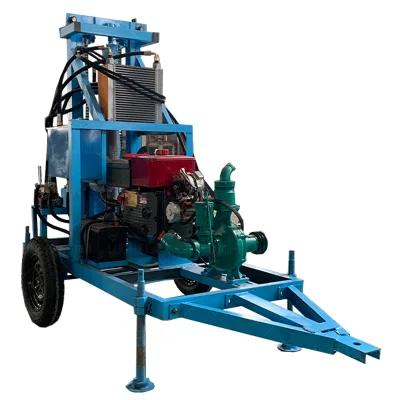
Multi-function Water Well Drilling Machine Boring Machine Water Well Drilling Equipment Drilling Rig
$1929.00 - $1979.00
MOQ: 1
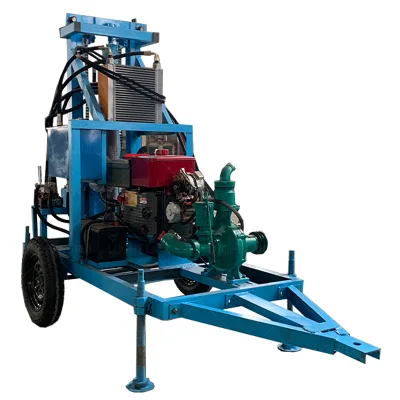
Source Manufacturers Multi-functional Mining Drill Rotary Drilling Well Drilling Machine
$1929.00 - $1979.00
MOQ: 1
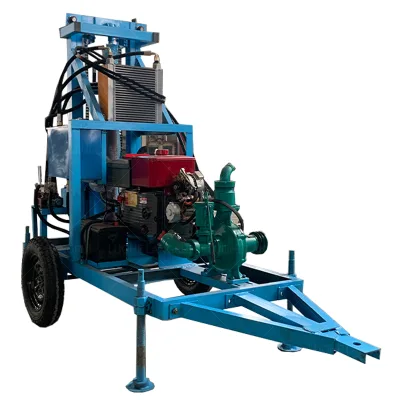
High Quality 40 m diesel Hydraulic Water Well Drill Includes Tires and Drill Bit
$1929.00 - $1979.00
MOQ: 1

Shandong KINYETA Machinery Equipment Co., Ltd.
- Trading Company
- China Shandong
- Lead time0 days
- Avg. response≤ 2h

Shandong Bangxin Mechanical Equipment Co., Ltd.
- Verified by BV
- Combined
- China Shandong
- Lead time15 days
- Avg. response≤ 8h
Main productsWater Well Drilling Rig, Dirlling Rig, Rig, Water Well Drilling Machine, DTH Hammer Well, Diamond Core Drill Bit, Borehole Drilling Rigs, Core Drill Rig, Air Compressor, Coal Mine Drilling Rigs
Main marketsOthers(foreignTradeCapacity.exportBusinessCapacityMarketOther),Southeast Asia/ Mideast


China Factory Multi-Functional Borehole Hydraulic Water Well Drilling Rig
$13900.00 - $120000.00
MOQ: 1 Sets

China Supplier Multi-Functional Crawler Water Well Drilling Machine Rig
$13900.00 - $120000.00
MOQ: 1 Pieces

Water Drilling Machine Prices Water Well Drilling Rig Mini Water Well Drilling Rig
$8000.00 - $120000.00
MOQ: 1 Sets


Anhui Yingxie Basic Engineering Co., Ltd.
- Verified by TUVRHEINLAND
- Trading Company,Manufacturer/Factory
- China Anhui
- Lead time15 days
- Avg. response≤ 1h
Main productsRotary Drilling Rig, Engineering Drilling Rig, Used Rotary Dig Drill, Used Hydraulic Drilling Rig, Backhoe Loader, Second-Hand Machinery, Used Construction Machinery, Pile Driver, Water Well Drilling Machine, Drilling Machinery
Main marketsSouth America,Eastern Europe,Mid East,North America,Southeast Asia,Eastern Asia,Oceania,Western Europe,Africa


Rotary Drilling Rig Rotary Multifunctional Drilling Diesel Water Well Drill Rig Machine
$15983200.00 - $15983275.00
MOQ: 1 Sets


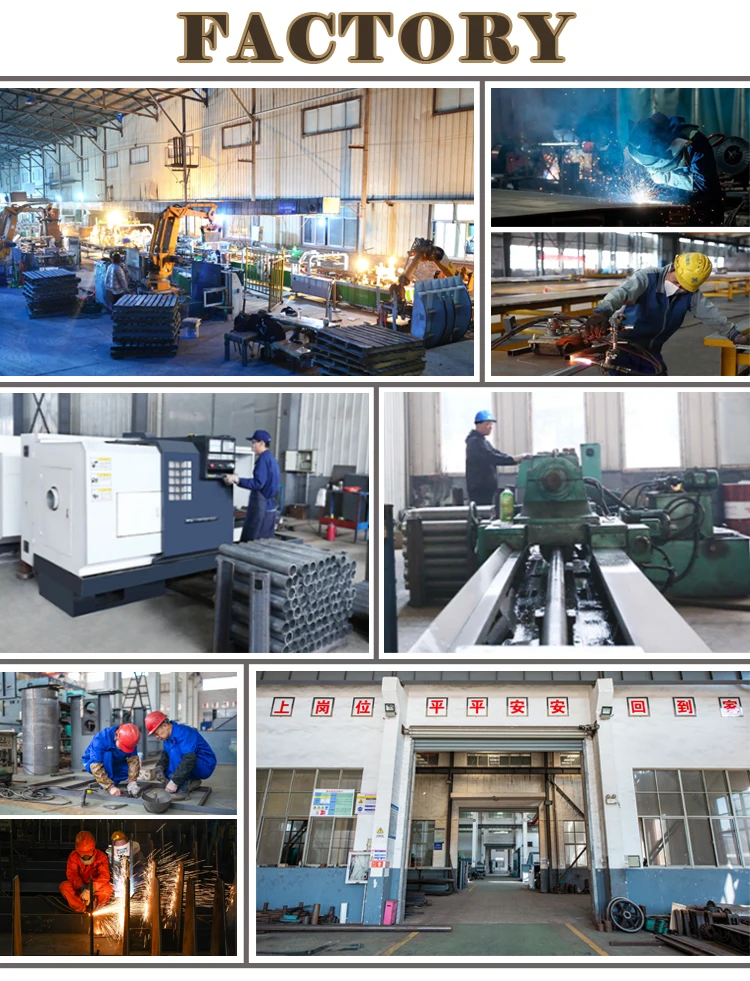
Glorytek Industry (beijing) Co., Ltd.
- Trading Company
- Beijing, China
- Lead time30 days
- Avg. response≤ 5h
Main productsDrill Rod, Core Drill Rig, PDC Bit, Mud Pump, Water Well Drill Rig
Main marketsWestern Europe(20.00%), North America(15.00%), Northern Europe(15.00%), Eastern Europe(10.00%), Southeast Asia(9.00%), Mid East(8.00%), Oceania(6.00%), Southern Europe(5.00%), Eastern Asia(5.00%), Africa(5.00%), South America(2.00%)
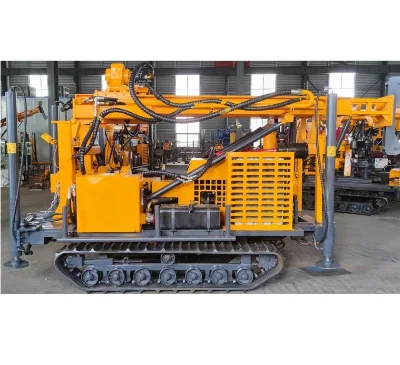
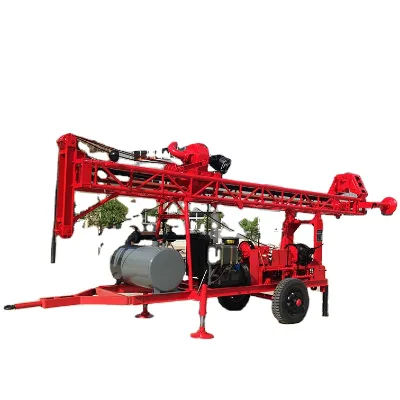
Multifunctional Core Drilling Machine Both Air Drilling and Rotary Drilling
$32832.8045
MOQ: 1 Minimum
Zhengzhou Aden Machinery Equipment Co., Ltd.
- Trading Company
- Henan, China
- Lead time5 days
- Avg. response≤ 3h
Main productsSpider Crane,Coring Drilling Machine,spraying machine,Packing machine,Pile Driver
Main marketsMid East(30.00%), South America(20.00%), Africa(10.00%), Southeast Asia(10.00%), Southern Europe(9.00%), Eastern Europe(8.00%), Western Europe(8.00%), Northern Europe(3.00%), Central America(2.00%)
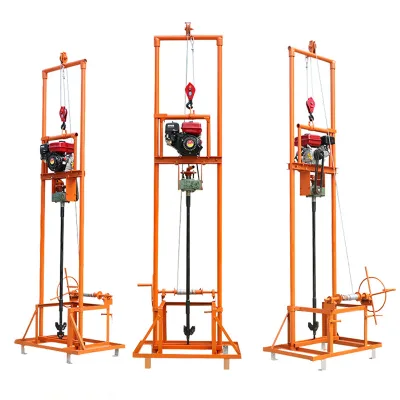
Professionally Manufacture 80m Gasoline and Diesel Multi Functional Water Well Drilling Rig
$817.0901 - $1026.6004
MOQ: 1 Minimum
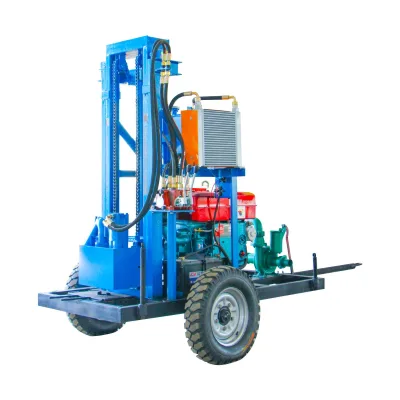
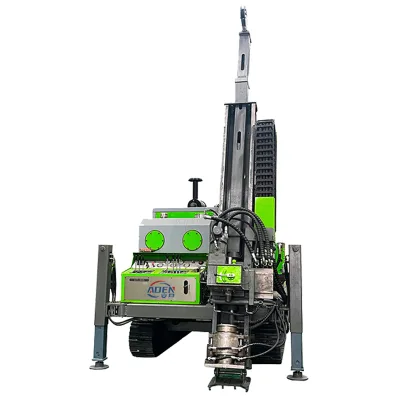
High Efficiency Coring Geotechnical Core Exploration Drilling Rig Water Drilling Machine Price
$18800.00 - $43800.00
MOQ: 1 Minimum
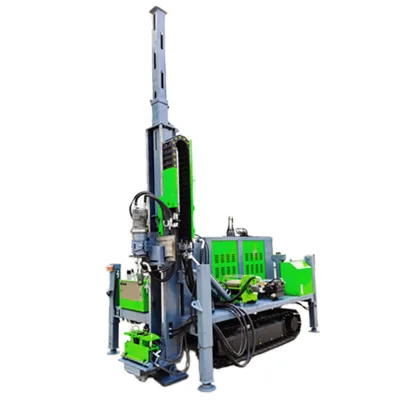
$18800.00 - $43800.00
MOQ: 1 Minimum
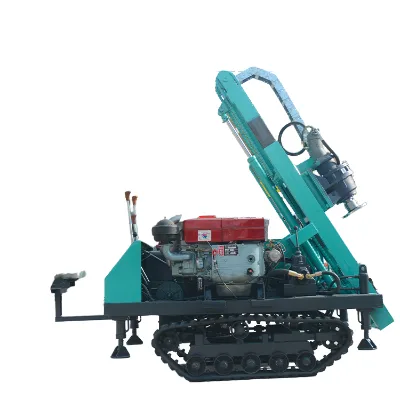
$3980.00 - $4180.00
MOQ: 1 Minimum
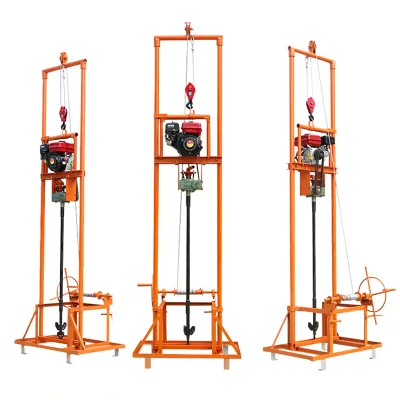
Gasoline 7.5 HP Portable 60m Deep Water Well Drilling Rig Machine Best Price
$780.00 - $980.00
MOQ: 1 Minimum
Zhejiang Kaishi Machinery Co., Ltd.
- Trading Company
- Zhejiang, China
- Lead time15 days
- Avg. response≤ 3h
Main productsAir Compressor,drilling equipment,One-stop Customized Service for Projects
Main marketsAfrica(80.00%), Southeast Asia(15.00%), Mid East(5.00%)

Ji Ning Hengwang Mining Machinery Co., Ltd.
- Verified by SGS
- Combined
- China Shandong
- Lead time15 days
- Avg. response≤ 10h
Main productsMining Machine, Drilling Machine, Railway Equipment, Road Machinery, Electrical Equipment, Hydraulic Tools, New Energy, Pump, Piling Machine, Exploration Equipment
Main marketsSouth America,Southeast Asia/ Mideast,Europe


Multi-Function Water Well Drilling Rig Drilling Machine Driller 260m for Water
$14000.00 - $20000.00
MOQ: 1 Sets


High Performance Water Well Drilling Rig Bore Well Drilling Rig Machine
$11000.00 - $19000.00
MOQ: 1 Sets

Shandong Naking Heavy Industry Co., Ltd.
- Verified by SGS
- Trading Company
- China Shandong
- Lead time15 days
- Avg. response≤ 2h
Main productsDrilling Rig, Pile Driver, Construction Machine, Water Drill Machine, Water Well Drilling Rig, Borehole Drilling Rigs, Water Drilling Machinery, Hydraulic Drilling Rig, Water Drilling Machine, Drilling Rig Machine
Main marketsSouth America,Europe

Rizhao Fuqian International Trade Co., Ltd.
- Verified by SGS
- Combined
- China Shandong
- Lead time30 days
- Avg. response≤ 3h
Main productsWell Drilling Rig, Core Drilling Rig, Reverse Circulation Drilling Rig, Geological Exploration Drilling Rig, Water Well Drilling Rig, Hydraulic Exploration Rig, Integrated DTH Blast Hole Drilling Rig, All-in-One Blasting Drilling Rig, 600m 800m Portable Drilling Rig, Mineral Exploration /Ore Prospecting Rig
Main marketsDomestic

Deep Water Well Core Drilling Rig for Combined Exploration Purpose
$38000.00 - $88000.00
MOQ: 1 Pieces

Precision Water Well Core Drill Rig with Dual Purpose Functionality
$35000.00 - $88000.00
MOQ: 1 Pieces

High Capacity Deep Water Well Core Drill Rig for Combined Applications
$38000.00 - $88000.00
MOQ: 1 Pieces

Shandong Xinwanli Machinery Co., Ltd.
- Verified by TüVRheinland
- Manufacturer, Trading Company
- Lead time7 days
- Avg. response≤ 1h
Main productsWater Well Drilling Rig, Hydraulic Drill, Core Drilling Rig, Down The Hole Drill Rig, Drilling Rig
Main marketsAfrica(50%), South America(18%), Mid East(17%)
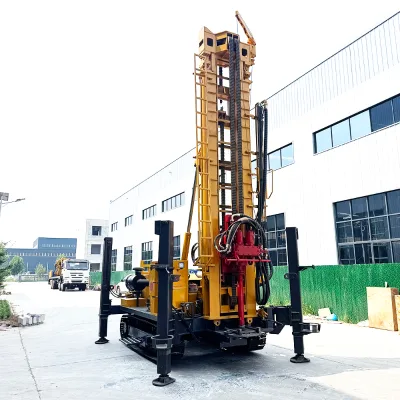
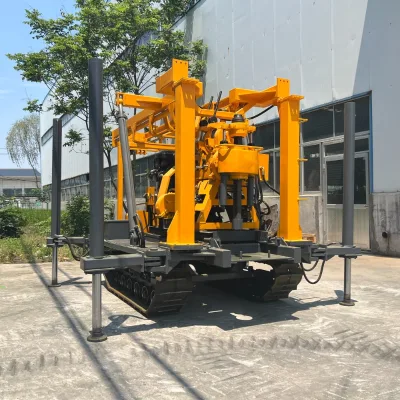
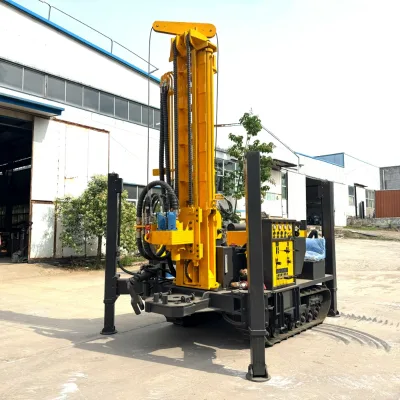
200 Meter 400 Meter Water Well Drilling Rig Customized Perforated Rig Machine Price
$26000.00 - $41500.00
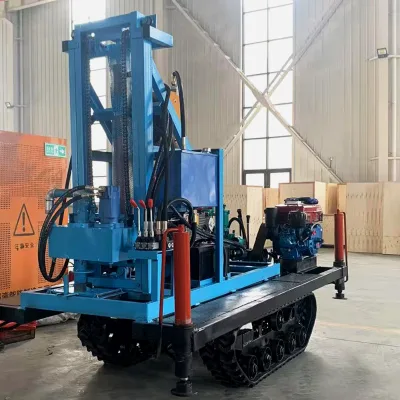
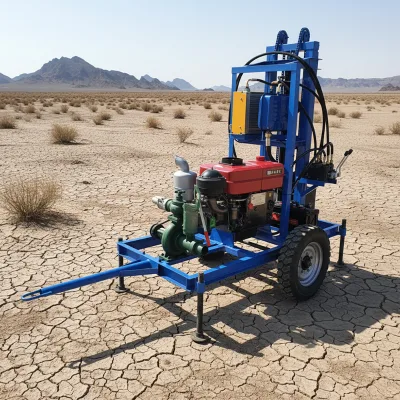
Zhengzhou Liyo Machinery Equipment Co., Ltd.
- Verified by SGS Group
- Trading Company
- Lead time10 days
- Avg. response≤ 2h
Main productsWater well drilling machine, Core drill rigs, DTH drilling rig, Horizontal drilling rig
Main marketsSouth America(20%), Africa(20%), North America(20%)
Qingdao Jingzhong Energy Development Co., Ltd.
- Manufacturer, Trading Company
- Shandong, China
- Lead time60 days
- Avg. response≤ 15h
Main productsLawn mower,Lawn hole puncher,Ride-on lawn mower,Hand-pushed lawn mower,Snow blower
Main marketsDomestic Market(10.00%)
Luohe Aijiesi Intelligent Equipment Co., Ltd.
- Verified by Intertek
- Manufacturer, Trading Company
- Lead time10 days
- Avg. response≤ 1h
Main productsHarvester, Juicer, Drilling Equipment, Silage Machine, Silage Packing Machine
Main marketsConfidential(30%), Confidential(15%), Confidential(12%)
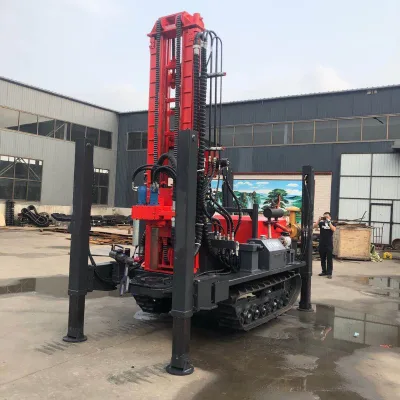
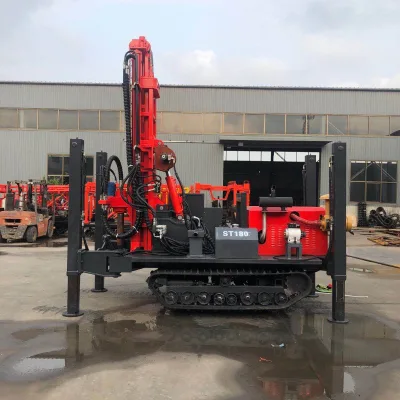
China Manufacturer Crawler Type Multifunctional Bore Hole Mining Water Drill Rig 180 Meters
$2050.00 - $2300.00
MOQ: 1 sets
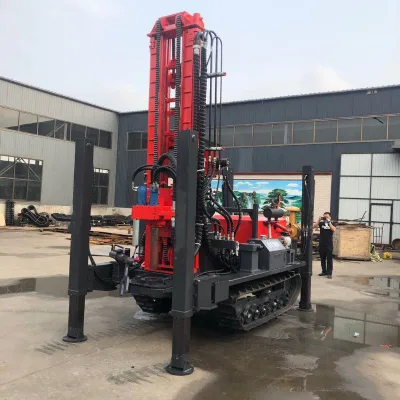
$2050.00 - $2300.00
MOQ: 1 sets

Zhejiang Sanrock Supply Management Co., Ltd.
- Verified by TUVRHEINLAND
- Trading Company,Manufacturer/Factory
- China Zhejiang
- Lead time23 days
- Avg. response≤ 5h
Main productsCore Drilling Rig, Pile Drilling Rig, Solar Pile Drlling Rig, Rotary Drilling Rig, DTH Drilling Rig, Blasting Drilling Rig, Pneumatic Rock Drilling Rig, Underground Jumbo Drilling Rig, Drill Rod, DTH Drill Hammer
Main marketsSouth America,Eastern Europe,Mid East,North America,Southeast Asia,Eastern Asia,Oceania,Western Europe,Africa

Water Well Drilling Rig with Compressor 600m Borehole Water Well Drill Rig
$150000.00 - $190000.00
MOQ: 1 Sets

Core Drilling Machine Mining Exploration Drilling Equipment Water Well Drill Rig
$31811.00 - $32126.00
MOQ: 1 Sets

Water Well Drill Machine Hydraulic Rotary Water Well Drilling Rig for Sale
$150000.00 - $190000.00
MOQ: 1 Sets

Water Well Drilling Rig Deep Well Drilling Equipment Hydraulic Drill Rig
$110000.00 - $150000.00
MOQ: 1 Pieces

Deep Well Drilling Equipment High Productivity Water Well Drilling Rig Machine
$210000.00 - $230000.00
MOQ: 1 Pieces

Water Well Drilling Rig Machine High Quality Hydraulic Drill Rig for Sale
$110000.00 - $150000.00
MOQ: 1 Pieces
Hebei Jingkan Machinery And Equipment Co., Ltd.
- Manufacturer
- Hebei, China
- Lead time0 days
- Avg. response≤ 1h
Main productsCore Drill, Mud Pump, Truck, Drill Pipe, Bit Tool
Main marketsSoutheast Asia(40.00%), Africa(30.00%), Domestic Market(20.00%), North America(10.00%)
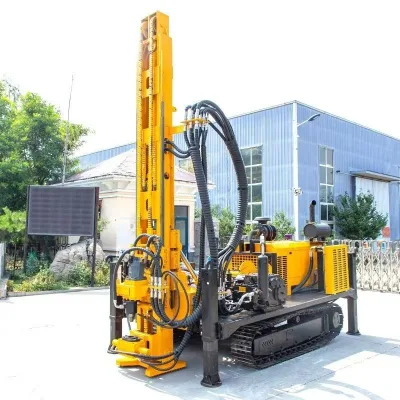
Wholesale Mobile Hydraulic Core Water Well Drilling Rig
$55000.00 - $56000.00
$1984.844 - $2055.7354
MOQ: 1 sets
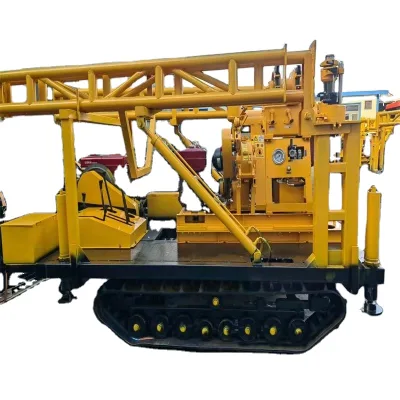
High Efficiency Drilling Rig Mining Exploration Rotary Borehole Drill Rig
$5500.00 - $5600.00
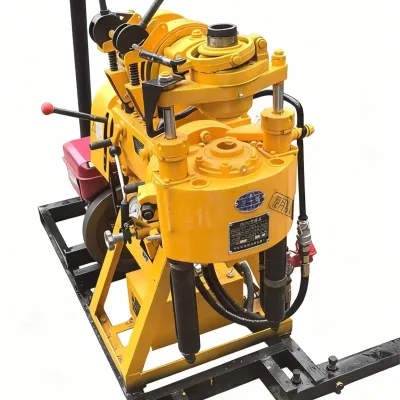

Shandong Flex Machinery Co., Ltd
- Verified by SGS
- Manufacturer
- China Shandong
- Lead time15 days
- Avg. response≤ 6h
Main productsWater Well Drilling Rig, Air Compressor, Core Drilling Rig, Drilling Pipe, Drilling Hammer, Drilling Bit, Mud Pump, Hydraulic Drilling Rig, Piling Rig, DTH Drilling Rig
Main marketsDomestic

Deep Water Well Drilling Machine/Water Well Drilling Rig for Efficient Extraction
$1000.00 - $23500.00
MOQ: 1 set

Heavy-Duty Water Well Drilling Rig for Efficient Groundwater Extraction
$1000.00 - $17900.00
MOQ: 1 set


Jining Shengheng Heavy Industry Machinery Co., Ltd.
- Manufacturer
- Shandong, China
- Lead time3 days
- Avg. response≤ 2h
Main productsDismantling equipment,Mowing and logging,Road maintenance,Drilling machine,Loading and unloading screening
Main marketsSouth America(20.00%), Mid East(15.00%), Western Europe(15.00%), Eastern Europe(15.00%), North America(15.00%), Africa(12.00%), Domestic Market(8.00%)
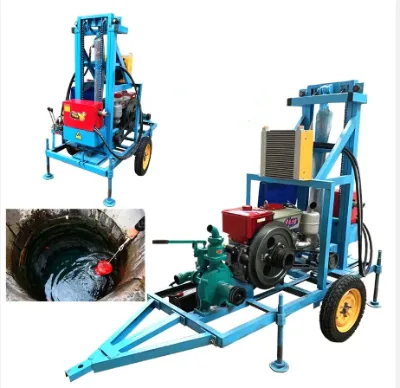
$2491.20 - $2611.20
MOQ: 1 pieces
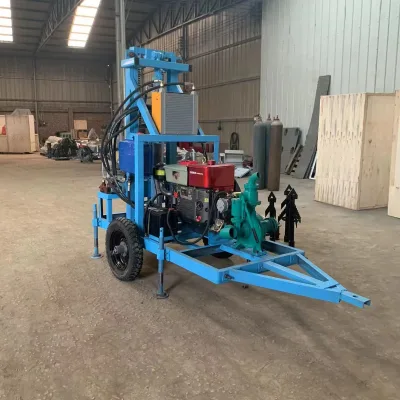
Special Equipment for Exploring Groundwater with Water Well Drilling Rig
$2721.60 - $2841.60
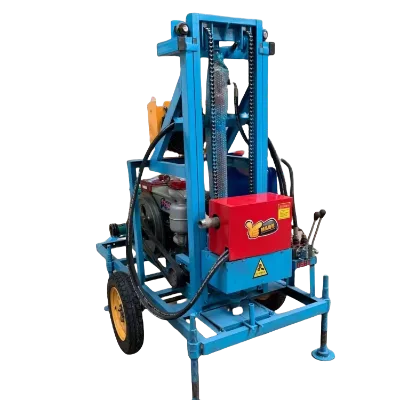
Premium Quality Water Well Drilling Rig with Advanced Features and Superior Functionality
$2235.1119 - $2442.1624

Shandong Unite Machinery Co., Ltd.
- Verified by BV
- Trading Company
- China Shandong
- Lead time30 days
- Avg. response≤ 2h
Main productsMining Dump Truck, Dump Truck, Forklift Truck, Mucking Loader, Excavator, Bulldozer, Wheel Loader Skid Steer Loader, Milling Machine, Mining Scissor Lift Truck, Mining Crusher
Main marketsSouth America,Africa,Southeast Asia/ Mideast,Europe

260m Diesel Water Well Drilling Rig with Efficient Water Well Drilling Machine System
$14500.00 - $15000.00
MOQ: 1 Pieces

Energy-Saving Hydraulic Water Well Drilling Rig for Long-Term Operation
$6700.00 - $13000.00
MOQ: 1 Pieces

Qinding Machinery Tools (shandong) Co., Ltd.
- Trading Company
- Shandong, China
- Lead time30 days
- Avg. response≤ 3h
Main productsCrawler Track Undercarriage,Construction Machinery Spare Parts,Agricultural Machinery Spare Parts,Undercarriage Parts,Travel Motor
Main marketsEastern Europe(20.00%), Southeast Asia(15.00%), South Asia(15.00%), South America(15.00%), Western Europe(10.00%), Northern Europe(10.00%), Domestic Market(5.00%), North America(5.00%), Oceania(5.00%)

Shandong Yahe Construction Machinery Co., Ltd.
- Verified by BV
- Combined
- China Shandong
- Lead time30 days
- Avg. response≤ 1h
Main productsRotary Drilling Rig, Pile Driver, Cfa Drilling Rig, Bore Pile Drilling Rig, Piling Rig, Pile Equipment, Drilling Rig, Rotary Drilling Machine, Cfa Piling Rig, Piling Machine
Main marketsSouth America,Europe,Australia


Guaranteed-Quality Deep Water Well Rotary Engineering Drilling Rig for Sale
$130000.00 - $180000.00
MOQ: 1 Sets

Zhengzhou Honest Machinery Co., Ltd.
- Trading Company,Manufacturer/Factory
- China Henan
- Lead time15 days
- Avg. response≤ 6h
Main productsFood Machinery, Packing Machines, Microwave Equipment, Drying Machines, Grain Product Making Machines, Commodity Making Machines, Texitle Machines, Construction Machinery
Main marketsSouth America,Eastern Europe,Mid East,North America,Southeast Asia,Eastern Asia,Oceania,Western Europe,Africa


Factory Supply Well Drilling Rig Machine / Water Well Drilling Rig Machine
$5649.00 - $6779.00
MOQ: 1 set




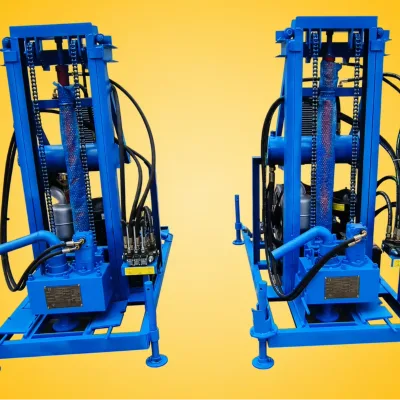
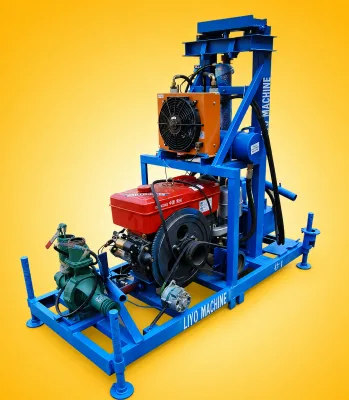
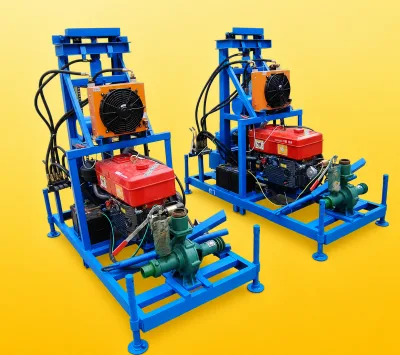
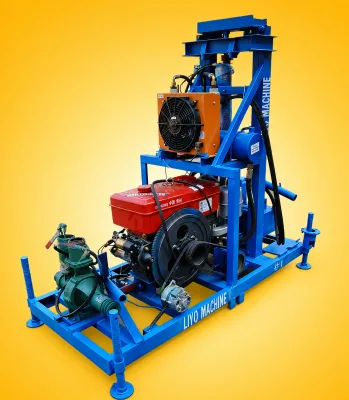
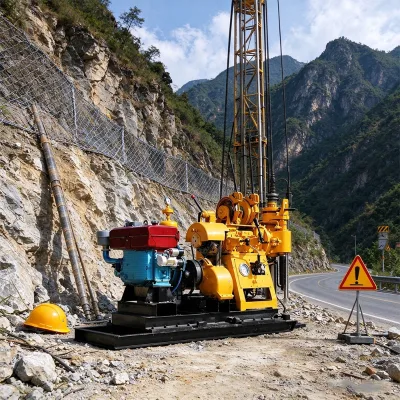
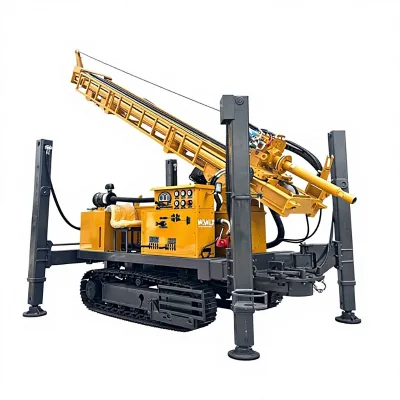
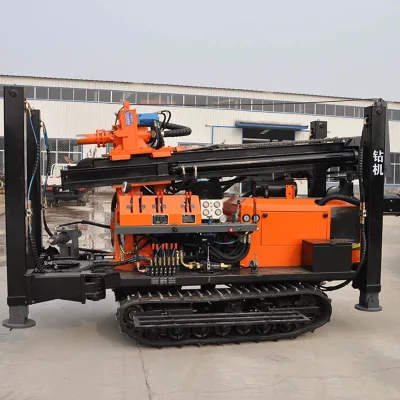
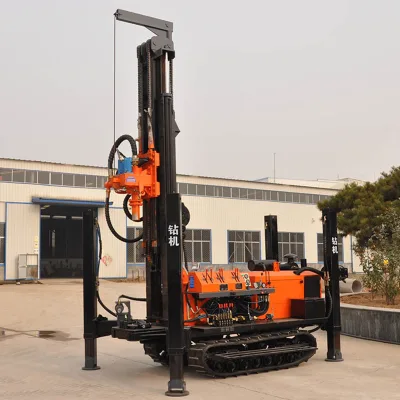
Comprehensive Sourcing Guide
Multifunctional Water Well Drilling Rig Supplier Concentration and Factory Types
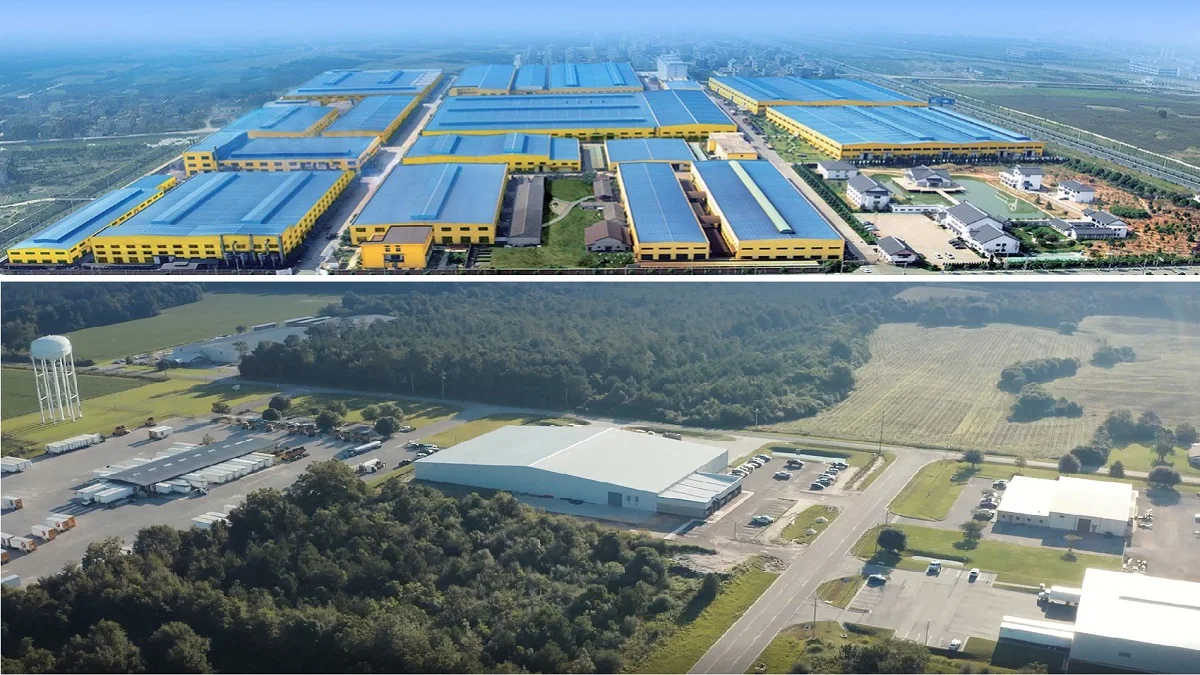
The current supplier landscape for multifunctional water well drilling rigs reveals a distinct concentration of manufacturing and trading entities within specific Chinese provinces, notably Henan and Beijing. These regions serve as primary hubs for the production of heavy construction machinery, including core drilling rigs, excavator attachments, and specialized spider cranes. Suppliers located in these areas often operate as trading companies rather than direct manufacturers, which influences their inventory management and product customization capabilities. For instance, one verified entity in Henan lists core drilling rigs and egg tray machines as main products, indicating a diversified industrial focus that may impact the depth of technical expertise available for niche drilling applications. Similarly, suppliers in Beijing often specialize in a broader range of drilling tools, such as DTH drilling tools, diamond core drilling tools, and portable air compressors, suggesting a cluster effect where specialized components and finished rigs are sourced from nearby industrial networks. This geographic clustering allows buyers to potentially consolidate shipments or access a wider variety of compatible parts, although it also means that many listed entities are intermediaries. Buyers must therefore distinguish between actual factory locations and trading company headquarters to understand the true origin of the machinery. The presence of both trading companies and potential manufacturers in these regions creates a mixed market where product evidence, such as specific model numbers like Yg-Hy200 or CSD300A, can help trace the equipment back to its production source. Understanding this concentration helps buyers anticipate logistical patterns and communication styles, as regional industrial cultures often dictate how suppliers present their capabilities and handle international inquiries.
Identifying the specific factory type is crucial because it directly affects the flexibility of order customization and the reliability of after-sales support. Many suppliers in these clusters offer ODM and OEM services, allowing for significant customization of drilling rigs to meet specific site requirements, such as varying drill hole diameters or depths. For example, some suppliers explicitly state that customization is available for their rotary drilling rigs, enabling buyers to tailor features like rotation torque or pull-back capacity. However, the distinction between a trading company and a manufacturer is not always clear from the initial search results, as trading companies may also offer these services by coordinating with partner factories. Buyers should look for evidence of direct manufacturing capability, such as detailed product attributes that include specific production standards or packaging methods like standard wooden cases or 40fr containers. The availability of online support as an after-sales service is another indicator of the supplier’s operational model, with some entities providing remote troubleshooting for their drilling equipment. By focusing on the main products listed, such as water well drilling rigs versus general construction machinery, buyers can better assess whether a supplier’s primary expertise aligns with their specific drilling needs. This assessment is particularly important when dealing with complex machinery that requires precise engineering and reliable technical support, as the supplier’s role in the supply chain will determine the level of direct involvement in quality control and problem resolution.
How to Verify Multifunctional Water Well Drilling Rig Suppliers
Verifying the credibility of Multifunctional Water Well Drilling Rig suppliers requires a careful examination of their verification badges, system certifications, and product-specific compliance documents. The current market includes suppliers with various verification statuses, such as SGS verification for some entities and TÜV Rheinland verification for others, which serve as initial indicators of operational legitimacy. However, buyers must go beyond these general verification badges to assess the specific certifications relevant to drilling machinery. For instance, some suppliers display CE certification on their product attributes, which is essential for compliance with European safety standards, while others may list ISO 9001 alongside CE, indicating a broader quality management system. It is critical to note that some suppliers may have system certifications listed as NIL, which does not necessarily disqualify them but requires further investigation into their individual product certifications. Buyers should request copies of these certificates to ensure they are valid and applicable to the specific models of drilling rigs being purchased. Additionally, the presence of other certifications such as EN IEC 55014, IEC 60335, RoHS, EMC, and LVD on some suppliers’ profiles suggests a higher level of regulatory compliance, particularly for electrical components within the drilling equipment. These certifications provide assurance that the machinery meets international safety and environmental standards, reducing the risk of regulatory hurdles during importation.
Beyond certifications, buyers should verify the supplier’s response time and lead time as indicators of their operational efficiency and reliability. Suppliers with faster response times, such as those averaging around two hours, may offer more agile communication, which is beneficial for resolving technical queries or negotiating custom specifications. Conversely, lead times can vary significantly, with some suppliers offering production periods as short as fifteen days, while others may require up to thirty days or more. These variations can impact project timelines, especially for urgent drilling operations. Buyers should also examine the product evidence provided, such as detailed specifications for drill hole depth, diameter, and drilling way, to ensure the supplier’s offerings match their technical requirements. For example, some rigs are designed for drill hole depths greater than 200 meters with diameters exceeding 300 millimeters, while others may have different capabilities. Verifying these details through direct communication or by requesting video outgoing-inspections can help confirm the supplier’s ability to deliver the specified equipment. Additionally, checking the supplier’s main products list can provide insight into their specialization; a supplier focusing primarily on water well drilling rigs may offer more specialized support than one with a diverse range of unrelated machinery. By combining verification of credentials with an assessment of operational metrics, buyers can build a more comprehensive picture of each supplier’s reliability and suitability for their specific needs.
What to Compare Across Multifunctional Water Well Drilling Rig Suppliers
When evaluating multiple suppliers for multifunctional water well drilling rigs, buyers should systematically compare key operational metrics such as lead time, minimum order quantity (MOQ), and response speed to determine the best fit for their procurement strategy. Lead times can range from fifteen days to thirty days or more, depending on the supplier’s production capacity and current order backlog. For instance, some suppliers offer a lead time of fifteen days, which may be advantageous for time-sensitive projects, while others with a thirty-day lead time might offer more competitive pricing or greater customization options. MOQ is another critical factor, with some suppliers requiring a minimum order of just one set, allowing for flexible purchasing for small-scale operations, while others may have higher MOQs that are better suited for bulk procurement. Response speed is also a significant differentiator, as suppliers with faster response times, such as those averaging two hours, can provide quicker support for technical inquiries and order processing. Buyers should also compare the specific product attributes, such as drilling way, bit type, and power source, to ensure the machinery aligns with their site conditions. For example, some rigs feature rotary drilling with diamond bits, while others may use different mechanisms. Additionally, comparing the price ranges, which can vary from approximately $4,900 to over $100,000 depending on the model and specifications, helps buyers assess the value proposition of each supplier. By analyzing these dimensions together, buyers can identify suppliers that offer the best balance of cost, speed, and technical capability for their specific drilling requirements.
In addition to operational metrics, buyers should compare the customization options and after-sales service provisions offered by different suppliers. Many suppliers indicate that customization is available, allowing for modifications to the drilling rig’s dimensions, torque, or pull-back capacity to suit specific project needs. For example, some rigs can be customized with different truck types, such as 4X4 or 6X4 configurations, to match local terrain and transportation requirements. Buyers should also evaluate the after-sales service offerings, such as online support, which can be crucial for troubleshooting technical issues during operation. Some suppliers may provide more comprehensive support packages, including remote diagnostics or video assistance, which can reduce downtime and maintenance costs. Furthermore, comparing the packaging and shipping standards, such as standard wooden cases or containerized shipping, can help buyers estimate logistics costs and ensure the equipment arrives safely. The weight and lifting power of the rigs are also important factors, as they impact transportation and on-site handling. By systematically comparing these aspects across multiple suppliers, buyers can make informed decisions that balance technical performance, cost efficiency, and long-term support. This comparative approach ensures that the selected supplier not only meets the immediate drilling needs but also provides reliable support throughout the equipment’s lifecycle.
Common Multifunctional Water Well Drilling Rig Sourcing Risks
Sourcing multifunctional water well drilling rigs involves several inherent risks that buyers must proactively manage to ensure successful procurement and operation. One significant risk is the potential mismatch between advertised specifications and actual product performance, particularly when dealing with trading companies that may not have direct control over manufacturing quality. Buyers may encounter discrepancies in critical attributes such as drill hole depth, diameter, or rotation torque, which can lead to operational inefficiencies or project delays. For example, a rig advertised with a pull-back capacity of 20 tons may not perform as expected under heavy load conditions if quality control is insufficient. Another risk is the variability in lead times, which can be affected by supply chain disruptions or production bottlenecks. Suppliers may quote shorter lead times initially but fail to meet them due to unforeseen circumstances, impacting project schedules. Additionally, the lack of standardized certifications across suppliers can create compliance issues, especially when importing machinery into regions with strict regulatory requirements. Buyers may find that some suppliers lack necessary CE or ISO certifications, leading to customs delays or legal complications. Furthermore, the complexity of multifunctional rigs means that after-sales support is critical, and buyers may face challenges if the supplier’s online support is inadequate or unresponsive. These risks highlight the importance of thorough due diligence and clear contractual agreements to mitigate potential issues.
Another common risk is the variability in packaging and shipping standards, which can affect the condition of the equipment upon arrival. Some suppliers use standard wooden cases, while others may ship in containers, each with different levels of protection against damage during transit. Buyers must ensure that the packaging is robust enough to withstand long-distance shipping, especially for heavy machinery weighing up to 1000 kg or more. Additionally, the risk of communication barriers cannot be overlooked, as language differences and time zone variations can lead to misunderstandings regarding technical specifications or order details. Buyers may also encounter difficulties in verifying the supplier’s location and operational capacity, as some entities may list multiple locations or provide ambiguous information about their manufacturing facilities. This can complicate efforts to conduct factory audits or verify production capabilities. Furthermore, the diversity of main products offered by some suppliers, such as combining drilling rigs with unrelated machinery like egg tray machines, may indicate a lack of specialized focus, potentially affecting the depth of technical expertise available. To mitigate these risks, buyers should request detailed product documentation, conduct video inspections, and establish clear communication channels with suppliers. By anticipating these potential challenges and implementing robust verification processes, buyers can reduce the likelihood of sourcing failures and ensure a smoother procurement experience.
Multifunctional Water Well Drilling Rig Regional Sourcing and Logistics
Regional sourcing of multifunctional water well drilling rigs from China, particularly from hubs like Henan and Beijing, offers distinct logistical advantages and challenges that buyers must consider. Suppliers in these regions benefit from established industrial clusters that provide access to raw materials, skilled labor, and specialized component suppliers, which can streamline production and reduce costs. However, the distance from major ports and the complexity of exporting heavy machinery require careful logistics planning. Buyers should account for the specific packaging standards used by suppliers, such as standard wooden cases or containerized shipping, as these impact freight costs and handling requirements. For instance, rigs with dimensions like 2.81.42.1 meters or larger may require specialized loading arrangements to ensure
FAQs
What drilling depth can multifunctional water well drilling rigs reach?
Rigs on this page list drill hole depths exceeding 200 meters, suitable for deep borehole water wells. Actual depth depends on geology, bit type, and drilling method, with rotary drilling and diamond bits common. Buyers should confirm depth ratings against their soil or rock conditions and request specifications for the exact model before ordering.
What is the typical minimum order quantity for these drilling rigs?
The minimum order quantity is commonly 1 set, so buyers can order a single unit for testing or small projects. Customization is listed as available on several models, though custom specifications may affect price and lead time. Always confirm the exact MOQ and any customization surcharge with the supplier before placing an order.
How long does delivery usually take after ordering?
Observed lead times on this page range from 15 to 30 days depending on the supplier. Truck-mounted or larger rigs shipped in 40-foot containers may take longer than compact crawler units. Confirm the lead time for your chosen model, destination port, and any customization requirements before confirming the order.
Which certifications should I check before purchasing a drilling rig?
Product listings on this page show CE and ISO 9001 certifications on several models. Verify that the certificate applies to the specific model quoted, ask for certificate copies, and confirm validity with the issuing body. System-level certifications vary by supplier, so requesting current documentation for each quoted rig is the safest approach.
Are truck-mounted or crawler rig types available?
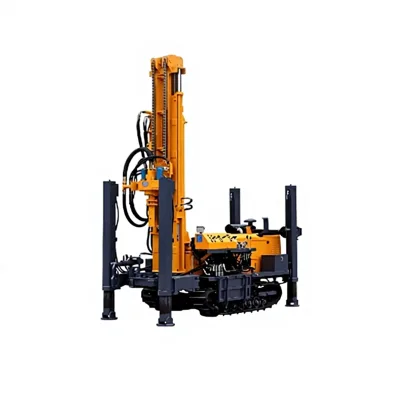
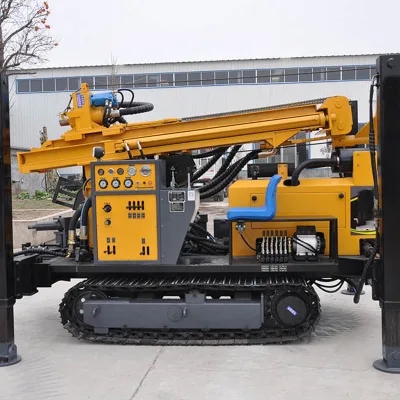
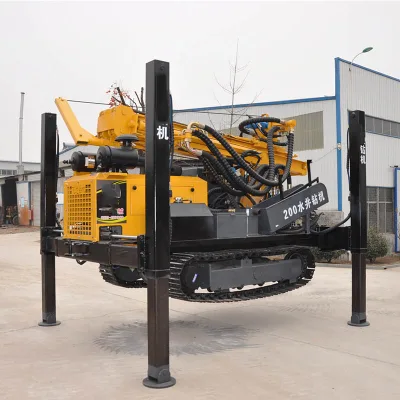
Both types appear in current listings. Crawler-mounted rigs offer easy movement on rough terrain, while truck-mounted rigs on 4X4 or 6X4 chassis provide faster road transport between job sites. Choose based on your terrain and mobility needs, and confirm chassis configuration, overall dimensions, and shipping container requirements with the supplier.
What price range should I expect for a multifunctional water well rig?
Listed prices span roughly $4,900 to $100,000, reflecting differences in drilling depth, torque, pull-back capacity, and truck mounting. Compact crawler units sit at the lower end, while deep-hole truck-mounted rigs command higher prices. Request a detailed quotation specifying model, configuration, packaging, and shipping terms to compare offers accurately.
Do suppliers support OEM or ODM customization for drilling rigs?
Yes, suppliers on this page list ODM and OEM capabilities, and product listings mark customization as available. Options may include drilling depth, color, power type, and branding. Discuss customization scope, engineering support, tooling fees, and the effect on lead time early, and confirm any agreed specifications in writing before production begins.