Source High Power Transmission VTX for FPV, Drone Racing, and RC
Explore 30 listings for High Power Transmission VTX units suitable for FPV drones, racing applications, and remote control systems. Compare specifications like voltage, power output, and antenna interfaces to find the right component for your project; compare the available evidence and request quotations based on your requirements.
Updated
Key considerations
Products List

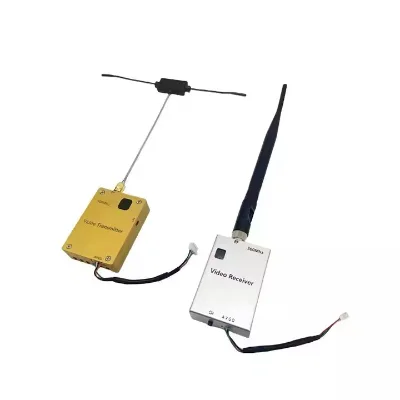
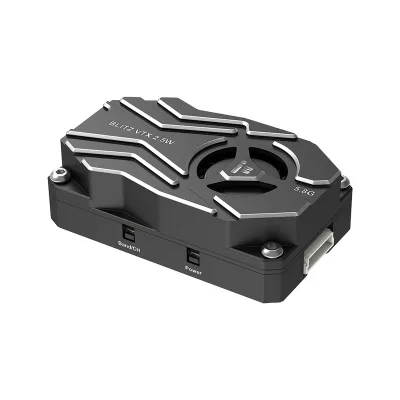
Fpv Crossing Machine Vtx High Power Image Transmission Transmission Frequency
$40.00 - $50.00
MOQ: 10 Pieces








Comprehensive Sourcing Guide
High Power Transmission VTX Sourcing Guide
Procuring high power transmission video transmitters (VTX) requires a precise understanding of RF signal integrity and power delivery constraints. Buyers must evaluate the balance between output wattage and thermal management, as higher power levels significantly impact component longevity and signal stability. The market offers various configurations, from compact units suitable for lightweight drones to robust systems designed for industrial communications wiring harnesses. Understanding the specific application environment is the first step in selecting the right hardware, ensuring that the chosen VTX can handle the operational demands without compromising performance.
This guide focuses on evidence-based sourcing strategies for High Power Transmission VTX units, drawing from observed market listings and technical specifications. We examine the critical technical parameters, such as input voltage ranges and antenna interfaces, which dictate compatibility with existing power systems. By analyzing the observed product attributes, including model numbers and physical dimensions, buyers can better assess supplier capabilities and product reliability. This structured approach helps procurement teams navigate the complexities of RF component sourcing, minimizing risk and ensuring that selected components meet strict operational standards.
Product Scope and Observed Listing Signals
The observed product landscape for High Power Transmission VTX units reveals a diverse range of specifications tailored to different operational needs. Listings indicate models such as the GC-99632A and BL series, with output powers ranging from 25mW to 2.5W, and some variants supporting up to 1600mW. These units typically operate within a DC input voltage range of 7-36V, accommodating 2-8S battery configurations, which is critical for compatibility with various drone and industrial power systems. The presence of built-in microphones in some models suggests integrated audio-video transmission capabilities, expanding their utility beyond pure video feed applications.
Physical attributes and packaging details provide further insight into the product scope. Units are often compact, with dimensions like 37.736.19.5 mm or 30.5*30.5mm mounting holes, facilitating easy integration into tight spaces. The observed MOQ of 1 piece for samples allows buyers to test performance before committing to larger orders. Packaging is typically described as carton or original, with single gross weights around 0.200 kg, indicating lightweight construction suitable for aerial applications. These signals help buyers identify suppliers who offer flexible ordering terms and standardized packaging for efficient logistics.
Technical Specifications to Verify
Verifying technical specifications is paramount to ensuring the VTX meets operational requirements. Key parameters include the operating temperature range, which should typically span from -10 to 60ºC to withstand diverse environmental conditions. Buyers must confirm the video input impedance, often 75Ω, to ensure compatibility with standard video sources. The antenna interface, commonly MMCX, is another critical detail that affects signal transmission efficiency and connector durability. Additionally, the working current, ranging from 120-860mA depending on power output, must be matched with the power supply capacity to prevent voltage drops or system instability.
Signal standards and frequency bands are equally important for successful deployment. Most observed units support NTSC/PAL video standards, ensuring broad compatibility with existing monitoring equipment. The frequency band, typically 5.8GHz, is standard for FPV applications, offering less interference than lower bands. Buyers should also verify the output voltage capabilities, such as 5V 1A, if the VTX includes power regulation features for other components. Confirming these specifications with the supplier prevents integration issues and ensures that the VTX performs reliably under the expected load and environmental conditions.
Compliance and Safety Documentation
Compliance and safety documentation are essential for mitigating legal and operational risks in procurement. While specific certifications like REACH were mentioned in background context, buyers must verify the current status of such certifications with the supplier. It is crucial to ensure that the VTX components comply with regional electromagnetic interference (EMI) regulations, particularly for devices operating in the 5.8GHz band. Buyers should request test reports or compliance certificates that demonstrate adherence to these standards, ensuring that the product can be legally sold and operated in target markets.
Safety features and warranty terms also play a significant role in documentation review. A standard one-year warranty, as observed in some listings, provides a baseline for supplier accountability. Buyers should clarify the warranty coverage, including whether it covers manufacturing defects or operational damage. Additionally, verifying the origin of the components, often Guangdong or Shenzhen in China, can help assess the supply chain's reliability. Clear documentation of these aspects ensures that buyers have recourse in case of product failure and that the procurement process aligns with corporate compliance policies.
Cost Drivers and Commercial Terms
Cost drivers for High Power Transmission VTX units include power output, component quality, and customization options. Higher wattage models, such as those offering 2.5W transmission, typically command higher prices due to the advanced RF components required. Customization availability, as noted in observed listings, can also influence cost, as tailored solutions often involve additional engineering and setup fees. Buyers should evaluate the total cost of ownership, including shipping and handling, which can vary based on the supplier's location and the chosen logistics provider.
Commercial terms such as MOQ, payment methods, and lead times significantly impact procurement planning. The observed MOQ of 1 piece for samples facilitates low-risk testing, while bulk orders may have different terms. Payment options like Trade Assurance, Western Union, and PayPal offer flexibility and security for international transactions. Lead times for stock items are often short, around 1-3 days, but custom orders may require longer processing. Understanding these terms helps buyers negotiate favorable conditions and manage inventory levels effectively, ensuring timely delivery for project timelines.
Supplier Qualification and Quality Control
Supplier qualification involves assessing the manufacturer's technical capabilities and quality control processes. Buyers should verify the supplier's experience in RF component manufacturing, particularly in producing VTX units for FPV or industrial applications. Observing the supplier's response time and communication quality, such as 24-hour online support, can indicate their commitment to customer service. Additionally, checking the supplier's track record for delivering products that match their stated specifications is crucial for ensuring long-term reliability and performance consistency.
Quality control measures should be explicitly discussed during the sourcing process. Buyers should inquire about the testing procedures used for each unit, including power output verification and thermal stability tests. Requesting sample units for independent testing allows buyers to validate the supplier's claims regarding performance and durability. Furthermore, understanding the supplier's defect rate and return policy provides insight into their quality assurance standards. Establishing a robust quality control framework helps mitigate the risk of receiving substandard products and ensures that the VTX units meet the required operational benchmarks.
Long-Term Procurement Checks
Long-term procurement checks focus on sustaining supplier performance and adapting to market changes. Regularly reviewing supplier delivery times and product consistency helps identify potential issues before they impact operations. Buyers should monitor any changes in product specifications or component availability, as these can affect the performance of the VTX units. Establishing a feedback loop with the supplier allows for continuous improvement and ensures that the procurement process remains aligned with evolving project requirements and technological advancements.
Building a diversified supplier base is another key strategy for long-term success. Relying on a single supplier can pose risks related to supply chain disruptions or quality inconsistencies. By engaging with multiple qualified suppliers, buyers can compare offerings and negotiate better terms. Additionally, staying informed about industry trends and new VTX technologies ensures that the procurement strategy remains competitive. Regular audits and performance evaluations of suppliers help maintain high standards and foster a resilient supply chain capable of meeting future demands.
FAQs
What is the input voltage range for the 5.8g 2.5W video transmitter?
The input voltage range is DC 7-36V, supporting 2-8S batteries. This wide range ensures compatibility with various power sources. The working current varies from 120-860mA depending on power output. Operating temperature ranges from -10 to 60ºC. This design supports stable performance in diverse environments.
Can I order a sample of the High Power Transmission VTX?
Yes, we accept one piece as a sample for testing. This allows you to verify quality before bulk orders. The sample is available for immediate shipment. Stock items have a leading time of 1-3 days. This flexible MOQ supports initial evaluation and integration testing.
Which specifications are available for the 5.8g video transmitter model?
Available specifications include 2.5W image transmission with a built-in microphone. The model number is GC-99632A or BL-*-ITZ. Power options range from 25mW to 2500mW. The antenna interface is MMCX. Video input impedance is 75 ohms. These specs suit various FPV applications.
What is the packaging and weight for the single item?
The single gross weight is 0.200 kg. The single package size is 20x10x5 cm. Packing options include carton or original packaging. The product color is black. Dimensions are approximately 37.7x36.1x9.5 mm. This compact design facilitates easy shipping and storage for international buyers.
How long is the warranty period for the video transmitter?
The warranty period is one year. Any problems encountered can be reported directly to the supplier. Online service is available 24 hours a day. This support ensures quick resolution of technical issues. The warranty covers manufacturing defects and performance guarantees for reliable operation.
What payment terms are accepted for bulk orders?
Accepted payment terms include Trade Assurance, Western Union, PayPal, T/T, and Credit Card. These options provide flexibility for international transactions. Trade Assurance offers additional security for buyers. Secure payment methods ensure smooth processing of orders. Contact the supplier for specific payment arrangements based on order volume.