Source High Speed Tubular Compactor for Packaging, Recycling, and Waste
Compare 26 High Speed Tubular Compactor options from verified suppliers. Review specifications like voltage, power, and dimensions to find the right machine for packaging, recycling, and waste management applications; compare the available evidence and request quotations based on your requirements.
Updated
Key considerations
Products List

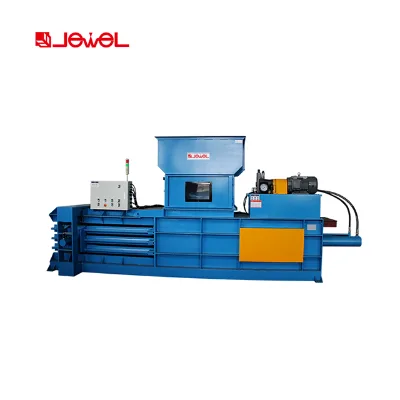
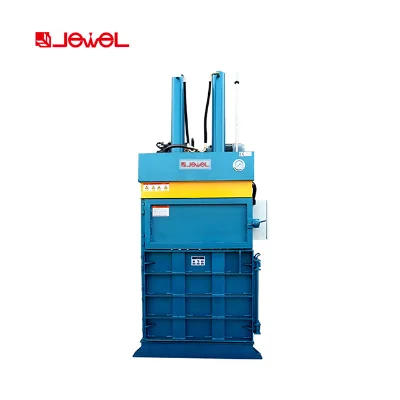
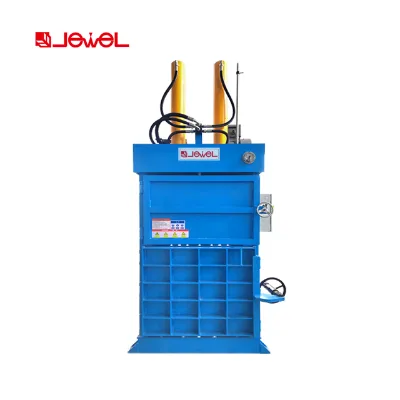
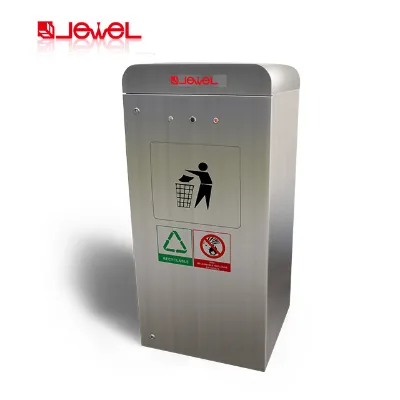
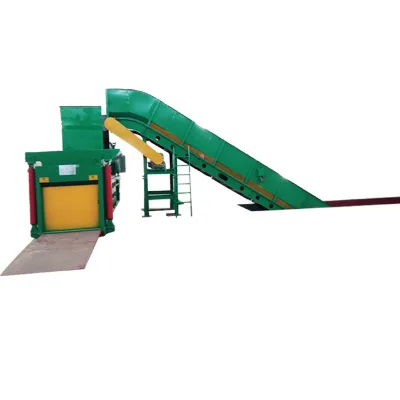
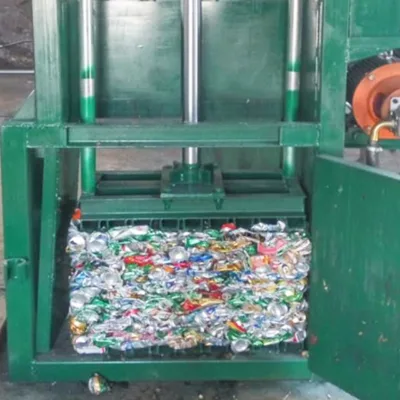
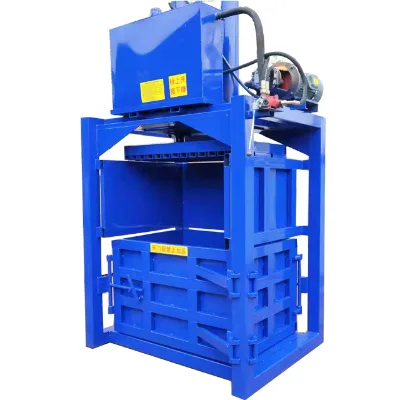

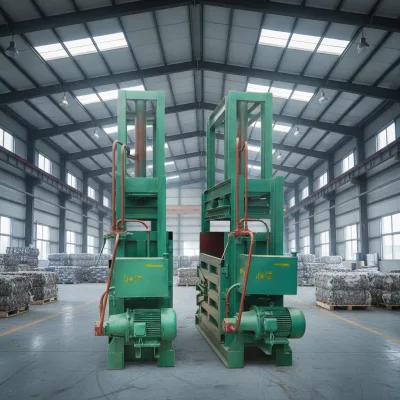

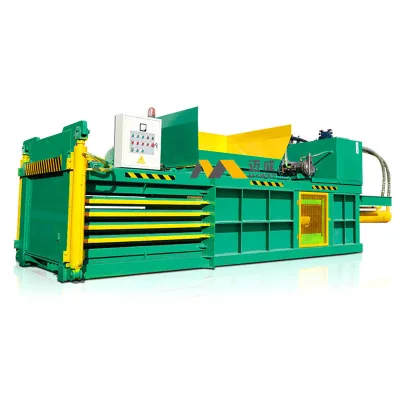
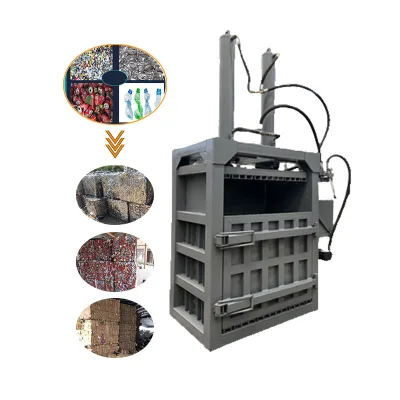
Heavy-Duty Cardboard Compactor for Efficient Commercial Recycling Solutions
$14000.00 - $200000.00
MOQ: 1 Sets



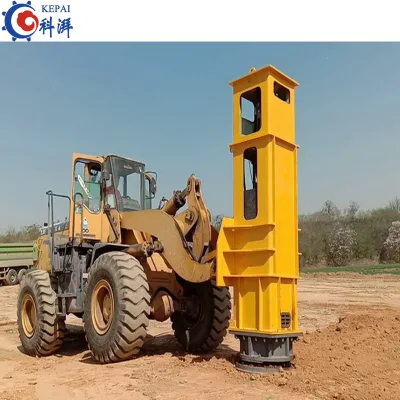
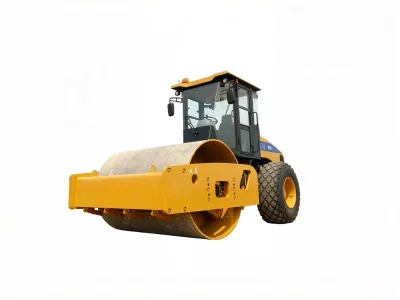
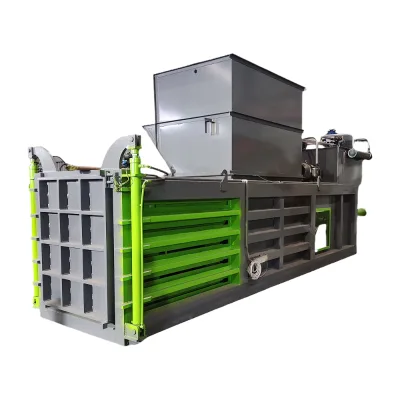
SEM512 Compact Profile Compactor 5,990mm Length Transport-Friendly
$39501.2133 - $42168.8277
MOQ: 1 units
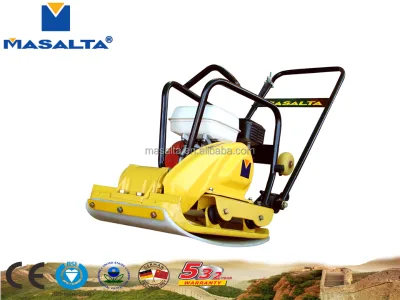

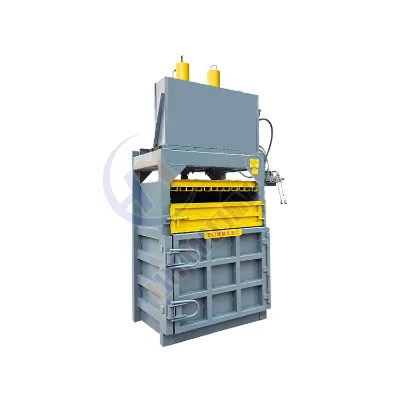

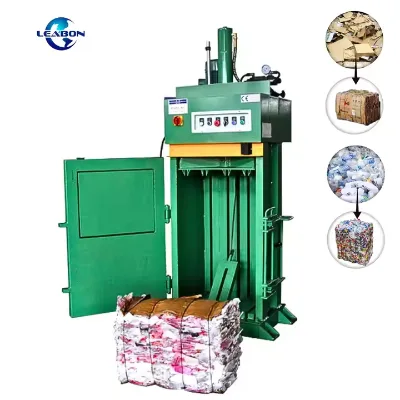
Good Performance PE Film Compactor for Foaming Materials Recycling Machine
$10000.00 - $50000.00
MOQ: 1 Sets

Comprehensive Sourcing Guide
High Speed Tubular Compactor Sourcing Guide
Procuring high-speed tubular compactors requires a nuanced understanding of industrial waste management and material handling efficiency. These machines are engineered to reduce the volume of bulky, low-density materials, transforming them into dense, manageable bales for easier storage and transportation. Buyers must recognize that "high speed" refers to the operational cycle time, which directly impacts throughput in high-volume recycling facilities or manufacturing plants. The core value proposition lies in the machine's ability to maintain consistent compression force while operating at elevated speeds, ensuring that production lines are not bottlenecked by waste processing delays.
The market for these compactors is diverse, ranging from small-scale operations to large industrial complexes. Sourcing decisions should be driven by the specific material characteristics, such as fiber density, moisture content, and fluffiness. It is critical to align the machine's chamber dimensions and hydraulic power with the expected feed rate. Buyers should also consider the integration of automated feeding systems, which can further enhance the high-speed capabilities of the tubular compactor by ensuring a steady and uniform supply of material to the compression chamber.
Product Scope and Observed Listing Signals
The observed market data indicates a significant variance in pricing, ranging from $850 to $200,000 USD, which reflects the wide spectrum of machine capacities and automation levels available. The minimum order quantity (MOQ) is consistently listed as one unit, suggesting that suppliers are accustomed to handling individual industrial purchases rather than bulk wholesale orders. This pricing structure implies that buyers can find entry-level models for smaller operations or heavy-duty, fully automated systems for large-scale industrial use. Understanding this range is essential for budgeting and setting realistic expectations for the capabilities of the equipment.
Listing signals reveal that many suppliers offer customization options, allowing buyers to tailor the machine to their specific operational needs. Attributes such as automatic grade, voltage requirements, and power consumption vary significantly across listings. For instance, some models feature automatic grades with PLC controls, while others may be semi-automatic or manual. Buyers should carefully review these attributes to ensure compatibility with their existing infrastructure, particularly regarding electrical standards and space constraints. The presence of export-standard packaging and various certification marks also indicates a global supply chain readiness.
Technical Specifications to Verify
When evaluating technical specifications, buyers must prioritize the compression force and bale size capabilities, as these directly impact operational efficiency. Observed data shows compression forces ranging from 40 tons to higher capacities, with bale sizes varying to accommodate different material types. It is crucial to verify the chamber dimensions, such as 11007001450 mm, to ensure they match the volume of material being processed. Additionally, the speed of operation, often listed in meters per minute, should be confirmed to ensure it meets the required throughput targets for the facility.
Power consumption and voltage requirements are also critical technical factors that must be aligned with the site's electrical infrastructure. Listings indicate power ratings from 5.5 kW to 45 kW, with voltages typically at 380V, though customizable options are available. Buyers should also check the heating method, whether steam, electric, or oil, as this affects operational costs and maintenance requirements. The weight of the machine, ranging from 1800 kg to 13000 kg, is another important consideration for foundation planning and transportation logistics. Verifying these specifications ensures that the selected compactor will perform reliably under the intended load conditions.
Compliance and Safety Documentation
Compliance with international standards is a non-negotiable aspect of sourcing industrial machinery. Buyers should verify that the supplier provides relevant certifications, such as CE, ISO9001:2015, TUV, and SGS, which attest to the machine's adherence to quality and safety regulations. These certifications are particularly important for ensuring that the equipment meets the legal requirements for operation in the buyer's region. Documentation should also include detailed safety manuals and operational guidelines, which are essential for training staff and preventing accidents during machine operation.
In addition to certifications, buyers should request machinery test reports and warranty information to assess the reliability of the equipment. A standard one-year warranty is commonly offered, but buyers should clarify the scope of coverage and the availability of spare parts. The presence of a machinery test report provides evidence that the machine has undergone rigorous testing for performance and safety. Buyers should also ensure that the supplier provides clear documentation on the core components, such as PLCs, engines, and pumps, to facilitate future maintenance and repairs.
Cost Drivers and Commercial Terms
The cost of a high-speed tubular compactor is influenced by several factors, including the machine's capacity, automation level, and included features. Higher compression forces and faster operating speeds typically command higher prices, reflecting the increased engineering and material costs. Buyers should also consider the cost of customization, as tailored solutions may incur additional charges. It is important to obtain detailed quotes that break down the cost of the machine, shipping, and any optional accessories to avoid unexpected expenses.
Commercial terms, such as payment methods and delivery schedules, should be clearly defined in the purchase agreement. Buyers should negotiate for favorable payment terms, such as a deposit followed by payment upon delivery or installation. Lead times can vary significantly depending on the machine's configuration and the supplier's production schedule. It is advisable to confirm the estimated delivery time and any potential delays before finalizing the order. Additionally, buyers should inquire about the supplier's after-sales support services, including technical assistance and training, which can add value to the purchase.
Supplier Qualification and Quality Control
Supplier qualification is a critical step in ensuring the reliability and quality of the purchased compactor. Buyers should assess the supplier's manufacturing capabilities, including their production facilities and quality control processes. Suppliers with established reputations and positive customer reviews are generally more reliable. It is also important to verify the supplier's experience in exporting machinery, as this indicates their familiarity with international shipping and documentation requirements. Buyers should request references from previous clients to gain insights into the supplier's performance and service quality.
Quality control measures should be implemented throughout the procurement process, from initial inquiry to final delivery. Buyers should consider conducting pre-shipment inspections to verify that the machine meets the agreed-upon specifications and quality standards. This can help identify any potential issues before the machine is shipped, reducing the risk of delays and additional costs. Buyers should also establish clear communication channels with the supplier to address any questions or concerns promptly. Regular updates on the production status can help ensure that the order is progressing as planned.
Long-Term Procurement Checks
Long-term procurement success depends on the supplier's ability to provide ongoing support and maintenance services. Buyers should evaluate the availability of spare parts and the supplier's response time for technical issues. A robust after-sales support system is essential for minimizing downtime and ensuring the continued operation of the compactor. Buyers should also consider the total cost of ownership, including energy consumption, maintenance costs, and potential repair expenses, when making their purchasing decision.
Regular performance monitoring and maintenance are crucial for extending the lifespan of the compactor and maintaining its efficiency. Buyers should develop a preventive maintenance schedule based on the manufacturer's recommendations and the machine's operating conditions. Training staff on proper operation and maintenance procedures can help prevent premature wear and tear. Additionally, buyers should stay informed about any updates or improvements in compactor technology that could enhance their operations. Building a long-term relationship with a reliable supplier can provide access to these advancements and ensure continued support.
FAQs
What certifications do high speed tubular compactors typically hold?
Most high speed tubular compactors hold CE and ISO9001 certifications to ensure compliance with international safety and quality standards. Some advanced models also include TUV and SGS certifications for rigorous testing verification. Buyers should verify specific documentation to confirm regulatory adherence for their target export markets and operational safety requirements.
What is the typical voltage requirement for these industrial machines?
Standard high speed tubular compactors typically operate on a 380V power supply to support heavy-duty industrial motors and hydraulic systems. Some manufacturers offer customizable voltage options to match local grid infrastructure. Always confirm the exact electrical specifications with the supplier to ensure compatibility with your facility's power distribution network.
How much compression force can a standard High Speed Tubular Compactor generate?
Standard high speed tubular compactors can generate approximately 40 tons of compression force to effectively bale various materials. This capacity ensures efficient volume reduction for non-woven fabrics and similar products. The machine dimensions and chamber size are designed to accommodate specific bale sizes while maintaining high operational speed and safety levels.
What warranty period is usually provided for these compaction machines?
Manufacturers typically provide a one-year warranty for high speed tubular compactors to cover core components and general mechanical issues. This warranty supports the PLC, engine, and pump systems. Buyers should review the specific terms to understand coverage limits and ensure long-term operational reliability and maintenance support for their investment.
Where are high speed tubular compactors primarily manufactured?
High speed tubular compactors are primarily manufactured in industrial hubs such as Jinan and Jiangsu in China. These regions offer established supply chains for heavy machinery components. Buyers can source machines from these locations with export-standard packaging to ensure safe international shipping and timely delivery to global industrial facilities.
What is the minimum order quantity for purchasing a compactor?
The minimum order quantity for high speed tubular compactors is typically one unit, allowing for flexible procurement. This single-item purchasing model supports direct factory sourcing without bulk requirements. Buyers can evaluate specific models and specifications before committing to a purchase, ensuring the machine meets their exact production capacity needs.