Source Holographic Logo Anti-Fraud Laser Labels for Packaging
Compare 18 Holographic Logo Anti-Fraud Laser Labels from verified Chinese manufacturers. These customizable adhesive stickers feature offset printing and glossy finishes for use in medicine, food, and shipping applications; compare the available evidence and request quotations based on your requirements.
Key considerations
Products List


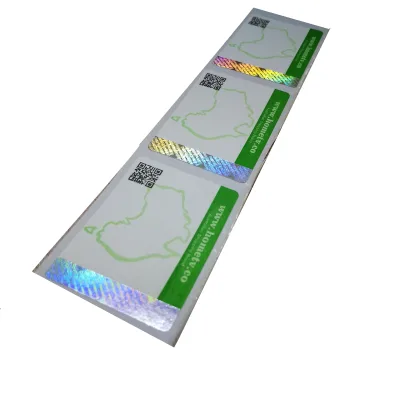
3D Holographic Laser Labels for Enhanced Anti-Counterfeiting Protection
$0.00 - $0.01
MOQ: 1000 Pieces


Comprehensive Sourcing Guide
Holographic Logo Anti-Fraud Laser Labels Sourcing Guide
Procuring holographic logo anti-fraud laser labels requires a strategic approach that balances visual security features with industrial-grade durability. These labels serve as critical authentication tools across diverse sectors, including pharmaceuticals, luxury goods, and bottled beverages, where brand integrity is paramount. Buyers must understand that the effectiveness of these labels relies not just on their aesthetic appeal but on the complexity of the laser-engraved patterns that are nearly impossible to replicate with standard printing methods. The integration of holographic elements provides an immediate, visible indicator of authenticity, deterring counterfeiters who lack access to specialized lithography equipment.
When sourcing these specialized labels, it is essential to evaluate the supplier’s capability to produce custom designs that align with your brand’s specific security needs. The market offers various materials, including vinyl, paper, and PET, each offering different levels of resistance to environmental factors such as water, heat, and abrasion. Selecting the right material depends on the application environment, whether the label will be exposed to outdoor conditions or stored in controlled indoor settings. Understanding these material properties ensures that the anti-counterfeit features remain intact throughout the product’s lifecycle, maintaining trust with end consumers.
Product Scope and Observed Listing Signals
The current market landscape for holographic anti-fraud labels reveals a wide range of customization options and material compositions. Suppliers frequently offer labels made from vinyl, paper, and PET, catering to different durability and cost requirements. Observed listings indicate that these products are often designed for high-grade applications, featuring glossy or matte finishes that enhance their visual impact. The ability to customize size, shape, and logo design is a standard expectation, allowing brands to integrate unique security elements that are difficult to duplicate. This flexibility is crucial for companies seeking to differentiate their products in crowded markets.
Listing signals also highlight the importance of printing technology in achieving high-quality holographic effects. Offset printing and rotary printing machines are commonly used to produce these labels, ensuring consistent quality across large production runs. The presence of anti-counterfeit features, such as holographic imagery and custom logos, is a key selling point for buyers concerned with brand protection. Additionally, the availability of labels in rolls or sheets offers logistical flexibility, depending on the labeling machinery used by the buyer. These observed attributes provide a baseline for evaluating supplier capabilities and product suitability for specific use cases.
Technical Specifications to Verify
Verifying technical specifications is critical to ensuring that holographic labels meet your security and operational requirements. Key attributes to confirm include the material composition, such as vinyl, paper, or PET, which directly impacts durability and adhesion. The surface finishing, whether glossy or matte, should be selected based on the desired aesthetic and functional properties. Additionally, the printing type, often offset or rotary, must be compatible with your production line to ensure seamless integration. Buyers should also verify the die-cutting options, as labels may be supplied in rolls or sheets, affecting storage and application efficiency.
Another vital aspect is the customization capability, including the ability to incorporate custom logos and specific security features. The size and shape of the labels should be precisely tailored to fit your product packaging, ensuring a professional appearance and secure attachment. It is also important to confirm the label’s resistance to environmental factors, such as water and heat, especially if the product will be exposed to harsh conditions. By thoroughly verifying these technical specifications, buyers can avoid potential issues related to label failure or inadequate security, ensuring that the anti-fraud measures are effective and reliable.
Compliance and Safety Documentation
Compliance with relevant standards is a non-negotiable aspect of sourcing holographic anti-fraud labels, particularly for industries with strict regulatory requirements. Buyers should request documentation that confirms adherence to safety and environmental standards, such as ROHS, which restricts the use of hazardous substances. This is especially important for labels used in food, medicine, and beverage packaging, where contact with consumables is a concern. Ensuring that the materials and adhesives used in the labels are compliant with local and international regulations helps mitigate legal risks and protects brand reputation.
In addition to regulatory compliance, buyers should verify the supplier’s quality management systems and testing protocols. This includes checking for certifications that demonstrate the supplier’s commitment to consistent quality and process control. Documentation should also cover the testing procedures used to validate the label’s durability, adhesion strength, and resistance to tampering. By requiring comprehensive compliance and safety documentation, buyers can ensure that the holographic labels not only provide effective anti-counterfeit protection but also meet all necessary legal and ethical standards, safeguarding both the product and the brand.
Cost Drivers and Commercial Terms
Understanding the cost drivers associated with holographic anti-fraud labels is essential for effective budgeting and negotiation. The primary factors influencing price include the material type, the complexity of the holographic design, and the volume of the order. Customization options, such as unique shapes or specialized finishes, can also increase costs due to the additional setup and production time required. Buyers should be aware that higher-grade materials and more intricate security features typically command a premium, reflecting the advanced technology and expertise involved in their production.
Commercial terms, including minimum order quantities (MOQ) and payment conditions, vary significantly among suppliers. Observed MOQs can range from small batches to large industrial quantities, impacting the initial investment required. It is crucial to negotiate terms that align with your production schedule and inventory management strategy. Additionally, buyers should clarify packaging and shipping arrangements, as these can affect lead times and overall costs. By carefully evaluating these commercial terms, buyers can optimize their procurement strategy, balancing cost efficiency with the need for high-quality, secure labeling solutions.
Supplier Qualification and Quality Control
Supplier qualification is a critical step in ensuring the reliability and consistency of holographic anti-fraud labels. Buyers should assess the supplier’s production capabilities, including their access to advanced printing and laser engraving technologies. It is important to verify that the supplier has a robust quality control system in place, with regular inspections and testing procedures to maintain product standards. Suppliers with a proven track record in producing high-grade labels for reputable brands are often more reliable, as they have demonstrated their ability to meet stringent quality requirements.
In addition to technical capabilities, buyers should evaluate the supplier’s customer service and support infrastructure. This includes their responsiveness to inquiries, ability to handle custom orders, and provision of technical assistance during the implementation phase. Suppliers that offer flexible customization options and responsive support are better equipped to address any issues that may arise during production or application. By thoroughly qualifying suppliers based on these criteria, buyers can establish a strong partnership that ensures the consistent delivery of high-quality, secure labeling solutions.
Long-Term Procurement Checks
Long-term procurement checks are necessary to maintain the integrity and effectiveness of holographic anti-fraud labels over time. Buyers should regularly review supplier performance, including on-time delivery, product quality, and responsiveness to issues. Establishing key performance indicators (KPIs) can help track these metrics and identify areas for improvement. Regular audits of the supplier’s quality control processes can also ensure that they continue to meet the required standards, preventing any degradation in label quality that could compromise security.
Furthermore, buyers should stay informed about advancements in anti-counterfeit technology and material science. This includes monitoring industry trends and emerging security features that could enhance the effectiveness of holographic labels. By continuously evaluating and updating procurement strategies, buyers can ensure that their labeling solutions remain competitive and secure. Engaging in ongoing dialogue with suppliers about future needs and potential innovations can also foster a collaborative relationship, leading to better products and services that support long-term brand protection and customer trust.
FAQs
What materials are used for holographic anti-fraud labels?
These labels are available in vinyl, paper, and PET materials to suit different durability needs. The product page confirms high-grade options with glossy or matte finishing. Buyers can select the specific material type based on their application requirements for bottles, food, or medicine packaging.
Can I customize the size and shape of these stickers?
Yes, the size and shape can be fully customized to meet specific design needs. The product specifications indicate that models like DC-L and DC-LS support custom dimensions. This flexibility allows for tailored solutions for various industries including shipping labels and price tags.
Which printing methods are used for these adhesive labels?
Offset printing is the primary method used for producing these high-quality adhesive labels. Some listings also mention the use of Heidelberg printing presses for superior finish. This ensures clear details for custom logos and holographic effects on the final product.
What certifications do these holographic labels meet?
Some product models listed meet the ROHS standard for environmental safety. The specifications indicate that standards can be customized to align with specific regional or industry requirements. Buyers should verify the exact certification status for their specific order model.
How are these labels packaged for shipping?
The labels are typically packed in cartons or safe custom packages to ensure protection during transit. Packaging options include rolls or sheets depending on the die-cutting requirements. This ensures the holographic features remain intact until the product reaches the end user.
What is the minimum order quantity for these stickers?
The observed minimum order quantity ranges from 100 to 10,000 units depending on the specific product model. Custom orders are accepted, allowing flexibility for different business sizes. Buyers should confirm the exact MOQ with the supplier before placing an order.
Where are these holographic labels manufactured?
These labels are manufactured in China, with specific origins in Jiangsu Lianyungang and Guangdong Dongguan. The production facilities utilize rotary printing machines and advanced finishing processes. Buyers can source directly from these established manufacturing regions for reliable supply.