Source Holographic Logo Laser Labels for Medicine, Food, Packaging
Compare 30 listings for Holographic Logo Laser Labels featuring anti-counterfeit and holographic features. Buyers can evaluate customization options, materials like PET and vinyl, and applications for medicine, food, and packaging film.
Key considerations
Products List


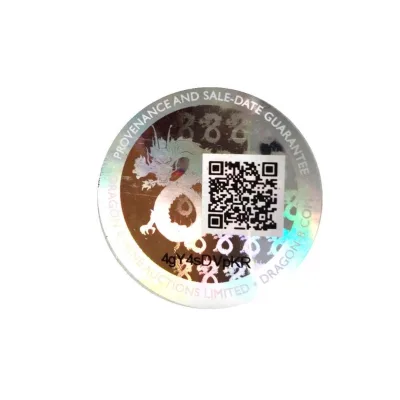
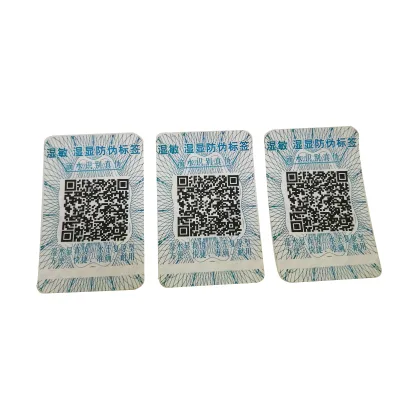


Custom Label Printing 3D Holographic Label Flash Holographic Sticker
$1.30 - $1.50
MOQ: 1000 Square Meters
Comprehensive Sourcing Guide
Holographic Logo Laser Labels Sourcing Guide
Sourcing Holographic Logo Laser Labels requires a nuanced understanding of both the optical technology involved and the specific anti-counterfeiting requirements of your supply chain. These labels are not merely decorative; they serve as critical security features that protect brand integrity and product authenticity. The core of this product category lies in the integration of laser-engraved holographic elements with adhesive backing, creating a tamper-evident solution that is difficult to replicate without specialized equipment. Buyers must recognize that the value proposition of these labels extends beyond visual appeal, encompassing robust verification mechanisms that deter fraud and unauthorized distribution.
The procurement process for these items involves balancing aesthetic customization with technical performance. While the holographic effect provides immediate visual recognition, the underlying material and adhesive properties determine the label’s durability and security. Buyers should approach this category with a focus on verification capabilities, ensuring that the chosen labels can withstand environmental stressors while maintaining their anti-counterfeiting features. This guide outlines the essential considerations for sourcing these labels effectively, from technical specifications to supplier qualification, ensuring that your procurement strategy aligns with both security needs and operational efficiency.
Product Scope and Observed Listing Signals
The market for Holographic Logo Laser Labels encompasses a diverse range of products, primarily categorized by their material composition and intended application. Based on observed listing signals, these labels are frequently constructed from PET (Polyethylene Terephthalate) or Vinyl, materials chosen for their durability and resistance to environmental factors. The usage scenarios are broad, extending from custom stickers and medicine packaging to food products and bottled beverages. This versatility indicates that buyers can source a single type of label for multiple product lines, provided the material compatibility is verified for each specific application.
Listing data reveals a strong emphasis on customization, with attributes such as "Custom Sticker," "Custom Shapes Die Cut Label Stickers," and "Can Be Customized" appearing frequently. This suggests that suppliers offer flexible design services, allowing buyers to tailor the shape, color, and logo placement to their brand identity. The presence of features like "Scratch-Off" and "Self-Adhesive" further highlights the functional diversity within this category. Buyers should note that while the holographic element is a common feature, the specific combination of attributes, such as waterproofing or anti-counterfeiting technology, varies by supplier and product model, requiring careful selection based on individual security requirements.
Technical Specifications to Verify
When evaluating Holographic Logo Laser Labels, the first technical aspect to verify is the material composition and its suitability for the intended environment. PET and Vinyl are the primary materials observed, each offering distinct advantages. PET is often preferred for its high strength and temperature resistance, making it suitable for products that may undergo sterilization or exposure to heat. Vinyl, on the other hand, offers excellent flexibility and adhesion, making it ideal for curved surfaces or flexible packaging. Buyers must ensure that the selected material aligns with the product’s storage and usage conditions to prevent label failure or delamination.
The printing and finishing techniques are equally critical in determining the label’s security and aesthetic quality. Observed specifications include Laser Printing, Offset Printing, and various surface finishes such as UV Varnishing, Matte Lamination, and Gloss Varnishing. The holographic effect itself is often achieved through laser engraving or embossing/debossing processes, which create a three-dimensional image that is difficult to copy. Buyers should verify the specific printing method used, as it impacts the label’s durability and the clarity of the holographic image. Additionally, the availability of custom shapes, such as die-cut, round, square, or rectangular, allows for precise integration into product designs, enhancing both functionality and brand recognition.
Compliance and Safety Documentation
Compliance with international standards is a key consideration when sourcing holographic labels, particularly for products in regulated industries such as food and medicine. Observed listings indicate that some suppliers adhere to ROHS standards, which restrict the use of hazardous substances in electrical and electronic equipment, as well as certain consumer products. This compliance is crucial for ensuring that the materials used in the labels do not pose health risks or environmental hazards. Buyers should request documentation to verify that the labels meet the specific regulatory requirements of their target markets, including any local restrictions on adhesive components or ink formulations.
In addition to material safety, buyers must consider the security standards associated with anti-counterfeiting labels. While specific certification statuses like ISO 9001 are mentioned in background data, buyers should not assume that all suppliers hold these certifications without verification. Instead, buyers should inquire about the supplier’s quality management systems and their ability to provide consistent, high-quality labels. The presence of features like "Anti-Counterfeit" and "Holographic" elements suggests a focus on security, but buyers should also verify the effectiveness of these features through sample testing. Ensuring that the labels meet both safety and security standards is essential for maintaining brand trust and regulatory compliance.
Cost Drivers and Commercial Terms
The cost of Holographic Logo Laser Labels is influenced by several factors, including material selection, customization complexity, and order volume. Observed price ranges indicate a wide variation, reflecting the diversity of products available in the market. Buyers should be aware that higher levels of customization, such as unique shapes or complex holographic designs, may incur additional costs. Similarly, the choice of material, such as PET versus Vinyl, can impact the final price. Understanding these cost drivers allows buyers to make informed decisions that balance budget constraints with security and aesthetic requirements.
Commercial terms, including MOQ (Minimum Order Quantity) and lead times, are also significant considerations. Observed MOQ ranges vary from 2 to 20,000 units, indicating that suppliers cater to both small-scale and large-scale buyers. Buyers should negotiate terms that align with their production schedules and inventory management strategies. Additionally, the production time, which is often cited as 5-7 work days after artwork and payment confirmation, should be factored into the procurement timeline. Buyers should also consider the packaging options, such as rolls, sheets, or cartons with waterproof film, to ensure that the labels are protected during storage and transportation.
Supplier Qualification and Quality Control
Selecting a reliable supplier is paramount when sourcing Holographic Logo Laser Labels, as the quality of the labels directly impacts product security and brand reputation. Buyers should prioritize suppliers who demonstrate a commitment to quality control and consistent production standards. This includes verifying the supplier’s ability to provide high-resolution artwork processing and their proficiency in various printing techniques, such as laser printing and offset printing. Suppliers who offer free design services and accept multiple artwork formats, including PDF, AI, EPS, and high-resolution JPG, are often more flexible and easier to work with.
Quality control measures should be established to ensure that the labels meet the specified requirements. Buyers should request samples to evaluate the holographic effect, adhesive strength, and overall durability. It is also important to verify the supplier’s production capabilities, including their ability to handle custom shapes and sizes. Suppliers who provide detailed information about their production processes and quality assurance protocols are more likely to deliver consistent results. By conducting thorough supplier qualification and implementing rigorous quality control checks, buyers can mitigate the risk of receiving substandard labels and ensure the integrity of their anti-counterfeiting strategy.
Long-Term Procurement Checks
Long-term procurement success with Holographic Logo Laser Labels requires ongoing monitoring and evaluation of supplier performance. Buyers should establish key performance indicators (KPIs) to track metrics such as delivery times, defect rates, and customer satisfaction. Regular audits of the supplier’s quality management systems can help identify potential issues before they impact production. Additionally, buyers should maintain open communication with suppliers to address any changes in requirements or market conditions. This proactive approach ensures that the supply chain remains resilient and responsive to evolving needs.
As technology and security threats evolve, buyers must stay informed about advancements in holographic labeling techniques. This includes monitoring new materials, printing methods, and anti-counterfeiting features that may offer enhanced protection. Buyers should also consider the environmental impact of their labeling choices, exploring sustainable materials and processes where possible. By continuously evaluating and adapting their procurement strategies, buyers can ensure that their Holographic Logo Laser Labels remain effective, compliant, and aligned with their long-term business objectives. This ongoing commitment to improvement is essential for maintaining brand integrity and consumer trust in an increasingly competitive market.
FAQs
What materials are used for Holographic Logo Laser Labels
Holographic Logo Laser Labels are commonly produced using PET or vinyl materials. These substrates provide the necessary durability and surface quality for laser printing and holographic effects. Buyers should verify the specific material composition with the supplier to ensure it matches their application requirements.
Can Holographic Logo Laser Labels be customized in shape and color
Yes, these labels can be customized in various shapes including round, square, rectangle, and custom die-cut designs. Colors can also be tailored to specific brand requirements. Suppliers typically offer free design services and accept artwork in formats like PDF, AI, or high-resolution JPG to facilitate precise customization.
What printing methods are available for Holographic Logo Laser Labels
Laser printing is the primary method used for creating the holographic effect on these labels. Additional finishing options include UV varnishing, matte lamination, and gloss varnishing to enhance durability and visual appeal. Some suppliers also offer offset printing for complex color designs alongside the laser holographic elements.
How long does production take for custom Holographic Logo Laser Labels
Production typically takes 5 to 7 work days after the artwork and payment are confirmed. This timeline allows for the preparation of printing plates and the execution of the laser holographic process. Buyers should account for additional time for shipping and potential design revisions before finalizing their order schedule.
What are the standard packaging options for Holographic Logo Laser Labels
Labels are usually packed in cartons with waterproof film to protect them during transit. They can be supplied in rolls or sheets depending on the buyer's application needs. This packaging ensures the labels remain secure and free from damage or moisture exposure until they are ready for use.
Which certifications apply to Holographic Logo Laser Labels
Some Holographic Logo Laser Labels are produced in compliance with ROHS standards, ensuring they meet specific environmental and safety regulations. Buyers should confirm the certification status with the supplier, as standards can vary by product line and region. Custom standards may also be available for specific industry requirements.
What is the minimum order quantity for Holographic Logo Laser Labels
The minimum order quantity varies by supplier, with observed ranges starting from 2 units up to 20,000 units. Small quantities are often available for testing or small-batch production, while larger MOQs may offer better pricing. Buyers should clarify the specific MOQ for their desired customization level and material choice.