Source Home Free Standing Oven for Kitchens, Restaurants, and Catering
Compare 30 Home Free Standing Oven options from verified suppliers. Buyers can evaluate features like induction burners, oven thermostats, and certifications including CE and RoHS to find the right unit for household or commercial use; compare the available evidence and request quotations based on your requirements.
Updated
Key considerations
Products List

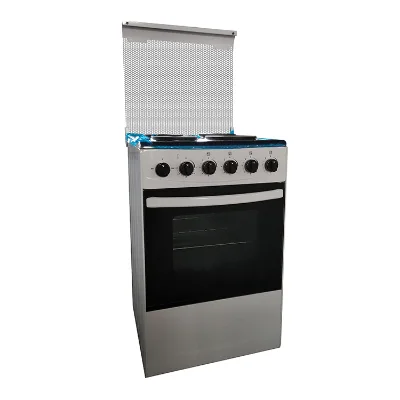


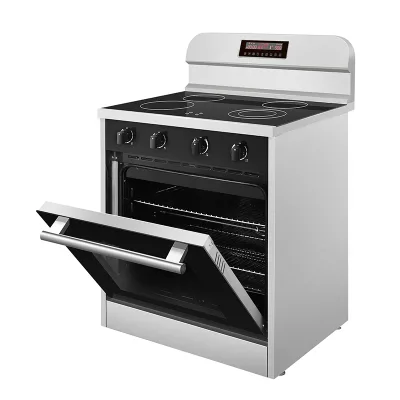
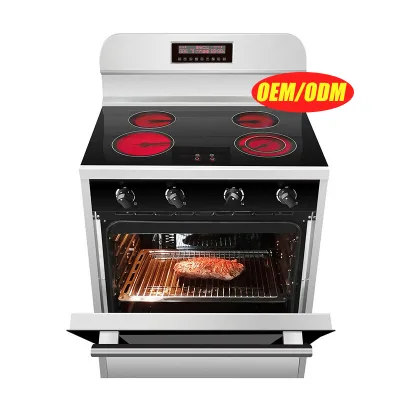
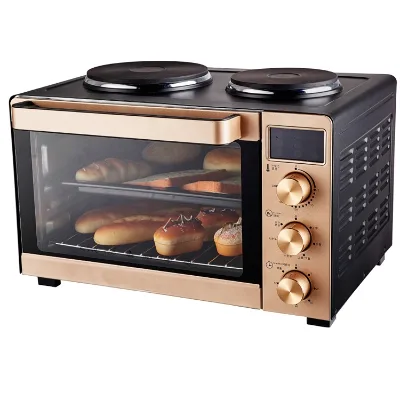


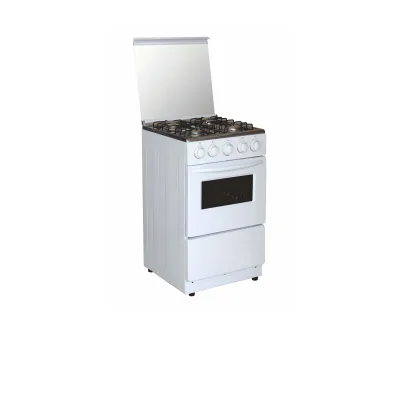
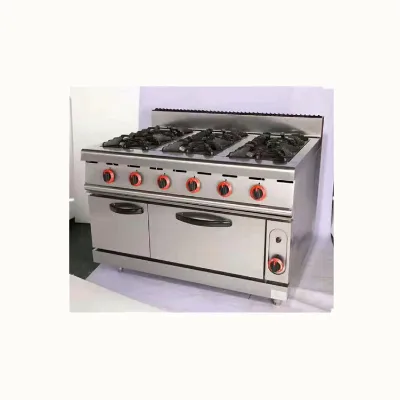
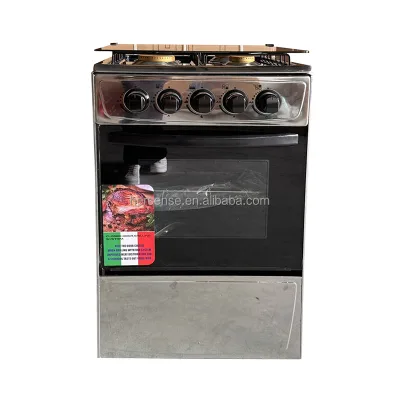


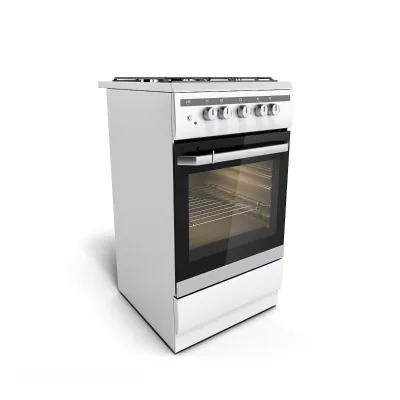

Free Standing Cooker with Gas Hob and Integrated 55L Oven for Family Meals
$52.00 - $55.00
MOQ: 276 Pieces

Freestanding Cooker with Gas Hob and Spacious Oven for Baking and Roasting
$52.00 - $55.00
MOQ: 276 Pieces

Freestanding Cooker with Gas Hob and Spacious Oven for Baking and Roasting
$52.00 - $55.00
MOQ: 276 Pieces
Comprehensive Sourcing Guide
Home Free Standing Oven Sourcing Guide
Procuring home free standing ovens requires a clear understanding of the diverse product landscape available from manufacturers in regions like Shunde, Foshan. Buyers often encounter listings that mix induction cooktops with traditional baking units, necessitating careful distinction between appliance types. The observed market signals indicate a wide range of configurations, from countertop induction hobs with coil heating elements to full-sized freestanding units with integrated ovens. It is critical to verify whether the supplier is offering a simple hot plate or a complex appliance with baking and grilling capabilities. Misinterpreting these categories can lead to significant logistical and functional mismatches in the final procurement order.
The supply chain for these appliances often involves Original Equipment Manufacturer (OEM) branding, allowing buyers to customize the final product appearance and features. Listings frequently highlight customization options, including color variations such as white or black, and housing materials ranging from plastic to stainless steel. Buyers must also consider the installation type, as some units are designed for countertop placement while others are freestanding. Understanding these physical and functional distinctions is the first step in defining accurate technical requirements. This clarity ensures that the sourced products align with the specific needs of the target market, whether it be South America, Africa, or other regions with distinct electrical and usage standards.
Product Scope and Observed Listing Signals
The product scope for home free standing ovens encompasses a variety of configurations, including units with four burners, oven functions, and various control modes. Observed listings reveal that some products are marketed as hot plate ovens with mechanical timer controls, while others feature electronic or auto ignition modes for enhanced user convenience. The power ratings observed vary significantly, with some units operating at 1000-2000W for induction components and others reaching higher wattages for full oven functionality. Buyers should note that the term "Home Free Standing Oven" may refer to different appliance classes, so verifying the exact type is essential before placing orders.
Packaging and supply chain flexibility are key signals in the current market, with suppliers offering both Completely Built Unit (CBU) and Completely Knocked Down (CKD) options. This flexibility allows buyers to optimize shipping costs and manage local assembly requirements effectively. For instance, CKD shipments can significantly increase container loading quantities, reducing per-unit freight expenses. Additionally, suppliers often provide free spare parts as part of their after-sales service, which is a valuable consideration for long-term product reliability. Buyers should evaluate these logistical factors alongside the product features to ensure a sustainable and cost-effective supply chain strategy.
Technical Specifications to Verify
Technical verification must begin with electrical compatibility, as observed listings indicate rated voltages of 220-240V at 50-60Hz. Buyers must confirm that the supplied units match the local grid standards of their destination market to prevent operational failures. The power source is typically electric, but the specific heating element type, such as coil or induction, varies by model. It is crucial to verify the exact power consumption, as some listings show values like 8100W, which may indicate total system power rather than individual component usage. Clarifying these electrical parameters prevents mismatched installations and ensures safe operation in the end-user environment.
Dimensional and functional specifications are equally important for procurement accuracy. Standard appliance dimensions observed include heights of 900mm, widths of 540mm, and depths of 600mm, though variations exist. Buyers should verify the oven temperature range, which typically spans from 50°C to 250°C, and confirm the presence of features like thermostats, glass doors, and upper burners. The controlling mode, whether mechanical timer or electronic, impacts user experience and manufacturing complexity. Additionally, the number of burners, often four, and the inclusion of grill or bake functions must be explicitly confirmed in the purchase order to avoid receiving incorrect configurations.
Compliance and Safety Documentation
Compliance with international safety standards is non-negotiable for home appliance imports. Observed certifications include CE, CB, RoHS, EMC, ETL, GS, and UR, indicating varying levels of regional compliance. Buyers must verify which specific certifications are required for their target market, as CE is essential for Europe, while ETL and UR are critical for North American sales. The presence of these certifications suggests that the manufacturer has undergone testing for electrical safety, electromagnetic compatibility, and hazardous substance restrictions. However, buyers should request valid test reports and certificates to ensure they are current and applicable to the specific model being purchased.
Safety features such as flame failure devices and brass caps are listed as optional features, highlighting the importance of risk mitigation in product design. For gas-assisted or hybrid units, these devices are crucial for preventing gas leaks and ensuring user safety. Buyers should prioritize suppliers who offer these safety mechanisms as standard or easily configurable options. Additionally, the warranty period, typically observed as 12 months or one year, provides a baseline for product reliability. Understanding the scope of the warranty and the availability of free spare parts is essential for managing after-sales liability and maintaining customer satisfaction in the destination market.
Cost Drivers and Commercial Terms
Cost structures for home free standing ovens are influenced by material choices, certification levels, and packaging methods. Stainless steel housing and advanced electronic controls generally command higher prices than plastic housing and mechanical timers. The observed price range of 25-950 USD reflects this diversity, with basic units at the lower end and fully featured, certified models at the higher end. Buyers should analyze the cost breakdown to understand how specific features, such as glass doors or oven functions, impact the final unit price. This analysis helps in balancing budget constraints with desired product quality and feature sets.
Minimum Order Quantities (MOQ) and supply ability are significant commercial terms that affect procurement planning. Observed MOQs range from 1 to 500 units, offering flexibility for both small trial orders and large-scale deployments. Suppliers often advertise a supply ability of 100,000 pieces per month, with provisions for urgent arrangements. Buyers should negotiate clear terms regarding lead times, payment methods, and shipping responsibilities. Understanding the packaging details, such as the difference between brown carton and color carton, can also impact costs and branding opportunities. Clear commercial terms ensure predictable cash flow and inventory management.
Supplier Qualification and Quality Control
Supplier qualification requires verifying the manufacturer's location and production capabilities. Many suppliers are based in Shunde, Foshan, a known hub for appliance manufacturing in China. Buyers should assess the supplier's ability to handle both CBU and CKD shipments, as this indicates logistical competence. Quality control processes should include pre-production samples and in-line inspections to ensure consistency. The availability of OEM branding services suggests that the supplier has the flexibility to meet specific brand requirements, but buyers must establish clear quality standards and acceptance criteria.
Quality assurance also involves verifying the consistency of certifications and test results. Buyers should request batch-specific test reports to ensure that every unit meets the claimed safety and performance standards. The provision of free spare parts is a positive indicator of supplier confidence in product durability. However, buyers should also establish a clear protocol for handling defective units and warranty claims. Regular communication with the supplier regarding quality feedback and continuous improvement is essential for maintaining a high standard of product reliability and minimizing after-sales issues in the long term.
Long-Term Procurement Checks
Long-term procurement success depends on continuous monitoring of supplier performance and market trends. Buyers should regularly review warranty claims and spare parts usage to identify potential design flaws or manufacturing inconsistencies. Feedback from end-users in the destination market, particularly in regions like South America or Africa, can provide valuable insights into product performance under real-world conditions. This feedback loop should be used to refine future specifications and negotiate improvements with the supplier. Maintaining a strong relationship with the supplier ensures priority access to new models and better support during peak seasons.
Adaptability to changing regulatory environments is crucial for sustained compliance. Buyers must stay informed about updates to safety standards and certification requirements in their target markets. Proactive engagement with suppliers regarding upcoming regulatory changes can prevent disruptions in supply. Additionally, evaluating the supplier's innovation capacity, such as the introduction of new energy-efficient models or smart features, can provide a competitive advantage. Regular audits and performance reviews help ensure that the supplier remains a reliable partner, capable of meeting evolving quality, compliance, and volume demands over time.
FAQs
What certifications are available for Home Free Standing Oven models?
Certifications include UR, ETL, GS, CE, RoHS, EMC, and CB. These ensure compliance with international safety and environmental standards. Buyers can verify specific documents from suppliers to confirm regulatory adherence for their target markets. This supports smooth customs clearance and market entry.
Can I customize the Home Free Standing Oven design?
Customization is available for various product attributes. Buyers can request specific colors, housing materials, or branding options. OEM services allow for tailored designs to meet unique market requirements. This flexibility helps brands differentiate their products while maintaining core functional integrity and quality standards.
What is the typical power rating for these ovens?
Power ratings typically range from 1000 to 2000W for induction components. Some models feature higher power outputs up to 8100W for comprehensive cooking functions. This ensures efficient heating performance. Buyers should match power specifications with their local electrical infrastructure to ensure safe and optimal operation.
How is the Home Free Standing Oven packaged for shipping?
Packaging options include color boxes, brown cartons, or CKD/CBU configurations. Standard brown cartons are commonly used for protection. CKD packing allows for higher container utilization, reducing shipping costs. Detailed packaging dimensions help buyers calculate logistics efficiency and ensure product safety during transit to global destinations.
What warranty is provided for the Home Free Standing Oven?
A 12-month or 1-year warranty is standard for these units. This covers manufacturing defects and ensures product reliability. Free spare parts are often provided to support after-sales service. Buyers benefit from reduced maintenance costs and improved customer satisfaction through reliable warranty support and accessible replacement components.
Which ignition modes are supported for these ovens?
Supported ignition modes include electronic ignition and auto ignition. These features ensure reliable and safe startup for cooking operations. Electronic ignition provides consistent performance across various environmental conditions. Buyers can select the appropriate mode based on their operational preferences and safety requirements for household or commercial use.