Source Wall Mounted Cooker Hood with Aluminum Filter for Kitchens
Source 30 Wall Mounted Cooker Hood with Aluminum Filter options featuring stainless steel housing, copper motors, and ducted or recirculating venting. Compare models like CXW-90H31-TAK-14 and YOH-9 for European style designs suitable for household kitchens; compare the available evidence and request quotations based on your requirements.
Updated
Key considerations
Products List


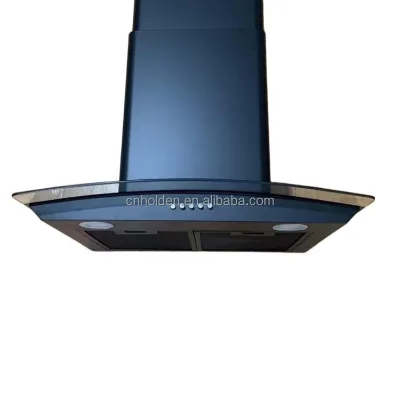
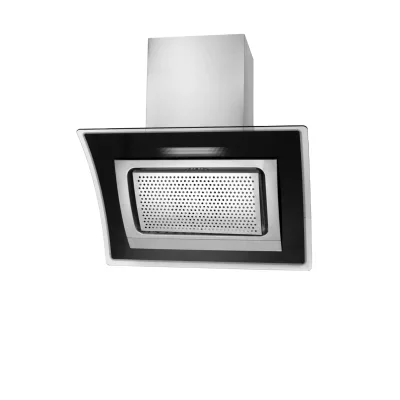
Premium 90cm Wall-Mounted Curved Cooker Range Hood with High Extraction Rate
$105.00 - $110.00
MOQ: 100 Pieces


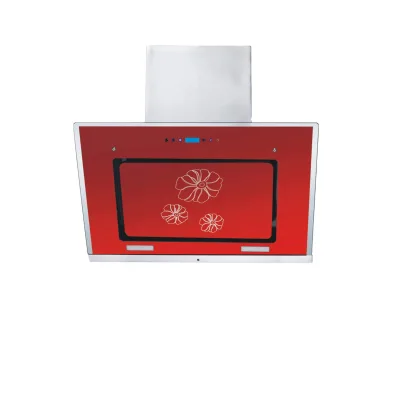
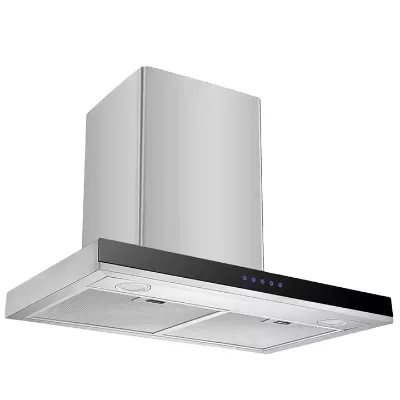
Stainless Steel Filter Commercial Range Hood /Cooker Hood/Kitchen Hood
$39.00 - $60.00
MOQ: 100 Pieces


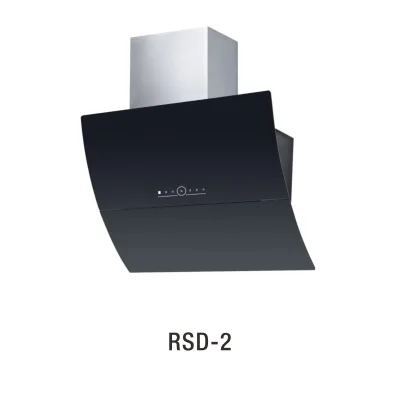
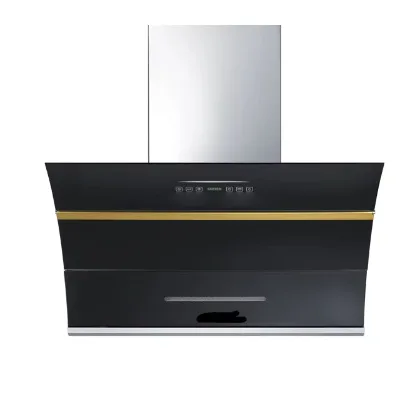
CKD Commercial Exhaust Wall Mounted Smoke Extractor Cooker Hood Filter
$48.90 - $55.70
MOQ: 100 pieces


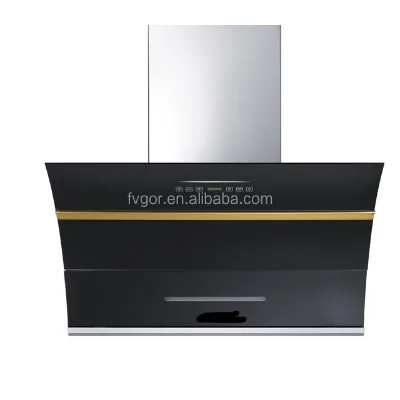
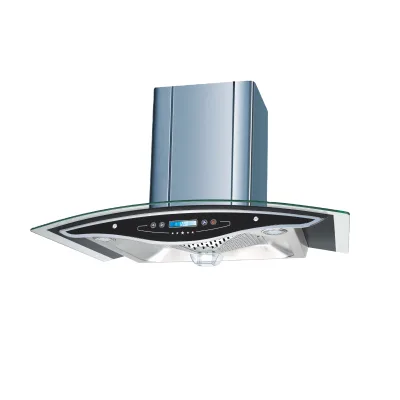
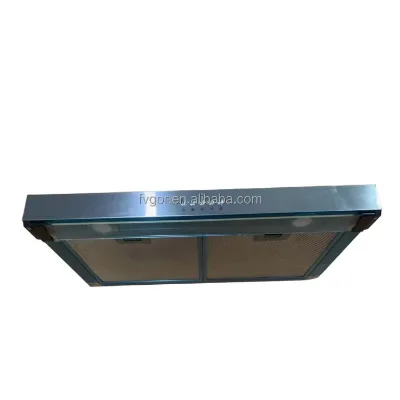
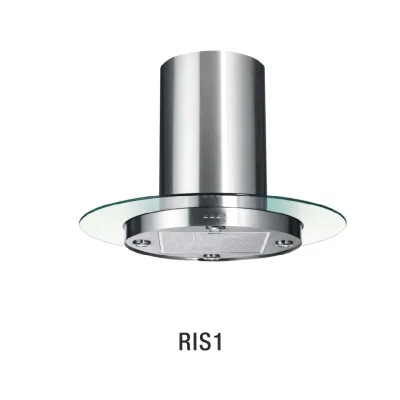


Comprehensive Sourcing Guide
Wall Mounted Cooker Hood with Aluminum Filter Sourcing Guide
Sourcing wall-mounted cooker hoods equipped with aluminum filters requires a precise understanding of mechanical specifications and material durability. These units are predominantly designed for household kitchen environments, offering a balance between aesthetic integration and functional performance. Buyers must distinguish between ducted and recirculating venting options, as this choice fundamentally alters the installation requirements and long-term maintenance needs of the appliance. The presence of a three-layer black-coated aluminum filter suggests enhanced grease capture capabilities, which is critical for maintaining air quality in high-traffic cooking areas.
The market offers a variety of styles, including European and shallow-cover types, which cater to different interior design preferences. Stainless steel housing is a common feature, providing resistance to corrosion and ease of cleaning, while tempered glass elements add a modern aesthetic appeal. Procurement teams should verify the specific motor type, such as copper motors, which are often preferred for their efficiency and longevity compared to aluminum alternatives. Understanding these material distinctions is essential for ensuring that the selected product meets both operational demands and visual standards for the end-user.
Product Scope and Observed Listing Signals
The observed product listings indicate a diverse range of models, with prices ranging from approximately $27.57 to $110 USD. This variance reflects differences in motor power, noise levels, and additional features such as dynamic displays or built-in oil cups. Minimum order quantities typically start at 50 units, though some suppliers may require higher volumes, such as 200 or 300 units, depending on the customization level and production capacity. Buyers should carefully review the specific model numbers, such as CXW-90H31-TAK-14 or YOH-9, to align their procurement with the exact technical requirements of their target market.
Listing signals also highlight variations in exhaust rates, with some units offering up to 600 cubic meters per hour, while others provide lower suction rates around 250 cubic meters per hour. Noise levels are another critical differentiator, ranging from quiet operations under 40 dB to louder units exceeding 70 dB. These specifications directly impact customer satisfaction, particularly in open-plan living spaces. Procurement specialists must cross-reference these observed signals with their specific application needs to avoid over-specifying or under-specifying the equipment, ensuring that the final selection offers the best value proposition for the intended use case.
Technical Specifications to Verify
Verification of technical specifications is paramount when sourcing wall-mounted cooker hoods. Buyers must confirm the exact dimensions of the unit, as standards vary significantly, with some models measuring 900x523x540mm and others differing in width or depth. The installation method is typically wall-mounted, but the specific mounting hardware and clearance requirements must be verified to ensure compatibility with existing kitchen infrastructure. Additionally, the power consumption of the motor, ranging from 80W to 165W, should be assessed to determine energy efficiency and operational costs for the end-user.
The type of filter is a crucial technical detail, with many units featuring two three-layer aluminum filters that require regular cleaning or replacement. Buyers should also verify the lighting specifications, such as 1.5W LED lights, which provide adequate illumination for the cooking surface. Operation modes, including two-speed or three-speed buttons, and the presence of push-button controls, affect user experience and ease of use. Ensuring that all these technical parameters are clearly defined in the purchase order prevents discrepancies between the ordered product and the delivered goods, reducing the risk of returns or customer complaints.
Compliance and Safety Documentation
Compliance with international safety and environmental standards is non-negotiable for global procurement. Many listed products carry CE and CB certifications, indicating adherence to European and international safety requirements. However, buyers must verify if additional certifications, such as RoHS, are required for specific markets, particularly those with strict environmental regulations. The presence of BV and SGS standards in some listings suggests third-party verification of quality and safety, which can be a valuable asset for risk mitigation and market entry.
Documentation should also include detailed electrical safety reports and material safety data sheets, especially for components like the tempered glass and stainless steel housing. Buyers should request test results for noise emission levels, ensuring they fall within acceptable limits for residential use, typically below 60 dB for premium models. Verifying that the product origin, often Guangdong, China, aligns with trade agreements and tariff classifications is also essential. Proper documentation not only facilitates customs clearance but also builds trust with downstream distributors and end-consumers regarding the product's safety and reliability.
Cost Drivers and Commercial Terms
Cost drivers for wall-mounted cooker hoods include the material quality, motor type, and the complexity of the control system. Units with copper motors and advanced features like dynamic displays command higher prices due to increased manufacturing costs and perceived value. Packaging also influences the final landed cost, with options ranging from simple cartons to five-layer brown boxes with foam for enhanced protection during transit. Buyers should negotiate based on the total cost of ownership, including packaging and potential damage rates, rather than just the unit price.
Commercial terms such as MOQ and lead times are critical for inventory management. While some suppliers offer low MOQs of 50 units, others may require 200 or more, impacting cash flow and storage requirements. Lead times can vary based on customization needs, such as specific branding or packaging requirements. Buyers should establish clear agreements on payment terms, warranty periods, and after-sales support to mitigate financial risks. Understanding these commercial dynamics allows for more accurate budgeting and ensures that the supply chain remains resilient against market fluctuations and production delays.
Supplier Qualification and Quality Control
Supplier qualification involves assessing the manufacturer's production capacity, quality management systems, and track record. Buyers should prioritize suppliers who demonstrate consistent adherence to standards such as CE and CB, indicating a robust internal quality control process. Factory audits, whether remote or on-site, can provide insights into the manufacturing environment, including the use of automated assembly lines and rigorous testing procedures. Suppliers with a history of exporting to diverse markets are often more reliable in meeting varying regulatory and quality expectations.
Quality control protocols should include incoming material inspections, in-process checks, and final random inspections before shipment. Buyers should specify acceptance quality limits (AQL) for critical attributes such as noise levels, suction power, and visual defects. Establishing a clear communication channel for addressing non-conformities is essential for maintaining product quality. Additionally, verifying the supplier's ability to handle customization requests, such as private labeling or specific packaging, ensures that the final product aligns with the buyer's brand identity and market positioning.
Long-Term Procurement Checks
Long-term procurement success depends on continuous monitoring of supplier performance and product reliability. Buyers should track key performance indicators such as on-time delivery rates, defect rates, and responsiveness to issues. Regular feedback from end-users regarding noise levels, cleaning ease, and durability can provide valuable insights for future purchasing decisions. Maintaining a diversified supplier base can also mitigate risks associated with supply chain disruptions or quality inconsistencies.
Sustainability and regulatory changes should also be considered in long-term planning. As environmental regulations become stricter, suppliers may need to adapt their materials and processes to comply with new standards. Buyers should stay informed about these changes and work with suppliers who are proactive in their compliance efforts. Additionally, exploring opportunities for product upgrades, such as more energy-efficient motors or smarter control systems, can help maintain a competitive edge in the market. Continuous engagement with suppliers fosters a collaborative relationship that benefits both parties in the long run.
FAQs
Can Wall Mounted Cooker Hood with Aluminum Filter be customized?
Yes, customization is available for these units. Buyers can request specific modifications to meet unique kitchen requirements. This flexibility allows for tailored solutions in design and functionality. Suppliers often accommodate special requests for dimensions or features. This ensures the appliance fits perfectly into various interior layouts and user preferences.
What is the noise level of these range hoods?
Noise levels vary by model, typically ranging from 41 to 70 dB. Some units operate quietly at 41-50 dB, while others may reach 61-70 dB. Lower noise models often feature efficient copper motors. Buyers should check specific product specifications for exact decibel ratings. This ensures a comfortable cooking environment without excessive background noise interference.
How is the exhaust rate defined for these hoods?
Exhaust rates generally range up to 13 cubic meters per minute. Specific models may offer extraction rates around 600 cubic meters per hour. Other variants might provide suction rates of 250 cubic meters per hour. These metrics indicate the efficiency of air removal. Buyers should match the rate to their kitchen size for optimal performance and air quality management.
What certifications do these wall mounted hoods typically hold?
Common certifications include CE, CB, and RoHS. These indicate compliance with international safety and environmental standards. Some products may also hold BV or SGS certifications. Buyers should verify specific certificates for their target markets. This ensures regulatory compliance and product safety for end-users in different regions.
What is the typical MOQ for these products?
The minimum order quantity typically ranges from 50 to 300 units. Some suppliers may require an MOQ of 200 pieces. This varies based on the manufacturer and product customization level. Buyers should confirm the exact MOQ with the supplier. Understanding this helps in planning inventory and managing initial procurement costs effectively.
What materials are used in the housing of these hoods?
Housing materials often include stainless steel or tempered glass. Some models feature a combination of tempered glass and 410 stainless steel. These materials provide durability and a modern aesthetic. The choice affects both the appearance and longevity of the appliance. Buyers should select materials that align with their kitchen design and maintenance preferences.