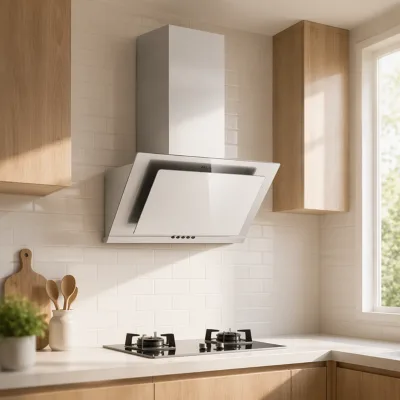
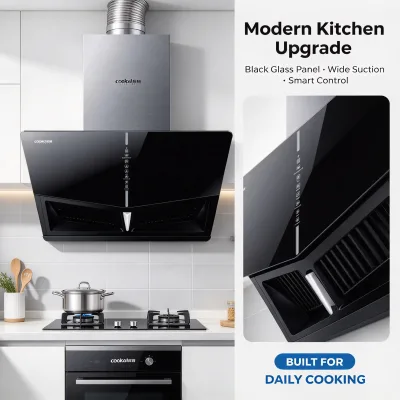
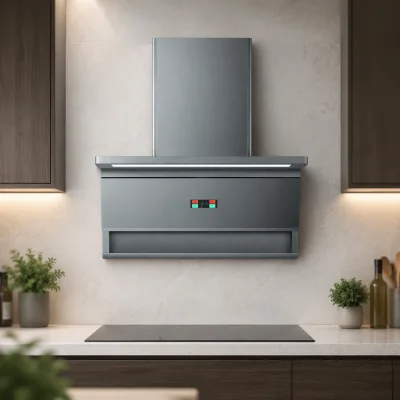
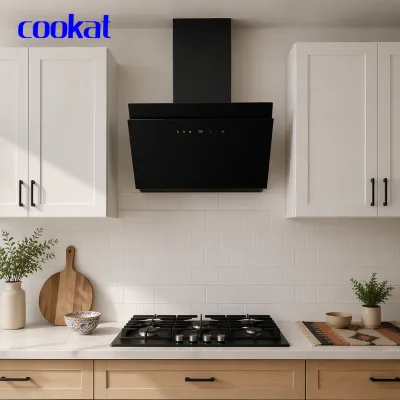
wall-mounted glass cooker hood with aluminum filter Suppliers and Manufacturers
Compare 20 verified suppliers offering wall-mounted glass cooker hood with aluminum filter units from China Guangdong. Evaluate response times, lead times, certifications, and extraction rates before requesting quotes to ensure product specifications match your kitchen requirements; review the available evidence before requesting comparable quotations from suitable candidates.
Updated
Suppliers List

FOSHAN HAITIAN YOUMI ELECTRICAL TECHNOLOGY CO.,LTD
- Verified by TUVRHEINLAND
- Manufacturer/Factory
- China Guangdong
- Lead time23 days
- Avg. response≤ 5h
Main productsGas Stove, Range Hood, Gas Water Heater, Gas Bolier, Induction Cooker, Ceramic Hob
Main marketsSouth America,Eastern Europe,Mid East,North America,Southeast Asia,Eastern Asia,Oceania,Western Europe,Africa

$105.00 - $110.00
MOQ: 100 Pieces

$105.00 - $110.00
MOQ: 100 Pieces

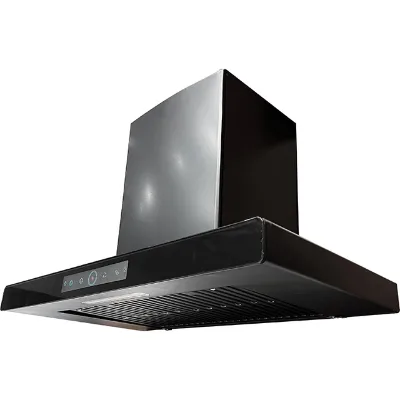
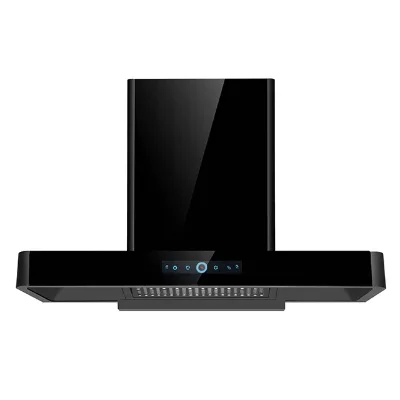
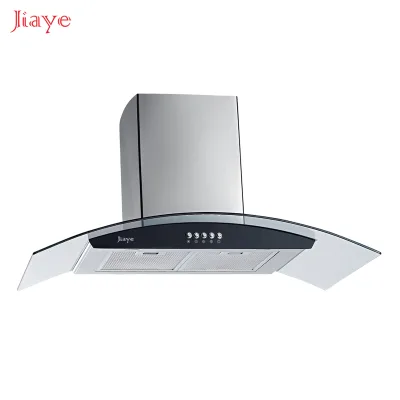
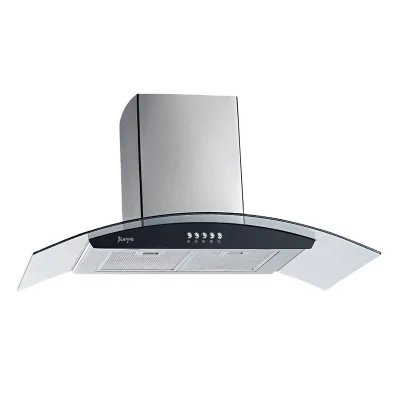
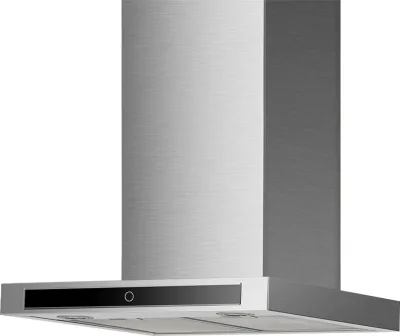
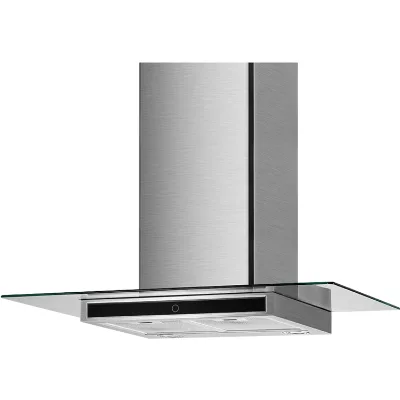
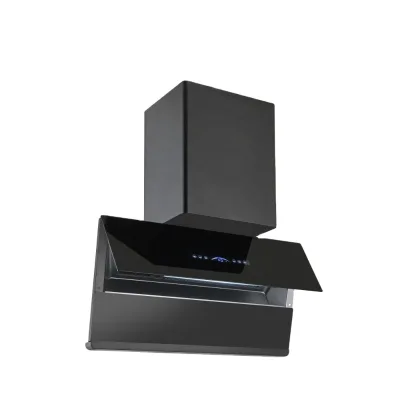
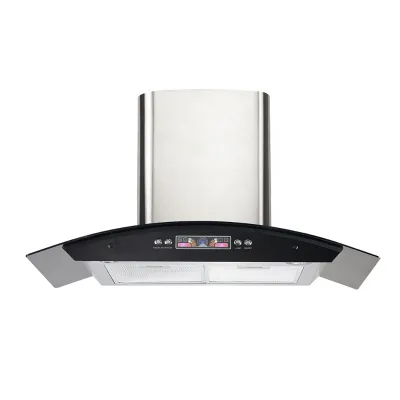
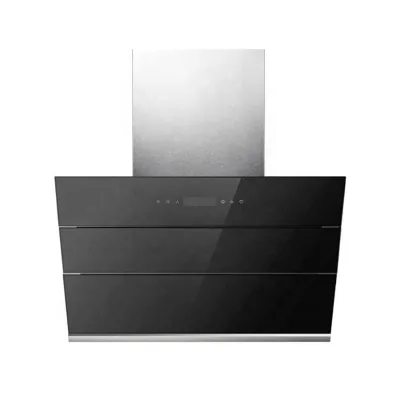
Wall-Mounted Kitchen Range Hood Curved Glass Design Kitchen Cooker Vent Hood
$105.00 - $110.00
MOQ: 100 Pieces

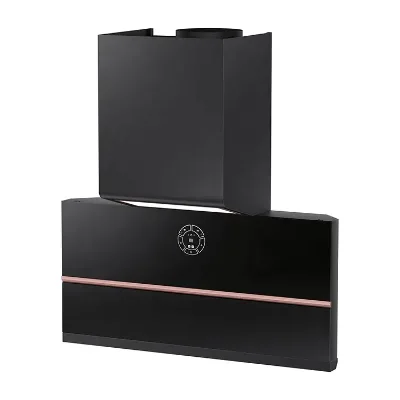
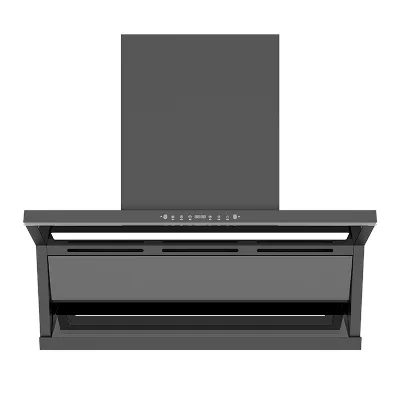
T Shape Design Tempered Glass Range Hood Wall-Mounted Kitchen Cooker Vent Hood
$47.00 - $51.00
MOQ: 100 Pieces

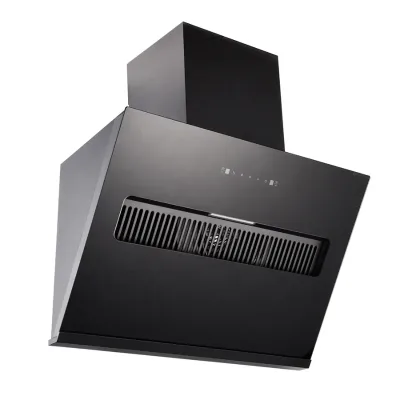
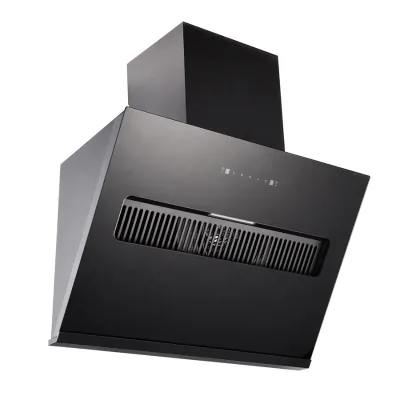
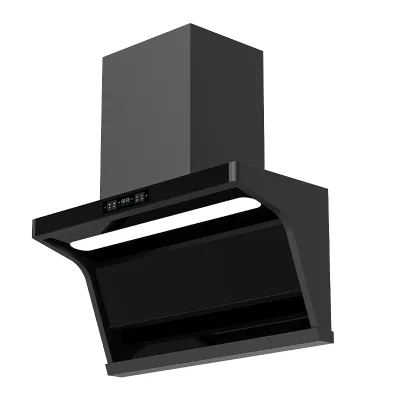
Wall-Mounted Curved Side Suction Range Hood Appliance Cooker Vent Hood
$41.00 - $43.00
MOQ: 100 Pieces

$32.00 - $34.00
MOQ: 100 Pieces

ZHONG SHAN MEILONG ELECTRONIC CO.,LTD
- Verified by BV
- Combined
- China Guangdong
- Lead time30 days
- Avg. response≤ 5h
Main productsGas Stove, Range Hoods, Induction
Main marketsSouth America,Africa,Southeast Asia/ Mideast
Zhongshan Guoxin Electric Appliance Co., Ltd.
- Verified by TüVRheinland
- Manufacturer, Trading Company
- Lead time30 days
- Avg. response≤ 1h
Main productsRange Hood, Exhaust Fan, Gas Stove
Main marketsMid East(55%), South America(25%), Southeast Asia(12%)
Guangdong Holden Electrical Co., Limited
- Verified by SGS Group
- Manufacturer, Trading Company
- Lead time30 days
- Avg. response≤ 6h
Main productsGas Hob, Gas Water Heater, Range Hood, Ovens
Main marketsNorth America(40%), South America(20%), Africa(20%)
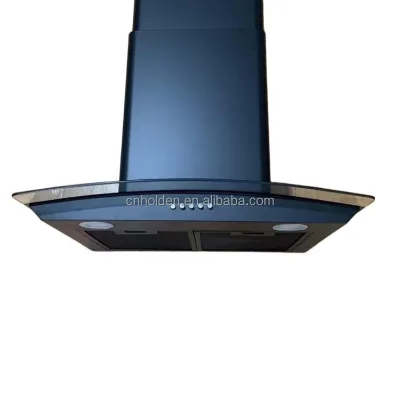
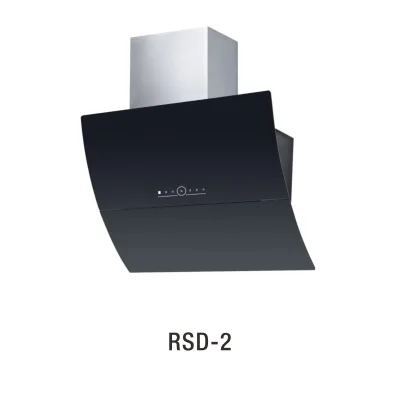
$55.8068 - $57.8533
MOQ: 100 pieces
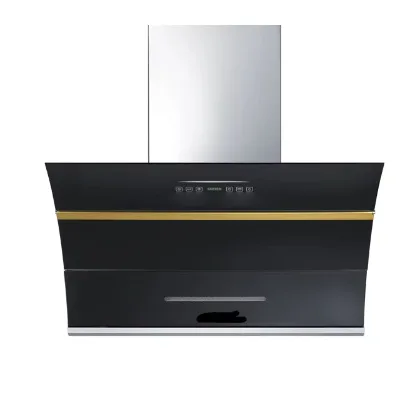
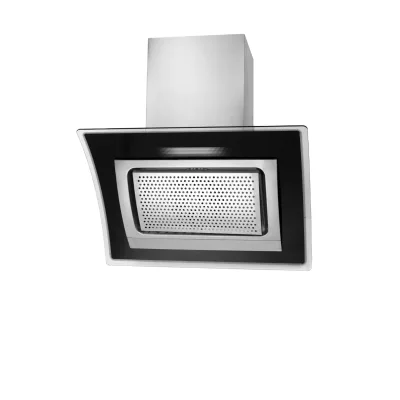

Zhongshan Yibo Technology Co., Ltd.
- Verified by SGS
- Combined
- China Guangdong
- Lead time30 days
- Avg. response≤ 5h
Main marketsSoutheast Asia/ Mideast,Domestic

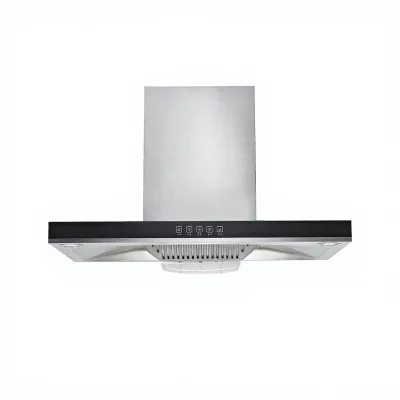
Wall Mounted T-Type Kitchen Range Hood Aluminum Filter Cooker Hood for Household
$41.00 - $45.00
MOQ: 50 sets


Home Cooking Appliance European Style T Type Range Hood Digital Display Aluminum Filter Cooker Hood
$41.00 - $45.00
MOQ: 50 sets

Smart Curved Glass Wall Mount Range Hood High Suction Kitchen Smoke Extractor Cooker Hood
$33.00 - $35.00
MOQ: 100 pieces

China Factory 900mm T Type Kitchen Range Hood Aluminum Filter Hand Sensor Touch Control Cooker Hood
$41.00 - $45.00
MOQ: 50 sets
Foshan Fvgor Electric Industry Co., Ltd.
- Verified by TüVRheinland
- Manufacturer, Trading Company
- Lead time30 days
- Avg. response≤ 6h
Main productsGas Cooktops, Range Hoods, Built-in Ovens, Free Standing Oven, Gas Water Heater
Main marketsNorth America(20%), South America(18%), Mid East(15%)
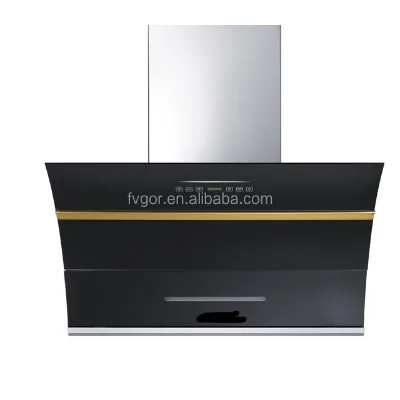
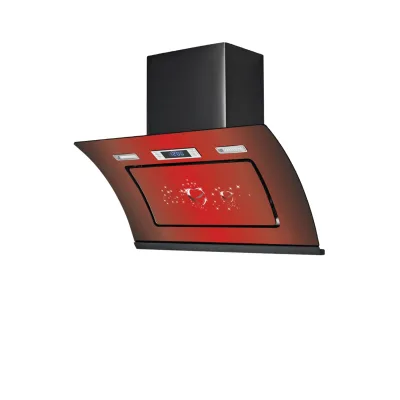
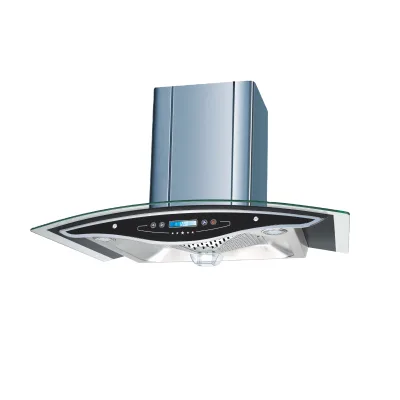
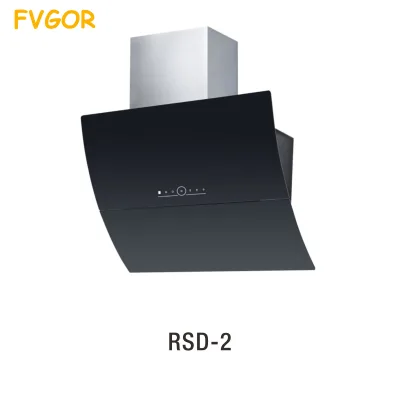
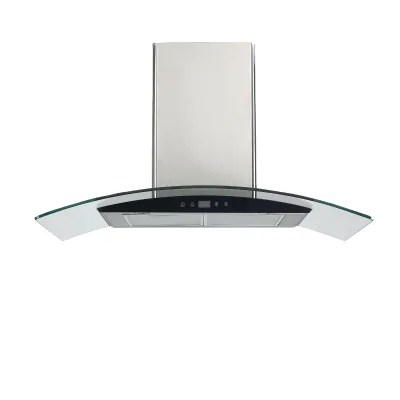
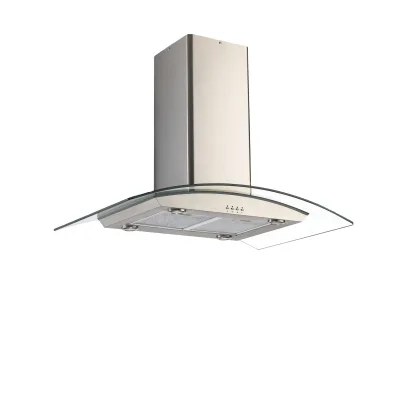
Glass Cooker Hood 90cm Wall Mounted Chimney Cooker Hood Kitchen Smoke Extractor
$70.4796 - $73.5658
MOQ: 50 pieces

Zhongshan Jiaye Electric Appliance Co., Ltd.
- Verified by SGS
- Combined
- China Guangdong
- Lead time23 days
- Avg. response≤ 5h
Main productsGas Hob, Gas Stove, Range Hood, Built-in Oven, Microwave Oven, Induction Cooker, Ceramic Hob
Main marketsSouth America,Africa,Southeast Asia/ Mideast,Europe
Foshan CookAid Appliances Co., Ltd.
- Manufacturer, Trading Company
- Guangdong, China
- Lead time35 days
- Avg. response≤ 3h
Main productsrange hood,gas hobs,induction hobs,ceramic hobs,built in ovens
Main marketsWestern Europe(25.00%), South Asia(10.00%), Eastern Asia(10.00%), Mid East(10.00%), Southeast Asia(10.00%), Eastern Europe(10.00%), Northern Europe(10.00%), North America(5.00%), Southern Europe(5.00%), South America(5.00%)
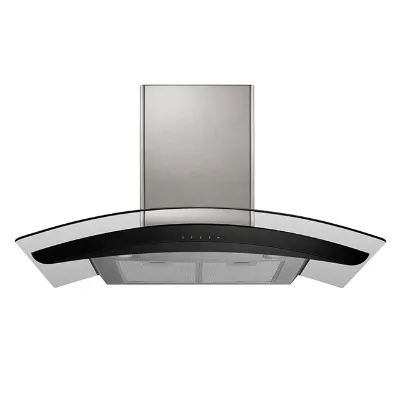
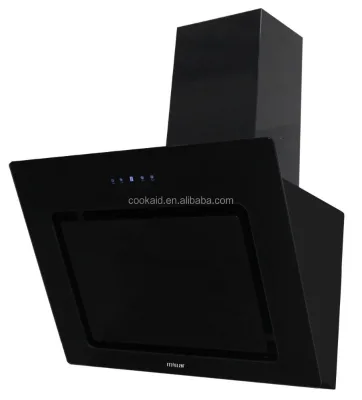
Glass Self-clean Kitchen Cooker Hood
$52.00 - $56.00
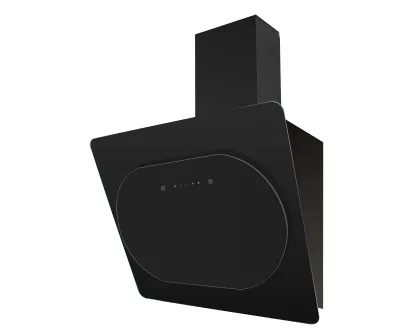
Perimetral Glass Kitchen Cooker Hood
$105.00 - $200.00
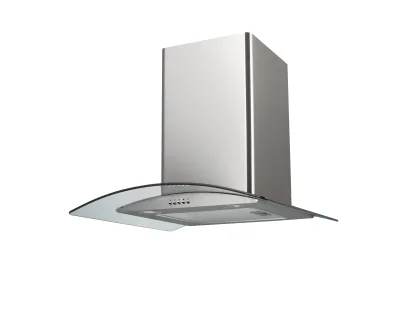
motion control Europe style chimney cooker hood
$91.00 - $95.00
European style glass kitchen hood
$53.00 - $56.00
Zhongshan Jiaye Electric Appliance Technology Co., Ltd.
- Manufacturer, Trading Company
- Lead time旺季: "50 - 5000":10,"5050 - 10000":20,"10050 - 25000":30,"> 25000":"To be negotiated", 淡季: "50 - 5000":10,"5050 - 10000":20,"10050 - 25000":30,"> 25000":"To be negotiated"
- Avg. response≤ 3h
Main productsGas Hob, Range Hood, Microwave Oven, Built-in Oven, Dishwasher
Guangdong Built Electronic Appliance Manufacture Co., Ltd.
- Verified by Intertek
- Manufacturer, Trading Company
- Lead time60 days
- Avg. response≤ 7h
Main productsRangehood, Built-in Oven, Built-in Gas Hob, Built-in Induction Hob, Built-in BBQ Grill
Main marketsSoutheast Asia(50%), Mid East(30%), South America(5%)
Zhongshan Greentec Electric Appliance Co., Ltd.
- Verified by SGS Group
- Manufacturer, Trading Company
- Lead time35 days
- Avg. response≤ 4h
Main productsRange Hood, Gas Stove, Spare Parts, Sink
Main marketsSoutheast Asia(50%), South Asia(20%), North America(10%)
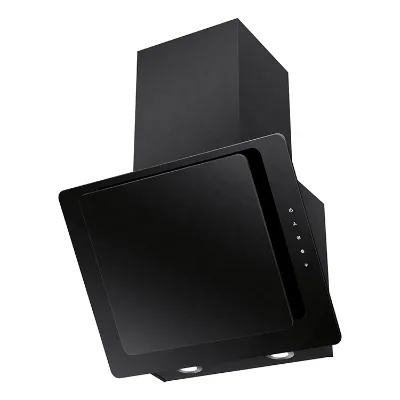
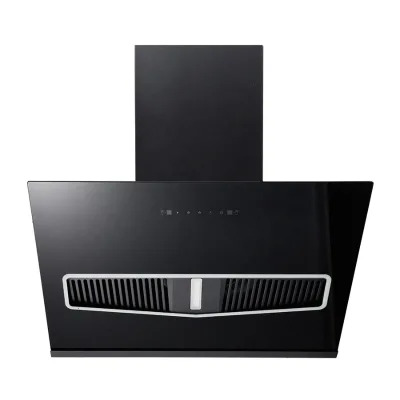
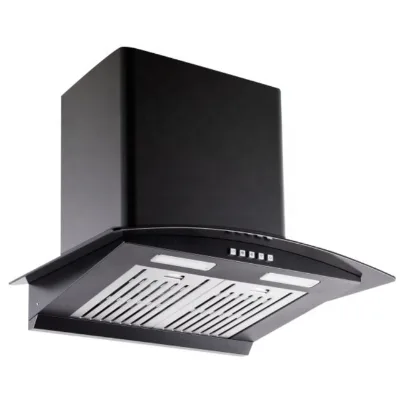
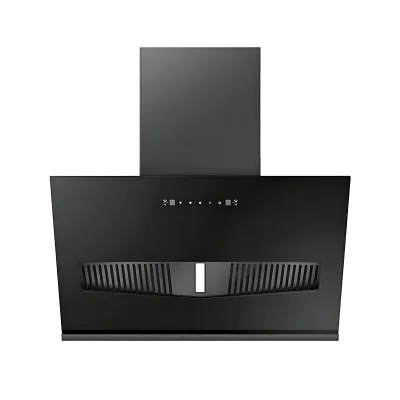
Black Tempered Glass Easy Clean Chimney Stainless Steel Body Mounted Cooker Hood
$81.9733
MOQ: 100 Minimum
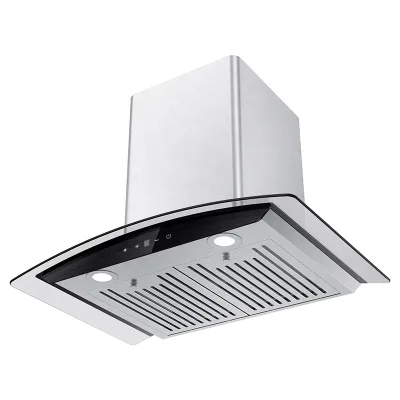
Best Welcome Fashion Wall Mounted Curve Glass Kitchen Range Hood Kitchen Chimney Cooker Hood
$61.4796
MOQ: 100 Minimum
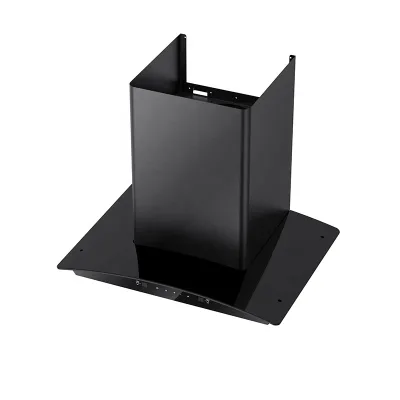
New Curved Glass Cooker Hood Black Tempered Glass Stainless Steel Wall Mounted Kitchen Fume Hood
$60.4967 - $62.5478
MOQ: 100 units

Eternal Kitchen Appliance Co., Ltd.
- Trading Company
- Guangdong, China
- Lead time35 days
- Avg. response≤ 3h
Main productsGas Hob, Gas Hob Accessories
Main marketsDomestic Market(20.00%), Mid East(19.00%), Africa(11.00%), South America(9.00%), Central America(8.00%), Southeast Asia(8.00%), South Asia(7.00%), Eastern Europe(5.00%), Eastern Asia(5.00%), North America(4.00%), Western Europe(1.00%), Oceania(1.00%), Southern Europe(1.00%), Northern Europe(1.00%)
Guangdong Cookermore Co., Ltd.
- Verified by SGS Group
- Manufacturer, Trading Company
- Lead time35 days
- Avg. response≤ 2h
Main productsGas Stove, Induction Cooker, Infrared Cooker, Range Hood, Gas Water Heater
Main marketsNorth America(20%), Southeast Asia(20%), Mid East(20%)
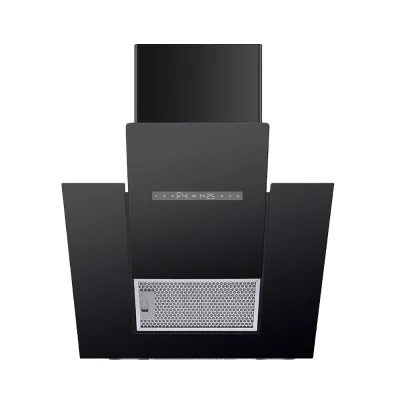
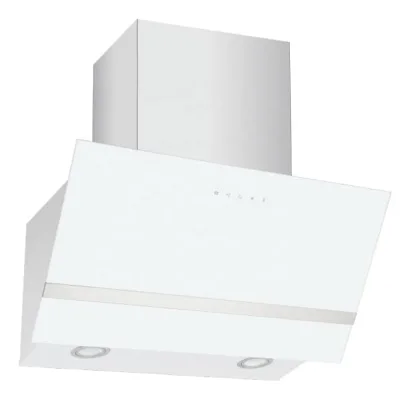
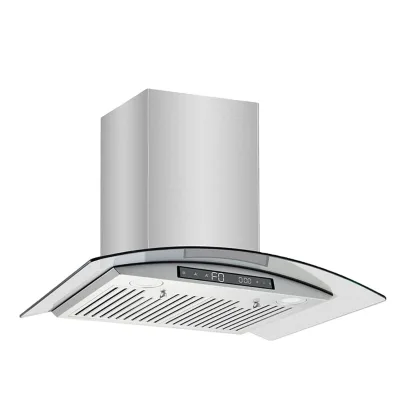
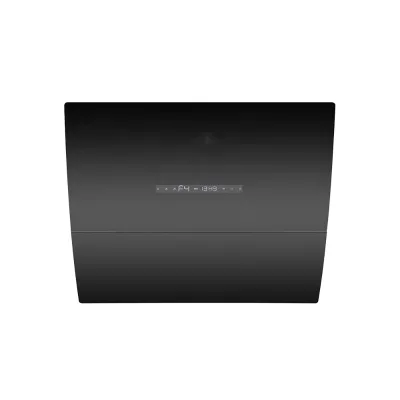
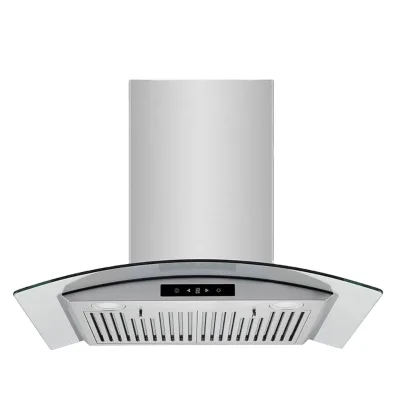
$50.00 - $60.00
MOQ: 100 Minimum
Zhongshan Cookat Kitchen Appliance Co., Ltd.
- Manufacturer
- Guangdong, China
- Lead time30 days
- Avg. response≤ 3h
Main productsgas hob,extractor hood,built in oven,built in microwave
Main marketsDomestic Market(29.00%), Mid East(20.00%), Africa(19.00%), South America(10.00%), Central America(5.00%), South Asia(5.00%), Southeast Asia(3.00%), Eastern Europe(3.00%), Eastern Asia(2.00%), Western Europe(2.00%), Southern Europe(2.00%)
Zhongshan Jiaye Electric Appliance Co., Ltd.
- Verified by SGS Group
- Manufacturer, Trading Company
- Lead time40 days
- Avg. response≤ 3h
Main productsGas Hob, Gas Stove, Gas Cooker, Gas Cooktop, Electric Hob
Main marketsSouth America(30%), Western Europe(20%), Southeast Asia(10%)
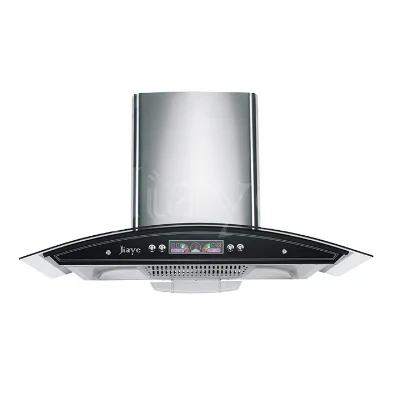
$48.00 - $54.00
MOQ: 100 pieces
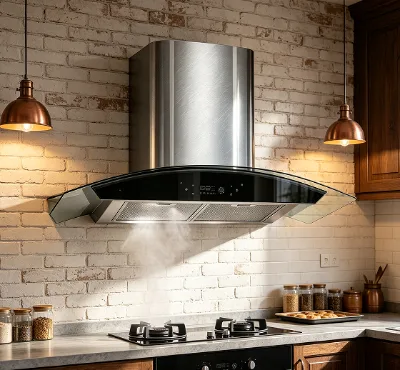
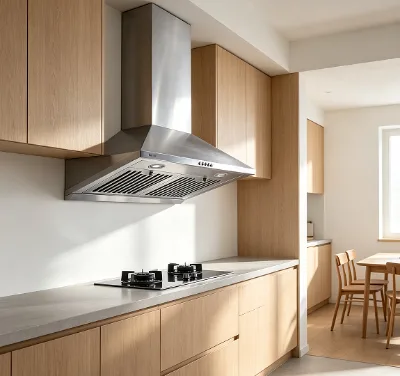
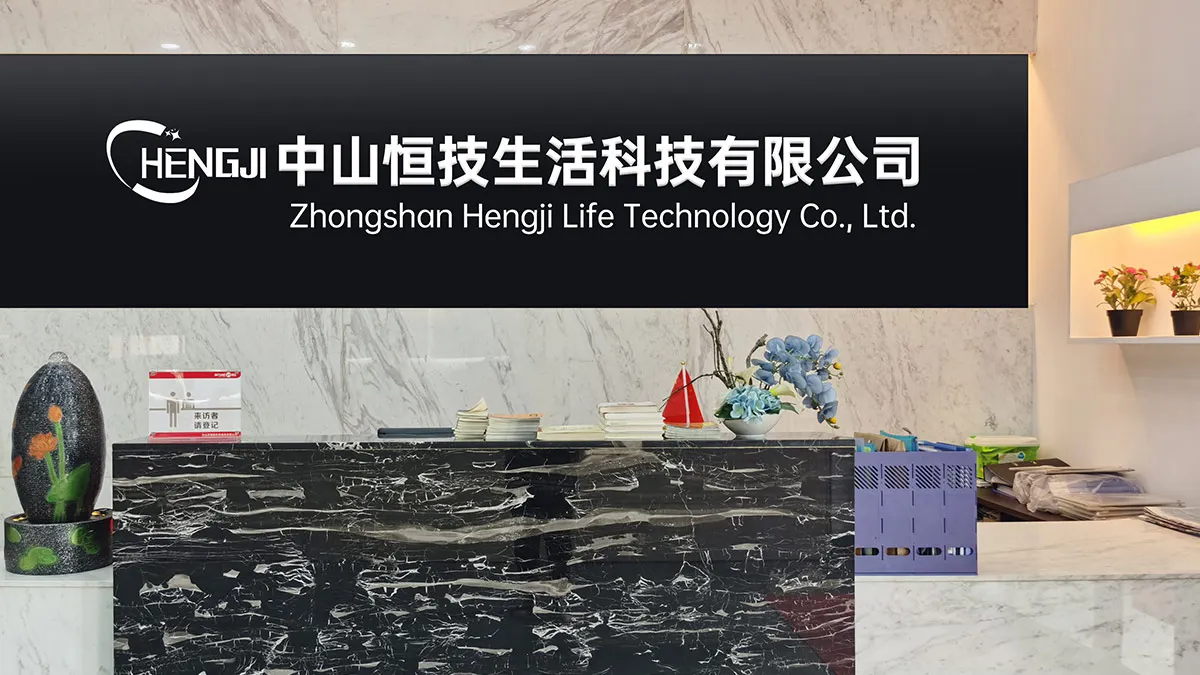
Zhongshan Hengji Life Technology Co., Ltd.
- Trading Company
- Guangdong, China
- Lead time30 days
- Avg. response≤ 2h
Main productsRang hood,Gas stove,Induction cooker,Water heater,Kitchen sink
Main marketsSoutheast Asia(30.00%), South Asia(20.00%), Domestic Market(12.00%), Eastern Asia(10.00%), North America(5.00%), Eastern Europe(3.00%), Western Europe(3.00%), Africa(3.00%), Northern Europe(3.00%), Oceania(3.00%), Central America(2.00%), South America(2.00%), Southern Europe(2.00%), Mid East(2.00%)
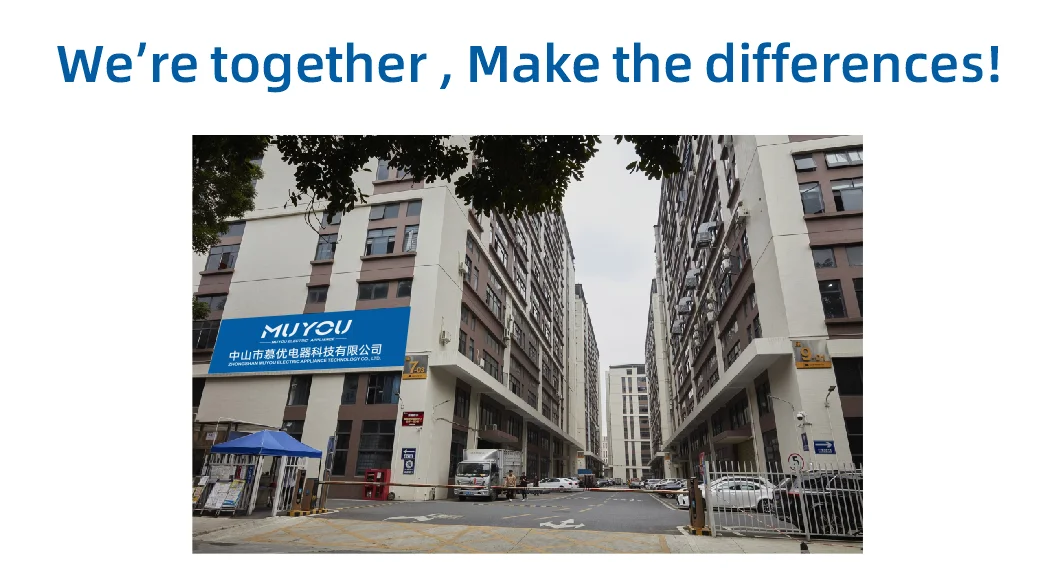
Zhongshan Muyou Electrical Technology Co., Ltd.
- Trading Company
- Guangdong, China
- Lead time30 days
- Avg. response≤ 9h
Main productsrange hood,gas hobs,induction cooker,built in ovens,dish washer
Main marketsMid East(30.00%), Southeast Asia(20.00%), Northern Europe(10.00%), North America(10.00%), Africa(10.00%), South America(10.00%), Eastern Asia(5.00%), Western Europe(5.00%)
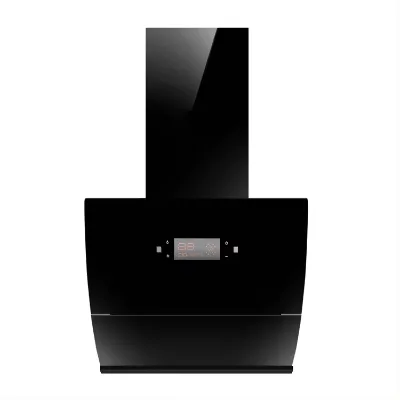
600mm Black Tempered Glass Wall Mounted Side Suction Range Cooker Kitchen Range Hoods
$52.00 - $58.00
MOQ: 100
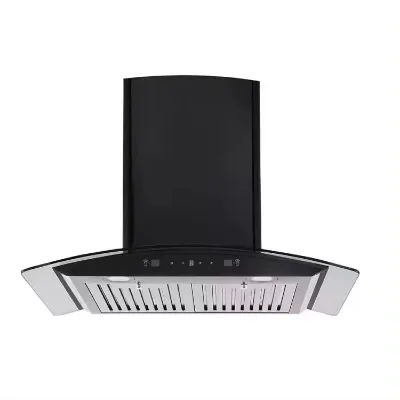
$37.2713 - $43.4827
MOQ: 100 pieces
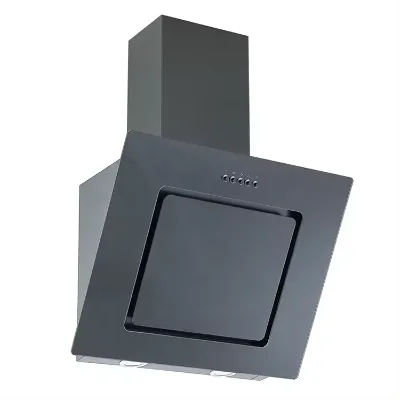

Zhongshan Smarki Home Appliance Co., Ltd.
- Manufacturer, Trading Company
- Guangdong, China
- Lead time30 days
- Avg. response≤ 7h
Main productsGas Cooktop,Gas Stove,Gas Hob,Gas Heater,Gas Water Heater
Main marketsDomestic Market(10.00%), Africa(10.00%), Southeast Asia(10.00%), South Asia(10.00%), Central America(10.00%), Mid East(10.00%), Oceania(5.00%), Eastern Europe(5.00%), Southern Europe(5.00%), Northern Europe(5.00%), South America(5.00%), Western Europe(5.00%), Eastern Asia(5.00%), North America(5.00%)
Zhongshan Wanli Industry&trade Co., Ltd.
- Trading Company
- Guangdong, China
- Lead time30 days
- Avg. response≤ 6h
Main productsRice Cooker,Electric Kettle,Electric Pressure Cooker,Humidifier,Air Fryer
Main marketsSouth Asia(30.00%), Eastern Asia(20.00%), Western Europe(15.00%), Central America(15.00%), Northern Europe(10.00%), Southern Europe(10.00%)
Chinabest Home Appliance Co., Ltd.
- Verified by Intertek
- Manufacturer, Trading Company
- Lead time35 days
- Avg. response≤ 8h
Main productsRange Hood, Built-in Oven, Built-in Hob, Gas Water Heater, Camping




Comprehensive Sourcing Guide
Wall-Mounted Glass Cooker Hood With Aluminum Filter Supplier Concentration and Factory Types
The current supplier landscape for wall-mounted glass cooker hoods with aluminum filters is heavily concentrated in China, specifically within the Guangdong province. This regional clustering is significant because Guangdong serves as a major manufacturing hub for home appliances, offering a dense ecosystem of component suppliers and assembly facilities. Buyers evaluating these suppliers will find that the majority of results originate from this specific geographic area, which facilitates efficient supply chain management for raw materials like tempered glass and stainless steel. The concentration of manufacturers in this region allows for rapid prototyping and scaling, which is crucial for buyers seeking custom designs or large-volume orders. Understanding this geographic focus helps buyers anticipate shipping logistics and potential lead times, as domestic suppliers in Guangdong often have established relationships with local freight forwarders.
Supplier types in this category vary between dedicated manufacturers, trading companies, and combined entities that offer both production and sourcing services. Many suppliers identify as manufacturers or factories, indicating they have direct control over the production process, including the assembly of copper motors and the installation of tempered glass panels. Others operate as combined entities, providing a broader range of services that may include original design manufacturing (ODM) and original equipment manufacturing (OEM). This distinction is vital for buyers who need specific customization options, such as private labeling or unique control interfaces. The presence of own-brand capabilities alongside OEM services suggests that many factories are equipped to handle diverse client needs, from small batch customizations to large-scale branded production runs.
How to Verify Wall-Mounted Glass Cooker Hood With Aluminum Filter Suppliers
Verification is a critical step in ensuring the reliability of suppliers offering wall-mounted glass cooker hoods with aluminum filters. Buyers should prioritize suppliers who have undergone third-party verification processes, such as those conducted by TÜV Rheinland or Bureau Veritas (BV). These certifications provide an additional layer of confidence regarding the supplier’s business legitimacy and operational capabilities. For instance, some suppliers display TÜV Rheinland verification, while others may hold BV credentials, indicating that their facilities and business practices have been audited by recognized international bodies. This verification process helps mitigate the risk of engaging with fraudulent or unreliable entities, ensuring that the supplier has the necessary infrastructure to fulfill orders.
Beyond basic verification, buyers should assess the supplier’s response time and communication efficiency. A response time metric, such as an average of 4.42 to 4.50 hours, indicates how quickly a supplier can address inquiries and provide quotations. Fast response times are often correlated with better customer service and more agile production planning. Additionally, buyers should look for suppliers who provide detailed product specifications, including extraction rates, noise levels, and motor types. For example, some products feature copper motors with extraction rates of 600 to 700 cubic meters per hour, while others may have lower suction capacities. Verifying these technical details ensures that the supplier’s products meet the specific performance requirements of the target market.
What to Compare Across Wall-Mounted Glass Cooker Hood With Aluminum Filter Suppliers
When comparing suppliers, buyers should evaluate key operational metrics such as lead times, minimum order quantities (MOQs), and pricing structures. Lead times for wall-mounted glass cooker hoods typically range from 23 to 30 days, depending on the complexity of the order and the supplier’s current production schedule. Buyers with tight deadlines should prioritize suppliers with shorter lead times or those who offer expedited shipping options. MOQs also vary, with some suppliers requiring a minimum of 100 units per order, while others may have different thresholds. Understanding these constraints helps buyers plan their inventory and cash flow more effectively, avoiding overstocking or stockouts.
Pricing is another critical factor, with costs ranging from approximately $32 to $110 per unit, depending on the product’s features and materials. Suppliers offering basic models with standard aluminum filters may have lower price points, while those providing advanced features like touch controls, gesture sensing, or higher extraction rates will command higher prices. Buyers should also compare the materials used in construction, such as tempered glass combined with 410 stainless steel bodies, or pure stainless steel housings. Additionally, the type of filter, whether it is a three-layer black-coated aluminum filter or a standard aluminum filter, can impact both performance and cost. By comparing these attributes, buyers can identify the best value proposition for their specific needs.
Common Wall-Mounted Glass Cooker Hood With Aluminum Filter Sourcing Risks
One of the primary risks in sourcing wall-mounted glass cooker hoods is the variability in product quality and performance. Buyers must be cautious of suppliers who do not provide detailed technical specifications or who use vague descriptions for critical components like motors and filters. For instance, some products may claim high extraction rates but fail to meet these standards in real-world testing. Additionally, the noise level of the hood is a significant factor, with some models operating at 61-70dB, which may be too loud for residential kitchens. Buyers should request sample units to test performance metrics such as suction power, noise levels, and durability before committing to large orders.
Another risk is the lack of compliance with international safety and quality standards. While some suppliers display certifications like CE, CB, EMC, and SASO, others may not provide any documentation. Buyers should verify that the products meet the regulatory requirements of their target markets, particularly in Europe and the Middle East. Non-compliant products can lead to customs delays, fines, or product recalls. Furthermore, buyers should be aware of potential issues with packaging and shipping, as improper handling can damage the tempered glass panels. Ensuring that suppliers use robust packaging, such as five-layer brown boxes or cartons with adequate protection, is essential to minimize transit damage.
Wall-Mounted Glass Cooker Hood With Aluminum Filter Regional Sourcing and Logistics
Sourcing from Guangdong, China, offers logistical advantages due to the region’s well-developed infrastructure and proximity to major ports. Buyers should consider the impact of shipping distances on lead times and costs, as products shipped from Guangdong to international destinations may require additional transit time. Understanding the shipping routes and available freight options is crucial for planning delivery schedules. Buyers should also evaluate the supplier’s experience with international logistics, including their ability to handle customs documentation and export regulations. Suppliers with a strong track record in exporting can help streamline the shipping process, reducing the risk of delays or complications.
Additionally, buyers should consider the environmental and sustainability aspects of sourcing from this region. Many manufacturers in Guangdong are adopting more eco-friendly practices, such as using energy-efficient motors and recyclable materials. Buyers who prioritize sustainability should inquire about the supplier’s environmental policies and certifications. Furthermore, the regional concentration of suppliers allows for easier coordination of multiple orders, enabling buyers to consolidate shipments and reduce overall logistics costs. By leveraging the advantages of the Guangdong manufacturing cluster, buyers can achieve greater efficiency and cost savings in their sourcing operations.
Wall-Mounted Glass Cooker Hood With Aluminum Filter Commercial Terms and Order Planning
Commercial terms and order planning are essential for successful procurement of wall-mounted glass cooker hoods with aluminum filters. Buyers should negotiate clear payment terms, such as using escrow services to protect their funds until the goods are received and inspected. This ensures that the supplier fulfills their obligations before payment is released. Additionally, buyers should establish clear communication channels for order tracking and issue resolution. Suppliers with high response times and verified credentials are more likely to provide reliable updates and support throughout the order process.
Order planning should also account for potential variations in production capacity and lead times. Buyers should maintain a buffer in their inventory planning to accommodate any delays or quality issues. Establishing a long-term relationship with a reliable supplier can help mitigate these risks, as trusted partners are more likely to prioritize orders and provide flexible solutions. Buyers should also consider the supplier’s ability to handle customizations, such as private labeling or unique design features, which may require additional lead time. By carefully planning orders and establishing strong commercial terms, buyers can ensure a smooth and efficient sourcing process.
FAQs
What is the price range for wall-mounted glass cooker hoods?
Prices for these units typically range from $32 to $110 per piece. The cost varies based on features like extraction rate, motor type, and control interface. Buyers should check specific product listings for exact pricing tiers and volume discounts available from manufacturers.
What is the minimum order quantity for these range hoods?
The standard minimum order quantity is 100 units. This threshold applies to most wall-mounted models with tempered glass and aluminum filters. Buyers seeking smaller quantities should verify if suppliers offer sample orders or adjusted MOQs for initial testing and market evaluation.
How long does production take for these appliances?
Lead times generally span 23 to 30 days after order confirmation. This duration covers manufacturing, quality control, and packaging for wall-mounted units. Expedited shipping options may reduce transit time, but production schedules depend on current factory capacity and order volume.
What certifications are available for these kitchen hoods?
Common certifications include CE, CB, EMC, and SASO for international compliance. Some models also hold ISO9001:2015 system certification for quality management. Buyers should request valid certificates for specific models to ensure they meet local regulatory standards and safety requirements.
What extraction rates do these wall-mounted hoods offer?
Extraction rates typically range from 250 to 700 cubic meters per hour. Higher rates suit larger kitchens or heavy cooking environments. Models with copper motors often deliver stronger suction, while efficient designs balance power consumption with effective air removal for optimal performance.
Are customization options available for these range hoods?
Customization is available for branding, packaging, and specific design features. Suppliers offer OEM and ODM services to tailor products to buyer requirements. Buyers can request custom colors, control interfaces, or packaging solutions to align with their brand identity and market positioning.