Find Reusable CE Surgical Tray for Clinics, Hospitals, and Dental Labs
Browse 30 listings for a Reusable CE Surgical Tray and compare materials, sizes, certifications, and packaging options from listed suppliers. Filter by Class I classification, sterilization style, and customization availability, then request quotes for the trays that match your facility's storage and instrument handling needs.
Updated
Key considerations
Products List
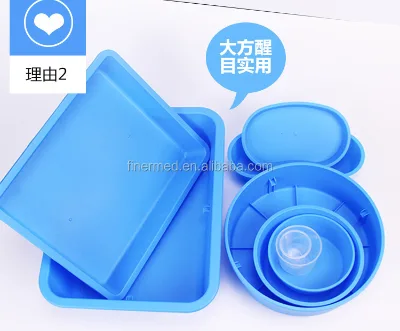



CE Quality Kidney Dish Tray Hospital Medical Sector Supplies Surgical Purpose
$0.05 - $0.17
MOQ: 30000 Pieces
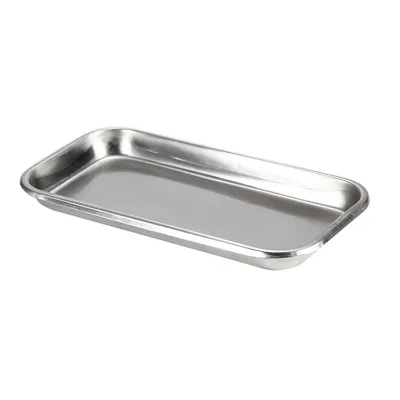
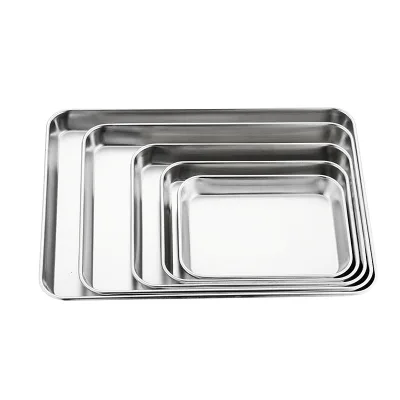
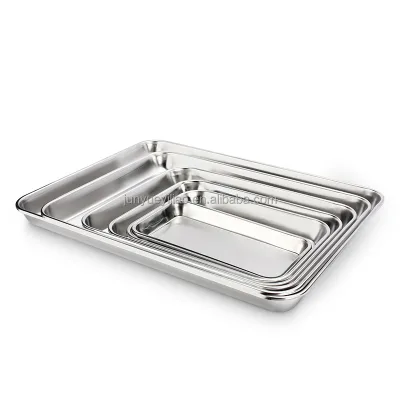

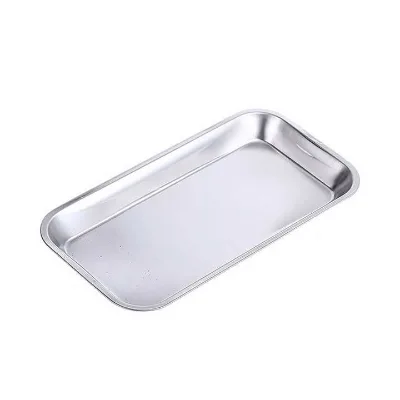

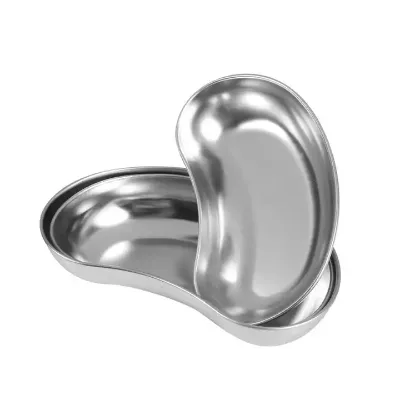
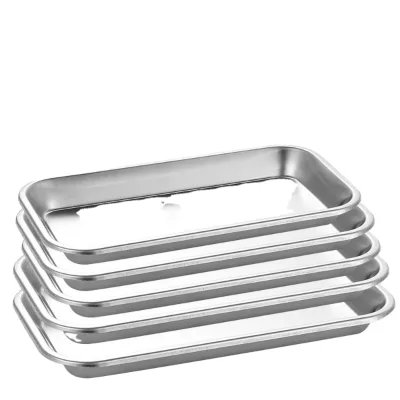
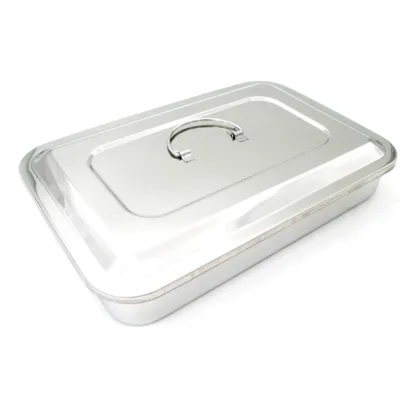
Surgical Instruments Kidney Tray Stainless Steel Surgical Tray Bowls
$2.5582 - $3.5814
MOQ: 10 Minimum

Disposable Medical Trays for Surgical Procedures and Clinical Applications
$0.10 - $0.50
MOQ: 10000 Pieces


Medical Kidney Trays for Surgical Procedures and Clinical Applications
$0.10 - $0.50
MOQ: 10000 Pieces

Disposable Kidney Trays for Surgical Procedures and Clinical Applications
$0.10 - $0.50
MOQ: 10000 Pieces


OEM Disposable Kidney Trays for Surgical Procedures and Clinical Applications
$0.10 - $0.50
MOQ: 10000 Pieces
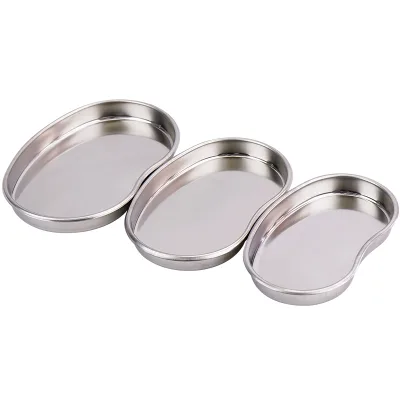
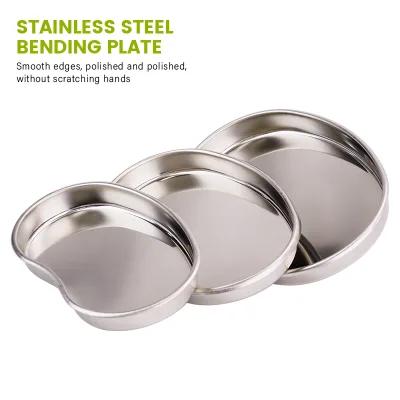


Comprehensive Sourcing Guide
Reusable CE Surgical Tray Sourcing Guide
Reusable CE surgical trays serve as the backbone of instrument handling in operating rooms, sterilization departments, and specialty clinics. On the supplied product page, the listed items are described under "The Basis of Surgical Instruments" with Class I instrument classification, MFDS safety standard listing, and CE quality certification, with a stated place of origin in Zhejiang, China. Buyers should treat these attributes as listing-level observations for the sample products rather than guarantees that every variant in the catalog carries identical credentials. The model number shown is "Instrument Tray," the brand name is listed as "Surgical Instrument Tray," and the power source is manual, which aligns with passive trays intended to hold, organize, and transport instruments rather than perform any active function.
This guide helps procurement teams structure their evaluation of reusable surgical trays marked with CE claims. Because listings may aggregate multiple product types — from instrument trays to woven baskets and related dental equipment — the sections below separate what the page states from what a diligent buyer must independently verify before committing to a volume order.
Product Scope and Observed Listing Signals
The observed listings cover a mixed assortment: surgical instrument trays as the core category, plus micro instrument baskets (models DH2022080309 and DH2022080310), wire-mesh items with 4mm mesh and 1mm wire diameter finished in 304 or 316 material, PVC components, and dental cleaning and filling equipment classified under laser whitening methods for oral rehabilitation departments. Several basket-style listings describe weaving as the processing method, polishing as surface treatment, and a wooden case as packing, while other items ship in a color box. Sizes range from small to medium, with one dimensioned standard given as 1100x600x1000.
Buyers should read these signals as indicators of a supplier with a broad but uneven catalog rather than a focused surgical tray specialist. The stated supply ability of 100,000 pieces per month and availability of customization suggest capacity for scaled orders, yet the mixture of picnic, wedding, and storage usage descriptions attached to some woven items indicates that not every listing belongs in the medical procurement scope. Filtering for listings explicitly tied to surgical or dental departments is the first practical sorting step.
Technical Specifications to Verify
Material selection is the primary technical decision. The listings mention plastic, PVC, and metal as materials, with stainless finishes noted as 304 and 316 for wire products. For reusable trays that will undergo repeated pressure steam sterilization — the theory attribute listed on the page — buyers should confirm which specific polymer or metal grade is used in the exact SKU ordered, since heat tolerance and autoclave compatibility differ significantly across these options. Request material data sheets and confirm that the tray withstands your facility's sterilization cycle parameters.
Dimensional and structural verification comes next. Confirm external dimensions against your instrument sets and sterilizer rack sizes; the only dimensioned reference supplied is 1100x600x1000, so treat all other sizes as unverified until measured drawings are provided. For mesh or basket designs, verify the 4mm mesh and 1mm wire diameter claims against physical samples, and check the 4-hole interface attribute if your workflow uses compatible fixation or mounting systems. Color customization is offered, which matters for department-level color coding programs.
Compliance and Safety Documentation
The listings present several certification-related attributes: CE quality certification, a CE ISO certificate, certification listed as CE, UL, ISO, and RoHS on one item, and CE with ISO 13485 on another. The MFDS safety standard also appears. These are listing attributes, not verified credentials, so buyers must request the actual certificates, check their validity dates, and confirm that the certificate scope covers the specific tray model and its classification as a medical device rather than an unrelated consumer product from the same catalog.
Because the Class I instrument classification is stated, ask the supplier to document how that classification was determined under the applicable regulatory framework and whether technical files, biocompatibility considerations for patient-contact surfaces, and sterilization-resistance validation exist. CE marking alone does not confirm ISO 13485 quality system registration — verify the ISO 13485 certificate separately, noting which facility and product range it covers. For any unit exported to markets requiring additional marks such as UL or RoHS, obtain those documents directly rather than relying on the combined listing string.
Cost Drivers and Commercial Terms
The observed price range spans 0.01 to 200 USD and MOQ ranges from 1 to 30,000 pieces, which signals extreme variation across the catalog rather than a single product's pricing. For reusable surgical trays specifically, expect cost to be driven by material grade (304 versus 316 stainless, medical-grade polymer versus generic PVC), manufacturing process (woven and polished wire work costs more than molded plastic), customization of color or dimensions, and packing format — wooden cases add cost but protect metal baskets in transit.
Commercially, note the listed MOQ of 10 on one tray item and single-item selling units, which lowers trial-order barriers. With 100,000 pieces per month of stated supply capacity, buyers gain negotiating leverage on volume tiers, but should confirm that capacity applies to the medical tray line, not the broader catalog. The after-sale service is stated as return and replacement with a 5-year warranty and 3-year shelf life — put these terms in writing in the purchase contract, clarifying what defects qualify and how freight on returns is handled.
Supplier Qualification and Quality Control
Qualify the supplier beyond the listing. Because the page aggregates products from Zhejiang, China with mixed consumer and medical items, request the business license, the medical device registration or filing documentation appropriate to Class I status in the destination market, and evidence that the tray production line — not just the company — operates under a quality management system. Ask which factory produces the trays and whether it is the same site holding the ISO 13485 certificate you reviewed.
For quality control, define an inspection protocol before the first production order. For metal baskets, verify weld integrity, mesh consistency against the stated 4mm spec, and polish quality to eliminate burrs that could snag gloves or drapes. For polymer trays, inspect dimensional stability after repeated steam cycles. Use pre-shipment inspection on initial orders, sample retention for comparison across batches, and a defined sampling plan tied to the agreed acceptance criteria. Customization requests should trigger a documented first-article approval before mass production begins.
Long-Term Procurement Checks
Sustain supplier performance with periodic requalification. Certificates expire, so calendar renewals of CE and ISO 13485 documentation and request updated copies annually. Reconfirm that the Class I classification and any destination-market registration remain valid as regulations evolve, and monitor whether material substitutions occur — a silent change from one stainless grade or polymer to another can compromise sterilization durability even when the product looks identical. Track batch consistency through retained golden samples.
Operationally, review warranty claims and replacement turnaround every few quarters, since the stated return-and-replacement service only has value if executed reliably. Assess whether the supplier's customization capability supports your evolving needs, such as new tray configurations for additional instrument sets or color-coding expansions. Finally, maintain a qualified backup source: the breadth of this catalog suggests flexibility, but single-sourcing a reusable tray that your sterilization workflow depends on creates operational risk. Revisit pricing at defined volume milestones against the MOQ tiers agreed in your contract.
FAQs
What certifications come with a Reusable CE Surgical Tray?
Listed reusable CE surgical trays are documented with CE, ISO, UL, and RoHS certification entries, and some listings reference CE ISO or CE ISO13485. Certification entries vary between individual listings, so buyers should confirm which certificates apply to the specific tray model, request certificate copies, and verify Class I instrument classification and MFDS safety-standard documentation before placing an order.
How is a Reusable CE Surgical Tray classified and regulated?
These trays fall under the basis of surgical instruments classification and are documented as Class I medical devices, with MFDS listed as the safety standard. Class I status generally means lower regulatory risk, but buyers should still confirm the destination country's registration requirements, check the CE and ISO documentation for the exact model, and verify labeling and packaging details before importing.
Can the Reusable CE Surgical Tray be customized for our clinic?
Yes, customization is listed as available for these trays, and color is documented as customizable in addition to the natural color option. Buyers should discuss material choices such as plastic, PVC, or metal, confirm the interface configuration including the four-hole option, agree on size specifications, and request samples to verify that customized trays still meet CE and ISO requirements.
What materials and sizes are available for reusable CE surgical trays?
Listed trays are documented in plastic, PVC, and metal material options, with sizes including small and medium variants. Some metal entries note a 4mm mesh, 1mm wire diameter, and 304 or 316 finishing with a woven process and polished surface treatment. Buyers should match material and size to the intended department, such as the oral rehabilitation department, and confirm specifications per model.
How durable is a Reusable CE Surgical Tray and what warranty applies?
A five-year warranty is documented for these trays, alongside a three-year shelf life listing. Durability depends on the material selected, since plastic and PVC trays differ from metal versions finished in 304 or 316. Buyers should confirm whether the warranty covers sterilization cycles and repeated manual use, review return and replacement after-sale service terms, and verify warranty handling before ordering in volume.
What is the supply capacity and minimum order quantity for these trays?
Supply ability is listed at 100000 pieces per month, with a documented minimum order quantity of 10 for at least one tray listing. Observed MOQ values across the product set range from 1 to 30000, so MOQ varies by listing. Buyers should confirm the exact MOQ for their chosen model, ask about packing options such as color box or wooden case, and plan volumes against monthly capacity.