Source Industrial Microwave Tunnel Conveyor Oven for Bread, Pizza, Cake
Compare 30 Industrial Microwave Tunnel Conveyor Oven options for food processing applications including bread, pizza, and cake production. These units feature stainless steel construction, PLC control, and customizable dimensions to meet specific drying and sterilization needs; compare the available evidence and request quotations based on your requirements.
Updated
Key considerations
Products List


Made in China Factory Tunnel Drying Oven Microwave Drying Industrial Conveyor Oven
$25000.00 - $50000.00
MOQ: 1 Pieces


Fully Automatic Industrial Pizza Bread Bakingtunnel Microwave Oven
$25000.00 - $50000.00
MOQ: 1 Pieces
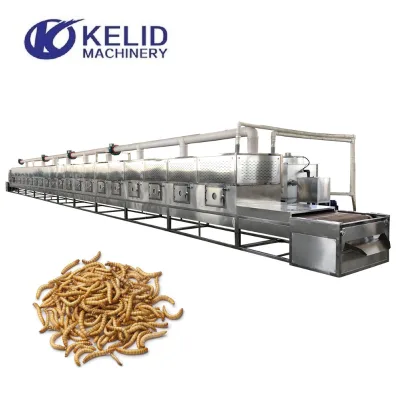
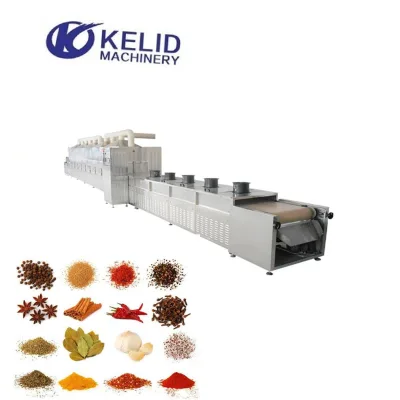
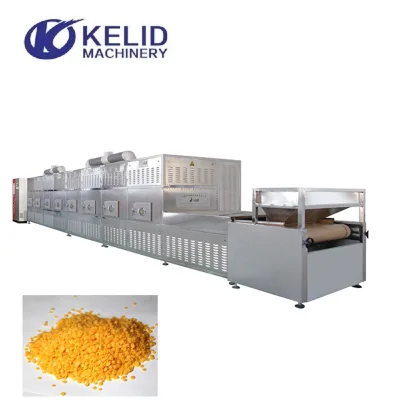
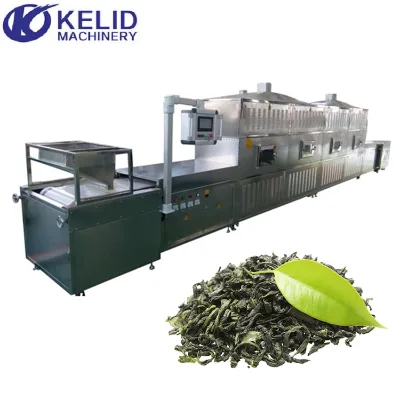
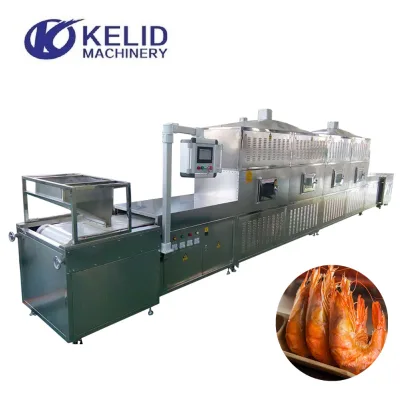
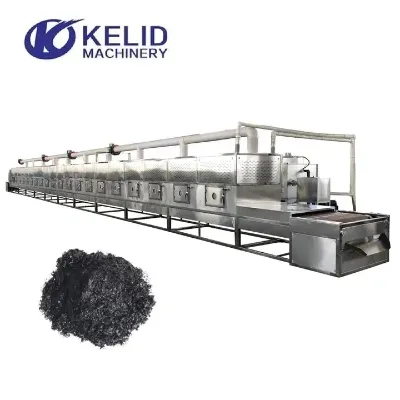


Drying Machine Microwave Tunnel Dryer Machine Industrial Microwave Dryer
$1800.00 - $20000.00
MOQ: 1 Pieces

Microwave Tunnel Dryer Industrial Microwave Dryer Microwave Tunnel Dryer Machine
$1800.00 - $20000.00
MOQ: 1 Pieces

Machinery Microwave Dryer Industrial Tunnel Microwave Dryer Microwave Drying Equipment
$1800.00 - $20000.00
MOQ: 1 Pieces


Automatic High Efficient Industrial Tunnel Microwave Oven Microwave Drying Machine
$1800.00 - $20000.00
MOQ: 1 Pieces


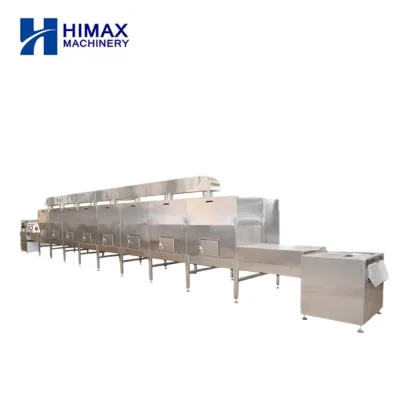
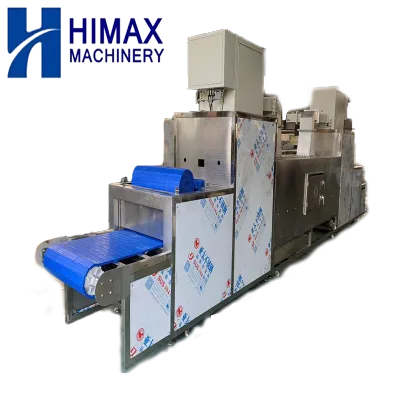
Industrial Continuous Microwave Oven Tunnel Belt Conveyor Microwave Meat Thawing Machine
$6673.6155 - $15400.6511
MOQ: 1 sets
Comprehensive Sourcing Guide
Industrial Microwave Tunnel Conveyor Oven Sourcing Guide
Procuring an Industrial Microwave Tunnel Conveyor Oven requires a disciplined approach to aligning technical capabilities with specific production throughput needs. These systems are primarily designed for continuous processing tasks such as drying, sterilization, and roasting across various food and chemical applications. Buyers must evaluate how the conveyor mechanism integrates with existing facility layouts to ensure seamless material flow. The observed market signals indicate a strong emphasis on customization, with many suppliers offering tailored solutions for bread, pizza, cake, and biscuit production lines.
The decision to source this equipment involves balancing initial capital expenditure against long-term operational efficiency. Current listings highlight features like fully automatic operation and PLC control systems, which reduce manual intervention and enhance consistency. However, the diversity in power ratings, from 30kW to capacity-dependent configurations, necessitates a careful audit of energy consumption versus output volume. Understanding these variables is critical for selecting a machine that meets both immediate processing demands and future scalability requirements without incurring unnecessary utility costs.
Product Scope and Observed Listing Signals
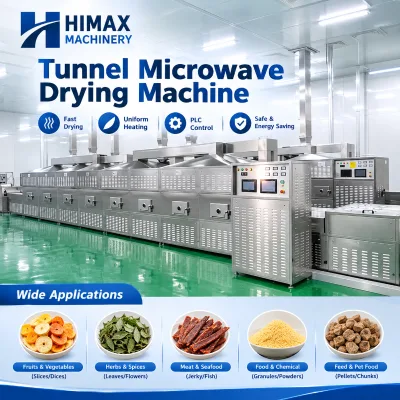
The product scope for industrial microwave tunnel ovens encompasses a wide range of continuous processing applications, including the drying of prawns, shrimp, and nutrition slices, as well as the roasting of baked goods. Listings frequently describe these units as stainless steel construction models, often utilizing SUS304 material for durability and hygiene compliance in food-grade environments. The observed market signals reveal a high degree of customization, with many suppliers offering tailored dimensions and power outputs to match specific client requirements. This flexibility allows buyers to address niche processing needs, such as the dehydration of chemical products or the sterilization of sensitive food items.
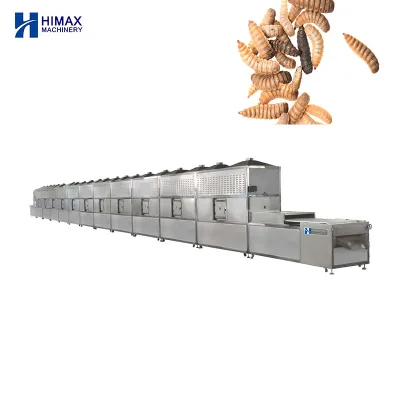
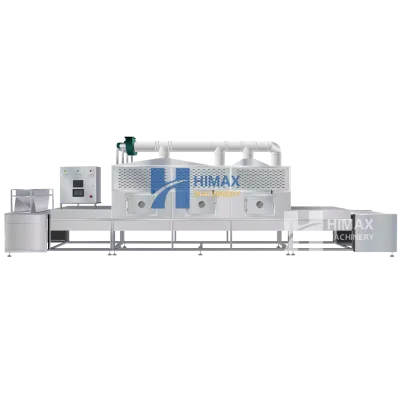
Visual and descriptive cues from current listings emphasize key selling points such as multifunctionality, high efficiency, and easy operation. Many units are presented with silver bright finishes and are packaged in wooden cases for secure international shipping. The presence of video outgoing inspections and detailed packing specifications suggests a mature supply chain focused on quality assurance and safe transit. Buyers should note that while many products are labeled as "tunnel ovens," some listings also classify them as dehydrators or dryers, indicating the versatile nature of the microwave technology employed in these continuous conveyor systems.
Technical Specifications to Verify
Verifying technical specifications is paramount to ensuring the selected oven meets production throughput and energy efficiency goals. Buyers must confirm the voltage requirements, as observed listings show variations between 220V and 380V, which directly impacts electrical infrastructure compatibility. The power rating, often cited as 30kW or capacity-dependent, should be cross-referenced with the desired processing speed and material load. Additionally, the inclusion of a timing device and PLC control systems is a common feature that aids in precise process control, but the specific brand and reliability of these core components, such as motors and PLCs, should be explicitly verified with the supplier.
Dimensional specifications are frequently customized, requiring buyers to provide exact floor space constraints and material handling requirements. The weight of the unit, ranging from approximately 890kg to 1500kg, influences foundation planning and logistics costs. It is essential to confirm whether the conveyor belt type and tunnel length are adjustable or fixed, as this affects the residence time of the product within the microwave field. Buyers should also inquire about the specific microwave frequency and power distribution uniformity to ensure consistent drying or roasting results across the entire conveyor width, preventing under- or over-processing of materials.
Compliance and Safety Documentation
Compliance with safety and hygiene standards is non-negotiable when operating high-power microwave equipment in industrial settings. Buyers must request documentation confirming that the microwave leakage levels adhere to relevant international safety standards, protecting operators from radiation exposure. For food processing applications, the use of SUS304 stainless steel is a positive indicator, but buyers should verify that all materials in contact with food meet local regulatory requirements for hygiene and contamination prevention. The warranty period, typically observed as one year or 12 months, should be clearly defined in terms of coverage for core components like the magnetron and PLC system.
Safety interlocks and emergency stop mechanisms are critical features that must be verified during the technical review. Buyers should ensure that the oven design includes robust shielding and monitoring systems to detect faults in real-time. Documentation regarding electrical certifications, such as CE or UL compliance, should be requested to ensure the equipment can be legally installed and operated in the target market. Additionally, understanding the scope of the warranty and the availability of overseas engineering support is crucial for minimizing downtime in the event of a technical failure, ensuring that maintenance protocols are clearly established from the outset.
Cost Drivers and Commercial Terms
The cost of an Industrial Microwave Tunnel Conveyor Oven is influenced by several key drivers, including power capacity, material construction, and the level of customization required. Observed price ranges vary significantly, reflecting differences in component quality, brand reputation, and included features such as advanced PLC controls or specialized conveyor systems. Buyers should analyze the total cost of ownership, considering not just the initial purchase price but also energy consumption, maintenance requirements, and potential downtime costs. The supply ability, often cited as 30 sets per week, indicates the manufacturer's production capacity, which can impact lead times for urgent orders.
Commercial terms such as payment methods, shipping arrangements, and after-sales service agreements play a significant role in the overall procurement strategy. Many suppliers offer flexible packaging options, including wooden cases for protection during sea freight via LCL, 20GP, or 40HQ containers. Buyers should negotiate clear terms regarding the provision of video outgoing inspections and the availability of engineers for overseas installation and training. Understanding the port of dispatch, whether from Qingdao, Tianjin, Guangdong, or Shanghai, can also help in estimating logistics costs and delivery schedules, ensuring that the procurement timeline aligns with production planning needs.
Supplier Qualification and Quality Control
Evaluating supplier qualification is essential to mitigate risks associated with equipment failure and poor after-sales support. Buyers should verify the manufacturer's experience in producing industrial microwave ovens, looking for evidence of successful installations in similar industries. The presence of core components like PLCs and motors from reputable brands can be an indicator of overall build quality. Additionally, suppliers that offer video outgoing inspections demonstrate a commitment to transparency and quality control, allowing buyers to verify the machine's condition before shipment. This step is crucial for identifying any potential defects or assembly issues that could lead to operational problems later.
After-sales service capabilities are a critical differentiator among suppliers, particularly for complex machinery like tunnel ovens. Buyers should prioritize suppliers who provide comprehensive support, including the availability of engineers for overseas installation, training, and maintenance. The warranty terms, typically one year, should be clearly understood, including what components are covered and the response time for service requests. Suppliers that emphasize easy operation and high efficiency as key advantages should be evaluated based on user feedback or case studies to ensure these claims are substantiated by real-world performance data.
Long-Term Procurement Checks
Long-term procurement success depends on establishing a robust relationship with the supplier for ongoing support and potential upgrades. Buyers should inquire about the availability of spare parts, such as magnetrons, conveyor belts, and PLC modules, to ensure minimal downtime during routine maintenance. The supplier's ability to provide technical updates or modifications to the control system can extend the lifespan and utility of the equipment as processing requirements evolve. Regular performance audits, including energy consumption and drying efficiency metrics, should be conducted to ensure the machine continues to operate within optimal parameters.
It is also important to monitor the supplier's product development roadmap to stay informed about new technologies or efficiency improvements. Suppliers that actively engage in customization and offer tailored solutions are more likely to adapt to changing market demands and regulatory requirements. Buyers should maintain open communication channels with the supplier to address any operational challenges promptly and to explore opportunities for expanding their processing capabilities. By focusing on long-term partnership and continuous improvement, organizations can maximize the return on investment from their Industrial Microwave Tunnel Conveyor Oven procurement.
FAQs
Can this Industrial Microwave Tunnel Conveyor Oven be customized for specific production lines?
Yes, customization is available for this Industrial Microwave Tunnel Conveyor Oven to meet specific production requirements. The product features a customized standard and dimensions that can be adjusted to fit unique facility layouts. This flexibility ensures the equipment integrates seamlessly into existing workflows while maintaining the core functionality of continuous conveyor belt processing for various food items.
What voltage options are supported by the Industrial Microwave Tunnel Conveyor Oven?
The Industrial Microwave Tunnel Conveyor Oven supports both 220V and 380V voltage options to accommodate different electrical infrastructure standards. This dual-voltage capability allows for versatile installation in various regions without requiring extensive electrical modifications. The electric power source ensures stable operation, making it suitable for continuous industrial applications where consistent energy input is critical for drying and sterilization processes.
What materials are used in the construction of the Industrial Microwave Tunnel Conveyor Oven?
The Industrial Microwave Tunnel Conveyor Oven is constructed primarily from stainless steel, specifically SUS304, ensuring durability and hygiene. This material choice is essential for food processing applications as it resists corrosion and is easy to clean. The robust build quality supports the heavy-duty nature of continuous conveyor operations, providing a long service life even under demanding industrial conditions and frequent use cycles.
What after-sales service is provided for the Industrial Microwave Tunnel Conveyor Oven?
Engineers are available to service machinery overseas for the Industrial Microwave Tunnel Conveyor Oven, ensuring global support. This service includes technical assistance and maintenance guidance to keep operations running smoothly. The warranty period is typically one year, providing additional peace of mind for buyers. This comprehensive support structure helps minimize downtime and ensures that any technical issues are resolved efficiently by qualified professionals.
What is the typical weight and power consumption of the Industrial Microwave Tunnel Conveyor Oven?
The Industrial Microwave Tunnel Conveyor Oven typically weighs around 1500 kg, though some models may vary slightly. Power consumption is generally around 30kw, but this can be adjusted based on specific capacity requirements. These specifications indicate a robust machine designed for high-volume industrial processing. The substantial weight ensures stability during operation, while the adjustable power settings allow for efficient energy use tailored to different product types and throughput needs.
What types of products can be processed using the Industrial Microwave Tunnel Conveyor Oven?
The Industrial Microwave Tunnel Conveyor Oven is suitable for processing a wide range of products including bread, pizza, cake, biscuits, and prawns. It functions effectively for drying, sterilization, and roasting applications across food and chemical processing industries. The continuous conveyor belt design allows for uniform treatment of items as they move through the microwave field, making it versatile for various commercial food production lines and industrial drying requirements.