Vacuum Storage Tank Suppliers and Manufacturers in China
Compare 17 verified suppliers offering vacuum storage tanks with varying lead times, response speeds, and certifications. Review dimensions, pressure ratings, and warranty terms to select the right partner for your cryogenic needs; review the available evidence before requesting comparable quotations from suitable candidates.
Updated
Suppliers List

Shanghai Sinomac Machinery Industrial Co., Ltd.
- Trading Company
- China Shanghai
- Lead time30 days
- Avg. response≤ 14h
Main productsLiquid Oxygen Cryogenic Pump, Liquid Nitrogen Cryogenic Pump, Liquid Argon Cryogenic Pump, LNG Cryogenic Pump, Air Separation Plant, Liquid Oxygen Gas Generator, Liquid Nitrogen Gas Making Plant, Oxygen Gas Making Plant, Liquid Oxygen Filling Skid, Liquid Nitrogen Filling Skid
Main marketsSoutheast Asia/ Mideast,Europe,North America
Anyang Sanhuangding Metal Materials Co., Ltd.
- Trading Company
- Henan, China
- Lead time25 days
- Avg. response≤ 1h
Main productsLPG Storage Tank, Lox LN2 LAr Tank, Co2 Tank, LPG Skid Station, LNG Tank
Main marketsDomestic Market(70.00%), South Asia(10.00%), North America(10.00%), Eastern Asia(10.00%)
Hangzhou Chuankong General Equipment Company Limited
- Manufacturer, Trading Company
- Zhejiang, China
- Lead time100 days
- Avg. response≤ 24h
Main productsAir Separation Plant,PSA Oxygen/nitrogen Generator,Hydrogen Production Plant,CO2 Recovery Plant,Cryogenic Storage Tanks
Main marketsSoutheast Asia(50.00%), Domestic Market(30.00%), Africa(15.00%), Northern Europe(4.00%), South America(1.00%)

Yangzhou Giant Machinery Co., Ltd.
- Verified by BV
- Combined
- China Jiangsu
- Lead time30 days
- Avg. response≤ 13h
Main productsLNG Cryogenic Storage Tank, LNG Skid-Mounted Filling Station, LNG/L-CNG Natural Gas Filling Station
Main marketsSoutheast Asia/ Mideast


Condensate Tank / Water Storage Tank / Liquid Storage Tank / Air Storage Tank / Buffer Tank
$10000.00 - $100000.00
MOQ: 1 Set

Condensate Tank / Letdown Tank / Liquid Storage Tank / Air Storage Tank / Buffer Tank
$10000.00 - $100000.00
MOQ: 1 Set

Hebei Hongrui Xiangtong Heavy Industry Co., Ltd.
- Verified by CTI
- Combined
- China Hebei
- Lead time30 days
- Avg. response≤ 1h
Main productsTanker, Cryogenic Tank, Pressure Vessel, Low Temperature Liquid Storage Tank, Tanker Truck, Semi Trailer, Cryogenic Tank Container, Stainless Steel Tank, Storage Tank, ISO Tank Container
Main marketsDomestic

Guangzhou AiK Machinery Technology Co., Ltd.
- Verified by SGS
- Trading Company
- China Guangdong
- Lead time30 days
- Avg. response≤ 3h
Main productsVacuum Homogenizer Mixer, Mixing Tank, Cosmetics Mixing Machine, RO Water Treament, Filling Machine, Capping Machine, Lableing Machine, Ink Printer, Shampoo Mixer, Detergent Soap Products Homogenizer Mixer
Main marketsDomestic,Europe

Ningbo Yuanlong Machinery Equipment Co., Ltd.
- Verified by SGS
- Combined
- China Zhejiang
- Lead time60 days
- Avg. response≤ 5h
Main productsMixing Tank, Storage Tank
Main marketsEurope

WENZHOU LENO MACHINERY CO., LTD.
- Verified by BV
- Trading Company
- China Zhejiang
- Lead time30 days
- Avg. response≤ 12h
Main productsMixing Tank, Distillation Equipment, Pump, Filter, Filling Machine, Vacuum Evaporator, Mixing Equipment
Main marketsSouth America,Africa,Southeast Asia/ Mideast,Europe,North America
Gaoyou Yuhang Chemical Machinery Factory
- Verified by SGS Group
- Manufacturer, Trading Company
- Lead time25 days
- Avg. response≤ 3h
Main productsVacuum Emulsifying Homogeneous Mixer; Liquid Mixer; Storage Tank; Automatic Tube Filling and Sealing Machine, Automatic Filling and Capping Production Line; Automatic Tube Filling and Sealing Machine, Storage Tank
Main marketsDomestic Market(60%), Southeast Asia(8%), Mid East(6%)
Huanghua Baihengda Xiangtong Machinery Manufacturing Co., Ltd.
- Manufacturer, Trading Company
- Hebei, China
- Lead time30 days
- Avg. response≤ 3h
Main productsCryogenic Liquid Storage Tank, Ordinary Pressure Cryogenic Liquid Storage Tank , Vaporizer
Main marketsSouth America(50.00%), North America(30.00%), Western Europe(10.00%), Southeast Asia(10.00%)
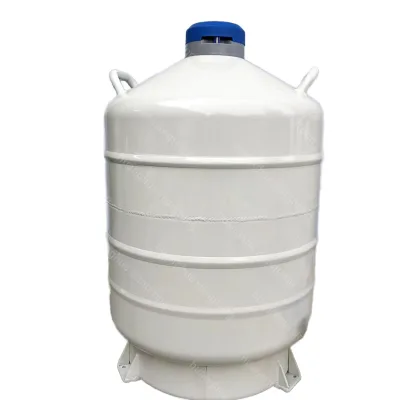
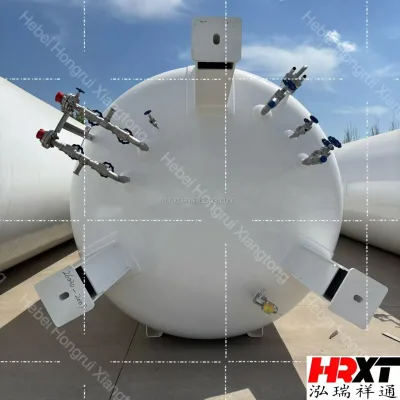
New and Used Steel Vacuum Pressure Vessel Liquid Nitrogen Tank with Valve Chemical Storage Equipment
$400.00 - $500.00
MOQ: 20 liters
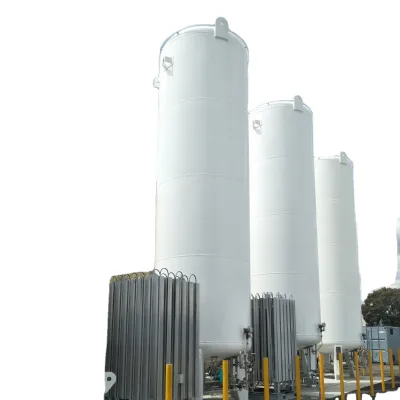
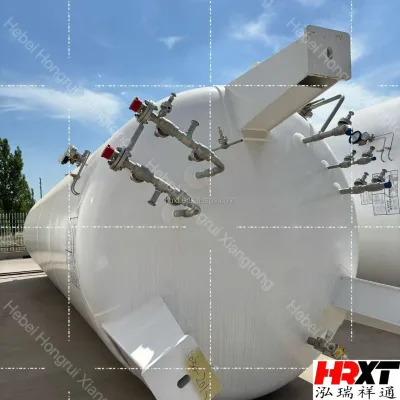
Xinxiang Chengde Energy Technology Equipment Co., Ltd.
- Manufacturer, Trading Company
- Lead time旺季: "1 - 1":60,"> 1":"To be negotiated", 淡季: "1 - 1":60,"> 1":"To be negotiated"
- Avg. response≤ 5h
Main productsCryogenic Liquid Storage Tank, Pressure Vessel, LPG Tank, Air Ambient Vaporizer, Tank Semi-Trailer
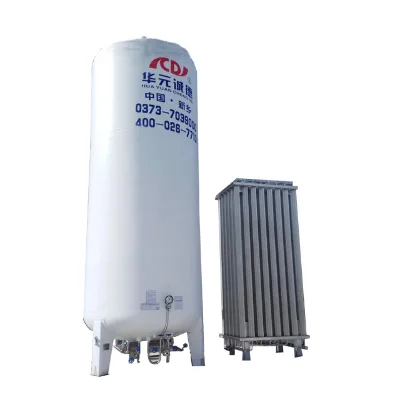
20m3 16bar Vacuum Insulation Storage Tank Stationary Cryogenic Storage Tank for Metallurgy
$38800.00 - $39000.00
MOQ: 1 sets
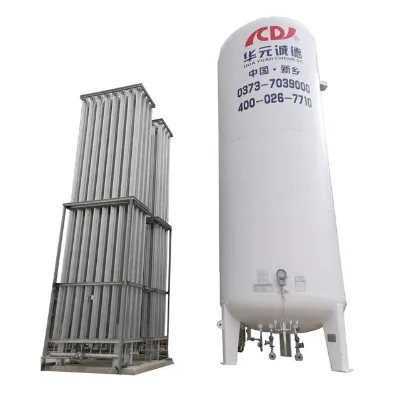
Large Chemical High Vacuum Pressure Vessel Liquid Nitrogen Tank Storage
$31900.00 - $32000.00
MOQ: 1 sets
Guangzhou Chuankong General Equipment Co., Ltd.
- Manufacturer, Trading Company
- Guangdong, China
- Lead time100 days
- Avg. response≤ 7h
Main productsCryogenic air separation plant,LNG plant,Cryogenic storage tank,Cryogenic semi trailer tanker,CO2 recovery plant
Main marketsDomestic Market(45.00%), Africa(18.00%), Central America(7.00%), South America(6.00%), Southeast Asia(6.00%), Mid East(5.00%), Eastern Asia(5.00%), North America(2.00%), South Asia(2.00%), Oceania(1.00%), Northern Europe(1.00%), Eastern Europe(1.00%), Western Europe(0.50%), Southern Europe(0.50%)
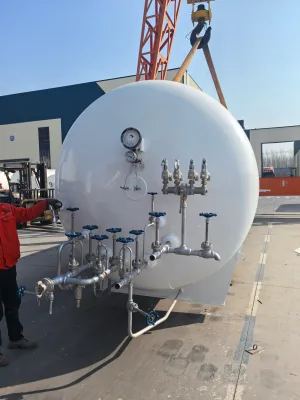
High Standard Environmental Liquid tank 40 Ton Vacuum Liquid Storage Tanks for Sale
$19000.00 - $22000.00
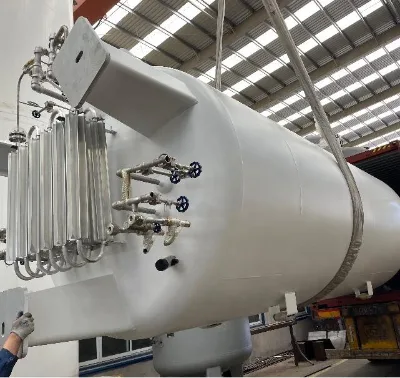
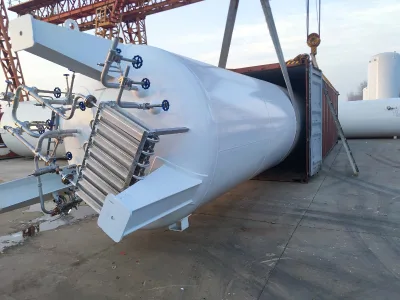
Durable Large Liquid Nitrogen Storing Equipment LN2 Cryogenic Storage tank
$25000.00 - $28000.00
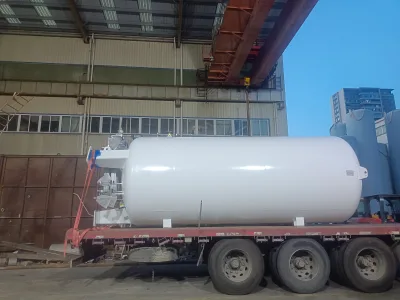
Africa Customizable Liquid Natural Gas Vacuum Insulated Cryogenic Storage tank
$26500.00 - $29000.00
Hangzhou Chengyingyi Energy Technology Co., Ltd.
- Trading Company
- Zhejiang, China
- Lead time10 days
- Avg. response≤ 15h
Main productsCryogenic Liquid Storage Tank,Oxygen Cylinders,Cryogenic Pump,Air seperation plant,LNG plant
Main marketsSouth America(15.00%), Domestic Market(10.00%), Southeast Asia(10.00%), Mid East(10.00%), North America(10.00%), Africa(5.00%), South Asia(5.00%), Southern Europe(5.00%), Northern Europe(5.00%), Central America(5.00%), Western Europe(5.00%), Eastern Asia(5.00%), Eastern Europe(5.00%), Oceania(5.00%)
Xinxiang Chengde Global Trading Co., Ltd.
- Trading Company
- Henan, China
- Lead time45 days
- Avg. response≤ 5h
Main productscryogenic liquid storage tank,liquid carbon dioxude storage tank,vaporizer,pump,liquid nitrogen tank
Main marketsDomestic Market(60.00%), Southeast Asia(7.00%), South Asia(5.00%), Eastern Asia(5.00%), Mid East(5.00%), North America(2.00%), Africa(2.00%), Southern Europe(2.00%), Northern Europe(2.00%), Central America(2.00%), Western Europe(2.00%), South America(2.00%), Eastern Europe(2.00%), Oceania(2.00%)
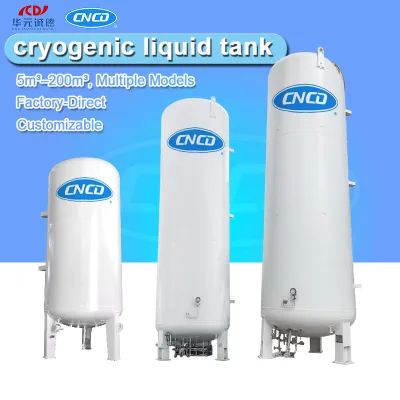
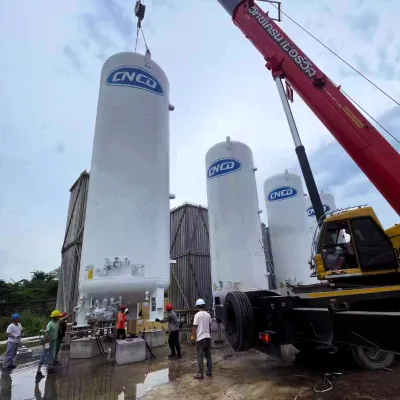
5M3 1.6Mpa Insulated Cryogenic Liquid Storage tank Large Storage tank
$17513.2244 - $17616.853
MOQ: 1 sets
Chongqing Hetai Yijia Intelligent Equipment Co., Ltd.
- Manufacturer, Trading Company
- Chongqing, China
- Lead time0 days
- Avg. response≤ 4h
Main productsAir Separation Unit,Co2 Recovery Plant,cryogenic liquid storage tank,Iso Tank Container,cryogenic Semi Trailer
Main marketsDomestic Market(20.00%), Eastern Asia(10.00%), Africa(9.00%), Central America(9.00%), Northern Europe(9.00%), Southeast Asia(8.00%), Oceania(8.00%), Mid East(8.00%), North America(7.00%), South America(5.00%), South Asia(5.00%), Eastern Europe(1.00%), Southern Europe(1.00%)
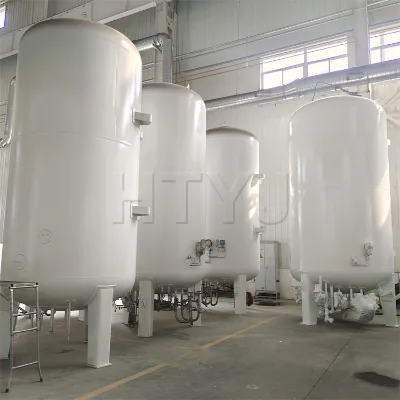
High Vacuum 10M3 16Bar Vertical Type Tank Liquid Nitrogen Storage Tank Container
$31900.00 - $32000.00
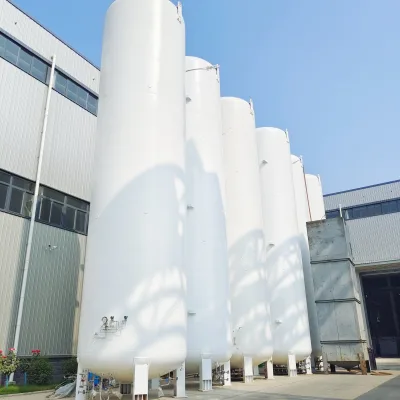
5m3 16bar Industrial Liquid Storage tank Large Storage tank for Industry Use
$17375.5207 - $17478.3344
MOQ: 1 sets
Qingdao Ruiming Blue Sky Energy Co., Ltd.
- Verified by SGS Group
- Trading Company
- Lead time40 days
- Avg. response≤ 3h
Main productsCream Charger, Argon Gas, Helium Gas , Carbon Dioxide , Ethylene
Main marketsWestern Europe(20%), Southeast Asia(20%), Mid East(20%)
Xinxiang Jinxin Import And Export Machinery Co., Ltd.
- Trading Company
- Henan, China
- Lead time7 days
- Avg. response≤ 5h
Main productsliquid nitrogen container,liquid nitrogen tank,liquid nitrogen dewar,liquid nitrogen freezer,liquid nitrogen tank
Main marketsDomestic Market(38.00%), Africa(15.00%), North America(12.00%), South America(10.00%), Western Europe(6.00%), Southeast Asia(5.00%), Mid East(3.00%), Northern Europe(3.00%), Southern Europe(2.00%), Eastern Europe(2.00%), Central America(2.00%), Eastern Asia(1.00%), South Asia(1.00%)
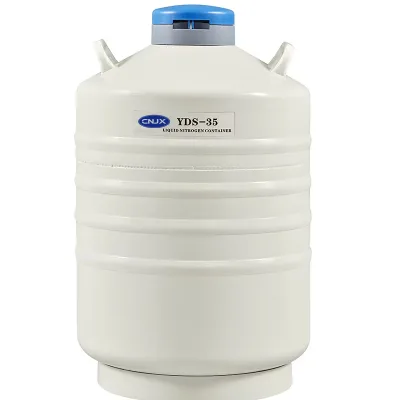
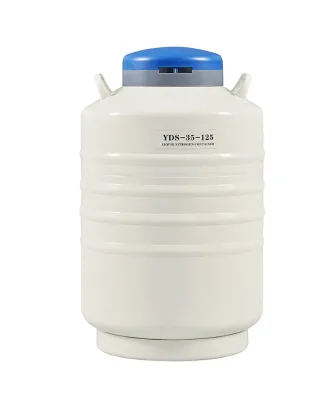
$370.1303 - $400.9742
MOQ: 1 Minimum
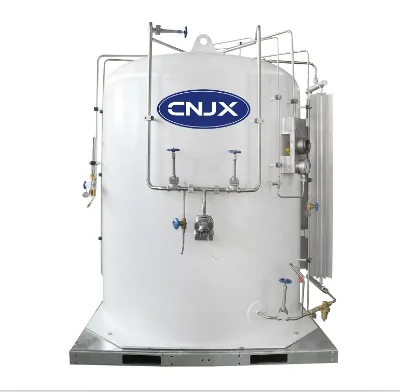
2000L 2 M3 Pressure Vessel Vertical Micro Bulk Storage tank LO2/LN2/LAR/LCO2
$11345.00 - $11850.00
MOQ: 1 pieces
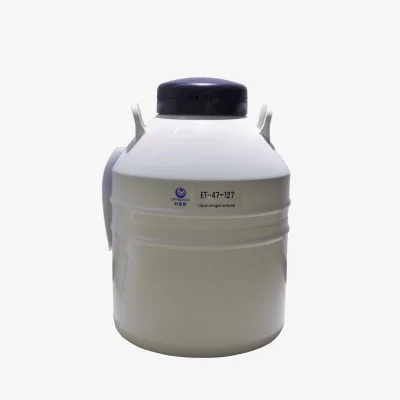
High - Performance 47L Liquid Nitrogen Tank ET - 47 - 127 for Laboratory Use
$820.00 - $880.00
MOQ: 1 sets


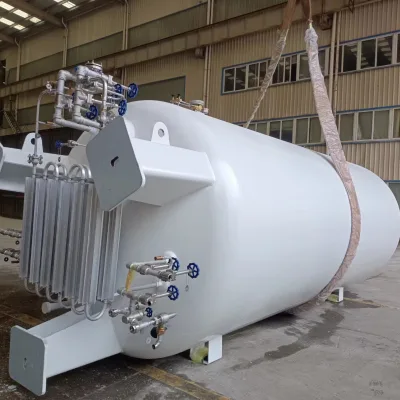


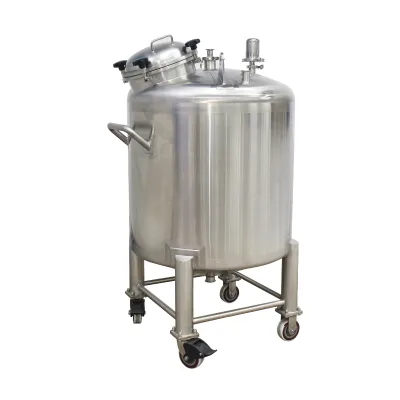
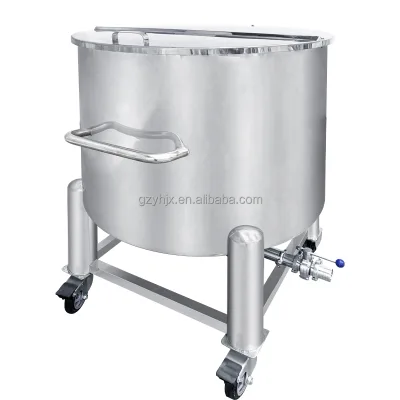
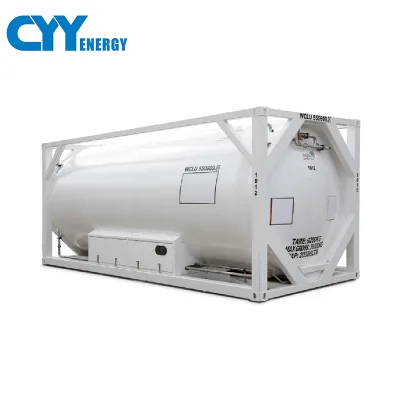
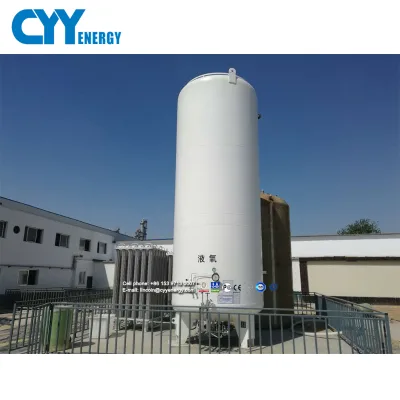
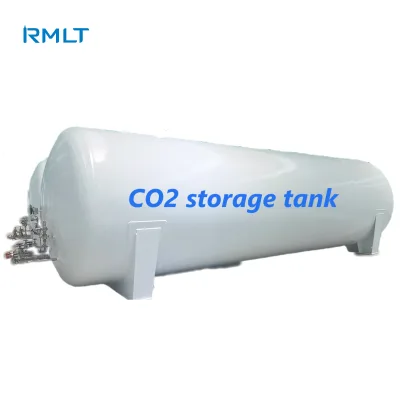
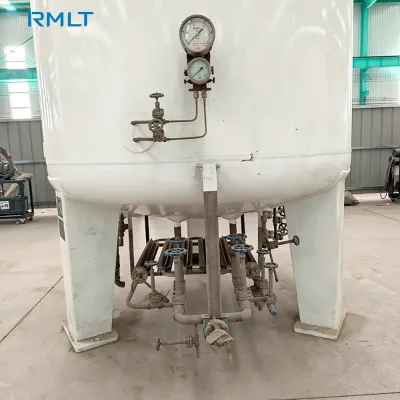
Comprehensive Sourcing Guide
Vacuum Storage Tank Supplier Concentration and Factory Types
The current supplier landscape for vacuum storage tanks reveals a distinct geographic and operational stratification that buyers must navigate carefully. Evidence indicates that manufacturing and trading entities are concentrated in specific industrial hubs within China, notably Shanghai, Henan, and Zhejiang provinces. These regions serve as primary clusters for the production of cryogenic and high-pressure storage vessels, offering varying degrees of vertical integration. Suppliers in these locations often specialize in different segments of the market, ranging from pure trading companies that aggregate products from multiple factories to manufacturers who control the entire production lifecycle. Understanding this concentration helps buyers identify where to look for specific capabilities, such as custom engineering versus standardized off-the-shelf units. The presence of trading companies alongside manufacturers suggests a mixed market where buyers may encounter intermediaries who add value through logistics and consolidation, or direct factories that offer more competitive pricing on volume orders.
Factory types vary significantly in their output and service models, impacting the buyer’s sourcing strategy. Some entities operate strictly as trading companies, focusing on market reach and customer service rather than production, while others are dual-role manufacturers and traders. This distinction is critical when evaluating technical support and after-sales service capabilities. Manufacturers typically provide more direct access to engineering teams for customizations, such as modifying tank dimensions or insulation materials, whereas trading companies may rely on their network of partner factories to fulfill specific requests. The evidence shows that some suppliers offer extensive main product lines, including air separation plants and gas generators, indicating a broader industrial machinery capability. Buyers should assess whether the supplier’s factory type aligns with their need for technical depth or commercial flexibility. Recognizing these operational differences allows for more targeted supplier selection, ensuring that the chosen partner can meet specific project requirements without unnecessary delays or communication barriers.
How to Verify Vacuum Storage Tank Suppliers
Verifying the legitimacy and capability of Vacuum Storage Tank suppliers requires a multi-layered approach that goes beyond basic company profiles. Buyers should prioritize checking for recognized system certifications and product-specific standards, as these documents provide objective evidence of manufacturing quality and safety compliance. The available data shows that some suppliers list certifications such as TUV, GS, QS, ISO, A2, C2, GC1, GB-150, ASME, and U Stamp. These certifications are not merely decorative; they indicate that the supplier’s production processes and final products have undergone rigorous third-party testing. Buyers must request copies of these certificates and verify their validity with the issuing bodies. Additionally, looking for machinery test reports and video outgoing inspections is crucial for high-pressure and cryogenic vessels. These documents provide proof that the tanks have been pressure-tested and inspected before shipment, reducing the risk of receiving defective or unsafe equipment.
Beyond documentation, buyers should evaluate the supplier’s responsiveness and transparency in communication. Response time is a key indicator of operational efficiency and customer service quality. Data indicates that response times can vary widely, from as low as one hour to over twenty-four hours. A faster response time often correlates with a more organized sales team and quicker decision-making processes, which is vital for projects with tight deadlines. Buyers should also inquire about the supplier’s warranty policies and after-sales service provisions. Some suppliers offer engineers available for overseas service, which is a significant advantage for complex installations. Verifying these claims through direct questions and requesting references from previous clients can help build a comprehensive picture of the supplier’s reliability. By combining document verification with communication assessment, buyers can mitigate risks and select partners who demonstrate both technical competence and professional integrity.
What to Compare Across Vacuum Storage Tank Suppliers
When evaluating multiple suppliers, buyers must compare key operational metrics to determine the best fit for their specific needs. Lead time is a critical factor, as it directly impacts project schedules and inventory management. The evidence shows lead times ranging from ten days to one hundred days, reflecting differences in production capacity, customization levels, and supply chain efficiency. Buyers should align their project timelines with the supplier’s stated lead times, allowing for buffer periods to account for potential delays. Minimum Order Quantity (MOQ) is another essential comparison point. Some suppliers have an MOQ of just one unit, making them suitable for small-scale or pilot projects, while others may require larger volumes. Understanding these thresholds helps buyers negotiate better terms and avoid unnecessary inventory costs. Additionally, comparing the range of main products offered can reveal a supplier’s versatility and expertise. Suppliers offering a broad range of cryogenic equipment, such as pumps, generators, and filling skids, may provide more integrated solutions.
Price and customization options are also vital comparison criteria. While some suppliers list specific price ranges, others may require quotes based on custom specifications. The evidence indicates price points for certain models, but buyers should be aware that final costs can vary based on material choices, insulation types, and additional features. Customization availability is a key differentiator, with some suppliers offering tailored solutions for specific storage objects, pressures, and temperatures. Buyers should assess the extent of customization allowed, including options for tank material, dimensions, and pressure ratings. Furthermore, comparing the technical specifications of the tanks, such as design pressure, working temperature, and volume capacity, ensures that the selected supplier can meet the exact operational requirements. By systematically comparing these factors, buyers can make informed decisions that balance cost, quality, and delivery speed, ultimately selecting a supplier that offers the best overall value for their Vacuum Storage Tank needs.
Common Vacuum Storage Tank Sourcing Risks
Sourcing vacuum storage tanks involves several inherent risks that buyers must proactively manage to ensure project success. One significant risk is the discrepancy between advertised specifications and actual product performance. Without thorough verification, buyers may receive tanks that do not meet the required pressure ratings or insulation standards, leading to safety hazards and operational failures. The complexity of cryogenic and high-pressure vessels means that even minor manufacturing defects can have severe consequences. Buyers should mitigate this risk by insisting on detailed technical drawings and material certificates before production begins. Additionally, the risk of supply chain disruptions is heightened by the global nature of manufacturing. Delays in raw material procurement or production bottlenecks can extend lead times beyond initial estimates. Buyers should maintain open communication with suppliers and request regular production updates to stay informed of any potential delays.
Another common risk is the lack of adequate after-sales support, particularly for international buyers. If a tank requires maintenance or repair, the absence of local service engineers can lead to prolonged downtime and increased costs. Buyers should verify the supplier’s after-sales service provisions, including the availability of technical support and spare parts. The evidence shows that some suppliers offer engineers for overseas service, which is a valuable asset. However, buyers must confirm the scope and cost of these services to avoid unexpected expenses. Furthermore, the risk of miscommunication regarding customization requirements can result in tanks that do not fit the intended application. Clear and detailed specifications, along with written confirmation from the supplier, are essential to prevent such errors. By identifying and addressing these risks early in the sourcing process, buyers can protect their investments and ensure the reliable performance of their Vacuum Storage Tank systems.
Vacuum Storage Tank Regional Sourcing and Logistics
Regional sourcing decisions significantly impact the logistics and total cost of ownership for vacuum storage tanks. The evidence highlights that suppliers are located in key industrial regions such as Shanghai, Henan, and Zhejiang in China. Each region offers distinct logistical advantages and challenges. Shanghai, as a major port city, provides convenient access to international shipping routes, potentially reducing transit times and freight costs for overseas buyers. Suppliers in this location may have established relationships with shipping lines and customs brokers, streamlining the export process. In contrast, suppliers in inland regions like Henan and Zhejiang may offer competitive manufacturing costs but require additional land or rail transport to reach ports. Buyers should evaluate the total logistics cost, including inland transportation, port fees, and ocean freight, when comparing suppliers from different regions. Understanding these logistical nuances helps in selecting a supplier that offers the most efficient delivery path.
Logistics also involve the handling and packaging of large and heavy equipment. Vacuum storage tanks are often bulky and require specialized packing to prevent damage during transit. The evidence indicates that suppliers use standard export packing, but buyers should verify the specific packaging methods to ensure adequate protection. For tanks with delicate components or sensitive insulation, additional measures may be necessary. Buyers should also consider the port of dispatch, as this affects the routing and insurance requirements. Some suppliers list specific ports, such as Shanghai, which can simplify logistics planning. Additionally, buyers must account for import regulations and duties in their destination country, which can vary significantly by region. Working with suppliers who have experience in international shipping and can provide necessary documentation, such as commercial invoices and packing lists, is crucial for smooth customs clearance. By carefully planning the logistics strategy, buyers can minimize delays and ensure the safe delivery of their vacuum storage tanks.
Vacuum Storage Tank Commercial Terms and Order Planning
Effective order planning and clear commercial terms are essential for a successful Vacuum Storage Tank procurement. Buyers must establish a detailed timeline that accounts for design approval, production, testing, and shipping. The evidence shows varying lead times, from ten to one hundred days, which must be integrated into the project schedule. Early engagement with the supplier to confirm production slots and material availability can help secure timely delivery. Buyers should also plan for the payment terms, which often include a deposit and balance upon shipment or against documents. Understanding the payment structure helps in managing cash flow and reducing financial risk. Additionally, buyers should negotiate clear terms for warranty and liability, ensuring that any defects or damages are addressed promptly. The evidence indicates warranty periods ranging from one to two years, which buyers should verify and include in the contract.
Order planning also involves coordinating with internal teams for installation and commissioning. Vacuum storage tanks often require specialized setup, including piping, instrumentation, and safety systems. Buyers should ensure that their installation team is prepared and that all necessary permits and inspections are scheduled in advance. Communication with the supplier regarding technical support during installation is vital, especially if the supplier offers overseas engineering services. Buyers should clarify the scope of this support, including travel costs and daily rates, to avoid unexpected expenses. Furthermore, buyers should plan for ongoing maintenance and spare parts procurement. Establishing a long-term relationship with the supplier can facilitate easier access to spare parts and technical assistance. By meticulously planning the commercial and logistical aspects of the order, buyers can ensure a smooth procurement process and the reliable operation of their Vacuum Storage Tank systems.
FAQs
What is the typical lead time for vacuum storage tanks?
Manufacturers in China generally require 25 to 100 days for production and delivery. Lead times vary significantly based on the supplier type and specific customization needs. Buyers should confirm the exact schedule with the vendor before placing an order to ensure it aligns with project timelines.
What certifications are available for cryogenic storage tanks?
Suppliers offer various certifications including TUV, GS, QS, ISO, ASME, and U Stamp. Some products also carry A2, C2, and GC1 marks. Buyers must verify the specific certification requirements for their region and application, as availability depends on the manufacturer and the tank model selected.
What is the minimum order quantity for these tanks?
The minimum order quantity is typically one unit for most vacuum storage tanks. This allows buyers to purchase single units for testing or specific industrial needs. It is advisable to confirm the MOQ directly with the supplier, as some custom designs might have different requirements.
How quickly do suppliers respond to inquiries?
Response times vary, with some suppliers replying within one day and others taking up to 24 hours. Faster response times often indicate higher availability and dedicated sales teams. Buyers should expect responses within a reasonable timeframe and follow up if initial contact is not made promptly.
What is the price range for vacuum storage tanks?
Prices for vacuum storage tanks generally range from $16,200 to $20,000 per unit. The cost depends on the capacity, material, and specific design requirements. Buyers should request detailed quotes to understand the final price, including shipping and any additional customization fees.
Where are these vacuum storage tanks manufactured?
These tanks are primarily manufactured in China, with suppliers located in Shanghai, Henan, and Zhejiang provinces. Each region may offer different advantages in terms of logistics and specialized expertise. Buyers can choose suppliers based on their preferred location and the specific capabilities of the manufacturing facility.