Steam Heating Rotary Flash Dryer Suppliers and Manufacturers
Find 24 verified suppliers offering Steam Heating Rotary Flash Dryer units with customizable models and cross-flow designs. Compare response times, lead times, certifications, and pricing to source equipment for chemical or food applications; review the available evidence before requesting comparable quotations from suitable candidates.
Updated
Suppliers List

Changzhou Yuanze Drying Equipment Co., Ltd
- Verified by BV
- Combined
- China Jiangsu
- Lead time45 days
- Avg. response≤ 1h
Main productsDryer Equipment
Main marketsDomestic


The Oil-Soluble Black Rotary Flash Dryer Has High Heat Transfer Coefficient
$20000.00 - $20300.00
MOQ: 1 Sets

Henan Songling Heavy Industry Technology Co., Ltd.
- Verified by TUVRHEINLAND
- Manufacturer/Factory
- China Henan
- Lead time45 days
- Avg. response≤ 3h
Main productsMining Machine, Crushers, Grinding Mills, Feeders, Screens, Flotation Machine, Magnetic Separator, Oil Sludge Pyrolysis Machine, Ore Dressing Equipments, Conveyors
Main marketsSouth America,Mid East,Southeast Asia,Eastern Asia,Africa

Shandong Jinta Machinery Group Co., Ltd.
- Combined
- China Shandong
- Lead time120 days
- Avg. response≤ 16h
Main productsAlcohol Equipment, Ddgs, Chemical Equipment, Heat Exchager, Column, Vessel, Fuel Ethanol Equipment, Starch Equipment, Ethanol/Alcohol Production Line, Pump
Main marketsSouth America,Africa,Southeast Asia/ Mideast,North America

Zhengzhou Great Machinery Equipment Co., Ltd.
- Verified by TUVRHEINLAND
- Trading Company
- China Henan
- Lead time30 days
- Avg. response≤ 1h
Main productsSpray Dryer, Microwave Dryer, Drying Oven, Drum Flaker, Flash Dryer, Essential Oil Extractor, Fluid Bed Dryer, Boiling Granulator Dryer, Smoke Oven, Bubble Washing Machine
Main marketsAustralia

Jining Yalong Chemical Equipment Co., Ltd
- Verified by SGS
- Trading Company,Manufacturer/Factory
- China Shandong
- Lead time15 days
- Avg. response≤ 7h
Main productsReactor, Industrial Dryer, Centrifuge, Filter Press, Storage & Packaging Equipment, Mix Tank, Grinder
Main marketsSouth America,Eastern Europe,Mid East,North America,Southeast Asia,Eastern Asia,Oceania,Western Europe,Africa
Changzhou Longtai Drying Technology Co., Ltd.
- Manufacturer
- Jiangsu, China
- Lead time45 days
- Avg. response≤ 1h
Main productsCentrifugal Spray Dryer, Single Cone Screw Belt Vacuum Dryer, Vacuum Harrow Dryer, Rotary Flash Vaporization Dryer, Vibrating Fluidized Bed Dryer
Main marketsDomestic Market(87.00%), Southeast Asia(4.00%), Mid East(3.00%), South Asia(2.00%), North America(2.00%), Southern Europe(2.00%)
- Verified by SGS Group
- Manufacturer, Trading Company
- Lead time20 days
- Avg. response≤ 2h
Main productsConcentrator & Extractor, Drying machine, Grinding machine, Mixing Machine, Granulation machine
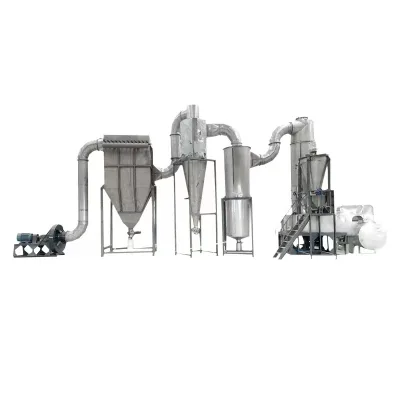
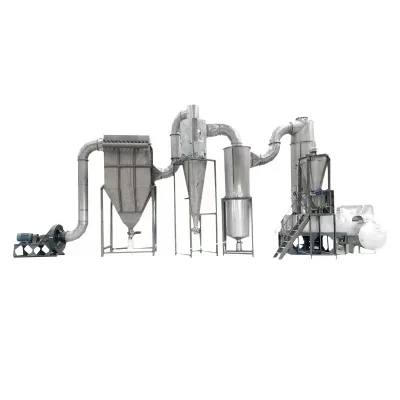
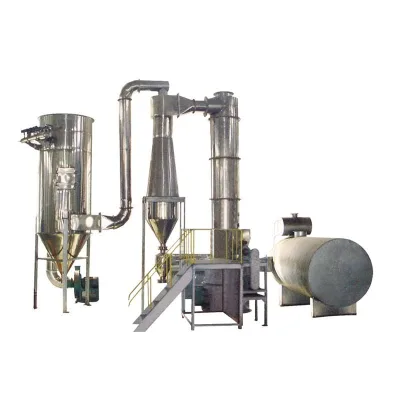
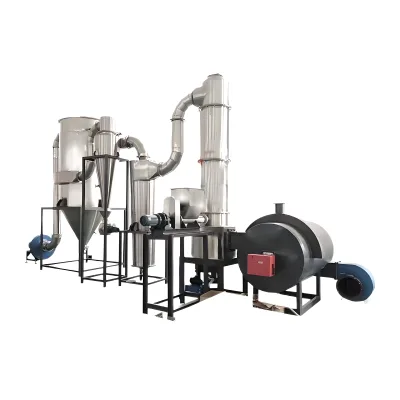
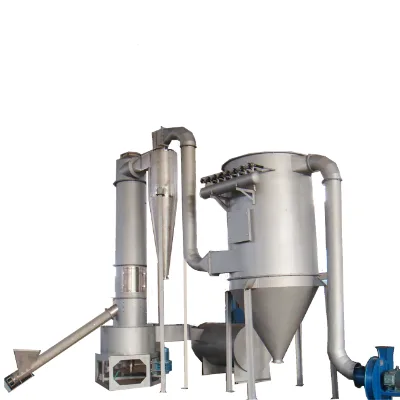
Long Service Time Black Iron Oxide Flash Dryer
MOQ: 1 Minimum
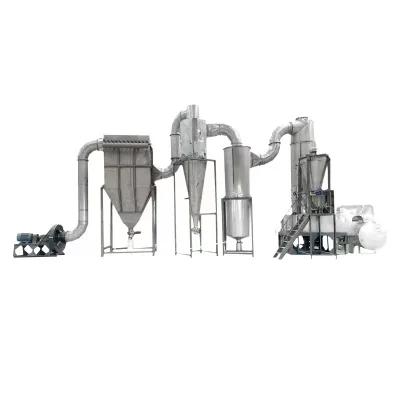
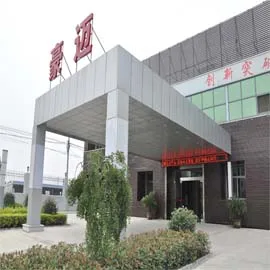
Changzhou Haomai Drying Engineering Co., Ltd.
- Manufacturer, Trading Company
- Jiangsu, China
- Lead time40 days
- Avg. response≤ 5h
Main productsDrying equipments,Granulation equipments,Mixing equipments,Spray dryer,Fluid bed dryer
Main marketsDomestic Market(50.00%), Western Europe(8.00%), Southern Europe(7.00%), North America(5.00%), South Asia(5.00%), Southeast Asia(5.00%), South America(5.00%), Eastern Asia(5.00%), Mid East(5.00%), Africa(5.00%)

Changzhou Yibu Drying Equipment Co., Ltd.
- Trading Company,Manufacturer/Factory
- China Jiangsu
- Lead time105 days
- Avg. response≤ 12h
Main productsSpray Dryer, Mixer, Granulator, Grinder, Coating Machine, Spin Flash Dryer, Fluid Bed Dryer, Vacuum Freeze Dryer, Mesh Belt Dryer, Maltodextrine Spray Dryer Production Line
Main marketsSouth America,Eastern Europe,Mid East,North America,Southeast Asia,Eastern Asia,Oceania,Western Europe,Africa
Zhengzhou Great Machinery Equipment Co., Ltd.
- Trading Company
- Lead time旺季: "1 - 1":20,"> 1":"To be negotiated", 淡季: "1 - 1":20,"> 1":"To be negotiated"
- Avg. response≤ 1h
Main productsdrying machine,Food Processing Machinery,machinery equipment,Microwave Drying Equipment,packaging machine
Henan Carde Machinery Equipment Co., Ltd.
- Trading Company
- Henan, China
- Lead time20 days
- Avg. response≤ 5h
Main productsSpray dryer,drying machine,Smoking machine,Grinding machine,Packing machine
Main marketsSoutheast Asia(20.00%), Africa(15.00%), South Asia(10.00%), North America(10.00%), Eastern Europe(10.00%), Domestic Market(5.00%), Southern Europe(5.00%), Eastern Asia(5.00%), Northern Europe(5.00%), South America(5.00%), Western Europe(3.00%), Mid East(3.00%), Central America(2.00%), Oceania(2.00%)
$10226.7636 - $10330.0747
MOQ: 1 pieces
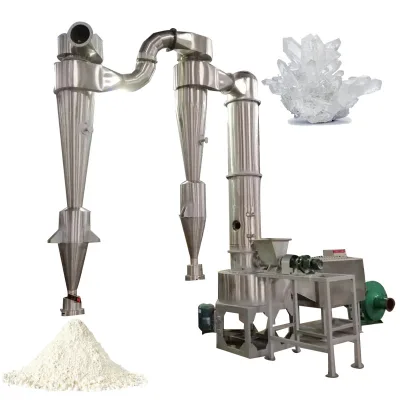
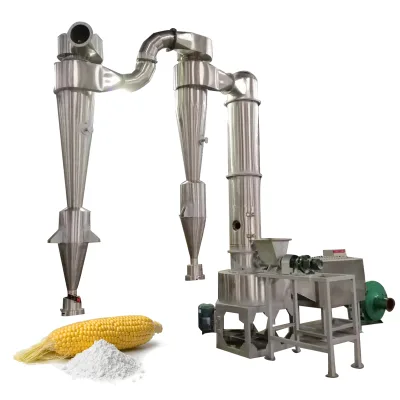
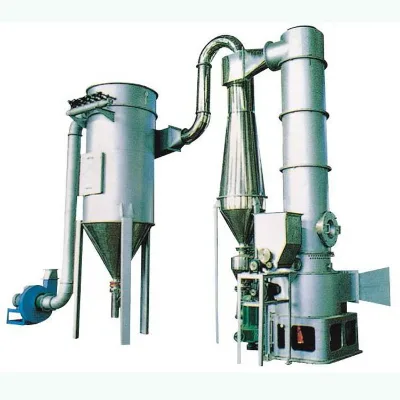
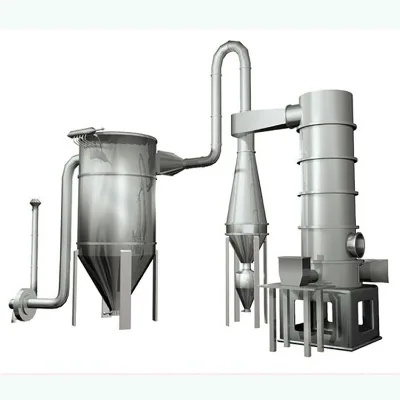
Air Flow Flash Dryer XSG High Speed Stainless Steel Spin Dryer Automatic Cassava Starch Flash Dryer
$10226.7636 - $10330.0747
MOQ: 1 pieces
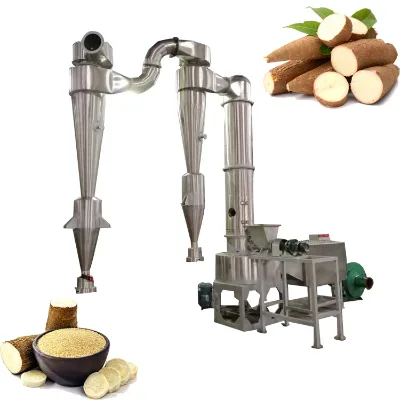
$9899.00 - $9999.00
MOQ: 1 pieces

$10226.7636 - $10330.0747
MOQ: 1 pieces


Zhengzhou Dingli New Energy Equipment Co., Ltd.
- Verified by BV
- Combined
- China Henan
- Lead time30 days
- Avg. response≤ 3h
Main productsRotary Dryer, Biomass Dryer Plant, Biomass Pellet Plant, Industrial Ore Dryer, Organic Fertilizer Production Line, Coal Rotary Dryer, Wood Shaving Machine, Briquette Machine, Belt Dryer
Main marketsSouth America,Africa,Southeast Asia/ Mideast,Europe,Australia,North America
Shandong Baoyang Drying Equipment Of Science And Technology Co., Ltd.
- Verified by Intertek
- Manufacturer, Trading Company
- Lead time45 days
Main productsRotary Dryer, Belt Dryer, Flash Dryer, Fruit and Vegetable Dryer, Rotary Calcining Kiln
Main marketsDomestic Market(80%), South Asia(10%), South America(5%)
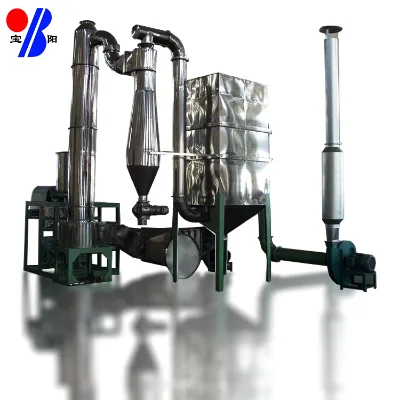
$18000.00 - $20000.00
MOQ: 1 sets
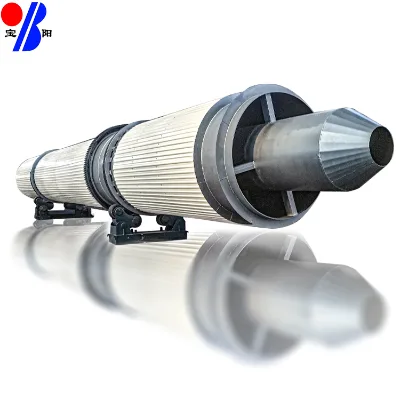
Durable, Reliable, Energy Efficient, Indirect Heat Transfer Steam Rotary Dryer
$24000.00 - $26000.00
MOQ: 1 sets

CITICIC Luoyang Heavy Machinery Co., Ltd.
- Verified by SGS
- Combined
- China Henan
- Lead time15 days
- Avg. response≤ 21h
Main productsMining Equipment, Environmental Protection Equipment, Metallurgy Equipment, Ball Mill, Rotary Kiln, Rotary Dryer, Mining Hoist, Cement Mill, Mining Mill, Girth Gear
Main marketsAfrica,Others(foreignTradeCapacity.exportBusinessCapacityMarketOther),Europe
Zhengzhou Great Machinery Equipment Co., Ltd.
- Manufacturer, Trading Company
- Lead time旺季: "1 - 1":20,"> 1":"To be negotiated", 淡季: "1 - 1":20,"> 1":"To be negotiated"
- Avg. response≤ 1h
Main productsDrying Equipment, Food Processing Equipment, Agriculture Equipment

Shanghai Yingyong Machinery Co., Ltd.
- Verified by SGS
- Combined
- China Shanghai
- Lead time30 days
- Avg. response≤ 3h
Main productsBall Mill, Rotary Kiln, Vertical Roller Mill, Roller Press, Spare Parts
Main marketsSouth America,Africa,Southeast Asia/ Mideast,East Asia(Japan/ South Korea),Europe,North America

Reliable Rotary Dryer with Automatic Temperature Control for Consistent Drying Results
$38000.00 - $77000.00
MOQ: 1 Pieces

Customized Rotary Dryer with Multiple Heating Options for Various Material Specifications
$27000.00 - $79000.00
MOQ: 1 Pieces

Henan Zhengzhou Mining Machinery Co., Ltd.
- Verified by BV
- Combined
- China Henan
- Lead time30 days
- Avg. response≤ 1h
Main productsRotary Kiln, Ball Mill, Active Lime Production Line, Cement Production Line, Magnesium Calcined Line, Rotary Dryer, Conveyor Sysetm, Bag Filter, Beneficiation Line, Ceramic Sand Production Line
Main marketsAfrica,Others(foreignTradeCapacity.exportBusinessCapacityMarketOther),Southeast Asia/ Mideast,Europe,North America

Changzhou Chuangke Drying Granulating Equipment Co., Ltd.
- Verified by SGS
- Combined
- China Jiangsu
- Lead time45 days
- Avg. response≤ 1h
Main productsSpray Dryer, Drying Machine, Pharmaceutical Machine, Vacuum Dryer, Drying Equipment, Pelleting Machine, Pelletizer, Granulator, Mixer, Grinder
Main marketsDomestic
Zhengzhou Hengxing Heavy Equipment Co., Ltd.
- Manufacturer, Trading Company
- Henan, China
- Lead time25 days
- Avg. response≤ 7h
Main productsBall Mill,Rotary Dryer,Rotary Kiln,Stone Crusher Plant,AAC Block Equipment
Main marketsDomestic Market(49.00%), Southeast Asia(11.00%), Africa(10.00%), South Asia(8.00%), South America(6.00%), Mid East(6.00%), Eastern Asia(3.00%), Eastern Europe(3.00%), North America(1.00%), Oceania(1.00%), Western Europe(1.00%), Southern Europe(1.00%)
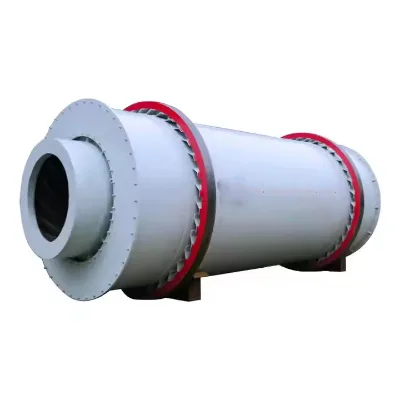
High Efficiency Rotary Drum Dryer Small Gas Rotary Dryer Rotary-Kiln Dryer
$24675.2957 - $26731.5703
MOQ: 1 pieces
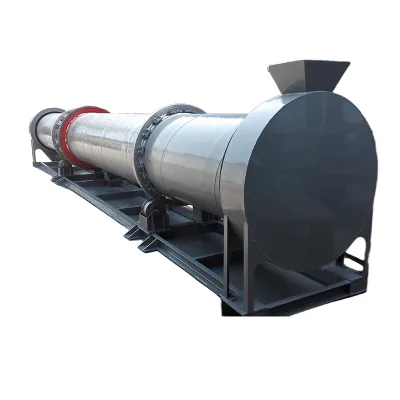
$20380.8892 - $25476.1115
MOQ: 1 pieces

ZHENGZHOU ZHENGJIA HEAVY INDUSTRY CO.,LTD.
- Verified by SGS
- Manufacturer/Factory
- China Henan
- Lead time45 days
- Avg. response≤ 9h
Main productsBall Mill, Stone Crusher, Cement Ball Mill, Rotary Dryer, Rotary Kiln, Sand Washer, Vibrating Feeder
Main marketsSouth America,Mid East,Southeast Asia,Eastern Asia,Oceania,Africa
Jiangsu Yutong Drying Engineering Co., Ltd.
- Manufacturer, Trading Company
- Lead time旺季: "1 - 1":90,"> 1":"To be negotiated", 淡季: "1 - 1":90,"> 1":"To be negotiated"
- Avg. response≤ 3h
Main productsSpray Dryer, Spin Flash Dryer, Vibrating Bed Dryer, Vacuum Ribbon Dryer, Conical Vacuum Dryer

Jiangsu Xingxing Drying Equipment Co., Ltd.
- Verified by SGS
- Combined
- China Jiangsu
- Lead time23 days
- Avg. response≤ 2h
Main productsHot Air Circulating Oven, Square and Round Static Vacuum Dryer, Revolving Flash Vaporization Dryer, Three-Dimensional Motion Mixer, Double Cone Rotating Vacuum Dryer, Drying Oven, Fluidized Dryer, Two-Dimensional Moving Mixer, Drying Granulator, Vibration Screen
Main marketsEurope
Changzhou Haijiang Drying Equipment Co., Ltd.
- Verified by TüVRheinland
- Manufacturer, Trading Company
- Lead time30 days
- Avg. response≤ 7h
Main productsDrying Equipment, Mixing Equipment, Crushing Equipment, Granulating Equipment, Coating Machine
Main marketsDomestic Market(40%), Southeast Asia(15%), North America(10%)
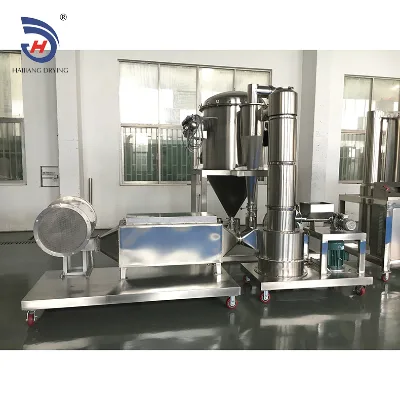
High Speed Rotating Dryer XSG New Condition Spin Flash Dryer for Food Chemicals Processing
$11500.00 - $12000.00
MOQ: 1 sets
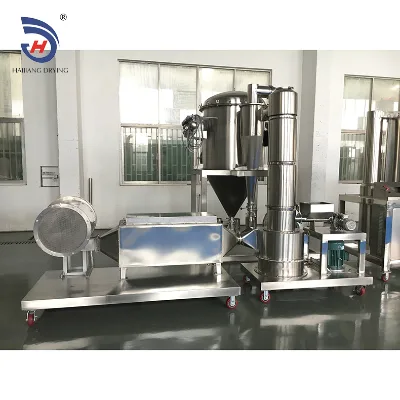

Changzhou Baokang Drying Machinery Co., Ltd.
- Manufacturer, Trading Company
- Jiangsu, China
- Lead time15 days
- Avg. response≤ 1h
Main productsDryer,Mixer,Granulator,Coating machine,pelletizer
Main marketsNorth America(30.00%), Domestic Market(15.00%), Southern Europe(10.00%), Eastern Europe(5.00%), Central America(5.00%), Western Europe(5.00%), Eastern Asia(5.00%), South America(5.00%), Oceania(5.00%), Southeast Asia(5.00%), Mid East(3.00%), South Asia(2.00%)
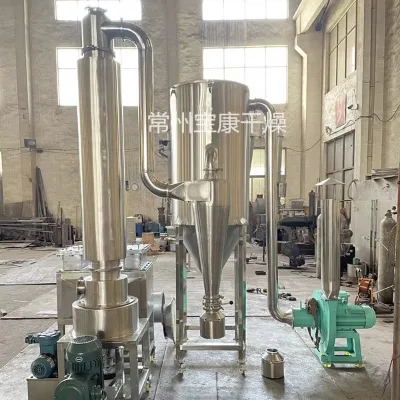
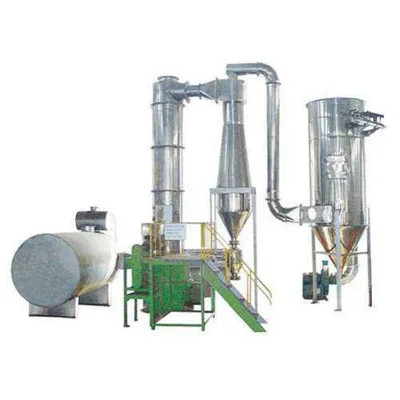
XSG Series Rapid Rotary Flash Dryer Yeast Iron Feed Additive Large Flash Drying Equipment
$4655.402
MOQ: 1 Minimum










Comprehensive Sourcing Guide
Steam Heating Rotary Flash Dryer Supplier Concentration and Factory Types
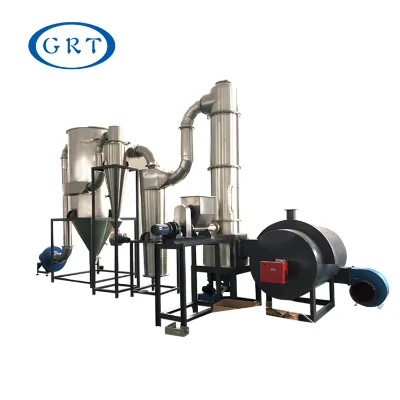
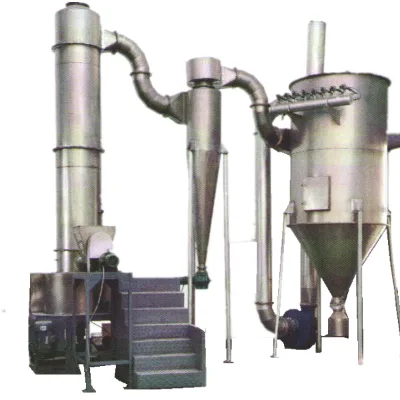
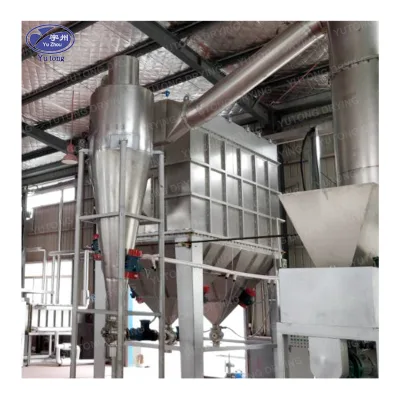
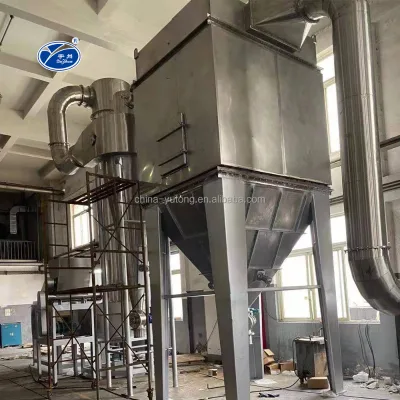
The current supplier landscape for steam heating rotary flash dryers reveals a distinct geographic and structural concentration within China, specifically highlighting Jiangsu, Henan, and Shandong provinces as key manufacturing hubs. In Jiangsu, particularly Changzhou, suppliers often operate as combined entities that blend trading capabilities with manufacturing, offering a wide array of rotary flash dryers such as the XSG series designed for materials like starch, cellulose, and various chemical powders. These facilities frequently emphasize customization options, allowing for specific atomization methods like rotary atomization and flow configurations such as cross-flow, which are critical for handling bulk, cream, solution, or powder material statuses. The presence of these specialized industrial machinery producers suggests a mature ecosystem where technical specifications can be tailored to precise application needs, whether for medicine, chemicals, or food processing. Buyers looking for high-efficiency flash drying solutions will find that these Jiangsu-based factories often provide detailed product attributes, including fixed movement ways and design-specific color requirements, indicating a focus on bespoke engineering rather than purely off-the-shelf inventory.
In contrast, suppliers located in Henan and Shandong present different operational models and product focuses that buyers must carefully distinguish. Henan-based manufacturers often position themselves as dedicated factory entities with strong verification from bodies like TÜV Rheinland, focusing on broader drying equipment ranges that include rotary drum dryers for mining, fertilizers, and sludge, alongside flash dryers. These suppliers may highlight certifications such as ISO 9001 and CE, along with specific technical parameters like drum diameters and inner temperature ranges, catering to heavy industrial applications. Meanwhile, Shandong suppliers, often centered in Feicheng, may specialize in chemical and alcohol production equipment, offering rotary dryers that integrate with heat exchangers and fermentation lines. These entities frequently hold multiple certifications, including ISO 14001 and ASME standards, and may offer OEM or own-brand capabilities. Understanding these regional and structural differences is essential, as the type of entity—whether a combined trader, a pure manufacturer, or a specialized chemical equipment maker—directly impacts the flexibility, technical support, and production capacity available for Steam Heating Rotary Flash Dryer projects.
How to Verify Steam Heating Rotary Flash Dryer Suppliers
Verifying the legitimacy and capability of Steam Heating Rotary Flash Dryer suppliers requires a multi-layered approach that goes beyond simple profile reviews, focusing heavily on third-party verification and technical documentation. Buyers should prioritize suppliers who display robust verification badges, such as BV or TÜV Rheinland, as these indicate that an independent agency has audited the company’s business license, factory premises, and operational history. For instance, some suppliers in the current results hold TÜV Rheinland verification, which adds a layer of trust regarding their manufacturing capabilities and financial stability. Additionally, checking for system certifications like ISO 9001, ISO 14001, or specific industry standards such as ASME and CE is crucial, as these certifications often reflect adherence to quality management systems and safety regulations. Suppliers that provide detailed product attributes, such as voltage specifications, material compositions like carbon steel or stainless steel, and warranty periods, are generally more transparent and reliable. Buyers should request copies of these certificates and verify their validity through the issuing bodies to ensure that the claims made in the supplier profile are accurate and up-to-date.
Beyond certifications, assessing the supplier’s response time and communication efficiency is a practical method for gauging their professionalism and operational readiness. A supplier with a rapid response time, such as those recorded at 0.02 or 2.59 hours, demonstrates a high level of engagement and likely has a dedicated technical sales team capable of addressing complex inquiries about steam heating systems. This responsiveness is particularly important for rotary flash dryers, which often require detailed engineering discussions regarding heat transfer coefficients, drying medium types, and custom modifications. Buyers should also examine the supplier’s main product listings to ensure they align with their specific needs; for example, a supplier listing both mining machines and chemical equipment might have different technical expertise compared to one specializing solely in drying equipment. Furthermore, verifying the supplier’s capacity for OEM or ODM services can indicate their ability to handle custom orders, which is common for steam heating rotary flash dryers that need to be tailored to specific material properties and production volumes. By combining verification badges, certification checks, and responsiveness analysis, buyers can build a comprehensive picture of a supplier’s reliability and technical competence.
What to Compare Across Steam Heating Rotary Flash Dryer Suppliers
When evaluating multiple suppliers for steam heating rotary flash dryers, buyers must systematically compare key operational metrics such as lead times, minimum order quantities (MOQs), and pricing structures to ensure alignment with their production schedules and budget constraints. Lead times can vary significantly, with some suppliers indicating a 45-day production window while others may require up to 120 days, a difference that can critically impact project timelines and inventory management. Similarly, MOQs are a vital consideration; some suppliers offer an MOQ of just one unit, which is advantageous for pilot projects or small-scale operations, while others may have higher thresholds that necessitate larger capital investments. Pricing also varies widely, with some rotary flash dryers listed in the range of $20,000 to $20,300, while others, particularly those integrated with heat exchangers or designed for larger industrial applications, may range from $5,000 to $400,000. Buyers should not only look at the base price but also consider what is included in that price, such as installation services, spare parts, or engineering design support, to accurately compare the total cost of ownership.
In addition to quantitative metrics, buyers should compare the technical specifications and customization options offered by each supplier to ensure the equipment meets their specific process requirements. Key attributes to compare include the drying medium, with some suppliers offering superheated steam or air, and the atomization method, such as rotary atomization, which affects the drying efficiency and product quality. The material status the dryer can handle, whether bulk, cream, solution, or powder, is another critical differentiator, as is the flow configuration, such as cross-flow, which influences the heat transfer dynamics. Buyers should also assess the supplier’s ability to provide design services and after-sales support, including the availability of engineers for machinery servicing, which is essential for maintaining long-term operational efficiency. By creating a comparison matrix that includes these technical and commercial factors, buyers can objectively evaluate which supplier offers the best balance of performance, cost, and support for their Steam Heating Rotary Flash Dryer needs, ensuring that the selected equipment integrates seamlessly into their existing production lines.
Common Steam Heating Rotary Flash Dryer Sourcing Risks
Sourcing steam heating rotary flash dryers from international suppliers introduces several risks that buyers must proactively manage to avoid project delays and financial losses. One significant risk is the potential mismatch between the supplier’s advertised capabilities and their actual production capacity, particularly when dealing with combined entities that may outsource critical manufacturing steps. This can lead to inconsistencies in quality control and longer lead times than initially promised, especially if the supplier is managing multiple orders simultaneously. Another risk is the complexity of customizing industrial machinery, where vague specifications or inadequate communication can result in equipment that does not meet the required technical standards for steam heating efficiency or material handling. Buyers must ensure that all technical requirements, such as voltage, material composition, and certification standards, are explicitly defined in the contract to prevent disputes over performance expectations. Additionally, the risk of logistical delays is heightened by the bulky nature of rotary dryers, which require specialized packing and handling to prevent damage during transit, making it essential to verify the supplier’s packing methods, such as standard exporting packing or nonwoven cloth, to ensure safe delivery.
Furthermore, buyers face the risk of inadequate after-sales support, which can be critical for maintaining the performance of steam heating rotary flash dryers over time. If a supplier does not provide clear guidelines for maintenance, troubleshooting, or spare parts replacement, operational downtime can increase significantly, impacting overall production efficiency. This risk is compounded if the supplier is located in a different region, making on-site technical support difficult to arrange. Buyers should also be cautious of suppliers who do not offer comprehensive warranties or clear terms for liability in case of equipment failure. The absence of detailed product attributes or unclear certification claims can also signal a lack of transparency, making it harder to verify the equipment’s compliance with international safety and quality standards. To mitigate these risks, buyers should conduct thorough due diligence, including factory audits and reference checks, and establish clear communication channels with the supplier’s technical team. By anticipating these potential pitfalls and implementing robust risk management strategies, buyers can protect their investments and ensure the successful integration of steam heating rotary flash dryers into their operations.
Steam Heating Rotary Flash Dryer Regional Sourcing and Logistics
The geographic location of suppliers plays a pivotal role in determining the logistics strategy and overall cost structure for sourcing steam heating rotary flash dryers. Suppliers located in Jiangsu, Henan, and Shandong provinces offer distinct advantages based on their proximity to major ports and industrial infrastructure, which can influence shipping times and freight costs. For instance, Jiangsu’s location in eastern China provides easy access to Shanghai and Ningbo ports, facilitating efficient export logistics for large machinery. Buyers should consider the specific city of origin, such as Changzhou in Jiangsu or Feicheng in Shandong, as these industrial clusters often have established supply chains for raw materials like carbon steel and stainless steel, which can reduce production lead times. Additionally, the regional concentration of suppliers allows buyers to potentially visit multiple factories in a single trip, streamlining the evaluation process and fostering stronger relationships with local manufacturers. However, buyers must also account for the logistical challenges associated with transporting oversized equipment, ensuring that the supplier’s packing methods, such as pressure coneying or standard exporting packing, are suitable for long-distance maritime or air freight.
Logistics planning must also consider the specific requirements of steam heating rotary flash dryers, which often involve complex assembly and calibration upon arrival. Buyers should verify whether the supplier offers disassembly services to fit the equipment into standard shipping containers, which can significantly reduce freight costs compared to shipping fully assembled units. It is also crucial to assess the supplier’s experience with international shipping documentation and compliance, as errors in customs clearance can lead to costly delays and penalties. Buyers should inquire about the supplier’s ability to provide detailed packing lists and weight dimensions to facilitate accurate freight quoting and insurance coverage. Furthermore, considering the regional expertise of suppliers, those in Shandong may have more experience with chemical and alcohol industry logistics, while those in Henan might be more familiar with mining and heavy industrial equipment shipping. By aligning the supplier’s location with the buyer’s logistical capabilities and port access, buyers can optimize the supply chain, reduce transit times, and ensure the safe and timely delivery of steam heating rotary flash dryers to their facilities.
Steam Heating Rotary Flash Dryer Commercial Terms and Order Planning
Effective order planning for steam heating rotary flash dryers requires a thorough understanding of commercial terms, including payment structures, warranty provisions, and delivery conditions, to safeguard the buyer’s interests. Buyers should negotiate clear payment terms that align with project milestones, such as a deposit upon order confirmation, progress payments during manufacturing, and a final balance upon completion of factory acceptance tests. This approach helps mitigate financial risk by ensuring that the supplier remains committed to the project throughout the production process. Additionally, buyers must carefully review the warranty terms, which typically cover defects in materials and workmanship for a specified period, such as two years, and clarify what is excluded, such as wear parts or damage due to improper operation. It is also essential to define the delivery terms, such as FOB or CIF, to determine who is responsible for shipping costs
FAQs
What is a Steam Heating Rotary Flash Dryer used for?
A Steam Heating Rotary Flash Dryer dries powders, pastes, creams, and bulk materials in a continuous process using superheated steam as the drying medium. It is commonly applied in medicine, chemicals, and food production, and listed equipment covers materials such as starch, cellulose, sulphates, and oxides, making it suitable for fine chemical and pharmaceutical powder processing.
Can a Steam Heating Rotary Flash Dryer be customized?
Yes, customization is available on listed flash dryer models. Buyers can typically specify color according to design requirements, material of construction such as carbon steel or stainless steel, and configuration for specific materials. Before ordering, confirm which parameters can be changed, whether engineering drawings are provided, and how customization affects the quoted price and delivery schedule.
What materials can a rotary flash dryer handle?
Listed machines handle bulk, cream, solution, and powder material states, with cross-flow drying using air or superheated steam. Product listings name starch, cellulose, sulphates, oxides, and magnesium stearate as target applications. Always provide your material's moisture content, particle size, and thermal sensitivity to the supplier so the correct XSG-series configuration and heating mode can be selected.
What does a Steam Heating Rotary Flash Dryer cost?
Prices vary widely by configuration. Listed flash dryer units start around 20,000 USD, while broader rotary dryer listings range from roughly 1,000 USD to 400,000 USD depending on size and specification. Treat listed prices as indicative only, since material grade, drum diameter, heating method, and customization all change the final quotation you receive.
What is the typical minimum order quantity for these dryers?
Listed rotary flash dryer products show a minimum order quantity of 1 unit, which is typical for large industrial machinery. This lets buyers order a single machine for a production line or trial. Confirm the MOQ in writing with each supplier, along with spare parts availability, commissioning support, and any additional charges for export packing.
How long is the lead time for a rotary flash dryer?
Lead times reported in current supplier results range from about 45 days to 120 days depending on the supplier and order complexity. Standard configurations usually ship faster than customized units, which require design and manufacturing time. Request a written production schedule, and clarify whether lead time counts from deposit payment or from drawing approval.
Which certifications should I verify before ordering?
Supplier and product listings reference certifications including ISO 9001, CE, SGS, and ASME manufacturing standards. Some suppliers also hold third-party verification badges. Certifications listed online should be treated as claims, so ask each supplier for copies of valid certificates, confirm the scope covers drying equipment, and verify expiry dates before placing an order.
Where are these rotary flash dryer suppliers located?
Suppliers in the current results are based in Jiangsu, Henan, and Shandong provinces in China, with equipment originating from cities such as Changzhou and Feicheng. These provinces are established hubs for drying and industrial machinery manufacturing. Location can affect factory-visit logistics and port proximity, so confirm the exact manufacturing address before scheduling an inspection.