Source Steam Heating Rotary Dryer for Chemical, Food, and Mining
Compare 30 Steam Heating Rotary Dryer options from verified Chinese manufacturers. These units support continuous drying for chemical processing, food production, and mining applications with customizable capacities and heating sources; compare the available evidence and request quotations based on your requirements.
Updated
Key considerations
Products List
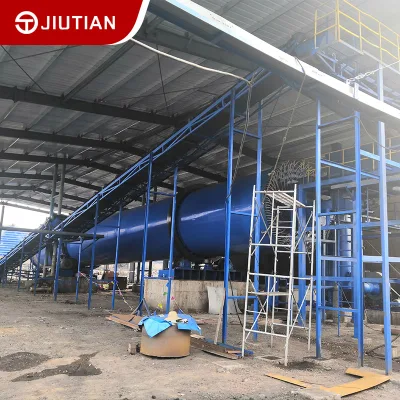


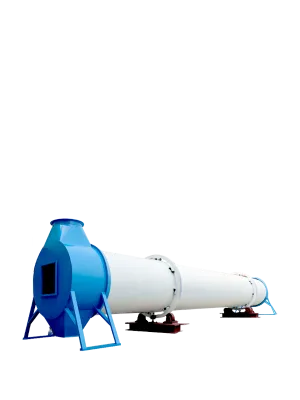

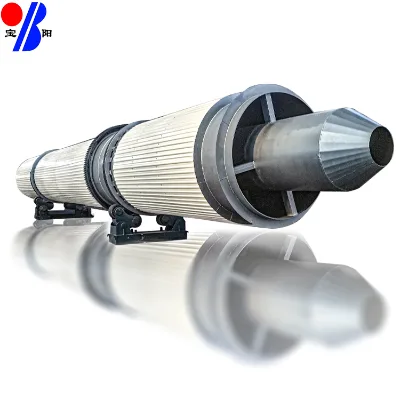

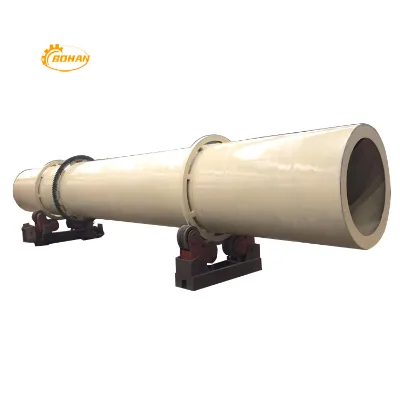
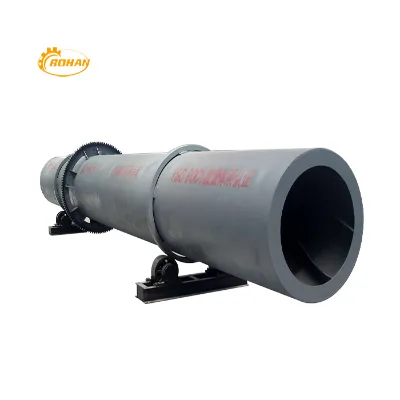
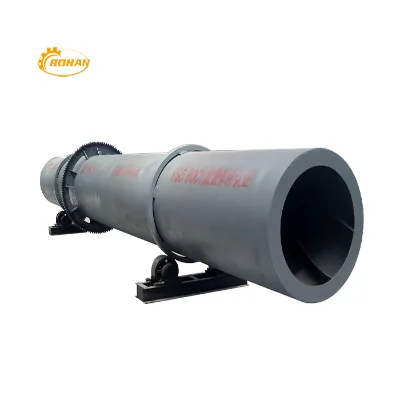
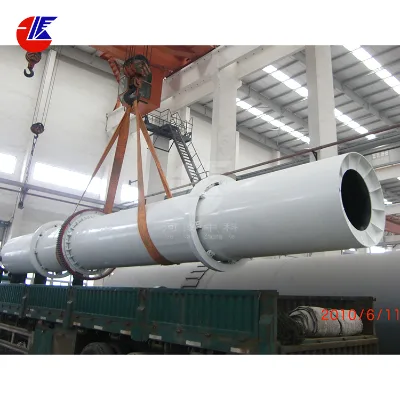
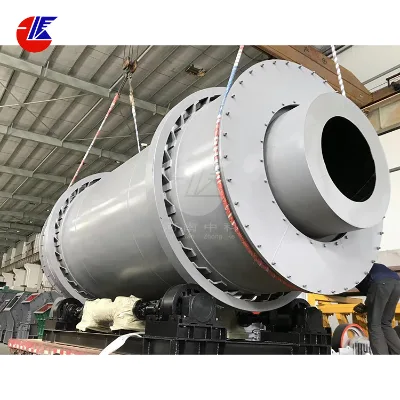
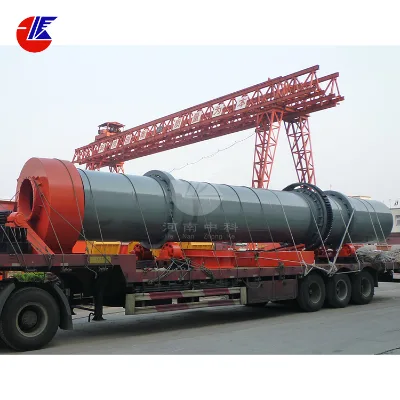
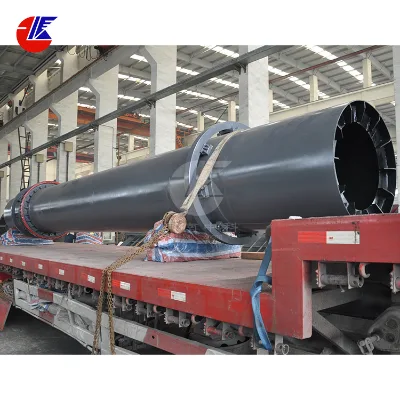
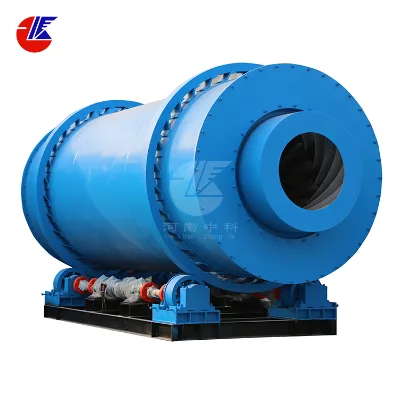
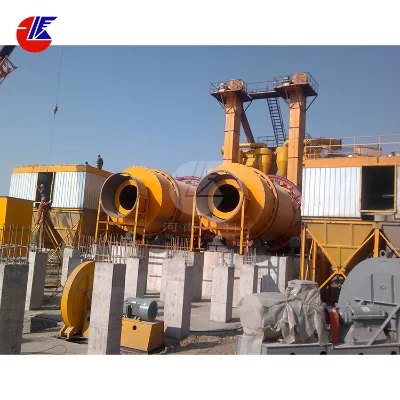
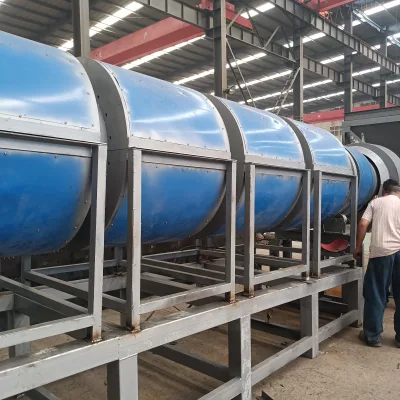
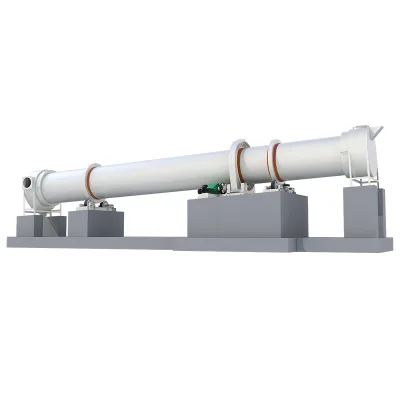
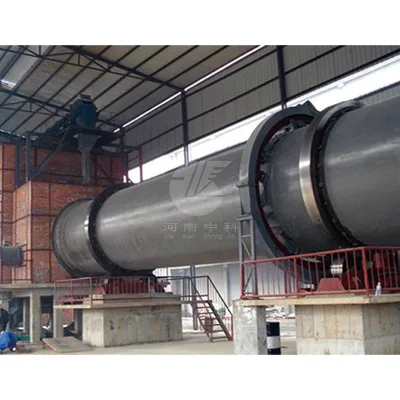

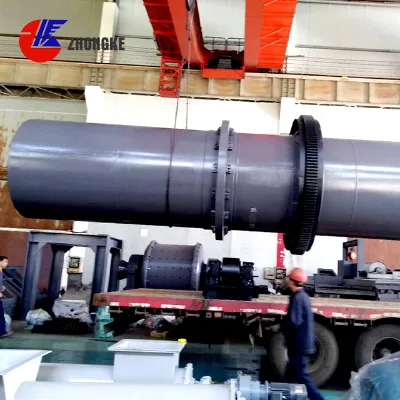
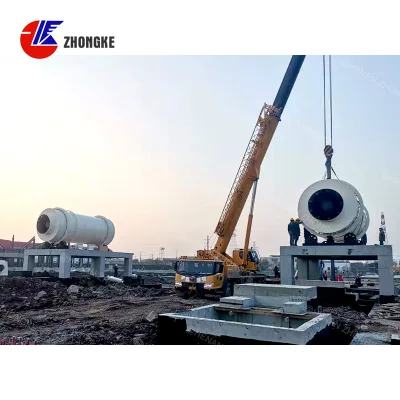
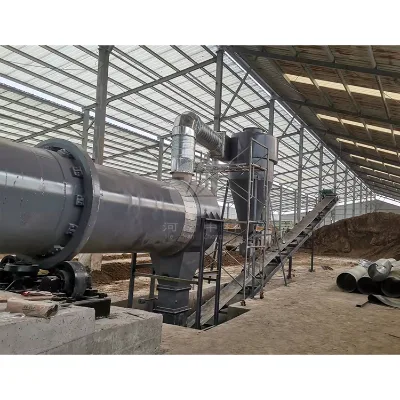
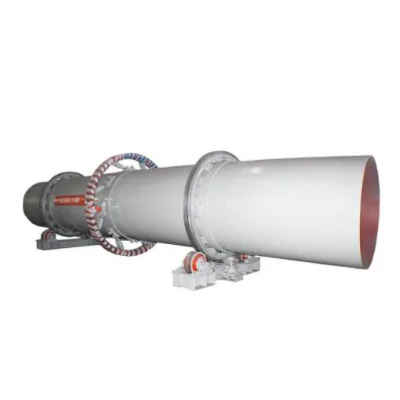
China Manufacture High Quality Steam Tube Dryer Industrial Rotary Steam Tube Dryer
$8143.00 - $10523.00
MOQ: 1 sets



Comprehensive Sourcing Guide
Steam Heating Rotary Dryer Sourcing Guide
Procuring a Steam Heating Rotary Dryer requires a disciplined approach to aligning thermal efficiency with specific material handling needs. Buyers must first evaluate the core operational parameters, such as the initial and final moisture content targets, which typically range from 35-50% down to 12-15%. Understanding these drying curves is essential for selecting a unit that meets production throughput goals without over-engineering the system. The observed market signals indicate a strong focus on energy-saving designs, often utilizing superheated steam as the primary drying medium to ensure consistent heat transfer.
The decision-making process also hinges on the specific application industry, whether it involves biomass, food processing, or chemical manufacturing. Each sector imposes unique hygiene and corrosion resistance requirements that dictate the choice of construction materials, such as carbon steel or stainless steel. Buyers should verify that the supplier provides field installation and commissioning services, as proper setup is critical for achieving the specified capacity of 50-100 tons per day. This comprehensive support ensures that the rotary dryer integrates seamlessly into existing plant infrastructure while maintaining optimal performance standards.
Product Scope and Observed Listing Signals
The current market landscape for steam heating rotary dryers reveals a diverse range of models tailored to various industrial applications. Listings frequently highlight key selling points such as competitive pricing and energy-saving capabilities, which are crucial for operational cost management. The observed product attributes indicate that these machines are designed for continuous operation, utilizing agitation movement to ensure uniform drying of materials like limestone, fertilizer, or feed. Buyers should note that customization is widely available, allowing for adjustments in drum diameter and overall dimensions to fit specific facility constraints.
Observed listing signals also emphasize the versatility of these units across multiple sectors, including mining, chemical processing, and power generation. The presence of multiple models suggests that suppliers offer scalable solutions, with capacities ranging from 0.5 to 50 tons per hour. This flexibility allows buyers to select equipment that precisely matches their production volume requirements. Additionally, the standard export packing and single-item selling units indicate a streamlined logistics process, reducing the complexity of international procurement and ensuring that the heavy machinery arrives at the destination site in protected condition.
Technical Specifications to Verify
When evaluating technical specifications, buyers must prioritize the verification of core components, particularly the motor and PLC systems, which govern the dryer’s operational reliability. The power consumption typically ranges from 20 to 50 kW, depending on the specific model and load requirements. It is essential to confirm the voltage compatibility, often listed as 380V, to ensure seamless integration with the facility’s electrical infrastructure. Additionally, the heating source options, including steam and hot oil, should be matched to the available utility resources at the plant site to optimize energy efficiency and operational continuity.
Dimensional specifications and weight are critical factors for site planning and foundation design. The observed drum diameter of Φ2800mm and a weight of approximately 85,000 kg indicate a substantial industrial unit that requires robust structural support. Buyers should verify the customized dimension options to ensure the equipment fits within the allocated space. Furthermore, the drying temperature range of 110-250℃, with some models supporting up to 800℃, must be aligned with the thermal sensitivity of the material being processed. Confirming these parameters prevents operational inefficiencies and potential material degradation during the drying cycle.
Compliance and Safety Documentation
Compliance with international standards is a non-negotiable aspect of sourcing industrial drying equipment. Buyers should verify that the supplier provides necessary certifications, such as CE, ISO9001, and CCC, which attest to the manufacturer’s adherence to quality management and safety protocols. These certifications are vital for ensuring that the rotary dryer meets regulatory requirements in the destination country, facilitating smoother customs clearance and operational approval. The presence of machinery test reports further demonstrates the supplier’s commitment to quality assurance, providing buyers with documented evidence of the equipment’s performance prior to shipment.
Safety documentation must also include detailed operational manuals and maintenance guidelines to ensure safe handling and long-term reliability. Buyers should confirm that the supplier offers video technical support and engineer availability for after-sales service, which is crucial for troubleshooting and preventive maintenance. The warranty period, typically ranging from one to two years, provides a safety net for early-stage operational issues. Ensuring that all safety and compliance documents are complete and accurate before finalizing the purchase mitigates legal risks and ensures uninterrupted production operations.
Cost Drivers and Commercial Terms
Several factors influence the total cost of ownership for a Steam Heating Rotary Dryer, with material construction and customization levels being primary drivers. The choice between carbon steel and stainless steel significantly impacts the initial purchase price, with stainless steel offering superior corrosion resistance at a higher cost. Buyers should also consider the energy efficiency of the design, as energy-saving features can reduce long-term operational expenses despite a potentially higher upfront investment. The competitive pricing observed in the market suggests that buyers can negotiate favorable terms, especially when ordering single items with standard configurations.
Commercial terms such as MOQ and lead times are generally flexible, with observed MOQ values ranging from 1 to 1 unit, allowing for tailored procurement strategies. Buyers should clarify the payment terms and delivery schedules to align with their project timelines. The inclusion of field installation and training services adds value to the commercial package, reducing the need for additional external expertise. Understanding these cost drivers and commercial terms enables buyers to make informed decisions that balance initial capital expenditure with long-term operational efficiency and maintenance costs.
Supplier Qualification and Quality Control
Supplier qualification is a critical step in ensuring the reliability and performance of the Steam Heating Rotary Dryer. Buyers should assess the supplier’s manufacturing capabilities, including their experience in producing rotary drying equipment for diverse industries such as chemical, alcohol, and refinery sectors. The place of origin, often listed as Henan or Shandong in China, indicates established industrial hubs with specialized expertise in heavy machinery production. Verifying the supplier’s track record and customer references can provide insights into their ability to deliver high-quality equipment and support.
Quality control measures should be rigorously evaluated, with a focus on the manufacturing processes and testing protocols employed by the supplier. Buyers should request detailed information on the materials used, such as the grade of steel and the quality of welding, to ensure durability and safety. The provision of machinery test reports and certification documents serves as evidence of the supplier’s commitment to quality. Additionally, confirming the availability of after-sales service, including video support and engineer visits, ensures that any post-installation issues can be addressed promptly, maintaining operational continuity and minimizing downtime.
Long-Term Procurement Checks
Long-term procurement checks involve establishing a framework for ongoing supplier performance evaluation and equipment maintenance. Buyers should implement regular audits of the supplier’s after-sales service responsiveness and the quality of spare parts availability. The warranty period, typically one to two years, should be clearly defined, with provisions for extended service contracts if needed. Monitoring the equipment’s performance against the specified capacity and moisture reduction targets helps identify any deviations that may require operational adjustments or maintenance interventions.
Continuous improvement in procurement practices requires staying informed about technological advancements in rotary drying technology. Buyers should engage with suppliers to explore upgrades or modifications that can enhance energy efficiency or expand processing capabilities. Building a strong relationship with the supplier facilitates better communication and faster resolution of technical issues. By maintaining a proactive approach to long-term procurement checks, buyers can ensure that their Steam Heating Rotary Dryer continues to meet production demands efficiently and reliably over its operational lifespan.
FAQs
What heating sources are available for this Steam Heating Rotary Dryer?
The dryer operates with steam or hot oil as the heating source, using a steam heating method with superheated steam as the drying medium. Drying temperatures range from 110 to 250 degrees Celsius, while inner temperatures can reach 100 to 800 degrees depending on the model. Heating selection depends on your available utilities and the material being processed.
How much material can the steam tube rotary dryer process per day?
Listed capacity ranges from 50 to 100 tons per day, with some models handling 0.5 to 50 tons per hour. The model shown, JTHT1615, features a drum diameter of 2800 millimeters. Actual throughput depends on initial moisture of 35 to 50 percent and required final moisture of 12 to 15 percent, so capacity should be confirmed against your material profile.
Which industries commonly use this rotary drying equipment?
The dryer is applied across biomass, food, feed, fertilizer, and chemical industry processing, with specific applications in chemicals processing, food processing, and drying operations. Other listed application industries include chemical plants, alcohol plants, refineries, and power plants, and one configuration is specified for limestone in mining applications. Material suitability should be validated for your feedstock.
Can the dryer be customized to my plant's specifications?
Yes, customization is available. Dimensions are built to order rather than fixed, so drum size, layout, and configuration can be adapted to your installation site and process requirements. Material of construction can be carbon steel or stainless steel depending on the application. Discuss your feed material, moisture targets, and space constraints with the supplier before ordering.
What after-sales support and warranty are provided with the dryer?
The listed warranty is one year, with some listings stating two years. After-sales service includes field installation, commissioning, and training, and engineers are available to service machinery on site. After the warranty period, video technical support is provided. A machinery test report is supplied, so review the specific warranty terms for the model you purchase.
What are the power and voltage requirements for installation?
Listed power ratings range from 30 to 50 kilowatts, with some configurations at 20 to 28 kilowatts, and the operating voltage is 380 volts. Core components include the motor and PLC, so your electrical infrastructure should support these loads. Confirm the exact power draw of your selected model and drum configuration during the ordering process.
Which certifications apply to this steam tube rotary dryer?
Listed certifications include CE, ISO9001, and CCC on one configuration, and ASME and SGS alongside ISO9001 on another. Certification coverage varies by model, so verify which certificates apply to the specific unit and destination market before purchase. Request copies of the relevant certificates and the machinery test report with your quotation.
How is the dryer shipped and packed for export?
Standard exporting packing is used, and the selling unit is a single item. The listed weight is approximately 85000 kilograms, so shipping typically requires heavy freight handling and appropriate unloading equipment at your site. Field installation, commissioning, and training are provided as part of after-sales service, and dimensions are customized to your installation.