Source Dual Power Automatic Pet Feeder with LCD Display for Home, Travel, and Office
Source a Dual Power Automatic Pet Feeder with LCD Display from 30 verified suppliers. Compare models like YW28C and Alpet for fixed-time feeding, USB or battery operation, and customizable options to meet diverse pet care needs; compare the available evidence and request quotations based on your requirements.
Updated
Key considerations
Products List


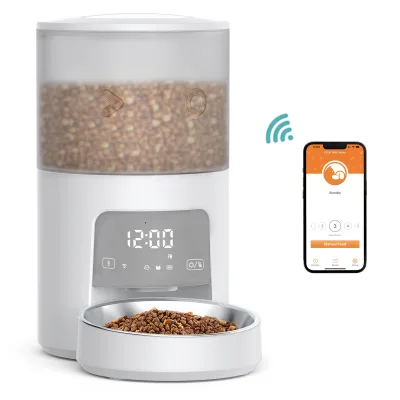
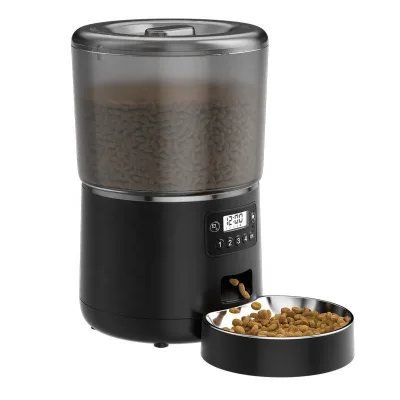
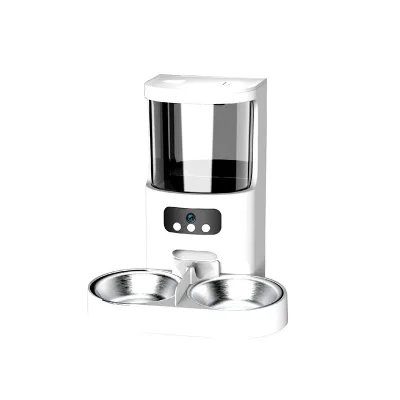
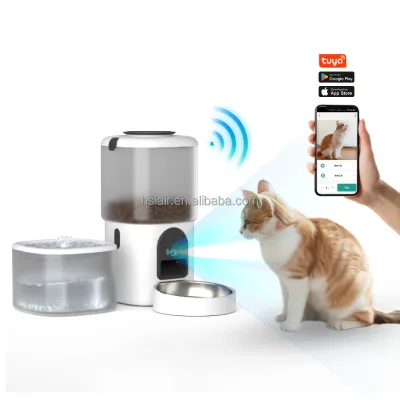
Dual Power Automatic Pet Feeder with Backup Battery for Reliable Feeding
$23.50 - $35.50
MOQ: 500 Pieces


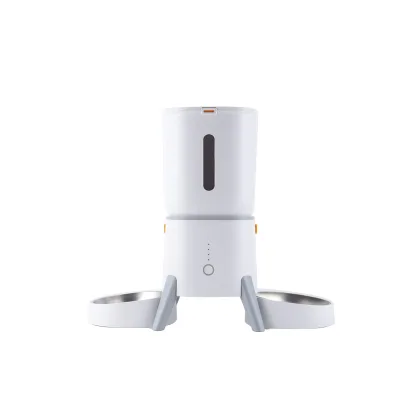


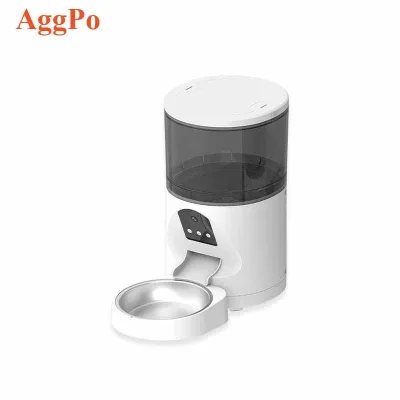
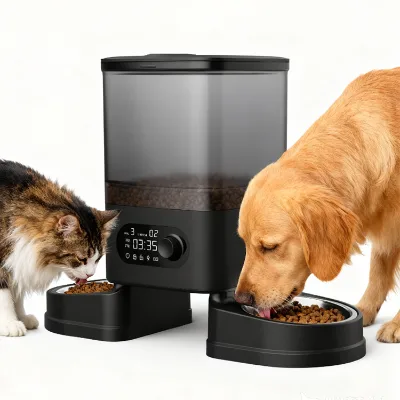

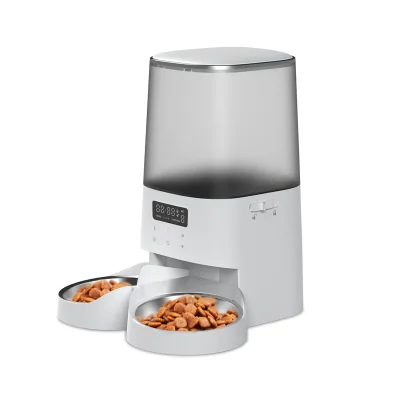


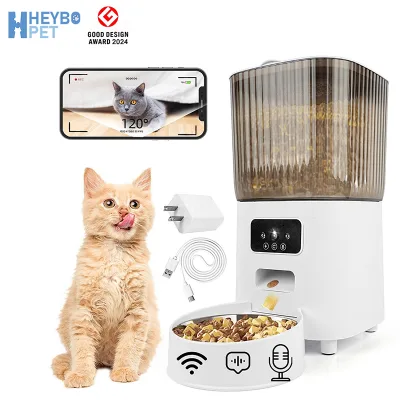
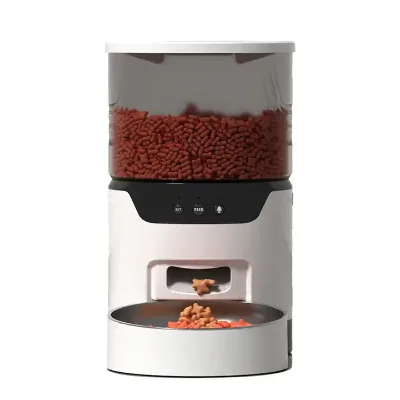
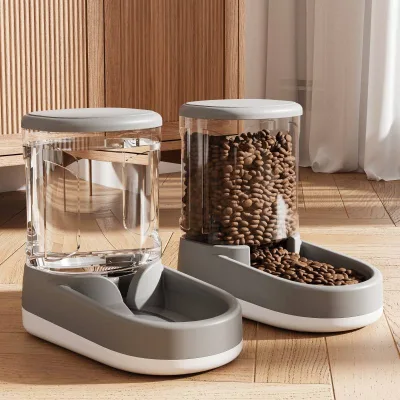

Comprehensive Sourcing Guide
Dual Power Automatic Pet Feeder with LCD Display Sourcing Guide
Procuring a dual power automatic pet feeder with an LCD display requires balancing reliability with user convenience, ensuring that pets are fed consistently even during power outages or travel. The core value proposition of these devices lies in their ability to maintain scheduled feeding routines through redundant power sources, typically combining USB charging with battery backups. Buyers must evaluate how seamlessly the system switches between power modes without interrupting the feeding cycle, as this continuity is critical for animal health and owner peace of mind.
The presence of an LCD display adds a layer of operational transparency, allowing users to monitor remaining food levels, adjust portion sizes, and verify scheduled times at a glance. This interface simplifies complex programming, making the device accessible to non-technical users while providing detailed control for those who require precise dietary management. Sourcing guides must emphasize the importance of display durability and readability, as these components are subject to frequent interaction and potential exposure to pet-related wear and tear.
Product Scope and Observed Listing Signals
The market for automatic pet feeders includes a variety of models, with observed listings indicating a price range of $14.99 to $89.99 USD, reflecting differences in material quality, smart features, and brand positioning. Minimum order quantities (MOQ) vary significantly, ranging from 2 to 1000 units, which allows both small retailers and large distributors to find suitable entry points. Buyers should note that while some models offer customization, others are standardized, impacting branding opportunities and inventory flexibility for different business scales.
Observed product attributes highlight a strong focus on functionality, with many units designed specifically for cats and capable of handling dry food with kibble sizes between 2mm and 15mm in diameter. Materials such as polypropylene (PP) and stainless steel are common, offering durability and ease of cleaning, while features like recyclability and fixed-time feeding cater to eco-conscious and routine-driven consumers. The inclusion of accessories like desiccant bags indicates attention to food preservation, a key selling point for maintaining freshness over extended periods between refills.
Technical Specifications to Verify
Technical verification must begin with power configuration, as dual power systems often utilize USB charge cables or three D-size batteries, with some models explicitly noting that batteries are not included. Buyers should confirm the voltage requirements, with observed specifications including 220V operation, and ensure compatibility with local plug types such as US, UK, or EU standards. The operating mode is typically automatic, driven by rechargeable batteries or direct power, requiring clear documentation on battery life and charging cycles to prevent unexpected failures.
Display and interface specifications are equally critical, with LCD displays providing essential feedback on device status. Product dimensions vary, with observed sizes ranging from compact units like 210x210x320mm to larger models such as 190x175x366mm, affecting storage and shipping logistics. Buyers must verify the single package size and weight, such as 22x22x38 cm and 2.15kg for certain models, to accurately calculate freight costs and warehouse space requirements, ensuring that the physical footprint aligns with distribution capabilities.
Compliance and Safety Documentation
Compliance documentation is a foundational requirement for importing pet feeders, with observed certifications including FDA, ISO, and BRC standards indicating adherence to food safety and quality management principles. Buyers must request valid certificates for each batch, verifying that materials contacting food, such as stainless steel bowls or PP containers, meet regulatory limits for chemical migration and toxicity. These certifications provide assurance that the product is safe for repeated use and does not pose health risks to pets or humans handling the device.
Safety standards also extend to electrical components, particularly given the dual power nature of these devices. Buyers should ensure that the USB ports and battery compartments are designed to prevent short circuits, overheating, or leakage, especially when using third-party chargers or batteries. Documentation should include test reports for electrical safety, confirming that the device operates within safe temperature ranges and that the LCD display and internal circuitry are protected against moisture and pet interference.
Cost Drivers and Commercial Terms
Cost drivers for dual power automatic pet feeders include material selection, electronic component quality, and packaging complexity. Stainless steel components and high-quality LCD displays increase manufacturing costs but offer superior durability and user experience, justifying higher price points. Buyers should analyze the cost breakdown to understand where value is added, ensuring that premium features like automatic operation and precise kibble size handling are reflected in the unit price without unnecessary markup on basic functionalities.
Commercial terms such as MOQ and lead times significantly impact procurement strategy, with observed MOQs ranging from 2 to 1000 units allowing for flexible ordering. Buyers must negotiate clear terms regarding customization, as some models offer customized options while others are non-customized, affecting branding and packaging requirements. Additionally, understanding the packing details, such as carton dimensions and master carton quantities, is essential for optimizing logistics and reducing per-unit shipping costs, particularly for large volume orders.
Supplier Qualification and Quality Control
Supplier qualification requires verifying the manufacturer’s origin and production capabilities, with observed products originating from regions like Zhejiang, China, known for electronics and pet product manufacturing. Buyers should assess the supplier’s ability to maintain consistent quality across batches, particularly for electronic components like LCD displays and power management systems. Requesting samples for rigorous testing is essential to evaluate the reliability of the dual power switching mechanism and the accuracy of the feeding schedule.
Quality control processes should include inspections for material defects, assembly integrity, and functional performance. Buyers must ensure that suppliers implement strict checks for kibble size compatibility, preventing jams or misfeeds that could disrupt pet routines. Additionally, verifying the durability of the LCD display and the ease of cleaning for food containers is crucial, as these factors directly influence customer satisfaction and return rates, making supplier accountability a key component of the procurement process.
Long-Term Procurement Checks
Long-term procurement success depends on establishing robust relationships with suppliers who can support ongoing quality improvements and supply chain stability. Buyers should monitor supplier performance metrics, including on-time delivery rates and defect percentages, to ensure consistent product availability and quality. Regular audits of production facilities and quality control procedures can help identify potential issues early, allowing for corrective actions before they impact large orders or customer satisfaction.
Sustainability and regulatory changes also require ongoing attention, as buyers must stay informed about evolving standards for electronic waste, material safety, and energy efficiency. Procurement strategies should include plans for product lifecycle management, such as recycling programs for electronic components and packaging materials. By maintaining a proactive approach to supplier management and regulatory compliance, buyers can mitigate risks and ensure that their dual power automatic pet feeder offerings remain competitive and compliant in the long term.
FAQs
What power options are available for this automatic pet feeder?
The device supports dual power configurations to ensure continuous operation during outages. Users can choose between a USB Type-C charge cable or three D-size batteries. Note that batteries are typically not included in the standard package. This flexibility allows for reliable feeding schedules whether connected to mains power or running on portable energy sources for uninterrupted service.
Can the feeder dispense dry kibble of specific sizes?
Yes, the unit is designed to handle dry food only with specific size constraints. It accommodates kibble diameters ranging from 2mm to 14mm or 5mm to 15mm depending on the specific model variant. This ensures proper dispensing without jamming. It is not suitable for wet food or treats larger than the specified maximum diameter limits for optimal mechanical function.
Does the product include an LCD display for programming?
Yes, the automatic pet feeder features an LCD display for user interaction. This screen allows owners to set fixed-time feeding schedules and monitor device status easily. The interface supports automatic operating modes, enabling precise control over portion sizes and timing. This visual feedback ensures accurate programming for consistent pet nutrition management without requiring external apps.
What certifications do these pet feeders typically hold?
Manufacturers often provide products with FDA, ISO, and BRC certifications to ensure safety and quality standards. These credentials verify that materials and production processes meet international regulatory requirements for pet food contact. Buyers should verify specific model documentation to confirm compliance. Such certifications are critical for B2B sourcing to ensure market access and consumer trust in product safety.
Is customization available for bulk orders of these feeders?
Customization is available for many models, allowing buyers to tailor products to specific brand needs. Options may include custom colors, packaging, or minor design adjustments. Some variants are listed as non-customized, so buyers must confirm availability with suppliers. This service supports private labeling and distinct product differentiation in competitive retail markets for pet care accessories.
What is the typical packaging configuration for shipping?
Products are usually packed in cartons with specific master carton dimensions to optimize logistics. For example, some models pack 8 pieces per carton measuring 460x470x530mm, while others pack 4 pieces in 420x390x400mm boxes. Individual gift boxes may also be included for retail presentation. Buyers should request exact packing lists to calculate shipping volume and container load efficiency accurately.