Source Eco-Friendly TPR Barbell Pet Toy for Chew, Fetch, and Float
Browse 30 listings for the eco-friendly TPR barbell pet toy and compare specifications such as material, size, MOQ, packaging, and delivery terms. Filter suppliers by customization options and payment methods to identify the right manufacturing partner for dog chew and play products.
Updated
Key considerations
Products List
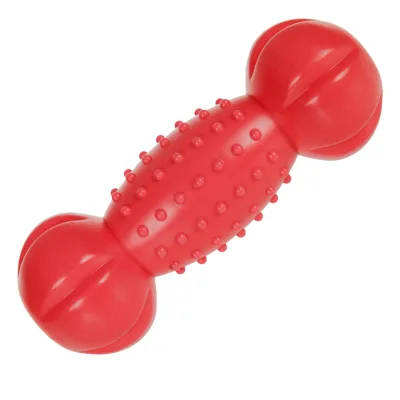
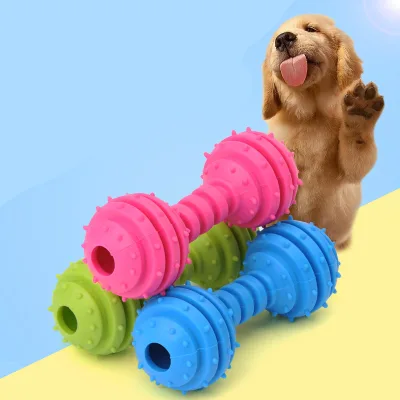
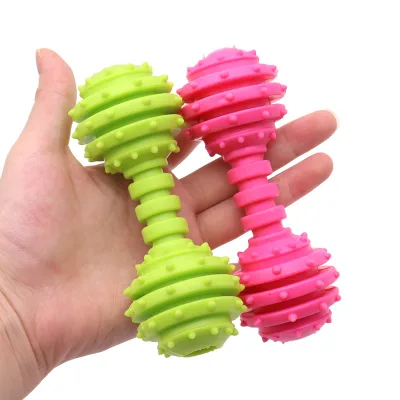
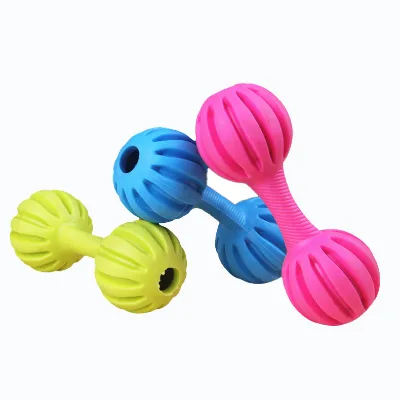
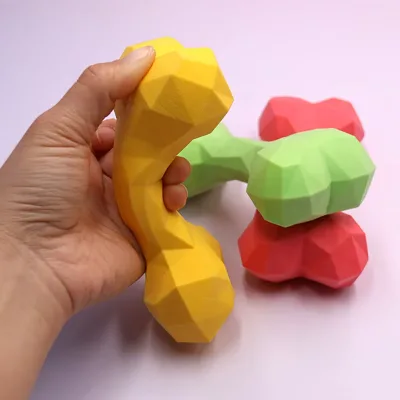
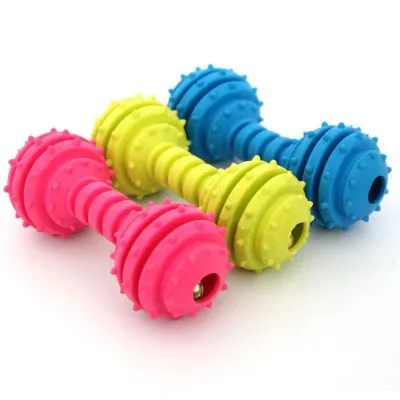
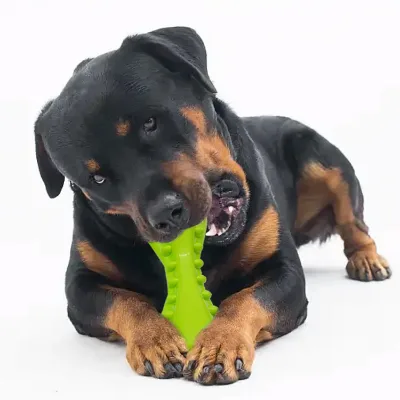
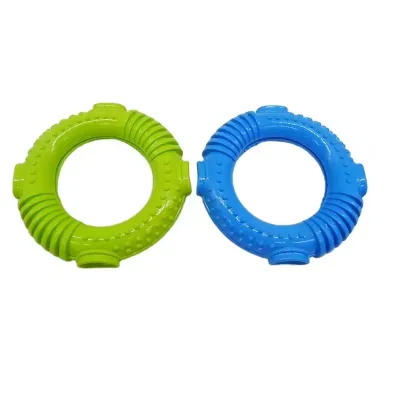


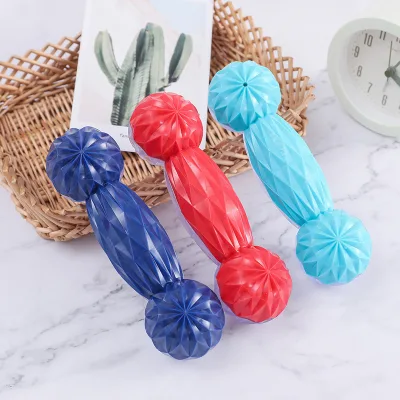
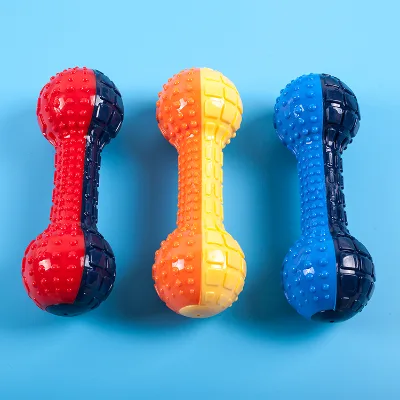
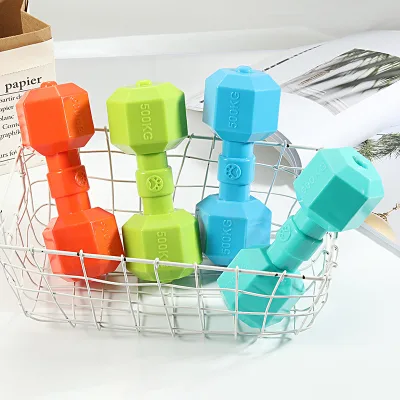
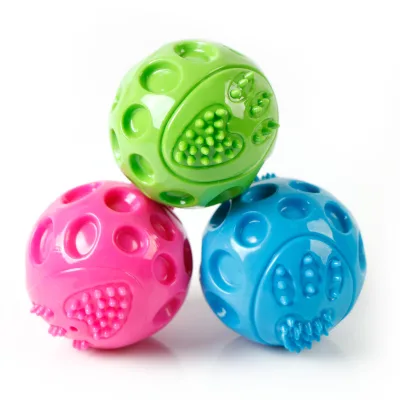
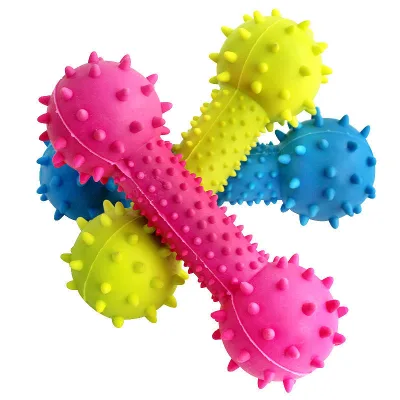
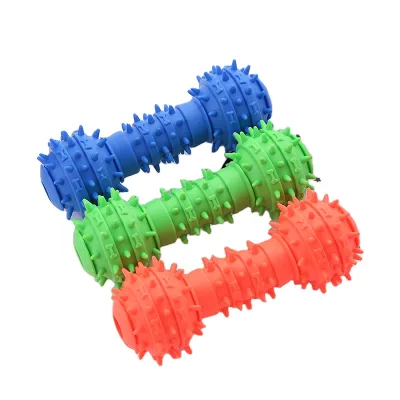
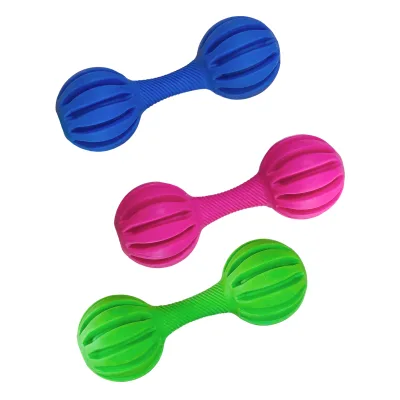
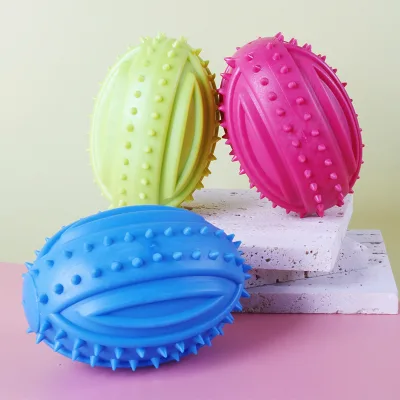
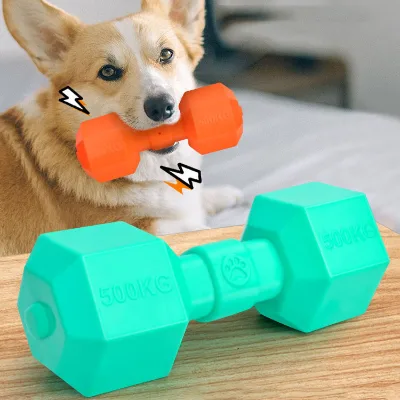
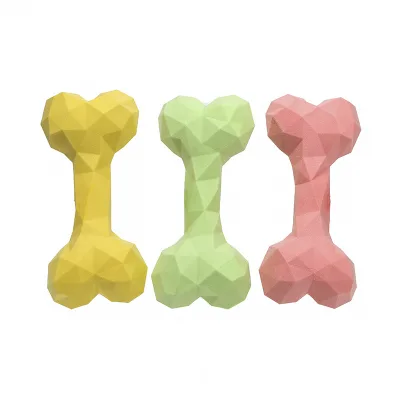
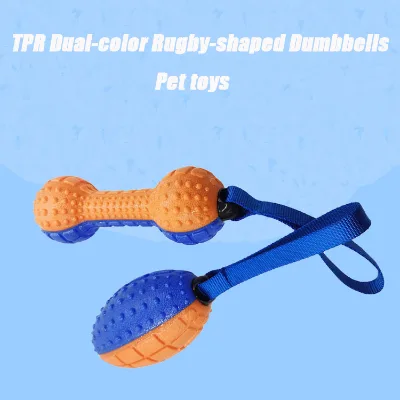
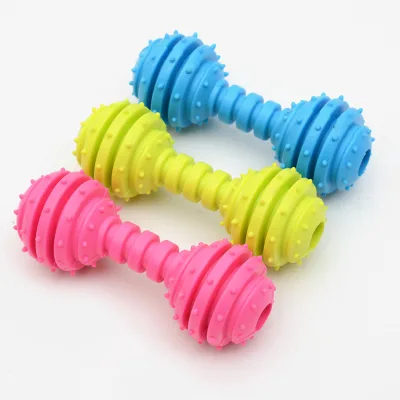
Comprehensive Sourcing Guide
Eco-Friendly TPR Barbell Pet Toy Sourcing Guide
Thermoplastic rubber (TPR) barbell-shaped dog toys occupy a practical niche in the pet products category: they are chewable, floatable, and shaped for easy gripping, while the material itself can be positioned as eco-friendly for retail messaging. For B2B buyers, this product family spans simple molded chew toys and more feature-rich squeaky designs, so defining your target spec before requesting quotes is the first commercial decision. Decide whether you need a floating barbell format, a squeaker insert, or a basic TPR chew toy, because these choices affect tooling, unit cost, and packaging.
This guide is built on observed listing data for thirty related products, including TPR barbell dog toys, generic dog chew toys, and TPR-material pet toys. Rather than presenting any single supplier as verified, it treats listing attributes as observations and explains what a professional buyer should confirm directly. The seven sections below cover product scope, technical verification, compliance documentation, commercial terms, supplier qualification, and long-term procurement controls, so your sourcing team can move from browsing listings to a defensible purchase decision.
Product Scope and Observed Listing Signals
The observed listings describe several distinct product formats within this category. One listing presents a "Pet paradise health benefits floating strong barbell dog TPR toy" (model D6689-1, brand JIANICAT) sized at 227.5CM or customized, made from TPR, with an eco-friendly feature claim and a red squeaky Christmas color variant. Other listings cover generic dog chew toys (model PCTD11, brand YYH, rubber product type chew toys) and a TPR-material dog toy (model PCTD25) sized 155cm. Applicable pets are listed as dogs, and usage is described as pet play. Treat these as category signals, not as confirmation that every listing carries every attribute.
Listing-level signals also reveal commercial structure. Observed MOQs in the dataset range from 100 pcs to 1000 pcs, with stated supply ability of 300,000 pieces per month on one barbell toy listing and delivery times of 30 days. Packaging appears as hangtags or OPP bags, with OEM/ODM availability and customized logo acceptance noted on several listings. Origin is concentrated in Zhejiang and Fujian, China, with dispatch ports at Ningbo or Shanghai. Use these patterns to shortlist listings, then verify each attribute against the actual supplier.
Technical Specifications to Verify
Material composition is the first specification to pin down. Listings identify TPR as the material, but buyers should request a material data sheet distinguishing virgin TPR from recycled or blended content, since the eco-friendly positioning depends on it. Confirm hardness (Shore A range), density, and whether the TPR is food-contact grade or at least formulated for prolonged oral contact. For the barbell format, verify dimensions against the listing: 227.5CM for the D6689-1 barbell toy and 155cm for the PCTD25 TPR toy, both with customization noted. Size directly affects suitability by dog breed.
Physical features require equal scrutiny. If you are sourcing the floating squeaky variant, confirm float performance, squeaker type and fixation method, and whether the squeaker can detach under aggressive chewing—a known safety consideration for chew toys. Request pre-shipment samples (listed sample time: 5-7 days) and test for tensile strength, tear resistance, and durability under repeated biting. Also confirm color consistency: observed color fields include "Red squeaky christma" and "mix," so approve a physical color standard rather than relying on listing photos.
Compliance and Safety Documentation
Observed certifications in the dataset include BSCI and SEDEX, which are social-compliance audits rather than product-safety certificates. That distinction matters: BSCI and SEDEX (Sedex Members Ethical Trade Audit) address factory labor and ethical trade conditions, so they support retailer vendor onboarding but do not by themselves prove the toy is chemically safe for dogs. Buyers should ask each supplier which product-level tests the specific TPR formulation has passed and obtain the actual reports, not just logo claims on a listing page.
Because pet toys face growing regulatory attention on heavy metals, phthalates, and other restricted substances, request documentation appropriate to your destination market and retail customers. Verify what the supplier can actually provide: a declaration of conformity, third-party lab reports naming the tested material and model number, and traceability of the TPR raw material lot. For any "eco-friendly" claim, ask what specifically substantiates it—material content, recyclability, or production process—so your marketing team can use language that survives retailer and regulatory review. Never assume a claim transfers across models in a supplier's catalog.
Cost Drivers and Commercial Terms
Unit cost in this category is driven by material weight, tooling complexity, and added features. The observed price range across the thirty listings runs from USD 0.15 to USD 3.99, reflecting the spread between small simple chew toys and larger barbell designs with squeakers. Customization raises cost further: listings note OEM/ODM availability, customized logo acceptance, and customized design, which typically involve mold charges. The D6689-1 listing explicitly offers "or customized" sizing, so confirm whether a new mold is required or existing tooling can be adapted before comparing quotes.
Commercial terms observed across listings include payment by T/T and L/C, with one listing adding Western Union; packaging as hangtag or OPP bag per the buyer's requirement; and delivery time of 30 days from ports at Ningbo or Shanghai. Sample time is 5-7 days. When negotiating, align MOQ with the observed range (100 to 1000 pcs on listed items) against your sell-through forecast, and clarify whether quoted prices include hangtag application, OPP bagging, and carton marking. A supplier with monthly capacity of 300,000 pieces can support program business, but confirm realistic allocation during peak season.
Supplier Qualification and Quality Control
Qualify suppliers in two layers: factory legitimacy and product capability. On the factory side, the observed BSCI and SEDEX certifications are useful anchors—request the actual audit report and validity dates, and confirm the audit covers the producing facility, not just a trading office. Verify business license scope covers pet toy manufacturing, and note the processing service "Moulding," which indicates in-house or contracted molding capability. Ask which production steps occur in-house versus outsourced, since this affects both quality control and confidentiality of your custom designs.
On the product side, build a QC plan before the first production order. Start with the 5-7 day sample to establish an approved reference, then define incoming material checks on the TPR resin, in-process controls on molding (flash, short shots, squeaker insertion), and a pre-shipment inspection protocol covering workmanship, dimensions, weight, color against the approved standard, and packaging per the hangtag/OPP requirement. Specify AQL sampling levels in your purchase contract and reserve the right to third-party inspection before shipment from Ningbo or Shanghai. Document everything so corrective actions are enforceable.
Long-Term Procurement Checks
Sustained supply depends on relationships that survive seasonality and staff turnover. Re-verify certifications annually, since BSCI and SEDEX audits expire and factory conditions change; ask for updated reports rather than relying on certificates supplied at onboarding. Track consistency across repeat orders by retaining golden samples, mold records, and material specifications for each model—D6689-1, PCTD11, PCTD25, or any custom number you commission. Confirm the supplier's ongoing capacity commitments in writing; a stated 300,000 pieces per month is an observation, and seasonal allocation should be contracted before peak production windows.
Manage risk through diversification and documentation. Because listings in this dataset cluster in Zhejiang and Fujian, consider dual-sourcing across origins or at least across factories to buffer regional disruptions, while keeping material specs identical so products remain interchangeable. Monitor lot-level traceability of TPR raw material so that any field quality issue—squeaker failure, color drift, or premature tearing—can be isolated quickly. Finally, review commercial terms yearly: payment terms, MOQ tiers, and tooling ownership should be renegotiated as volumes grow, and custom mold ownership should be explicitly documented to protect your ability to move production if needed.
FAQs
What material is used in this eco-friendly TPR barbell pet toy?
This toy is made from TPR, a thermoplastic rubber chosen for its durability and eco-friendly profile. The barbell design supports chewing and play, and the listed item is marketed for dogs. Buyers can request customization of size or design, with the standard barbell toy sized around 22 by 7.5 centimeters or produced to specification.
How long does production and sample preparation take for these dog toys?
Sample preparation typically takes 5 to 7 days, and bulk delivery is quoted at about 30 days after order confirmation. Actual timelines can vary with order quantity and customization requirements, so buyers should confirm both dates with the supplier before placing an order. Packaging options such as hangtags can also affect the schedule.
Which certifications do the listed TPR pet toy suppliers hold?
The listed products reference BSCI and SEDEX certification, which relate to responsible manufacturing and ethical audit practices. Buyers should confirm current certificate validity directly with suppliers, since certification status can change. For market-specific compliance requirements beyond these audits, request supporting documentation during supplier evaluation.
Can I customize the size, color, and logo of the TPR barbell dog toy?
Yes, customization is available. The standard size is 22 by 7.5 centimeters but customized dimensions are accepted, and OEM or ODM services are offered with customized logo printing supported. Colors can be mixed or produced to match reference pictures, and packaging can be arranged as hangtags, OPP bags, or per buyer requirements.
What is the minimum order quantity and monthly supply capacity?
The featured TPR barbell toy is listed with a 1000-piece MOQ, while other TPR dog chew toys in the range show MOQs starting at 100 pieces, so terms vary by product. Supply capacity for the barbell toy is stated at 300,000 pieces per month. Confirm the exact MOQ for your chosen model before ordering.
How are these pet toys packed and shipped from China?
Packaging options include hangtags or OPP bags with one piece per bag, and buyers can specify their own packaging requirement. Goods are dispatched from Ningbo or Shanghai ports, with origins in Zhejiang or Fujian, China. Payment terms include T/T and L/C, and Western Union is also accepted by some suppliers. Selling units are single items.