Source JD 210K Transmission Charge Pump for JD 435 310K 325K
Find 30 listings for the JD 210K Transmission Charge Pump compatible with JD 435, 310K, and 325K models. Buyers can compare specifications, prices, and delivery times from verified suppliers offering ISO/TS16949 certified parts.
Key considerations
Products List
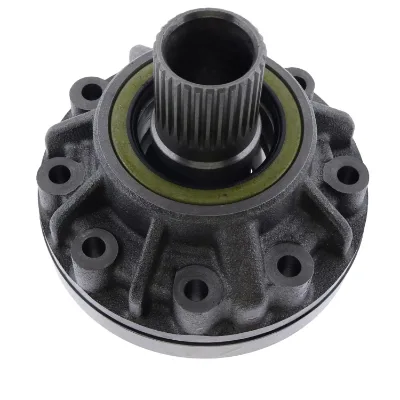
New Transmission Charger Pump AT310590 for JD 435 310K 310SL 325K 210K
$110.37 - $137.97
MOQ: 9 pieces
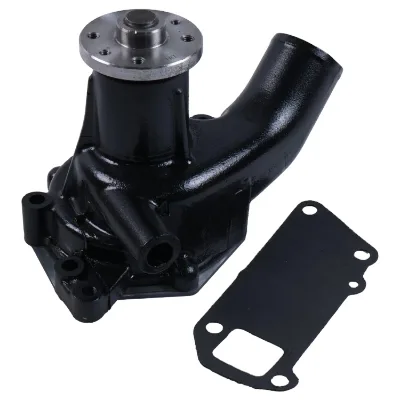


Aftermarket Transmission Charge Pump Hydraulic Gear Pump 119994A1 for 550e 855e
$80.00 - $150.00
MOQ: 1 Pieces

Transmission Charge Pump At440858 for John Deere 410j 410K 210K 210L Loader
$25.00 - $75.00
MOQ: 5 Pieces


Transmission Charger Pump Gear Pump At440858 At310590 for 310j 310K 310sj 310sk 325j
$140.00 - $148.00
MOQ: 1 Pieces




Comprehensive Sourcing Guide
JD 210K Transmission Charge Pump Sourcing Guide
Sourcing the correct transmission charge pump for the JD 210K requires a disciplined approach to verifying part compatibility and supplier reliability. The JD 210K is a heavy-duty construction machine where the transmission system relies on precise hydraulic pressure to maintain gear engagement and power transfer. A failure in the charge pump can lead to catastrophic transmission damage due to low oil pressure, making the selection of a high-quality replacement part critical for operational continuity. Buyers must navigate a market flooded with aftermarket options, distinguishing between generic replacements and parts engineered to meet specific OEM tolerances. This guide provides a structured framework for evaluating listings, verifying technical specifications, and ensuring commercial terms protect your procurement interests.
The core challenge in this category is the variance in part numbering and cross-reference accuracy. Suppliers often list multiple OE numbers to capture search traffic, but not all listed numbers may apply to your specific machine serial number. For instance, while some listings associate the AT310590 part number with JD models like the 435, 310K, and 325K, other listings may reference different part numbers such as 119994A1 or 02800926 for different applications. It is essential to cross-reference the physical dimensions, mounting flange configurations, and shaft specifications against your existing unit before placing an order. Relying solely on the model name without verifying the specific part number variant can result in receiving a pump that fits physically but fails hydraulically.
Product Scope and Observed Listing Signals
Market analysis reveals a wide range of pricing and minimum order quantities (MOQ) for transmission charge pumps, indicating a fragmented supplier base. Observed price points range from approximately $5 to $1,499 USD, reflecting differences in material quality, brand reputation, and included warranties. Similarly, MOQs vary significantly, with some suppliers offering single-unit purchases while others require bulk orders of up to 100 units. This disparity suggests that buyers should prioritize suppliers who offer flexible MOQs for initial testing, especially when evaluating new vendors. High-volume buyers may negotiate better terms, but for maintenance departments replacing a single failed unit, the focus should be on unit price stability and delivery speed rather than bulk discounts.
Listing descriptions often contain conflicting or redundant information that requires careful parsing. For example, some product titles may list "Transmission Charger Pump" while others specify "Water Pump" or "Oil Pump," despite the core keyword focusing on transmission charge pumps. This inconsistency highlights the need to scrutinize the detailed specifications rather than relying on the title alone. Attributes such as "100% new" and "Top Grade" are common marketing claims that must be validated through supplier communication and certification requests. Additionally, packaging details, such as "Neutral Packaging" or "Carton Box," can impact shipping costs and part protection, so buyers should confirm that the packaging is robust enough to prevent damage during transit, especially for international shipments.
Technical Specifications to Verify
Dimensional accuracy is the primary technical hurdle in sourcing replacement pumps. The single package size for many listed charge pumps is reported as 18x15x12 cm, with a gross weight of 4.000 kg, but these figures can vary based on the specific model and packaging method. Buyers must verify the exact mounting hole patterns, shaft diameter, and port configurations against their existing pump. For instance, while some listings mention a model number of AT310590, others may list 02800926 or 119994A1, which may have different physical dimensions. Requesting detailed engineering drawings or photos of the mounting interface from the supplier is a critical step to ensure compatibility with the JD 210K transmission housing.
Material composition and hydraulic performance are equally important factors. The pump body is typically made from aluminum alloy, which offers a balance of strength and weight, but the internal components, such as gears or vanes, must withstand high pressure and temperature. Listings often claim "Constant Pump" flow rates and "Automatic" performance, but these are generic terms that do not guarantee specific hydraulic curves. Buyers should inquire about the tested flow rate at specific RPMs and the maximum pressure rating. Additionally, the condition of the part should be confirmed as "100% new" rather than remanufactured, unless a remanufactured option is explicitly desired for cost savings. Verifying the material grade and manufacturing process helps ensure the pump will withstand the demanding conditions of construction equipment operation.
Compliance and Safety Documentation
Certification status is a key indicator of a supplier's manufacturing capabilities and quality management systems. Many suppliers claim compliance with ISO/TS16949, ISO9001, or CE standards, which suggest a structured approach to production and quality control. However, buyers should request valid certification documents to verify that the supplier’s facility is currently accredited and that the scope of certification includes the manufacturing of hydraulic pumps. A certificate that is expired or does not cover the specific product category may not provide the assurance needed for critical components. Additionally, some listings mention "ISO90001" or "CE" without further detail, so clarifying the exact standard and its relevance to hydraulic components is essential.
Safety and regulatory compliance extend beyond manufacturing certifications to include environmental and operational standards. While specific safety test results are not always provided in initial listings, buyers should ask for evidence of pressure testing and leak testing procedures. The "12 months" warranty offered by many suppliers is a significant commercial term that reflects confidence in product durability, but it is crucial to understand the terms and conditions of this warranty. Does it cover shipping costs for returns? Is it limited to manufacturing defects or does it include performance failures? Clarifying these details ensures that the warranty provides meaningful protection. Furthermore, verifying that the pump meets any local environmental regulations regarding fluid compatibility and material restrictions is important for long-term compliance.
Cost Drivers and Commercial Terms
Delivery time is a major cost driver in terms of operational downtime. Most suppliers offer a delivery window of 3-7 business days, which is relatively fast for international shipping, but this timeframe can be affected by customs clearance and logistics provider performance. Buyers should confirm whether the quoted delivery time includes shipping or if it refers only to production lead time. Using express couriers like DHL, TNT, UPS, or FedEx can reduce transit time but will increase the overall cost. For urgent repairs, the premium for express shipping may be justified by the cost of machine downtime, whereas planned maintenance can allow for slower, more cost-effective shipping methods.
Payment terms and currency fluctuations also impact the total cost of procurement. Common payment methods include T/T (Telegraphic Transfer) and MoneyGram, but buyers should negotiate secure payment terms such as escrow services or letters of credit for larger orders. The observed price range of $5 to $1,499 USD suggests that currency exchange rates can significantly affect the final cost for international buyers. It is advisable to lock in prices at the time of order confirmation to avoid fluctuations. Additionally, buyers should inquire about any hidden fees, such as handling charges or documentation fees, to ensure a transparent total cost. Understanding the full commercial landscape helps in budgeting accurately and avoiding unexpected expenses.
Supplier Qualification and Quality Control
Supplier qualification begins with verifying their production capacity and quality control processes. Buyers should request information about the supplier’s manufacturing facility, including the number of production lines and quality inspection stations. Suppliers that offer "100% Professional Tested" pumps provide an additional layer of assurance, indicating that each unit is tested before shipment. However, buyers should ask for details on the testing protocol, such as the duration and parameters of the tests. A robust quality control process should include visual inspection, dimensional verification, and hydraulic performance testing. Suppliers that are transparent about their QC procedures are more likely to deliver consistent quality.
Communication and responsiveness are also key indicators of supplier reliability. A qualified supplier should be able to provide detailed technical support, including cross-reference lists and installation guides. Buyers should assess the supplier’s ability to respond to inquiries promptly and accurately. Suppliers that offer customization options, such as neutral packaging or specific labeling, demonstrate flexibility and a customer-centric approach. Additionally, checking the supplier’s track record through customer reviews or references can provide insights into their reliability. Suppliers with a history of positive feedback and repeat business are generally safer choices for critical components like transmission charge pumps.
Long-Term Procurement Checks
Establishing a long-term relationship with a reliable supplier requires regular performance reviews and quality audits. Buyers should track key performance indicators (KPIs) such as on-time delivery rate, defect rate, and responsiveness to issues. Consistent performance in these areas indicates a stable supply chain, while recurring issues may signal underlying problems with the supplier’s processes. Regular communication with the supplier can help identify potential issues before they impact production. Additionally, buyers should stay informed about any changes in the supplier’s product line or certification status to ensure continued compliance.
Continuous improvement in procurement practices involves evaluating alternative suppliers and negotiating better terms over time. As the market evolves, new suppliers may emerge with competitive pricing or superior technology. Buyers should periodically review their supplier base to ensure they are getting the best value. Additionally, staying updated on industry trends and technological advancements in hydraulic pumps can help buyers make informed decisions about future purchases. By maintaining a proactive approach to supplier management, buyers can mitigate risks and ensure a steady supply of high-quality transmission charge pumps for their JD 210K equipment.
FAQs
What is the warranty period for the transmission charge pump?
The product comes with a 12-month warranty period to ensure reliability. This coverage applies to the New Transmission Charger Pump AT310590 designed for JD 435 and 310K models. Buyers can expect support for defects within this timeframe.
Which certifications does the manufacturer hold for this part?
The manufacturer holds ISO/TS16949 and ISO9001 certifications for quality assurance. These standards verify that the production processes meet international requirements for automotive parts. The product is also noted to meet CE standards.
How long is the delivery time for this transmission pump?
The standard delivery time is 3 to 7 business days after order confirmation. This lead time applies to the single item packaging which weighs 4.000 kg. Shipping methods include DHL, TNT, and UPS for global distribution.
Can I find this pump for JD 310SL and 325K models?
Yes, this pump is explicitly compatible with JD 310SL and 325K models among others. The application list includes JD 435, 310K, 310SL, 325K, and 210K. It serves as a direct replacement or repair part for these specific machines.
What is the minimum order quantity for this item?
The minimum order quantity is 1 unit, allowing for single item purchases. This flexibility supports buyers who need immediate replacements without bulk commitments. The selling unit is defined as a single item in the product listing.
What is the condition of the transmission charge pump?
The product is listed as 100% new and professionally tested. It is described as top grade quality suitable for immediate installation. The condition ensures it meets the requirements for replacing worn or damaged components in the specified machinery.
Where is the place of origin for this product?
The place of origin is Zhejiang, China, specifically noted as Hangzhou in some records. This location is the source for the manufacturing and packaging of the transmission pump. Buyers can expect the goods to originate from this region.