Source Jeans Garment Bag Zipper Puller for Bags, Garments, Shoes
Find and compare 30 options for Jeans Garment Bag Zipper Puller, including auto-lock sliders and custom designs. Evaluate zinc alloy and plastic materials, nickel-free standards, and MOQs from 500 to 2,000 pieces for textile sourcing needs.
Key considerations
Products List
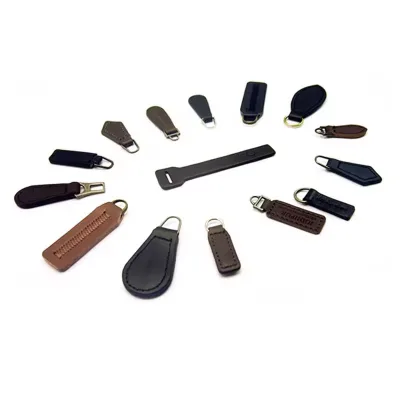


Custom Made Colorful Bag Metal Zipper Slider Puller for Handbag Garment
$0.06 - $0.10
MOQ: 10000 Pieces






Comprehensive Sourcing Guide
Jeans Garment Bag Zipper Puller Sourcing Guide
Sourcing zipper pullers for jeans, garments, and bags requires a nuanced understanding of component compatibility, material durability, and aesthetic customization. These small but critical hardware elements serve as the primary interface between the user and the closure system, directly influencing both the functionality and the perceived quality of the final product. Buyers must navigate a market where specifications vary widely, from standard auto-lock sliders to custom-designed leather or metal pulls, ensuring that each component aligns with the specific mechanical and visual requirements of the end item.
The procurement process involves balancing technical constraints with commercial flexibility. While some applications demand rigid adherence to size and locking mechanisms, others prioritize brand identity through custom logos, colors, and materials. This guide provides a structured approach to evaluating suppliers, verifying technical specifications, and managing commercial terms, ensuring that sourced zipper pullers meet the rigorous standards required for denim, apparel, and luggage manufacturing.
Product Scope and Observed Listing Signals
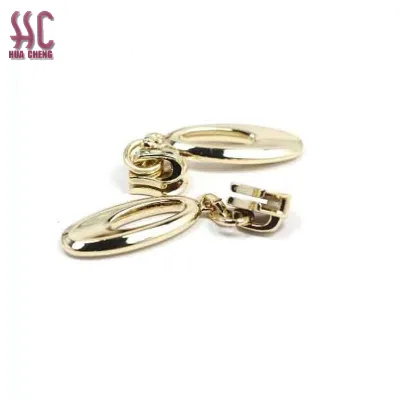
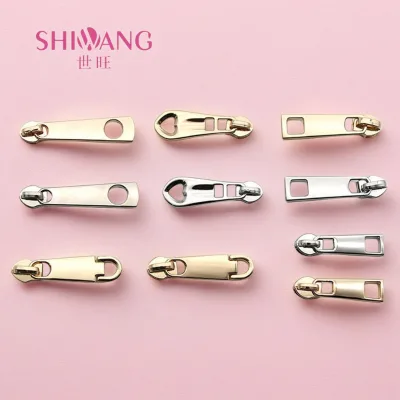
The market for zipper pullers encompasses a diverse range of product types, including auto-lock sliders, YG pullers, and closed-end variants designed for nylon, plastic, or metal zippers. Observed listings indicate that these components are frequently categorized under specific model numbers, such as 06045 or NCH0206, and are available in various sizes, including No.5, which is common for medium-weight applications like jeans and bags. The product scope extends beyond simple metal sliders to include leather zipper pullers and zinc alloy components, reflecting the need for both functional durability and aesthetic appeal in garment and bag manufacturing.
Listing signals reveal significant variability in customization options and minimum order quantities (MOQs). While some suppliers offer standard nickel or color-painted finishes with MOQs as low as 500 pieces, others require volumes of 2000 pieces per color for specialized finishes or custom designs. The observed price range is notably low, suggesting that these components are high-volume, low-cost items where economies of scale play a crucial role in pricing. Buyers should note that while some listings advertise "high quality" or "100% QC pass," these are general assertions that require independent verification through sample testing and supplier audits.
Technical Specifications to Verify
Verifying the technical specifications of zipper pullers is essential to ensure compatibility with existing zipper chains and tape. Key attributes to confirm include the slider type, such as auto-lock or non-lock mechanisms, and the specific size designation, which must match the zipper chain gauge. For jeans and heavy-duty bags, auto-lock sliders are often preferred to prevent accidental opening, while the material composition, whether zinc alloy, plastic, or leather, must be selected based on the intended usage and environmental exposure. Buyers should also verify the lock way, distinguishing between one-way auto-lock sliders and other locking mechanisms, to ensure the component functions as required in the final assembly.
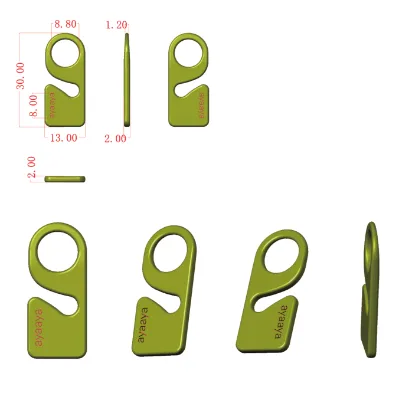
Customization capabilities are a critical technical consideration for brands seeking to differentiate their products. Suppliers may offer customization for logos, colors, and designs, accepting files in formats such as AI, CDR, PDF, and PSD. However, buyers must confirm the feasibility of these customizations, including the availability of specific Pantone colors and the ability to produce leather or metal pulls with precise branding. The single package size and gross weight, often listed as 10x10x10 cm and 0.050 kg respectively, are important for logistics planning, but the actual packaging configuration, whether carton or box, should be negotiated to optimize shipping efficiency and protect the components during transit.
Compliance and Safety Documentation
Compliance with material safety standards is paramount, particularly for products intended for consumer use in garments and bags. Buyers must verify that the zipper pullers meet lead content requirements, with some suppliers claiming lead content of less than 100ppm, which aligns with stringent international safety regulations. The feature of being nickel-free is another critical compliance aspect, as nickel allergies are common, and many markets restrict or prohibit the use of nickel in direct-contact hardware. Suppliers should provide documentation or test reports confirming these material compositions, ensuring that the components do not pose health risks to end users.
While some background information suggests adherence to standards like ISO 9001 or Oeko-Tex, buyers should not assume certification status without explicit verification from the supplier. Instead, procurement teams should request current certificates and audit reports to confirm that the supplier’s quality management systems and environmental practices meet the required benchmarks. The claim of "normal" or "nickel-free" standards should be cross-referenced with the specific regulatory requirements of the target market, ensuring that the sourced components comply with local laws and industry best practices for safety and environmental responsibility.
Cost Drivers and Commercial Terms
The cost of zipper pullers is influenced by several factors, including material choice, customization complexity, and order volume. Zinc alloy and leather components typically command higher prices than plastic alternatives due to material costs and processing requirements. Customization, such as specific Pantone colors, logo embossing, or unique designs, adds to the production cost and may increase the MOQ. Buyers should analyze the trade-off between customization and cost, determining the optimal balance between brand differentiation and unit price to maintain profitability.
Commercial terms, including MOQs and lead times, vary significantly among suppliers. While some suppliers offer low MOQs of 500 pieces, others require 2000 pieces per color, impacting inventory management and cash flow. Lead times for samples are often cited as 3-5 days, while production delivery times may range from 3-5 days to longer negotiated periods. Buyers should negotiate clear terms for sample orders, production lead times, and payment conditions, ensuring that the supplier can meet project deadlines without compromising quality. The observed low price range suggests that volume discounts may be available, encouraging buyers to consolidate orders to achieve better pricing.
Supplier Qualification and Quality Control
Supplier qualification involves assessing the manufacturer’s capability to produce consistent, high-quality zipper pullers. Buyers should verify the supplier’s production capacity, quality control processes, and ability to handle customization requests. The claim of "100% QC pass" and "high quality" should be supported by evidence of rigorous inspection protocols, including pre-production samples, in-process checks, and final random inspections. Suppliers with a track record of producing components for reputable brands in the garment and bag industries are often more reliable, as they have established processes for maintaining quality standards.
Quality control extends to the verification of material specifications and functional performance. Buyers should request samples to test the slider’s locking mechanism, durability, and finish quality, ensuring that the components meet the required performance standards. The ability to produce components according to specific requests, such as custom logos or colors, should be validated through sample approval before placing bulk orders. Suppliers who offer flexible packaging options, such as cartons or boxes, and provide clear documentation of product standards and origins, such as Guangzhou or other manufacturing hubs, are better positioned to support long-term procurement relationships.
Long-Term Procurement Checks
Long-term procurement success depends on establishing a robust supplier relationship that prioritizes consistency, communication, and continuous improvement. Buyers should conduct regular performance reviews, assessing the supplier’s ability to meet delivery deadlines, maintain quality standards, and respond to changes in design or volume requirements. The availability of customization services, such as logo printing and color matching, should be evaluated based on the supplier’s responsiveness and accuracy in fulfilling these requests. Maintaining open lines of communication and providing clear feedback on product performance can help identify areas for improvement and strengthen the partnership.
As market trends and regulatory requirements evolve, buyers must stay informed about changes in material safety standards, environmental regulations, and consumer preferences. Regularly updating the supplier qualification process and conducting periodic audits can help mitigate risks and ensure that the sourced zipper pullers continue to meet the required standards. By focusing on long-term collaboration rather than short-term cost savings, buyers can secure a reliable supply of high-quality zipper pullers that support the brand’s reputation and meet the demands of the global market.
FAQs
What material is used for the zipper puller?
The zipper puller is made from zinc alloy with a lead content under 100ppm. This ensures safety for garment and textile applications while maintaining durability for heavy use in bags and shoes.
Can I customize the color and logo of the slider?
Yes, customization is available for both color and logo. You can choose from nickel or color painting options, including all Pantone colors, and provide your design files in AI, CDR, PDF, or PSD formats.
What is the minimum order quantity for these sliders?
The minimum order quantity varies between 500 and 2000 pieces depending on the specific product model. Some listings require 2000 pieces per color, while others start at 500 pieces for standard orders.
How long does it take to receive a sample order?
Sample orders can be delivered within 3 to 5 days or as negotiated. The supplier supports a 7-day sample order lead time, allowing for quick evaluation of the product quality before bulk production.
Which zipper types are compatible with this slider?
This slider is designed for nylon, plastic, and metal zippers. It functions as a closed-end slider with auto-lock or non-lock mechanisms suitable for garments, home textiles, and bags.
Where are these zipper pullers manufactured?
These products originate from China, specifically from Guangzhou. The manufacturing location ensures access to established supply chains for zinc alloy components and plating processes used in the production.
Is the product certified as nickel-free?
Yes, the product features a nickel-free standard and meets quality requirements with 100% QC pass rates. This makes it suitable for international markets with strict regulations on hazardous materials in textiles.