Source Laser Welded EVA Dissecting Blade for shoe, rubber, foam
Compare 23 Laser Welded EVA Dissecting Blade options from verified Chinese suppliers. Buyers can evaluate high-carbon steel models with customized sizes and OEM support for EVA shoe, rubber, and foam factory applications; compare the available evidence and request quotations based on your requirements.
Updated
Key considerations
Products List




Comprehensive Sourcing Guide
Laser Welded EVA Dissecting Blade Sourcing Guide
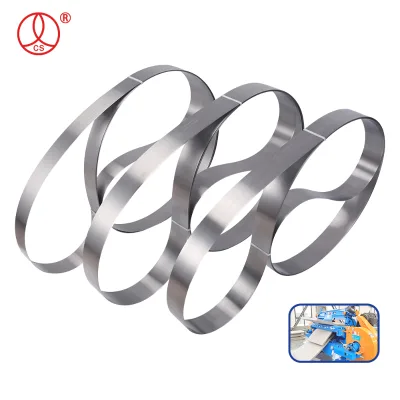
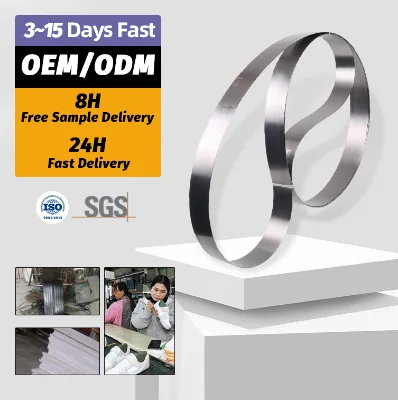
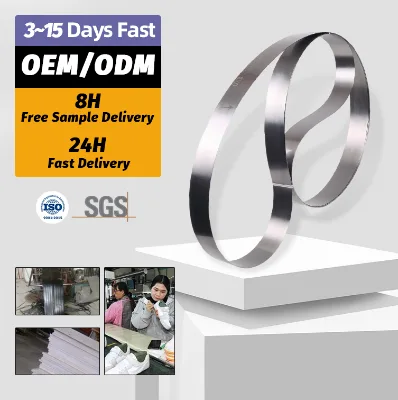
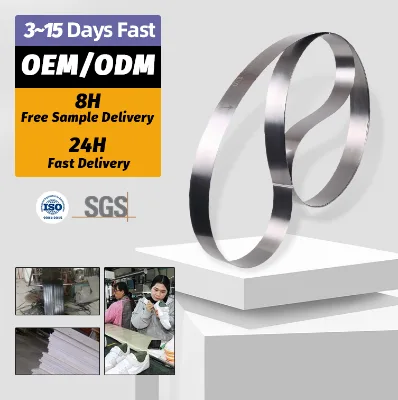
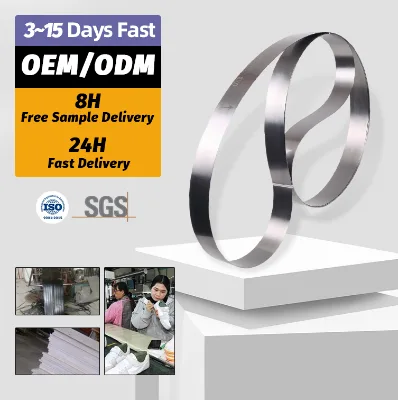
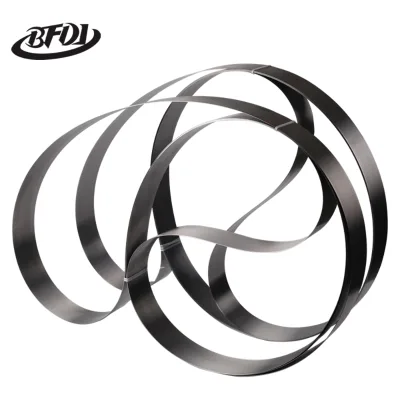
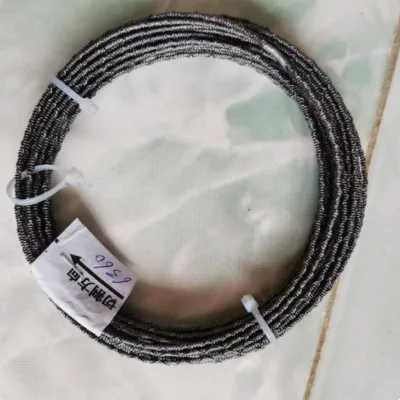
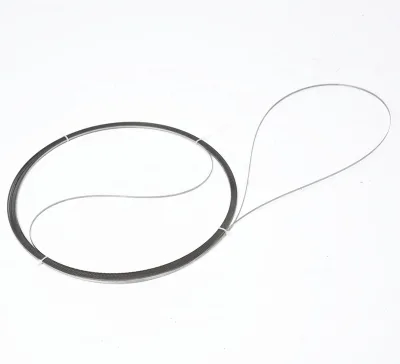
Procuring laser welded EVA dissecting blades requires a precise understanding of the specialized manufacturing processes and material properties that define their performance in industrial cutting environments. These blades are engineered specifically for use in EVA shoe rubber foam factories, where consistent cutting thickness and edge durability are critical for maintaining production efficiency. The core technology involves laser welding, a process that joins high-carbon steel segments to create a continuous band capable of handling the abrasive nature of foam materials. Buyers must recognize that the "laser welded" designation refers to the joining method, which impacts the blade's structural integrity and resistance to fatigue during high-speed operation.
The sourcing landscape for these components is characterized by significant customization options, allowing manufacturers to tailor blades to specific machine configurations and operational demands. Suppliers often offer OEM, ODM, and OBM support, enabling buyers to integrate proprietary specifications into the final product. This flexibility extends to the number of teeth per inch, blade width, and overall length, ensuring that the blade matches the exact requirements of the dissecting machine. Understanding these variables is essential for buyers who need to replace existing inventory or upgrade their production lines with more efficient cutting solutions that minimize material waste and downtime.
Product Scope and Observed Listing Signals
The market for EVA dissecting band knife blades presents a diverse range of options, with observed price points ranging from $0.79 to $65 USD and minimum order quantities varying between one and one hundred units. This wide variance reflects the degree of customization, material quality, and brand positioning associated with each listing. Buyers should note that while some products are marketed under generic terms, others are associated with specific brands like Changsheng, which may indicate a established supply chain or specific quality standards. The presence of multiple listings suggests a competitive market where buyers can negotiate terms based on volume and specific technical requirements.
Listing signals indicate that the primary material for these blades is high-carbon steel, often imported from Germany to ensure superior hardness and wear resistance. Some suppliers also offer blades made from tungsten steel or tungsten carbide, particularly for applications involving aluminum plastic film or corrugated paper, highlighting the versatility of the underlying technology. The observed single package size of 43x2.5x37 cm and a gross weight of 10.000 kg provide logistical benchmarks for shipping and handling. Buyers must carefully review these physical specifications to ensure compatibility with their storage facilities and handling equipment, as well as to calculate accurate freight costs.
Technical Specifications to Verify
When evaluating laser welded EVA dissecting blades, the cutting thickness capability is a critical technical parameter, with observed ranges typically falling between 0.9mm and 1.2mm. This specification determines the blade's ability to slice through EVA foam without tearing or compressing the material, which is vital for maintaining the aesthetic and structural integrity of shoe components. Buyers should verify that the selected blade model, such as the DD-05, aligns with their machine's speed and tension settings. Additionally, the blade width, observed between 60mm and 100mm, must match the guide rollers and tensioning mechanisms of the cutting equipment to prevent lateral drift or premature wear.
The blade length is another crucial specification, with observed ranges extending from 6 to 13 meters, depending on the machine's loop configuration. Customization options allow for precise length adjustments to fit specific machine models, ensuring optimal tension and cutting performance. The number of teeth per inch is also customizable, allowing buyers to select a tooth pitch that balances cutting speed with surface finish quality. For instance, a finer tooth pitch may provide a smoother cut on delicate foam, while a coarser pitch might be more suitable for thicker materials. Verifying these dimensions against the machine's technical manual is essential to avoid compatibility issues.
Compliance and Safety Documentation
While specific certification statuses are not explicitly detailed in the provided context, buyers should prioritize suppliers who adhere to recognized quality management standards, such as ISO9001:2015, to ensure consistent manufacturing processes. Compliance with safety regulations is paramount, particularly regarding the handling of high-speed rotating blades and the potential for metal fragmentation. Buyers should request documentation that confirms the blade's material composition and heat treatment processes, ensuring that the high-carbon steel meets industry standards for durability and safety. This documentation helps mitigate risks associated with blade failure during operation, which can lead to costly downtime and potential safety hazards.
Warranty terms provide an additional layer of protection for buyers, with observed warranties ranging from one year to three years depending on the product type and supplier. A longer warranty period often indicates the supplier's confidence in the product's longevity and performance. Buyers should carefully review the warranty conditions to understand what is covered, such as manufacturing defects or premature wear, and what is excluded, such as improper installation or misuse. Clear warranty terms facilitate easier resolution of issues and reduce the financial risk associated with initial procurement. Ensuring that the warranty is backed by reliable after-sales support, such as online assistance, is also crucial for maintaining operational continuity.
Cost Drivers and Commercial Terms
The cost of laser welded EVA dissecting blades is influenced by several factors, including the grade of steel used, the complexity of the laser welding process, and the level of customization required. High-carbon steel imported from Germany typically commands a higher price due to its superior quality and performance characteristics. Buyers should consider the total cost of ownership, which includes not only the purchase price but also the cost of installation, maintenance, and potential downtime due to blade failure. Investing in higher-quality blades may result in lower long-term costs due to increased lifespan and better cutting performance.
Commercial terms such as minimum order quantities (MOQ) and supply ability also impact the overall procurement strategy. With observed MOQs ranging from one to one hundred units, buyers have flexibility in ordering smaller quantities for testing or larger volumes for production. Suppliers with a supply ability of 10,000 pieces per month can accommodate large orders, ensuring timely delivery for high-volume production needs. Buyers should negotiate terms that align with their production schedule and inventory management strategies, considering factors such as payment terms, shipping methods, and port of dispatch, which is often Shanghai for these products.
Supplier Qualification and Quality Control
Evaluating supplier qualification is essential for ensuring the reliability and consistency of laser welded EVA dissecting blades. Buyers should assess the supplier's manufacturing capabilities, including their experience with laser welding technology and their ability to produce customized blades. Suppliers offering OEM, ODM, and OBM support demonstrate flexibility and a commitment to meeting specific customer requirements. Additionally, buyers should verify the supplier's quality control processes, including material inspection, welding integrity checks, and final product testing. A robust quality control system ensures that each blade meets the specified technical parameters and performs reliably in industrial applications.
The place of origin, often Guangdong or Shanghai in China, can provide insights into the supplier's industrial ecosystem and supply chain efficiency. Suppliers located in these regions may have access to a wider range of raw materials and specialized manufacturing services, potentially offering competitive pricing and faster lead times. Buyers should also consider the supplier's reputation and track record, looking for evidence of consistent performance and customer satisfaction. Requesting samples for testing before placing large orders is a prudent step to verify the blade's quality and compatibility with existing equipment.
Long-Term Procurement Checks
Establishing long-term procurement relationships with reliable suppliers is crucial for maintaining consistent supply and quality of laser welded EVA dissecting blades. Buyers should conduct periodic reviews of supplier performance, including delivery times, product quality, and after-sales support. Regular communication with suppliers can help identify potential issues early and facilitate continuous improvement in product quality and service. Additionally, buyers should stay informed about advancements in blade technology and materials, such as new coatings or steel grades, that may offer improved performance or cost savings.
Monitoring market trends and pricing fluctuations can help buyers make informed procurement decisions and negotiate favorable terms. Buyers should also consider diversifying their supplier base to mitigate risks associated with supply chain disruptions. By maintaining a strategic approach to procurement, buyers can ensure a steady supply of high-quality blades that support their production goals and operational efficiency. Regularly updating technical specifications and requirements based on production needs and feedback from machine operators can further optimize the procurement process and enhance overall productivity.
FAQs
What material is used for the Laser Welded EVA Dissecting Blade?
The blade is made from high-carbon steel imported from Germany. This material ensures durability and sharpness for cutting EVA shoe rubber foam. The manufacturing process involves laser welding to join the blade segments securely. This construction supports precise cutting thicknesses ranging from 0.9 to 1.2mm for industrial applications.
Can the blade size and teeth per inch be customized?
Yes, both the size and teeth per inch are fully customized. Buyers can request specific dimensions and tooth configurations to match their machinery. The product supports OEM, ODM, and OBM customization services. This flexibility allows factories to adapt the blade to their exact production requirements and operational standards.
What is the warranty period for this EVA dissecting band knife blade?
The warranty period is typically one year for standard models. Some listings indicate a warranty of up to 1.5 years or even three years depending on the specific supplier agreement. Buyers should verify the exact warranty terms with the manufacturer before purchase. Online support is often provided for after-warranty service inquiries.
Where is the place of origin for these laser welded blades?
The primary place of origin is Guangdong, China. Some related products may originate from Shanghai, China. These regions are known for manufacturing industrial cutting tools. Buyers can expect efficient logistics and supply chain integration from these manufacturing hubs in China for global distribution.
What is the minimum order quantity for these blades?
The observed minimum order quantity ranges from 1 to 100 pieces. This low MOQ allows buyers to test the product quality before committing to larger orders. The exact MOQ may vary by supplier and customization level. Buyers should confirm the specific MOQ with the vendor to ensure it meets their initial procurement needs.
How is the blade finished and coated for performance?
The finishing process is customized according to buyer requirements. Coatings can be applied to enhance durability and cutting efficiency. The laser welding process ensures a strong bond between blade segments. This combination of customization and advanced finishing techniques helps maintain sharpness and reduces wear during high-speed industrial cutting operations.