CNC Lathe Machine Carbide Insert Suppliers and Manufacturers
Source 27 verified suppliers for CNC Lathe Machine Carbide Insert. Compare locations in China, ISO 9001 certifications, lead times, and MOQs. Filter by response time and pricing to identify suitable partners for your machining needs; review the available evidence before requesting comparable quotations from suitable candidates.
Updated
Suppliers List

- Combined
- China Hunan
- Lead time15 days
- Avg. response≤ 4h
Main productscarbide tool
Main marketsDomestic

Weifang Runlian Economic and Trade Co., Ltd.
- Verified by BV
- Manufacturer/Factory
- China Shandong
- Lead time45 days
- Avg. response≤ 2h
Main productsVertical Machining Center, CNC Lathe Machine, CNC Cutting Tools, Turning Tool, Tool Holder, 5 Axis CNC Machine, Grinding Machine, Angle Head, Milling Head, Drilling
Main marketsEastern Europe

Pingyuan Haotian Machinery Co., Ltd.
- Verified by SGS
- Combined
- China Shandong
- Lead time30 days
- Avg. response≤ 4h
Main productsCollet, Collet Chuck
Main marketsOthers(foreignTradeCapacity.exportBusinessCapacityMarketOther),Europe

SHENZHEN KALEAD TOOLS CO., LTD.
- Manufacturer/Factory
- China Guangdong
- Lead time45 days
- Avg. response≤ 3h
Main productsDies Casting and Plastic Mold, Copto Tool Holder, Mill Cutter, Mold Parts, PCD Tools, Collet and Guide Bush, CNC Insert, Milling Toolholder, Woodworking Tools, Stamping Mold
Main marketsSouth America,Eastern Europe,North America,Southeast Asia,Eastern Asia,Western Europe


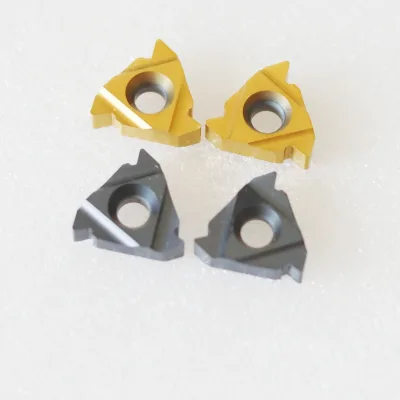
Carbide Thread Insert Turning Milling Cutting Tools CNC Machine Tools Insert
$7.50 - $8.00
MOQ: 10 Pieces


Zhuzhou Lizhou Cemented Carbide Co., Ltd.
- Verified by BV
- Combined
- China Hunan
- Lead time23 days
- Avg. response≤ 2h
Main productsTungsten Carbide Drawing Die, Pellets, Tungsten Carbide Rolling Rolls, Carbide Plates/ Blocks/Tips, Carbide Buttons, Tungsten Carbide Saw Tips, Carbide Rods, Carbide Disc Cutter, Carbide Rotary Burrs, Carbide Cold Heading /Punching Dies
Main marketsSoutheast Asia/ Mideast,Europe


Carbide Milling Inserts for CNC Lathe Machines Tungsten Carbide Insert Hnmu
$0.60 - $1.20
MOQ: 10 Pieces


Xiamen Amazing Electronic Commerce Co., Ltd.
- Manufacturer
- Fujian, China
- Lead time0 days
- Avg. response≤ 5h
Main productsTurning Insert,Milling Insert,Indexable Milling Cutter,Grooving Insert,Carbide Inserts
Main marketsWestern Europe(20.00%), Eastern Europe(20.00%), Mid East(20.00%), North America(20.00%), Southeast Asia(10.00%), South America(10.00%)
Ningbo Hanchen Technology Co., Ltd.
- Verified by TüVRheinland
- Manufacturer, Trading Company
- Lead time0 days
- Avg. response≤ 5h
Main productsTool Holder, U Drill, Milling Cutter, Inserts, End Mills
Main marketsEastern Europe(60%), Domestic Market(20%), South America(10%)
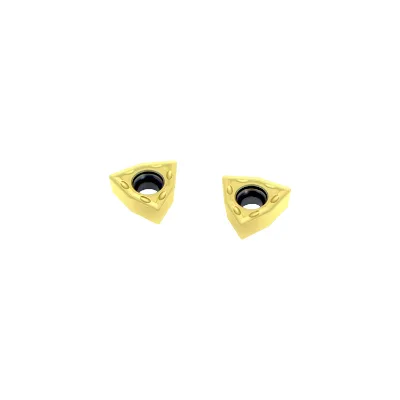
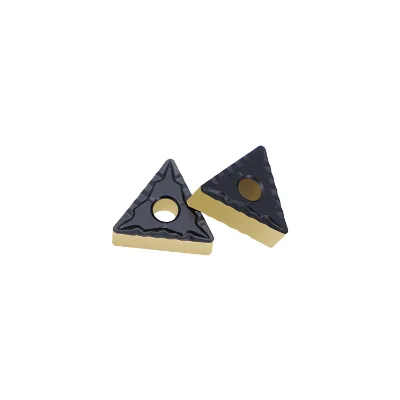
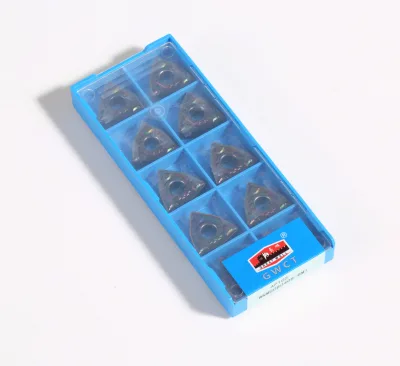
Cnc Machine Turning Tool Insert Stainless Steel Material Turning Insert Tnmg
$0.60 - $2.00
MOQ: 10 pieces
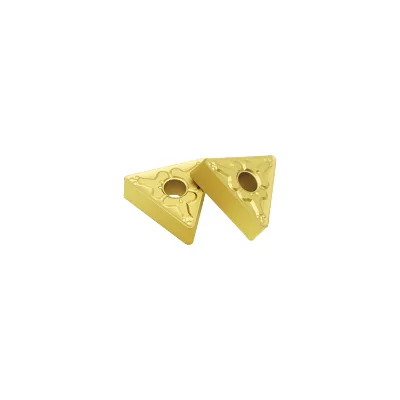

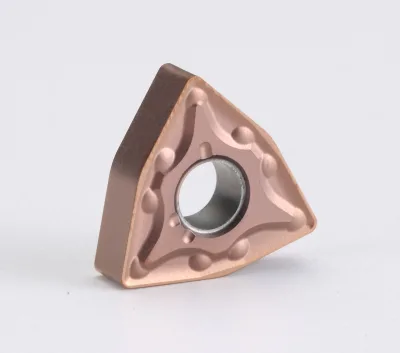
$1.324 - $1.4691
MOQ: 10 pieces

Zhuzhou Lifa Cemented Carbide Industrial Co., Ltd.
- Combined
- China Hunan
- Lead time23 days
- Avg. response≤ 6h
Main productsCarbide Milling Inserts, Carbide Turning Inserts, Cermet Inserts, Inserts for Machining Aluminum, Inserts for Parting and Grooving, Other Customerized Cutting Tools
Main marketsSouth America,Africa,Southeast Asia/ Mideast,East Asia(Japan/ South Korea),Domestic,Europe,Australia,North America


Machine Tool Inserts CNC Tungsten Carbide Milling Insert Turning Tool for Lathe
$1.20 - $1.60
MOQ: 20 Pieces

CNC Tungsten Carbide Milling Insert Turning Tool Lathe OEM Turning Inserts
$1.20 - $1.60
MOQ: 20 Pieces


CNC Tungsten Carbide Milling Insert Turning Tool for Lathe Customized OEM Support
$1.20 - $1.60
MOQ: 20 Pieces


Zhuzhou Lihua Cemented Carbide Co., Ltd.
- Verified by BV
- Combined
- China Hunan
- Lead time23 days
- Avg. response≤ 14h
Main productsTungsten Carbide Rods, Tungsten Carbide Strips, Tungsten Carbide Anti Vibration Tool Holder, Tungsten Carbide Sleeves, Tungsten Carbide CNC Inserts, Tungsten Carbide Nozzles, Tungsten Carbide End Mill, Tungsten Carbide Mining Tips, Tungsten Carbide Drill Bits, Tungsten Carbide Customized Parts
Main marketsSoutheast Asia/ Mideast,Europe,North America
Chongqing Baiguan Electromechanical Co., Ltd.
- Verified by SGS Group
- Trading Company
- Lead time0 days
- Avg. response≤ 2h
Main productsCarbide Insert , Carbide End Mill, Carbide Drill
Main marketsDomestic Market(30%), Northern Europe(12%), North America(10%)

Harbin Dongan Lifeng Cutter Co., Ltd.
- Manufacturer, Trading Company
- Heilongjiang, China
- Lead time30 days
- Avg. response≤ 10h
Main productsTurning Tools,Milling Cutters,Drill Bits,Reamers,Profile Cutters
Main marketsDomestic Market(80.00%), Southeast Asia(10.00%), Mid East(5.00%), Eastern Europe(2.00%), Northern Europe(2.00%), Africa(1.00%)
Shandong Denso Precision Tools Co., Ltd.
- Manufacturer, Trading Company
- Shandong, China
- Lead time10 days
- Avg. response≤ 4h
Main productsCNC Tools, CNC Milling Tool Holder, CNC Face Milling Cutter, CNC Turning Tool Holder, CNC Equipment
Main marketsDomestic Market(70.00%), Southeast Asia(8.00%), Eastern Europe(6.00%), Oceania(5.00%), North America(4.00%), South America(2.00%), Mid East(2.00%), South Asia(1.00%), Western Europe(1.00%), Northern Europe(1.00%)

Zhuzhou Zhirong Advanced Materials Co., Ltd.
- Manufacturer/Factory
- China Hunan
- Lead time0 days
- Avg. response≤ 11h
Main productsCemented Carbide Rods, Carbide Insert and Tools, Cermet Insert, CNC Insert and Tools, Grooving Insert and Tools, Cemented Carbide Section Bars, Cemented Carbide Strip, Cemented Carbide Wire, Hardmetal Rods with Helical Holes/Ducts, Threading Inserts and Tools
Main marketsSouth America,Eastern Europe,Mid East,North America,Southeast Asia,Oceania,Western Europe,Africa

CNC Carbide Inserts and Lathe Machine Milling Inserts/Turning Inserts/Turning Tool
$0.28 - $0.35
MOQ: 100 Pieces


Zhuzhou New Cermets Material Co., Ltd.
- Manufacturer/Factory
- China Hunan
- Lead time15 days
- Avg. response≤ 5h
Main productsTungsten Carbide Inserts, Carbide Inserts, Cutting Tool, Milling Insert, Turning Insert, Drilling Insert, Round Bar, Cermet Insert, Grooving Insert, Thread Insert
Main marketsSouth America,Eastern Europe,Mid East,North America,Southeast Asia,Eastern Asia,Oceania,Western Europe,Africa

Zhuzhou Jinggong Cemented Carbide Co., Ltd.
- Verified by CTI
- Manufacturer/Factory,Other
- China Hunan
- Lead time23 days
- Avg. response≤ 20h
Main productsCarbide Saw Tips, Tungsten Carbide Tips, Carbide Inserts, Cemented Carbide Brazed Tips, Cemented Carbide, Carbide Cutting Tips, Tungsten Carbide Buttons, Tungsten Carbide Bars, Carbide Mining Tips, Tungsten Carbide Dies
Main marketsSouth America,Eastern Europe,Mid East,North America,Southeast Asia,Eastern Asia,Oceania,Western Europe,Africa
Henan Huanghe Whirlwind International Co., Ltd.
- Manufacturer, Trading Company
- Lead time旺季: "1 - 50":7,"> 50":"To be negotiated", 淡季: "1 - 50":7,"> 50":"To be negotiated"
- Avg. response≤ 4h
Main productsDiamond Tools, PCD, CBN
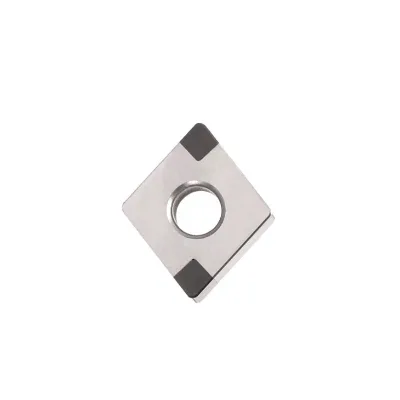
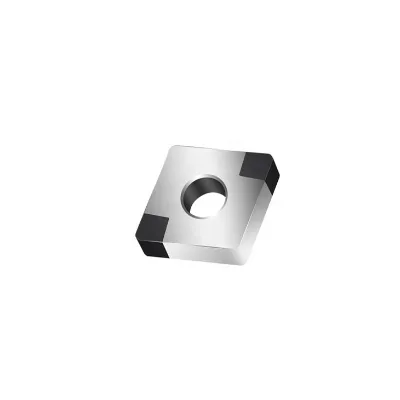
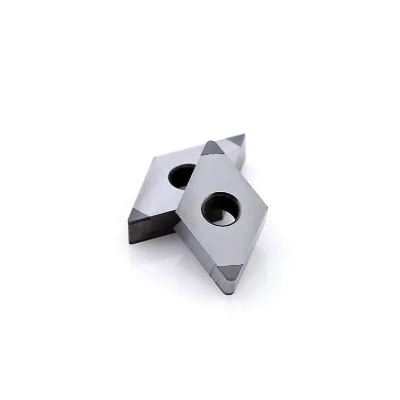
Carbide Inserts Lathe Tools High Quality External Turning Tool CNC Cutting
$3.90 - $12.00
MOQ: 5 pieces

Taizhou Qida Cnc Cutting Tools Co.,Ltd.
- Verified by SGS
- Manufacturer/Factory
- China Zhejiang
- Lead time0 days
- Avg. response≤ 4h
Main productsCarbide Insert, Holder, Collect, U Drill

Jinan Terry Cnc Tool Limited Company
- Verified by BV
- Trading Company
- China Shandong
- Lead time30 days
- Avg. response≤ 9h
Main productsCNC Cutting Tools, CNC Carbide Insert, Carbide End Mills, Drill, Tool Holder, Collect Chuck, Measuring Tools, Vern Calier
Main marketsSouth America,Europe

Zhuzhou Century Tool Co., Ltd.
- Manufacturer
- Hunan, China
- Lead time60 days
- Avg. response≤ 3h
Main productsrotary burrs,machine knives,paper cutting knives,carbide blades,pulverizer machine parts
Main marketsNorth America(10.00%), Southeast Asia(5.00%), Mid East(5.00%), Eastern Asia(5.00%), Western Europe(3.00%), South Asia(3.00%), Northern Europe(3.00%), Central America(2.00%), Eastern Europe(2.00%), Southern Europe(2.00%), Domestic Market(1.00%), Oceania(1.00%), South America(1.00%), Africa(1.00%)

- Trading Company
- Zhejiang, China
- Lead time30 days
- Avg. response≤ 9h
Main productsturning inserts,grooving inserts,threading inserts,milling inserts,drilling inserts
Main marketsDomestic Market(50.00%), South Asia(20.00%), Eastern Europe(15.00%), Southeast Asia(10.00%), South America(5.00%)

Zhuzhou Miller Cemented Carbide Co., Ltd
- Verified by SGS
- Combined
- China Hunan
- Lead time23 days
- Avg. response≤ 3h
Main productsCarbide Balls, Carbide Grinding Jars, Carbide Rings, Carbide Discs, Carbide Plates, Carbide Classifying Wheel, Carbide Sleeves&Bushings, Carbide Guide Rollers, Carbide Rotary Burrs, Carbide Wearing Plate
Main marketsSouth America,Europe,North America

- Verified by BV
- Trading Company,Manufacturer/Factory
- China Henan
- Lead time38 days
- Avg. response≤ 9h
Main productsMagnesium Forged Wheel, Magnesium Heatsink, Magnesium Welding Wire, Cathodic Protection, Magnesium Die Casting, Magnesium Anode Rod for Water Heater, Magnesium Plate
Main marketsSouth America,Eastern Europe,North America,Southeast Asia,Western Europe

High Quality Lathe Cutting Tools CNC Carbide Insert for Metal Processing
$0.03 - $0.09
MOQ: 1000 Pieces

Guangzhou Diaoke Automation Equipment Co., Ltd.
- Manufacturer, Distributor/Wholesaler
- Guangdong, China
- Lead time0 days
- Avg. response≤ 13h
Main productsmilling cutter,CNC accessories
Main marketsNorth America(25.00%), Western Europe(15.00%), Eastern Europe(10.00%)
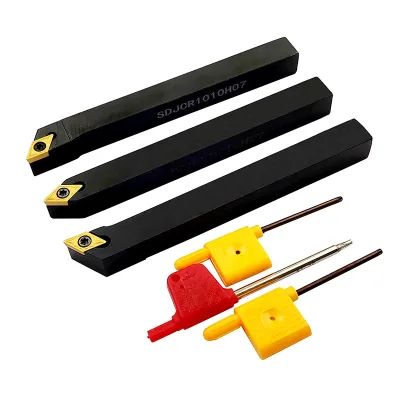
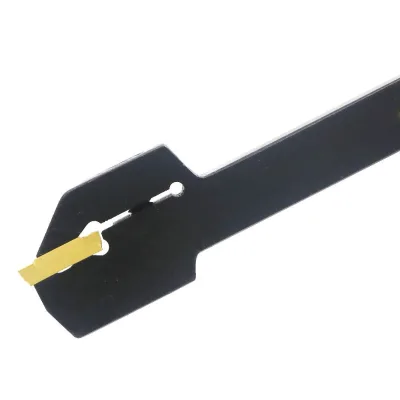
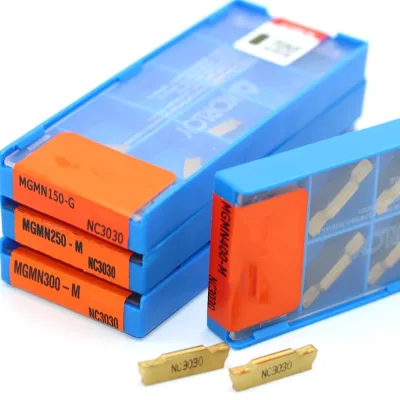
12Mm One MGEHR1212-2 + MGMN200 Carbide Blade Three Pieces Carbide Inserts
$8.50 - $10.20
MOQ: 10 pieces
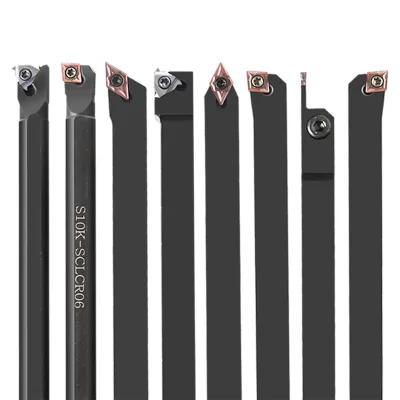
Numerical Control Lathe Tool Boring bar Lathe Carbide Tool Insert SCLCR MWLNR MGEHR Milling Cutter
$4.25 - $6.99
MOQ: 10 pieces

Dezhou Borui Precision Co., Ltd.
- Manufacturer, Trading Company
- Shandong, China
- Lead time20 days
- Avg. response≤ 3h
Main productsCollets,Tool Holders,Vises,Lathe Chucks,Tapping Machine
Main marketsWestern Europe(45.00%), North America(45.00%), Southeast Asia(5.00%), South America(3.00%), Eastern Europe(2.00%), Oceania(1.00%)
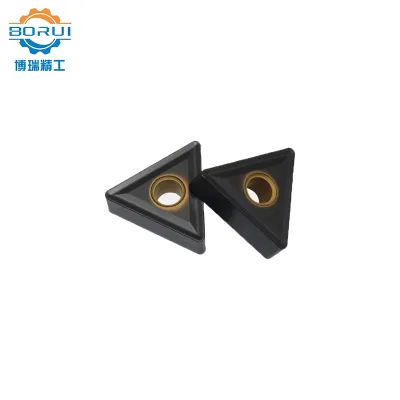
$3.4962 - $3.5994
MOQ: 10 pieces
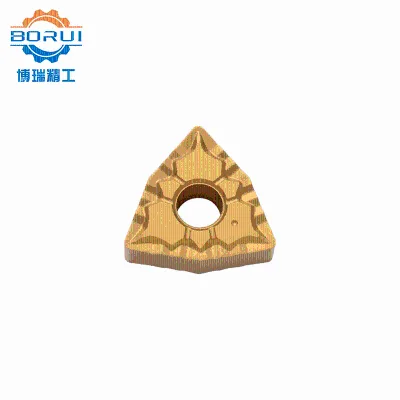
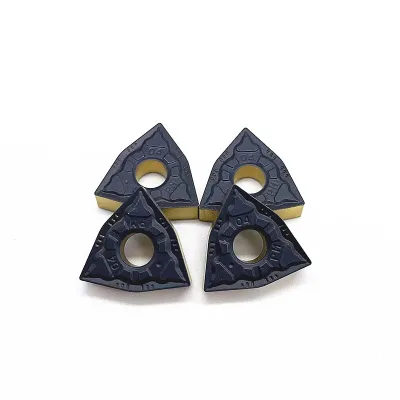
WNMG080408 MT WNMG080404 Carbide Inserts High Quality External CNC Cutting Tools Turning Insert
$2.057 - $2.5716
MOQ: 10 pieces
Jinan Terry CNC Tool CO., LTD.
- Trading Company
- Shandong, China
- Lead time0 days
- Avg. response≤ 5h
Main productsDrill Bits, Carbide Insert, End Mills, Tool Holders, Measuring Tools
Main marketsEastern Europe(50.00%), South America(10.00%), Mid East(8.00%), North America(5.00%), Western Europe(5.00%), Northern Europe(5.00%), Southeast Asia(5.00%), South Asia(4.00%), Southern Europe(4.00%), Oceania(2.00%), Eastern Asia(2.00%)
ZhuZhou HGtool Tungsten Carbide Co.,Ltd
- Trading Company
- Hunan, China
- Lead time3 days
- Avg. response≤ 4h
Main productsTungsten Carbide Composite Rod,Tungsten Carbide Grits,Tungsten Carbide Non-magnetic Composite Rod,Tungsten Carbide Insert,Tungsten carbide brazed tips
Main marketsSoutheast Asia(35.00%), Domestic Market(24.00%), Mid East(15.00%), Eastern Europe(10.00%), Africa(8.00%), South America(8.00%)
Dongguan Koves Precision Tools Co., Ltd.
- Verified by Intertek
- Manufacturer, Trading Company
- Lead time10 days
- Avg. response≤ 4h
Main productsPCBN/PCD Inserts, Ceramic Inserts, Milling, Drilling, Carbide Inserts
Main marketsEastern Europe(19%), Western Europe(19%), Domestic Market(18%)






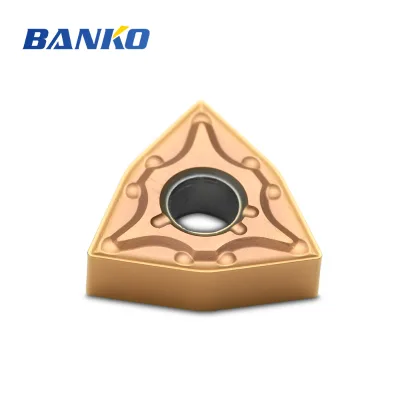
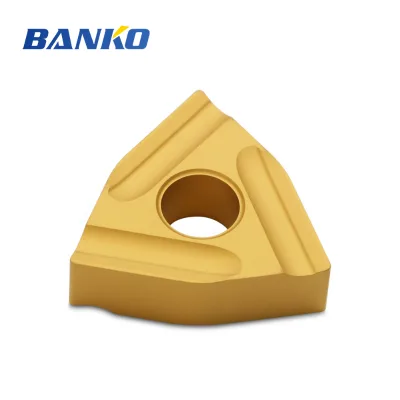


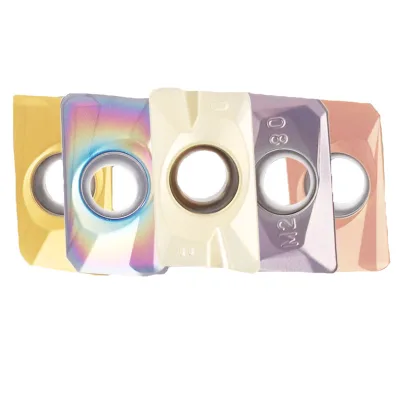

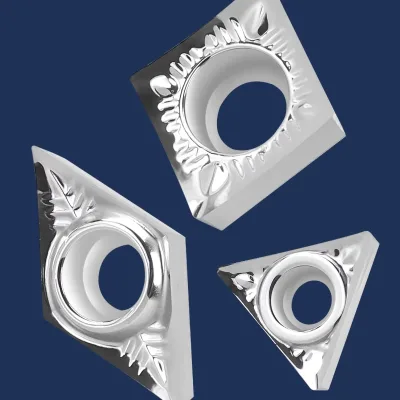
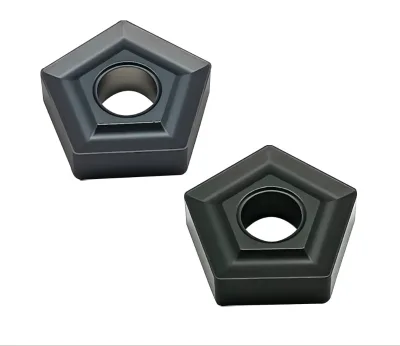
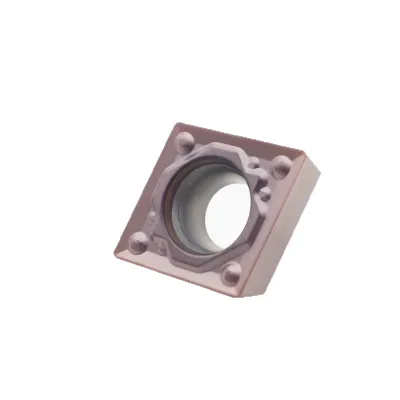
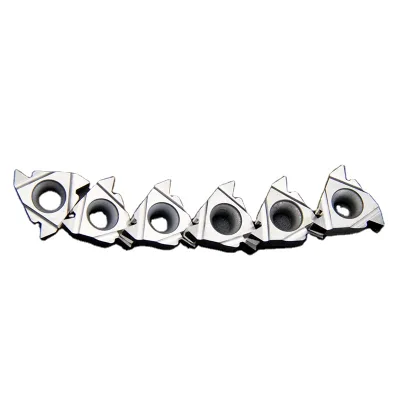
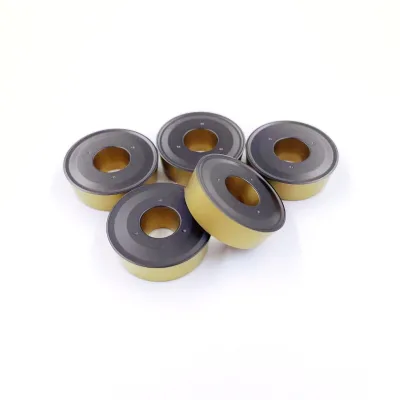
Comprehensive Sourcing Guide
CNC Lathe Machine Carbide Insert Supplier Concentration and Factory Types
Current data indicates a concentration of suppliers in specific Chinese provinces, with Hunan and Shandong emerging as notable locations for this category. Hunan-based entities often list Zhuzhou City as their origin, a region historically associated with tungsten and carbide production. Shandong suppliers frequently highlight a broader manufacturing scope, including vertical machining centers and five-axis CNC machines alongside their cutting tool offerings. These geographic clusters suggest established supply chains for raw materials like tungsten carbide, which is critical for producing high-performance inserts. Buyers should verify if a supplier's stated location matches their actual production facility, as some entities may operate as trading companies despite claiming factory status.
The supplier landscape includes a mix of combined companies and dedicated manufacturers or factories. Some entities identify as combined types, offering both OEM and ODM services alongside their own brands, while others strictly operate as manufacturers with factory certifications. This distinction is vital for buyers seeking custom specifications or direct production control. A manufacturer might offer deeper technical support for complex insert geometries, whereas a combined entity could provide broader product ranges including tool holders and machine accessories. Understanding the company type helps buyers align their procurement strategy with the supplier's operational capabilities and potential for long-term partnership development.
How to Verify CNC Lathe Machine Carbide Insert Suppliers
Verification begins with checking for recognized third-party audit badges, such as BV verification, which signals that an independent body has assessed the supplier's business operations. Some suppliers display system certifications like ISO 9001, indicating adherence to quality management standards, though buyers must confirm the validity of these certificates through official registries rather than relying solely on the supplier's claim. Response time metrics, such as a 1.13-day average, can also serve as a proxy for operational efficiency and customer service readiness. A supplier with a rapid response time is more likely to address technical queries regarding insert grades or coating options promptly, reducing the risk of communication delays during the sourcing process.
Buyers should also scrutinize the specific product evidence provided, such as detailed attributes for tolerance classes, coating types, and material compositions. For instance, listings specifying PVD/CVD coatings and tolerance classes like H demonstrate a level of technical transparency that suggests a mature manufacturing process. The presence of detailed product attributes, including corner radii ranging from 0.2 to 3.2 mm and specific insert types like Cnmg or Dnmg, indicates that the supplier maintains a comprehensive inventory or production line capable of meeting diverse machining needs. Cross-referencing these technical details with the supplier's stated main products ensures that the entity is genuinely specialized in carbide inserts rather than a generalist trading firm with limited stock.
What to Compare Across CNC Lathe Machine Carbide Insert Suppliers
When evaluating potential partners, lead time is a critical differentiator that impacts production scheduling and inventory management. Data shows lead times varying significantly, with some suppliers offering 15-day delivery windows while others require up to 45 days. This variance often correlates with the supplier's capacity to handle custom orders versus standard stock items. Buyers must align their order timelines with these lead times to avoid production bottlenecks, especially when sourcing specialized inserts with custom geometries or specific coating requirements. A shorter lead time does not always guarantee better quality, so it should be weighed against the supplier's track record for consistency and defect rates.
Minimum Order Quantity (MOQ) and pricing structures also require careful comparison to ensure cost-effectiveness for the buyer's specific volume needs. MOQs can range from as low as 10 pieces for certain high-performance inserts to 500 pieces for standard catalog items, influencing the initial capital outlay. Price ranges further vary, with some products listed between $0.80 and $1.50 per unit, while specialized grooving inserts may cost between $8.30 and $9.60. Buyers should calculate the total cost of ownership, including shipping and potential customs duties, rather than focusing solely on the unit price. Comparing these commercial terms across multiple suppliers helps identify the most competitive offers that balance cost, volume flexibility, and delivery speed.
Common CNC Lathe Machine Carbide Insert Sourcing Risks
One significant risk involves the discrepancy between advertised material specifications and actual product composition. While some listings claim materials like ceramic or stainless steel for specific components, the core insert material is typically cemented carbide or tungsten steel. Buyers must verify that the material attributes match the intended application, such as machining steel, cast iron, or stainless steel, to prevent premature tool failure. Inconsistent material quality can lead to increased downtime and higher replacement costs, negating any initial savings from a lower-priced supplier. Rigorous sampling and testing are essential to confirm that the inserts meet the required hardness and wear resistance standards for the specific machining operation.
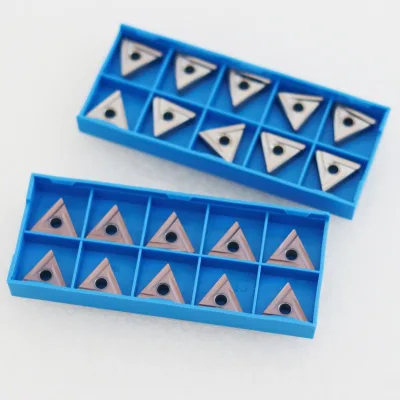
Another risk stems from the variability in packaging and protection during transit, which can affect the integrity of the cutting edges. Some suppliers use plastic interior boxes with standard export cartons, while others may offer K/D packing or simple box packaging. Inadequate packaging can result in chipped edges or damaged inserts upon arrival, rendering them unusable for precision machining. Buyers should explicitly request packaging details that ensure the inserts remain protected, especially for high-value items with tight tolerances. Additionally, the lack of standardized labeling or logo printing options can complicate inventory management and brand identification, making it crucial to clarify these requirements before placing a large order.
CNC Lathe Machine Carbide Insert Regional Sourcing and Logistics
Sourcing from regions like Hunan and Shandong offers logistical advantages due to established industrial clusters, but buyers must account for the specific shipping routes and transit times associated with each location. Suppliers in Zhuzhou City, Hunan, benefit from proximity to raw material sources, potentially reducing lead times for custom orders. However, international shipping from these inland cities may require additional transit time compared to coastal ports. Buyers should verify the exact origin of the goods, as some listings may state "China" generally while the actual dispatch point is a specific city. Understanding the logistics chain helps in estimating the total delivery time and planning for potential delays in customs clearance or port congestion.
Logistics planning also involves evaluating the supplier's ability to handle export documentation and compliance with international standards. Some suppliers provide detailed packing lists and standard export packaging, which simplifies the customs process. However, buyers should confirm that the supplier can provide necessary certificates, such as CE or GS, if required by the destination market. The choice of packaging, whether it is a plastic box or a carton, also impacts the volumetric weight and shipping costs. Buyers should negotiate packaging terms that optimize container utilization while ensuring product safety, as this can significantly reduce overall logistics expenses and improve the efficiency of the supply chain.
CNC Lathe Machine Carbide Insert Commercial Terms and Order Planning
Commercial terms regarding customization and certification play a pivotal role in the final order planning and contract negotiation. Many suppliers offer customization services, allowing buyers to specify unique geometries, coatings, or tolerance classes to match their specific machining requirements. However, the availability of customization often comes with higher MOQs or longer lead times, as seen in suppliers with 30-day delivery windows for custom orders. Buyers must clearly define their customization needs early in the process to avoid misunderstandings and ensure the supplier has the necessary R&D capacity to deliver the requested specifications. Confirming the availability of certifications like ISO 9001 or CE is also essential for compliance in regulated industries.
Order planning should also consider the supply ability and production capacity of the supplier to ensure consistent availability of stock. Some suppliers claim a supply ability of 50,000 pieces per month, which indicates a robust production line capable of handling large volume orders. However, buyers should verify if this capacity is consistent during peak seasons or if it fluctuates based on raw material availability. Additionally, the payment terms and escrow options should be evaluated to mitigate financial risks. Establishing a clear order plan that aligns with the supplier's production schedule and capacity ensures timely delivery and maintains the continuity of the buyer's machining operations without unexpected interruptions.
FAQs
What is the price range for CNC lathe carbide inserts?
Prices typically range from $0.80 to $11.00 per unit depending on the specific insert type and coating. Basic turning inserts start near $0.80, while specialized grooving or high-performance models can reach up to $11.00. Buyers should check the exact product specifications to determine the accurate cost for their machining needs.
What certifications are available for these carbide inserts?
Many suppliers offer inserts certified with CE, GS, and ISO 9001 standards. These certifications ensure the products meet international quality and safety requirements for machining operations. Buyers should verify specific certification documents with the supplier to confirm compliance with their local regulatory standards and internal quality management systems before placing large orders.
What is the typical lead time for these inserts?
Lead times generally range from 15 to 45 days depending on the supplier and order volume. Some manufacturers in China offer faster turnaround times around 15 days, while others may require up to 45 days for production and shipping. Buyers should confirm the exact delivery schedule with the supplier to align with their production planning.
What is the minimum order quantity for carbide inserts?
Minimum order quantities vary significantly, ranging from as low as 10 pieces to 500 pieces per order. Some suppliers accept small trial orders starting at just 10 units, while others require a minimum of 500 pieces. Buyers should check the specific MOQ requirements for each product listing to ensure it fits their purchasing volume.
Where are these carbide inserts manufactured?
These inserts are primarily manufactured in China, with specific production hubs located in Hunan and Shandong provinces. Zhuzhou City in Hunan is noted as a key origin for many carbide products. Buyers should verify the exact manufacturing location with the supplier to assess logistics costs and potential supply chain risks associated with the origin.
What materials are used to make these inserts?
Inserts are commonly made from tungsten carbide, cemented carbide, or ceramic materials. Some products also feature stainless steel components or specific coatings like PVD and CVD for enhanced performance. Buyers should select the material based on their specific workpiece material, such as steel, cast iron, or aluminum, to ensure optimal cutting efficiency and tool life.