Carbide Inserted Alloy Drill Bits Suppliers and Manufacturers
Explore 31 verified options for Carbide Inserted Alloy Drill Bits from Hunan and Jiangsu factories. Compare response times, lead times, and product specifications like HRC 55 and precision levels. Contact suppliers directly to request samples or custom orders; review the available evidence before requesting comparable quotations from suitable candidates.
Updated
Suppliers List

- Trading Company
- Hunan, China
- Lead time5 days
- Avg. response≤ 13h
Main productsCarbide end mill,carbide insert,carbide drills,carbide reamers,rough end mill
Main marketsNorth America(18.00%), Oceania(10.00%), Northern Europe(10.00%), Southern Europe(10.00%), Western Europe(10.00%), South America(10.00%), Central America(8.00%), South Asia(5.00%), Mid East(5.00%), Eastern Europe(5.00%), Eastern Asia(5.00%), Africa(2.00%), Southeast Asia(2.00%)

Zhenjiang Scharp Machinery Tools Co., Ltd.
- Manufacturer/Factory,Group Corporation,Other
- China Jiangsu
- Lead time60 days
- Avg. response≤ 13h
Main productsMetal Cutting Tools, Thread Tools, End Mills, Reamer, Milling Cutters, Machine Taps, Thread Die, Countersink, Drill Bits, Slitting Saw
Main marketsSouth America,Eastern Europe,Mid East,North America,Southeast Asia,Eastern Asia,Oceania,Western Europe,Africa
Shenzhen Donglin Precision Cutting Tools Co., Ltd.
- Verified by SGS Group
- Manufacturer, Trading Company
- Lead time14 days
- Avg. response≤ 1h
Main productsDeep Hole Drill, Step Drill, Center Drill, Taper Shank Twist Drill, Internal Cooling Aiguille Drill

Harbin Dongan Lifeng Cutter Co., Ltd.
- Manufacturer, Trading Company
- Heilongjiang, China
- Lead time30 days
- Avg. response≤ 10h
Main productsTurning Tools,Milling Cutters,Drill Bits,Reamers,Profile Cutters
Main marketsDomestic Market(80.00%), Southeast Asia(10.00%), Mid East(5.00%), Eastern Europe(2.00%), Northern Europe(2.00%), Africa(1.00%)
Shandong China Coal Industrial & Mining Supplies Group Co., Ltd.
- Verified by TüVRheinland
- Manufacturer, Trading Company
- Lead time15 days
- Avg. response≤ 4h
Main productsHydraulic Prop, Mine Car, Mining Locomotive, Excavators, Concrete Pump
Main marketsDomestic Market(26%), South America(22%), Central America(21%)

Changzhou Hongjian Tools Co., Ltd.
- Verified by CTI
- Combined
- China Jiangsu
- Lead time30 days
- Avg. response≤ 3h
Main productsCarbide End Mill, Carbide Drill, End Milling Cutter, Carbide Reamer, Carbide Ball Nose End Mill, Carbide Corner Radius End Mill, Carbide Rods, Roughing End Mill, Carbide Taper End Mill, Carbide Mirco End Mill
Main marketsSouth America,Southeast Asia/ Mideast,Domestic,Europe
Dezhou Drillstar Cutting Tool Co., Ltd.
- Verified by Intertek
- Trading Company
- Lead time20 days
- Avg. response≤ 3h
Main productsLathe, Deep hole cutting tools, Tungsten carbide
Main marketsDomestic Market(55%), Mid East(7%), North America(5%)
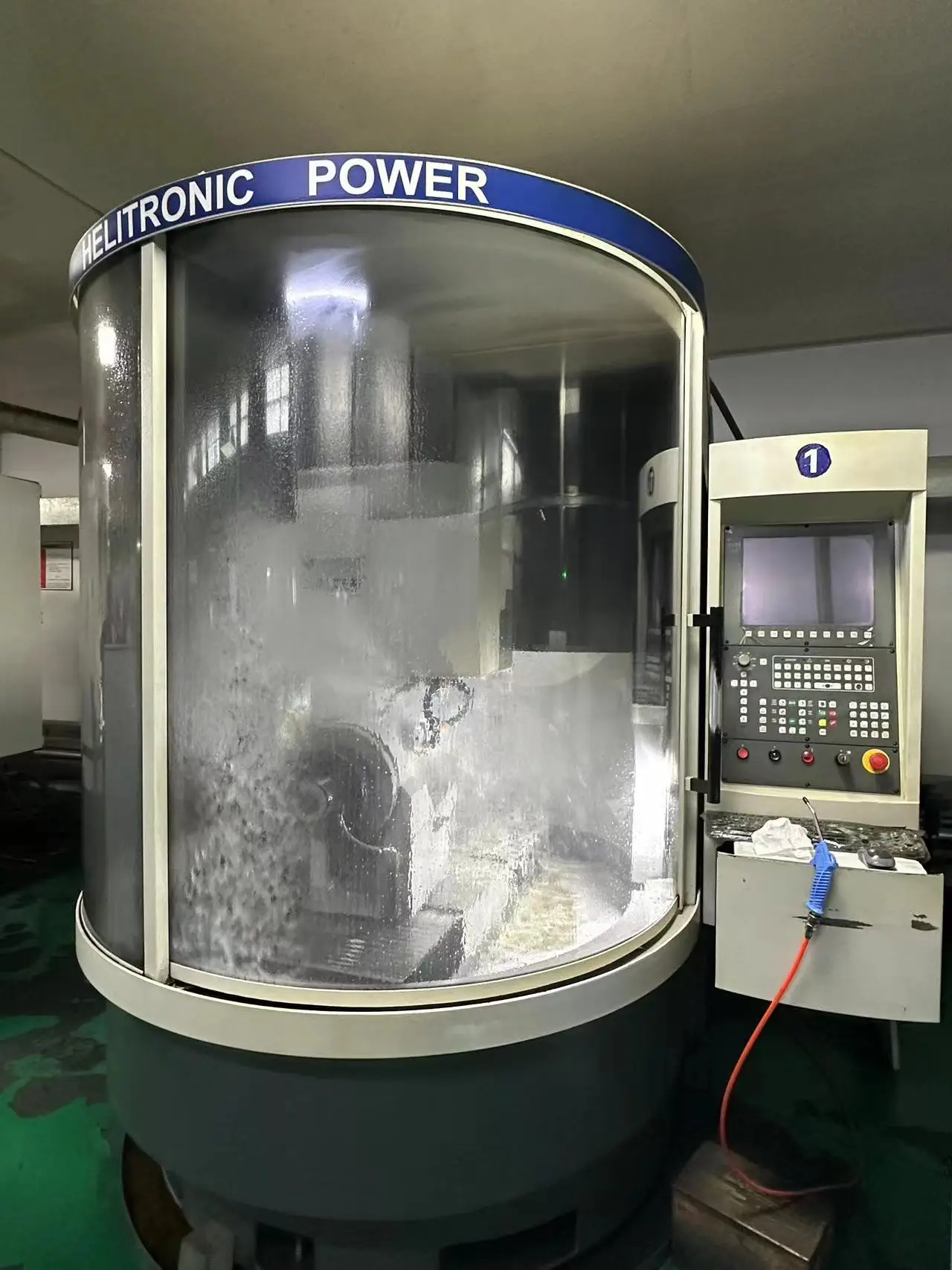
Changzhou City Zhuoli Tools Co., Ltd.
- Manufacturer, Trading Company
- Jiangsu, China
- Lead time7 days
- Avg. response≤ 2h
Main productsAlloy milling cutter; Alloy drill bit; Alloy reamer; Internal cooling drill; Deep hole drill
Main marketsDomestic Market(30.00%), Southeast Asia(25.00%), North America(20.00%), Western Europe(5.00%)
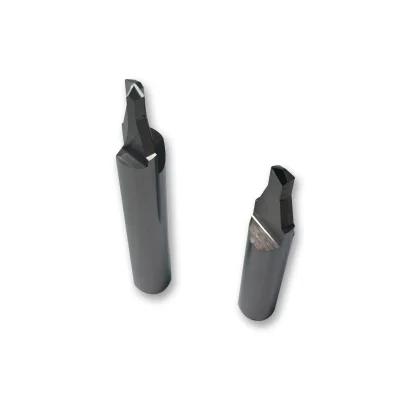
Good Quality Drill Machine Tools Lathe Drilling Alloy Drill Bit for Machine Tools
$4.00 - $5.50
MOQ: 10 pieces
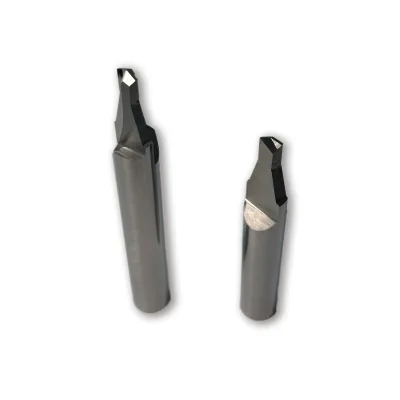
Best Seller Durable Machine Tools Metal Drilling Tungsten Carbide Drill Tools Drilling Tools
$4.00 - $5.50
MOQ: 10 pieces
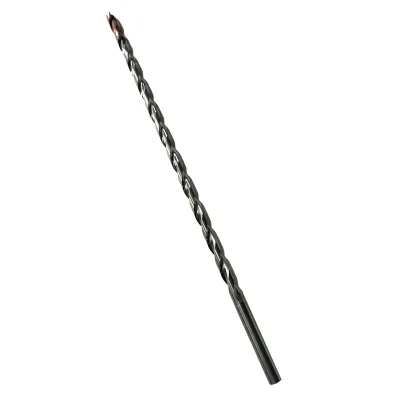
Global Best-Seller Drill Machine Tools Carbide Deep Hole Drill Bit for Cnc Machine Ground
$8.2375 - $20.5915
MOQ: 10 pieces
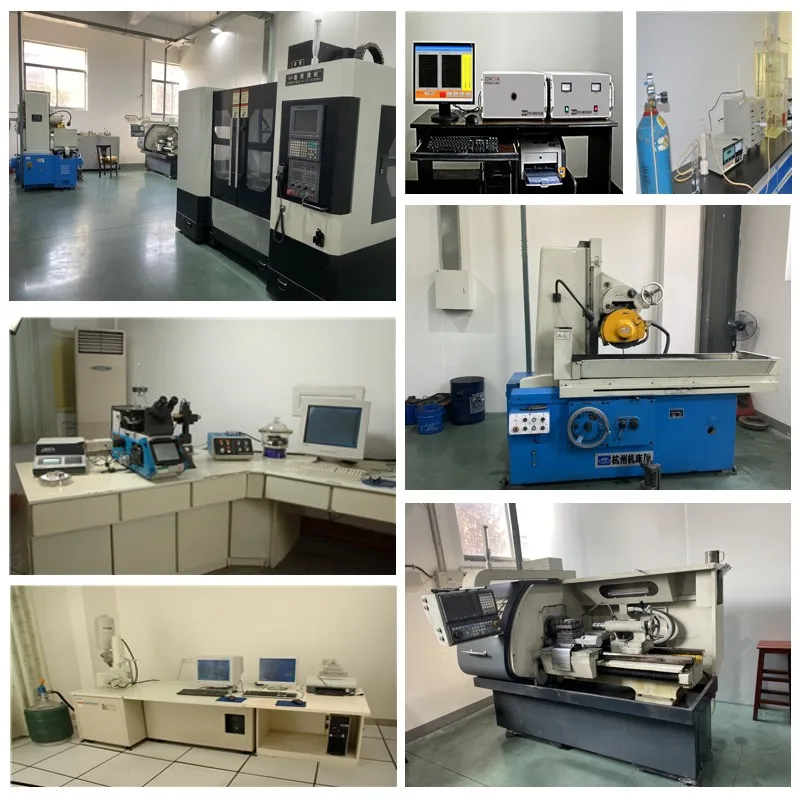
Zhuzhou Lihua Cemented Carbide Co., Ltd.
- Manufacturer, Trading Company
- Hunan, China
- Lead time0 days
- Avg. response≤ 6h
Main productsTungsten Carbid Anti Vibration Tool Holder, Carbide end mills , Tungsten Carbide modular end mill heads , Tungsten Carbide Spraying nozzles, Tungsten Carbide Wear Parts
Main marketsNorth America(10.00%), Western Europe(10.00%), South America(5.00%), Central America(5.00%), Eastern Europe(5.00%), Southern Europe(2.00%), Northern Europe(2.00%), Southeast Asia(2.00%), South Asia(1.00%), Eastern Asia(1.00%), Oceania(1.00%), Africa(1.00%), Mid East(1.00%)
Zhuzhou M&J Import And Export Co., Ltd.
- Manufacturer, Trading Company
- Hunan, China
- Lead time0 days
- Avg. response≤ 9h
Main productstungsten carbide,cutting tools,titanium alloy,cnc machining parts
Main marketsNorth America(50.00%), Western Europe(13.00%), South America(10.00%), Eastern Europe(10.00%), Mid East(7.00%), South Asia(5.00%), Southern Europe(5.00%)
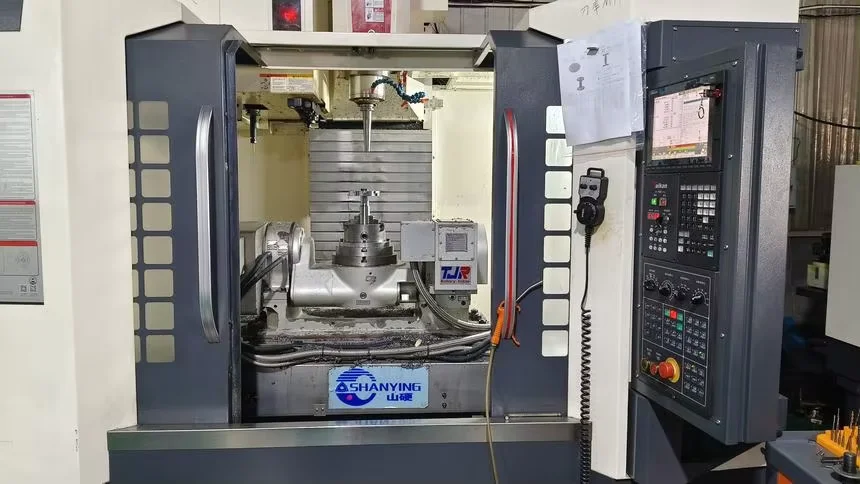
Shandong Denso Precision Tools Co., Ltd.
- Manufacturer, Trading Company
- Shandong, China
- Lead time10 days
- Avg. response≤ 4h
Main productsCNC Tools, CNC Milling Tool Holder, CNC Face Milling Cutter, CNC Turning Tool Holder, CNC Equipment
Main marketsDomestic Market(70.00%), Southeast Asia(8.00%), Eastern Europe(6.00%), Oceania(5.00%), North America(4.00%), South America(2.00%), Mid East(2.00%), South Asia(1.00%), Western Europe(1.00%), Northern Europe(1.00%)
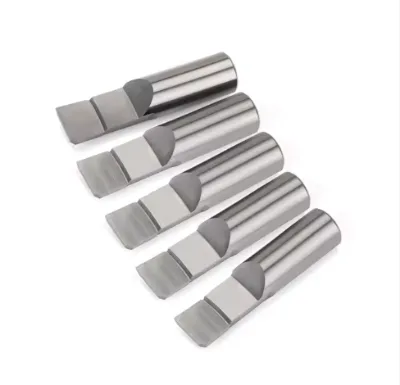
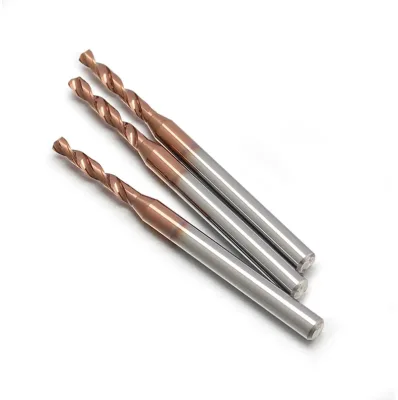
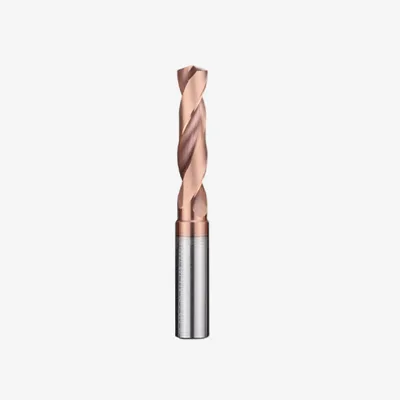
Solid Carbide Spade Drill Bit Cnc Cut Bit Drill Bit Carbide
MOQ: 10 Minimum
Changzhou Center Tools Co., Ltd.
- Verified by TüVRheinland
- Manufacturer, Trading Company
- Lead time7 days
- Avg. response≤ 6h
Main productsCarbide Cutting Tools
Main marketsDomestic Market(30%), North America(10%), Eastern Europe(10%)

Zhuzhou M & J Import and Export Co., Ltd.
- Trading Company,Manufacturer/Factory
- China Hunan
- Lead time0 days
- Avg. response≤ 15h
Main productsTungsten Carbide, Carbide Insert, Carbide End Mill, Carbide Drill, Carbide Cutter, Carbide Tips, Carbide Nozzle, Carbide Burr, Carbide Saw Blade, Tungsten Carbide Ball
Main marketsSouth America,Eastern Europe,Mid East,North America,Southeast Asia,Eastern Asia,Oceania,Western Europe,Africa

Changzhou Lihao Tools Co., Ltd.
- Combined
- China Jiangsu
- Lead time30 days
- Avg. response≤ 13h
Main productsEnd Mill, Ball Nose End Mill
Main marketsDomestic

Xiamen Camum Precision Tools Co., Ltd.
- Trading Company,Manufacturer/Factory
- China Fujian
- Lead time90 days
- Avg. response≤ 12h
Main productsCBN Insert, Milling Cutter, Milling Insert, Carbide Endmill, Carbide Drill Bit, CNC Inserts, Special Tool, Custom Tool, Turning Insert
Main marketsSoutheast Asia
Jinan Terry CNC Tool CO., LTD.
- Trading Company
- Shandong, China
- Lead time0 days
- Avg. response≤ 6h
Main productsDrill Bits, Carbide Insert, End Mills, Tool Holders, Measuring Tools
Main marketsEastern Europe(50.00%), South America(10.00%), Mid East(8.00%), North America(5.00%), Western Europe(5.00%), Northern Europe(5.00%), Southeast Asia(5.00%), South Asia(4.00%), Southern Europe(4.00%), Oceania(2.00%), Eastern Asia(2.00%)

Changzhou Qinrui Precision Cutting Tools Co., Ltd.
- Manufacturer, Trading Company
- Jiangsu, China
- Lead time30 days
- Avg. response≤ 1h
Main productsCNC milling cutter,drill bits,reamer,formingl cutters,Various specifications customised
Main marketsDomestic Market(90.00%), Northern Europe(7.56%), North America(0.78%), South America(0.33%), Mid East(0.26%), South Asia(0.24%), Western Europe(0.23%), Eastern Europe(0.21%), Southern Europe(0.15%), Oceania(0.09%), Southeast Asia(0.08%), Central America(0.06%), Africa(0.01%)
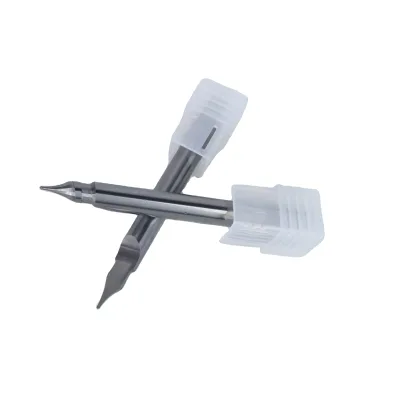
Wholesale Drill Cobalt Twist Drill Bits Twist Drill Bit for Stainless Steel
$6.6976 - $7.0061
MOQ: 5 pieces
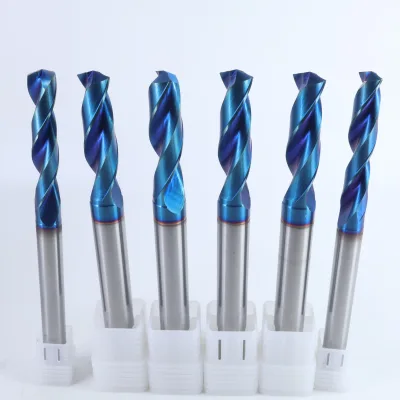
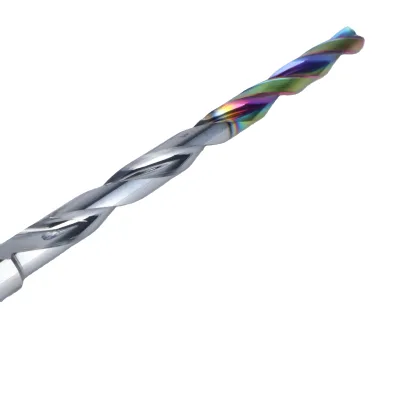
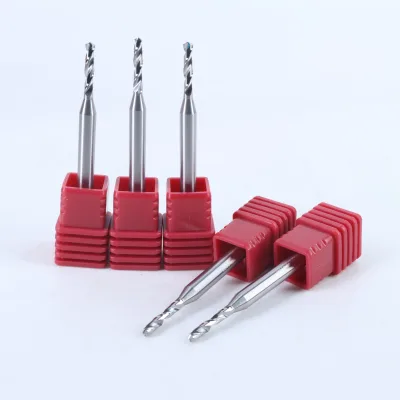
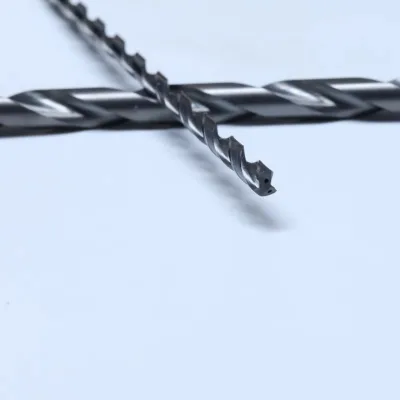
3MM Custom-made High-quality Tungsten Steel Twist Drill Bits for Drilling Hardened Steel
$1.4426 - $1.6283
MOQ: 5 pieces
Jishan County Changshunda Diamond Tools Co., Ltd.
- Verified by TüVRheinland
- Manufacturer, Trading Company
- Lead time15 days
- Avg. response≤ 2h
Main productsMulti-function Drill Bit, Brazed Hole Saw Drill Bit, Brazed Diamond Saw Blades, Brazed Diamond Grinding Tools, Glass Cutter
Main marketsDomestic Market(60%), North America(10%), South America(10%)
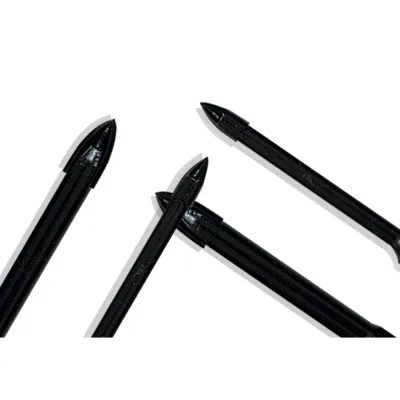
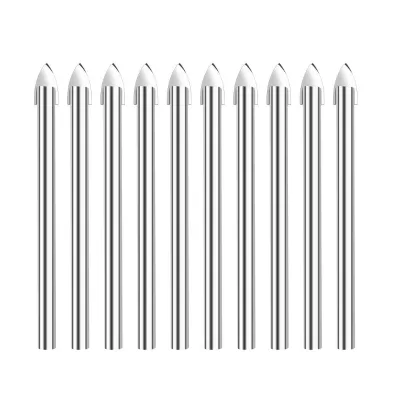
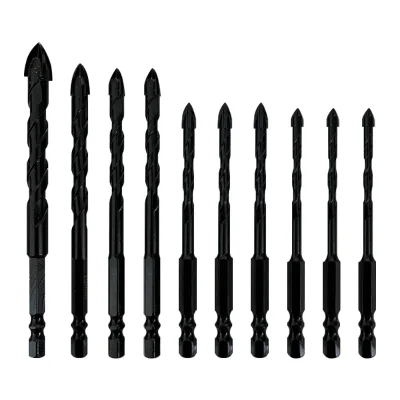
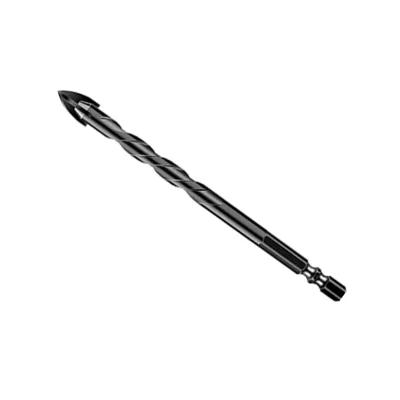
Sturdy and Wear-Resistant Custom Long Cross Tungsten Cobalt Hard Alloy Drill Bit Made in China
$0.34 - $1.64
MOQ: 1 Minimum
Zhejiang Xinxing Tools Co., Ltd.
- Manufacturer, Trading Company
- Lead time旺季: "1 - 100":5,"> 100":"To be negotiated", 淡季: "1 - 100":5,"> 100":"To be negotiated"
- Avg. response≤ 4h
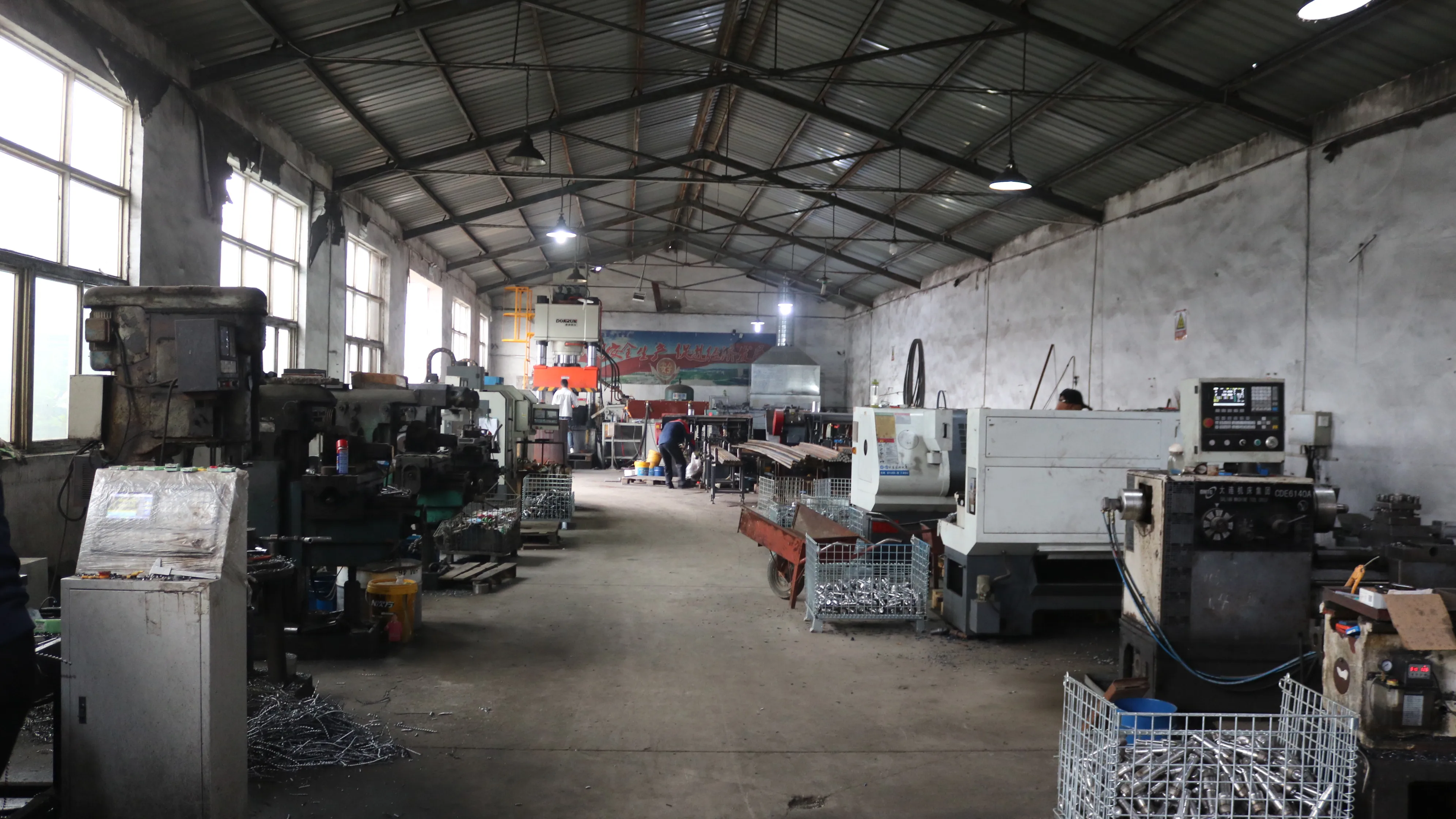
Main productsAnnular Cutter, Magnetic Drill Machine, Step Drill, Hole Saw, Countersink
Liaocheng First Mining Machinery Co., Ltd.
- Manufacturer
- Shandong, China
- Lead time15 days
- Avg. response≤ 1h
Main productsEngineering Machinery Parts,button drill bits,construction machinery parts,Cross bit,Milling bits road planer bits
Main marketsNorthern Europe(20.00%), Oceania(20.00%), Southeast Asia(20.00%), South America(20.00%), North America(20.00%)

Dongguan Kunming Electronics Technology Co., Ltd.
- Manufacturer/Factory
- China Guangdong
- Lead time15 days
- Avg. response≤ 7h
Main productsMilling Cutter, Screw Thread Tap, Screw Tap, End Mill, Carbide Cutter, Parts Machining, Mold Machining, Plastic Mould, Stamping Die, Stamping Mold
Main marketsSouth America,Eastern Europe,Mid East,North America,Southeast Asia,Eastern Asia,Oceania,Western Europe,Africa
Shanghai Total Industrial Co., Ltd.
- Verified by SGS
- Manufacturer/Factory
- China Shanghai
- Lead time0 days
- Avg. response≤ 24h
Main productsFeeder Clamp, Weather Shield Enclosure, Rubber Grommet, Hoisting Grip, Cable Entry, Flexible Jumper Cable, Cablen Ties, Terminal Lugs, Conduit and Fittings, Hole Saw
Hejian Longyue Drill Bit Manufacture Co., Ltd.
- Verified by Intertek
- Manufacturer, Trading Company
- Lead time5 days
- Avg. response≤ 3h
Main productsTricone Bit, PDC Bit, Hole opener, Roller bit

Outewei (Jiangsu) Machinery Technology Co., Ltd.
- Verified by TUVRHEINLAND
- Combined
- China Jiangsu
- Lead time30 days
- Avg. response≤ 6h
Main marketsDomestic


High-Performance Tungsten Carbide Drill Bits for Precision Engineering
$1000.00 - $3000.00
MOQ: 500 Pieces


CHANGZHOU AITEFASI TOOLS CO., LTD.
- Verified by SGS
- Combined
- China Jiangsu
- Lead time30 days
- Avg. response≤ 10h
Main productsEnd Mill
Main marketsEast Asia(Japan/ South Korea),Europe,North America

Putian Firip Mining&Machinery Co., Ltd.
- Verified by BV
- Manufacturer
- China Fujian
- Lead time23 days
- Avg. response≤ 8h
Main productsDTH Bit, DTH Hammer, Button Bit, Cross Bits, Tapered Button Bit, Rock Tools, Drilling Tools, Low Air Pressure Drill Bit, Other Parts, High Air Pressure Drill Bit
Main marketsSouth America,Africa,Southeast Asia/ Mideast,East Asia(Japan/ South Korea),Europe

Nanchang Bestway Cemented Carbide Co., Ltd.
- Verified by SGS
- Combined
- China Jiangxi
- Lead time23 days
- Avg. response≤ 21h
Main productsCarbide Tip, Carbide Plates, Scarifier Cutter, Tct Cutters, Tungsten Carbide, Tungsten Carbide Cutter
Main marketsSouth America,Africa,Southeast Asia/ Mideast,East Asia(Japan/ South Korea),Europe,Australia,North America

Zhuzhou Sanxin Cemented Carbide Manufacturing Co., Ltd.
- Verified by TUVRHEINLAND
- Combined
- China Hunan
- Lead time15 days
- Avg. response≤ 6h
Main productsTungsten Carbide, Carbide Bushing, Carbide Nozzle, Tungsten Alloy, Carbide Rings, Wolfram Carbide, Carbide Inserts, Carbide Rod, Carbide Tools, Cemented Carbide
Main marketsEurope,North America

Glorytek Industry (Beijing) Co., Ltd.
- Verified by CTI
- Manufacturer/Factory
- China Beijing
- Lead time15 days
- Avg. response≤ 5h
Main productsDrilling Rig, Drill Bits, DTH Drill Rig, Drill Machine, Downhole Motor, Water Well Drill Rig, Tricone Bits, DTH Hammer, Anchor Drill Rig, Button Bits
Main marketsSouth America,Eastern Europe,Mid East,North America,Southeast Asia,Eastern Asia,Oceania,Western Europe,Africa

Linqing City Ruilong Drill Co., Ltd.
- Trading Company
- Shandong, China
- Lead time10 days
- Avg. response≤ 4h
Main productsDrill Bit,Drill Pipe,Drill Rig,Spare parts for drilling
Main marketsSoutheast Asia(20.00%), Oceania(11.00%), Mid East(10.00%), Northern Europe(10.00%), Africa(10.00%), North America(10.00%), Eastern Europe(10.00%), Domestic Market(5.00%), Western Europe(5.00%), South Asia(5.00%), South America(2.00%), Eastern Asia(2.00%)
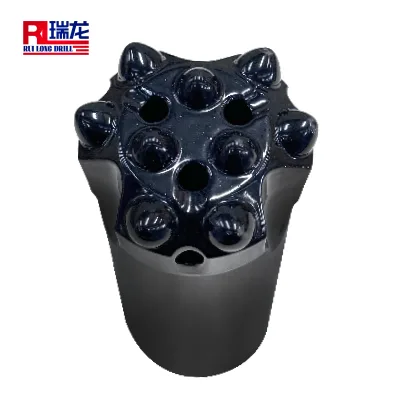
43mm R32 9 Buttons High Quality Carbide Tapered Diamond Drill Bit for Stone
$20.00 - $21.00
MOQ: 10 pieces
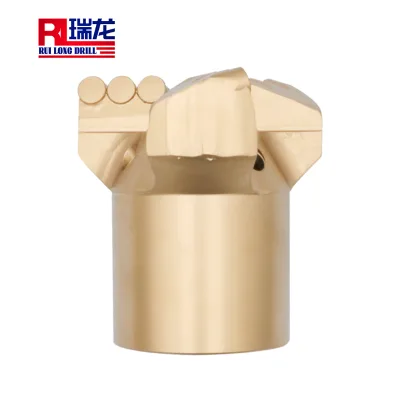
$150.00 - $180.00
MOQ: 5 pieces

Fuzhou Golden Moral Imp & Exp Co., Ltd.
- Verified by CTI
- Trading Company
- China Fujian
- Lead time23 days
- Avg. response≤ 5h
Main productsMiner Lamp, Water Well Drill, Construction Machinery, Safety Protection Product, Mining Machine, Air Compressor, Drilling Tools, Detector Instrument, Steel Rails, Chemical Products
Main marketsSouth America,Southeast Asia/ Mideast,North America


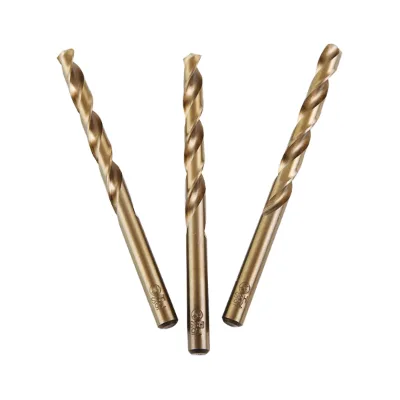
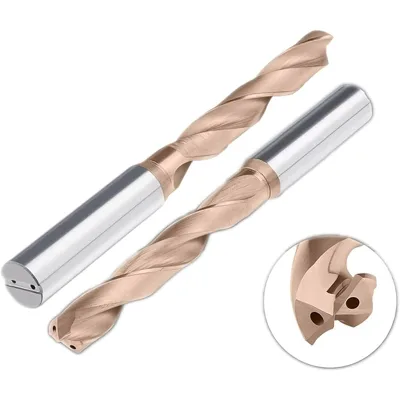
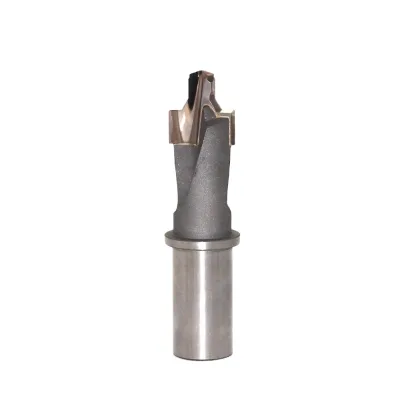
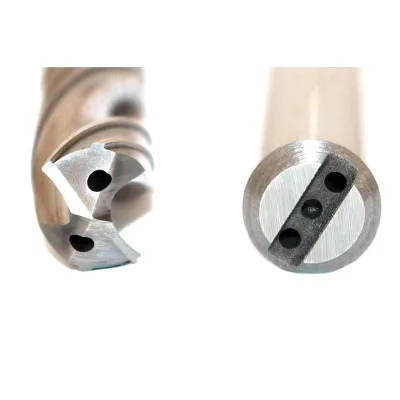








Comprehensive Sourcing Guide
Carbide Inserted Alloy Drill Bits Supplier Concentration and Factory Types
The landscape for sourcing Carbide Inserted Alloy Drill Bits reveals a distinct mix of manufacturing capabilities and trading structures, requiring buyers to carefully distinguish between direct production sources and intermediary resellers. Current data indicates that suppliers are concentrated in specific industrial hubs within China, with Hunan and Jiangsu emerging as notable regions for tooling production. In Hunan, the supply chain includes entities classified as trading companies that offer a diverse range of carbide products, including end mills, inserts, and drills. These trading entities often aggregate inventory from various workshops, providing buyers with a broad catalog but potentially adding layers to the supply chain. Conversely, Jiangsu hosts a different supplier profile, characterized by manufacturer-factory groups and corporations that emphasize their own brand capabilities and OEM services. This distinction is critical because the factory type directly influences the flexibility of production, the depth of technical support, and the transparency of the manufacturing process. Buyers must recognize that a trading company might offer faster access to standard items, while a manufacturer may provide greater control over custom specifications and material sourcing.
Understanding the company type is essential for aligning supplier selection with specific project needs. The presence of both trading companies and manufacturer-factories in the results suggests that buyers have options depending on whether they prioritize speed and variety or customization and direct oversight. For instance, some suppliers in Jiangsu are identified as group corporations with OEM capabilities, indicating a robust infrastructure for handling custom orders and private labeling. These entities often possess the necessary machinery and engineering teams to produce complex geometries, such as internal cooling drills or specialized center bits. On the other hand, trading companies in Hunan may focus on volume sales of standard items like welded alloy drill bits or inlaid alloy variants. This structural difference means that buyers evaluating suppliers should first determine their primary requirement: is it the ability to source a wide array of standard carbide tools quickly, or is it the need for a dedicated manufacturing partner who can adapt to specific design changes? Recognizing this dichotomy helps in filtering the supplier list effectively, ensuring that the chosen partner matches the strategic goals of the procurement operation.
How to Verify Carbide Inserted Alloy Drill Bits Suppliers
Verification of suppliers requires a multi-layered approach that goes beyond simple profile reviews, focusing on tangible evidence of capability and reliability. One of the most critical steps is to examine the supplier’s verification status and third-party audit results. For example, some suppliers in the current results are verified by SGS Group, a globally recognized inspection and certification body. This verification provides a baseline level of trust regarding the supplier’s business legitimacy and operational standards. Buyers should prioritize suppliers with such external validations, as they have undergone rigorous checks on their facilities, management systems, and product quality controls. Additionally, it is important to look for specific certifications or standards mentioned in the product attributes, such as compliance with AISI, JIS, or DIN standards. These standards indicate that the supplier’s products meet international quality benchmarks, which is crucial for ensuring consistency in drilling performance and tool life. Buyers should request documentation or certificates of conformity to verify these claims, rather than relying solely on the supplier’s self-reported information.
Another vital aspect of verification is assessing the supplier’s responsiveness and historical performance metrics. The response time is a key indicator of how efficiently a supplier handles inquiries and potential issues. In the current data, response times vary, with some suppliers showing a response time of just one day, while others take significantly longer. A faster response time often correlates with better customer service and quicker resolution of pre-sales questions, which is essential for maintaining project timelines. Furthermore, buyers should investigate the supplier’s capacity for customization and sample processing. Suppliers that explicitly state they support OEM services or customized on-demand processing demonstrate a higher level of flexibility and technical competence. This is particularly important for Carbide Inserted Alloy Drill Bits, where specific geometries and coatings may be required for unique applications. By combining verification of credentials with an assessment of operational responsiveness and customization capabilities, buyers can build a more accurate picture of a supplier’s reliability and suitability for their specific needs.
What to Compare Across Carbide Inserted Alloy Drill Bits Suppliers
When evaluating multiple suppliers, buyers must systematically compare key operational metrics to identify the most suitable partner for their requirements. Lead time is a primary factor, as it directly impacts inventory management and project scheduling. The current results show a wide range of lead times, from as short as five days to as long as sixty days. Suppliers with shorter lead times, such as those in Hunan, may be preferable for urgent orders or just-in-time manufacturing needs. In contrast, suppliers with longer lead times might offer more competitive pricing or greater capacity for large-volume orders. Buyers should align their choice with their production schedule, ensuring that the supplier’s lead time matches their delivery expectations. Additionally, the minimum order quantity (MOQ) is a crucial consideration, especially for smaller buyers or those testing new product lines. Some suppliers have an MOQ of five pieces, while others require ten or more. Understanding these thresholds helps buyers plan their initial orders and manage cash flow effectively, avoiding the burden of excess inventory.
Beyond lead time and MOQ, buyers should compare the range of main products and technical specifications offered by each supplier. Suppliers in Jiangsu, for instance, list a comprehensive array of metal cutting tools, including end mills, reamers, and various drill bits, indicating a broad product portfolio. This breadth can be advantageous for buyers seeking a single source for multiple tooling needs. In contrast, suppliers in Hunan may focus more narrowly on specific carbide products like end mills and inserts. Buyers should also compare the technical attributes of the drill bits, such as material composition, coating options, and precision levels. For example, some products are specified with a precision of 0.005-0.01mm and are suitable for materials like cast iron and carbon steel. By comparing these detailed specifications, buyers can ensure that the selected supplier’s products meet the exact technical requirements of their machining processes. This comparative analysis allows for a more informed decision, balancing cost, speed, and technical suitability.
Common Carbide Inserted Alloy Drill Bits Sourcing Risks
Sourcing Carbide Inserted Alloy Drill Bits involves several inherent risks that buyers must proactively manage to ensure supply chain stability and product quality. One significant risk is the variability in product quality and consistency, particularly when dealing with trading companies that may source from multiple manufacturers. Without direct oversight of the production process, buyers may receive products that do not meet their specified tolerances or material standards. This risk is exacerbated by the lack of standardized testing across different suppliers. For instance, while some products are described with specific hardness ratings like HRC 55, others may lack detailed technical data. Buyers should mitigate this risk by requesting sample orders and conducting rigorous in-house testing before committing to larger purchases. This allows them to verify the actual performance of the drill bits in their specific machining applications, ensuring that the tools meet their operational requirements.
Another common risk is the potential for miscommunication regarding customization and technical specifications. Suppliers may interpret requirements differently, leading to products that do not align with the buyer’s expectations. This is particularly relevant for custom geometries or specialized coatings, where precise details are critical. To address this, buyers should establish clear and detailed communication channels with their suppliers, providing comprehensive technical drawings and specifications. Additionally, buyers should be cautious of suppliers who do not explicitly state their customization capabilities or response times. A lack of transparency in these areas can lead to delays and misunderstandings. Furthermore, buyers should be aware of the risks associated with varying lead times and MOQs. A supplier with a low MOQ but a long lead time may not be suitable for urgent orders, while a supplier with a short lead time but a high MOQ may not be cost-effective for small batches. By identifying and addressing these risks early in the sourcing process, buyers can build a more resilient and reliable supply chain.
Carbide Inserted Alloy Drill Bits Regional Sourcing and Logistics
Regional sourcing plays a pivotal role in determining the logistics, cost, and speed of delivery for Carbide Inserted Alloy Drill Bits. The current data highlights two primary regions in China: Hunan and Jiangsu. Suppliers in Hunan are often associated with trading companies, which may offer a more streamlined logistics process for standard items due to their focus on inventory management and distribution. These suppliers may have established relationships with local freight forwarders, enabling faster shipping times for smaller orders. On the other hand, suppliers in Jiangsu are typically manufacturers or factory groups, which may have more complex logistics due to their focus on production and customization. However, these suppliers may offer more competitive shipping rates for larger volumes, given their direct control over the manufacturing and packing processes. Buyers should consider the geographic location of their suppliers when planning their logistics strategy, as proximity to ports or transportation hubs can significantly impact delivery times and costs.
In addition to regional differences, buyers must also consider the packaging and handling requirements of carbide drill bits to ensure they arrive in optimal condition. The current results indicate that products are often packed in plastic boxes, which provide basic protection but may require additional packaging for international shipping. Buyers should verify the packaging standards with their suppliers to ensure that the drill bits are adequately protected against damage during transit. Furthermore, buyers should be aware of the single gross weight and package dimensions provided by suppliers, as these factors influence shipping costs and handling requirements. For example, some products have a single gross weight of 10.0 kg and specific package sizes, which can affect the choice of shipping method. By understanding the regional logistics landscape and packaging requirements, buyers can optimize their supply chain, reducing costs and minimizing the risk of damage or delays.
Carbide Inserted Alloy Drill Bits Commercial Terms and Order Planning
Commercial terms and order planning are critical components of a successful sourcing strategy for Carbide Inserted Alloy Drill Bits. Pricing is a key factor, with the current data showing a range of prices for different products. For instance, some carbide twist drill bits are priced at $1.00 per unit, while others may be priced at $1.90 or $2.00. Buyers should compare these prices in the context of the product specifications, such as material quality, precision, and coating. It is important to note that lower prices may not always indicate better value, as they could reflect lower quality or less reliable suppliers. Buyers should also consider the payment terms and escrow services offered by suppliers, as these can provide additional security for their transactions. Using escrow services can help mitigate the risk of non-delivery or non-conforming products, ensuring that payment is only released once the buyer is satisfied with the order.
Order planning involves not only selecting the right supplier but also managing the volume and frequency of orders to optimize costs and efficiency. Buyers should consider the MOQ and lead time when planning their orders, ensuring that they align with their production schedule and inventory needs. For example, if a supplier has a lead time of sixty days, buyers should plan their orders well in advance to avoid stockouts. Conversely, if a supplier has a short lead time of five days, buyers may be able to place smaller, more frequent orders to reduce inventory holding costs. Additionally, buyers should consider the warranty and after-sales support offered by suppliers, as these can provide valuable protection against product defects or performance issues. By carefully planning their commercial terms and order volumes, buyers can build a more efficient and cost-effective supply chain, ensuring a steady supply of high-quality Carbide Inserted Alloy Drill Bits for their operations.
FAQs
What is the typical lead time for Carbide Inserted Alloy Drill Bits?
Manufacturers in Hunan, China, typically offer a lead time of 5 days for these tools. Suppliers in Jiangsu, China, may require up to 60 days for production. Buyers should verify specific timelines with the supplier before placing orders to ensure delivery aligns with project schedules.
What is the minimum order quantity for these drill bits?
Minimum order quantities vary by supplier and product type. Some suppliers require a minimum of 5 units for carbide spot drill bits, while others may ask for 10 units for standard twist drill bits. Buyers should check the specific product listing to confirm the exact MOQ requirements.
What materials can these drill bits process effectively?
These drill bits are suitable for processing Cooper, cast iron, and carbon steel. They are designed for metal drilling applications and can achieve an HRC of 55. The precision is typically between 0.005mm and 0.01mm, ensuring accurate holes in various metal types.
What is the response time for supplier inquiries?
Supplier response times vary, with some companies responding within 1 day. Others may take up to 13 days to reply to inquiries. Fast response times are often associated with verified suppliers or those with high transaction volumes. Buyers should expect quicker replies from manufacturers compared to trading companies.
Are these drill bits available with custom specifications?
Yes, customization is available for many carbide drill bit products. Suppliers support OEM services and can produce bits in metric and inch sizes. Customization options include specific diameters, lengths, and coatings. Buyers should contact the supplier directly to discuss their specific requirements and feasibility.
What is the price range for these drill bits?
Prices for carbide drill bits range from $0.62 to $2.00 per unit. Specific products like alloy diamond drill bits may be priced around $1.90. Prices depend on the size, material, and coating. Buyers should request quotes for specific sizes to get accurate pricing information.
What certifications do these suppliers hold?
Some suppliers are verified by SGS Group, indicating a level of quality assurance. However, specific certifications like ISO are not explicitly listed in the provided facts. Buyers should request certification documents directly from the supplier to verify their compliance with international standards and quality management systems.