Source Electric Impact Masonry Hex Chisel for concrete drilling, masonry, carving
Compare 30 Electric Impact Masonry Hex Chisel options from verified Chinese suppliers. Buyers can evaluate specifications like tip width, material grade, and hardness to find the right tool for concrete drilling, masonry work, and carving applications; compare the available evidence and request quotations based on your requirements.
Updated
Key considerations
Products List
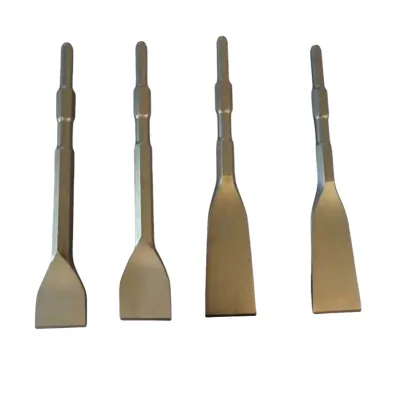
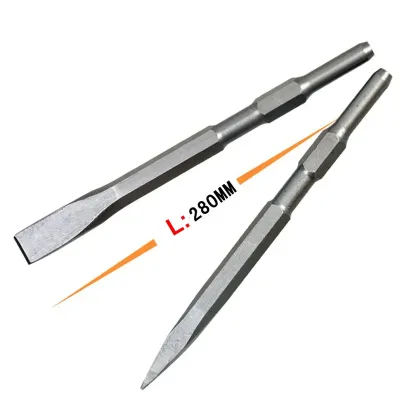
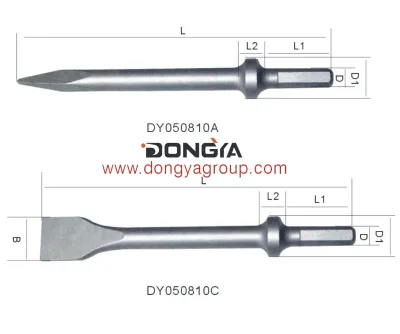
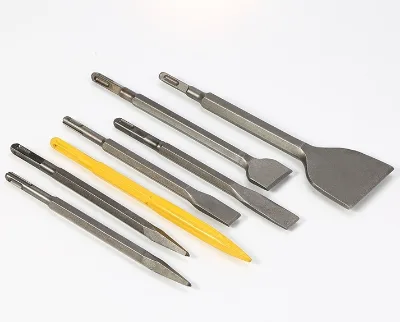


Electric Hammer Flat Chisel SDS Plus Max Hex Shank Pointed Chisel for Concrete Masonry
$1.15 - $1.66
MOQ: 1000 Pieces

17mm Hex Shank Sharp Chisel Point Flat Chisel for Electric Hammer Drill Hex
$1.48 - $1.88
MOQ: 1000 Pieces

Flat Chisel Round Handle Pointed Chisel Electric Hammer Hexagonal Pointed Flat Chisel
$1.98 - $2.38
MOQ: 1000 Pieces


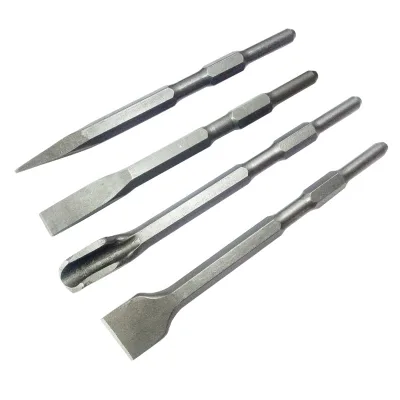
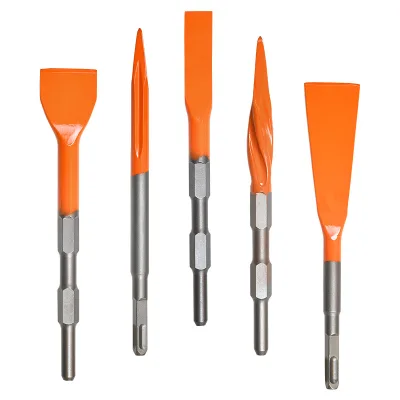
Electric Hammer Self-grinding Chisel Stone Wall Chisel with Pointed Point
$1.1302 - $5.1341
MOQ: 20 Minimum
Comprehensive Sourcing Guide
Electric Impact Masonry Hex Chisel Sourcing Guide
Sourcing electric impact masonry hex chisels requires a disciplined approach to verifying tool geometry, material hardness, and shank compatibility. These chisels are critical components for demolition, carving, and flooring removal tasks, where the interface between the hammer’s drive mechanism and the chisel’s hexagonal shank determines operational efficiency and safety. Buyers must prioritize tools that offer precise tip geometry, such as pointed or flat variants, to ensure clean cuts and minimal material waste. The observed market data indicates a diverse range of products, from specialized carving chisels to heavy-duty concrete drilling bits, necessitating careful selection based on specific project requirements.
Procurement decisions should be grounded in the observed specifications of available listings, which reveal significant variation in length, tip width, and surface finishing. Common lengths observed include 280mm, 400mm, and 600mm, while tip widths range from 20mm to 75mm, allowing for versatile application across different masonry and construction scenarios. The presence of OEM and ODM support suggests that buyers can customize tools for specific brand or operational needs, but this requires clear communication of technical drawings and tolerance requirements. Understanding these variables is essential for aligning supplier offerings with the mechanical demands of electric impact hammers and the structural properties of the materials being worked.
Product Scope and Observed Listing Signals
The product scope for electric impact masonry hex chisels encompasses a variety of types, including carving chisels, flooring chisels, and cold chisels, each designed for distinct operational roles. Listings indicate that these tools are primarily used for masonry work, concrete drilling, and general construction applications, highlighting their versatility in industrial and DIY settings. The observed tip types range from pointed to flat and groove configurations, enabling buyers to select the appropriate tool for tasks such as breaking concrete, removing tiles, or shaping stone. This diversity in application underscores the importance of matching the chisel type to the specific task to maximize efficiency and tool longevity.
Observed listing signals reveal that manufacturers often provide customized support, including OEM and ODM services, which allows for branding and specific design modifications. The materials used in construction vary, with some chisels made from 40Cr steel and others utilizing hard alloy tips, reflecting different performance expectations and durability levels. Surface finishing is typically sandblasted, which aids in corrosion resistance and provides a consistent texture for handling. Additionally, the single package dimensions and gross weights observed, such as 56x45x25 cm and 0.230 kg, provide valuable logistical data for planning storage and shipping, ensuring that procurement teams can accurately estimate freight costs and warehouse space requirements.
Technical Specifications to Verify
Verifying the technical specifications of electric impact masonry hex chisels is crucial for ensuring compatibility with existing power tools and achieving desired performance outcomes. The shank shape is predominantly hexagonal, with observed sizes including 17mm and 21mm, which must match the chuck of the electric impact hammer to prevent slippage or damage. Buyers should confirm the tip width, which ranges from 20mm to 75mm, to ensure the tool is suitable for the width of the cuts or breaks required in the project. Additionally, the length of the chisel, observed in 280mm, 400mm, and 600mm variants, affects leverage and reach, making it a critical factor in selecting the right tool for deep or confined space applications.
Material composition and hardness are key indicators of durability and cutting efficiency. Some listings specify 40Cr steel for the body, offering a balance of strength and toughness, while others highlight hard alloy tips for enhanced wear resistance. The observed hardness range of HRC 50-55 suggests a standard level of heat treatment suitable for general masonry work, but buyers should verify if higher hardness levels are available for more abrasive materials. Surface finishing, typically sandblasted, should be inspected for uniformity to ensure consistent performance and resistance to rust. Confirming these specifications with the supplier before ordering helps avoid mismatches and ensures that the chisels meet the rigorous demands of industrial construction and demolition tasks.
Compliance and Safety Documentation
Compliance and safety documentation are essential components of the procurement process for electric impact masonry hex chisels, ensuring that tools meet regulatory standards and operational safety requirements. While specific certifications like CE are mentioned in background contexts, buyers must verify the actual compliance status with relevant local and international safety standards. Quality management conformity, such as ISO9001:2000, indicates a structured approach to manufacturing quality, which can be a reliable indicator of consistent product performance. Buyers should request certificates of conformity and material test reports to validate that the chisels meet the specified hardness and material composition claims.
Safety considerations extend beyond documentation to include the design and handling of the chisels. The hexagonal shank design is intended to provide a secure fit in the hammer, reducing the risk of accidental ejection during high-impact operations. Buyers should ensure that the tools are packaged securely, as observed in plastic tubes and hangers, to prevent damage during transit. Additionally, understanding the intended use, such as masonry drilling or carving, helps in selecting tools that are appropriately rated for the task. By prioritizing suppliers who provide comprehensive safety and compliance documentation, buyers can mitigate risks associated with tool failure and ensure a safer working environment for their teams.
Cost Drivers and Commercial Terms
Cost drivers for electric impact masonry hex chisels include material quality, manufacturing complexity, and customization requirements. The use of high-carbon steel or hard alloy tips significantly impacts the price, with more durable materials commanding higher costs. Customization options, such as OEM branding or specific tip geometries, add to the production expenses, leading to variations in unit prices. The observed price range of $0.2 to $162.9 USD reflects this diversity, with basic chisels at the lower end and specialized, high-performance tools at the higher end. Buyers should evaluate the total cost of ownership, considering factors like tool lifespan and replacement frequency, rather than focusing solely on the initial purchase price.
Commercial terms, including minimum order quantities (MOQ) and lead times, play a significant role in procurement planning. The observed MOQ range of 20 to 1000 pieces allows for flexibility in ordering, catering to both small-scale projects and large industrial contracts. Buyers should negotiate terms that align with their inventory management strategies, balancing the benefits of bulk discounts against the costs of holding excess stock. Additionally, understanding the packing details, such as single package sizes and gross weights, helps in optimizing logistics and reducing shipping costs. Clear communication of these commercial terms with suppliers ensures a smooth transaction process and avoids unexpected delays or expenses.
Supplier Qualification and Quality Control
Supplier qualification is a critical step in sourcing electric impact masonry hex chisels, ensuring that partners can consistently deliver high-quality products. Buyers should assess suppliers based on their manufacturing capabilities, quality control processes, and track record in the industry. The presence of ISO9001:2000 conformity suggests a commitment to quality management, but buyers should also verify on-site practices, such as material inspection and hardness testing. Suppliers with OEM and ODM support demonstrate flexibility and technical expertise, which can be valuable for custom projects. Establishing a strong relationship with qualified suppliers helps in maintaining consistent product quality and addressing any issues promptly.
Quality control measures should be integrated into the procurement process to ensure that delivered chisels meet the specified technical requirements. Buyers should implement incoming inspection protocols, checking for dimensions, hardness, and surface finish consistency. Random sampling and destructive testing can help identify potential defects or variations in material quality. Additionally, feedback loops with suppliers can drive continuous improvement, allowing for adjustments in manufacturing processes based on field performance data. By prioritizing suppliers with robust quality control systems, buyers can reduce the risk of tool failure and ensure that their operations run smoothly and efficiently.
Long-Term Procurement Checks
Long-term procurement checks involve monitoring supplier performance and product reliability to ensure sustained value and operational efficiency. Buyers should establish key performance indicators (KPIs) such as defect rates, delivery times, and responsiveness to issues. Regular audits and performance reviews help in identifying trends and areas for improvement, fostering a collaborative relationship with suppliers. Tracking the lifespan of chisels in the field provides valuable data on durability and performance, allowing for informed decisions about future purchases. By maintaining a proactive approach to supplier management, buyers can mitigate risks and optimize their supply chain.
Continuous evaluation of market trends and technological advancements is also essential for long-term procurement success. Staying informed about new materials, designs, and manufacturing techniques can help buyers identify opportunities for cost savings and performance enhancements. Engaging with suppliers to explore innovative solutions, such as improved tip geometries or enhanced surface treatments, can lead to better tool performance and reduced downtime. Additionally, diversifying the supplier base can reduce dependency on single sources and enhance supply chain resilience. By adopting a strategic and forward-looking approach to procurement, buyers can ensure that their Electric Impact Masonry Hex Chisel supply remains reliable, cost-effective, and aligned with evolving project needs.
FAQs
What material is used for the Electric Impact Masonry Hex Chisel?
The chisel is primarily made from 40Cr steel with a hardness of HRC 50-55. Some variants feature a hard alloy tip portion to enhance durability during concrete drilling and masonry applications. This construction ensures high efficiency and longevity for professional carving and flooring tasks.
Which tip types are available for this hex chisel product?
Available tip types include pointed, flat, and groove options to suit various masonry and carving needs. The product also offers straight and other tip configurations depending on the specific model. These variations allow users to select the precise tool required for different construction and drilling applications.
Can I customize the Electric Impact Masonry Hex Chisel specifications?
Yes, OEM and ODM customized support is available for this product line. Buyers can request specific modifications to meet their unique industrial or DIY requirements. However, some standard models may be listed as non-customized, so verifying the specific item details is recommended before placing an order.
What is the minimum order quantity for these hex chisels?
The standard minimum order quantity is 100 pieces for most items in this category. Some listings may show a range between 20 and 1000 pieces depending on the specific supplier or model configuration. Buyers should confirm the exact MOQ with the vendor to ensure it aligns with their procurement needs.
How are the electric impact masonry hex chisels packaged for shipping?
Products are typically packed in plastic tubes or on plastic hangers to prevent damage during transit. The single package size varies, with common dimensions around 56x45x25 cm or 25x1.5x1.5 cm depending on the item. Each unit has a gross weight of approximately 0.230 kg to 0.5 kg.
Where are these hex chisels manufactured and what is the origin?
These chisels originate from manufacturing locations in Jiangxi and Zhejiang, China. The production facilities adhere to ISO9001:2000 quality management conformity standards to ensure consistent product quality. This origin allows for competitive pricing while maintaining the structural integrity required for heavy-duty construction work.
What surface finishing processes are applied to the chisel shanks?
The shanks undergo a sandblasted surface finishing process to improve durability and grip. This treatment helps prevent rust and ensures a secure fit within the drill chuck. The hexagonal shank shape is standard, with sizes like 17 mm or 21 mm available for different power tools.