Source LED Skin Diagnostic Analyzer for Salon, Home, and Clinic
Compare 30 LED Skin Diagnostic Analyzer options from verified suppliers. These devices assist in identifying skin problems and supporting marketing projects with adjustable image clarity and portable designs for salon and home applications; compare the available evidence and request quotations based on your requirements.
Updated
Key considerations
Products List


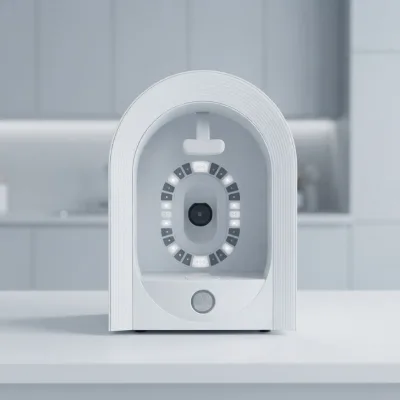
Scanner Facial Skin Analyzer Smart Skin Detector Skin Scanner Analyzer
$1180.00 - $1880.00
MOQ: 1 Pieces


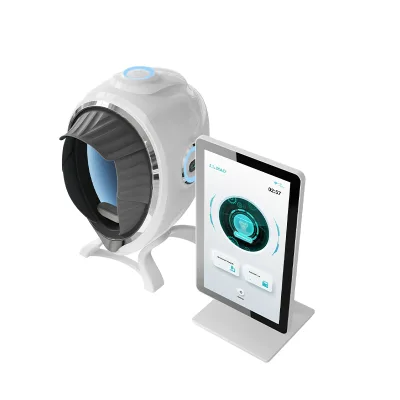
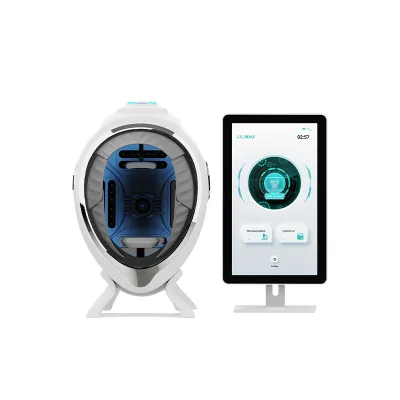
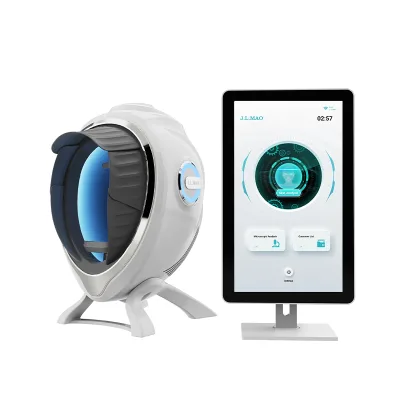
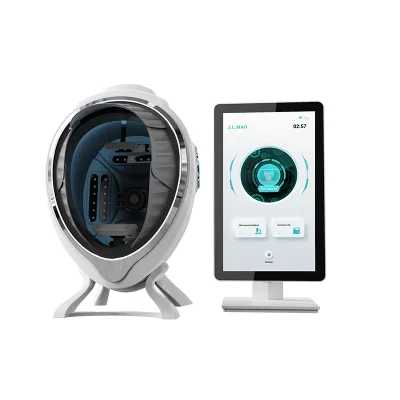
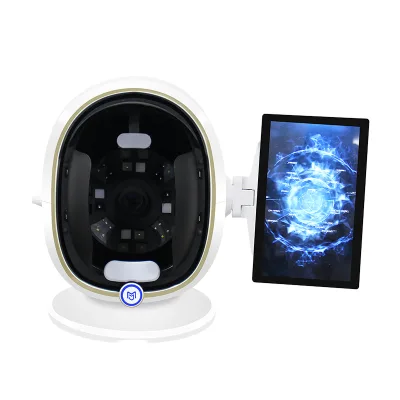
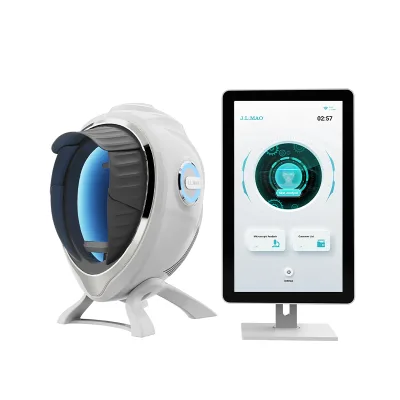
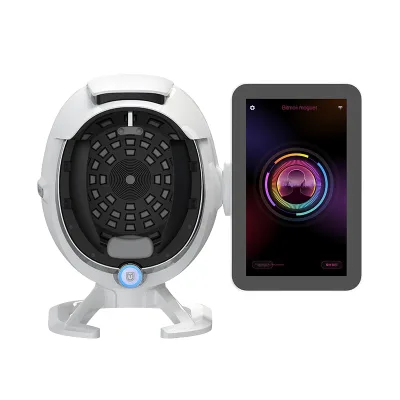


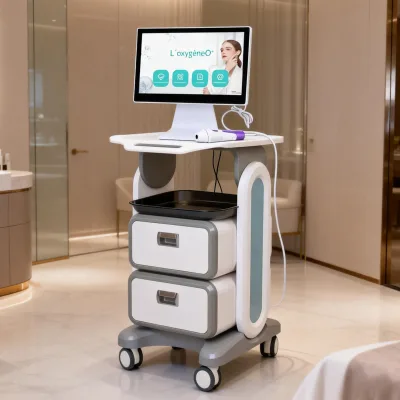


Advanced High-Resolution Skin Analyzer for Accurate Moisture Testing
$1450.00 - $1650.00
MOQ: 1 Pieces


Comprehensive Sourcing Guide
LED Skin Diagnostic Analyzer Sourcing Guide
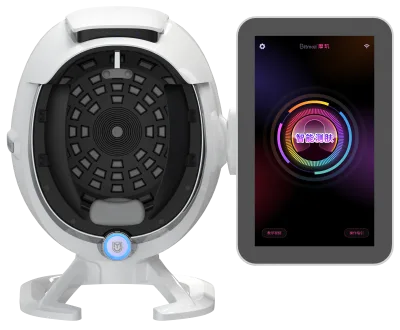
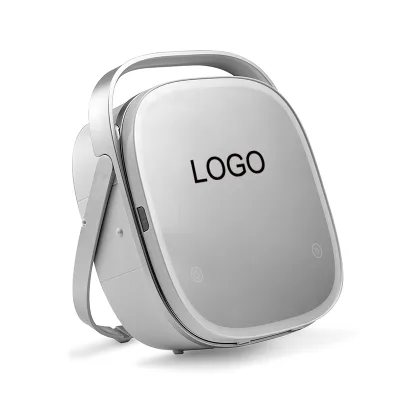
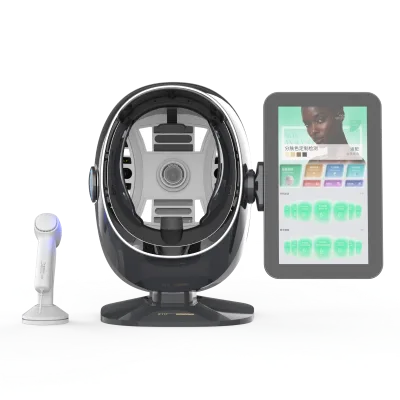
Procuring a LED Skin Diagnostic Analyzer requires careful evaluation of optical clarity, power specifications, and integration capabilities. Buyers must distinguish between portable handheld units and stationary desktop systems, as each serves different operational needs in salon or clinical environments. The observed market includes devices with varying power ratings, from low-wattage portable tools to higher-capacity stationary analyzers, necessitating a clear definition of throughput requirements before engaging suppliers.
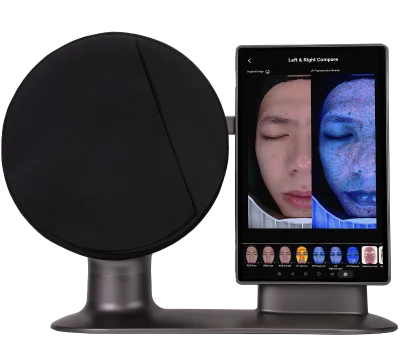
Verification of image clarity and skin type compatibility is essential for accurate diagnostic outcomes. Devices should support multiple imaging modes, such as cross-polarized light and RGB spectra, to detect subsurface issues like UV spots or sensitivity. Buyers must confirm whether the system includes necessary computing hardware, as some models require external tablets or computers, which may not be included in the base package, impacting total cost of ownership.
Product Scope and Observed Listing Signals
The current market for led skin diagnostic analyzers features a diverse range of product attributes, including coated lenses, adjustable image clarity, and specific plug types such as US or EU options. Observed listings indicate a price range from $25 to $10,000, reflecting significant variation in build quality, optical technology, and included accessories. Buyers should note that minimum order quantities are often listed as one unit, suggesting flexibility for small salon purchases or larger commercial deployments.
Product packaging and physical dimensions vary widely, with some units shipped in standard export packages while others use specialized wooden cases or aviation aluminum boxes. Dimensions observed range from compact handheld sizes to larger desktop units measuring up to 40x30x55 cm. These physical constraints directly impact storage, shipping logistics, and installation requirements, making it crucial to verify packing dimensions and gross weight before finalizing procurement decisions.
Technical Specifications to Verify
Technical verification must focus on power supply compatibility, operating frequency, and working light specifications. Buyers should confirm input voltage ranges, such as AC 100-240V, and ensure the device supports the local grid frequency, typically 50Hz or 60Hz. Power consumption varies, with some units rated at 16W and others at 40W, affecting energy efficiency and heat management during extended use in professional settings.
Optical and imaging capabilities require detailed scrutiny, including the number of HD images captured and the specific skin types analyzed, such as sensitivity or surface spots. Buyers must verify if the device includes blur reduction features and confirm the model number, such as LXW-960 or Gms-M9, to ensure compatibility with required software or iPad interfaces. Additionally, environmental operating temperatures, typically 10-35°C, should be considered for storage and usage conditions.
Compliance and Safety Documentation
Compliance verification is critical for market entry and consumer safety, with CE certification being a commonly observed standard for these devices. Buyers must request valid certification documents to ensure the product meets regional electrical and electromagnetic compatibility requirements. It is important to distinguish between product certifications and facility audits, ensuring that the specific model purchased has undergone the necessary testing procedures.
Safety documentation should also include detailed user manuals and technical specifications regarding electrical inputs and outputs. Buyers should verify that the device includes appropriate plug types and that all electrical components are rated for the intended operating environment. Ensuring that the supplier provides complete safety data sheets and compliance certificates helps mitigate legal risks and ensures smooth customs clearance in international shipments.
Cost Drivers and Commercial Terms
Cost drivers for led skin diagnostic analyzers include build materials, optical quality, and included accessories such as specialized cases or computing devices. The observed price range suggests that higher-priced units may offer superior image clarity, more comprehensive skin analysis modes, or durable packaging like aluminum alloy cases. Buyers should evaluate the total cost of ownership, including potential expenses for required external hardware like iPads, which are often not included.
Commercial terms should be clearly defined, including payment methods, shipping responsibilities, and warranty coverage. Buyers must confirm whether the quoted price includes standard export packaging or specialized wooden cases, as this affects shipping costs and product protection. Additionally, verifying the supplier’s ability to provide OEM services or customization options can add value for brands seeking unique product differentiation in the competitive beauty tech market.
Supplier Qualification and Quality Control
Supplier qualification should focus on manufacturing capabilities, quality control processes, and after-sales support. Buyers must verify the supplier’s origin, such as Beijing, China, and assess their experience in producing skin analysis equipment. Requesting references or case studies from existing clients, particularly in salon or clinical settings, can provide insight into product reliability and customer satisfaction levels.
Quality control measures should include pre-shipment inspections and verification of key specifications like image clarity and power stability. Buyers should establish clear acceptance criteria for product performance, including the number of HD images captured and the accuracy of skin type detection. Implementing a robust quality assurance process helps ensure that each unit meets the required standards before dispatch, reducing the risk of defects and returns.
Long-Term Procurement Checks
Long-term procurement success depends on establishing strong relationships with suppliers who can provide consistent quality and support. Buyers should monitor supplier performance metrics, including delivery times, product defect rates, and responsiveness to technical issues. Regular communication and periodic audits can help maintain high standards and ensure that the supplier remains aligned with evolving market demands and regulatory requirements.
Future-proofing procurement strategies involves staying informed about technological advancements in skin analysis, such as improved imaging modes or enhanced software integration. Buyers should evaluate the supplier’s roadmap for product updates and their ability to provide firmware upgrades or new accessories. By maintaining a flexible and informed procurement approach, businesses can adapt to changing customer needs and maintain a competitive edge in the beauty and skincare industry.
FAQs
What certifications do LED Skin Diagnostic Analyzer models have?
The available models hold CE certification for compliance. This ensures the devices meet essential safety and performance requirements for the European market. Buyers should verify specific certificate documents with suppliers before finalizing orders to ensure regulatory alignment for their target regions.
Can the LED Skin Diagnostic Analyzer be customized for branding?
Yes, customization is available for these devices. Suppliers offer OEM services to tailor the product to specific brand requirements. This allows businesses to create unique offerings for their clients. Buyers must confirm customization details and minimum order quantities directly with the manufacturer.
What is the power consumption of the LED Skin Diagnostic Analyzer?
Power ratings vary by model, with some units operating at 16W and others at 40W. Input voltage typically supports AC 100-240V for global compatibility. Buyers should check the specific model specifications to ensure the power supply matches their facility requirements and safety standards.
Which skin types can the LED Skin Diagnostic Analyzer analyze?
The device supports analysis for Asian, European, and American skin types. It identifies sensitivity, UV spots, surface skin spots, and subsurface issues. This versatility makes it suitable for diverse client bases. Buyers should confirm the specific image clarity and spectral analysis capabilities with the supplier.
What is the packaging type for the LED Skin Diagnostic Analyzer?
Packaging options include standard export packages, wooden cases, aviation aluminum boxes, and aluminum alloy cases. The choice depends on the specific model and shipping requirements. Buyers should specify their preferred packaging to ensure safe transit and professional presentation upon delivery to their location.
Where are the LED Skin Diagnostic Analyzer units manufactured?
These units are manufactured in China, with some origins specified as Beijing. This location supports a wide range of specifications and customization options. Buyers should verify the exact factory location and production capabilities to ensure quality control and reliable supply chain management for their orders.