Source Long Handled Orff Sound Board for schools, therapy, and music
Find and compare 16 Long Handled Orff Sound Board options from Chinese manufacturers. Evaluate specifications like material, size, and MOQ to select the right percussion instruments for early education and classroom use; compare the available evidence and request quotations based on your requirements.
Updated
Key considerations
Products List
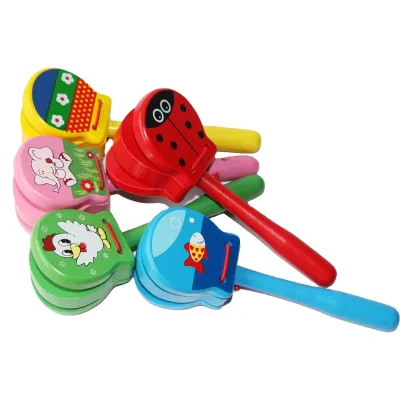
Promotion Orff Children's Percussion Instruments Children's Long Handle Soundboard
$1.0248 - $1.3449
MOQ: 129 pieces
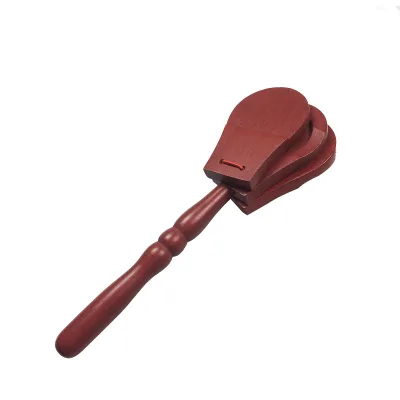
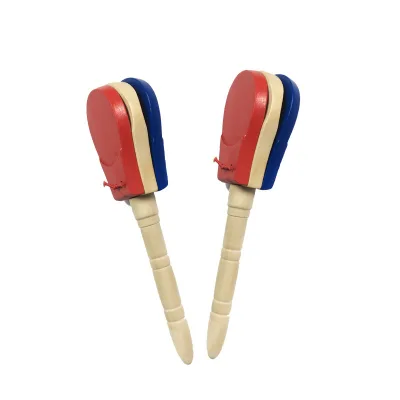
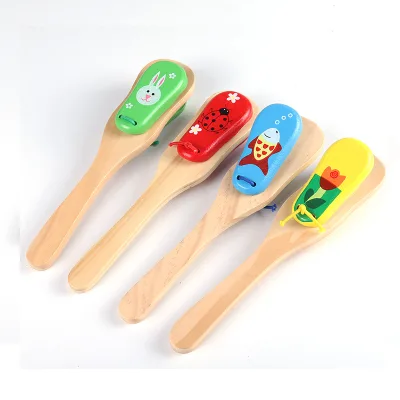
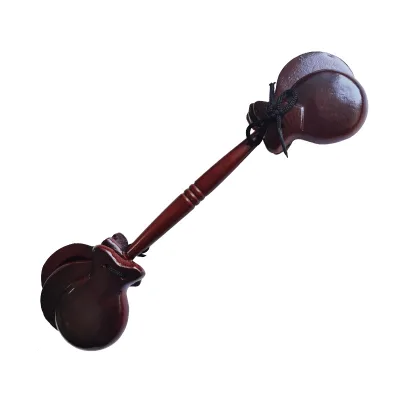
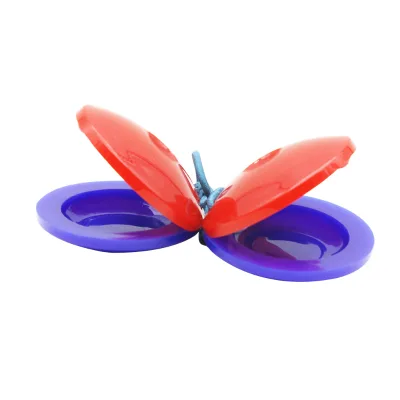
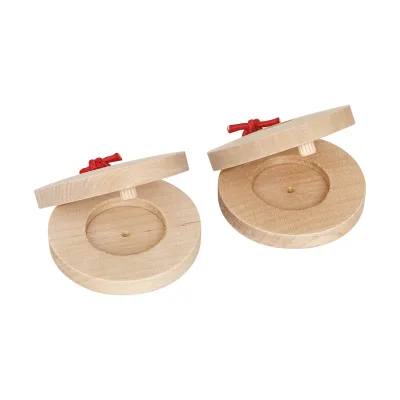
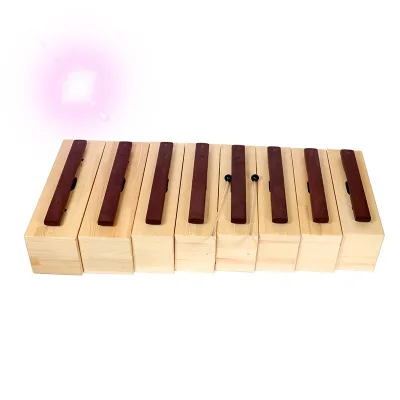
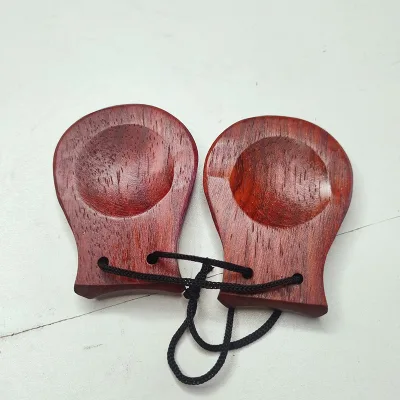
Comprehensive Sourcing Guide
Long Handled Orff Sound Board Sourcing Guide
Procuring long-handled Orff sound boards requires a nuanced understanding of early childhood education tools and their specific manufacturing origins. These instruments are primarily designed for children’s puzzle activities and early education, serving as critical aids in developing motor skills and auditory perception. The observed market data indicates a strong concentration of supply from China, with notable production hubs in Hebei, Zhejiang, and Guangdong provinces. Buyers must recognize that "Orff" often refers to a brand name or a stylistic category rather than a universal standard, meaning product quality and design can vary significantly between suppliers. Understanding these geographic and branding distinctions is the first step in building a reliable supply chain for educational institutions or retail distributors.
The term "long handled" suggests a specific ergonomic design intended for young users or for use in group settings where reach and stability are important. While the supplied facts list various product types including percussion instruments, bell drums, and wooden castanets, the core keyword implies a broader category of sound-making educational tools. Buyers should verify if the specific item meets the "long handled" description through detailed product images and specifications, as many listings may use generic terms. The observed product attributes highlight a focus on customization, with options for OEM branding and customized logos, which is essential for businesses looking to create proprietary educational lines. This customization capability allows for brand integration but requires careful management of design files and approval processes to ensure the final product aligns with brand guidelines.
Product Scope and Observed Listing Signals
The current market landscape for these educational instruments reveals a diverse range of materials and configurations. Observed listings indicate the use of plastic and solid wood as primary materials, with specific products like wooden castanets and bass redwood sound bricks highlighting the importance of material selection. The color options range from multi-color designs to specific combinations like red and blue, or natural wood tones, allowing for visual appeal that matches classroom aesthetics. The "High Quality" attribute is frequently mentioned, but buyers must interpret this as a seller claim rather than a verified standard. It is crucial to request physical samples to assess the durability of the plastic components or the finish of the wooden parts, ensuring they can withstand the rigorous use typical in early education environments.
Packaging and logistics data provide additional insights into the product scope. Single package sizes vary significantly, from small items like 16x14x4 cm for sound boards to larger dimensions for bass redwood sound bricks at 110x55x25 cm. This variance impacts shipping costs and storage requirements, making it essential for buyers to calculate landed costs accurately. The observed MOQs range from 5 pieces to 1000 pieces, offering flexibility for both small-scale trials and large-volume orders. The use of OPP bags and color boxes as packaging methods suggests a focus on retail readiness, which is beneficial for distributors. Buyers should confirm the packaging method with the supplier to ensure it protects the product during transit and meets any specific retail display requirements.
Technical Specifications to Verify
Technical verification begins with the model numbers and product codes, which serve as unique identifiers for each item. Listings show model numbers such as YD-, J157, and X035-3, along with product codes like OF0064 and OF0238. These identifiers are critical for maintaining consistency in reorders and for tracking inventory. Buyers must ensure that the technical specifications, such as single gross weight and pack size, match the physical product received. For instance, a sound board might weigh 0.05 kg, while a wooden castanet set weighs 0.478 kg. These weight differences affect shipping calculations and must be accounted for in the procurement budget. Verifying these details against the supplier’s datasheet prevents discrepancies that could lead to logistical issues or customer dissatisfaction.
The physical dimensions and structural integrity of the instruments are also key technical aspects. The observed single pack sizes, such as 14.5x12x2 cm for one item and 4.4x5.8x5.8 cm for another, indicate a variety of form factors. For long-handled instruments, the length of the handle and the stability of the sound head are critical functional attributes. Buyers should inquire about the drum heads material, which is noted as "woodiness" in some listings, and verify if this material provides the desired acoustic properties. Additionally, the "Single Layer" tier structure for some drums suggests a specific design that may impact sound quality and durability. Confirming these technical details ensures that the instruments meet the pedagogical requirements of the intended educational setting.
Compliance and Safety Documentation
Safety is paramount when sourcing products for children, and compliance documentation is non-negotiable. Although the supplied context mentions FSC certification as a low-confidence background fact, buyers must actively verify the safety standards applicable to their target market. In regions like the European Union, compliance with EN71 standards for toy safety is essential, while the United States requires adherence to ASTM F963. Buyers should request test reports from accredited laboratories to confirm that the plastic and wooden materials are free from harmful substances such as lead, phthalates, and formaldehyde. The "High Quality" claim does not substitute for official certification, and relying on seller assurances without documentation poses significant legal and reputational risks.
Documentation also extends to the manufacturing process and ethical sourcing practices. Buyers should inquire about the origin of the raw materials, particularly for wooden instruments, to ensure they are sourced sustainably. The mention of "Handmade" features in some products, such as the bass redwood sound brick, may imply a higher level of craftsmanship but also requires verification of consistency and quality control. Buyers should ask for details on the manufacturing facility’s quality management systems and any relevant environmental certifications. This due diligence helps mitigate risks associated with supply chain disruptions and ensures that the products align with the ethical values of the buying organization.
Cost Drivers and Commercial Terms
Cost structures for Orff sound boards are influenced by material choices, customization levels, and order volumes. The observed price range of $0.25 to $190 USD reflects the diversity of products, from simple plastic instruments to more complex wooden sets. Buyers must analyze the cost breakdown to understand the value proposition of each item. Customization, such as adding a logo or OEM branding, typically incurs additional setup fees and may increase the unit price. The MOQ of 50 pieces for some items and 5 pieces for others offers flexibility, but higher volumes often result in better unit pricing. Buyers should negotiate based on total order value rather than just unit cost to secure favorable terms.
Payment terms and logistics costs are also significant cost drivers. The observed payment terms include TT, PayPal, and Trade Assurance, which offer varying levels of security for both buyers and suppliers. Trade Assurance provides a layer of protection by holding funds until the order is confirmed, which is advisable for new supplier relationships. Buyers should also consider the impact of packaging on shipping costs, as larger items like the 110x55x25 cm bass redwood sound brick will incur higher freight charges. Calculating the landed cost, including duties and taxes, is essential for accurate budgeting. Clear communication of commercial terms in the purchase order prevents misunderstandings and ensures a smooth transaction process.
Supplier Qualification and Quality Control
Supplier qualification is a critical step in ensuring a reliable supply of educational instruments. Buyers should conduct thorough due diligence on potential suppliers, verifying their business licenses, manufacturing capabilities, and export experience. The observed places of origin in Hebei, Zhejiang, and Guangdong suggest a mature manufacturing ecosystem, but buyers must assess each supplier’s specific strengths. Requesting references from other clients and checking online reviews can provide insights into the supplier’s reliability and customer service. It is also important to verify the supplier’s ability to handle customization requests, as this is a common requirement for OEM branding.
Quality control measures should be established before placing large orders. Buyers should define clear quality standards and inspection criteria, including checks for material defects, structural integrity, and acoustic performance. Implementing a pre-shipment inspection process can help identify and rectify issues before the goods are dispatched. For handmade items, such as the bass redwood sound brick, consistency in craftsmanship is a key quality metric. Buyers may consider hiring third-party inspection agencies to conduct random checks during production and before shipment. This proactive approach to quality control minimizes the risk of receiving substandard products and protects the buyer’s brand reputation.
Long-Term Procurement Checks
Long-term procurement success depends on continuous monitoring and relationship management. Buyers should establish regular communication channels with their suppliers to discuss performance, feedback, and potential improvements. Tracking key performance indicators such as on-time delivery rates, defect rates, and responsiveness to issues provides a quantitative basis for evaluating supplier performance. Regular audits of the supplier’s quality management systems can ensure ongoing compliance with agreed standards. Building a strong partnership with suppliers can lead to better pricing, priority production, and access to new product developments, which is beneficial for staying competitive in the educational market.
Adaptability to market changes and regulatory updates is also essential for long-term procurement. Buyers should stay informed about changes in safety standards, environmental regulations, and consumer preferences in the early education sector. This awareness allows for proactive adjustments in product specifications and sourcing strategies. Additionally, diversifying the supplier base can mitigate risks associated with supply chain disruptions. Maintaining a portfolio of qualified suppliers ensures continuity of supply and provides leverage in negotiations. By focusing on long-term relationships and strategic sourcing, buyers can secure a stable and high-quality supply of Orff sound boards for their educational programs.
FAQs
What materials are used for the Long Handled Orff Sound Board?
The product is available in plastic and solid wood materials. Some variants feature woodiness drum heads. Buyers can select based on durability needs and specific educational requirements for children or early education settings.
Can I request a customized logo on the sound board?
Yes, customized logos and OEM services are accepted for this percussion instrument. The brand name is listed as OEM, allowing buyers to personalize the product. This service supports wholesale orders and specific branding requirements for educational institutions.
What is the minimum order quantity for these sound boards?
The minimum order quantity varies by product type, ranging from 5 pieces to 50 pieces. Some listings specify an MOQ of 50 pieces, while others allow orders as low as 5 pieces. Buyers should verify the specific MOQ for their selected model number.
Where are these percussion instruments manufactured?
These items originate from multiple locations in China, including Hebei, Zhejiang, and Guangdong provinces. The specific place of origin depends on the manufacturer and model. Buyers can expect production from these established Chinese manufacturing hubs for educational percussion tools.
How are the sound boards packaged for shipping?
Packaging options include OPP bags, color boxes, and standard cartons. Single package sizes vary significantly, from small 4.4 cm units to large 110 cm boards. Gross weights range from 50 grams to 2 kilograms depending on the specific product model and material used.
What payment terms are accepted for these orders?
Accepted payment terms include TT, PayPal, and Trade Assurance. These methods ensure secure transactions for wholesale buyers. The specific terms may vary by supplier, but these standard options are available for purchasing educational percussion instruments and related sound boards.