Source Medical Healthcare PH Test Strip for Home, Hospital, and Water
Source Medical Healthcare PH Test Strip options for home, hospital, and water testing applications. Compare 30 listings featuring CE-certified strips with 1-2 year warranties, various models like TYK30 and Gt111-100, and customization services from Chinese manufacturers; compare the available evidence and request quotations based on your requirements.
Updated
Key considerations
Products List






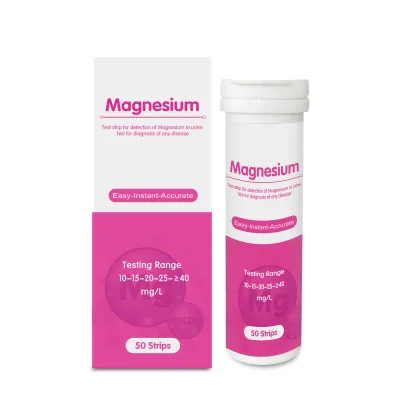
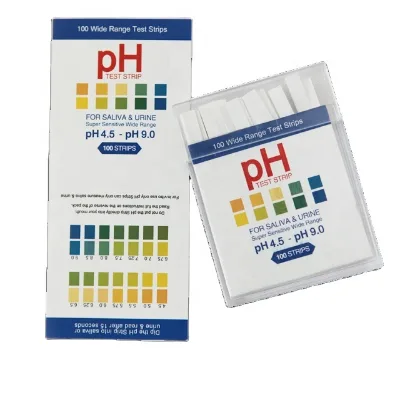
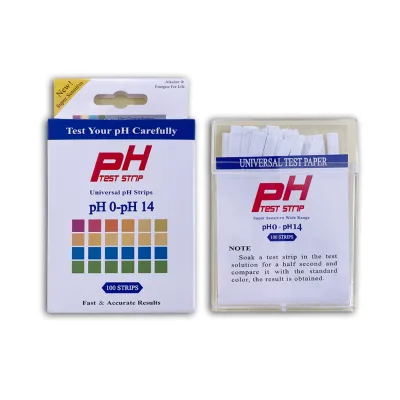
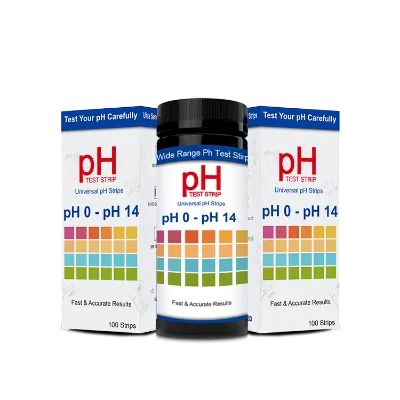



Comprehensive Sourcing Guide
Medical Healthcare PH Test Strip Sourcing Guide
Procuring medical healthcare pH test strips requires a disciplined approach to verifying product integrity and supplier reliability. Buyers must distinguish between general water testing strips and specialized diagnostic tools designed for clinical or home use. The market offers a variety of formats, including booklet-style strips and barrel-packed units, each serving distinct logistical and operational needs. Understanding these variations is the first step in aligning procurement with specific clinical or commercial requirements.
This guide focuses on evidence-based sourcing strategies for pH test strips, particularly those used for feminine health and general urine analysis. By examining observed listing signals, technical specifications, and compliance documentation, buyers can mitigate risks associated with inconsistent product quality. The following sections provide a structured framework for evaluating suppliers, ensuring that selected products meet necessary safety standards and performance expectations for end-users.
Product Scope and Observed Listing Signals
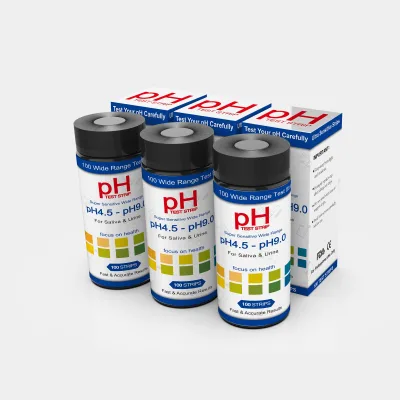
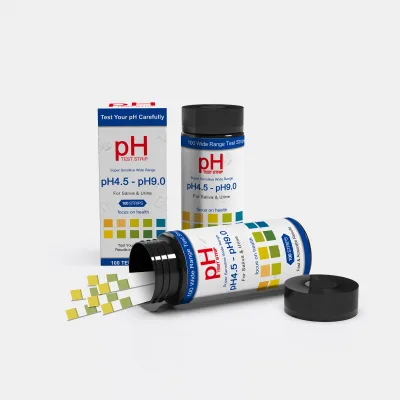
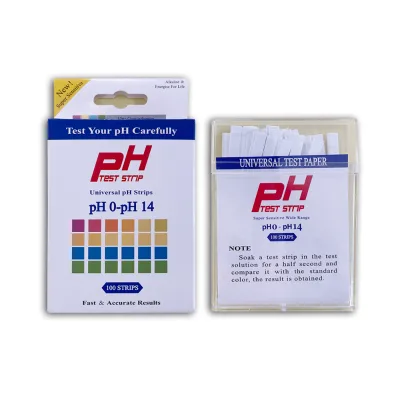
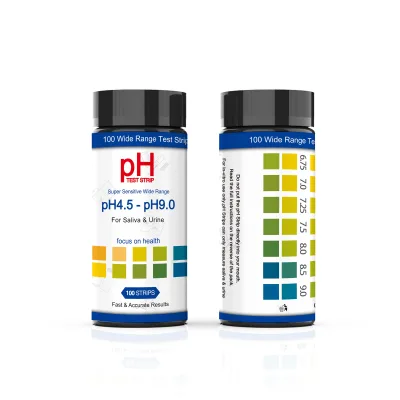
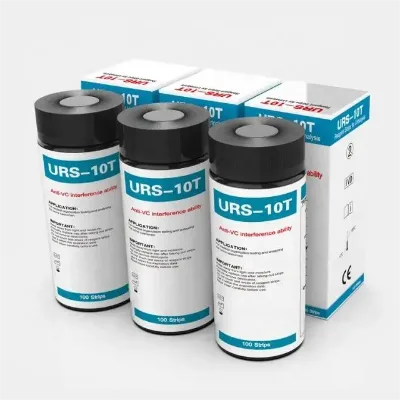
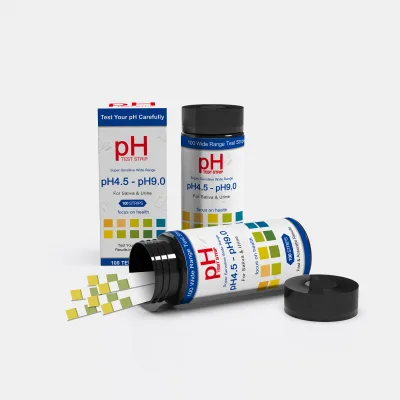
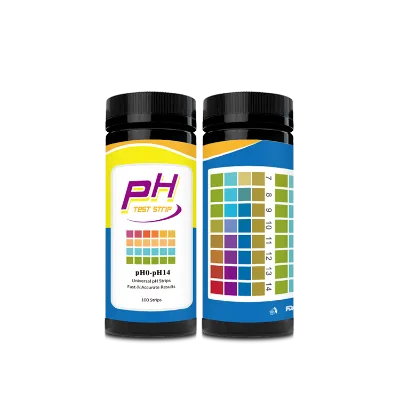
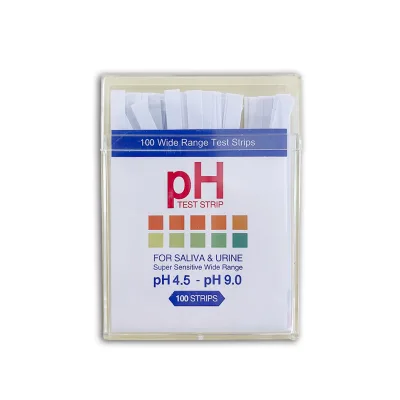
The current market landscape for pH test strips includes products targeting both water testing and specific medical applications, such as feminine health monitoring. Observed listings indicate a diverse range of product models, including TYK30 and TYZ501-TYZ502, which cater to different user preferences and institutional needs. Some products are packaged in barrels for bulk efficiency, while others utilize blister bags or booklets for individual consumer convenience. This variety allows buyers to select packaging that best fits their distribution channels or internal usage protocols.
Key attributes observed in supplier listings include logo printing options, which are available for some products but not others, allowing for brand customization in B2B transactions. The materials used, such as paper-based strips with PVA plastic mylar, are designed to ensure stability and accurate colorimetric reactions. Additionally, features like efficient testing capabilities and specific pH ranges, such as 4.5-8.3, are highlighted to assure buyers of the product's diagnostic precision. These signals help buyers quickly identify products that align with their technical and branding requirements.
Technical Specifications to Verify
When evaluating pH test strips, buyers must verify critical technical parameters to ensure compatibility with their intended use cases. The pH range is a fundamental specification, with some products covering 4.5-8.3, which is suitable for monitoring feminine health or general urine analysis. Buyers should confirm the strip dimensions, such as 9x70mm, to ensure they fit standard testing containers or automated readers if applicable. Additionally, the power source is typically manual, meaning the strips rely on visual color comparison, which requires clear instructions and consistent lighting conditions for accurate results.
Packaging specifications are equally important for maintaining product integrity and ease of use. Listings show variations such as 100 or 200 barrels per carton, or 20 strips per booklet with five booklets per box. These details impact storage requirements and inventory management. Buyers should also check the sterilization method, with Ethylene Oxide (E.O.) sterilization being a common standard for medical-grade strips. Verifying these technical details ensures that the purchased strips meet the necessary performance and safety criteria for their specific application.
Compliance and Safety Documentation
Compliance with regulatory standards is non-negotiable for medical healthcare products, including pH test strips. Buyers must verify that suppliers hold relevant certifications, such as CE, TUV, and ISO, which indicate adherence to international quality and safety standards. The instrument classification, often listed as Class II for certain diagnostic devices, further underscores the need for rigorous regulatory oversight. Ensuring that the product documentation includes these certifications protects buyers from legal liabilities and ensures that the strips are approved for their intended medical or diagnostic use.
Safety documentation should also include details on sterilization and shelf life. Products marked with Ethylene Oxide sterilization provide assurance of microbial safety, which is critical for items that may come into contact with sensitive body areas. The shelf life, typically two years for many listed products, must be clearly stated to prevent the procurement of expired inventory. Buyers should request certificates of analysis and sterilization validation reports from suppliers to confirm that the products have undergone necessary quality control checks before shipment.
Cost Drivers and Commercial Terms
Several factors influence the cost of pH test strips, including material quality, packaging complexity, and order volume. The use of imported inks, such as 8-color options, can enhance color accuracy but may increase production costs. Packaging choices, ranging from simple blister bags to complex barrel systems, also affect pricing. Buyers should consider the total cost of ownership, including storage and handling, rather than just the unit price. Understanding these cost drivers helps in negotiating better terms and selecting products that offer the best value for specific procurement needs.
Minimum Order Quantities (MOQ) and lead times are critical commercial terms that impact supply chain planning. While some listings indicate an MOQ of 100 barrels, others may have different thresholds, affecting inventory management strategies. Transportation options, including express, air, and sea freight, offer flexibility but come with varying costs and delivery times. Buyers should clarify warranty periods, which are often two years, and after-sales service provisions, such as online technical support, to ensure long-term support and mitigate risks associated with product defects or usage issues.
Supplier Qualification and Quality Control
Selecting a qualified supplier is essential for ensuring consistent product quality and reliable service. Buyers should verify the supplier's place of origin, with many manufacturers located in regions like Jiangsu, Zhejiang, and Guangdong in China. These regions are known for their manufacturing capabilities, but buyers must conduct due diligence to assess the supplier's production capacity and quality management systems. Requesting samples before placing large orders allows buyers to evaluate the physical quality of the strips, including color consistency and packaging integrity.
Quality control processes should be transparent and documented. Buyers should inquire about the supplier's testing procedures, including how they validate the pH range and color accuracy of each batch. Certifications like CE and ISO should be current and verifiable. Additionally, suppliers should provide clear information on their sterilization processes and shelf-life testing. Establishing a strong relationship with a supplier who prioritizes quality control ensures that the procurement process is smooth and that the end-users receive safe and effective diagnostic tools.
Long-Term Procurement Checks
Long-term procurement success depends on continuous monitoring of product performance and supplier reliability. Buyers should establish a feedback loop with end-users, such as hospitals or home users, to gather insights on the ease of use and accuracy of the pH test strips. Regular audits of supplier quality control practices can help identify potential issues before they impact the supply chain. Maintaining open communication with suppliers regarding any changes in standards or regulations ensures ongoing compliance and product relevance.
Inventory management strategies should be reviewed periodically to align with demand fluctuations and shelf-life constraints. Given the two-year shelf life of many products, buyers must implement robust stock rotation practices to minimize waste. Additionally, staying informed about advancements in test strip technology, such as improved color stability or broader pH ranges, can provide competitive advantages. By proactively managing these aspects, buyers can ensure a steady supply of high-quality pH test strips that meet the evolving needs of their customers.
FAQs
What certifications do medical healthcare ph test strips have?
Medical healthcare ph test strips typically carry CE certification to ensure compliance with regional safety standards. Some products also meet TUV and ISO requirements for quality assurance. These certifications verify that the testing devices are suitable for clinical and home use, providing reliable results for pH analysis in various healthcare settings.
Can these strips be customized with a logo?
Yes, customization is available for many Medical Healthcare PH Test Strip orders. Buyers can choose between options with or without logo printing depending on their branding needs. The packaging can also be customized, allowing for specific blister bag or booklet arrangements to suit different distribution channels and retail requirements effectively.
What is the typical warranty period for these strips?
The warranty period for medical healthcare ph test strips is generally two years or 24 months. This quality guarantee ensures that the product remains effective within its specified shelf life. Buyers should verify the exact warranty terms with the supplier, as some models may offer one-year coverage depending on the manufacturer.
Where are these test strips manufactured?
These medical healthcare ph test strips are manufactured in China, with origins in regions such as Jiangsu, Zhejiang, and Guangdong. The production facilities utilize imported inks and specialized materials like PVA plastic and paper to ensure accurate pH detection. This geographic concentration supports efficient supply chains and competitive pricing for global buyers.
What is the minimum order quantity for bulk purchases?
The minimum order quantity varies by product model, ranging from small batches to 100 barrels for certain items. Some suppliers accept orders as low as one unit for sampling, while bulk deals may require up to 1000 units. Buyers should check specific model requirements to determine the exact MOQ for their procurement needs.
How are the strips packaged for transport?
Medical healthcare ph test strips are packaged in cartons containing 100 or 200 barrels per box. Individual strips may come in blister bags or booklets with specific strip counts. The packaging is designed to protect the product during express, air, or sea transportation, ensuring stability and hygiene until the point of use in hospitals or homes.