Source Mercedes-Benz Control Arm Bushing for Suspension Repair
Find 30 listings for Mercedes-Benz Control Arm Bushing compatible with Mercedes-Benz and Jeep models. Compare OEM numbers like 2033331014 and 1643520165, check material specs such as steel and rubber, and review packaging details for direct fit replacement parts; compare the available evidence and request quotations based on your requirements.
Key considerations
Products List


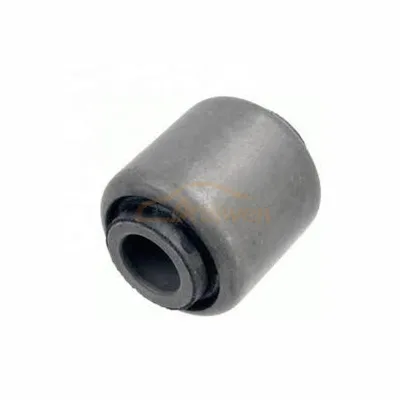


Chinese Suspension Bushing A2043308011 A2123330214 Bzab-030 for Mercedes-Benz
$4.50 - $6.00
MOQ: 500 pieces


Chinese Suspension Bushing A1643310542 A1663310142 Bzab-021 for Mercedes-Benz
$4.50 - $6.00
MOQ: 500 pieces


2513330114 Front Control Arm Bushing for Mercedes-Benz W251 W166 W164 X166
$5.00 - $10.00
MOQ: 10 Pieces


Auto Steering and Suspension Parts Lower Control Arm with Aluminum Bushings
$10.00 - $15.00
MOQ: 50 Pieces

Comprehensive Sourcing Guide
Mercedes-Benz Control Arm Bushing Sourcing Guide
Sourcing the correct control arm bushing for Mercedes-Benz vehicles requires precise alignment between the part number and the specific chassis generation. The available inventory highlights compatibility with models such as the W203, W211, and W164 series, identified by OEM numbers like 2033331014 and 2113331914. Buyers must verify that the listed part matches the exact vehicle configuration, as these components are engineered for specific suspension geometries and load requirements unique to each model year.
Procurement decisions should prioritize parts marked as OEM replacements or performance upgrades to ensure structural integrity. The observed listings indicate a focus on direct-fit solutions that eliminate the need for additional modification tools during installation. This approach minimizes installation errors and ensures that the suspension geometry remains within factory specifications, which is critical for maintaining vehicle handling dynamics and safety standards.
Product Scope and Observed Listing Signals
The current market offers a diverse range of control arm bushings characterized by specific material compositions and manufacturing processes. Listings frequently specify a combination of natural rubber and steel, utilizing rubber vulcanization and metal pressing techniques to achieve the required durability. These components are designed to operate within a temperature range of -40℃ to 120℃, ensuring reliable performance across all seasonal conditions and varying driving environments.
Buyers should note that packaging and unit quantities vary, with options ranging from single-piece boxes to bulk carton shipments. The observed data suggests a minimum order quantity between 10 and 500 units, allowing flexibility for both small repair shops and larger fleet operators. Understanding these logistical signals helps in planning inventory levels and managing cash flow, as the unit of sale is typically defined as a single piece per box.
Technical Specifications to Verify
Technical verification begins with confirming the physical dimensions and mounting location of the bushing to ensure a perfect fit. The product specifications indicate a standard size of 124332mm for certain models, while others may require different dimensions based on the specific control arm design. It is essential to cross-reference the OE number, such as A1243524365 or 2203520227, with the vehicle's service manual to avoid mismatches that could lead to premature failure or suspension noise.
Durability metrics are another critical area for verification, particularly regarding fatigue life and surface finish. The available data points to a fatigue life of at least 500,000 cycles, a benchmark that indicates long-term reliability under repeated stress. Additionally, the metal parts often feature a zinc-plated surface finish to resist corrosion, a detail that buyers should confirm visually or through technical datasheets to ensure the component can withstand exposure to road salts and moisture.
Compliance and Safety Documentation
Compliance with international standards is a non-negotiable aspect of sourcing automotive suspension components for Mercedes-Benz vehicles. The observed listings reference certifications such as ISO, DOT, ASTM, and JIS, which validate that the manufacturing process meets rigorous quality and safety benchmarks. Buyers must request current certification documents to confirm that the specific batch of parts adheres to these standards, as these certifications are often prerequisites for warranty claims and regulatory compliance in various markets.
Safety documentation also includes verifying the material composition and the absence of hazardous substances. The use of natural rubber (NR) and steel is standard, but buyers should ensure that the rubber compound meets specific environmental and safety regulations. Furthermore, the presence of an ISO TS16949 certificate indicates that the supplier follows a quality management system specifically tailored for the automotive industry, providing an additional layer of assurance regarding product consistency and traceability.
Cost Drivers and Commercial Terms
The pricing structure for these components is influenced by material costs, manufacturing complexity, and the level of customization required. The observed price range of 0.01 to 20 USD suggests a wide variance based on the specific model, material grade, and order volume. Buyers should analyze the cost per unit against the expected fatigue life and material quality to determine the true value, rather than simply selecting the lowest-priced option, which may compromise on durability or safety.
Commercial terms such as minimum order quantities and packaging requirements significantly impact the total cost of ownership. With MOQs ranging from 10 to 500 units, smaller buyers may face higher per-unit costs unless they consolidate orders with other retailers. Additionally, the choice between neutral packaging and branded export packaging can affect shipping costs and storage requirements, making it essential to negotiate terms that align with the buyer's logistical capabilities and budget constraints.
Supplier Qualification and Quality Control
Supplier qualification relies heavily on verifying the manufacturing origin and the consistency of their quality control processes. The data indicates that many suppliers are based in China, specifically in regions like Zhejiang, which is a known hub for automotive parts manufacturing. Buyers should investigate the supplier's production capacity and their ability to maintain consistent quality across large batches, as this directly affects the reliability of the suspension components supplied.
Quality control measures should include a review of the supplier's testing protocols and their adherence to the stated standards. The mention of specific manufacturing processes like rubber vulcanization and metal pressing suggests that the supplier has specialized equipment, but buyers must confirm that these processes are monitored for defects. Requesting sample inspections or third-party test reports can provide valuable insights into the supplier's ability to deliver parts that meet the rigorous demands of the Mercedes-Benz brand.
Long-Term Procurement Checks
Establishing a long-term procurement strategy requires regular audits of supplier performance and product consistency. Buyers should implement a system to track the failure rates of the bushings in the field, using this data to evaluate the supplier's ability to maintain quality over time. This proactive approach helps in identifying potential issues early, allowing for corrective actions before they impact the reputation of the buyer's business or the safety of the end customer.
Continuous verification of certification status and supply chain stability is also crucial for maintaining a reliable sourcing pipeline. As regulations and standards evolve, suppliers must adapt their processes to remain compliant, and buyers should ensure that their partners are keeping pace with these changes. Regular communication and periodic reviews of the supplier's documentation will help sustain a partnership that delivers high-quality, reliable control arm bushings for the long term.
FAQs
What is the OE number for this Mercedes-Benz control arm bushing?
The primary OE number for this specific Mercedes-Benz control arm bushing is A1243524365. Additional compatible part numbers include 2033331014, 1643520165, and 2113331914. These identifiers ensure precise fitment for various Mercedes-Benz models. Buyers should verify their vehicle chassis details against these numbers to guarantee compatibility before placing orders for replacement parts.
Which certifications validate the quality of these control arm bushings?
These control arm bushings are validated by DOT, ISO, ASTM, JIS, and AISI certifications. The manufacturing process also adheres to ISO TS16949 standards, ensuring rigorous quality control. These certifications confirm that the materials and production methods meet international automotive industry requirements for durability and safety in vehicle suspension systems.
Can these bushings be customized for specific vehicle requirements?
Yes, customization is available for these control arm bushings to meet specific vehicle requirements. Buyers can request tailored specifications to ensure optimal performance for their particular Mercedes-Benz models. This flexibility allows for precise adaptation to different suspension setups, ensuring that the replacement parts fit correctly and function as intended in various automotive applications.
What is the expected fatigue life of this suspension component?
The expected fatigue life of this suspension component is at least 500,000 cycles. This high durability rating ensures long-term reliability under normal driving conditions. The robust construction using steel and rubber materials contributes to this extended lifespan, making it a suitable choice for OEM replacement and performance upgrade applications in Mercedes-Benz vehicles.
What materials are used in the construction of these bushings?
These bushings are constructed using steel for the metal parts and natural rubber for the rubber components. The metal parts feature a zinc-plated surface finish for corrosion resistance. This combination of materials provides the necessary strength and flexibility for effective suspension performance, ensuring durability and reliable operation in various environmental conditions for Mercedes-Benz control arms.
How are these control arm bushings packaged for shipping?
These control arm bushings are packaged in neutral packaging within cartons. Each carton typically contains one piece per box, with dimensions of 17cm by 17cm by 13.5cm. This packaging method ensures safe transit and protects the components from damage. The neutral packaging option is suitable for various distribution channels, including cross-border exclusive supply arrangements.
Are these bushings suitable for all seasons and conditions?
Yes, these bushings are suitable for all seasons and conditions. They operate effectively within a temperature range of -40°C to 120°C. This wide operational range ensures reliable performance in extreme cold or heat. The durable rubber and steel construction maintains flexibility and strength, making them ideal for year-round use in Mercedes-Benz suspension systems without degradation.